
Have you ever found yourself wondering about the intricacies of exchanging diamond jewellery? It’s a common scenario: perhaps the piece you received no longer fits your style or needs a different sparkle. Understanding the return policies of diamond jewellery can save you time and ensure you make informed decisions. In this guide, we’ll unveil the secrets behind exchanging diamond jewellery, equipping you with the knowledge to navigate policies that can often seem daunting. Whether you’re a first-time buyer or a seasoned collector, knowing the ins and outs of exchange policies empowers you to shop confidently and make choices that resonate with your personal style. Let’s explore how to simplify your jewellery journey and discover the best practices for exchanging those precious pieces.
Understanding Diamond Jewellery Return Policies
Understanding the intricacies of diamond jewellery return policies is essential for any buyer. Each retailer has its own guidelines that dictate how and when you can return or exchange diamond jewellery, with many factors influencing these policies. Knowing what to expect can help you navigate your purchasing journey with confidence, ensuring a smooth process in case you need to make a return or exchange.
First and foremost, it’s important to inquire about the duration of the return window. Most jewellery stores offer a return period that ranges from 14 to 30 days, but some may extend this duration, especially during holiday seasons. It’s wise to keep the original packaging and any accompanying documentation, such as certificates of authenticity or appraisal, as these are often required to process a return. Additionally, many retailers impose a restocking fee, which can range from 10% to 25% of the item’s price. Understanding these factors upfront can prepare you for any potential costs associated with a return.
Another critical aspect is the condition of the item upon return. Most retailers require that the jewellery be in unworn condition with all its original tags intact. Damage or signs of wear can lead to a denial of the return, so be mindful to handle the item with care. For customized pieces, such as rings made to a specific size or engraved items, returns may be strictly limited or entirely excluded from return eligibility.
In conclusion, familiarizing yourself with a retailer’s return policy can save you headaches down the road. Always read the fine print before making a purchase, and don’t hesitate to ask questions. Being proactive not only empowers you to make informed decisions but also prepares you for any situation involving potential returns or exchanges. Embrace the experience of purchasing diamond jewellery with the assurance that you understand the policies that protect your investment.
What to Know Before Exchanging Jewellery
Before you embark on exchanging jewellery, particularly diamonds, it’s vital to arm yourself with knowledge that can ease the process and maximize your satisfaction. The world of jewellery return policies can be intricate, with various factors influencing your exchange experience. A common starting point is understanding the specific policies of the retailer from whom you made your purchase. Policies can vary significantly, so it’s crucial to familiarize yourself with their terms, timelines, and conditions regarding exchanges.
First, take note of the duration of the return window. Most retailers offer a time frame ranging from 14 to 30 days post-purchase, but during peak seasons, some may extend this period. Always keep the original packaging and documentation like certificates of authenticity, as these are often prerequisites for processing any exchange. Be mindful that many retailers might impose a restocking fee, which can range from 10% to 25% of the purchase price, impacting the overall financial aspect of your exchange.
Understanding the condition requirements of the item is also essential. Retailers typically require the jewellery to be unworn and with tags intact. Any signs of wear or damage can lead to complications or outright denial of the return. If you purchased a customized piece, such as a ring with specific engravings or sizing, be aware that exchanges for these items may be restricted or outright excluded from return eligibility.
By entering the exchange process informed and prepared, you not only protect your investment but also enhance your overall shopping experience. Remember, the key is to familiarize yourself with the fine details of the return policy beforehand. Don’t hesitate to seek clarification from the retailer if needed; this proactive approach will empower you to navigate the exchange process with confidence and ease.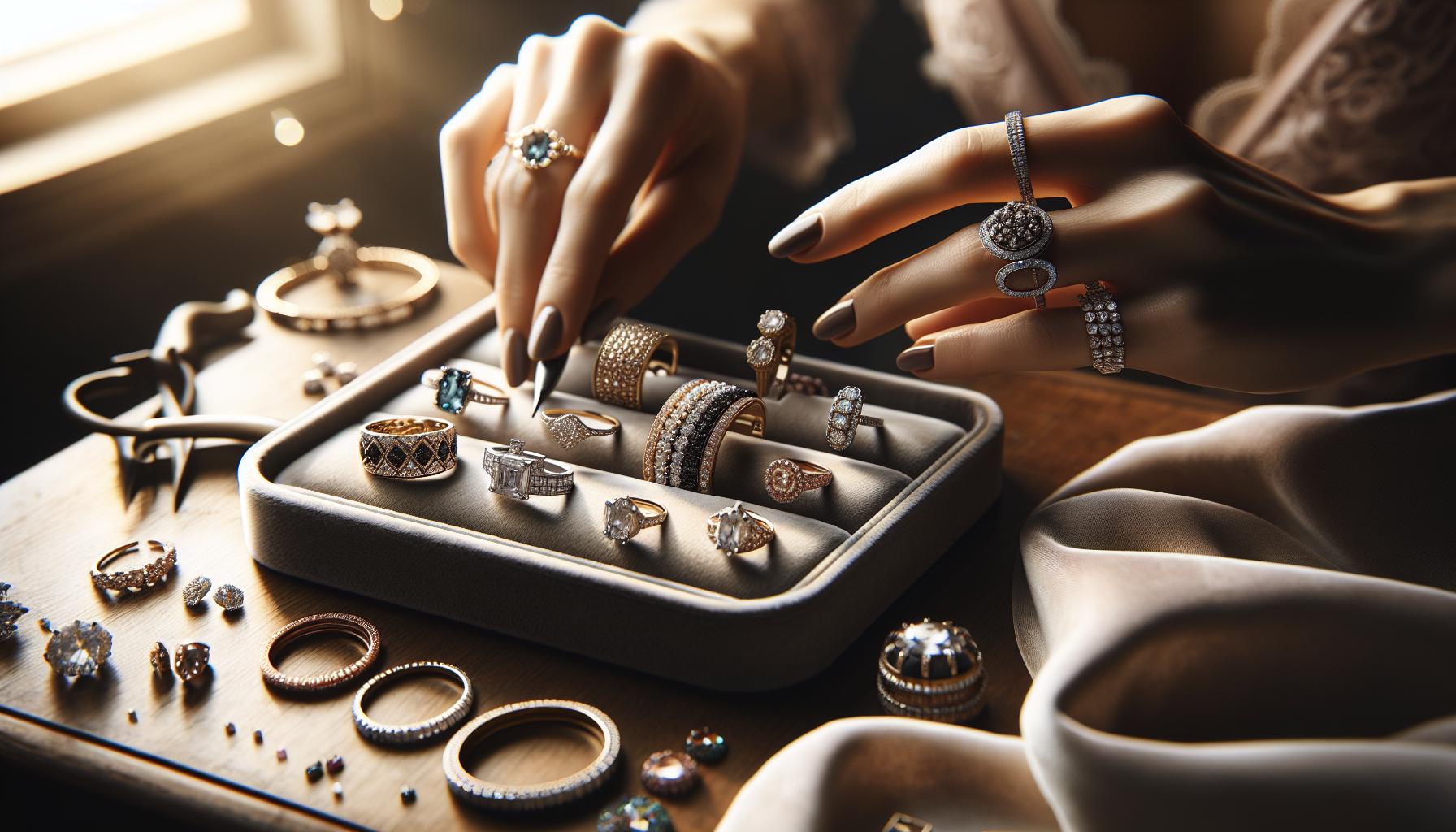
The Importance of a Transparent Return Policy
A well-defined and transparent return policy is crucial when it comes to exchanging diamond jewellery. It not only sets clear expectations for customers but also fosters trust between the retailer and the buyer. A transparent return policy informs customers of their rights, the conditions under which they can exchange their items, and what they can expect during the process. For high-value items like diamonds, where emotional and financial investments are significant, clarity can make all the difference.
When consumers are aware of the specific terms surrounding returns-such as time frames, condition requirements, and any applicable fees-they can make well-informed decisions. This transparency combats common misconceptions that may arise during the return process, such as assumptions about the ease of exchanges or hidden costs. For example, understanding that customized jewellery often isn’t returnable prevents disappointment and confusion for buyers who might otherwise expect leniency.
Moreover, a retailer that communicates its return policy openly demonstrates a commitment to customer satisfaction. For instance, if a customer knows that they can return a piece of jewellery within 30 days with the original packaging, they’re more likely to shop without fear. This can encourage impulse purchases and drive overall sales. Retailers who prioritize clear, accessible return policies can differentiate themselves in a competitive market, establishing a loyal customer base that values not just the products, but the purchasing experience as well.
In conclusion, a transparent return policy is not just a regulatory necessity; it’s a strategic advantage. By empowering customers with knowledge, retailers can create a smoother transaction experience that encourages trust and repeat business, ensuring that both the customer and the retailer feel confident during the jewellery exchange process.
Common Misconceptions About Diamond Exchanges
The process of exchanging diamond jewellery often comes with a set of misconceptions that can leave customers feeling confused or hesitant. One common myth is that all diamond purchases can be easily returned or exchanged, regardless of the circumstances. In reality, return policies vary significantly among retailers and can depend heavily on specific terms and conditions, including the item’s condition and whether any customization has been made. For example, many jewellers do not accept returns on customised pieces, which are often viewed as final sales due to their unique specifications.
Another prevalent misconception is that the return process is the same for all types of jewellery. While it might be straightforward for standard, mass-produced items, diamond exchanges can be more complex due to factors such as grading certificates and market value fluctuations. Understanding that the value of a diamond is not static is crucial-retailers often assess the resale value and may deduct potential losses from the refund amount. This notion can surprise many customers who assume they will receive the full purchase price back.
Furthermore, shoppers sometimes believe that returning jewellery purchased online will be as simple as it is for in-store purchases. However, online returns can involve additional steps, such as obtaining a return authorization and paying for shipping, which varies between retailers. For a smoother experience, it’s essential to read and understand the return policy specific to online purchases before finalizing a transaction.
Lastly, some buyers assume that a long return window guarantees hassle-free exchanges. While having more time can be beneficial, it does not always equate to an uncomplicated return. Certain conditions, such as maintaining original packaging and documentation, can still apply, which emphasizes the importance of familiarizing oneself with the fine print of return policies. In short, empowering yourself with accurate information about return policies not only helps in making informed purchases but also ensures a more confident and satisfying jewellery exchange experience.
Step-by-Step Guide: How to Exchange Diamond Rings
Exchanging a diamond ring can feel daunting, but with a clear process and understanding of your rights, you can navigate it smoothly. First, review the retailer’s return policy. Before taking any further steps, familiarize yourself with the specific terms outlined by the jeweller regarding exchanges. Pay close attention to deadlines, conditions for the ring’s return, and whether any documentation (like grading certificates) is required. This foresight can save you from surprises later on.
Once you’ve confirmed eligibility, the next step is to prepare the item for return. Ensure that the ring is in its original packaging, including any certificates and receipts you received at the time of purchase. Some retailers may require all original materials to process the exchange, so it’s essential to handle everything with care. If the item is damaged or altered in any way, be aware that this may affect your ability to exchange it.
After preparing your item, contact customer service to initiate the exchange. Whether you’re handling this in-store or online, communicating with the retailer directly can clarify any remaining questions and ensure you follow the correct procedures. If you’re returning the ring via mail, consider requesting a tracking number for your shipment to ensure it arrives safely.
Lastly, be patient and follow up as needed. Processing exchanges can take time, especially if the retailer needs to verify the item’s condition and authenticity. Stay in touch and keep a record of all communications as this can be useful if any discrepancies arise. By following these steps, you can approach the exchange process with confidence and clarity.
Factors Affecting Jewellery Return Eligibility
When it comes to exchanging diamond jewellery, understanding the various factors that can influence return eligibility is crucial. Each jeweller might have different policies, and being informed can save you time and potential frustration. One of the primary factors is the condition of the jewellery; most retailers require items to be returned in their original state-unworn and undamaged-to qualify for an exchange. Ensure that the piece is kept in its original packaging and includes all accompanying documents, such as certifications and receipts, as these are often mandatory for processing an exchange.
Another significant aspect is timing. Many return policies include a specific time window within which returns must be made-generally ranging from 30 to 90 days post-purchase. It’s essential to know the exact timeframe to comply with the retailer’s requirements. Additionally, customised or engraved items may have stricter return policies. If alterations were made post-purchase, such as resizing or personalization, these changes may exempt the item from return eligibility altogether.
Retailers may also impose restocking fees, especially on high-value items like diamond jewellery. This fee can deduct from your refund or exchange value, so be sure to ask about any applicable costs beforehand. Moreover, keep in mind that some shops might only accept returns for exchanges rather than refunds, particularly if the initial purchase was part of a promotional sale or discount event.
In summary, to navigate the intricate landscape of jewellery return eligibility, always review the store’s policy before making a purchase, keep your item in pristine condition, and ensure that you meet all timelines and documentation requirements. This knowledge empowers you to make informed decisions and helps facilitate a smoother exchange process should the need arise.
Hidden Fees and Costs in Return Policies
Navigating the world of diamond jewellery exchanges can often feel like a labyrinth, especially when hidden fees and costs come into play. Many consumers are understandably focused on the purchase price of their jewellery and may overlook the additional expenses that can arise when attempting to return or exchange items. A solid grasp of these potential costs can help you avoid unpleasant surprises and manage your expectations effectively.
One common hidden fee is the restocking fee. Retailers often impose a restocking charge, typically ranging from 10% to 20% of the purchase price, particularly for high-value jewellery. This fee is designed to cover the costs associated with inspecting, cleaning, and restocking the item. Before making a purchase, inquire about any such fees, as they may significantly impact the amount you receive in an exchange. Furthermore, some retailers may only allow exchanges rather than full refunds, which can further complicate the return process if you were expecting a refund.
Another cost to consider is shipping fees for returning the item. If you’re returning diamond jewellery via mail, you might be responsible for covering the return shipping costs. This can add up, especially if the retailer does not offer pre-paid return labels. It’s wise to read the return policy thoroughly to understand whether the retailer covers these costs or if they will be deducted from your total refund.
Additionally, some return policies include charges for any alterations or modifications made to the jewellery. If your diamond ring or necklace was resized or engraved after purchase, the retailer might not accept it for return at all or could charge a fee to revert any modifications made. Always verify which alterations impact the return eligibility of your jewellery, as this can prevent potential disappointment later.
Best Practices to Avoid Hidden Costs
To navigate the potential pitfalls of hidden fees effectively, adopt a few best practices:
- Read the Policy: Always take the time to read the return policy carefully before completing your purchase. Look for any mention of restocking fees, shipping charges, and conditions related to modifications.
- Ask Questions: Don’t hesitate to ask the retailer directly about any hidden costs. It’s better to clarify these details upfront than to find out after the fact.
- Keep Everything Intact: Retain the original packaging, receipts, and any accompanying documents-keeping everything in pristine condition can help maintain your eligibility for a return or exchange.
By being proactive and informed, you can ensure a smoother and more transparent return process, allowing you to focus on selecting the right piece rather than worrying about unexpected costs. Remember, a little diligence now can save you considerable frustration and expense later.
Tips for Navigating Retailer Return Policies
To successfully navigate the often-complex world of retailer return policies for diamond jewellery, gaining insight into the intricacies of these policies can empower consumers and alleviate stress during the exchange process. One of the most effective strategies is to become familiar with a retailer’s specific return guidelines before making a purchase. This includes understanding their time limits for returns, whether they offer exchanges or full refunds, and any documentation you’ll need to present. Retailers may have varying stipulations, so knowing these details upfront will save you time and energy later.
Another key aspect is communication. Don’t hesitate to reach out directly to the retailer for clarification on any vague terms or conditions. This proactive approach can help you uncover important nuances, such as restocking fees or charges for custom alterations. For instance, if you resized your diamond ring and later decide to return it, many retailers may have strict policies about accepting such items back. Clearly asking about these details not only prepares you better but also may provide peace of mind.
It’s also crucial to keep all original packaging, receipts, and any certification documents intact. Many retailers require items to be returned in their original condition and packaging to process an exchange or return. By preserving these details, you enhance your chances of a smooth return and safeguard your interests.
Lastly, if you’re in the midst of selecting a piece of jewellery, consider involving a knowledgeable friend or expert who can advise on the purchase. They can provide insights into the piece’s value and the retailer’s return policy, guiding you towards a more informed and satisfactory decision. Overall, by staying informed, asking the right questions, and keeping everything organized, you can navigate the complexities of diamond jewellery return policies with confidence.
Legal Aspects of Returning Diamond Jewellery
Navigating the legal landscape surrounding the return of diamond jewellery can be intricate, yet understanding your rights and obligations can empower you as a consumer. First and foremost, consumers should be aware that most countries enforce consumer protection laws that mandate retailers to provide clear and fair return policies. This means that any claims regarding a product-such as its quality or authenticity-must be substantiated. Misrepresentation can lead to legal ramifications for retailers, offering buyers a degree of protection.
It is imperative to read and understand the retailer’s return policy before making a purchase. Policies often include specific time frames for returns, conditions under which items may be returned, and whether documentation like receipts and certificates of authenticity are required. Additionally, some jurisdictions allow for a ‘cooling-off period’ for certain transactions, during which consumers can change their minds and return products without penalty, provided they follow certain rules.
An important consideration is the distinction between a return and an exchange. While most retailers allow for exchanges even without a pressing legal obligation, the return for a refund may be subject to stricter terms. In particular, items that have been altered, such as resized rings, can be challenging to return. Retailers often specify that standard terms apply only to items in their original condition. Therefore, retaining all original packaging and documentation is not just wise but sometimes legally necessary for a successful return.
Lastly, if you find that your rights are being infringed upon, or if you face obstacles while trying to return an item, don’t hesitate to elevate your concerns. Many legal frameworks allow consumers to lodge complaints with local consumer protection agencies which can provide assistance or mediation services. Familiarizing yourself with these avenues can turn a frustrating experience into a manageable one, ensuring that your rights as a consumer are respected and upheld.
Best Practices When Returning High-Value Items
Returning high-value items, such as diamond jewellery, requires careful attention to detail and a solid understanding of the retailer’s policies. When you invest in a piece of jewellery, you not only buy an item but also a promise of quality and satisfaction. To ensure that your exchange or return goes smoothly, it’s essential to follow certain best practices.
First and foremost, always keep all original documentation intact. This includes receipts, certificates of authenticity, and the original packaging. Retailers often require proof of purchase and proper packaging for returns, particularly for high-value items. By maintaining this documentation, you increase your chances of a successful exchange or return. Additionally, it’s wise to photograph the item before returning it. This serves as evidence of its condition and can be invaluable in case of disputes later.
Next, familiarize yourself with the specific return policy of the retailer. Each store has its own terms regarding time frames for returns, conditions for acceptance, and whether exchanges are allowed for custom or altered pieces. For instance, some retailers might allow a return within 30 days, whereas others may have a 60-day window or even a lifelong exchange policy. Knowing these details upfront can help manage expectations and streamline the process.
Communicate Effectively
Open and clear communication with the retailer can also make a significant difference. If you have questions about the return process or the status of your request, don’t hesitate to reach out to customer service. Politely explaining your situation can often yield a more favorable outcome. Furthermore, if the product you received does not match its description or has defects, be sure to report these issues promptly, as they might impact your return eligibility.
Lastly, consider the timing of your return. If possible, try to initiate the return process during periods when the store is less busy, such as weekday afternoons. This allows for a more focused service experience and can lead to faster resolutions. Keeping your return uncomplicated and professional reflects well on you as a customer and may encourage the retailer to go out of their way to assist.
By adhering to these practices when returning high-value diamond jewellery, you can safeguard your investment and navigate the return process with confidence.
Creating a Return Policy: Insights for Retailers
Creating a well-structured return policy is crucial for retailers in the diamond jewellery market, as it not only fosters customer trust but also paves the way for successful exchanges and returns. A transparency-first approach lays the groundwork for a positive shopping experience. When crafting a return policy, it is essential to address the most common concerns customers might have, such as timelines, conditions for returns, and the processes involved. Establishing clear, concise language that avoids legal jargon helps ensure customers fully understand their rights and responsibilities.
To ensure fairness and clarity, consider incorporating the following elements into your return policy:
- Time Frame: Define the period in which returns can be initiated. A window of 30 to 60 days is standard, but offering a more extended period can enhance customer satisfaction.
- Condition of Items: Outline what conditions items must meet to be eligible for a return. For instance, jewellery should be in its original condition, accompanied by all packaging and documentation.
- Exclusions: Clearly state any items that are non-returnable, such as custom or engraved pieces, to manage customer expectations upfront.
- Process Steps: Provide a step-by-step guide on how customers can initiate a return, including whom to contact and what information they need to provide.
Addressing hidden fees is another vital aspect. Ensure that customers are aware of any potential costs associated with returns, such as shipping or restocking fees, to avoid surprises and build trust. A frequently asked questions (FAQ) section can also be beneficial, as it allows customers to easily find answers to common queries about returns and exchanges.
Lastly, consider gathering customer feedback on your return policy. Engaging customers allows you to fine-tune processes and policies to better meet their needs, creating a cycle of improvement that can enhance your reputation in the highly competitive diamond jewellery market. By prioritizing transparency and creating a customer-centric return policy, you not only protect your business but also elevate the consumer experience, fostering loyalty and satisfaction.
Customer Testimonials: Successful Exchange Experiences
Real-life experiences can offer valuable insights and reassurance when navigating the complexities of exchanging diamond jewellery. Many customers have successfully shared their stories of exchanging pieces that didn’t meet their expectations, reinforcing the importance of a transparent return policy. For instance, one customer recounted how they initially purchased a stunning diamond ring but later realized it was not the right fit due to a sizing error. By carefully reading the return policy, they discovered a flexible 60-day exchange window that allowed them to return the ring and select a new one without any hassle.
Another testimonial highlights the significance of understanding item conditions for returns. A customer shared that they were initially hesitant to return a custom piece because they were uncertain about the process. However, upon contacting customer service, they learned that their jewellery was eligible for a return within the specified timeline, provided it remained in its original condition. The clear communication from the retailer not only eased their concerns but also led to a successful exchange that resulted in a perfect piece tailored to their taste.
Providing a personal touch can also enhance customer experiences. One jeweller implemented a follow-up communication after an exchange, encouraging customers to share their thoughts on the new piece. This initiative not only fostered trust but also allowed the jeweller to refine their return policies based on genuine feedback. Such an approach emphasizes the importance of listening to customers, making them feel valued and understood during the exchange process.
Incorporating these testimonials into the understanding of return policies reminds potential buyers that exchanges can be straightforward and stress-free when clear communication and supportive policies are in place. Engaging with customer experiences fosters a sense of community among jewellery buyers, showcasing that successful exchanges are not just possible but can also lead to lasting satisfaction with their purchases.
Frequently asked questions
Q: Can I return diamond jewellery if I changed my mind?
A: Yes, most retailers allow returns if you change your mind, but specific conditions apply. Check the return policy for time limits and product condition requirements. Ensure the jewellery is in its original condition and packaging for a smooth return process.
Q: What should I do if my diamond jewellery has a defect?
A: You should contact the retailer immediately to report the defect. Many stores have customer service protocols for handling defective items, which may include exchanges or repairs under warranty. Document the defect with pictures for reference.
Q: How long do I have to exchange diamond jewellery?
A: The exchange period can vary by retailer but typically ranges from 30 to 90 days. Always verify the exact duration in the store’s return policy to avoid complications. For detailed guidelines, see the section on understanding return policies.
Q: Are there any costs associated with exchanging diamond jewellery?
A: Yes, some retailers may charge restocking fees or require you to cover shipping costs for exchanges. Always read the return policy to understand potential fees. Look for hidden costs discussed in our article section on hidden fees.
Q: Can I exchange custom-designed diamond jewellery?
A: Exchanging custom-designed jewellery can be more complex. Many retailers do not accept returns on custom items, citing uniqueness. It’s crucial to confirm this status prior to purchase, as outlined in the “What to Know Before Exchanging Jewellery” section.
Q: What documentation do I need for exchanging diamond jewellery?
A: You typically need original receipts and any certificates of authenticity. Some retailers may also require the original packaging. Make sure to keep all relevant documents as discussed in our “Step-by-Step Guide” for effective exchanges.
Q: What happens to my warranty when I exchange diamond jewellery?
A: Generally, exchanging jewellery does not void your warranty, but check with the retailer for specific policies. Some stores may offer new warranties on exchanged items. Refer to the legal aspects section for more clarity on these terms.
Q: If an item was a gift, can I still return or exchange it?
A: Yes, many retailers allow exchanges for gifts, but the process may differ if you lack the original receipt. You may receive store credit or be required to exchange for a product of equal value instead. Make sure to confirm the policy details before proceeding.
Key Takeaways
Understanding the ins and outs of exchanging diamond jewellery is key to ensuring peace of mind with your purchases. If you’re still pondering over your options or have lingering questions, don’t hesitate to explore our other guides on jewellery care and what to consider before making an exchange. The insights shared will help you navigate the often-complex world of diamond jewellery with confidence.
Ready to take the next step? Visit our resources on cleaning gems and crafting breathtaking jewellery pieces, or check out our detailed articles on starting a jewellery shop. Remember, exchanging jewellery doesn’t have to be daunting; we’re here to empower you with the knowledge you need. Join our community by signing up for our newsletter to stay informed about the latest trends and tips that keep your pieces shining bright. Share your thoughts in the comments below; your experiences and questions enrich our community!