
When it comes to jewelry, gold and platinum have long held a special place in our hearts and adorn our most cherished moments. With a purity that can range from 58.3% for gold to 85-95% for platinum, these metals not only embody luxury but also offer remarkable durability and timeless appeal. Their unique physical and chemical properties make them suitable for crafting exquisite pieces, whether everyday wear or heirloom treasures. As you explore the fascinating science behind these metals, you’ll uncover why they remain popular choices for jewelry making, how they can enhance your collection, and tips for selecting the perfect pieces that reflect your personal style. Dive in to discover how understanding these materials can empower your jewelry journey, ensuring that your adornments are not only beautiful but also meaningful.
The Unique Properties of Gold and Platinum in Jewellery
Gold and platinum are not just precious metals; they possess unique properties that make them highly sought after in the world of jewellery. Known for their lustrous appearance and rarity, both metals bring distinct advantages to the table. Gold, available in various shades such as yellow, white, and rose, can be alloyed with other metals to enhance its durability and alter its color. On the other hand, platinum is celebrated for its strength and hypoallergenic qualities, making it an ideal choice for those with sensitive skin. This extraordinary resilience ensures that platinum jewellery maintains its integrity and shine over time, providing lasting beauty to its wearer.
When it comes to weight, platinum surpasses gold significantly. With a higher density, platinum pieces often feel more substantial and luxurious. This heftiness not only reflects quality but also allows for intricate designs, holding precious gemstones securely. The rarity of platinum further elevates its value, as it is less abundant in the Earth’s crust compared to gold. It requires advanced techniques for extraction and processing, which increases its cost and allure in the jewellery market.
In addition to their physical characteristics, the symbolism associated with both metals adds layers of meaning to jewellery. Gold is often linked with wealth and prosperity, while platinum conveys a sense of exclusivity and commitment, frequently chosen for engagement and wedding rings. This emotional connection enhances the desirability of jewellery crafted from these metals, making them timeless choices for significant life events and personal milestones.
Crafting jewellery in gold and platinum requires skilled artisans adept at utilizing these metals’ unique attributes. Whether through intricate designs or classic elegance, the combination of beauty, durability, and symbolism in gold and platinum pieces continues to captivate jewellery enthusiasts and collectors alike. Investing in jewellery crafted from these precious materials is not only a choice of style but also a testament to the value of artisanal excellence and enduring relationships.
How Gold and Platinum Are Sourced and Processed
The journey from the earth to exquisite jewellery is fascinating, especially when it involves precious metals like gold and platinum. Both metals undergo extensive sourcing and processing that not only emphasizes their rarity but also highlights the intricate methods used to prepare them for the jewellery market.
Gold extraction typically occurs through methods such as open-pit mining or underground mining. Initially, large quantities of ore are dug and processed, with gold separated from other materials using chemical processes, commonly cyanidation. This process is effective but raises concerns regarding its environmental impact due to toxic byproducts. Once refined, gold is often alloyed with metals like copper or silver to enhance its durability and provide various hues. The finished product is usually stamped to indicate its karat purity, ensuring buyers know the quality of their jewellery.
In contrast, platinum sourcing is a more challenging endeavor. With its relative scarcity-only about 150 tons mined each year compared to over 1,000 tons of gold-platinum is mostly extracted from ore deposits found in specific regions, such as South Africa and Russia. The extraction involves crushing the ore and separately refining platinum through stringent processes, as it is mixed with other metals, including palladium and rhodium. The resulting platinum is incredibly pure, often at a 95% purity level or higher, which is a distinctive feature when you see ‘950’ stamps on jewellery.
Processing Techniques
The processing of both metals not only involves extraction but also refining them to achieve the desired purity. Here are some essential techniques:
- Hydrometallurgy: This method is often used for both gold and platinum, utilizing aqueous solutions to recover the metals, reducing environmental waste.
- Electrolytic Refining: A critical method for platinum that purifies metals through electrolysis, ensuring a high-quality finish and minimal contamination.
- Alloying: Both metals can be alloyed to create variations in color and strength; for example, gold can be combined with nickel to produce white gold, while platinum may be alloyed with cobalt for added durability.
Understanding these processes not only offers a glimpse into the effort that goes into sourcing precious metals but also empowers consumers to appreciate the craftsmanship behind their jewellery choices. When making a purchase, recognizing the complexity involved in the creation of both gold and platinum pieces can enhance your connection to these timeless treasures, ensuring that your investment reflects both beauty and quality in its design and construction.
The Science Behind Gold and Platinum Alloys
Both gold and platinum are beloved for their luxurious appearance and incredible durability, but their appeal significantly increases when they are alloyed with other metals. Understanding the science behind these alloys reveals why they are exceptionally well-suited for jewellery making, balancing beauty, strength, and workability. Gold is often alloyed with metals such as copper, silver, or palladium to enhance its properties. This not only alters its color-yielding shades like rose gold or white gold-but also improves its hardness, making it more suitable for everyday wear.
In the case of platinum, its natural resistance to tarnish and scratching is further enhanced through alloying. By combining platinum with a small percentage of other metals-like iridium or cobalt-jewellers can create a stronger, more resilient material while maintaining its hypoallergenic qualities. Platinum alloys are typically composed of 90% or more platinum, ensuring that the luxurious feel and weight of the metal remain prominent. The stamping on jewellery, often denoting the composition (like “950”), assures wearers of the purity of their piece.
The choice of alloy not only impacts the physical properties of the metal but also its aesthetic appeal. For instance, while rose gold, created by mixing gold with copper, offers a warm, romantic hue, white gold achieves a contemporary look through the blending of gold with palladium or nickel. In contrast, platinum maintains a classic luster and is ideal for those who prefer a timeless design. This versatility in alloying allows crafters to tailor each piece for specific styles and preferences, making gold and platinum incredibly versatile in the jewellery market.
Finally, the impact of alloying on fabrication cannot be overstated. The malleability of gold makes it easier to work with, allowing intricate designs and detailed craftsmanship, while platinum, although denser and harder to manipulate, offers unrivaled durability in settings, ensuring that precious stones are held securely for a lifetime. Whether you’re investing in a finely crafted engagement ring or a chic set of earrings, understanding the role of alloys can greatly enhance your appreciation for these exquisite materials.
Comparing Durability: Gold vs. Platinum in Jewellery
When it comes to durability in jewelry, gold and platinum present unique characteristics that cater to a variety of preferences and lifestyles. Gold is celebrated for its malleability and versatility, allowing jewelers to create intricate designs that can be worn daily. However, its softness can make it more susceptible to scratches and dents, even when alloyed with metals such as copper or silver. Depending on the karat, a higher gold composition may mean an increase in softness, which can impact the longevity of a piece, especially in rings or bracelets that endure regular wear.
On the other hand, platinum stands out for its incredible durability and natural resistance to scratching and tarnishing. With a density that is heavier than gold, platinum not only feels more substantial but also holds gemstones more securely, making it an excellent choice for engagement rings and other items that require enduring strength. Most platinum jewelry comprises 90% or more platinum, which reinforces its robustness while ensuring that its quality remains prominent over time. This makes platinum an ideal option for those who lead active lifestyles or frequently engage in manual activities.
Practical Tips for Choosing Between Gold and Platinum
When deciding between gold and platinum for jewelry, consider the following aspects:
- Wear Frequency: If you plan to wear a piece daily, platinum may be your best bet due to its durability.
- Aesthetic Preference: Gold offers a variety of styles and colors, particularly through alloying, which can provide personalized aesthetics.
- Weight Sensation: If you prefer a heavier feel, platinum’s density gives a substantial experience that many find appealing.
- Maintenance Needs: Both materials require care, but platinum may need more frequent polishing to maintain its sheen, while gold may need to be re-plated if it is white gold.
Understanding the fundamental differences between gold and platinum in terms of durability allows you to make an informed choice that reflects your style and lifestyle. Whether you opt for the elegant beauty of gold or the enduring strength of platinum, both metals provide a legacy of quality and craftsmanship that can be cherished for generations.
The Role of Color in Gold and Platinum Jewellery
The palette of colors available in gold and platinum jewelry not only enhances aesthetic appeal but also speaks volumes about personal style and craftsmanship. Gold is particularly versatile when it comes to color; it can be alloyed with various metals, resulting in an array of shades that cater to diverse tastes. For example, yellow gold, created by combining pure gold with copper and silver, radiates warmth and tradition, while white gold, typically mixed with palladium or nickel, offers a modern and sleek look reminiscent of platinum. Meanwhile, rose gold has surged in popularity, lending a romantic blush to pieces through its copper alloy.
In contrast, platinum maintains a more uniform appearance due to its natural silvery-white hue, which remains consistent regardless of how it is alloyed. This intrinsic color makes platinum particularly appealing for contemporary designs and settings, especially in engagement and wedding rings where a minimalist and timeless aesthetic is desired. Its durability allows it to showcase gemstones beautifully, as it does not become discolored over time-a significant advantage for those seeking longevity in their jewelry.
When selecting gold or platinum jewelry, the color can greatly influence the piece’s versatility and your overall style. Consider the following tips:
- Complement Your Skin Tone: Yellow gold often complements warmer skin tones, while white and rose gold can enhance cooler tones.
- Match with Other Jewelry: If you frequently mix and match jewelry, think about how the colors will pair. White gold and platinum can be seamlessly combined for a cohesive look.
- Seasonal Trends: Embrace seasonal trends; for instance, richer tones like rose gold can shine during fall and winter, while the fresh brightness of yellow gold is often favored in spring and summer collections.
By understanding how color influences both the appearance and emotional connection to jewelry, you can make informed choices that resonate with your personal style. Through the interplay of color and material, both gold and platinum remain extraordinary choices, each offering a unique signature to every piece of jewelry crafted.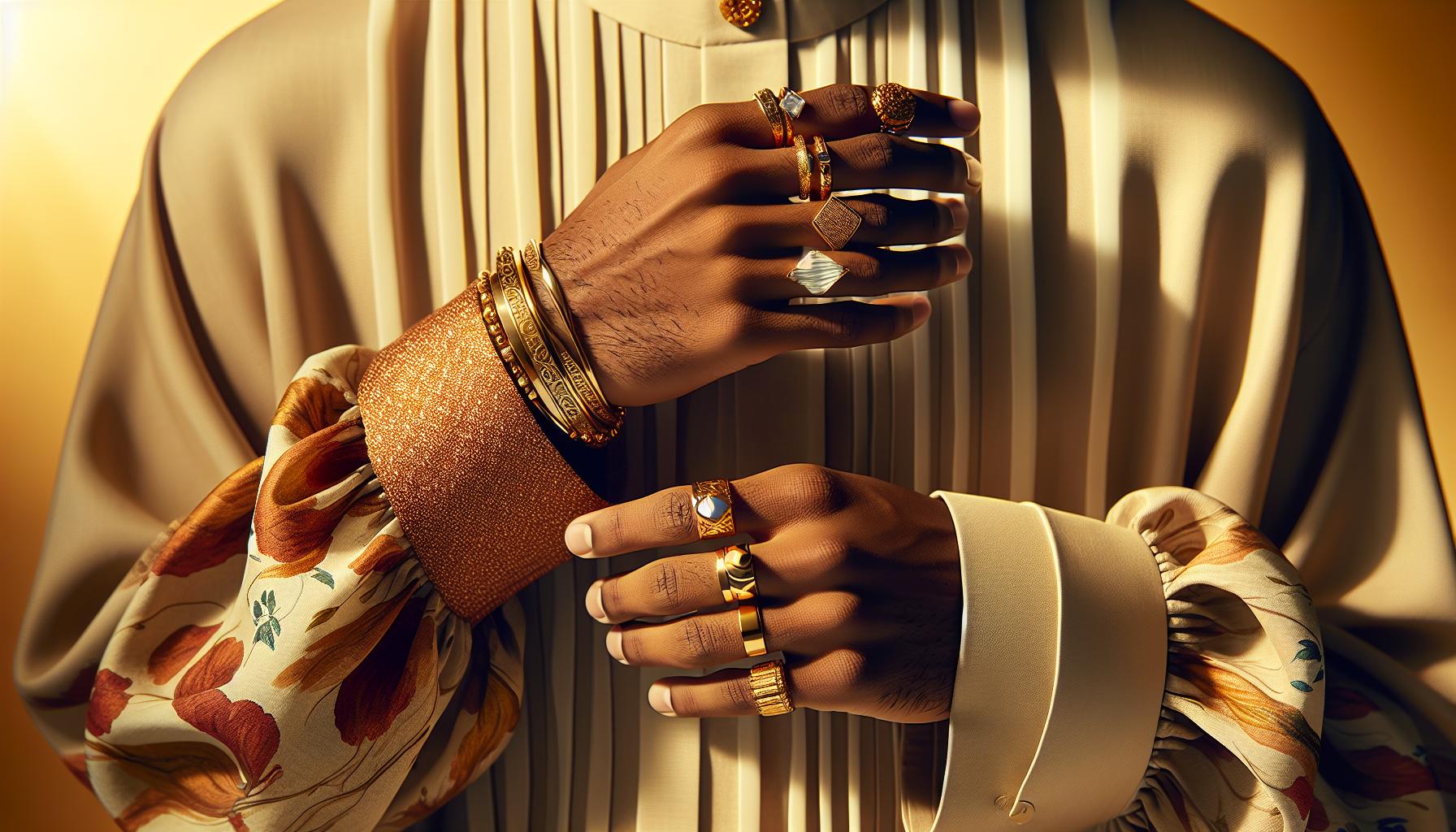
Understanding the Value of Gold and Platinum
Gold and platinum have long captivated jewelry enthusiasts, not just for their beauty but also for their intrinsic and market value. Both metals have histories enriched by their desirability, making them staples in the world of fine jewelry. Their value is determined by several factors, including their rarity, market demand, and the unique properties that make them suitable for crafting exquisite pieces.
Platinum, renowned for its rarity and density, commands a higher price compared to gold. This precious metal is about 30 times rarer than gold, which naturally elevates its status. Additionally, platinum is exceptionally durable, making it an ideal choice for settings that require a strong hold, especially for delicate gemstones such as diamonds. Its hypoallergenic properties further enhance its appeal, as individuals with sensitive skin can wear platinum without irritation. Understanding these characteristics allows consumers to appreciate platinum’s premium price tag, reinforcing its value in the marketplace.
Gold, however, offers a unique blend of accessibility and elegance. With a variety of karats available-ranging from 10k to 24k-gold’s value can fluctuate significantly based on its purity. Higher karat gold, such as 24k, is more malleable and can be crafted into intricate designs, but its softness can limit its durability compared to platinum. Consumers often gravitate toward 18k or 14k gold for a balance of purity and practicality in jewelry that will be worn daily.
As a jewelry buyer or collector, it’s essential to consider these aspects when exploring the value of gold and platinum. Here are some practical tips:
- Research Market Trends: Stay informed about current market prices and trends for both metals to make educated purchasing decisions.
- Evaluate Quality: Look for reputable sellers and certifications that guarantee the authenticity of your gold and platinum pieces.
- Consider the Longevity: Think about how the durability of platinum versus the different karats of gold will suit your lifestyle and the type of jewelry you intend to wear.
By understanding the nuanced differences in value between gold and platinum, you can make knowledgeable choices that align with your personal style and investment goals in the world of jewelry. Whether you choose the timeless allure of gold or the unparalleled prestige of platinum, each offers a unique way to express individuality and worth.
How to Care for Gold and Platinum Jewellery
To keep your treasured gold and platinum jewelry looking stunning and in excellent condition, regular care is essential. Both metals possess unique properties that make them ideal for fine jewelry, yet they each require specific maintenance strategies. Understanding how to care for your pieces not only enhances their beauty but also prolongs their lifespan, ensuring you enjoy them for years to come.
For gold jewelry, cleaning is straightforward and can be done at home. A gentle solution of warm water mixed with a few drops of mild dish soap is effective. Soak the piece for about 20 to 30 minutes, then use a soft toothbrush to gently scrub any intricate designs or settings. Rinse under clean water and dry with a soft, lint-free cloth. It’s advisable to avoid abrasive cleaners or harsh chemicals, as these can scratch gold or remove its finish. Additionally, store gold jewelry in soft pouches or separate compartments to prevent scratching when not in use.
Platinum, celebrated for its durability and hypoallergenic properties, requires a slightly different approach. Although it is less prone to scratches than gold, it can still develop a dull appearance over time due to wear. To maintain its luster, regularly clean platinum jewelry using the same mild soap solution mentioned earlier. For tougher tarnish, consider using a platinum polishing cloth specifically designed for this purpose. When handling platinum, always ensure your hands are clean and dry to avoid transferring oils that can dull its shine.
Storage Tips
When it comes to storing your gold and platinum jewelry, organization is key. Here are some practical tips to maintain their allure:
- Keep them separated: Store gold and platinum pieces in separate compartments to avoid scratching.
- Use soft pouches: Wrapping each piece in a soft cloth or using padded jewelry boxes can further protect them from damage.
- Limit exposure: Avoid storing fine jewelry in direct sunlight or moisture-prone areas to prevent tarnishing or fading.
By integrating these care techniques into your routine, you’ll not only enhance the beauty of your gold and platinum jewelry but also safeguard your investments, ensuring they remain as captivating as the day you purchased them.
The Environmental Impact of Gold and Platinum Mining
The extraction of gold and platinum, two of the most coveted metals in the jewelry industry, comes at a significant environmental cost. While these precious metals have unique properties that make them ideal for fine jewelry, their mining operations often lead to detrimental ecological consequences. From habitat degradation to pollution, understanding is crucial for consumers who value sustainability in their purchasing choices.
Gold mining, particularly through traditional methods like open-pit mining, can lead to substantial land disruption and forest loss. This not only destroys local habitats but also contributes to soil erosion and water contamination. Similarly, the extraction of platinum, although less frequent due to its scarcity, utilizes techniques that can exacerbate environmental degradation. For instance, mining involves the use of harmful chemicals, such as cyanide in gold mining, which can leach into surrounding ecosystems and poison wildlife, as well as local water supplies.
To mitigate these impacts, there is a growing push towards responsible sourcing in the jewelry industry. Many brands are now seeking ethically sourced gold and platinum, which adhere to stricter environmental standards and ensure that mining operations prioritize ecological conservation. Certification schemes, such as the Responsible Jewelry Council’s Code of Practices, help guide consumers to make informed decisions. Supporting jewelry companies that are committed to sustainable practices enables individuals to enjoy their beautiful pieces while contributing to the well-being of the planet.
What You Can Do
- Ask Questions: When purchasing jewelry, inquire about the sourcing of the metals. Ethical brands should be transparent about their mining practices.
- Choose Recycled Metals: Consider jewelry made from recycled gold and platinum, which significantly reduces the environmental footprint compared to newly mined materials.
- Support Ethical Jewelers: Look for jewelers who are recognized for their commitment to sustainable sourcing and environmental responsibility.
By being mindful of the environmental implications of gold and platinum mining, consumers can help foster a more sustainable future while still enjoying the timeless beauty of their jewelry.
Innovative Jewellery Designs Featuring Gold and Platinum
The world of jewelry design is constantly evolving, with innovative uses of gold and platinum showcasing the versatility and appeal of these precious metals. Designers are not only focusing on aesthetic value but are also blending tradition with modern techniques to create unique pieces that stand out. For instance, the minimalist trend has propelled the popularity of sleek, unembellished designs made from high-quality platinum, emphasizing its naturally lustrous finish. This type of jewelry often highlights the purity of the material itself, which can exude elegance and sophistication.
In recent years, personalized and custom jewelry has gained traction, reflecting individual stories and preferences. Gold and platinum are the preferred choices for these bespoke creations due to their malleability and ability to hold intricate designs. From thoughtful engravings to unique textures, artisans are pushing the boundaries of how these metals can be transformed. For example, using a combination of diamond-cut finishes and brushed surfaces, jewelers are crafting pieces that play with light and shadow, creating stunning visual effects that attract attention.
Moreover, sustainable practices are influencing modern jewelry design. Many contemporary jewelers are incorporating recycled gold and platinum into their collections, appealing to eco-conscious consumers who appreciate both aesthetics and ethics. This commitment to sustainability not only reduces the environmental footprint of the jewelry industry but also allows for creative experimentation with these metals, encouraging innovative designs that tell a story of responsible luxury.
As trends shift toward bold statements, layered and stackable rings featuring gold and platinum have become a staple, empowering wearers to express their style. This approach allows individuals to mix different textures and finishes, creating personalized looks that blend modern style with classic elegance. Whether crafted as part of a curated set or individually designed, these innovative pieces are redefining how gold and platinum are positioned in the world of jewelry.
Crafting Techniques for Gold and Platinum Jewellers
Jewelry craftsmanship is a blend of artistry and science, especially when it comes to working with gold and platinum. These metals not only offer beauty but also unique properties that make them ideal for intricate designs. Skilled jewelers employ a variety of techniques to maximize both the aesthetic and functional aspects of each piece. For instance, gold is typically alloyed with other metals such as copper or silver to enhance its hardness and color. Meanwhile, platinum, being more malleable and denser, requires specific handling techniques to prevent damage during intricate processes.
Key Crafting Techniques
- Metal Forming: Techniques like forging and stamping are common in shaping gold and platinum. Forging creates a robust structure, while stamping allows for detailed designs and patterns.
- Wax Casting: This method involves creating a model in wax, encasing it in a mold, and then melting away the wax to leave a detailed space for the metal. It allows for intricate designs that would be challenging to achieve through traditional methods.
- Stone Setting: This skill is crucial in engagement rings and other fine jewelry. Techniques like prong settings or bezel settings secure stones in place while highlighting their natural beauty.
- Polishing and Finishing: Achieving the high luster for which gold and platinum are known involves various polishing techniques, including using polishing compounds and wheels tailored specifically for each metal.
Working with these materials means understanding their properties deeply. Gold is more ductile and can be stretched without breaking, making it perfect for delicate chains and filigree work. Platinum’s density and strength, however, allow for stunningly durable pieces that resist scratching better than gold, making it a preferred choice for engagement and wedding bands.
In addition to traditional techniques, modern jewelers are increasingly leveraging technology such as computer-aided design (CAD) software. This technology permits precise planning and visualization before any physical work begins, resulting in highly personalized jewelry and minutely detailed designs. By embracing both time-honored skills and contemporary methods, artisans can create bespoke pieces that cater to a wide range of tastes and preferences, ensuring that each item is not just jewelry but a cherished object of art.
Modern Trends in Gold and Platinum Jewellery
The contemporary jewelry landscape showcases a fascinating evolution in the design and use of gold and platinum, reflecting both changing consumer preferences and advancements in craftsmanship. Today’s trendsetters are drawn not just to the classic elegance of these metals but also to their versatility in styles ranging from minimalist to intricate statement pieces. This shifting tide is being propelled by a desire for unique, personalized designs that speak to individual identities.
One major trend is the fusion of different metals and gemstones, where gold and platinum jewelry is enhanced with colored stones or unique alloys. This blending allows for more creativity in designs while maintaining the durability and timeless appeal of both metals. For example, you might find stunning rings that combine platinum’s luxurious sheen with rose gold accents, creating a contemporary aesthetic that resonates with a younger audience. Additionally, the rise of ethical jewelry practices has made it paramount for many consumers to seek out brands that prioritize sustainability and transparency in sourcing materials.
Another notable trend is the increased popularity of bespoke jewelry, with consumers opting for custom pieces that reflect their personal stories or commemorate significant occasions. Utilizing advanced technology such as 3D printing alongside traditional techniques, jewelers are able to offer clients truly unique creations, ensuring that each piece is tailored to the wearer’s preferences. This demand for personalization goes hand in hand with the use of CAD (computer-aided design) technology, allowing for precise and intricate designs that can be realized in both gold and platinum.
Moreover, the minimalist trend continues to thrive, with many individuals favoring simple yet elegant designs that highlight the natural beauty of gold and platinum. Stackable rings, dainty necklaces, and understated earrings are all the rage, offering versatility for both everyday wear and special occasions. These modern pieces often feature clean lines and subtle detailing, allowing the materials to shine without overwhelming the wearer.
As the jewelry market evolves, gold and platinum remain at the forefront, not just for their innate beauty and value, but for their adaptability to the latest trends and consumer desires. By embracing modern techniques and tailoring pieces to individual tastes, artisans are making it easier than ever for customers to celebrate meaningful moments with jewelry that is both stylish and personal.
Authenticating Gold and Platinum: What You Need to Know
When it comes to gold and platinum jewelry, ensuring authenticity is crucial-especially in a market where the prevalence of counterfeit items is growing. Understanding how to differentiate genuine pieces from impostors not only protects your investment but also allows you to enjoy the inherent beauty and prestige associated with these precious metals. Whether you’re a collector, an avid buyer, or someone looking to sell, knowledge about authentication will empower you.
To start, familiarize yourself with hallmarking, the traditional method used to certify the purity of precious metals. Hallmarks, usually found on the inner band of rings or the clasp of necklaces, indicate the metal’s purity level. For example, pure gold is often marked with “24K” or “999,” while platinum may be stamped with “PT,” “PLAT,” or “950,” indicating 95% purity. Knowing the typical hallmarking standards for your region can prevent costly mistakes.
Another essential aspect of authentication involves the physical properties of gold and platinum. Both metals possess distinct characteristics; for instance, platinum is denser and heavier than gold, which makes it feel more substantial in your hand. If you’re unsure about a piece’s authenticity, you can perform a simple weight test. However, for more precision, consider using specialized equipment like an XRF (X-ray fluorescence) analyzer, which can determine the metal’s composition safely and accurately.
Moreover, it’s wise to engage reputable appraisers or assaying services, particularly when planning to make significant purchases or sales. Trusted organizations can provide comprehensive evaluation services that include testing for purity and authenticity. For example, companies like J. Rotbart & Co. offer expert testing for various precious metals, ensuring that the items you possess are authentic and up to par with industry standards[[1]](https://jrotbart.com/authentication-and-assaying/).
Being informed about authentication not only safeguards your investment but also enriches your appreciation of fine jewelry. By leveraging these insights and methods, you can confidently navigate the jewelry market, ensuring that your acquisitions are genuine treasures that will stand the test of time.
Q&A
Q: Why is gold preferred for fine jewellery?
A: Gold is preferred for fine jewellery due to its malleability, corrosion resistance, and timeless appeal. It can be easily shaped into intricate designs, making it ideal for detailed craftsmanship. Additionally, gold retains its luster and does not tarnish, ensuring that pieces remain beautiful over time. For more on its unique properties, check out our section on the unique properties of gold and platinum in jewellery.
Q: What makes platinum more durable than gold in jewellery?
A: Platinum is more durable than gold due to its higher density and strength. It is less prone to scratching and bending, making it an excellent choice for items that endure daily wear, such as engagement rings. This quality enhances its appeal for lasting jewellery. Learn more in our comparison of durability between gold and platinum.
Q: How do alloy mixtures affect gold and platinum jewellery?
A: Alloy mixtures enhance the properties of gold and platinum by improving durability and altering color. For instance, adding copper to gold can create a warmer hue, while adding palladium to platinum improves its hardness. Understanding these alloys is crucial for choosing the right jewellery. Refer to our section on the science behind gold and platinum alloys for deeper insights.
Q: What environmental concerns are associated with gold and platinum mining?
A: Gold and platinum mining raise significant environmental concerns, such as habitat destruction, water pollution, and resource depletion. Sustainable mining practices and ethical sourcing are essential to mitigate these impacts. Our article on the environmental impact of gold and platinum mining explores this topic in detail.
Q: How can I properly care for my gold and platinum jewellery?
A: To care for gold and platinum jewellery, regularly clean with a soft cloth and mild soap to maintain shine. Avoid harsh chemicals that can cause damage. Store pieces separately to prevent scratching. For more comprehensive care tips, refer to our section on how to care for gold and platinum jewellery.
Q: What is the significance of color in gold and platinum jewellery?
A: The color of gold and platinum jewellery influences its allure and market value. Yellow, white, and rose gold are common variations, while platinum offers a naturally bright white hue. Understanding color preferences can guide purchasing decisions. For more on this subject, check our section on the role of color in gold and platinum jewellery.
Q: When should I choose platinum over gold for jewellery?
A: Opt for platinum when durability and hypoallergenic properties are priorities, especially for engagement rings and everyday wear. Its strength and resistance to tarnish make it an ideal choice for those seeking long-lasting quality. Explore our modern trends section for insights on popular jewellery materials.
Q: What trends are shaping the future of gold and platinum jewellery?
A: Current trends include sustainable sourcing, vintage styles, and personalized designs. Consumers increasingly prefer ethically-sourced materials and unique pieces that reflect individual stories. Discover more about innovative jewellery designs in our section dedicated to modern trends in gold and platinum jewellery.
To Conclude
Understanding why gold and platinum are ideal for jewellery making not only enriches your appreciation for these exquisite materials, but also empowers your purchasing decisions. These metals offer unmatched durability, beauty, and timelessness that elevate any piece of jewellery. If you’re eager to explore how to care for your precious pieces, check out our guides on jewellery care and cleaning techniques.
Feeling inspired? Browse our selection of stunning gold and platinum jewellery to find that perfect piece for yourself or a loved one. Don’t miss our DIY tutorials to create your own bespoke designs! Join our newsletter for exclusive insights and updates, and be part of our community where jewellery enthusiasts share tips and stories. Share your thoughts in the comments below, and let us know how gold and platinum have found a place in your collection. Your journey in the world of jewellery is just beginning-keep exploring!