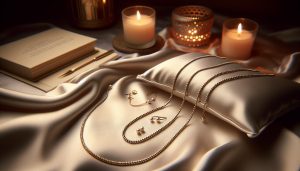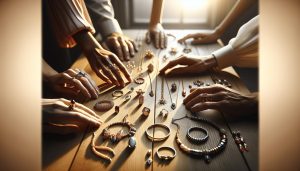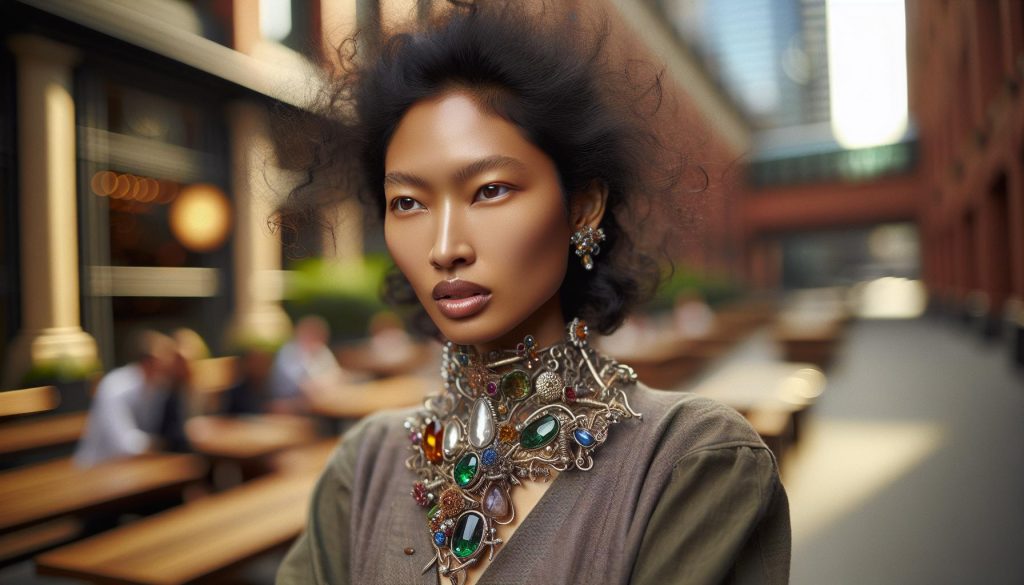
Imagine wearing a piece of art that not only adorns your body but tells a story and captures attention. Sculptural jewellery bridges the gap between creativity and personal expression, transforming everyday outfits into extraordinary ensembles. This unique form of wearable art combines intricate design with craftsmanship, inviting wearers to showcase their individuality and aesthetic preferences. Whether you’re a collector, an aspiring artist, or simply someone looking to elevate your style, understanding sculptural jewellery can profoundly enhance your approach to adornment. In this exploration, we’ll dive into the significance, inspiration, and practical tips for embracing this captivating trend. Get ready to discover how to make heads turn and inspire conversations with sculptural pieces that reflect your unique taste and personality.
What Makes Sculptural Jewellery Unique?
Sculptural jewellery stands out in the realm of adornment due to its bold and innovative designs that challenge traditional notions of what jewellery can be. Unlike conventional pieces that often prioritize subdued elegance, sculptural jewellery embraces a more dynamic form, turning wearables into captivating statements of art. The uniqueness of this jewellery is not just in its aesthetic appeal but also in the way it invites engagement-each piece often becomes a conversation starter, sparking curiosity and admiration.
One of the defining features of sculptural jewellery is its ability to blur the lines between functional adornment and artistic expression. Crafted with distinctive shapes and materials, these pieces may resemble abstract sculptures more than they do typical rings or necklaces. Think oversized earrings that mimic organic forms or pendants that capture motion in their design. This artistic freedom allows jewelers to experiment with scale, proportion, and texture, resulting in creations that are visually striking and packed with individual character.
Moreover, the materials used play a crucial role in enhancing their uniqueness. Artisans often opt for unconventional substances-such as resin, wood, or mixed metals-pushing the boundaries of traditional jewellery craftsmanship. This eclectic mix enables sculptural pieces to reflect personal style while making an audacious statement. A pair of earrings fashioned from intertwined metal wires can narrate a story through its intricate interlacing, while a necklace adorned with recycled materials can reflect a commitment to sustainable artistry.
In styling these pieces, it is essential to consider the boldness of sculptural jewellery. Select complementary outfits that allow your distinctive pieces to take center stage, balancing their presence with simpler clothing choices. This pairing not only highlights the jewellery but also reinforces its role as a form of self-expression. Whether you’re dressing for an everyday outing or a special occasion, wearing sculptural jewellery transforms your ensemble into a gallery of personal art.
The History of Sculptural Jewellery: An Artistic Journey
The evolution of sculptural jewellery is a testament to the enduring relationship between art and adornment. Throughout history, jewellery has transcended mere decoration, evolving into an expressive medium that challenges traditional aesthetics. From ancient cultures that crafted ornate pieces for ritualistic purposes to contemporary artists who utilize innovative materials and techniques, the journey of sculptural jewellery reflects a broader dialogue about identity, culture, and personal expression.
In the early 20th century, movements like Art Nouveau and later, Dadaism and Surrealism, began to influence jewellery design significantly. Artisans such as René Lalique and Gianfranco Ferré experimented with designs that celebrated form over function, creating pieces that resembled miniature sculptures. These early innovators laid the groundwork for sculptural jewellery, allowing pieces to serve not only as accessories but as addressed narratives that reflected the wearer’s individuality and the era’s artistic currents.
Fast forward to the late 20th century and early 21st century, a resurgence of interest in avant-garde and sustainable practices led to a new wave of sculptural jewellery. Artists began to utilize unconventional materials-such as plastics, recycled metals, and organic elements-pushing the boundaries of traditional jewellery making. This shift not only embraced ecological consciousness but also invited a more personal touch to jewellery design, allowing artisans to tell their stories and values through their work.
Today, sculptural jewellery stands at the intersection of fine art and personal expression, inviting wearers to showcase pieces that resonate with their values and aesthetics. With a vibrant community of contemporary jewellers who view their creations as wearable art, it continues to evolve and inspire, encouraging individuals to adorn themselves with stories, emotions, and significant artistic statements. As you explore the dynamic world of sculptural jewellery, remember that each piece carries not only its craftsmanship but also the spirit of this artistic journey through time.
Top Materials Used in Sculptural Jewellery
Sculptural jewellery is a playground for innovation, where artists blend traditional craftsmanship with modern materials to create striking wearable art. The materials chosen for these pieces are often as compelling as the designs themselves, allowing each piece to convey unique stories and emotions. Artists explore a wide range of materials not only for their aesthetic qualities but also for their symbolic meanings and tactile experiences.
Common Materials in Sculptural Jewellery
- Metals: Gold, silver, and bronze are staple materials, valued for their durability and malleability. However, contemporary sculptural jewellery often incorporates non-traditional metals like titanium and stainless steel, which offer vibrant colors and resistance to tarnishing.
- Gemstones: While classic jewels like diamonds and sapphires remain popular, many designers experiment with less conventional stones such as labradorite, tourmaline, and opal. These gems introduce rich hues and optical effects that elevate the overall impact of the designs.
- Organic materials: Coral, wood, and even natural fibers have found a place in sculptural jewellery, emphasizing a connection to nature. These materials often evoke an earthy feel and enhance the narrative of sustainability.
- Resin and Plastics: These synthetic materials allow for vivid colors and complex shapes that might not be achievable with traditional materials. Artists often use resin to create lightweight pieces that make bold statements without the heft of metal.
- Mixed Media: Collaborations among various materials, including textiles, ceramics, and glass, are increasingly common. These combinations encourage limitless creativity, enabling the blending of textures and visual contrasts.
The selection of materials in sculptural jewellery not only defines the visual appeal but also influences the narrative and emotional connection of the piece with the wearer. As artists push boundaries and experiment with different combinations, they create unique treasures that reflect individuality and personal stories. Whether you’re a collector or a novice, understanding these materials can enhance your appreciation of the artistry and craftsmanship behind each piece, empowering you to select items that resonate with your personal style and values.
How to Style Sculptural Jewellery for Any Occasion
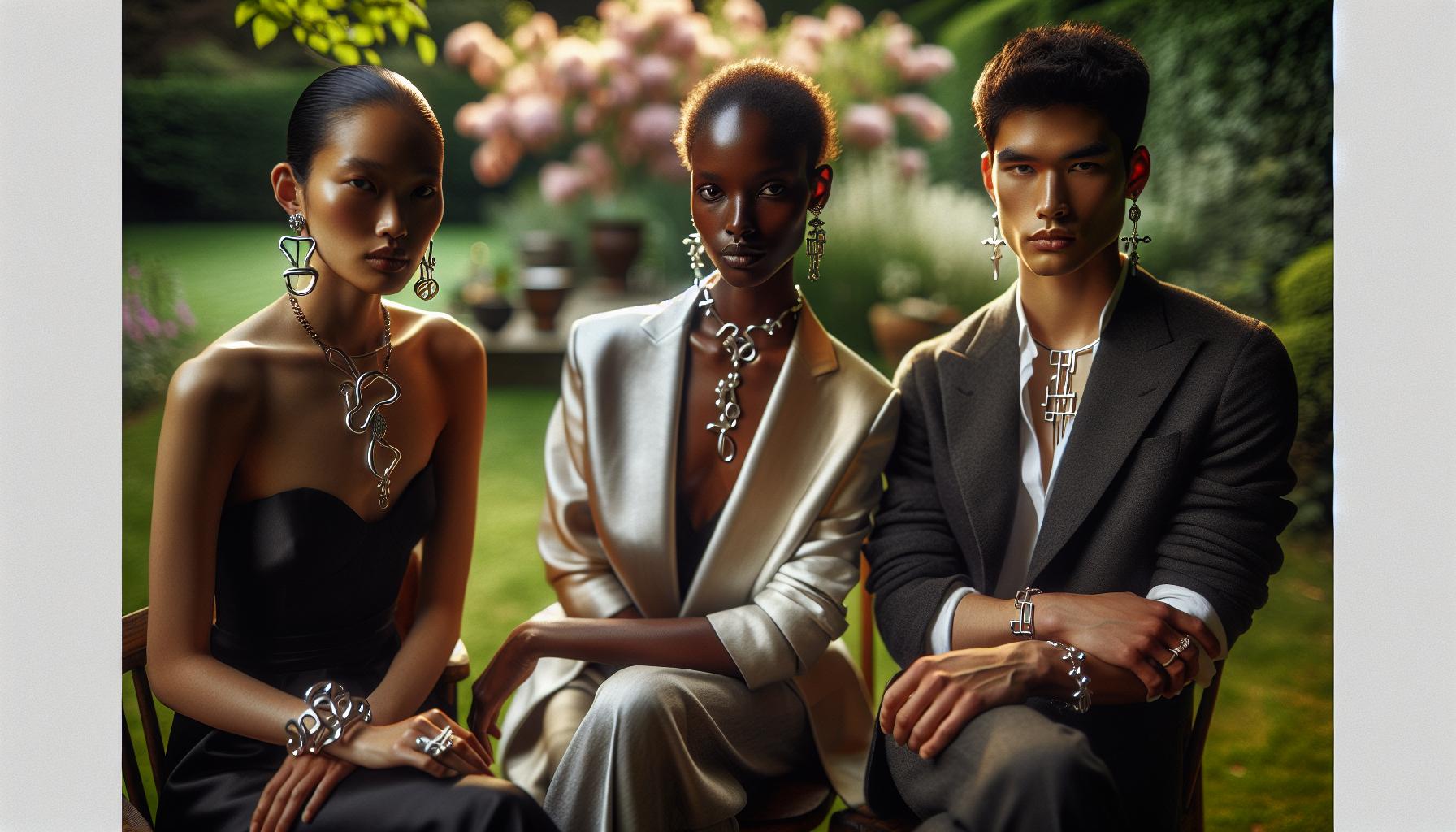
There’s a certain allure to sculptural jewellery that can transform even the simplest outfit into a statement of style and individuality. With their unique forms and intricate designs, these pieces can elevate your look in countless ways, making them suitable for various occasions-from casual gatherings to formal events. The key to seamlessly incorporating sculptural jewellery into your wardrobe lies in understanding how to balance their boldness with your overall aesthetic.
To style sculptural jewellery for a casual day out, opt for a standout piece like an oversized ring or an artfully designed pendant. Pair this with a simple outfit, such as a classic white tee and denim jeans, allowing the jewellery to be the focal point. Layering is also effective; consider stacking bangles or wearing multiple rings to showcase your artistic flair while keeping your look cohesive.
When attending a formal event, sculptural jewellery can inject personality into your attire. A striking necklace or earrings can complement a little black dress or a sleek evening gown beautifully. Choose pieces that have a touch of shimmer or unique textures created by mixed media, such as glass and metal, which can catch the light and draw attention without overwhelming your ensemble. Color coordination with your outfit can also enhance the effect; for example, pairing a vibrant gemstone piece with similarly colored accessories creates a harmonious look.
For creative professionals or artistic occasions, don’t shy away from combining multiple sculptural pieces in one outfit-think bold statement earrings with a matching cuff bracelet. This layered approach can showcase your artistic taste and confidence. Mixing different materials can create exciting contrasts; for example, pairing wooden elements with lustrous metals can emphasize the beauty of both.
Finally, remember that less is often more. With sculptural jewellery, it’s crucial to filter your choices based on the context and desired message you wish to convey. Whether you’re showcasing your artistic side or maintaining an air of elegance, these tips will help you style sculptural jewellery that turns heads and reflects your unique identity.
Caring for Your Sculptural Jewellery: Maintenance Tips
Taking care of your sculptural jewellery is essential to preserving its beauty and ensuring its longevity. Given the intricate materials and artistic designs that characterize these statement pieces, proper maintenance can enhance not only their appearance but also their sentimental value. A little effort in care can go a long way in keeping your wearable art looking stunning and vibrant.
To maintain your sculptural jewellery, start with a gentle cleaning routine. Use a soft, lint-free cloth to buff your pieces after wearing them, which helps remove natural oils, sweat, and dust that can dull their shine. For materials like metal and stones, a mild soap solution can be used for deeper cleaning-just make sure to rinse thoroughly and dry completely with a soft cloth to avoid moisture retention. For intricate designs that include multiple materials, avoid submerging the jewellery in water; instead, lightly dampen the cloth and gently wipe.
Storage plays a crucial role in jewellery care. Store your sculptural pieces separately to prevent scratching and tangling. A dedicated jewellery box with individual compartments or soft pouches works wonders. If you have pieces with delicate finishes or embellishments, consider using soft cloths or cotton to cushion them against any potential scratching or damage. Keeping your pieces away from direct sunlight and extreme humidity will also help maintain their integrity over time.
Lastly, always keep an eye out for signs of wear or damage. If you notice loose stones, tarnished metal, or broken clasps, don’t hesitate to consult a professional jeweller for repairs. Regular check-ups can prevent more significant issues down the road and ensure that your sculptural jewels continue to inspire admiration and joy. With mindful maintenance, your wearable art will remain a stunning expression of your unique style for years to come.
The Process of Creating Sculptural Jewellery: From Concept to Creation
Creating sculptural jewellery is a fascinating blend of artistic vision and technical skill, where each piece emerges as a tangible manifestation of creativity. The journey from concept to completion typically begins with a spark of inspiration, which can stem from various sources such as nature, architecture, or even emotions. Designers often keep sketchbooks or mood boards filled with images, textures, and color palettes that resonate with their artistic intent. This phase allows them to explore different forms and ideas, leading to the conceptualization of a unique piece that captures their vision.
Once the design is finalized, it’s crucial to select the right materials to bring the artwork to life. Sculptural jewellery often incorporates a combination of metals, gemstones, and sometimes unconventional materials like wood, resin, or glass. Each material not only affects the aesthetics of the piece but also its functionality and wearability. For example, lightweight materials can help create larger and more intricate designs without compromising comfort for the wearer. The choice of materials is integral to the overall impact of the jewellery, as it can significantly influence both its visual appeal and durability.
The crafting process itself is where the magic happens. Artisans must master various techniques, such as metalworking, carving, and enameling, to transform raw materials into stunning pieces of art. This stage often involves detailed work, including hand-finishing and careful assembly, ensuring that every element aligns perfectly to achieve the desired effect. Innovations in 3D printing and CAD (Computer-Aided Design) technology have also revolutionized this process, allowing for meticulous precision and the ability to experiment with complex forms that were previously difficult to achieve by hand.
Finally, after rigorous testing for quality and durability, the sculptural jewellery is ready to be showcased. Each piece is not merely an accessory but a statement of identity and a reflection of the wearer’s personal style. This transformative process of creation not only brings art into daily life but also fosters a deeper appreciation for the craftsmanship behind wearable art. Whether you are a jeweller or a lover of innovative adornments, understanding this creative journey can inspire and enhance your connection to sculptural jewellery.
Notable Sculptural Jewellery Designers to Watch
The world of sculptural jewellery is rich with creativity, and its designers often challenge the boundaries of traditional craftsmanship. Among these talented artisans, several stand out for their innovative approaches and unique perspectives. Their works not only adorn but also inspire, turning wearable art into conversation pieces that reflect individuality and artistic expression.
Melanie Georgacopoulos is known for her explorations of form and volume, often drawing inspiration from natural elements. Her pieces are distinguished by their intricate detailing and playful use of pearls, which she transforms into sculptural forms that defy conventional jewellery design. By combining traditional techniques with contemporary aesthetics, Georgacopoulos brings a fresh perspective to the world of sculptural jewellery.
Another noteworthy designer is Nicholas Kwon, whose works bridge the gap between jewellery and sculpture. His pieces often incorporate mixed materials, blending metals with organic elements like wood and fabric, resulting in jewellery that is as much about texture as it is about shape. Kwon’s designs evoke a sense of movement and fluidity, captivating wearers and onlookers alike.
Anita Ko brings a flair for modern sophistication to her sculptural creations. Known for bold geometric forms and unexpected materials, her jewellery often features sharp angles and striking contrasts. Ko’s ability to balance edginess with elegance makes her pieces incredibly appealing to fashion-forward individuals looking to make a statement.
When exploring sculptural jewellery, it’s important to consider how these designers use their platform to push artistic boundaries. Whether it’s through sustainable sourcing, innovative materials, or cross-disciplinary collaborations, these creators showcase the evolving nature of jewellery, making it a vibrant field that continuously redefines itself. As you navigate this world, keep an eye on these designers; their works not only elevate personal style but also serve as a testament to the transformative power of wearable art.
Sculptural Jewellery vs. Traditional Jewellery: Key Differences
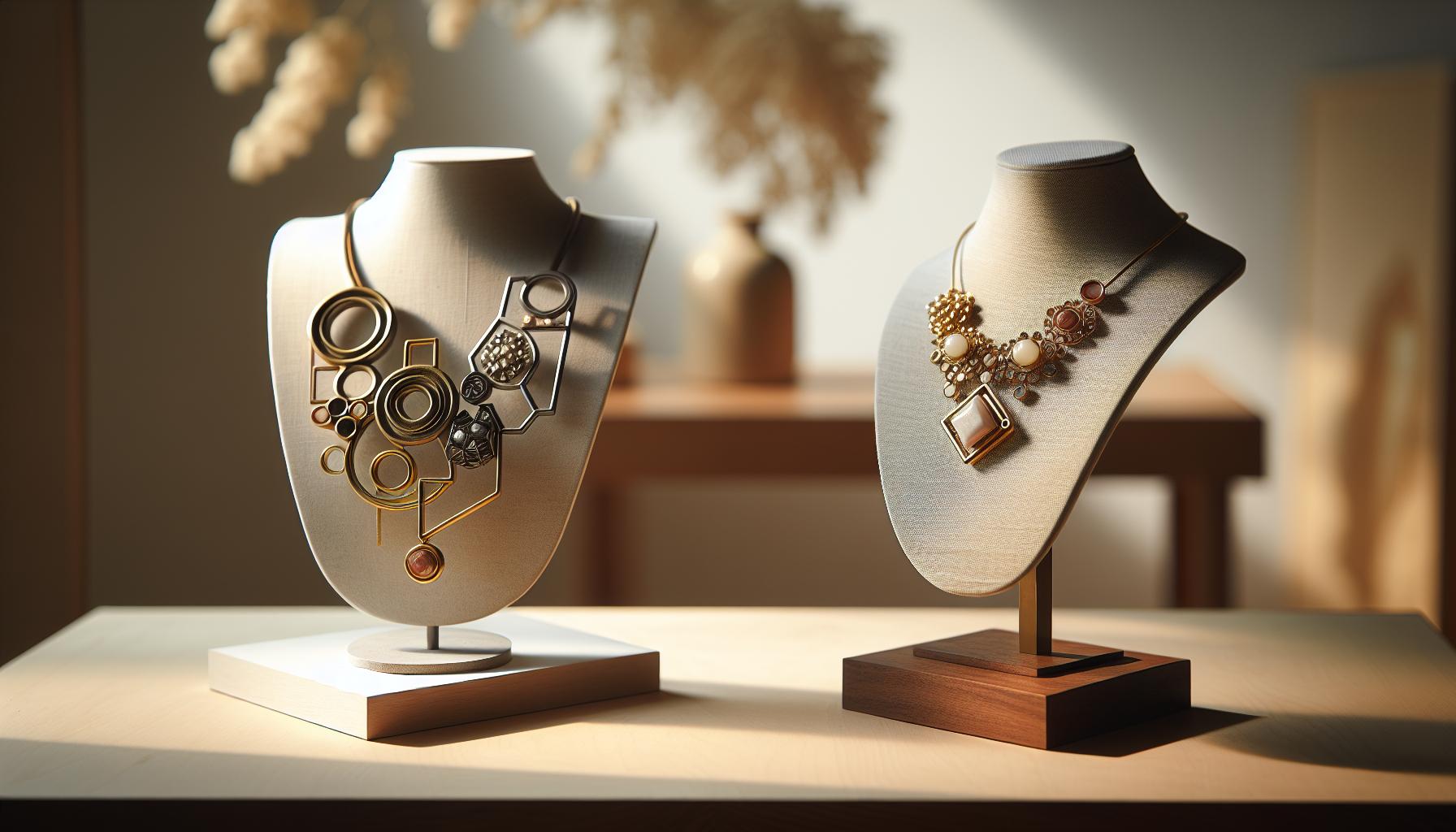
Sculptural jewellery stands apart from traditional jewellery by embodying an artistic sensibility that prioritizes form and design over mere ornamentation. While traditional jewellery often focuses on aesthetics and symbolism-think classic diamond rings or gold necklaces-sculptural pieces challenge the norms by incorporating elements of sculpture and three-dimensional art. These designs often leave a lasting impression, not only as accessories but as wearable art that makes bold statements.
One of the most significant differences lies in the design philosophy. Traditional jewellery usually adheres to specific styles, shapes, and materials, ensuring that it complements the wearer in a familiar way. In contrast, sculptural jewellery invites exploration and conversation. Designers experiment with unconventional materials and techniques, such as mixing metals with wood or fabric, or manipulating gemstones to create avant-garde forms. This results in pieces that can evoke emotions and inspire dialogue, making the act of wearing them a more profound experience.
The construction methods also differ notably. Traditional jewellery may employ time-honored techniques like casting or soldering, while sculptural jewellery often embraces processes borrowed from fine art, such as welding, and even 3D printing. This innovative approach allows for more creativity and unique structures that may resemble abstract art more than conventional jewellery.
Finally, the context in which sculptural jewellery is worn often contrasts with traditional settings. While classic pieces might seamlessly fit into everyday attire or formal occasions, sculptural jewellery typically serves as a focal point, meant to attract attention and provoke thought. As such, the choice of when and how to wear these pieces can offer wearers a chance to express their individuality and aesthetic values more freely, turning heads and garnering admiration in the process.
In essence, the divergence between sculptural and traditional jewellery encapsulates a broader movement in the art world where fashion and artistic expression coalesce, pushing boundaries and inviting wearers to embrace the narrative that their adornments tell.
Buying Guide: Where to Find Quality Sculptural Jewellery
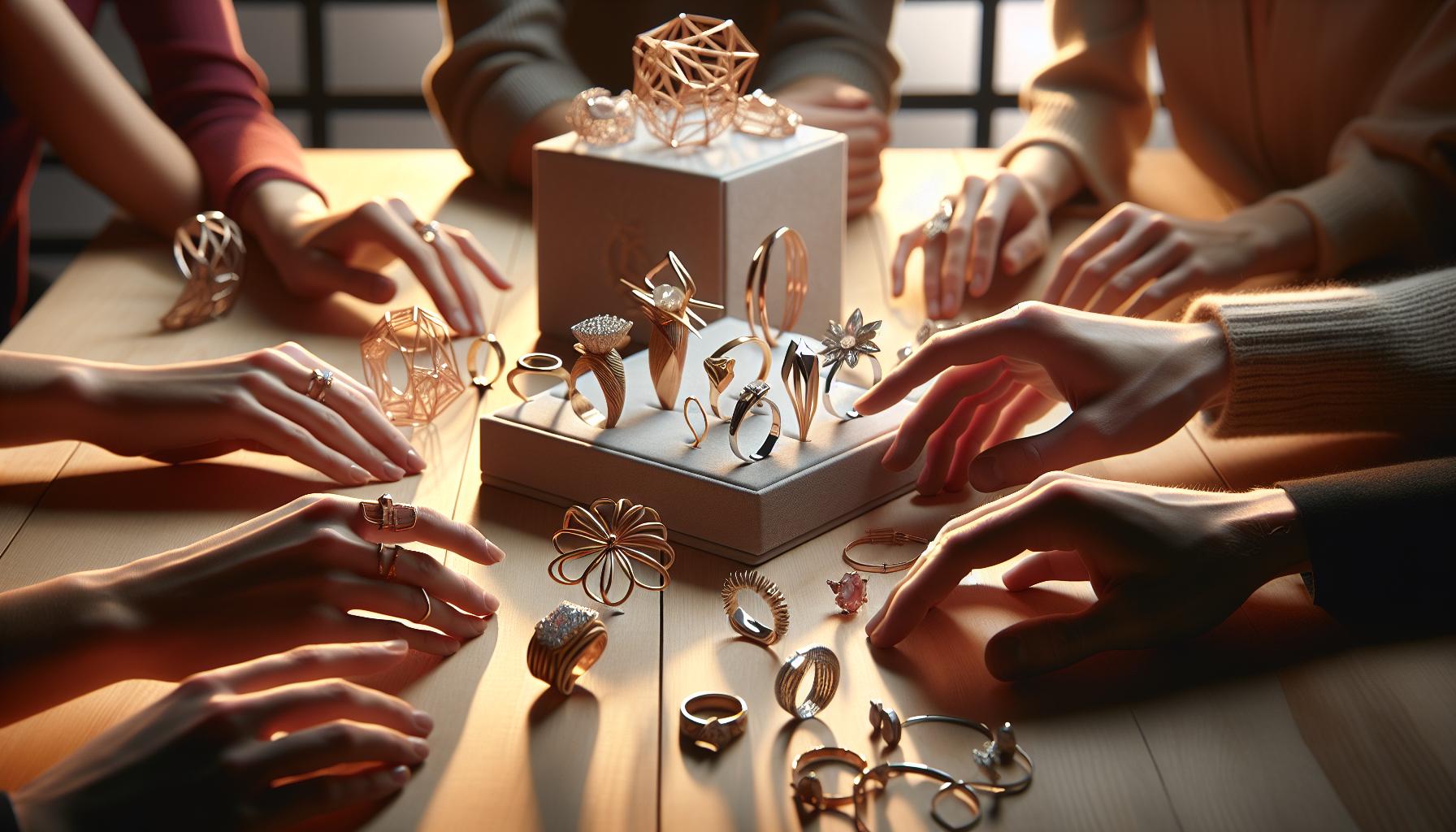
Finding quality sculptural jewellery is an adventure that not only enriches your personal collection but also supports emerging artists and innovative designers. As interest in wearable art grows, so does the market, making it essential to know where to shop for truly unique pieces. From art galleries to online platforms, there are countless avenues to explore when searching for sculptural jewellery that speaks to your aesthetic sensibilities.
Art Galleries and Exhibitions
Visiting local art galleries or exhibitions can be a rewarding experience, especially since many sculptural jewellery pieces are displayed alongside other forms of art. These venues often showcase the work of local artisans and provide a unique opportunity to purchase directly from the artist. By engaging with artists at these events, you can gain valuable insights into the inspiration behind their pieces, adding depth to your collection.
Online Marketplaces
The digital age has brought a plethora of options for purchasing sculptural jewellery. Websites like Etsy and specialized platforms dedicated to handmade and artisanal goods are excellent places to find creative pieces. When exploring these sites, ensure you research the seller reviews and product descriptions to guarantee quality. Look for pieces where the materials, techniques, and artistic vision are clearly articulated; this transparency can enhance your buying confidence.
Jewellery Boutiques
For a more curated experience, consider visiting boutiques that specialize in contemporary or sculptural jewellery. These shops often collaborate with emerging designers, providing a platform for avant-garde collections. Establish a rapport with the store owners or staff; they can guide you to their favorite pieces and even notify you of upcoming collections. Don’t hesitate to inquire about the designers they stock to discover new talents who are pushing the boundaries of wearable art.
Craft Fairs and Pop-Up Shops
Craft fairs and pop-up shops present an excellent opportunity to find one-of-a-kind sculptural jewellery while supporting local artisans. These events typically feature a diverse range of artists, allowing you to explore various styles and materials in a vibrant atmosphere. Ensure to keep an eye on community calendars for upcoming events; many artisans return annually, bringing fresh ideas and designs to showcase.
By venturing into these spaces, you open yourself to a world of creativity and craftsmanship that traditional jewellery shopping often overlooks. You’ll not only find striking pieces but also stories behind them, making your sculptural jewellery collection uniquely personal and meaningful.
The Future of Sculptural Jewellery: Trends to Watch
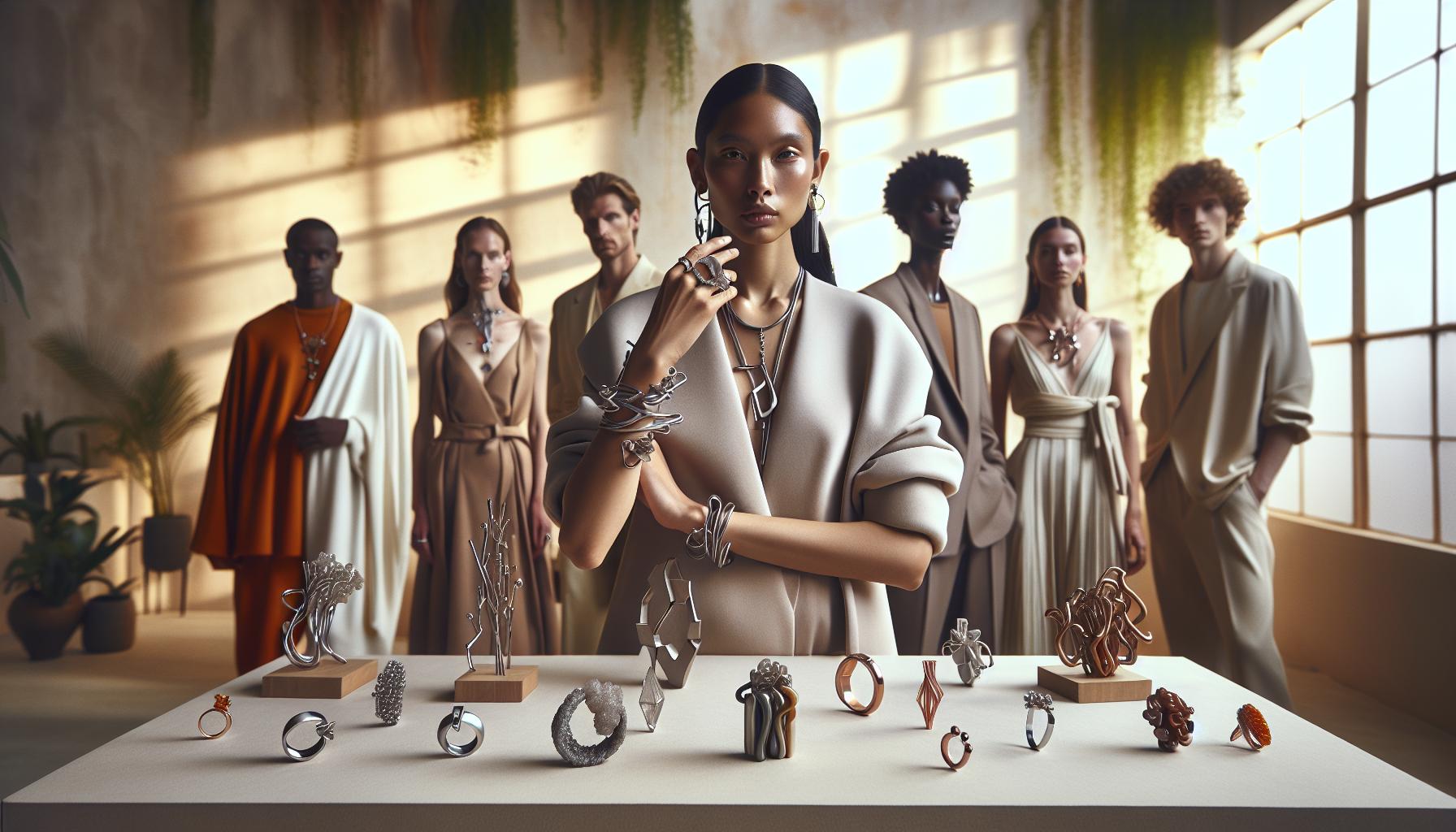
The evolving landscape of sculptural jewellery reflects a harmonious blend of artistry and innovation, capturing the imagination of modern collectors and fashion enthusiasts alike. As we delve into the future of this unique form of wearable art, several trends are poised to redefine and elevate the experience of both creators and consumers. One notable shift is the increasing preference for sustainability and ethical sourcing in materials. This movement encourages designers to explore eco-friendly options, such as recycled metals and ethically sourced gemstones, appealing to a conscientious audience that values both aesthetics and environmental impact.
Another emerging trend in sculptural jewellery is the incorporation of technology into the creative process. Designers are leveraging tools like 3D printing and digital modeling to push the boundaries of traditional craftsmanship. This fusion of art and technology not only allows for intricate designs that were previously unimaginable but also enables faster prototyping and personalized pieces tailored to individual tastes. As consumers become more accustomed to bespoke experiences, expect to see more brands offering customizable options where clients can co-create their jewellery, resulting in one-of-a-kind pieces that truly resonate with their identity.
Furthermore, the influence of cultural narratives and storytelling is becoming increasingly vital in sculptural jewellery design. Artists are drawing inspiration from diverse cultural backgrounds, resulting in pieces that celebrate heritage, identity, and personal journeys. This trend invites consumers to engage with jewellery on a deeper level, appreciating each piece not just for its visual appeal but also for the story it encapsulates. As the demand for meaning and authenticity grows, designers who can convey compelling narratives through their creations will likely stand out in the marketplace.
In addition to these trends, there’s also a resurgence of interest in maximalism, where bold, oversized designs are making a comeback. Sculptural jewellery that commands attention with its grand scale and unexpected forms allows wearers to express their individuality confidently. Combining vibrant colors, mixed materials, and intricate textures, these pieces serve as conversation starters and reflections of personal style, perfectly aligning with the growing movement towards self-expression in fashion.
As the sculptural jewellery scene continues to evolve, those keen on staying ahead of the curve should embrace these trends while also looking toward emerging artists and innovative designers. Keeping an eye on art fairs, exhibitions, and online platforms dedicated to avant-garde creations can provide opportunities to discover breathtaking new designs and unique artistic expressions that resonate with individual tastes and values.
DIY Sculptural Jewellery Projects for Beginners
Creating sculptural jewellery can be an exhilarating journey into the world of wearable art, allowing you to express your creativity and personal style. For beginners, starting with manageable DIY projects can inspire confidence and spark innovative designs. One captivating idea is to use polymer clay, which is versatile and easy to work with, making it perfect for crafting unique pieces that embody sculptural qualities.
Essential Materials for DIY Projects
To get started, you’ll need a basic toolkit that includes:
- Polymer Clay: Available in various colors, a great starting material for sculpting.
- Wire: Useful for creating structural elements or adding details.
- Beads and Adornments: Enhancements to personalize your pieces further.
- Tools: Basic tools like scissors, a craft knife, and sculpting tools can be used for shaping and detailing.
- Jewellery Findings: Include earring hooks, necklace chains, and jump rings for assembly.
Once you have your materials, consider trying a simple project, such as making a pair of statement earrings. Start by conditioning the polymer clay, then roll it into shapes that reflect your artistic vision-think organic forms, geometric figures, or nature-inspired motifs. After shaping, bake the clay according to the manufacturer’s instructions to harden it. Once cooled, attach your clay creations to earring hooks with jump rings, and voilà-you have unique earrings that showcase your personal creativity!
Tips for Success
As you experiment with different projects, keep these tips in mind:
- Experiment with Colors: Layer colors or blend them together to create depth in your designs.
- Incorporate Mixed Materials: Consider combining polymer clay with metal wire or fabric for added texture.
- Personal Touch: Engage with your pieces by incorporating personal symbols or meaningful designs that reflect your story.
DIY sculptural jewellery projects empower you to express your artistic side while producing wearable pieces that invite conversation and admiration. As you gain confidence and experimentation becomes second nature, consider documenting your creative process-this could serve as both inspiration for fellow artisans and a valuable addition to your portfolio as you evolve in the jewellery-making journey. So, gather your materials, let your imagination take flight, and embrace the art of sculptural jewellery!
How Sculptural Jewellery Impacts Wearable Art Movements
Sculptural jewellery has emerged as a transformative force within the realm of wearable art, redefining the boundaries between function and artistic expression. This innovative form not only enhances personal style but also serves as a dynamic medium for artists to convey messages and provoke thought. By integrating sculptural elements into jewellery, creators challenge conventional perceptions of adornment, making each piece a dialogue between the wearer, the creator, and the audience.
Artists are increasingly using jewellery as a canvas for sculptural techniques, often drawing inspiration from various art movements-such as surrealism, abstract expressionism, and minimalism. For instance, pieces might feature exaggerated forms or unconventional materials, leading to discussions about identity, culture, and the nature of beauty. This shift signifies a move away from merely decorative items to pieces that invite interaction and introspection. For many designers, sculptural jewellery is a response to contemporary society’s craving for authenticity and individuality, enabling wearers to express their personal narratives in multifaceted ways.
In addition to its artistic merit, sculptural jewellery supports sustainability and innovative practices within the industry. Many designers are now sourcing eco-friendly materials and techniques, thereby aligning their work with broader movements toward sustainable fashion. This not only enhances the aesthetic and ethical value of the pieces but also contributes to the larger dialogue about environmental responsibility in the art world.
As the concept of wearable art continues to evolve, sculptural jewellery will likely play a pivotal role in shaping future trends. Its ability to captivate attention and spark conversation ensures that it remains at the forefront of the wearable art movement, inviting both experienced collectors and new enthusiasts alike to explore and engage with its rich possibilities. By embracing this unique form of expression, individuals can be not just wearers of art but active participants in a vibrant, ever-changing cultural landscape.
Faq
Q: What is the definition of sculptural jewellery?
A: Sculptural jewellery is a form of wearable art characterized by its three-dimensional designs and artistic expression. Unlike traditional jewellery, it explores unique shapes and concepts, making it both an accessory and a visual statement that often challenges conventional aesthetics.
Q: How can I identify quality sculptural jewellery?
A: To identify quality sculptural jewellery, look for craftsmanship details such as balanced proportions, durable materials, and intricate finishing. Additionally, consider the designer’s background and the uniqueness of the piece. Research may lead you to reputable collections listed in articles about notable designers.
Q: What are some popular themes in sculptural jewellery?
A: Popular themes in sculptural jewellery include nature, abstract forms, and cultural motifs. These themes often reflect personal stories or artistic visions, making the pieces not just adornments but also conversations starters. Explore different themes in depth through various designer showcases.
Q: Is sculptural jewellery suitable for everyday wear?
A: Sculptural jewellery can be suitable for everyday wear, depending on the design. Opt for minimalist pieces that complement daily outfits without overwhelming them. For styling tips, check sections on how to incorporate sculptural jewellery into your wardrobe seamlessly.
Q: Where can I find sustainable sculptural jewellery?
A: Sustainable sculptural jewellery can be found at eco-conscious brands or handmade marketplaces that prioritize ethical sourcing and production methods. Look for pieces that use recycled materials or support fair-trade practices to ensure your purchase aligns with sustainable values.
Q: Should I insure my sculptural jewellery pieces?
A: Yes, insuring sculptural jewellery is advisable, especially if the pieces are valuable or one-of-a-kind. An insurance policy can protect against theft or loss. Consider a professional appraisal to determine the value before seeking coverage.
Q: How does modern art influence sculptural jewellery?
A: Modern art significantly influences sculptural jewellery through experimental designs, use of unconventional materials, and emphasis on personal expression. Contemporary artists bring their artistic convictions into jewellery design, leading to innovative pieces that often reflect broader art movements.
Q: Can I customize sculptural jewellery?
A: Yes, many artisans and designers offer customization options for sculptural jewellery. This allows you to create unique, personalized pieces that reflect your style or commemorate special events. Consider consulting a designer for bespoke advice and possibilities.
The Way Forward
As we wrap up our exploration of sculptural jewellery, remember that these wearable art pieces are not just accessories but powerful statements of individuality and creativity. Whether you’re a collector or just starting out, embrace the artistry and craftsmanship that make sculptural jewellery a unique addition to your wardrobe. Don’t miss out on elevating your style-explore our guides on jewellery care, DIY tutorials, and styling tips to enhance your collection and ensure your pieces shine for years to come.
Ready to dive deeper? Check out our articles on starting your own jewellery shop and learn about authentication methods for valuable pieces. Join our newsletter for updates on the latest trends and expert tips designed to inspire your jewellery journey. Share your thoughts in the comments and let us know how you style your sculptural pieces! Your next fashion statement awaits-let’s continue this journey together!