
Acrylic colors are a versatile and accessible medium for artists of all levels, allowing for vibrant expression and innovation. Did you know that acrylics can mimic the appearance of oil paints while drying much faster and offering a diverse range of techniques? This guide will explore everything you need to know about acrylic paints, from their unique properties to essential tips for using them effectively. Whether you’re a beginner eager to experiment or an experienced artist refining your skills, understanding the nuances of acrylic colors will empower you to create stunning works of art. Join us as we dive into the world of acrylics, unlocking the potential for your creative journey!
What Are Acrylic Colours? An Overview for Artists
Acrylic colours are a versatile and dynamic medium favored by many artists for their vibrant hues and flexibility in application. Composed of pigment suspended in an acrylic polymer emulsion, these colours can mimic both the opacity of oil paints and the transparency of watercolours, making them ideal for a wide range of techniques and styles. One of the most engaging aspects of acrylic paints is their rapid drying time, allowing artists to layer and manipulate the paint without the long waits typically associated with oils. This quick-drying characteristic not only enhances spontaneity during painting but also facilitates mixed media approaches, where artists can incorporate various materials into their work.
Another notable feature of acrylics is their water solubility when wet, which makes them easy to clean up with soap and water. This quality is especially appealing for beginners and educators, as it promotes a more accessible creative environment. Once dry, however, acrylics become water-resistant, ensuring the durability of the finished piece. Artists can experiment with various techniques such as glazing, dry brushing, or pouring, enabling a diverse array of textures and finishes.
Moreover, the range of acrylic mediums available can expand the possibilities even further-adding more fluidity, gloss, or texture to the paint, allowing for endless customization. When selecting acrylic colours, artists should consider not only their preference for hues but also the paint’s lightfastness, opacity, and texture, ensuring their choices align with the intended outcome of their artworks. Embracing acrylic colours is about exploring creativity through a medium that inherently promotes experimentation and personal expression, making them a staple in today’s art world.
Benefits of Using Acrylic Paints in Art

There’s a reason so many artists are gravitating toward acrylic paints: their versatility opens a multitude of creative avenues that can transform artistic visions into reality. One of the standout features of acrylics is their rapid drying time, which allows artists to work quickly and layer their colors without long pauses. This rapid set allows for smooth transitions and adjustments, which is particularly beneficial in mixed media artworks where timely application is crucial. As a bonus, the ability to manipulate wet acrylics means that artists can combine techniques from both oil and watercolor painting, creating a dynamic range of effects.
Another significant advantage of acrylic paints is their adaptability. Unlike other mediums, acrylics can be easily thinned with water to achieve watercolor-like results or used in their thick form to create textured impasto effects. This flexibility makes acrylics suitable for various styles, whether you favor the fine details of realism or the bold strokes of abstract art. Additionally, acrylics often come in a wide spectrum of vibrant colors that maintain their intensity, even after drying.
Acrylic paints are also an artist’s ally when it comes to ease of use and cleanup. Given their water-soluble nature when wet, they can be cleaned up easily with soap and water, making them ideal for classrooms or home studios. Once dried, they become water-resistant, ensuring that your artwork remains durable and vibrant. This factor not only secures the longevity of your pieces but also allows for outdoor display without fear of damage from the elements.
Moreover, the variety of acrylic mediums available can enhance the painting experience by allowing artists to create unique textures, finishes, and effects. By mixing various gels, pastes, or glosses with standard acrylic paint, artists can push the boundaries of their work, exploring new dimensions and depth. This blend of creativity and technical execution illustrates why so many artists find acrylics to be an essential part of their toolkit, enabling them to express their individuality and style without compromise.
Different Types of Acrylic Colours Explained
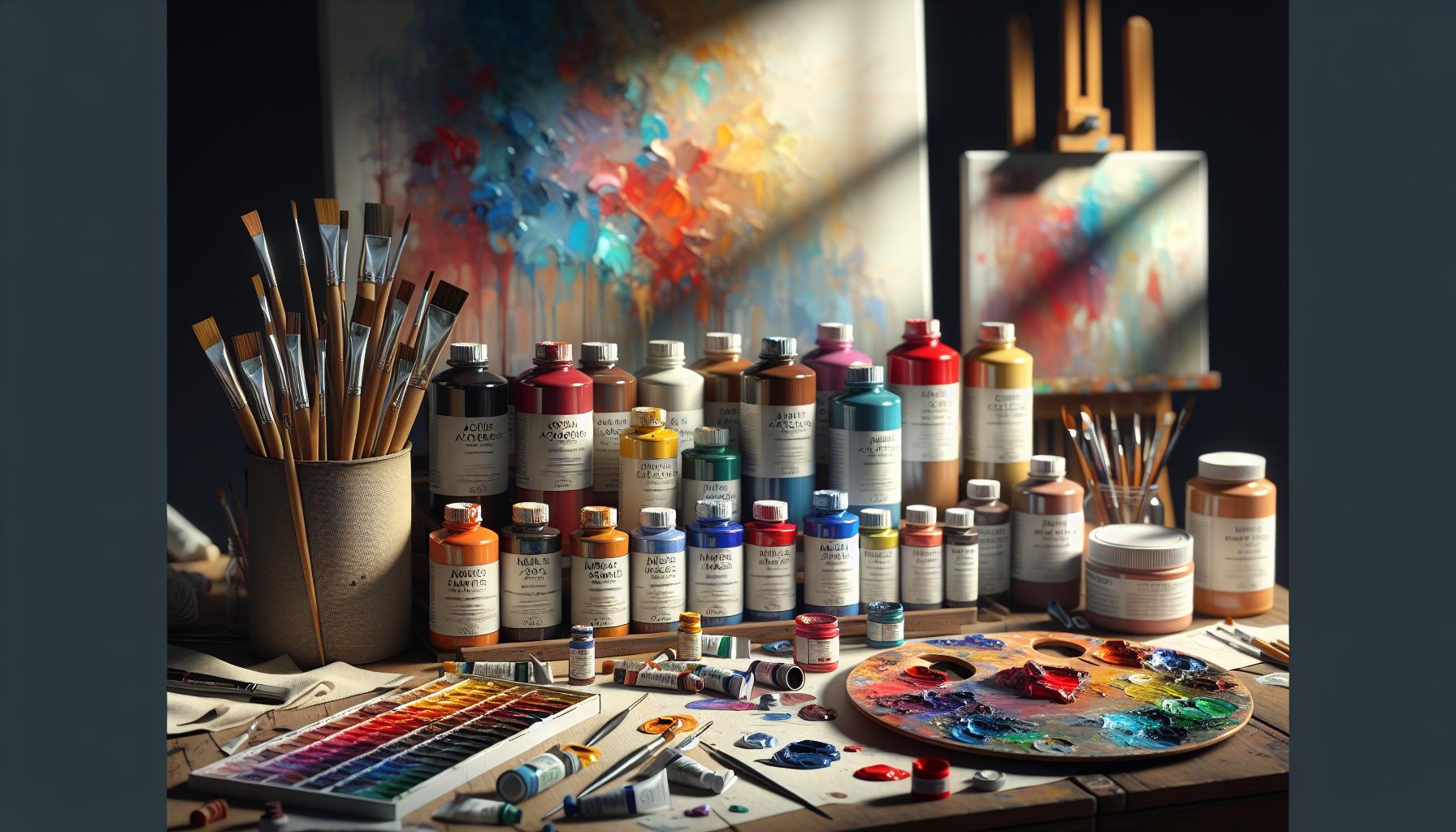
The world of acrylic colours offers artists a vibrant palette and a multitude of options that can be tailored to individual techniques and preferences. Acrylics typically come in various forms, each with its own unique properties that cater to specific artistic needs. Understanding these different types can significantly enhance your creative process and the quality of your works.
Types of Acrylic Colours
Acrylic paints are available in several categories, each distinct in texture, composition, and drying time:
- Heavy Body: These acrylics have a thick consistency, allowing for impasto techniques where paint can be applied in thick layers. They maintain brush strokes and tool marks beautifully, making them ideal for artists who favor texture.
- Soft Body: With a more fluid consistency than heavy body acrylics, soft body paints flow easily and are perfect for techniques such as pouring or glazing. They mix well with mediums and can create smooth transitions between colours.
- Acrylic Gouache: This type combines the properties of acrylic paints and traditional gouache. It dries to a matte finish and is ideal for flat applications and detailed work, making it favored among illustrators and designers.
- Fluid Acrylics: These paints are highly pigmented and have a thin consistency, perfect for pouring or detailed painting. They are excellent for creating glazes and washes, giving a translucent effect.
- Interactive Acrylics: With the unique property of remaining workable for an extended time, these acrylics can be reactivated with water even after drying. They allow for greater manipulation during painting sessions.
Choosing the Right Acrylic Colour
Selecting the appropriate acrylic colour is crucial for achieving the desired effect in your artwork. For example, if you are aiming for bold, textured strokes, heavy body acrylics should be your go-to. On the other hand, if you prefer a smoother application for a more detailed finish, soft body or fluid acrylics might serve your needs better. Experimenting with different types can help you discover which best complements your style and the goals of your project.
When venturing into the realm of acrylics, embrace the diversity found within their types. Each category offers unique qualities that can be leveraged to create stunning pieces of art, reflecting your personal vision and technique. Explore these options to enhance your understanding and mastery of acrylic colours in your artistic journey.
Choosing the Right Acrylic Colour for Your Project
can make or break the final outcome of your artwork. With a plethora of options available, it’s crucial to align your choice with your artistic intent and techniques. For example, heavy body acrylics are wonderful for artists who love to create texture through impasto; these paints hold their shape and allow you to make bold, expressive strokes. If you prefer more fluid applications, consider soft body or fluid acrylics, which are better suited for glazing techniques and smooth blends.
Consider the effect you wish to achieve. If you’re working on a detailed piece that requires precision, interactive acrylics, which remain workable with water even after drying, will give you the flexibility to adjust your work over time. In contrast, if you want vibrant, translucent layers, fluid acrylics are ideal for glazing and washes. It’s all about experimenting with different types to discern which work best for your style and desired results.
Don’t overlook colour mixing either; understanding how different acrylics interact can lead to stunning colour combinations. Start with a basic palette and gradually introduce new colours as you become more comfortable. This not only saves costs but also enhances your understanding of how to achieve the desired shades without overcomplicating your process. With the right acrylic colour decisions, you’ll find that your artistic vision can translate vividly onto the canvas.
To summarize, think about the texture, application method, and final effect you want to achieve when selecting your acrylic colours. By matching your materials to your project’s needs, you can enhance both your creative expression and the quality of your artwork.
Understanding Acrylic Paint Texture and Finish
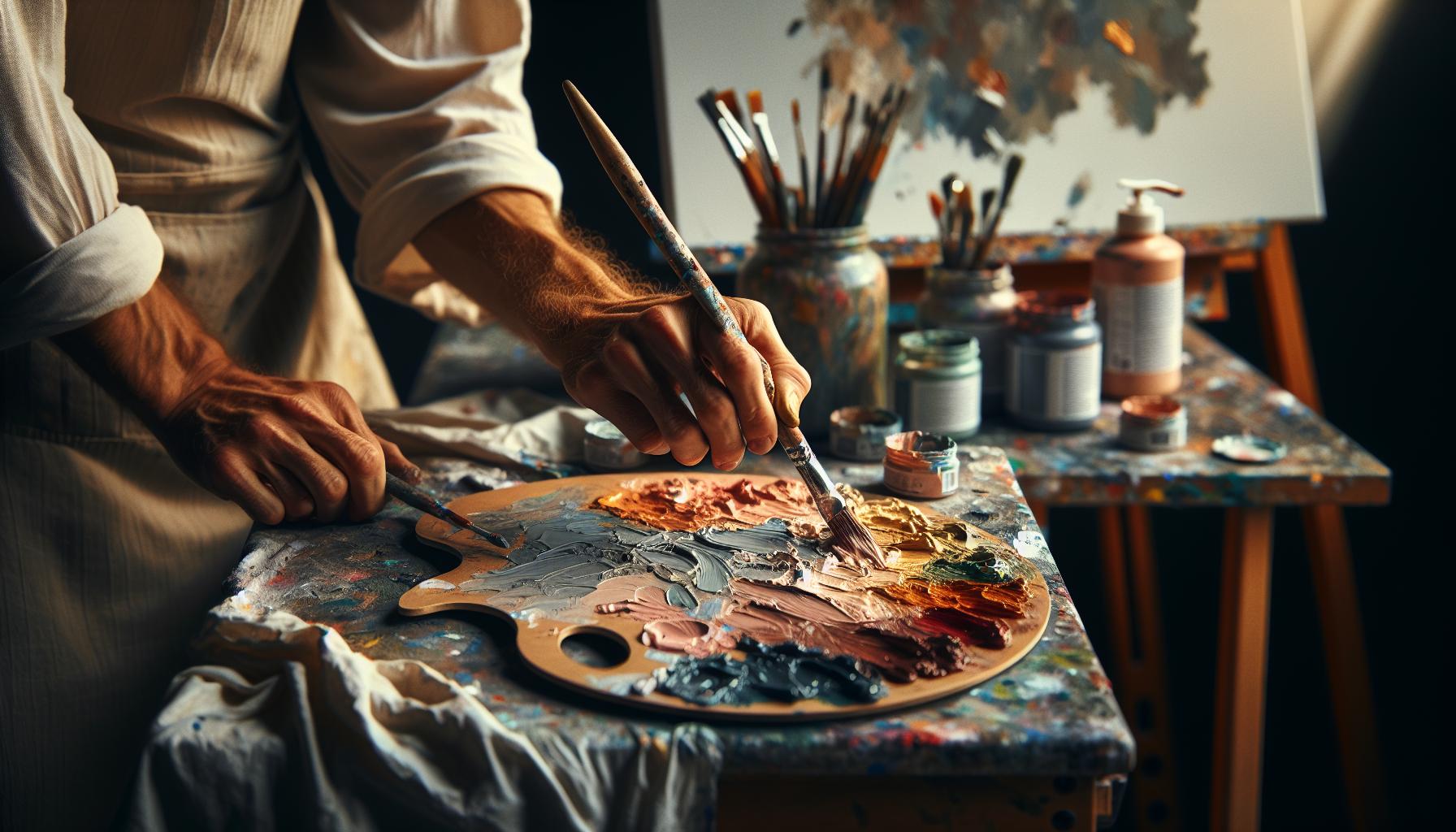
Understanding the texture and finish of acrylic paint is essential for artists who want to achieve specific effects in their work. Acrylics are versatile and can mimic the appearance of other media or stand out in their own right, which makes mastery over their texture and finish crucial for successful artistic expression. The texture of acrylic paint can vary significantly depending on its formulation, allowing for a broad spectrum of possibilities-from smooth and glossy to thick and matte.
High-viscosity acrylics, often referred to as heavy body paints, are perfect for artists seeking to create bold expressions and textures on their canvas. They retain brushstrokes and are ideal for techniques like impasto, where thick applications create a three-dimensional effect. Conversely, soft body and fluid acrylics are designed for more translucent applications, making them suitable for glazing and creating smooth gradients. These forms flow easily, allowing for fine details or delicate washes without the risk of overpowering the underlying layers.
Key Textural Elements to Explore
When diving into acrylic paint textures, consider the following elements:
- Finish: Glossy finishes provide a reflective surface that can enhance colors and details, while matte finishes give a softer appearance, often preferred for certain styles of art or to reduce glare.
- Interaction with Mediums: Adding gels or pastes can modify the paint’s texture, creating something uniquely personal to your artistic style. For example, using a gel medium with heavy body acrylics can introduce a tactile quality to your work and extend drying time, allowing for manipulations.
- Layering Techniques: Experiment with layering different textures. Start with a base of heavy body paint for texture, followed by a top layer of fluid acrylics for depth and luminosity.
Real-World Application
In practice, an artist might begin a canvas with heavy body acrylics to establish a textured background. They could then introduce fluid acrylics mixed with a glossy medium to create highlights or detailed sections that stand out. Understanding how to balance these textures and finishes not only enriches your artwork but also hones your unique style as an artist.
Ultimately, mastering the texture and finish of acrylic paints opens a wealth of creative possibilities. As you explore these variables, keep experimenting and observing how different techniques affect your work-this is where the magic happens, transforming a simple canvas into a vibrant expression of your vision.
How to Properly Mix Acrylic Colours
Mixing acrylic colours effectively can greatly enhance your artwork, providing depth and vibrancy that can transform a piece from ordinary to extraordinary. A key aspect of working with acrylics is understanding how to achieve the desired hue, shade, and consistency. One of the most useful tips is to start small; always mix a small amount of paint first to test your blend before committing to larger quantities. This practice minimizes waste and allows you to adjust proportions easily.
To create a balanced colour palette, begin by using a limited number of primary colours: red, blue, and yellow. By blending these, you can produce a spectrum of secondary colours (purple, green, and orange), which can then be mixed further to create tertiary shades. Keep in mind that acrylics dry darker than they appear when wet, so it’s advisable to adjust your mixing accordingly. If you’re looking to lighten a colour, rather than using straight white-which can create a chalky look-try mixing in a medium like titanium white or a lighter shade of the base colour for a more harmonious result.
Another important technique is to use an appropriate medium to alter the characteristics of your colours. Adding a retarder can slow down the drying time, while a glazing medium can allow for transparent layers, enriching the final outcome. Experimenting with different mediums can widen your creative possibilities. Always remember to mix thoroughly to avoid streaks or uneven textures; a palette knife works effectively for this purpose, ensuring a smooth amalgamation of paint.
When mixing, it’s beneficial to maintain a clean workspace and tools, as residual paints can alter your mixtures unexpectedly. Additionally, documenting your mixing ratios and combinations can help you replicate successful blends in future projects. Ultimately, the art of mixing acrylic colours is about experimentation and finding the unique combinations that resonate with your artistic vision.
Common Techniques for Working with Acrylics
Acrylic paints offer a versatile medium that can cater to a wide range of creative techniques, making them a favorite among artists. One fascinating aspect of acrylics is their quick drying time, which allows for rapid layering and texturing. This feature enables artists to build complex compositions without waiting for long periods, an advantage that can inspire spontaneous creativity.
One popular technique when working with acrylics is the wet-on-wet method, where wet paint is applied directly onto wet paint. This technique can create beautiful blends and soft edges, perfect for landscapes or abstract works. In contrast, the dry-brush technique involves applying paint with a dry brush, allowing for a rough, textured appearance that can add depth and contrast. It’s particularly useful for creating highlights or adding details without losing the underlying colors.
Layering is another fundamental technique that harnesses the fast drying ability of acrylics. Artists can apply multiple layers to create depth and complexity in their work. Using a glazing medium can enhance this process, allowing for translucent layers that modify the underlying colors without completely obscuring them. Additionally, adding textures can be achieved through various tools such as sponges, combs, or palette knives, opening avenues for tactile expression.
It’s also essential to consider color mixing and consistency when using acrylics. Unlike oil paints, acrylics often appear darker as they dry, which means testing mixtures on scrap paper before final application is beneficial. Furthermore, utilizing mediums to adjust the flow, drying time, and finish of the paint helps in achieving the desired effect. For example, using a retardant can extend the working time, while a gloss medium can enhance the vibrancy of the colors.
Artists frequently explore the fluidity of acrylics by incorporating water or special additives to achieve different effects-whether it’s a transparent wash or a thick impasto. By embracing these techniques and experimenting with color and texture, artists can truly unleash their creativity and create unique, captivating artworks that resonate with their artistic vision.
Acrylic vs. Oil Paints: Key Differences
The choice between acrylic and oil paints is a fundamental decision that shapes an artist’s creative journey. While both mediums offer unique advantages, they cater to different techniques, styles, and desired outcomes, making it essential for artists to understand their key differences.
Acrylic paints are water-based, which allows for easy clean-up with soap and water, while oil paints require solvents for cleaning and thinning, posing potential health risks. The drying time of acrylics is notably fast, typically within minutes, enabling artists to layer colors quickly and minimize waiting periods. In contrast, oil paints can take hours or even days to dry, giving artists the flexibility to work on a piece over an extended period, making it easier to blend and manipulate colors on the canvas.
Another significant difference lies in their finish and texture. Acrylics typically dry to a satin or matte finish, whereas oils retain a glossy finish that may enhance color vibrancy. Additionally, acrylics can be thinned with water for a transparent effect, akin to watercolor, while oil paints maintain their viscosity, allowing for impasto techniques that create rich textures. These characteristics can impact how an artwork is perceived; for instance, the vibrancy and depth of oil paintings often attract viewers to more classical styles, while the brightness and immediacy of acrylics can appeal to modern art lovers.
When considering these mediums, artists also think about the longevity and archival quality of their work. Oil paintings, when properly cared for, can last for centuries without fading, thanks to their slow-drying nature and the stability of the pigments. Acrylics, while more stable than some water-based paints, can be susceptible to environmental factors, which may affect color retention over time. Therefore, it’s crucial for artists to consider the intended longevity of their work when choosing between acrylics and oils.
Ultimately, the decision comes down to personal preference and the type of expression an artist aims to achieve. Experimenting with both mediums can provide insights and help define one’s artistic voice, allowing creators to explore and harness the distinctive qualities each paint offers.
Tips for Storing and Preserving Acrylic Colours
To ensure the longevity and effectiveness of acrylic paints, proper storage and preservation techniques are critical. Acrylic paints are sensitive to environmental factors, and even a small oversight can lead to wasted resources or compromised artwork. One essential tip is to keep paints in a cool, dry place. Heat and direct sunlight can degrade pigments and affect the consistency and color quality of your paints.
Additionally, always store your acrylics tightly sealed when not in use. Air exposure can cause acrylics to dry out and form a crust, rendering them unusable. Utilize airtight containers or squeeze tubes to minimize exposure. If you find yourself needing to store opened paints, consider plastic wrap over the openings of paint containers before sealing them, as this extra layer can create a more effective barrier against air.
Temperature Considerations
Ensuring a stable temperature in your storage area is also vital. Acrylic paints perform best at temperatures ranging from 60°F to 80°F (15°C to 27°C). Avoid placing them in locations that experience temperature fluctuations, such as garages or basements. If necessary, use a space heater or air conditioner to maintain a consistent environment.
Protecting Against Contamination
To further preserve the quality of your acrylic paints, keep them away from other potentially harmful materials. For example, if you store them alongside solvents or chemicals, there is a risk of contamination that could alter their chemical composition. Ideally, you should dedicate a specific area or shelf for your art supplies to avoid such risks.
In terms of paint application, always use clean brushes and tools. Even a small amount of dried acrylic can contaminate your paint, leading to unpleasant surprises when you’re working on a new piece. Regular cleaning and maintenance of your tools will not only enhance their longevity but also ensure the purity of your colors.
Adopting these practices helps artists maintain the integrity of their acrylic colours, ultimately enabling them to continue creating vibrant and expressive artworks without unnecessary interruptions or losses.
Sustainable Practices in Acrylic Painting
Artists today are increasingly focused on sustainability, and acrylic painting offers several opportunities to incorporate eco-friendly practices into your creative process. Using water-based paints and mediums means that artists can work with fewer toxic fumes compared to oil-based products. However, sustainability goes beyond just choosing safer materials; it involves conscious decisions at every stage of the painting journey.
One effective method for promoting sustainability in acrylic painting is to minimize waste. This starts with strategically planning your palette to reduce excess paint. By learning to mix colors effectively and using a limited color palette, artists can create a larger variety of hues while consuming less paint and ultimately reducing waste. Additionally, consider using a palette made from recycled materials or one that can be easily cleaned, rather than disposable options.
Choosing Eco-Friendly Products
When selecting acrylic paints and supplies, opt for brands that prioritize sustainability. Many manufacturers now offer paints that are non-toxic, vegan, and made from renewable resources. Look for certifications like AP Non-Toxic or products made with lower Volatile Organic Compounds (VOCs) to ensure your materials are as environmentally friendly as possible. It’s also beneficial to support local businesses and artisans who may offer eco-conscious products that align with your values.
Proper Disposal and Recycling
Another key aspect of is responsible disposal. While dried acrylic paint can be safely disposed of in regular trash, any leftover paint or materials should be handled with care. Check if your local recycling facility has specific guidelines for paint disposal, or consider reaching out to community art programs that may accept leftover supplies. This not only reduces landfill waste but also supports local art initiatives.
Furthermore, consider reusing materials where possible. Empty paint containers can serve as storage for mixed colors or other small art supplies. Old brushes and tools can be cleaned and repurposed for different techniques or projects, enhancing your creativity while being environmentally conscious.
Taking these steps as an artist not only fosters creativity but also contributes to a healthier planet, encouraging a new generation of artists to appreciate the balance between artistic expression and sustainable practices. By making mindful choices, you empower yourself and others in the artistic community to create meaningful artwork while caring for our environment.
Popular Brands of Acrylic Paints You Should Know
When it comes to acrylic paints, choosing the right brand can significantly impact your art-making experience and the final results. With a diverse range of options available, understanding the strengths and unique offerings of well-known brands can help both beginners and seasoned artists make informed decisions on their materials.
Popular Brands to Consider
Several brands stand out in the world of acrylic paints, each with its own identity, quality, and color range. Here’s a closer look at some of the most notable names you should know:
- Golden Artist Colors: Renowned for their professional-grade acrylics, Golden paints offer high pigment loads and excellent lightfastness. Their line includes heavy body, fluid, and high-flow acrylics, allowing artists to choose based on their technique and preference.
- Liquitex: A favorite among many artists, Liquitex offers a wide variety of acrylic paints, mediums, and tools. Their heavy body acrylics are particularly popular for their buttery consistency and rich pigments, making them versatile for various applications.
- Winsor & Newton: Known for high-quality art materials, Winsor & Newton’s acrylic line provides outstanding color vibrancy and smooth application. Their Galeria range is an excellent choice for beginners due to its affordability without compromising quality.
- Bob Ross: Famous for his television show, Bob Ross’s acrylics are designed for landscape painting. His paints are user-friendly, allowing artists at all levels to create beautiful works with ease.
- Arteza: This brand has gained popularity for its budget-friendly options that do not sacrifice quality. Arteza’s acrylic paints are vibrant and available in a wide array of colors, making them suitable for hobbyists and professionals alike.
- Schmincke: A premium brand known for its high-quality materials, Schmincke’s acrylics are favored by artists who want the best in color integrity and performance. Their products often come with excellent lightfastness ratings.
Choosing the Right Brand for Your Needs
When selecting a brand, consider what aspects are most important for your projects. For example, if you’re a beginner, opting for a brand like Liquitex or Arteza might provide a good balance of quality and affordability. Conversely, if you’re more experienced or aiming for professional work, investing in Golden or Schmincke acrylics could deliver the performance you seek.
Ultimately, experimenting with different brands and their respective product lines can lead to the discovery of your ideal acrylic paint, encouraging you to explore new techniques and enjoy the creative process even more. Remember that the best paint is the one that aligns with your style, supports your artistic vision, and allows you to express your creativity freely.
Exploring Acrylic Mediums and Additives
The world of acrylic painting expands far beyond the paint itself; it thrives on the myriad of mediums and additives available to artists. These substances can transform your paintings, allowing for unique textures, finishes, and effects while enhancing the paint’s performance. For example, adding a glazing medium can increase transparency and luminosity, enabling you to achieve stunning depth in your colors, while a heavy gel medium can create thick textures ideal for impasto techniques.
Types of Acrylic Mediums and Additives
When exploring acrylic mediums, it’s crucial to understand the various types available and how they can be used. Here’s a brief overview:
- Medium Gels: These come in various consistencies (like heavy or soft) and allow you to manipulate the thickness of your paint. They can enhance texture or change the viscosity without compromising color saturation.
- Glazing Mediums: Perfect for creating transparent layers, glazing mediums dilute the paint while maintaining its adherence to the canvas. This technique is excellent for building depth and richness in colors.
- Retarders: These are additives that slow down the drying time of acrylic paints. This is particularly useful for blending and creating smooth transitions, giving you more working time before the paint sets.
- Texturing Mediums: These include sand or pumice gel mediums that can add physical texture to your artwork, offering a three-dimensional quality that paint alone cannot achieve.
- Pouring Mediums: Ideal for artists experimenting with fluid art, these mediums help to create the desired flow and enhance the paint’s ability to spread and mix.
Practical Applications
To fully benefit from these mediums and additives, it’s essential to understand how they interact with your acrylic colors. For instance, when using a glazing medium, mix it with your paint in a 50:50 ratio for optimal transparency. For texture, experiment by layering different gels on top of dried layers to create interesting visual effects. Always remember to test your mixtures and techniques on scrap paper before applying them to your final piece, allowing you to gain confidence in your approach.
Acrylic mediums and additives open up new avenues for expression in your work, enabling you to push the boundaries of traditional acrylic painting. Embrace these tools as extensions of your creativity, and don’t hesitate to experiment-they may just lead you to your next artistic breakthrough.
Frequently Asked Questions
Q: What are acrylic colours made from?
A: Acrylic colours are primarily made from pigment suspended in a polymer emulsion. This water-based medium provides vibrant colours and quick drying times, making acrylics ideal for various artistic techniques. For more on their composition, check the section “What Are Acrylic Colours? An Overview for Artists”.
Q: How do I choose the right acrylic colour for my project?
A: To choose the right acrylic colour, consider your project’s theme and emotional tone. Test small swatches before committing and complement your primary colour with shades from the same palette. For detailed guidance, refer to “Choosing the Right Acrylic Colour for Your Project”.
Q: What is the difference between student and professional grade acrylic paints?
A: Student-grade acrylic paints have lower pigment concentration and more fillers, affecting vibrancy and coverage. In contrast, professional-grade paints contain high-quality pigments, offering better lightfastness and mixing capabilities. Explore more in the “Different Types of Acrylic Colours Explained” section.
Q: Can acrylic paints be used on any surface?
A: Yes, acrylic paints are versatile and can be applied to a variety of surfaces, including canvas, wood, paper, and even fabric. Always ensure the surface is properly prepared for optimal adhesion. Check “Choosing the Right Acrylic Colour for Your Project” for surface preparation tips.
Q: How can I make my acrylic colours last longer?
A: Store acrylic paints in airtight containers and away from direct sunlight to prolong their life. Also, regularly clean brushes and palettes to prevent paint from drying out. For additional storage tips, see “Tips for Storing and Preserving Acrylic Colours”.
Q: What techniques work best with acrylic paints?
A: Techniques such as layering, glazing, and impasto work particularly well with acrylics. Experiment with brushes, palette knives, and sponges to achieve different textures and effects. Find more techniques in the article section “Common Techniques for Working with Acrylics”.
Q: Are there eco-friendly acrylic paint options available?
A: Yes, several brands offer eco-friendly acrylic paints made from non-toxic, biodegradable materials. These paints maintain quality while being safer for the environment. Look for details in “Sustainable Practices in Acrylic Painting”.
Q: How can I prevent acrylic paint from drying too quickly?
A: To slow drying time, use a palette with a wet sponge or add slow-drying mediums. Keeping your workspace humid can also help. For mixing techniques, refer to “How to Properly Mix Acrylic Colours”.
The Conclusion
As you explore the world of acrylic colors, remember that their versatility can transform your artistic expressions. We’ve equipped you with essential insights about their properties, techniques, and applications, empowering you to dive deeper into your creative journey. Don’t miss out on our related articles on color mixing techniques and brush care tips to elevate your painting skills even further!
Ready to put your newfound knowledge into practice? Grab your acrylics and start experimenting today! If you have any questions or want to share your artwork, leave a comment below – we love seeing your creations! For more inspiration, consider joining our newsletter for exclusive tips and resources. Your artistic adventure awaits; let’s keep the creativity flowing!