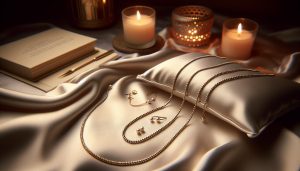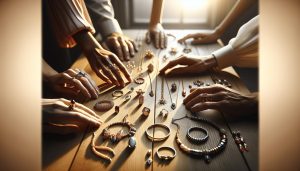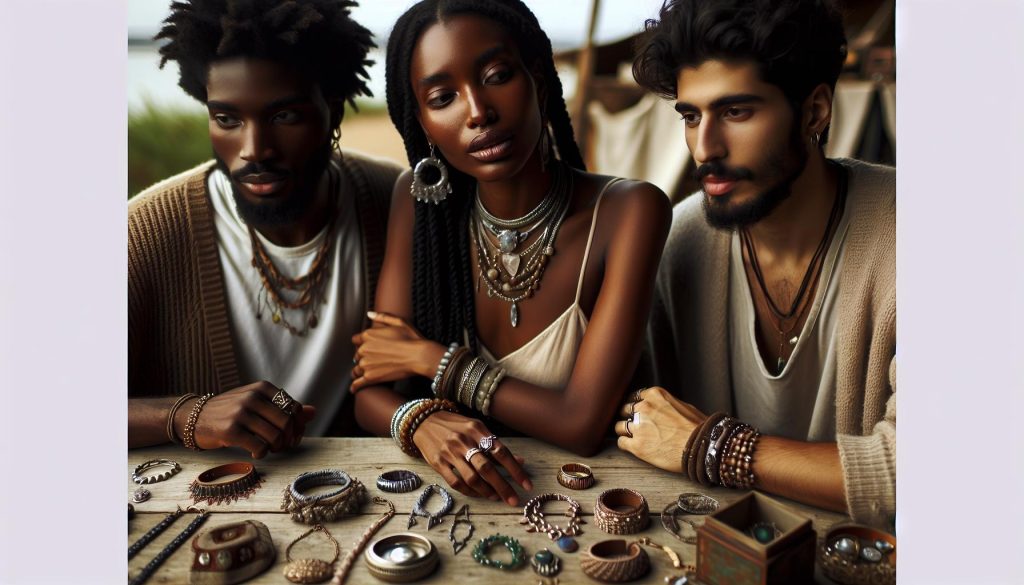
Jewelry is more than just adornment; it’s an expression of individuality, culture, and emotion. With countless types of jewelry available, from timeless pieces like rings and necklaces to contemporary items like body chains and charm bracelets, exploring these categories can transform your style and enhance your personal collection. Understanding the different types allows you to choose pieces that not only complement your wardrobe but also tell your story. Whether you’re a jewelry enthusiast looking to deepen your knowledge or a beginner seeking to find your unique style, this comprehensive guide will illuminate the diverse world of jewelry classifications. As you delve into this intriguing topic, you’ll discover not only the beauty and craftsmanship of each piece but also valuable tips for care, styling, and even starting your own jewelry business. Keep reading to unlock the secrets behind the sparkle and find the perfect pieces for your collection!
Types of Jewellery: An Overview of Styles
There is a remarkable diversity in the world of jewellery, with styles that cater to different tastes, cultures, and occasions. Whether you prefer the timeless appeal of fine pieces or the playful aesthetics of costume jewellery, understanding the various categories will empower you to make informed choices. Ranging from elegant necklaces to statement rings, the options are limitless. Each type serves a unique purpose, offering a perfect accessory to express individuality and style.
Fine Jewellery
This category includes high-quality pieces crafted from precious metals and gemstones, such as gold, platinum, diamonds, and gemstones. Fine jewellery is often synonymous with luxury and is designed to last a lifetime. Engagement rings, diamond stud earrings, and elegant bracelets fall into this category, making it a preferred choice for special occasions and heirlooms.
Fashion Jewellery
Fashion jewellery, also known as costume jewellery, is designed to be trendy and affordable. Made from materials like base metals, crystals, and synthetic stones, these pieces allow you to experiment with styles without breaking the bank. With rapid changes in fashion trends, fashion jewellery provides limitless possibilities for mixing and matching. Think bold statement necklaces, vibrant earrings, and quirky brooches that reflect seasonal trends.
Artisan and Handmade Jewellery
There’s a special charm in artisan and handmade jewellery, often reflecting the personal touch and creativity of the maker. These pieces can be found at local craft fairs and online marketplaces, offering unique designs that stand out from mass-produced items. Supports local artists while wearing something that tells a story. Whether it’s hand-hammered metalwork or intricate beadwork, these creations often emphasize craftsmanship and originality.
Cultural Jewellery
Jewellery also plays a vital role in cultural traditions worldwide, symbolizing significant events and heritage. From Maori pounamu (greenstone) to Indian bridal bangles, cultural jewellery can signify status, identity, and belief systems. Embracing these pieces not only enriches your collection but also connects you to stories and traditions across the globe.
Understanding these diverse styles not only enhances your personal collection but also prepares you to appreciate the artistry and significance behind each piece you encounter. The world of jewellery is a beautiful tapestry of creativity and culture-embracing it empowers you to express yourself uniquely.
The Beauty of Fine Jewellery: Diamonds and Gold
Fine jewellery captivates with its timeless elegance and enduring value, primarily defined by its quality materials-especially diamonds and gold. These two essentials not only symbolize luxury but also carry rich histories that enrich their allure. Diamonds, known as the hardest substance on Earth, symbolize strength and enduring love, making them ideal for engagement rings and special occasion pieces. Their brilliance and fire can elevate any piece of jewellery, creating lasting impressions. Gold, recognized for its rarity and malleability, has been revered across cultures for centuries, allowing artisans to craft intricate designs that appeal to both modern and traditional tastes.
An essential aspect to consider when investing in fine jewellery is the quality of the materials. Diamonds are graded based on the four Cs: cut, clarity, color, and carat weight. Understanding these factors helps buyers appreciate the value and uniqueness of each diamond. For example, a well-cut diamond can reflect light beautifully, enhancing its overall sparkle and desirability. Similarly, gold comes in various purities, measured in karats (with 24k being pure gold). When selecting gold jewellery, it’s crucial to understand what purity works best for your lifestyle-higher karat gold is softer but richer in color, while lower karat gold is more durable and scratch-resistant.
When it comes to styling, fine jewellery offers versatility that can seamlessly transition from day to night. Layering delicate gold necklaces or stacking diamond rings can create a unique personal style, exuding sophistication without being overly ostentatious. For care, maintaining the beauty of fine jewellery is key. Regular cleaning with a soft cloth for gold and gentle solutions for diamonds helps preserve their shine. Storing pieces separately in soft pouches or lined boxes prevents scratches and damage, ensuring they remain heirlooms for generations.
Ultimately, investing in fine jewellery-especially pieces adorned with diamonds and crafted from gold-is both a personal expression and a wise financial decision. These pieces not only enhance one’s wardrobe but also offer a glimpse into the artistry and craftsmanship behind each creation, making them treasures that tell stories spanning generations.
Exploring Fashion Jewellery: Trends and Affordability

Fashion jewellery offers an exciting way to express personal style without breaking the bank. This category is defined by its trendy, often playful designs, making it accessible to a wide array of fashion tastes and budgets. In recent years, we’ve witnessed a surge in unique styles that allow anyone-from fashion enthusiasts to casual wearers-to curate their collections with an eclectic mix of pieces. Unlike fine jewellery, which tends to focus on precious metals and gemstones, fashion jewellery embraces a diverse range of materials, including acrylic, glass, and base metals.
Current Trends in Fashion Jewellery
Today, layering is one of the most prominent trends in fashion jewellery. Many are opting for mixed-metal necklaces and bracelets, creating a personalized look that can adapt to any outfit. Chunky statement pieces are also making a comeback, often seen in bold colours or intricate designs that draw the eye. Additionally, sustainability has entered the fashion jewellery scene, leading to a rise in brands offering eco-friendly and ethically sourced materials. Whether it’s upcycled metals or responsibly sourced gemstones, fashion jewellery now often tells a story of conscious consumerism.
Affordability Meets Style
One of the greatest appeals of fashion jewellery lies in its affordability. Prices can range from a few dollars for simple pieces to several hundred for designer collaborations. This pricing spectrum allows for experimentation and helps collectors try new trends without significant financial commitment. For those who love to switch up their style regularly, investing in a variety of fashion pieces enables a dynamic wardrobe that can be refreshed seasonally. Retailers like BaubleBar and many others frequently launch new collections, making it easy for fashion lovers to stay ahead of trends while keeping budget constraints in mind [[3]].
Choosing Fashion Jewellery Wisely
When selecting fashion jewellery, it’s essential to focus on quality and comfort. Look for pieces that offer durability-such as those made with plated metals or high-quality synthetic stones-while still being lightweight enough for everyday wear. Additionally, consider the versatility of each piece in your collection. A classic, minimalist necklace can work well with both casual and formal outfits, while funky earrings may add flair to a simple ensemble.
Fashion jewellery stands as a testament to the ever-evolving world of style, offering endless opportunities for self-expression. Dive into the latest trends and find unique pieces that resonate with your personal aesthetic while enjoying the affordability and variety this vibrant category provides.
Understanding Artisan and Handmade Jewellery
Jewellery designed by artisans captures the essence of individuality and craftsmanship, offering pieces that tell stories beyond mere adornment. Unlike mass-produced items, artisan and handmade jewellery often reflects the unique vision of the creator, resulting in stunning pieces that cannot be replicated. Each item serves as an expression of the artist’s inspiration, skill, and intent, which is why collectors often seek out these distinctive creations. Such pieces often employ unconventional materials or techniques, making them treasures in their own right.
Selecting artisan jewellery opens up a world of diverse styles and techniques. Many artisans embrace traditional methods, such as hand-hammering metals or intricate beadwork, creating pieces that honor craftsmanship passed down through generations. Others may integrate modern techniques like laser cutting, blending the old with the new. This variety allows enthusiasts to find pieces that resonate with their personal style, whether they favor bohemian vibes, minimalist designs, or ornate vintage aesthetics.
When assessing artisan jewellery, consider the following key points to ensure a gratifying purchase:
- Storytelling: Each piece has its narrative, so inquire about the artist’s process and inspiration to enhance your connection with the jewellery.
- Materials: Handcrafted items often use unique or natural materials, so check for quality and authenticity, especially if gemstones are involved.
- Craftsmanship: Look closely at the finishing details; signs of quality craftsmanship include smooth edges, secure settings, and overall durability.
In terms of care, artisan jewellery may require specific maintenance depending on the materials used. It’s advisable to store these pieces in a cool, dry place away from chemicals that may dull their finish. Using a soft cloth to clean silver or gold pieces can keep them shining, while more delicate items, such as those made with natural stones or intricate beading, might need gentle handling.
For those interested in diving into the world of artisan jewellery making, begin by exploring local workshops or online tutorials. Practicing your skills with simple designs can lead to remarkable personal creations, ushering in both a therapeutic and rewarding hobby. As you grow more confident, you may even consider starting your own small business, sharing your crafted pieces with the world while contributing to the rich tapestry of artisan craftsmanship.
The Allure of Costume Jewellery: A Fun Accessory
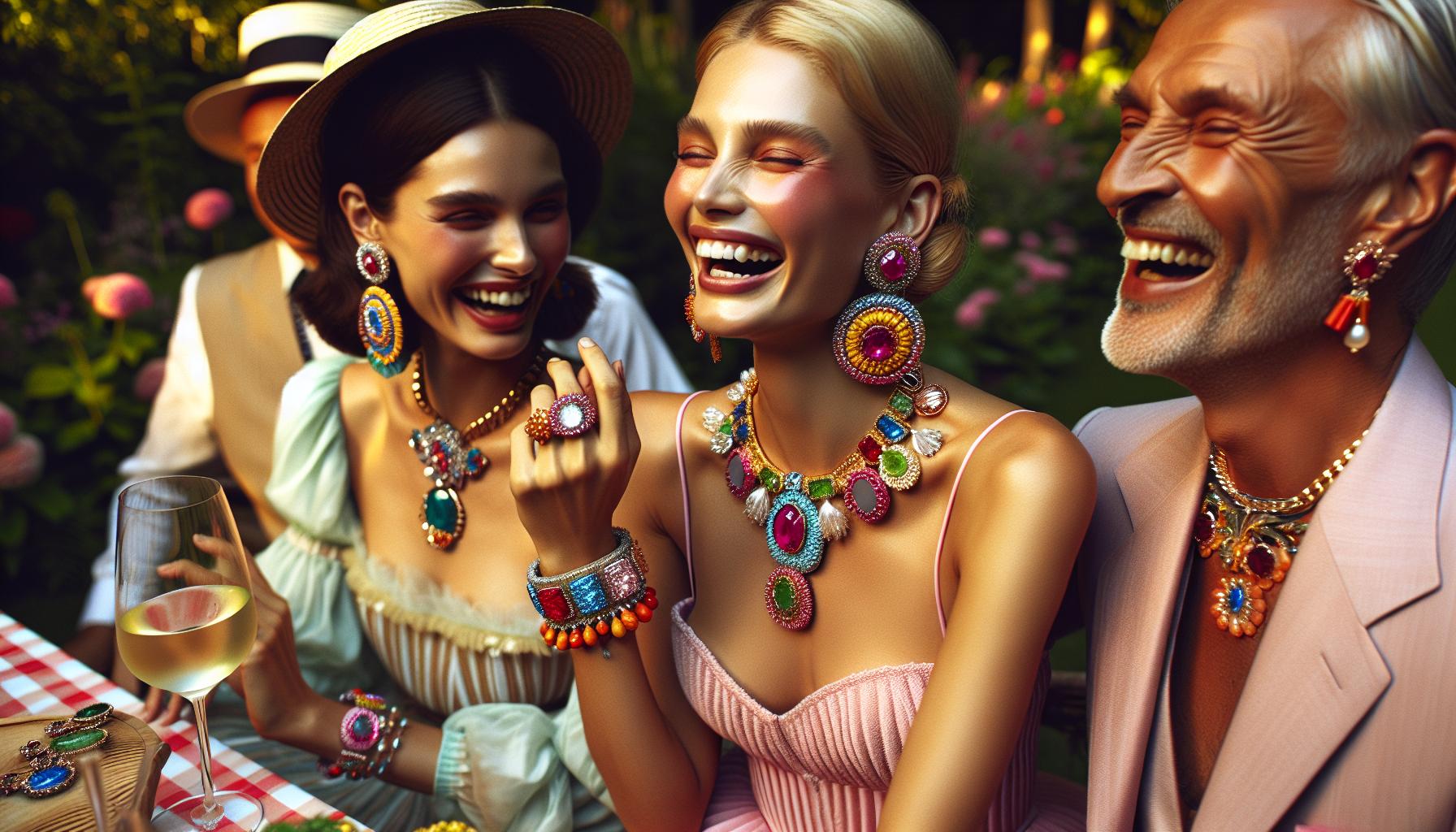
Costume jewellery is a playful and expressive accessory choice that enables wearers to experiment with their style without breaking the bank. Often crafted from affordable materials like base metals, glass, and plastic, these pieces can mimic the appearance of fine jewellery while offering a creative outlet for personal expression. The appeal of costume jewellery lies in its ability to transform an outfit instantly, allowing for versatile styling options that can enhance everyday wear or elevate a more formal look.
One of the most exciting aspects of costume jewellery is its adaptability to current trends. Designers frequently release seasonal collections that reflect popular culture, making it easy for consumers to keep their accessory game fresh without the commitment of spending on expensive items. From stunning statement necklaces to whimsical earrings, the variety available allows individuals to curate collections that speak to their unique taste. For example, vibrant enamel pins and oversized earrings have made a comeback, allowing fashion enthusiasts to showcase their personality with bold statements.
Styling Tips for Costume Jewellery
To make the most of your costume jewellery collection, consider these styling tips:
- Layering: Don’t hesitate to layer necklaces of varying lengths or stack bracelets for a bohemian look. Mixing textures and colors can add depth to your outfit.
- Focus on One Statement Piece: If you’re wearing a show-stopping necklace, keep other accessories minimal to let that piece shine.
- Mix and Match: Combine different styles and materials-like pairing delicate rings with chunky bangles or elegant earrings with casual attire-to create an eclectic look.
Caring for costume jewellery is essential to prolong its life and maintain its visual appeal. Store pieces in a cool, dry place and away from direct sunlight to prevent discoloration. Use a soft cloth to gently clean them after each wear to remove oils and dirt that could tarnish the finish. By following these simple care practices, you can enjoy your costume jewellery as the fun and vibrant accessory it’s meant to be.
Precious vs. Semi-Precious Stones: What to Know
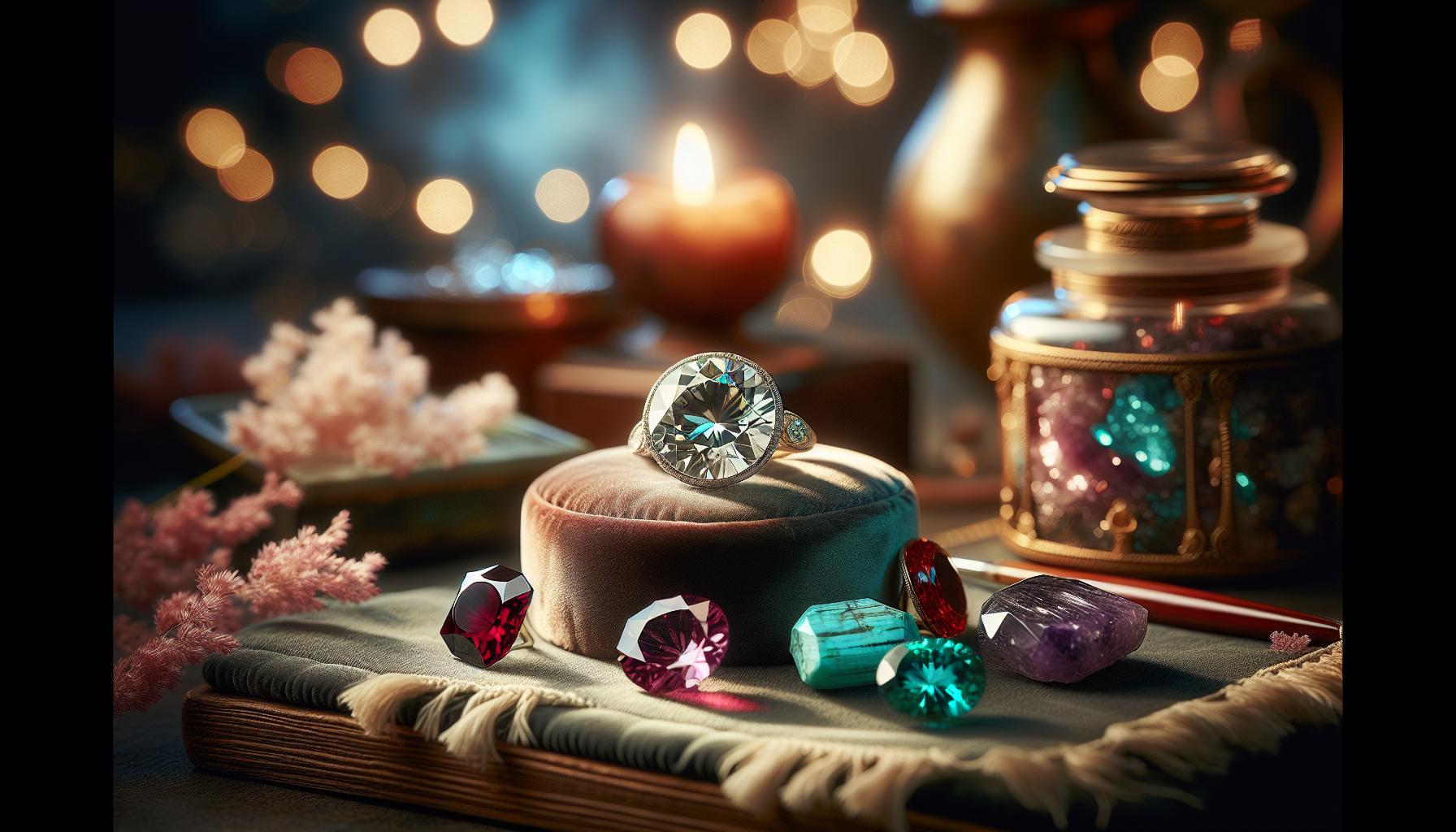
When it comes to choosing the right stones for your jewellery, understanding the distinction between precious and semi-precious stones is essential. Precious stones, including diamonds, sapphires, rubies, and emeralds, are renowned for their sheer beauty and rarity. Often characterized by their superior hardness and ethical sourcing, these gems can command higher prices due to their desirability and perceived value. For example, diamonds are not only prized for their sparkle but also have significant cultural associations, making them a popular choice for engagement rings and heirloom pieces.
In contrast, semi-precious stones, such as amethyst, garnet, turquoise, and lapis lazuli, offer a vibrant array of colors and patterns at more accessible price points. These stones are often more abundant and come in a variety of shapes, making them perfect for unique and personalized jewellery designs. For instance, adding a rich green peridot or a deep blue lapis lazuli can create striking contrasts that add depth to your collection without the high cost of precious stones. It’s also worth noting that the term “semi-precious” doesn’t imply lesser quality; many semi-precious stones have their own unique allure and can be used effectively in both fashion and fine jewellery.
Choosing the Right Stone for Your Piece
Selecting the appropriate stone for your jewellery piece depends on various factors, such as personal taste, budget, and the intended use of the piece. Here are some guidelines to consider:
- Understanding Durability: If you’re crafting jewellery for daily wear, opt for harder stones like diamonds or sapphires that can withstand scratches and damage.
- Expressing Individuality: Semi-precious stones allow you to express personal style through their diverse colors and patterns. Consider stones that resonate with your unique aesthetic.
- Budgeting Wisely: If you’re working with a limited budget, semi-precious stones can provide a beautiful alternative without compromising on design.
Ultimately, whether you choose precious or semi-precious stones, both categories offer unique opportunities for creativity and expression in jewellery design. Understanding their qualities will empower you to make informed decisions that reflect your personal style and values.
Selecting the Right Metals for Your Jewellery
Choosing the right metal for your jewellery is just as important as selecting the stones, as the metal can greatly affect the overall look, durability, and value of your pieces. Different metals also carry unique properties, which can influence your comfort and style preferences. Gold, silver, and platinum are classic choices, each presenting its distinct characteristics that can elevate your jewellery collection.
Gold is perhaps the most popular choice for fashionable and fine jewellery. Available in various karats-such as 10K, 14K, and 18K-gold can be alloyed with other metals to enhance its strength and color. The three most common gold colors are yellow, white, and rose, each offering a different aesthetic to suit personal preferences. Gold is a stable metal that resists tarnishing, making it an excellent long-term investment. However, it’s good practice to consider the alloy’s contents, especially for individuals with metal allergies.
Silver, specifically sterling silver (92.5% pure silver), is another widely used metal in jewellery making. Its shiny, reflective quality gives it a distinctive appeal, making it ideal for both elegant and casual pieces. While silver is more affordable than gold, it is also softer and can tarnish over time due to exposure to air and moisture. Regular cleaning and proper storage can help maintain its luster and appearance, ensuring your silver jewellery remains as beautiful as the day you bought it.
Platinum is known for its impressive weight and durability, making it the ideal choice for those who lead active lifestyles or desire an enduring metal. It is highly resistant to wear and tarnishing, which adds to its desirability. However, platinum is also one of the most expensive metals available, often commanding a premium price in the market. Its natural white hue complements diamonds beautifully, making it a favorite for engagement and wedding rings.
Ultimately, selecting the right metal involves considering your lifestyle, budget, and personal aesthetic. Evaluate how frequently you plan to wear the jewellery, your skin sensitivities, and the occasions for which you intend to wear it. This approach will ensure that your jewellery not only looks stunning but also fits seamlessly into your daily life.
Unique Cultural Jewellery: Traditions Around the World
Jewellery is an expressive art form that carries deep-rooted traditions across cultures, serving as a remarkable testament to human creativity and heritage. From the intricate beadwork of Indigenous tribes to the delicate silversmithing of the Middle East, unique cultural jewellery often encapsulates stories, beliefs, and social statuses that are pivotal to each community’s identity. Understanding these cultural pieces enriches our appreciation of jewellery and helps us recognize their significance beyond mere adornment.
In many African cultures, for example, jewellery plays a crucial role in ceremonies and rites of passage. Beaded necklaces, often handmade, signify wealth and status, while specific patterns can convey messages about community affiliations or personal achievements. Similarly, in India, traditional jewellery such as the Kundan and Meenakari pieces not only serve as stunning decorative items but are also worn during weddings and festivals, representing prosperity and marital bliss. The craftsmanship involved in creating these pieces involves skills passed down through generations, making them not only visually appealing but also culturally and historically significant.
In Southeast Asia, cultures such as the Thai and Balinese have unique silver jewellery traditions that reflect their vibrant artistic heritage. Thai hill tribes are known for their intricate silver designs that often incorporate gemstones and traditional motifs, serving both aesthetic and spiritual purposes. Likewise, Balinese jewellery includes intricate carvings and unique designs that often depict themes from nature and mythology, showcasing the strong connection between art and daily life in these regions.
The fascination with cultural jewellery is not merely about aesthetics; it’s also about understanding the stories they tell and the values they uphold. From the protective talismans worn by shamans to the elaborate crowns donned by royalty, each piece reflects the beliefs and traditions of its people. For anyone looking to expand their jewellery collection, embracing pieces that celebrate cultural significance can offer a richer narrative and deeper connection to the world’s diverse heritages, making them not just adornments but cherished collectibles with profound meanings.
Jewellery for Special Occasions: Choosing the Perfect Piece
Choosing the right jewellery for special occasions can elevate your look and enhance your overall experience. Whether it’s a wedding, anniversary, milestone birthday, or even a corporate event, the right piece can add a dazzling touch of elegance and personal flair. When selecting jewellery, consider the event’s nature, your outfit, and your personal style, ensuring the piece complements rather than competes.
Consider the Occasion
Start by reflecting on the event’s formality. For formal occasions like weddings or galas, classic choices such as diamond stud earrings or a delicate pearl necklace can exude sophistication. In contrast, more laid-back events may allow for bolder statements, like bright gemstone earrings or intricate layered necklaces. Think about the message you want to convey through your jewellery. A timeless diamond pendant can signify elegance and seriousness, while playful, colorful pieces can express fun and creativity.
Match with Your Outfit
Your attire plays a significant role in deciding which jewellery to wear. Consider the neckline of your dress or shirt: a strapless or off-the-shoulder top pairs beautifully with statement earrings and a stunning choker or a delicate chain that sits low on the collarbone. If your outfit has bold prints or rich textures, opt for simpler, understated jewellery to create balance. Detailed embellished outfits may benefit from minimalistic pieces to avoid overwhelming the overall look.
- Complementary Colors: Choose jewellery that enhances or contrasts the colors of your outfit. For example, warm-toned gold can beautifully complement a burgundy or green dress.
- Style Consistency: Ensure the style of your jewellery aligns with your outfit; a vintage dress suits antique-style jewellery, while a modern dress pairs well with sleek, contemporary pieces.
Personal Touches and Comfort
Your jewellery should not only look great but also feel comfortable. If you’re dancing the night away or making an entrance, select pieces that won’t distract you or cause discomfort. Additionally, consider including personal elements such as heirloom pieces or items that hold sentimental value, like a gift from a loved one. Wearing meaningful jewellery can transform your ensemble, making the occasion feel even more special.
Ultimately, selecting the perfect piece of jewellery enhances your style and personalizes your experience, allowing you to shine on any special occasion. By considering the occasion, matching your attire, and integrating personal elements, you can confidently express yourself and create lasting memories.
Caring for Your Jewellery: Maintenance and Cleaning Tips
Caring for your jewellery is essential to maintaining its beauty and longevity, ensuring each piece continues to shine and serve as a cherished accessory. With the right techniques, you can keep your jewellery looking as fabulous as the day you bought it. Did you know that over time, debris from lotions, perfumes, and even natural oils can accumulate on your jewellery and dull its brilliance? Regular maintenance can prevent this buildup and preserve your treasured items.
To start, it’s crucial to understand how to clean different types of jewellery. For gold and platinum, a simple solution of warm water and mild soap can work wonders. Soak the pieces for a few minutes, then gently scrub with a soft-bristle toothbrush to reach crevices. Rinse them in clean water and dry with a soft, lint-free cloth. Silver jewellery, on the other hand, may tarnish and require a specialized silver polish cloth or a mild silver cleaner for restoration. For gemstone jewellery, always check if your gemstones are sensitive to water or chemicals; some, like pearls, should only be wiped with a damp cloth.
- Frequency of Cleaning: Ideally, clean your everyday pieces monthly and reserve deep cleaning for items that aren’t worn often.
- After Wear Care: After wearing, especially for rings, wipe them with a soft cloth to remove oils and dirt.
Storage is another crucial element of jewellery care. Keeping your pieces organized and protected can prevent scratches and tangles. Consider investing in a jewellery box with compartments or pouches to separate different materials (e.g., metal, gemstones, and costume jewellery) to avoid damaging softer gems. Ideally, each piece should be stored separately, especially delicate chains that can easily get tangled.
Lastly, always take special care of high-value items, such as engagement rings or family heirlooms. Annual professional cleaning and inspection can catch any potential issues before they become major problems. By following these simple yet effective care routines, you can ensure that your jewellery remains a source of joy and beauty for years to come.
DIY Jewellery Making: A Step-by-Step Guide
Creating your own jewellery can be a rewarding and creative endeavor that allows you to express your unique style while also offering the chance to make personalized gifts for loved ones. Whether you’re a beginner looking to explore jewellery making or a seasoned crafter wanting to refine your skills, there’s an array of materials and techniques to consider. To get started, gather some basic supplies such as beads, wire, pliers, and clasps, which you can find at local craft stores or online.
Step-by-Step Process
- Choose Your Design: Begin with inspiration-this could come from nature, fashion trends, or your favourite pieces. Sketch out your ideas to visualize how the finished product will look.
- Select Your Materials: Based on your design, choose appropriate materials. For example, use high-quality beads for a luxe look, or colorful acrylics for fun, casual pieces. Don’t forget to think about the type of wire or string you will need for construction.
- Cut and Prepare: Use wire cutters to clip your chosen materials to the desired lengths. If you’re working with string, measure the length around your neck or wrist to ensure a proper fit, adding a bit extra to tie knots.
- Assemble the Pieces: Begin assembling your jewellery. If you’re making a necklace, string your beads in your chosen pattern. For bracelets, use elastic cord to ensure it stretches comfortably. Use pliers to attach clasps firmly to the ends of your pieces, ensuring durability.
- Finishing Touches: Once assembled, take a moment to check for any adjustments needed. You can also enhance your creations with additional elements like charms or personalized engravings for a unique touch.
Tips for Success
- Common Mistakes to Avoid: Don’t rush the design phase; take your time to ensure it reflects your vision. Also, double-check your bead placement for symmetry.
- Experiment and Innovate: Don’t be afraid to play with materials and techniques. Experimenting can lead to original designs that stand out from store-bought jewellery.
- Learn from Online Resources: Platforms like YouTube or various crafting blogs offer tutorials and tips that can bolster your skills and spark new ideas.
With creativity and practice, making your own jewellery not only enhances your collection but fosters a deeper appreciation for the artistry involved in jewellery design. This step-by-step guide provides a solid foundation to start your DIY journey, empowering you to craft beautiful pieces that tell your story.
Starting Your Own Jewellery Business: Essential Tips
Starting a jewellery business can be an exciting venture, especially in a world where personal style and craftsmanship are highly valued. As you embark on this journey, it’s crucial to recognize the diverse categories of jewellery available-from fine and fashion items to artisan pieces-that can shape your brand and target market. Understanding these categories will guide your product selection and marketing strategies, allowing you to stand out in a competitive marketplace.
To begin, define your niche. Consider whether you want to specialize in hand-crafted jewellery, unique fashion pieces, or classic fine jewellery. Crafting a clear brand identity centered on your niche helps attract the right customers. For example, a brand focusing on sustainable artisan jewellery can cater to the growing market of eco-conscious consumers. Research your competitors, assess what they offer, and identify gaps in the market that you can fill.
Once you’ve established your niche, consider your sourcing materials. High-quality materials are essential for building a reputable brand. Connect with reliable suppliers for gemstones, metals, and other components crucial for creating your pieces. Building a relationship with local artisans or obtaining ethically sourced materials can further enhance your brand’s credibility and appeal. Investing time in selecting materials can distinguish your products from mass-produced alternatives.
Marketing your jewellery business effectively is another pivotal aspect. Utilize social media platforms to showcase your pieces and connect with your audience. Platforms like Instagram and Pinterest are particularly effective for visual products like jewellery. Create engaging content that tells the story behind your designs, the materials used, and your creative process. Participate in online communities and forums related to jewellery to increase visibility and build relationships with potential customers.
As you grow, never underestimate the importance of exceptional customer service. Building trust with customers not only helps in retaining them but also encourages word-of-mouth referrals, which can be incredibly powerful for small businesses. Consider implementing a straightforward return policy, responding promptly to inquiries, and providing personalized experiences whenever possible.
By focusing on these fundamental tips-defining your niche, sourcing quality materials, leveraging effective marketing strategies, and providing great customer service-you set a solid foundation for a successful jewellery business that resonates with your values and vision.
Identifying Authentic Jewellery: A Beginner’s Guide
Is there a more confidence-boosting accessory than jewellery? Whether you’re investing in timeless pieces or hunting for trendy designs, knowing how to identify authentic jewellery can make a significant difference in your purchasing journey. With the market now brimming with both exquisite genuine items and well-crafted fakes, acquiring tools to distinguish the two is essential for both collectors and casual buyers alike.
To start, familiarize yourself with specific hallmarks and stamps that are commonly found on fine jewellery. Most gold and silver pieces will have a stamp indicating their purity, such as “10K,” “14K,” or “925” for sterling silver. These marks can help confirm that you’re dealing with genuine materials. Additionally, check for the manufacturer’s stamp, which can be found in discreet areas of the piece, usually near the clasp or inside a ring band; this can point to a reputable designer or brand.
Another effective method to authenticate jewellery is to inspect its weight and feel. Real gold, for instance, is heavier than most counterfeit alternatives. Similarly, genuine gemstones often have a cool touch, whereas glass or synthetic stones may feel warmer. Moreover, assess the craftsmanship-real jewellery often exhibits a level of detail and manufacturing quality that counterfeit pieces lack. Check for smooth finishes, properly set stones, and even spacing in designs. If you notice rough edges, uneven settings, or a general lack of finesse, those are signs of a counterfeit.
If you remain uncertain, consult with professionals or seek a jeweller who can conduct an appraisal or provide an expert opinion. Many jewellers offer services to verify authenticity for a fee, which can save you from heartbreak later on. Don’t hesitate to ask for certificates of authenticity for high-value items-you have every right to ensure that your investment is genuine. Armed with this knowledge, you’ll feel empowered to make informed decisions about your jewellery purchases.
Frequently asked questions
Q: What are the main categories of jewellery?
A: The main categories of jewellery include fine jewellery, fashion jewellery, costume jewellery, handmade jewellery, and cultural jewellery. Each category features unique materials and styles, catering to various preferences and occasions. For a deeper understanding, explore our section on “Types of Jewellery: An Overview of Styles.”
Q: How do I choose the right type of jewellery for an occasion?
A: Selecting the right jewellery depends on the occasion’s formality, your outfit, and personal style. For formal events, consider fine jewellery with precious stones. Casual gatherings may suit fashion or costume jewellery. Discover more tips in our guide on “Jewellery for Special Occasions.”
Q: What is the difference between fine jewellery and costume jewellery?
A: Fine jewellery is made from high-quality materials, including precious metals and gemstones, ensuring durability and long-term value. Costume jewellery, however, is crafted from less expensive materials and is often trend-focused. For more details, check our section on “The Allure of Costume Jewellery.”
Q: What are the benefits of wearing handmade jewellery?
A: Handmade jewellery often features unique designs and high craftsmanship, allowing for personalization and distinctiveness. It supports artisans and can carry cultural significance. Learn more about handmade options in our section on “Understanding Artisan and Handmade Jewellery.”
Q: How can I ensure my jewellery lasts longer?
A: To extend the life of your jewellery, store it properly, clean it regularly, and avoid exposure to harsh chemicals. Detailed care and maintenance tips can be found in our article on “Caring for Your Jewellery: Maintenance and Cleaning Tips.”
Q: What types of metals are commonly used in jewellery making?
A: Common metals used in jewellery include gold, silver, platinum, and stainless steel. Each metal has distinct properties, affecting durability, appearance, and cost. For a comprehensive overview, see our section on “Selecting the Right Metals for Your Jewellery.”
Q: How can I identify authentic jewellery?
A: To identify authentic jewellery, check for hallmark stamps, evaluate craftsmanship, and consider purchase location. Trusted sellers often provide certificates of authenticity. More tips are available in our guide on “Identifying Authentic Jewellery: A Beginner’s Guide.”
Q: What trends are popular in fashion jewellery right now?
A: Current trends in fashion jewellery include oversized statement pieces, eco-friendly materials, and layering necklaces. Keeping an eye on style influencers can also inspire your choices. For the latest insights, refer to our section on “Exploring Fashion Jewellery: Trends and Affordability.”
The Way Forward
Now that you’ve explored the diverse types of jewellery, from classic pieces to modern designs, it’s time to elevate your collection. Discover guides on jewellery care, cleaning metals and gems, and styling tips to ensure your treasures remain stunning for years to come. Curious about starting your own jewellery shop or need expert advice on authenticating pieces? We have resources that can help you every step of the way.
Don’t miss out on our comprehensive articles on the latest jewellery trends and DIY tutorials designed for both beginners and seasoned collectors. Sign up for our newsletter to stay inspired and never miss a beat in the wonderful world of jewellery. Your journey doesn’t have to end here; explore our related content for deeper insights and tips that will enhance your appreciation and understanding of all things jewellery. Dive in and let your next adventure begin!