
When preparing for a CT scan, many people often wonder about the rules regarding jewelry. Did you know that even small metallic items can significantly impact the clarity of your scan? Understanding what you can and cannot wear is crucial to ensure accurate imaging results, as well as your safety during the procedure. This article delves into the essential safety guidelines surrounding jewelry and CT scans, addressing common concerns and misconceptions. Whether you’re a frequent visitor to medical imaging facilities or facing a CT scan for the first time, knowing how to handle your jewelry can make all the difference. Read on to discover the best practices to follow and why they matter for your health and well-being.
Can You Wear Jewellery During a CT Scan? Key Safety Guidelines
It may be tempting to wear your favorite pieces of jewelry during a CT scan, especially if you’re concerned about documenting your style. However, safety guidelines clearly advise against it. The presence of metal from jewelry can not only interfere with the imaging process but may also obscure critical anatomical details that the radiologist needs to analyze effectively. This is because metals can create artifacts on the scan images, potentially leading to misinterpretation or the need for repeat scans-adding unnecessary time and radiation exposure to your experience.
To ensure a smooth and safe procedure, it’s essential to remove all jewelry before the scan. This includes rings, bracelets, earrings, and necklaces. In particular, items made of precious metals or with gemstones should be taken off as they are highly likely to affect the clarity of the scanned images. If you have dental fillings or other metallic objects in your body, you should inform your healthcare provider, but these usually do not need to be removed.
If you’re unsure about whether a specific piece of jewelry should be taken off, it’s best to consult with your healthcare professionals beforehand. They can provide guidance on how to prepare appropriately for your CT scan. Being proactive in following these guidelines not only contributes to your safety but also helps in obtaining accurate results. Remember, your health is paramount, and ensuring clear imaging is crucial for effective diagnosis and treatment.
Understanding How CT Scans Work and Their Risks
A CT scan, or computed tomography scan, is a powerful imaging tool that uses X-rays and computer technology to create detailed cross-sectional images of the body. It allows healthcare providers to see structures inside the body from multiple angles, which can help in diagnosing a range of conditions-from fractures to tumors. However, understanding how CT scans work and recognizing their associated risks can significantly enhance your overall experience and health outcomes.
CT scans generate images by rotating an X-ray beam around the body, capturing intricate details of organs and tissues. This technology can be incredibly helpful in diagnosing conditions quickly and accurately. That said, there are inherent risks associated with the exposure to radiation involved in the scanning process. Though the amount of radiation from a single CT scan is relatively low, it is still essential to be mindful, particularly if you require multiple scans over time. Discussing these risks with your healthcare provider can provide clarity on the necessity of the scan and any potential implications.
One often-overlooked risk factor during a CT scan is the impact of metallic objects, including jewelry, on image quality. Metallic items can cause artifacts-distortions in the images that can obscure vital information. These artifacts can lead to misinterpretations or even necessitate repeat scans, which not only increases exposure to radiation but also delays diagnosis and treatment. Consequently, it’s crucial to follow safety guidelines by removing all forms of jewelry prior to undergoing the procedure.
To prepare adequately for a CT scan, consider the following recommendations:
- Consult your healthcare provider: Always discuss any concerns or questions regarding the procedure, including the implications of wearing jewelry.
- Remove metallic items: This includes rings, bracelets, necklaces, and earrings to prevent artifacts.
- Inform the technician: If you have any permanent implants or dental work, it’s essential to inform the technician, as these typically do not need to be removed.
By understanding how CT scans work and the importance of adhering to safety guidelines regarding jewelry, you can help ensure that your imaging is as effective as possible for an accurate diagnosis.
The Impact of Jewellery on CT Scan Images
Jewelry, while often cherished and stylish, can significantly impact the quality of CT scan images. When metallic items are present during scanning, they can create artifacts-unwanted anomalies that distort the imaging results. This distortion can obscure critical details, potentially leading to misdiagnosis or necessitating additional scans, which further increases radiation exposure. Understanding this relationship is crucial for anyone preparing for a CT scan, as it ensures that diagnostic results will be as accurate as possible.
To illustrate, let’s consider the types of metals commonly found in jewelry. Precious metals like gold and silver, as well as other alloys, can interact with X-ray beams in ways that create shadows or streaks on the images produced. These artifacts can confuse radiologists as they attempt to interpret the visuals, making it appear that there might be an issue where none exists. This is why medical professionals universally recommend removing all jewelry before undergoing a CT scan to prevent such complications.
Another often-asked question pertains to whether it’s acceptable to keep certain pieces of jewelry on, like wedding rings. While some sources may suggest that if a patient is unable to remove their rings due to physical limitations, it might be permissible, the safest practice is to remove all jewelry to guarantee the clearest images. Taking proactive steps will not only enhance the image quality but also aid in a more precise diagnosis.
In preparation for your scan, consider employing a few practical tips:
- Make a checklist: Ensure all jewelry is removed before arrival.
- Keep it simple: Store your jewelry safely in a designated pouch or container.
- Communicate with staff: Inform the medical team about any concerns regarding jewelry that cannot be removed.
By taking these precautions, you can significantly mitigate the risk of imaging interference and set the stage for a straightforward and effective diagnostic process.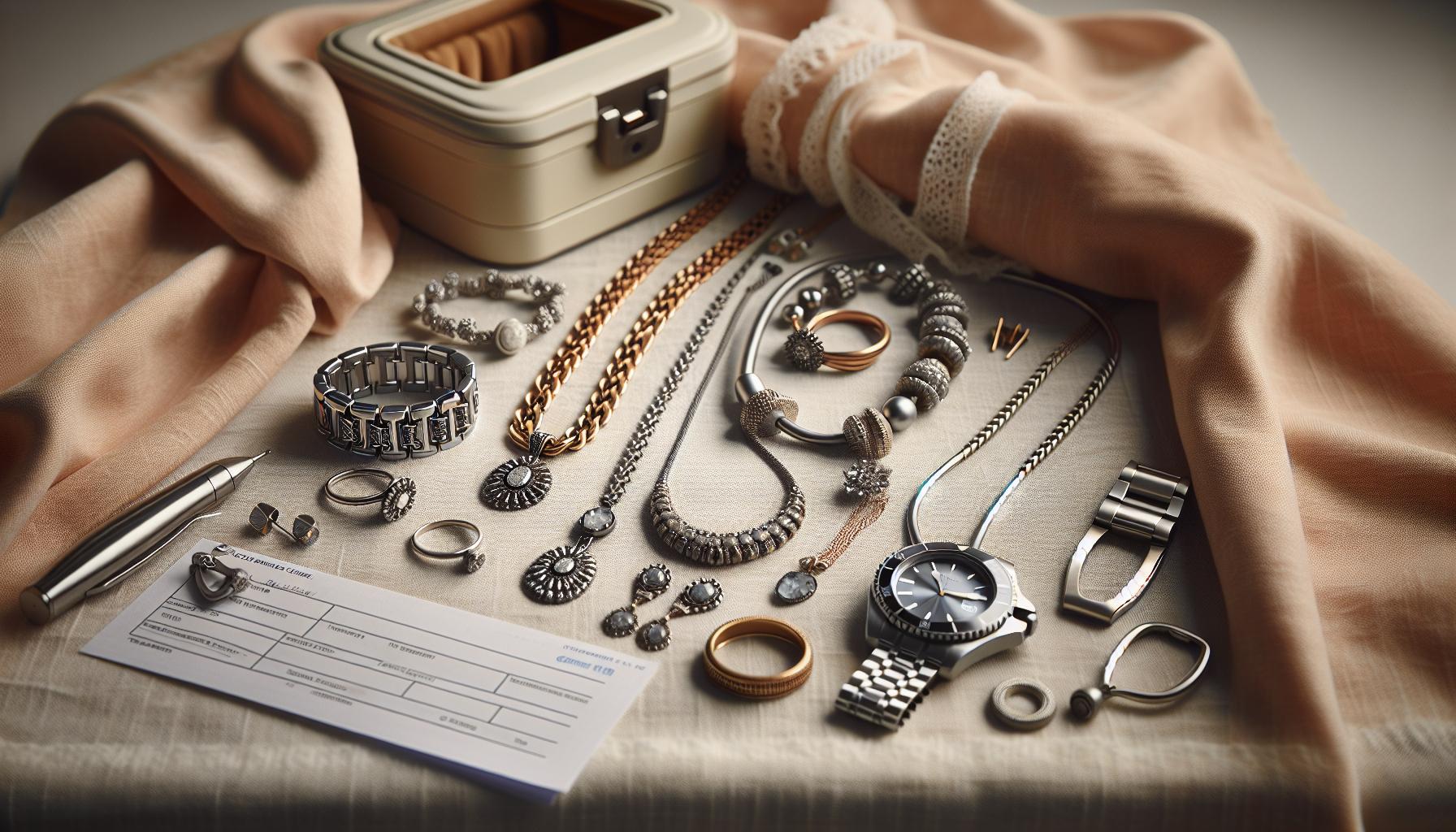
Types of Jewellery to Avoid Before a CT Scan
When preparing for a CT scan, the jewelry you wear plays a crucial role in the quality of the imaging results. Certain types of jewelry can interfere significantly, leading to artifacts that misrepresent the scanned area. To ensure the best diagnostic clarity, consider avoiding specific items typically found in personal jewelry collections.
Firstly, any metallic jewelry should be removed prior to the scan. This includes common pieces such as necklaces, bracelets, and earrings. Because metals like gold, silver, and platinum can block X-rays, they create problematic shadows or streaks in the images that radiologists need to interpret. In particular, items that encompass larger amounts of metal, such as statement necklaces or chunky rings, are particularly disruptive.
Types of Jewellery to Avoid
- Necklaces: Chains and pendants can obscure critical areas during imaging.
- Rings: While they might seem small, rings with sizeable settings can still cause image distortions.
- Bracelets: Metallic bangles or watches can interfere, especially during scans of the upper body.
- Earrings: Even small studs can affect the imaging process, depending on their metal content.
- Belt buckles or any clothing with metallic components: Don’t forget about the impact of metallic clothing or accessories, as these too can influence results.
Removing these items not only enhances the quality of your scan but also ensures a more accurate diagnosis. If you have piercings or body jewelry that cannot be easily removed, inform your medical team. They can provide further guidance and assessment on what may be permissible to leave in place for your scan. Taking these precautions will help pave the way for a streamlined imaging process and better outcomes in your healthcare journey.
Expert Opinions: What Radiologists Recommend
When it comes to wearing jewelry during a CT scan, radiologists consistently emphasize the importance of minimizing any factors that could obscure the image quality. Jewelry, especially metallic pieces, can obstruct the path of X-rays, leading to artifacts or distortions in the results that could significantly impact diagnosis. This is not just a cautionary measure; it’s a critical step in ensuring the highest level of diagnostic accuracy. Radiologists advocate for the complete removal of all jewelry, including smaller items that might seem harmless, as even tiny earrings or delicate chains can create unintended shadows on the scan.
Many radiologists explain that certain types of metal-like gold, silver, and platinum-are particularly problematic during imaging. They recommend patients avoid wearing any type of jewelry, including watches and hairpins, as these items can easily interfere with the imaging process, especially when the area of interest is near where the jewelry is located. For example, if a patient is undergoing a scan of the abdomen, a ring or bracelet could obscure crucial details concerning organs that the radiologist needs to evaluate. Consequently, as a precaution, radiologists often advise having a designated area to stash your jewelry safely while you undergo the procedure.
If you have body piercings or specific jewelry that you find difficult to remove, it’s wise to communicate this with your medical team ahead of time. Radiologists can assess the situation and provide tailored advice, sometimes permitting certain non-metallic materials or specific piercings to remain in place if they are unlikely to interfere with the imaging. This personalized approach not only alleviates some stress for the patient but also ensures the integrity of the diagnostic process is upheld. By following these expert recommendations, you can contribute to a smoother imaging experience and help ensure that your results are as accurate as possible.
Alternative Solutions: What to Do with Your Jewellery
When preparing for a CT scan, many patients find themselves asking what to do with their jewelry, especially if they have pieces that hold significant personal value. Rather than leaving irreplaceable items unattended or risking damage during handling, consider these practical solutions that respect both your beautiful jewelry and the safety protocols of medical imaging.
Start by identifying a secure place to store your jewelry before the scan. Options include:
- Small personal pouches: These can easily fit in your pocket or handbag, keeping your jewelry organized and secure.
- Lockable jewelry boxes: If you’re at a clinic that provides this option, take advantage of it to ensure safety.
- Ask hospital staff: Many facilities provide designated storage areas for valuables, so don’t hesitate to inquire about safe storage options available on-site.
If you’re concerned about certain pieces being difficult to remove, communicate this to your medical team in advance. They can often offer tailored advice based on the specific jewelry you’re wearing. For example, some individuals might have body piercings made from non-metallic materials that could be permissible during the scan. Discussing this beforehand can ease anxiety while ensuring accurate imaging results.
Remember also to take extra care of your jewelry post-scan. Once your procedure is complete, clean your pieces properly to remove any residual dust or debris that may have accumulated during your visit. Utilize a soft, lint-free cloth for precious metals and follow any specific care guidelines for gemstones.
By preparing ahead, you not only protect your jewelry but also contribute to a smoother CT scan experience, as radiologists will appreciate any effort to minimize interference during imaging. Balancing care for your personal treasures with the need for medical accuracy is entirely achievable with these practical steps.
Preparing for Your CT Scan: A Checklist
Before heading to your CT scan, preparation is key to ensuring a smooth experience and minimizing any interference, particularly when it comes to your jewelry. Many patients find themselves uncertain about what to do with their personal pieces, especially if they carry sentimental value. To help you navigate this process, consider the following checklist that addresses the primary concerns and offers practical solutions.
Start by carefully evaluating the jewelry you plan to wear on the day of your scan. If possible, remove any items that may interfere with the imaging process. Common accessories to reconsider include:
- Necklaces and earrings: These can cause motion artifacts on the images.
- Bangles or bracelets: These may also interfere with the area’s being examined.
- Rings: While many sources indicate that it’s generally safe to keep your rings on, during body scans, you may want to remove them if they are in the scanning area.
It’s essential to identify a safe place to store any jewelry you choose to remove. Options include small pouches you can carry with you, lockable jewelry boxes if available at the facility, or designated storage offered by hospital staff. Communicate with your medical team in advance if you have any concerns about difficult-to-remove jewelry; they can provide guidance tailored to your specific situation.
Additionally, consider the materials of your jewelry. If you have body piercings made from non-metallic materials, you may not need to remove them. Discuss variant materials with your radiologist to understand whether they will impact imaging quality. After your scan, remember to clean your jewelry properly to remove any dust or residues from the facility, ensuring they remain in good condition for future wear.
By taking a proactive approach with this checklist, you not only safeguard your treasured pieces but also contribute to the overall efficacy of the CT scan. This careful preparation reflects your cooperation and respect for medical imaging protocols, ultimately benefiting both you and the healthcare professionals involved.
What to Expect During a CT Scan Procedure
During a CT scan, knowing what to expect can alleviate anxiety and help you prepare for the experience smoothly. As you arrive at the imaging facility, you’ll first check in and provide any necessary information to the medical team. It’s important to communicate about your jewelry, as most facilities require patients to remove any metal items that may interfere with the scan. In line with safety guidelines, they will guide you on the best practices regarding your personal items.
Once you’re ready for the procedure, you’ll be instructed to lie down on a special table that slides into the CT scanner, a large machine with a donut-shaped opening. Depending on the type of scan being performed, you might be asked to hold your breath for a few seconds during the imaging to ensure clarity in the results. The machine will create a series of cross-sectional images of your body, and while it may be noisy (with clattering and whirring sounds), the procedure itself is typically painless and fast, often taking only 10 to 30 minutes.
Throughout the scanning process, the radiologist or technician might take images from various angles to capture the necessary details, and they will communicate with you as needed. If you’re anxious or claustrophobic, don’t hesitate to express this concern; many facilities offer calming techniques or even sedation options if needed. After the scan, you can promptly dress and retrieve any jewelry you removed, ensuring to check it for cleanliness and proper storage, especially if it has sentimental value.
After Your CT Scan: Care and Follow-Up
After undergoing a CT scan, it’s essential to give some thought to the care of your jewellery as well as follow-up procedures for your health. Since you may have removed your jewellery prior to the scan, you’ll want to ensure it’s in good condition, particularly if it holds sentimental value. Take a moment to inspect your pieces for any damage caused during the process of removal or while in the storage provided at the facility. Clean your jewellery with a soft cloth to remove any residue or dust that may have settled during the time it was away from you.
In terms of follow-up after your CT scan, ensure to adhere to any guidelines provided by your healthcare provider. They may schedule a follow-up appointment to discuss the results or any further testing needed based on the findings. It’s important to communicate with your doctor about any symptoms or concerns that arise after the scan, as this will aid in your health management.
Additionally, if you’re interested in maintaining your jewellery’s shine and longevity, establish a regular care routine. This can include storing pieces separately to prevent scratches, using appropriate cleaning solutions for the specific types of metal and gemstones, and being aware of factors that can affect your jewellery’s durability, such as exposure to harsh chemicals and the impact of daily wear.
Finally, consider documenting your jewellery pieces, particularly valuable ones, with photographs and descriptions. This record can be beneficial for insurance purposes and any future appraisal needs. By paying attention to both the care of your jewellery and your health follow-up, you can ensure that you emerge from your CT scan experience feeling organized and assured.
Common Myths About Jewellery and Medical Imaging
In the realm of medical imaging, particularly with procedures like CT scans, several myths persist regarding the wearing of jewellery and its impact on the imaging process. One common misconception is that all jewellery can simply be kept on during the scan without any consequences. While many patients may believe that wearing small pieces or non-metallic items won’t interfere with the results, this is not the case. Research shows that even minor metal objects can produce artifacts on the scans that obscure vital diagnostic details [3[3].
Another prevalent myth is that the type of metal or gemstone does not matter when it comes to safety during a CT scan. People often assume that the preciousness of an item, whether it’s gold or silver, can somehow warrant an exception. In reality, all metals can create interference with imaging, leading to unclear results. Particularly, larger pieces of jewellery or those with intricate designs can exacerbate the problem, making it crucial to remove them for optimal image clarity [1[1].
Moreover, some believe it’s acceptable to wear jewellery as long as it doesn’t significantly bother the patient during the scan setup. However, comfort should not override the necessity for clear imaging. If a patient cannot comfortably wear their rings or earrings without raising their arms, for example, it is better to remove them to ensure the accuracy of the scan [2[2].
To dispel these myths, it’s advisable to adhere to the guidelines provided by healthcare professionals. Always opt to remove jewellery when directed-doing so not only protects the integrity of the medical imaging but also contributes to obtaining the most reliable diagnostic information for your health.
Additional Safety Precautions for Imaging Tests
When it comes to ensuring the effectiveness and safety of imaging tests like CT scans, taking precautionary measures is crucial. One of the most important steps is the proper management of jewellery. While you might think that removing just a few items won’t impact the procedure, it’s vital to remember that even small pieces can lead to significant imaging artifacts that can compromise the quality of the scans.
To further safeguard against any complications during your CT scan, consider these practical precautions:
- Prior Preparation: Before your appointment, ensure you have considered what jewellery you are wearing. Aim to leave items like rings, necklaces, and earrings at home to avoid any last-minute issues.
- Communicate with Your Medical Team: Always inform the radiology staff about any piercings or implants that cannot be removed. They may have specific protocols to follow in such cases.
- Clothing Selection: Wear clothing without metal attachments like zippers or buttons. Opt for comfortable, loose-fitting garments that don’t require the removal of jewellery.
- Storage Solutions: If you do wear jewellery to the facility, plan to have a safe place to store it. A small, secure bag in a personal item can help keep your pieces safe while you undergo the scan.
Overall, being proactive about jewellery management not only streamlines the imaging process but can also help avoid unnecessary delays. Understanding these safety precautions will empower you to approach your CT scan with confidence, ensuring you receive the most accurate diagnostic results possible.
Faq
Q: Can I wear earrings during a CT scan?
A: It is advisable to remove earrings before a CT scan. Earrings, particularly those made of metal, can create artifacts that obstruct imaging quality. For the best results, opt to leave them at home or remove them prior to the procedure.
Q: What types of jewelry should I avoid wearing for a CT scan?
A: Avoid wearing any metal jewelry such as necklaces, bracelets, body piercings, and watches during a CT scan. These items can interfere with imaging accuracy, potentially obscuring important details needed for diagnosis.
Q: How does jewelry affect CT scan results?
A: Jewelry can cause artifacts in CT images, leading to reduced clarity and potentially impacting diagnostic outcomes. Removing jewelry helps ensure that images are free from interference, allowing for better analysis of the scanned area [1].
Q: Is it harmful to leave jewelry on during a CT scan?
A: Leaving jewelry on during a CT scan is not harmful to you or the equipment; however, it can change the quality of the images produced. It’s best practice to remove all jewelry for optimal imaging results types/breast-cancer-forum/f/general/175021/quick-question-about-jewellery-and-ct-scan”>[3].
Q: What should I do with my jewelry during a CT scan?
A: It’s best to remove and store your jewelry safely before the CT scan. Consider leaving it at home or in a secure place at the medical facility, and inform the staff if you have any temporary or new piercings [1].
Q: Are there exceptions to removing jewelry for CT scans?
A: Generally, all metal jewelry should be removed for best imaging outcomes. However, in some cases, if jewelry cannot be easily removed or is non-metallic, discuss potential exceptions with your medical provider types/breast-cancer-forum/f/general/175021/quick-question-about-jewellery-and-ct-scan”>[3].
Insights and Conclusions
As you now understand the importance of adhering to safety rules regarding jewellery during a CT scan, it’s crucial to keep this in mind for your next medical appointment. Remember, safety should always come first, and being informed can make all the difference. If you have lingering questions about jewellery impact or need guidance on jewellery care, be sure to explore our other resources, such as our detailed guides on caring for your precious metals and gems, or our DIY tutorials for maintaining your favourite pieces.
Don’t miss out on staying updated; subscribe to our newsletter for tips on jewellery styles and care to enhance your collection. If you’ve enjoyed this article, consider sharing it with friends or family who may also benefit from this information. Your engagement helps us grow and continue providing valuable insights. Dive deeper into related topics now, like our article on authenticating valuable pieces or tips for starting your own jewellery shop. Your next adventure in jewellery awaits!