
When creating a professional jewelry display, the choice of materials can significantly enhance the presentation and appeal of your pieces. Acrylic sheeting is a popular option for its sleek look and versatility, allowing for customized shapes and sizes. Knowing how to cut acrylic sheeting effectively is essential for any jeweler or hobbyist looking to elevate their display game.
In this guide, we’ll explore practical techniques and tips to help you achieve clean, precise cuts, ensuring your displays not only showcase your jewelry beautifully but also reflect your unique style. Whether you’re a seasoned jeweler or just starting out, mastering this skill will empower you to design eye-catching displays that attract attention and elevate your business. So, let’s dive into the world of acrylic cutting and unlock the potential for stunning jewelry presentations!
Understanding Acrylic Sheeting: Benefits for Jewelry Displays
Acrylic sheeting is revolutionizing the world of jewelry displays, offering a blend of elegance and practicality that can enhance any showcase. Known for its glass-like clarity, acrylic not only showcases jewelry impeccably but also provides durability that traditional glass cannot match. With its lightweight nature, acrylic is much easier to handle and less brittle, which significantly reduces the risk of breakage during transport or setup. This makes it an increasingly popular choice for both professional jewelers and DIY enthusiasts looking to create eye-catching displays.
Incorporating acrylic sheeting into your jewelry displays comes with a multitude of benefits. First and foremost, its versatility allows for various shapes and styles, meaning you can customize displays to suit the specific aesthetic of your collection-be it classic, modern, or avant-garde. Additionally, acrylic can be produced in an array of colors and finishes, enabling creative freedom to match your branding or thematic decor. Furthermore, its high impact resistance means that even in a bustling retail environment, your displays will maintain their integrity and appearance over time.
From an operational viewpoint, acrylic is not only easier to cut and shape compared to glass, but it can also be cleaned with minimal effort, ensuring that the brilliance of your jewelry isn’t overshadowed by smudges or dust. The ease of maintenance translates to lower labor costs and a better presentation for potential buyers, further highlighting the value of using acrylic in your jewelry displays. By utilizing acrylic sheeting thoughtfully, you can create an inviting atmosphere that draws customers in and showcases your stunning pieces in the best possible light.
Essential Tools for Cutting Acrylic Sheeting Effectively
Creating stunning acrylic jewelry displays begins with using the right tools. Having the right equipment not only ensures precise cuts but also significantly improves the overall quality of your designs. Whether you’re a seasoned jeweler or just starting out, understanding which tools to use for cutting acrylic sheeting can make your crafting experience smoother and more enjoyable.
The basic toolset necessary for cutting acrylic includes:
- Utility Knife: A sharp utility knife is perfect for making straight cuts. Ensure you use a fresh blade for each cut, as dull blades can cause cracking.
- Table Saw or Circular Saw: For straight, long cuts, a table saw equipped with a fine-tooth blade is ideal. A circular saw also works well for larger projects. Make sure to set the speed to low to prevent melting.
- Jigsaw: For more intricate designs and curves, a jigsaw fitted with a fine-tooth blade is your best bet. This allows for versatility and precision in cutting.
- Router: A router can be extremely useful for finishing edges or creating more complex shapes. It’s a fantastic tool for professionals aiming for a polished look.
- Clamps: Secure your acrylic sheets with clamps to prevent any movement while cutting, which will lead to cleaner, straighter cuts.
- Ruler and Straightedge: Accurate measurements are key. Use a metal ruler and straightedge to guide your cuts, ensuring precision in your display pieces.
- Masking Tape: Applying masking tape over the cut line can help prevent chipping and cracking, especially when using power tools.
Having these tools at your disposal will greatly enhance your ability to create beautiful, functional acrylic displays for your jewelry. When you’re well-equipped, not only will you enjoy the process more, but you’ll also achieve professional-grade finishes that will highlight your jewelry and captivate customers. Empower yourself with the right tools, and watch as your creative vision comes to life in acrylic form.
Step-by-Step Guide to Cutting Acrylic Sheeting
To achieve the perfect acrylic cuts for your jewelry displays, it’s crucial to follow a clear and methodical approach. Knowing the right steps turns what might seem like a daunting task into an enjoyable and rewarding experience. The process begins by gathering your materials; ensure that your tools are clean and ready to go, as this sets the stage for precision.
Start by measuring your desired dimensions accurately. Use a metal ruler and a marker to outline the lines where you’ll cut. For straight cuts, a utility knife can be very effective. Score the acrylic along your marked line multiple times, applying gentle pressure, to create a groove. Once you have a deep enough score, you can snap the acrylic along this line by applying downward pressure on either side of the scored area.
For larger pieces, a table saw or a circular saw with a fine-tooth blade is recommended. Set the blade speed low to minimize melting. Ensure you secure the acrylic sheet firmly to your work surface using clamps to prevent any shifting during the cutting process. Move the saw steadily along the marked line, maintaining a consistent speed for an even cut.
After cutting, you may notice rough edges. To achieve a professional finish, use a router with a fine trimming bit to smooth out these edges, or sand them down using fine-grit sandpaper. Finally, clean your acrylic with a suitable cleaner to remove any dust or fingerprints, preparing your stunning jewelry display for its debut. Following these steps not only ensures clean, straight cuts but also allows your creativity to flourish as you showcase your beautiful pieces.
Techniques for Achieving Smooth Acrylic Edges
To elevate your acrylic jewelry displays, achieving smooth edges on your cuts is crucial. Not only do clean edges enhance the overall aesthetic of the piece, but they also contribute to the durability and safety of the display. Rough edges can lead to splintering or cracking, which not only affects the display but could also pose a risk to the jewelry it holds. Here are several techniques to ensure your acrylic edges are polished to perfection.
Begin by using the right cutting tools tailored for acrylic. While a utility knife is good for scoring the acrylic, using a fine-tooth blade in a table saw or circular saw significantly improves the smoothness of the cut. When using power tools, it’s imperative to go slowly. Reducing the blade speed can help prevent the material from melting during the cutting process, allowing for a cleaner finish. After the initial cut, check the edges for any rough patches.
Sanding and Routing for the Perfect Finish
Once you’ve made your cuts, the next step is sanding. Start with a medium-grit sandpaper and work your way up to a fine grit to achieve a glass-like finish. Make sure to sand in a circular motion or along the edge to avoid creating flat spots. For those who are a bit more experienced, using a router with a flush trim bit can deliver even smoother results. The router trims down the rough edges while conforming perfectly to the original shape of the acrylic, resulting in seamless edges.
Heat Treatment
For an additional professional touch, consider a heat treatment method. Using a heat gun, gently heat the edges of the cut acrylic until they start to slightly soften, being careful not to warp the material. As the edge cools, it can harden into a rounded, polished finish. This technique not only refines the edges but can also help in blending multiple pieces together when creating more complex displays.
Finishing touches
To wrap up, cleaning your acrylic after sanding or routing is essential. Use a microfiber cloth with a suitable acrylic cleaner to remove any dust or fingerprints, ensuring your display shines brightly. With these techniques, your acrylic edges will look professional, allowing your jewelry to take center stage in stunning showcases.
Creative Ideas for Displaying Jewelry with Acrylic
Showcasing jewelry effectively is as vital as the pieces themselves, and acrylic displays open up a world of creative possibilities. With their clarity, modern aesthetic, and versatility, acrylic displays can be tailored to emphasize the unique characteristics of your jewelry collection. For instance, consider creating multi-tiered stands to organize necklaces of varying lengths, allowing each piece to catch the eye without tangling.
Customization for Unique Displays
One of the greatest advantages of acrylic is its adaptability. Use acrylic sheeting to create custom bases or pedestals that match your brand’s color scheme or showcase themes. You could include cut-out shapes that echo the design of your jewelry, such as leaf patterns for nature-inspired pieces or geometric shapes for modern designs. This not only enhances visual interest but also reinforces your branding.
Incorporating Color and Texture
Adding color and texture to your displays can make your jewelry stand out even more vividly. Use colored acrylic sheeting or incorporate elements such as mirrored surfaces to create dynamic contrasts with your jewelry. Textured acrylic can add depth to your displays; for example, a frosted finish can soften sharp contours and create a more sophisticated look.
Innovative Hanging Options
For earrings and pendants, consider using transparent acrylic rods or hooks to create a floating effect, giving the illusion that the jewelry is levitating. This method not only saves space but also invites viewers to interact with the pieces without compromising visibility. Use a wall-mounted display board made from acrylic with various hooks or slots, allowing for easy changeouts that keep your display fresh and engaging.
Lighting Techniques
Incorporating lighting into your acrylic displays can significantly enhance the overall effect. Use LED strip lights encased within acrylic bases or under shelves to softly illuminate your pieces from below. This creates stunning shadows and highlights, drawing attention to the intricate details of your jewelry. Always remember to position the lights strategically to minimize glare on the acrylic surface while maximizing the shimmer of your gems.
By embracing the unique properties of acrylic, you can create not just functional displays, but true art pieces that highlight the beauty of your jewelry while captivating your audience.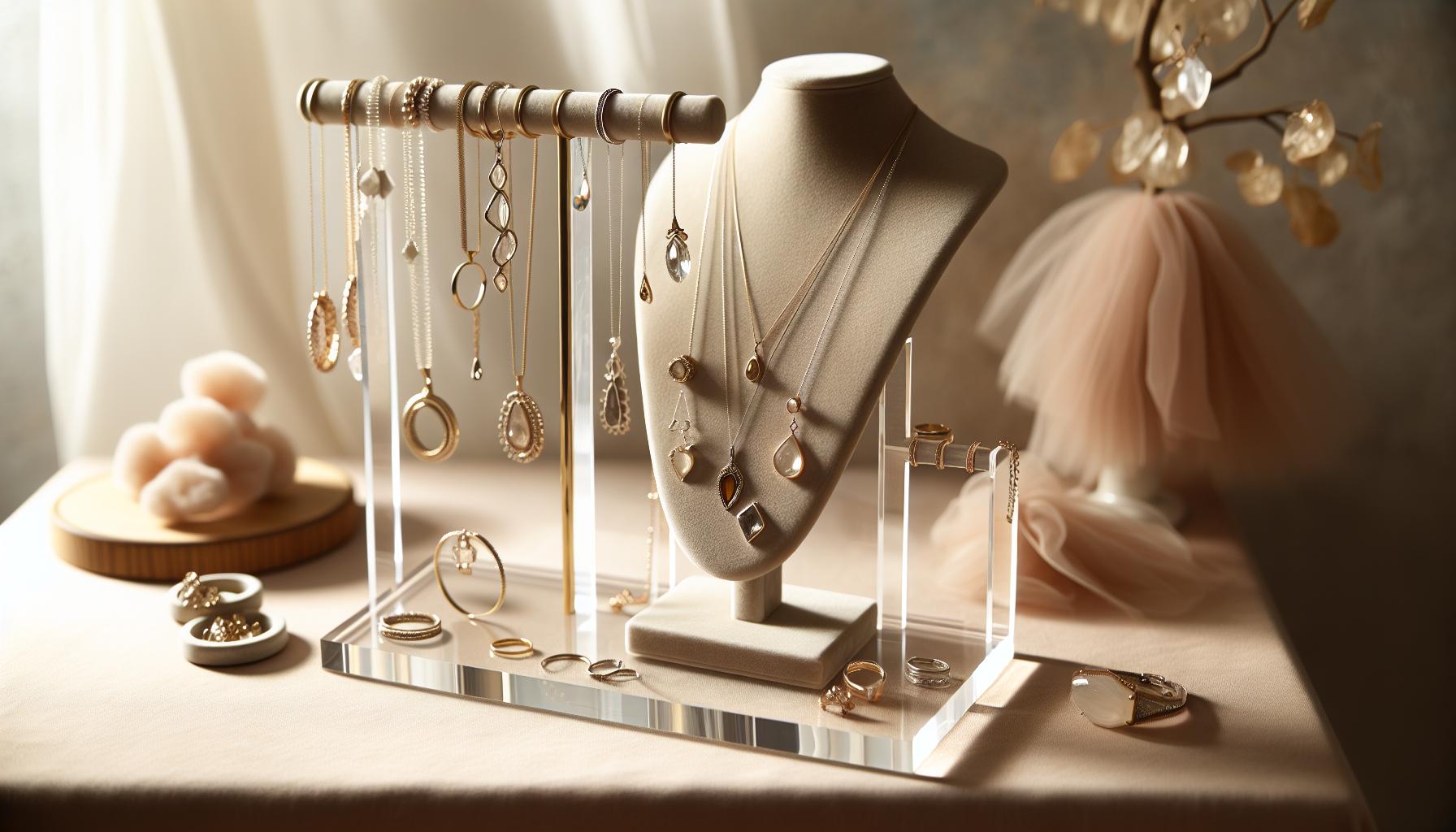
Finishing Touches: Painting and Sealing Acrylic
Applying the right finishing touches to acrylic sheeting can transform your jewelry displays from simple to striking. Painting and sealing acrylic not only enhances its appearance but also protects it from scratches and wear, ensuring that your jewelry shines in the best light. With a few straightforward techniques, you can customize your displays to reflect your personal style or brand aesthetic.
To start, choose the right paint for acrylic. Acrylic-based paints are ideal as they adhere well to the surface without peeling. Opt for spray paint for an even finish or use a fine brush for detailed work on intricate designs. Prior to painting, ensure that the acrylic is clean and dry. Wipe it down with rubbing alcohol to remove any dust or oils. Lightly sanding the surface can also help the paint adhere better, but this may create a frosted effect that can add visual interest.
Once painted, sealing your acrylic display is crucial to preserving that fresh look. Use a clear acrylic sealer or polyurethane for a glossy finish that guards against scratches and UV damage. Apply in thin, even coats using a spray can or a soft cloth for brushing, ensuring proper ventilation to avoid inhaling fumes. Wait between coats, following the manufacturer’s instructions, to achieve a durable finish that will protect your stands or cases for years to come.
Final Touches for Enhanced Aesthetics
Consider adding customized elements like decals or stencils before sealing. This can personalize your displays further, allowing you to incorporate logos, themes, or colors that resonate with your brand identity. These finishing touches not only elevate the professionalism of your display but also engage customers, making your jewelry stand out amidst the competition.
By taking the time to paint and seal your acrylic sheeting, you’ll ensure that your jewelry displays not only attract attention but are also long-lasting and visually appealing. Whether you are creating a retail display or a showcase for a home studio, these simple enhancements make a significant difference in presentation.
Common Mistakes to Avoid When Cutting Acrylic
Cutting acrylic sheeting can be a straightforward task, but certain pitfalls can turn a simple project into a frustrating experience. Understanding these common mistakes not only saves time but also ensures you achieve the clean, professional look necessary for your jewelry displays. One common error is not using the right tools; many people attempt to cut acrylic with standard saws or knives, which can lead to uneven edges or cracking. Instead, using a proper acrylic cutter or a fine-toothed saw is essential. This ensures a clean cut and minimizes damage to the material.
Another frequent mistake is rushing the process. Acrylic, while durable, can be sensitive to heat. Cutting too quickly can generate friction that melts the edges, leading to a rough finish. It’s crucial to apply steady pressure and move slowly, allowing the tool to do the work. When cutting straight lines, a straight edge or a ruler should be employed to guide your cutter, ensuring precision and reducing the risk of uneven edges.
Additionally, many underestimate the importance of preparation. Failing to secure the acrylic sheeting can result in slips and inaccurate cuts. Use clamps or a non-slip mat to stabilize the material on a sturdy surface. This not only enhances safety but also improves the accuracy of your cuts. Remember, cutting sessions in a well-ventilated area will help avoid any potential build-up of fumes, especially if you’re working with solvents or paints afterwards.
Lastly, don’t forget to sand the edges after cutting to achieve a smooth finish. An unpolished edge can detract from the elegance of your jewelry display. Use fine-grit sandpaper to gently smooth out any imperfections, making sure to round the edges slightly for safety. By steering clear of these common mistakes and following best practices, you will create stunning, professional-quality acrylic displays that beautifully showcase your jewelry collection.
Best Practices for Maintaining Your Acrylic Displays
Maintaining the beauty and functionality of acrylic displays for jewelry is crucial, especially when these pieces are meant to enhance the allure of your collection. Acrylic can be a stunning medium, but it requires a bit of TLC to keep it looking pristine. Regular cleaning and careful handling will help prevent scratches and clouding, ensuring that your jewelry shines as bright as the materials they are displayed on.
To start, always use the right cleaning materials. Choose a soft microfiber cloth and an acrylic-safe cleaner or a simple mixture of mild soap and water. Avoid ammonia-based products or rough fabrics, which can damage the surface. When cleaning, glide the cloth gently in circular motions to lift dirt without scratching. If your display has stubborn marks or fingerprints, a specialized acrylic polish can restore its clarity.
In addition to routine cleaning, consider the environment in which your displays are placed. Keep them away from direct sunlight to avoid yellowing and warping over time. Opt for a dedicated display case or cabinets that allow for an optimal view while protecting your pieces from dust and accidental damage. If your display is exposed to high traffic areas or fluctuating temperatures, investing in a dust cover can also preserve the acrylic.
Lastly, handle your acrylic displays with care. Always support larger pieces from both ends rather than by the center to prevent bending or cracking. Store any leftover sheets or materials in a climate-controlled environment to ensure they maintain their quality for future projects. By following these best practices, your jewelry displays will not only protect your collection but also contribute to a captivating, professional presentation that draws customers in.
Incorporating Lighting for Stunning Jewelry Showcases
Lighting can transform a standard jewelry display into an eye-catching showcase that highlights the beauty and intricacy of your pieces. Proper illumination plays a crucial role in making your jewelry shine and attracting potential customers, so thoughtful incorporation of lighting into your acrylic displays can lead to impressive results.
To maximize the visual appeal of your items, consider using a combination of different lighting techniques. LED strip lights or spotlights can be affixed to the underside of shelves or along the edges of display cases to emit soft, directed illumination. This type of lighting not only enhances the brilliance of gemstones but also casts appealing shadows that bring depth to your collection. Additionally, fiber optic lights can create a dramatic effect by showcasing each jewelry piece in vibrant colors, perfect for engaging customers’ attention.
When selecting lighting, consider the color temperature, as it significantly affects how your jewelry appears. Warmer light (around 2700K to 3000K) tends to make gold and warm-colored stones look richer, while cooler light (around 4000K to 5000K) can enhance the clarity of silver and cooler-toned gems. Experimenting with dimmers can further enhance the ambiance, allowing you to adjust the intensity of the lighting based on time of day and customer flow.
Ensuring that your displays are strategically lit at various angles can help eliminate shadows that potentially obscure your pieces. Positioning lights to reflect off the acrylic surfaces themselves can also enhance visibility and create an inviting sparkle throughout your display. For a stunning final touch, integrating colored lighting can highlight special collections or seasonal pieces, drawing attention and encouraging purchases.
- LED Lighting: Perfect for under-shelf illumination, offering versatility and energy efficiency.
- Spotlights: Direct light sources that provide targeted illumination on individual pieces.
- Colored Lighting: Use to highlight specific collections or create themed displays.
- Dimmer Switches: Allow control over the light intensity to match different settings and times of day.
Incorporating lighting thoughtfully ensures your acrylic displays not only protect your jewelry but also present it in a manner that captivates and engages your customers, ultimately enhancing their shopping experience.
Alternatives to Acrylic: Exploring Other Materials
Exploring other materials beyond acrylic can offer unique benefits for designing jewelry displays that not only protect but also enhance your pieces. While acrylic is a popular choice due to its lightweight and clear characteristics, other materials can provide distinctive aesthetics and functionalities that cater to different styles and preferences.
Glass is one of the most favored alternatives. Its clarity rivals that of acrylic and offers a more premium look, which can elevate the perceived value of the jewelry on display. Glass also possesses excellent scratch resistance, and when treated, it can be made shatterproof, ensuring durability. However, it is heavier and more fragile, requiring careful handling and mounting. If you choose glass, consider using tempered versions for added safety and resilience.
Another solid alternative is wood, which introduces warmth and character to your displays. Wooden displays can be easily customized, allowing for creative designs that match the overall branding of your jewelry. Whether it’s a rustic, vintage look or a sleek modern design, wood can serve various aesthetics. Utilize wood for its strength when showcasing heavier pieces or layered displays. Remember to finish the wood properly to avoid any splinters and maintain its condition over time.
Metal displays, made from wrought iron, aluminum, or other metals, can provide sturdy support while offering industrial or contemporary styling options. Metal can be shaped into intricate designs, allowing for a distinctive look that complements modern jewelry trends. However, be mindful of the risk of scratches; powder-coated or anodized finishes can help protect the surface and maintain a polished appearance.
Choosing the right material largely depends on the ambiance you want to convey and the types of jewelry you are displaying. In addition, keep in mind how each material interacts with light and color, as this can significantly affect how your pieces are perceived by customers. By broadening your material options, you can create diverse and captivating displays that resonate with your audience, appealing not only to their visual senses but also enhancing the overall shopping experience.
Where to Buy High-Quality Acrylic Sheeting
When it comes to sourcing acrylic sheeting for your jewelry displays, quality is paramount. Not only does high-quality acrylic provide a crystal-clear finish that enhances the brilliance of your pieces, but it also ensures durability and stability, making it an ideal choice for professional displays. Here’s a guide to help you identify the best places to purchase top-notch acrylic sheeting for your needs.
One of the most reliable sources for high-quality acrylic is specialized plastic suppliers. These suppliers typically offer a wide variety of acrylic sheets in different colors, thicknesses, and finishes. Look for companies that specialize in materials for crafting or industrial uses, as they are likely to provide premium options. Some well-regarded suppliers include:
- Tap Plastics: Known for exceptional customer service and a broad selection of acrylic products.
- Piedmont Plastic: Offers a range of acrylic sheets ideal for crafting and display.
- Acrylic Sheet Store: A good option for bulk purchases and custom cuts.
In addition to specialized suppliers, consider visiting local large-scale home improvement stores. Stores such as Home Depot or Lowe’s often carry standard acrylic sheets that can be used for displays. While their selection may not be as vast as specialized suppliers, they can be very convenient, especially for smaller projects. Be sure to check their websites or call ahead to ensure availability.
Online retailers such as Amazon or eBay can also be a great resource, especially for DIY enthusiasts looking for affordable options. While browsing, be sure to read customer reviews and product descriptions carefully to ensure the quality meets your expectations.
When purchasing acrylic, always consider factors like thickness, clarity, and UV resistance, especially if your displays will be exposed to sunlight. Taking the time to choose high-quality materials will pay off in the long run, enhancing both the look of your displays and the protection offered to your jewelry collections.
Starting Your Jewelry Display Business: Key Considerations
Starting a jewelry display business can be an exciting venture, especially when you consider the significant role that presentation plays in attracting customers. A well-crafted display not only showcases the beauty of your jewelry but also tells a story about your brand. One crucial aspect of this process is selecting the right materials, especially acrylic sheeting, which is favored for its durability and aesthetic appeal. Before diving into your business, keep several key considerations in mind.
First, think about the design elements that you want to incorporate into your displays. Acrylic is versatile; it can be cut into various shapes and customized to fit your aesthetic. Investing in the right tools for cutting and finishing acrylic will set the foundation for your displays. Consider purchasing a quality cutting tool, like a laser cutter or precision saw, which can provide clean edges and intricate designs that can elevate your jewelry’s presentation. In addition, having a reliable finishing kit on hand for smoothing edges ensures a professional look.
Furthermore, understanding your target market is paramount. Research what styles of jewelry resonate with your audience and tailor your displays accordingly. Are you showcasing high-end pieces or more affordable accessories? Your choice of acrylic thickness, color, and lighting should reflect the luxury or casual vibe of your offerings. Incorporate features like adjustable elements or layers to create depth and interest, inviting customers to engage more with the pieces on display.
Lastly, don’t overlook marketing. Utilizing social media platforms to showcase your display designs can attract customers and set your brand apart in a competitive market. Share behind-the-scenes content on how you create these displays and highlight their craftsmanship, which can build trust and intrigue among potential buyers. A strong online presence, along with seeking out local markets or craft fairs to showcase your jewelry in person, can be pivotal in establishing your brand’s visibility.
In summary, starting your jewelry display business involves careful consideration of design, market understanding, and effective marketing strategies. With the right approach and materials, you’ll set your jewelry apart and create compelling exhibits that capture the attention of your audience.
Q&A
Q: What is the best way to cut acrylic sheeting for jewelry displays?
A: The best way to cut acrylic sheeting is to use a table saw or a laser cutter, as these tools provide precision and clean edges. Make sure to secure the sheet properly and use a fine-tooth blade designed for plastics. This ensures an even cut without chipping.
Q: Can I use a utility knife to cut acrylic sheeting?
A: Yes, a utility knife can be used for cutting thinner acrylic sheeting. Score the acrylic deeply along a straightedge and then snap it along the scored line to achieve a clean break. This method works best for sheets under 1/4 inch thick.
Q: What safety precautions should I take when cutting acrylic?
A: Always wear safety goggles and a dust mask when cutting acrylic. Ensure your workspace is well-ventilated and free from distractions. Additionally, handle the sheeting with care to avoid injuries from sharp edges after cutting.
Q: How do I achieve smooth edges after cutting acrylic sheeting?
A: To achieve smooth edges, use sandpaper or a file suitable for plastics. Start with a coarse grit and gradually move to finer grits. You can also use a heat gun to slightly melt the edges for a polished finish, ensuring you don’t overheat the material.
Q: What types of acrylic are best for jewelry displays?
A: Clear cast acrylic is ideal for jewelry displays due to its optical clarity and resistance to UV light. Additionally, acrylic sheets with anti-reflective coatings can enhance visibility while reducing glare, making them perfect for showcasing jewelry.
Q: How can I prevent acrylic from cracking while cutting?
A: To prevent cracking, always use a sharp blade and cut at a slow, steady pace. Apply painter’s tape along the cutting line to minimize chipping and support the material as you cut, ensuring that it remains stable.
Q: Is it better to cut acrylic sheeting wet or dry?
A: Cutting acrylic sheeting dry is generally preferred as it reduces the chance for slippery surfaces. However, for thick acrylic, lubricating the blade with a suitable lubricant can help extend the life of the blade and produce smoother cuts.
Q: Where can I find templates for cutting acrylic for jewelry displays?
A: You can find templates for cutting acrylic online on design resource sites or create your own using design software. Look for free or paid templates tailored to jewelry displays, which can guide your cutting process for uniform results.
Key Takeaways
Now that you’ve mastered the art of cutting acrylic sheeting for your professional jewelry displays, it’s time to put your skills into action! By creating beautiful, customized showcases, you can elevate your jewelry’s appeal and attract more customers. Don’t forget to explore our detailed guides on jewelry care and styling tips for maintaining your stunning creations.
If you have any lingering questions or need personalized advice, consider signing up for our newsletter for expert insights and exclusive content. Dive deeper into related topics like DIY project ideas or effective business strategies for your jewelry shop. Your next masterpiece awaits, and we’re here to help you every step of the way!
Join the conversation below by sharing your project experiences or tips. We love hearing from our community, and your insights could inspire others on their journey!