Skip to content
  • Home
  • Authentication
    • Hypoallergenic Metals
    • Real vs Fake Testing
    • Surgical & MRI Guidelines
    • Tarnish Prevention
  • Business
  • DIY
    • Beaded & Shell Designs
    • Handmade Jewellery Tutorials
    • Polymer Clay Earrings
    • Precious Metal Crafting
  • Hallmarks
  • Jewelerry Care
    • Gold Jewellery Cleaning
    • Silver & Plated Cleaning
    • Sterilizing Jewellery
    • Tarnish Removal
    • Ultrasonic Cleaning
  • Jewellery Types
    • Alloy Jewellery
    • Brass and Coppper Jewellery
    • Fashion Jewellery
    • Gold & Platinum Jewellery
    • Silver Jewellery
    • Vermeil Jewellery
  • Storage
  • Styling
    • Fashion Pairings
    • Metal & Skin Matching
  • Value
    • Appraisal & Insurance
    • Resale Value
    • Secondhand Market
    • Trade-In & Selling
    • Where to Buy Jewellery
  • About Us
Contact

Category: DIY

synthesizes bench fabrication, studio crafting methodologies, and material manipulation techniques—encompassing cold connections, acrylic glass shaping, wire forming, and curing protocols—empowering independent makers to produce durable, wearable art.

Foundational Pillars
Principles & Standards
Topic Directory
Frequently Asked Questions

Foundational Guides (Start Here)

Cold Connections

Head Pins in Jewelry Making: Types, Gauges & How-To Guide

Mastering ball head pins, paddle pins, and eye pins; wire gauge selection (20-24 gauge) and wrapped loop mechanics.

Read Full Guide →

Material Shaping

Acrylic Glass Cutting: Professional Workshop Tools, Blades & Polishing

Workshop tools, scoring blades, laser alignment, and flame polishing protocols for crystal-clear jewelry elements.

Read Full Guide →

Thermal Fabrication

Sublimation on Acrylic Time and Temp: Complete Settings Chart

Precise heat press time-and-temperature matrices, pressure parameters, and blowout prevention on cast acrylic blanks.

Read Full Guide →

Studio Crafting Framework: Mechanical Fabrication, Resin Chemistry & Safety Discipline

Studio jewelry making bridges traditional metalsmithing benchwork with modern polymetric and composite fabrication. Successful jewelry engineering requires understanding material hardness, tensile yield strength, and thermal sensitivity. Hand-formed wire structures rely on work hardening—manipulating dead-soft or half-hard precious and craft wire through nylon-jaw pliers, mandrels, and chasing hammers to lock molecular grains into rigid structural forms without brittleness.

When working with non-metallic substrates like cast acrylic sheet (polymethyl methacrylate) or thermosetting polymer clay, temperature management is paramount. Cutting requires score-and-snap acrylic blades or high-tooth tungsten carbide saw blades to prevent frictional melting and stress crazing. Curing paints and sealing resins demand disciplined VOC ventilation, graduated drying schedules, and moisture-controlled bench environments to prevent clouding, bubble entrapment, and premature delamination.

Fabrication MethodPrimary Tools & MaterialsKey Skill / TechniqueSafety Precaution
Wire Forming & WrappingRound-nose pliers, 20-24ga wire, flush cuttersWrapped loops, bails, uniform spiralsEye protection against flying wire ends
Acrylic Glass ShapingAcrylic score blade, heat strip, flame torchScore-and-snap cleavage, edge buffingFume extraction; avoid overheating
Heat Sublimation TransferFlat heat press, sublimation paper, Teflon sheetExact time/temperature calibration (185-195C)Heat-resistant gloves; thermal burn caution
Surface Painting & SealingArtist acrylics, micropore sponges, polyurethaneThin multi-layer glazes, edge sealingWell-ventilated studio; skin barrier cream

Topic Directory & Methodologies

Workshop Techniques & Material Guides

  • How Long Should Acrylic Paint Dry Before Sealing: Expert Guide
  • How to Cut Acrylic Glass at Home: Clean Score-and-Snap DIY Guide
  • Acrylic on Cloth: How to Paint Permanent & Washable DIY Fabrics
  • Can Acrylic Color Be Used on Clothes? Permanent Fabric Art Guide

Dedicated DIY Subcategory Hubs

  • Handmade Jewellery Tutorials Hub
  • Beaded & Shell Designs Hub
  • Polymer Clay Earrings Hub
  • Jewellery Storage & Display Hub

Frequently Asked Questions

What wire gauge is best for beginner jewelry making?

For earrings, 20-gauge and 22-gauge half-hard wire are the industry standards, providing the ideal balance between ear-wire comfort and structural stability. For delicate wire-wrapped bead loops, 24-gauge wire offers superior flexibility without snapping.

How do you prevent cut acrylic edges from looking cloudy?

After scoring and snapping or sawing acrylic sheet, smooth the edge with progressively finer wet-dry sandpaper (400, 600, 1200 grit), followed by plastic polishing compound on a buffing wheel, or a swift pass with a specialized hydrogen-oxygen micro-torch (flame polishing).

Can you make professional-quality jewelry without soldering?

Absolutely. Cold-connection techniques—such as wire-wrapped bails, micro-riveting, split rings, screw-posts, and jeweler-grade two-part epoxies—allow creators to build intricate, highly durable fine and fashion jewelry without torches or expensive soldering equipment.

Editorial Standards & Material Governance

Authored and curated by the Jewelry Care & Material Craftsmanship Desk at MissJ.eu. All recommendations, metallurgical benchmarks, and cleaning protocols are derived from established jewelry industry benchmarks, standard metal assay criteria, and professional studio lapidary practices.

Advisory Notice: Material properties and gemstone sensitivities vary by alloy grade, plating thickness, and vintage age. Always conduct a spot test on an inconspicuous section before applying chemical solvents or ultrasonic treatments to heirloom jewelry.

How to Make Breast Milk Jewellery: Precious Keepsakes Step-by-Step

Create cherished keepsakes with “How to Make Breast Milk Jewellery: Precious Keepsakes Step-by-Step.” Discover DIY techniques and tips for a timeless treasure today!

Will Acrylic Paint Stick to Metal? Perfect Jewelry Painting Tips
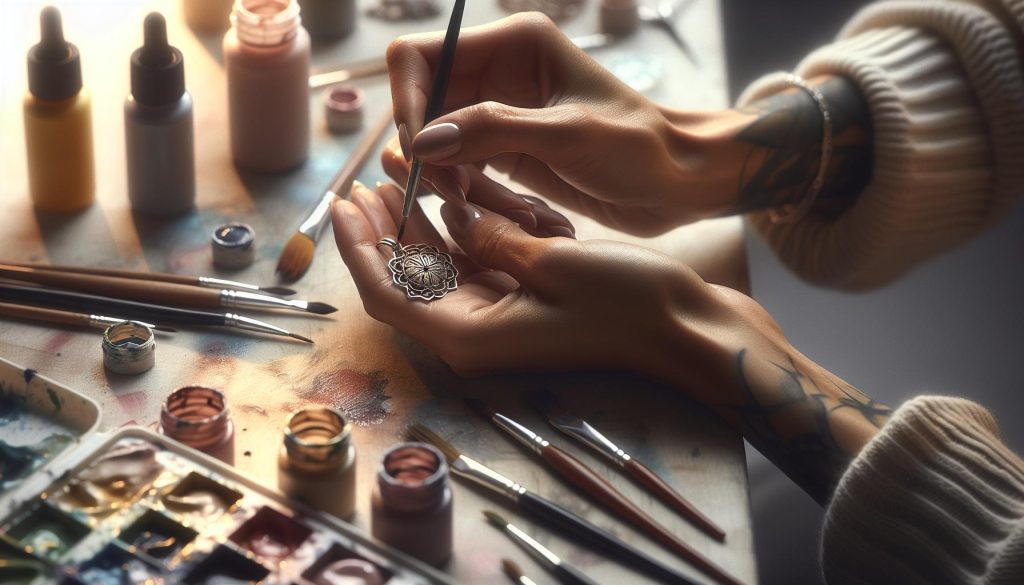
Will Acrylic Paint Stick to Metal? Perfect Jewelry Painting Tips

Discover if acrylic paint will stick to metal! Learn expert tips for painting jewelry and turn your creations into stunning pieces that stand out!

How to Cut Perspex Acrylic Sheet: Perfect Cuts Every Time

Master the art of cutting Perspex acrylic sheets with precision! Discover expert tips for perfect cuts every time-your DIY projects deserve the best.

How to Get Acrylic Paint Out of Clothes: 5 Quick & Easy Methods
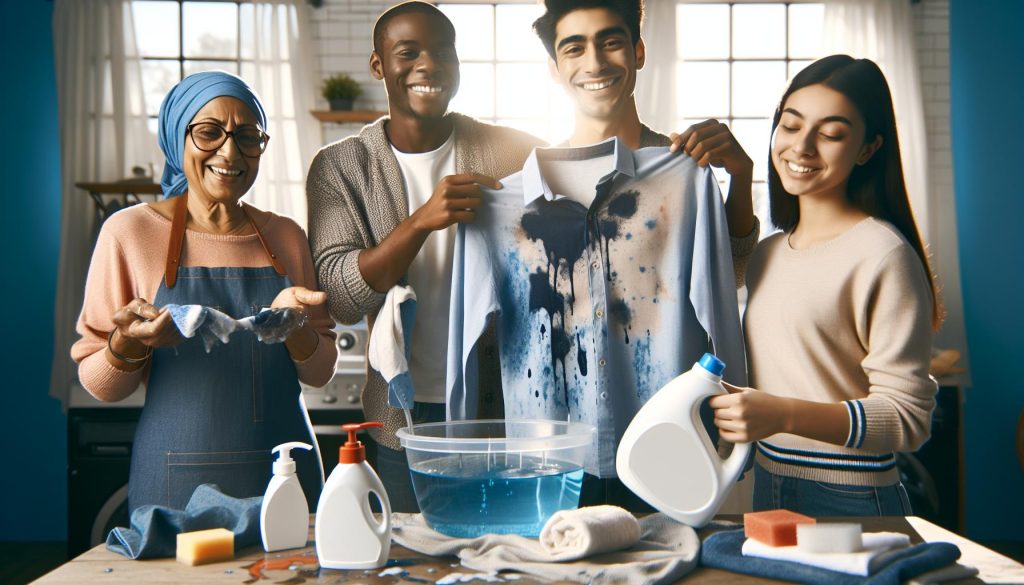
How to Get Acrylic Paint Out of Clothes: 5 Quick & Easy Methods

Discover 5 quick & easy methods to get acrylic paint out of clothes! Don’t let stains ruin your favorite outfit-learn effective solutions now!

How to Make Earrings with Beads: Beginner’s Craft Tutorial

How to Make Earrings with Beads: Beginner’s Craft Tutorial

Discover how to make earrings with beads in this beginner’s craft tutorial! Unleash your creativity and learn essential techniques for stunning, personalized designs.

What Do You Use Eye Pins for in Jewellery Making: Craft Guide

Unlock your jewellery-making potential! Discover what you use eye pins for in jewellery making-create stunning pieces that wow. Don’t miss out on expert tips!

How To Paint Glass With Acrylic Paint: Create Stunning Cabochons
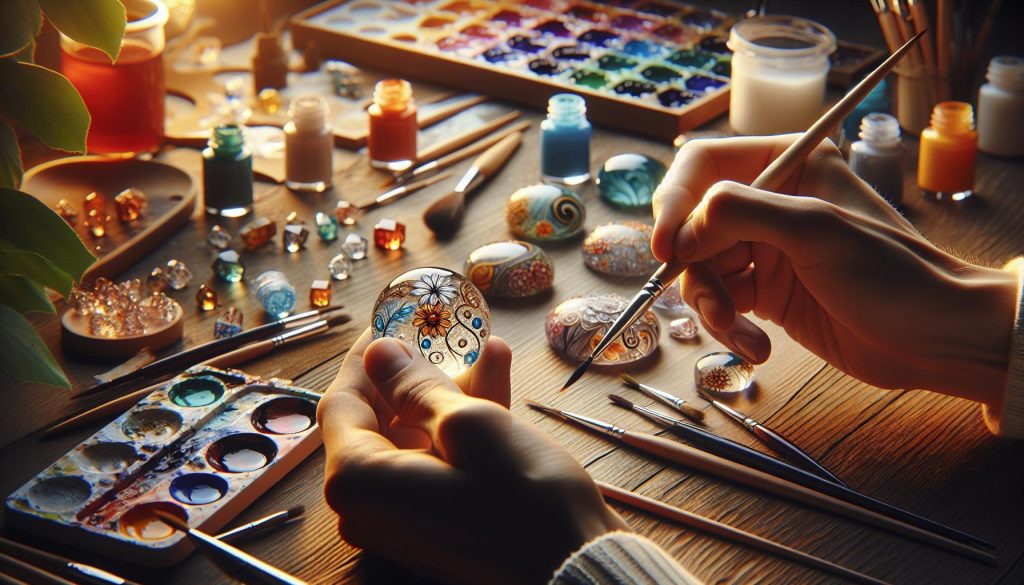
How To Paint Glass With Acrylic Paint: Create Stunning Cabochons

Unlock your creativity with our guide on how to paint glass with acrylic paint! Discover easy steps to create stunning cabochons that wow. Get started now!

How to Make Hoop Earrings: Easy Wire Wrapping Tutorial

Discover how to make hoop earrings with our easy wire wrapping tutorial! Learn simple techniques to create stunning designs and elevate your jewelry collection.

How to Make Jewellery at Home: DIY Projects Anyone Can Master

How to Make Jewellery at Home: DIY Projects Anyone Can Master

Discover how to make jewellery at home with easy DIY projects! Learn expert tips, creative techniques, and start crafting stunning pieces today!

How to Paint Flowers with Acrylic Paint on Custom Jewelry

How to Paint Flowers with Acrylic Paint on Custom Jewelry

Unleash your creativity! Learn how to paint flowers with acrylics on custom jewelry and create stunning, one-of-a-kind pieces that dazzle. Get started today!

← Previous
Next →
  • Homepage
  • Blog
  • About Us
  • FAQ
  • Contact
  • Privacy Policy
  • Homepage
  • Blog
  • About Us
  • FAQ
  • Contact
  • Privacy Policy

© 2025 MissJ.eu Jewelry Magazine. All rights reserved.

Follow Us

Facebook X-twitter Instagram
AI Editorial Policy