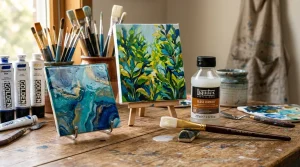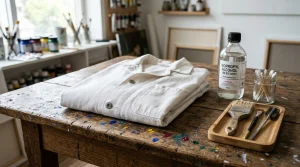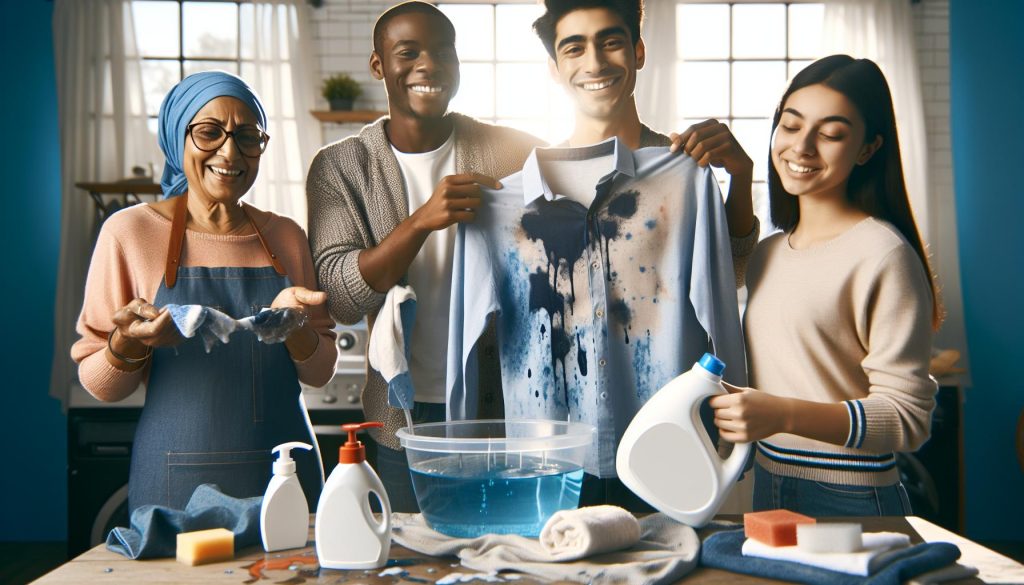
Accidentally spilling acrylic paint on your favorite clothes can feel like a disaster, but don’t worry-it’s a common dilemma that many face! Knowing how to effectively remove acrylic paint is crucial for preserving your garments and avoiding frustration. In this guide, we’ll explore five quick and easy methods to rescue your clothes from paint mishaps. Whether you’re an artist, parent, or DIY enthusiast, these practical tips will empower you to tackle those stubborn stains with confidence and ease. So, let’s dive in and restore your wardrobe to its former glory!
Understanding Acrylic Paint and Its Risks on Fabric
Acrylic paint, known for its vibrant colors and versatility, is a popular medium for both artists and hobbyists. However, its water-resistant properties can make it a challenging stain to remove from fabric once dried. Understanding the nature of acrylic paint is crucial; it is a fast-drying, synthetic polymer that binds tightly to fibers, making it particularly tenacious when spilled on clothing. If not addressed quickly, even fresh splashes can lead to permanent marks.
When acrylic paint comes into contact with fabric, it can create not only a visual nuisance but also a potential source of frustration. Whether during a creative project or accidental spills, the risk of staining can diminish the longevity of your favorite garments. Given its formulation, the paint’s adherence to fabric can be heightened by heat, so wearing your clothes can further set a stain if the paint dries quickly. Therefore, understanding these risks allows you to act swiftly and effectively.
The consequences of not addressing acrylic paint stains promptly can be significant, affecting both the fabric’s color and texture. Certain materials like cotton may withstand scrubs with solvents or soaps better than more delicate fabrics such as silk or wool. Thus, recognizing the fabric type and the characteristics of acrylic paint will inform your approach when dealing with spills. Taking proactive steps can not only save your clothing but also enhance your confidence in managing artistic mishaps.
Immediate Steps to Take When a Spill Occurs
Acrylic paint spills can be a true nightmare for anyone who loves artistic expression, but acting quickly can turn a potential disaster into a manageable situation. The key to preventing a permanent stain lies in your immediate response; the sooner you can apply a remedy, the better your chances of restoring the fabric to its original condition.
When you notice a spill, begin by gently blotting the area with a clean, dry cloth or paper towel. Avoid rubbing, as this can push the paint further into the fibers. Instead, the goal is to lift as much paint as possible without spreading it. If the spill is fresh, you can run it under warm water to help dissolve the paint. Ensure the water flows from the back of the fabric towards the front to prevent the paint from seeping deeper. This simple step can often be sufficient for minor spills.
For more stubborn stains, you may want to apply a small amount of liquid detergent or dish soap directly to the affected area. Work it into the stain gently using your fingers or a soft-bristled brush. Then, rinse thoroughly with warm water. If the paint has already started to dry, you might consider using rubbing alcohol or a professional-grade stain remover suitable for acrylics. A cotton ball soaked in 70% isopropyl alcohol can be dabbed onto the stain, but always test first on an inconspicuous area to make sure it doesn’t damage the fabric.
Lastly, always keep in mind that the type of fabric plays a significant role in your approach. While cotton can handle a bit of scrubbing, delicate fabrics like silk require much more gentle handling. The faster you respond and the more carefully you treat the stain, the more likely you are to save your favorite clothing item from being permanently marked.
5 Proven Methods for Removing Acrylic Paint
When it comes to tackling the challenge of acrylic paint stains on fabric, understanding a few proven removal methods can save both your clothing and your sanity. Whether you’re a seasoned artist or a casual dabbler, accidents happen, and knowing how to respond can mean the difference between a minor inconvenience and a wardrobe disaster.
1. Rubbing Alcohol Method
One of the most effective ways to remove dried acrylic paint is by using rubbing alcohol. This method works best when the paint is still relatively fresh. To use this technique, soak a cotton ball or small cloth in 70% isopropyl alcohol and gently dab the stained area, taking care not to spread the paint. Rinse thoroughly with warm water afterward. Make sure to test the fabric in an inconspicuous area first to ensure it won’t be damaged.
2. Liquid Detergent Treatment
If the paint is still wet, immediately applying liquid detergent can be highly effective. Pour a small amount directly onto the stain and let it sit for about 10 minutes. Then, gently work the detergent into the stain with your fingers or a soft-bristled brush. Rinse with warm water and repeat if necessary. This technique leverages the surfactants in the detergent to help break down the paint.
3. Vinegar and Baking Soda Paste
For those looking for a natural and eco-friendly method, a paste made from white vinegar and baking soda can work wonders. Combine equal parts vinegar and baking soda to form a paste. Apply it to the stain and let it sit for 30 minutes. The fizzing reaction can help lift the paint from the fabric. Afterward, rinse with warm water. This method is particularly useful for more delicate fabrics since it avoids harsh chemicals.
4. Commercial Stain Removers
For particularly tough stains, consider using a commercial stain remover designed specifically for acrylic paint. Follow the manufacturer’s instructions carefully for the best results. Typically, these products need to be applied directly to the stain, allowed to sit for a recommended amount of time, and then rinsed or laundered as usual.
5. Laundering Post-Removal
Regardless of the method used, once you’ve treated the stain, it’s a good idea to launder the item as per the care instructions. This final wash will help remove any residual cleaning agents and ensure that the fabric is thoroughly cleaned. If the stain persists after washing, do not put the clothing in the dryer, as the heat can set the stain permanently; instead, repeat the aforementioned methods until the stain is removed.
By understanding these different approaches, you’re better equipped to handle any acrylic paint mishaps with confidence. Each method has its strengths, and the right one for you may depend on the specific situation at hand.
Best Stain Removal Tools and Products for Success
When it comes to tackling acrylic paint stains, having the right tools and products on hand can make all the difference. Equipped with the best resources, you’ll minimize frustration and maximize the chances of restoring your favorite garments. Here’s a closer look at some of the most effective stain removal aids that you should consider incorporating into your clean-up toolkit.
- Rubbing Alcohol: Often regarded as a go-to solution for dried acrylic paint, rubbing alcohol effectively breaks down the chemical bonds of the paint. Ideal for use on a variety of fabrics, ensure you choose a solution with at least 70% isopropyl alcohol for optimal results.
- Liquid Dish Soap: A staple in most households, liquid dish soap can be surprisingly effective against fresh paint stains. Its surfactants work to lift the paint from fabric, making it a reliable option for sudden spills.
- Commercial Stain Removers: When in doubt, professional-grade stain removers specifically designed for paint can provide powerful results. Look for products that mention their efficacy against acrylic paint, and always follow the manufacturer’s instructions for best practices.
- Baking Soda and Vinegar: For those who prefer a natural solution, combining these pantry staples can create a cleaning paste that helps lift stains while being eco-friendly. This combination not only tackles stains but also eliminates odors, leaving clothes smelling fresh.
- Soft Brushes or Cloths: When scrubbing or dabbing the stained area, having a soft brush or cloth will help avoid damaging the fabric. Microfiber cloths are especially effective due to their gentle yet absorbent nature.
To optimize your efforts, consider keeping these items conveniently stored together in a dedicated cleaning kit for easy access when the need arises. With the right tools and a little know-how, you can address those pesky acrylic paint spills with confidence, ensuring that your garments maintain their beauty and integrity for years to come.
Alternative Techniques: Homemade Solutions to Try
When faced with an acrylic paint stain, don’t be disheartened; many effective homemade solutions can help restore your clothing. These alternatives often make use of common household items that are gentle on fabrics while still powerful against paint. Here are some tried-and-true methods to consider:
Vinegar and Baking Soda
A classic duo in stain removal, vinegar and baking soda create a bubbling reaction that can lift stains. Start by applying white vinegar directly onto the paint stain. Let it sit for a few minutes, then sprinkle baking soda over the vinegar. The effervescent reaction helps break down the paint. After a couple of minutes, gently scrub the area with a soft cloth or an old toothbrush, rinsing with cold water afterward.
Olive Oil and Dish Soap
For those stubborn stains, a mixture of olive oil and liquid dish soap can work wonders. The oil acts as a solvent, loosening the paint, while the dish soap provides cleaning power. Mix equal parts of each, apply the paste to the stain, and let it sit for about 30 minutes. Once the time is up, scrub the area gently and rinse thoroughly.
Toothpaste
Believe it or not, plain white toothpaste can also be effective against acrylic paint. Apply a small amount directly to the stain, and scrub gently with a damp cloth or an old toothbrush. The mild abrasiveness of the toothpaste helps dislodge the paint particles without damaging the fabric. After scrubbing, rinse off with cold water and check if any paint remains.
Alcohol-Based Solutions
If you have vodka or rubbing alcohol on hand, these can also serve as effective solvents. Dampen a cloth with your alcohol of choice and blot the stain, being careful not to rub, as this can spread the paint. Let it sit for around five minutes before rinsing with water. This method works particularly well for dried paint stains.
Using these homemade solutions can save time and money, allowing you to effectively tackle acrylic paint stains without resorting to harsh chemicals. With a little patience and the right approach, your favorite garment can look as good as new again!
How to Prevent Acrylic Paint Stains in the Future
To keep your clothes free from acrylic paint stains, proactive measures can make a significant difference. One of the best defenses is to choose appropriate attire for painting activities. Opt for old clothes or designated painting smocks that you won’t mind getting stained. This way, you can focus on your creative endeavors without worrying about the consequences of a mishap.
Another practical tip is to create a dedicated workspace for your painting projects. Cover tables and floors with drop cloths or plastic sheets to catch any spills and splatters. Make sure to keep your painting materials organized and at a safe distance from your clothing. A well-organized space minimizes chaos and reduces the risk of accidental stains. Additionally, consider using a palette or shallow container to hold your paint-this can help prevent spills compared to using the paint directly from the bottle.
When using acrylic paints, consider applying a fabric protector spray to your clothes beforehand. Many fabric protectors provide a barrier that can make it easier to remove stains if an accident does occur. However, remember that no product is foolproof; it’s always better to be cautious than rely solely on these solutions.
Finally, teaching anyone involved in the painting process about handling paints correctly can go a long way. Encourage them to wear gloves and avoid leaning over paint containers. Regularly reminding yourself and others to “think before you paint” can turn caution into a habit, ultimately helping to keep your wardrobe safe and clean. By implementing these simple yet effective strategies, you can enjoy your artistic pursuits without the fear of ruining your favorite outfits.
Expert Tips for Maintaining Your Clothing After a Spill
Accidental spills of acrylic paint can feel like a nightmare, especially when they land on your favorite clothing. However, dealing with these situations doesn’t have to be daunting. The sooner you act, the better your chances of preserving your garment. Even after you’ve attempted to remove the paint, maintaining your clothing post-spill is crucial. Here are some expert tips to help you keep your clothes looking their best while effectively handling the aftermath of a paint mishap.
First and foremost, always check the care label of your fabric before applying any cleaning solutions. Different materials respond uniquely to various treatments, and knowing the specifics will guide you in selecting the safest and most effective cleaning products. For example, while cotton may withstand a bit of rubbing alcohol, delicate fabrics like silk or wool require a gentler touch.
Immediate Action Steps
When a paint spill occurs, prompt action is vital. Blot the stain gently with a clean cloth to absorb as much paint as possible, avoiding any rubbing that could push the paint deeper into the fibers. After the initial blotting, rinse the area with cold water; doing this as soon as possible can drastically reduce the stain’s permanence. Always remember that patience is key-sometimes, the best results come from repeated attempts rather than aggressive scrubbing in one go.
After you’ve attempted to clean the stain, assess it carefully before tossing the garment into the washing machine. If the stain remains, don’t dry the fabric until you’re completely satisfied with the result, as heat can set the paint. Instead, air dry the item, which allows for continued treatment of the stain if needed. For maintaining items that have previously encountered paint mishaps, using fabric sprays or conditioners that help repel stains can offer extra protection and ease future cleanup efforts.
Long-Term Maintenance Strategies
In the long run, investing in high-quality detergents and fabric care products can significantly assist in maintaining the integrity of your garments. Special detergents designed for stain removal often contain enzymes that break down paint particles without damaging fabric. Pair these with color-safe bleach alternatives for additional cleaning power, particularly on whites or light colors.
Lastly, regular preventive measures can help minimize the risks of paint stains in your wardrobe. Consider setting aside a specific ‘painting wardrobe’ if you frequently engage in arts and crafts. This will not only protect your favorite clothes but also allow you to express your creativity without apprehension. Creating a designated painting space with protective coverings and tools will further enhance your painting experience, keeping spills contained and your clothes safe from potential disasters.
By following these expert tips, you can effectively manage and maintain your clothing after a paint spill, ensuring that mishaps do not turn into permanent fixtures in your wardrobe.
When to Seek Professional Cleaning Services
When faced with a stubborn acrylic paint stain, it can be disheartening to realize that your efforts to remove it may be in vain. If your attempts with various home remedies – such as rubbing alcohol or vinegar – have yielded little or no results, it might be time to consider calling in the professionals. It’s essential to recognize the right moment to seek expert help to avoid further damage to your cherished garments.
One of the key indicators that you should seek professional cleaning services is if the fabric is delicate or valuable. Fabrics like silk, velvet, or anything with intricate detailing require specialized care that could be challenging to achieve at home. For instance, an heirloom clothing piece or a designer item might warrant investment in professional cleaning rather than risking irreparable damage through DIY methods.
Additionally, if the stain has dried and set, and your cleaning attempts have only worsened the situation, a professional cleaner equipped with the right tools and knowledge can assess the damage and apply techniques not available to the average consumer. They often have access to industrial-grade solvents and specialized equipment that can effectively tackle older stains while protecting the fabric’s integrity.
Don’t hesitate to consider professional services if you’re unsure about the fabric’s response to certain cleaning methods. Attempting to scrub vigorously can lead to fabric fraying or distortion. A professional cleaner can help assess the fabric type and provide customized solutions that are safer and more effective in restoring the garment without risking further harm.
In summary, when dealing with persistent acrylic paint stains, evaluate the fabric, the age of the stain, and your cleaning success. Trusting a professional can often be the best course of action for cherished pieces, ensuring that your clothing is treated with the care it deserves while achieving the best possible outcome in stain removal.
Common Mistakes to Avoid While Cleaning Stains
When tackling acrylic paint stains, it’s easy to become overwhelmed, leading to common pitfalls that can worsen the situation. One major mistake is not acting quickly enough. Fresh acrylic paint is far easier to remove than dried paint, which becomes water-resistant and more stubborn. If a spill occurs, immediate action is crucial; gently blot the stain with a cloth or sponge to soak up excess paint without rubbing it in further, which can set the stain deeper into the fibers.
Another frequent error is using inappropriate cleaning products. Many assume that all household cleaners are effective, but certain substances like bleach can damage or discolor fabric. It’s essential to check the garment’s care label and choose stain removers that are appropriate for the fabric type. Tackle the stain using methods that are specifically designed for acrylic paint, such as rubbing alcohol or dish soap, rather than general cleaners or solvents that may not target the paint components effectively.
Additionally, scrubbing too hard can be counterproductive. Instead of removing the stain, vigorous scrubbing often leads to frayed fabric or spreading the paint further. Instead, try dabbing or gently scraping the excess paint with a blunt tool, like a butter knife, before applying your cleaning solution. This careful approach minimizes damage while maximizing stain removal efficiency.
Finally, overlooking the importance of rinsing is a common misstep. After applying your chosen cleaning method, be sure to thoroughly rinse the area with cold water to remove any residual cleaner or paint particles. This step helps prevent a new stain from forming or further embedding the paint into the fabric. By avoiding these pitfalls and following a mindful cleaning process, you can effectively combat acrylic paint stains and preserve the integrity of your clothing.
Frequently Asked Questions About Acrylic Paint Removal
Acrylic paint spills can be a nightmare, especially when they mar your favorite clothing. Understanding the best practices for removing these stains is crucial, and many common questions can help demystify the process. First and foremost, it’s essential to act quickly. Fresh acrylic paint is much easier to remove than dried paint, which can become water-resistant and set into fibers. If you’re dealing with a spill, start by gently blotting the stain with a clean cloth or sponge to absorb as much paint as possible before it dries.
One of the most frequently asked questions is whether household items can be used effectively to remove acrylic paint. The answer is yes! Common products like rubbing alcohol, dish soap, and even vinegar can work wonders. For instance, applying rubbing alcohol directly to the stain can help break down the paint’s binder. After applying your chosen solvent, make sure to rinse the area thoroughly with cold water to avoid any residue that might lead to further staining.
Another popular question revolves around the proper washing method after treating a stain. Always check the clothing care label to ensure that the fabric can withstand the recommended washing temperature. Most experts suggest using cold water and a gentle detergent to wash the garment after stain treatment. This approach helps preserve the fabric while ensuring any residual paint or cleaning product is removed effectively.
Additionally, many wonder if professional cleaning services are necessary for stubborn stains. In most cases, a home remedy can do the trick, but if the clothing item is particularly valuable or delicate, seeking professional help may be prudent. It’s a risk versus reward scenario where the potential for damage may outweigh the cost of professional cleaning. Ultimately, being informed and prepared can empower you to tackle acrylic paint stains with confidence, ensuring your garments remain in great condition.
Frequently Asked Questions
Q: How can I remove acrylic paint from clothes after it has dried?
A: To remove dried acrylic paint, first scrape off excess paint with a dull knife. Then, soak the stain in warm, soapy water for 30 minutes. After soaking, use a soft brush to gently scrub the stain and rinse with cold water. Repeat if necessary for best results.
Q: Is it safe to use vinegar for removing acrylic paint stains?
A: Yes, vinegar can help remove acrylic paint stains. Mix equal parts vinegar and water, apply to the stain, and let it sit for 10-15 minutes. Then dab with a clean cloth and rinse thoroughly. This method is great for fresh stains and is safe for most fabrics.
Q: Does rubbing alcohol work to get acrylic paint out of fabric?
A: Rubbing alcohol is effective for getting acrylic paint out of fabric. Apply it directly to the stain using a cloth, letting it sit for a few minutes. Blot with a clean cloth until the paint lifts away. Wash the fabric afterward to remove any residue.
Q: Can acetone remove acrylic paint from clothes?
A: Acetone can be used to remove acrylic paint, but it should be approached with caution as it may damage some fabrics. Test on a hidden area first. If safe, apply acetone to the stain, blot, and then wash the clothing as usual for best results.
Q: What should I do if the paint won’t come out after washing?
A: If acrylic paint remains after washing, try soaking the stain again in a mixture of water and dish soap for 30 minutes before re-scrubbing. Avoid drying the fabric until the stain is completely gone, as heat can set the paint.
Q: Are there any preventive measures to avoid acrylic paint stains on clothes?
A: To prevent acrylic paint stains, wear an apron or old clothing when painting. Additionally, consider using paint that is less prone to staining or laying down drop cloths on surfaces to catch any spills.
Q: How long should I let the stain remover sit on painted fabric?
A: The ideal time to let a stain remover sit varies by method but generally spans 10-30 minutes. This allows the solution to penetrate the fabric and lift the paint, making it easier to scrub out later.
Q: When should I take my stained clothes to a professional cleaner?
A: If home remedies fail and the stain is significant or on a delicate fabric, it’s best to consult a professional cleaner. They have specialized products and techniques for dealing with stubborn acrylic paint stains without damaging your clothing.
Wrapping Up
Now that you know how to get acrylic paint out of your clothes with these five quick and easy methods, don’t let a paint spill ruin your creative flow! Remember, acting fast is key to preserving your favorite garments. If you have more cleaning challenges ahead, check out our guides on removing other stubborn stains or discover effective laundry tips to keep your wardrobe looking fresh.
We invite you to dive deeper into our content! Explore our DIY section for more creative solutions or learn about proper fabric care techniques. Don’t forget to sign up for our newsletter for exclusive tips and updates straight to your inbox.
Got any questions or tips of your own? Share your experiences in the comments below. Your stories help our community grow, empowering everyone to tackle tough cleaning tasks with confidence!
Get our latest guides, news, and insights highlighted in your Google Search & AI Overviews.