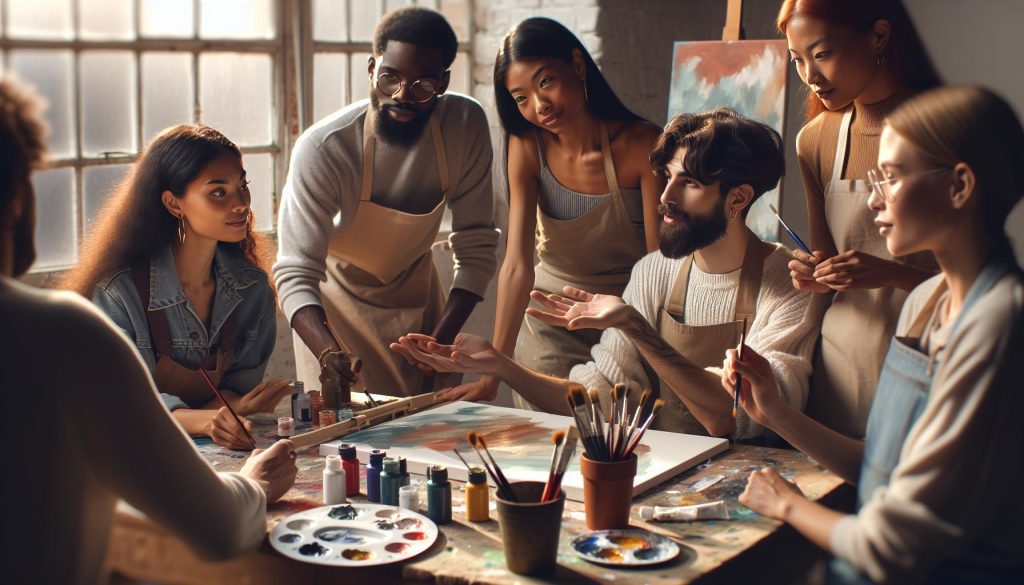
Are you eager to unleash your inner artist? Painting with acrylics is a fantastic way to express creativity, and it’s accessible to everyone, even beginners. This step-by-step tutorial will guide you through the essentials, helping you transform a blank canvas into a vibrant masterpiece. With acrylics, you can forgive yourself for any early mistakes-these fast-drying paints allow for easy corrections and layering!
Whether you want to enhance your home decor, create heartfelt gifts, or simply enjoy a calming pastime, mastering acrylic painting will inspire confidence and joy. As we explore techniques from mixing colors to brush strokes, each section is designed to empower you on your artistic journey. Grab your supplies and let’s dive into the wonderful world of acrylic painting, where each stroke has the potential to tell a story. Ready to create something beautiful? Let’s get started!
Choosing the Right Acrylic Paints for Beginners
Choosing the right acrylic paints can greatly enhance your painting experience and results, especially for beginners looking to express their creativity. With a myriad of options available, it’s essential to understand the differences to make an informed choice. Acrylic paints generally come in two main types: student-grade and artist-grade. Student-grade paints are designed for beginners and are more affordable, allowing you to experiment without a hefty investment. However, they may have lower pigmentation and binder quality, which can affect vibrancy and mixing capabilities. Artist-grade paints, while pricier, offer superior pigmentation, consistency, and lightfastness, making them ideal if you’re planning to create longer-lasting works.
When selecting acrylic paints, consider factors such as color range, opacity, and drying time. A broader color palette allows for more creativity; look for sets that include both primary and secondary colors. Opaque paints provide great coverage on various surfaces, while transparent options can be used for glazing techniques, allowing the underpainting to show through. Additionally, the drying time can make a significant difference; some brands dry quickly, while others have a longer open time, giving you more flexibility to blend and layer colors.
Another aspect to keep in mind is the finish of the paint. Acrylics can come in matte, satin, or glossy finishes, each delivering a different aesthetic. Opt for a set that includes a mix of these finishes to experiment and see what you prefer as you develop your style. It’s also advisable to check if the paints are non-toxic, particularly if you’re working in small spaces or have children around.
In summary, the best approach is to experiment with various brands and types until you find what resonates with your artistic needs. Starting with a basic set of both student-grade and artist-grade acrylics can provide valuable insights into your preferences, helping you grow as a painter while enjoying the process.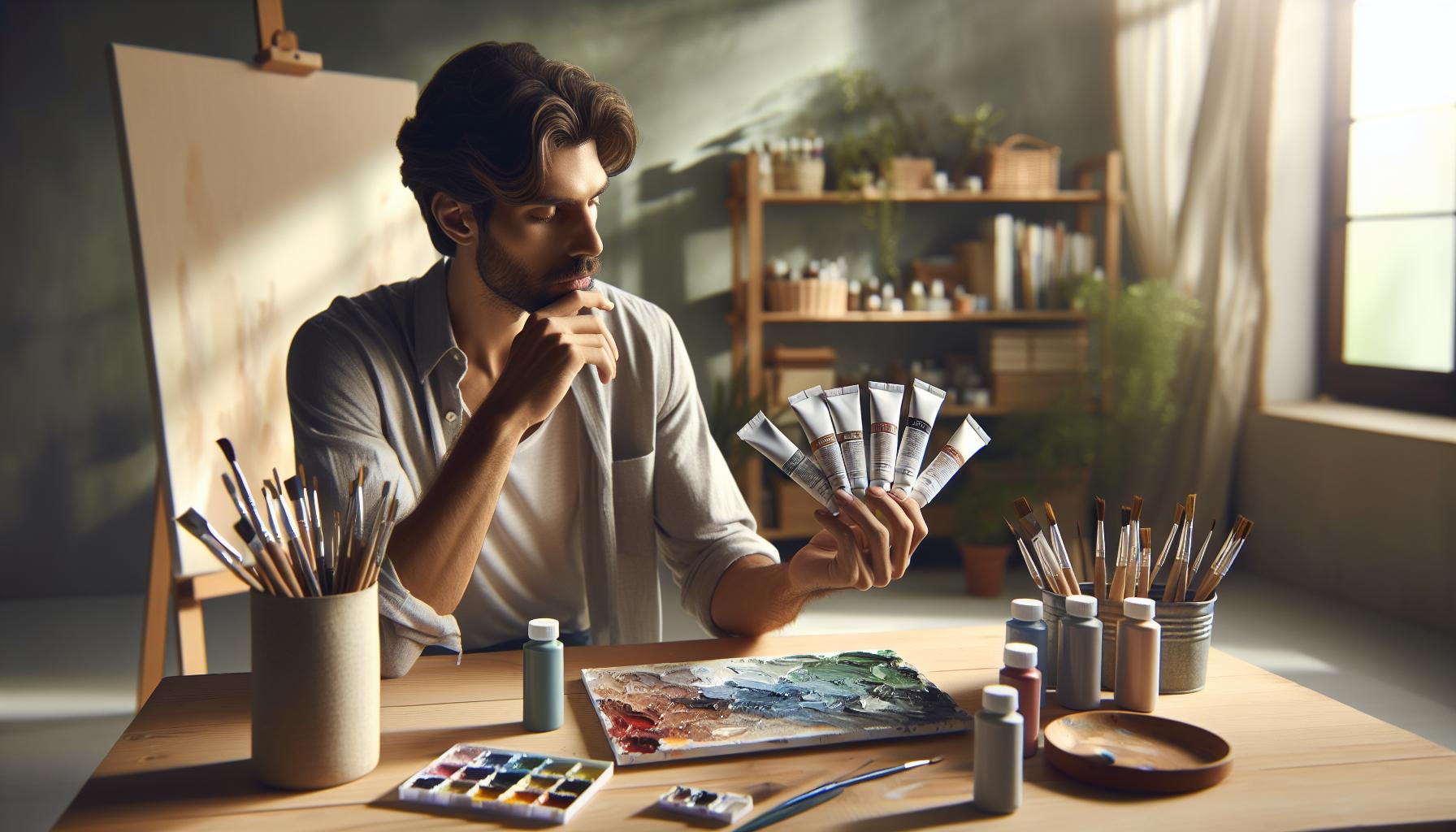
Essential Tools and Supplies for Acrylic Painting
To embark on your acrylic painting journey confidently, having the right tools and supplies can make all the difference. Starting with quality materials not only enhances your artistic process but also helps you achieve the best results in your artwork. Here’s what you should consider to gear up effectively for your creative sessions.
Paints
The most obvious requirement is acrylic paints themselves. Choose a balanced selection of both student-grade and artist-grade paints. The former allows beginners to experiment without overspending, while the latter offers superior quality for when you’re ready to create longer-lasting pieces. Look for sets that include a range of primary and secondary colors, as well as a few specialty colors, to prepare for various techniques and styles.
Brushes
A variety of brushes is essential for different techniques and effects. Consider having a selection of flat, round, and filbert brushes in small, medium, and large sizes. Synthetic brushes are generally recommended for acrylic painting due to their durability and ability to hold up against the paint’s moisture.
Palette and Mixing Tools
You’ll need a reliable palette to mix your colors. A simple white plastic or ceramic palette works well because it allows you to see true color. Alternatively, you can use a disposable palette for easy clean-up. Don’t forget a palette knife for more effective mixing and scraping.
Canvas and Surfaces
When it comes to surfaces, acrylics can be used on a variety of materials, but starting with stretched canvases or canvas boards is advisable. They are designed specifically for acrylic painting and provide a suitable texture for paint application. Ensure you select different sizes to challenge yourself as you improve.
Additional Supplies
Beyond the basics, consider these helpful supplies:
- Water container: A medium-sized jar or cup for rinsing brushes.
- Paper towels: A must-have for cleaning brushes and adjusting mistakes.
- Apron or old clothes: Protect your wear from accidental splashes.
- Varnish: To protect your finished piece if desired.
Equipping yourself with these essential tools will not only prepare you for your first acrylic painting project but will also provide a solid foundation to explore various techniques and styles as you progress!
Preparing Your Workspace for a Creative Session
Creating an inspiring and functional workspace can make a significant difference in your acrylic painting experience. A well-prepared environment not only enhances creativity but also keeps you organized and focused. Begin by selecting a suitable location with good natural light, if possible; this will help you see the true colors of your paints. If natural light is limited, consider investing in adjustable lighting that mimics daylight to properly illuminate your workspace.
Start organizing your supplies to create an efficient and clutter-free area. Set up a sturdy table or easel at an appropriate height that allows you to work comfortably without straining. Gather all your essential tools and supplies within arm’s reach. Use containers or trays to keep brushes, paints, and other accessories organized-this prevents interruptions when you’re deep in the creative process.
Protect your workspace by covering it with a disposable plastic sheet, newspaper, or an old tablecloth. Acrylic paints can stain surfaces, and a protective layer ensures that clean-up is quick and hassle-free. Also, keep some paper towels or rags handy for both cleaning brushes and wiping spills. Implementing these simple moves can significantly enhance your painting sessions, allowing you to dive into your creativity with minimal distractions.
Lastly, consider adding personal touches to your space that inspire you-whether it’s a small plant, an art print, or tools from your favorite artists. Having an inviting, personalized environment can ignite your passion for painting and encourage you to express yourself freely on the canvas. With your workspace ready, you are now primed to embark on your acrylic painting journey!
Mastering Basic Acrylic Painting Techniques
To truly unlock the expressive potential of acrylic painting, mastering basic techniques is essential for beginners. Acrylics are known for their versatility and adaptability, allowing artists to experiment with various methods for stunning results. Whether you prefer a bold, impasto style or delicate washes, understanding the fundamental techniques will give you a solid foundation to build upon.
One of the first techniques to grasp is layering. Acrylics dry quickly, enabling you to apply multiple layers without significant waiting time. Start with a simple base layer in a light color, then gradually add darker tones or intricate details. This method not only adds depth but also allows for creative corrections and refinements as you go. Don’t be afraid to embrace transparency by mixing water or medium into your paint; this will help create beautiful glazes and subtle variations.
Another key technique involves blending. While acrylics can be challenging to blend due to their fast-drying nature, using a soft brush and a small amount of water can yield smooth transitions between colors. Practice wet-on-wet blending by applying wet paint onto another wet area; this will help you achieve soft edges typical in landscapes or portraits. For more controlled blending, consider using a dry brush technique, where you lightly drag a clean brush over dried paint to merge colors without heavy strokes.
Additionally, the stippling and dry brushing methods can add texture and interest to your artwork. Stippling involves using a brush or sponge to create small dots of color, perfect for depicting foliage or abstract patterns. Dry brushing, on the other hand, employs a stiff-bristled brush with minimal paint to create a scratchy effect, which can be excellent for backgrounds or creating intricate details on subjects like fur or wood grain. Experimenting with these techniques will not only enhance your artistic skills but also inspire unique expressions within your acrylic paintings.
As you practice these techniques, remember to enjoy the process. Acrylic painting is all about exploration and finding your style. Keep your tools clean, experiment with different brushes, and allow yourself the freedom to make mistakes. Each stroke is a step towards developing your artistic voice, and with patience and practice, you’ll soon find yourself painting with confidence and creativity.
Step-by-Step Guide to Painting Your First Canvas
Starting your journey in acrylic painting is as exciting as it is rewarding. With just a few essential supplies and a clear plan, you can create vibrant artwork that reflects your unique vision. Here’s a step-by-step guide to help you paint your first canvas successfully.
Begin by setting up your workspace. Choose a flat, well-lit area with ample room to maneuver. Gather your materials: a canvas, acrylic paints, a palette for mixing, brushes of various shapes and sizes, a cup of water for rinsing brushes, and paper towels for quick cleanup. If you’re new to painting, consider starting with a small canvas (like 8×10 inches) to avoid feeling overwhelmed.
Step 1: Prepare Your Canvas
Start by applying a coat of gesso to the canvas, if it’s not pre-primed. Gesso prepares the surface, helps the paint adhere better, and improves the vibrancy of the colors. Allow it to dry completely before you start painting.
Step 2: Sketch Out Your Design
Lightly sketch your design on the canvas with a pencil. This doesn’t need to be intricate; simple shapes will do. If you’re unsure where to start, consider using a reference photo or following a basic composition guide. Sketching helps guide your brushwork and will make the painting process smoother.
Step 3: Lay Down Base Colors
Using a larger brush, apply basic shapes and colors to fill your design. It’s beneficial to start with lighter colors and then add darker shades later. This layering technique creates depth and complexity in your painting. Don’t hesitate to use water to dilute your paints for smoother application, especially in larger areas.
Step 4: Add Details
Once the base layer has dried (which is usually quick with acrylics), begin adding details. Use smaller brushes to develop textures or intricate parts of your painting. Pay attention to the way colors interact; they can create highlights or shadows depending on how you position them.
Step 5: Refine and Finish
Evaluate your painting regularly. This is the time to make adjustments, add highlights, or define borders. You can also use techniques like dry brushing or stippling to enhance texture. As you work, focus on the areas that catch your eye and refine those first. Once you’re satisfied, allow your painting to dry completely.
Painting your first canvas can be a transformative experience. Remember, the key is to enjoy the process, embrace your creativity, and let each stroke tell your story. With practice, your confidence and skills will grow, leading you to create more complex and expressive works of art.
Exploring Different Brush Techniques for Acrylics
Understanding the variety of brush techniques available for acrylic painting can transform your artistic expression and capabilities. Different brushes can produce unique textures, strokes, and finishes-essential for conveying your creative vision. As a beginner, familiarizing yourself with these techniques will not only enhance your skills but also enrich your understanding of how to manipulate acrylics effectively.
One of the most fundamental techniques is the dry brushing method. This approach involves using a brush that is relatively dry and only slightly loaded with paint. As you lightly drag the brush across the canvas, the texture of the underlying layer shines through, creating a soft, weathered effect that’s great for backgrounds or to add depth in landscapes. Similarly, washing is a technique where you dilute your acrylic paint with water or medium, allowing for transparent layers that can create soft gradients or subtle color transitions.
Experimenting with stippling is another effective method to explore. By using the tip of the brush to gently “dot” paint onto the canvas, you can build up textures resembling foliage, fur, or shimmering light effects. This technique requires patience, but it can produce beautifully intricate results. To practice, try creating a simple scene like a tree or a starry night sky to get the hang of this method.
Don’t overlook the sgraffito technique, which involves scratching into a layer of paint before it dries to reveal colors underneath. This can create intriguing patterns and textures, particularly effective in abstract work. By exploring the combination of these approaches, you’ll discover a palette of options that can elevate your art and offer endless possibilities for self-expression.
Remember, the best way to master these techniques is through consistent practice and experimentation. Don’t hesitate to try out different brushes-each type can offer varying results, so finding the right one for your desired effect is key. Whether it’s a flat, round, or fan brush, the right tools can significantly enhance your artistic journey.
Understanding Color Mixing and Theory in Acrylics
Understanding how colors interact with each other is crucial for any artist looking to create captivating works. When it comes to acrylic painting, mastering color mixing can significantly enhance your artwork, allowing you to produce vibrant, harmonious shades that resonate with your creative vision. Whether you’re working with a limited palette or experimenting with a wide array of hues, knowing the principles of color theory will empower you to make informed decisions about your color choices.
One of the foundational concepts in color theory is the color wheel, which illustrates the relationships between primary, secondary, and tertiary colors. The primary colors-red, blue, and yellow-cannot be created by mixing other colors, while secondary colors-green, orange, and purple-are formed by mixing two primary colors. Tertiary colors arise from combining a primary color with a secondary color, enabling a wider range of shades. Familiarizing yourself with the color wheel can help you understand complementary (opposite) colors that provide contrast and vibrancy, and analogous (next to each other) colors that create a more harmonious look.
Another significant aspect is understanding the concept of warm and cool colors. Warm colors, like reds, oranges, and yellows, evoke feelings of energy and warmth, while cool colors-blues, greens, and purples-tend to be calming and serene. As you plan your composition, consider how the temperature of the colors you choose can influence the mood of your artwork. For example, a landscape flooded with warm tones can feel inviting and energetic, whereas one dominated by cool shades might convey tranquility or nostalgia.
When mixing colors, it’s essential to experiment and document your mixtures. Start with small amounts of paint and gradually adjust ratios until you achieve the desired result. Remember that acrylics dry darker than they appear when wet, so always test your mixed shades on a scrap piece of paper or canvas. This practice will not only help you refine your technique and gain confidence in your mixing skills but also develop a personalized palette that reflects your artistic style.
Finally, don’t forget to embrace the unexpected! Color mixing is often about exploration and discovery, so allow yourself the freedom to create surprising new shades and effects. Keep a color journal as a reference for future projects, documenting successful mixes and their applications. By consistently engaging with color theory and practice, you’ll find yourself better equipped to express your creative ideas clearly and effectively.
Tips for Fixing Mistakes and Making Adjustments
When embarking on an acrylic painting journey, mistakes can feel daunting, but they are often just stepping stones to a more refined piece of art. Every artist has faced moments of doubt, whether it’s a color that turned out too bold, a brushstroke that went awry, or a composition that feels off balance. The good news? Many of these missteps can be corrected with a bit of creativity and finesse.
One of the simplest ways to fix errors is by layering. Acrylic paints dry quickly, allowing for overpainting without muddying the existing layers. If you’ve made a color too vibrant, consider toning it down with a more neutral hue; for instance, adding a small amount of white or gray can help create a muted effect. If you’ve accidentally painted outside the lines, you can use a small brush and matching background color to carefully redefine the edges. This method not only rectifies mistakes but can also add depth to your artwork.
Another effective technique for making adjustments is blending. If you find that two adjacent colors clash or are too stark, try using a clean, damp brush to gently blend the edges where they meet. This can soften transitions and create a more harmonious look. Always remember to work quickly before the paint dries. For larger areas, you can use a sponge to dab and blend, creating a more textured finish.
If you’re looking to make significant changes, such as altering a shape or completely changing a section of your painting, don’t hesitate to embrace the power of acrylic’s versatility. Acrylics can be painted over easily-just ensure that the previous layer is completely dry before adding new paint. You might also explore adding textures or layers through different mediums, such as acrylic gels or pastes, to create a fresh effect.
Lastly, when in doubt, embrace the “happy accidents.” Some of the most stunning works are born from unexpected changes during the painting process. Keeping a playful mindset while experimenting can lead to unique effects and styles that set your artwork apart. Trust in your creative instincts, and remember that every artist has a unique journey dotted with corrections and adjustments that ultimately contribute to their growth. Embrace the process, and you’ll find that even mistakes can lead to beautiful masterpieces.
Exploring Various Acrylic Painting Styles and Effects
Exploring the vibrant world of acrylic painting can be a thrilling adventure, particularly for those eager to express their creativity. Acrylic paints offer a unique versatility that allows artists to experiment with various styles and effects, making them an exciting medium for both beginners and seasoned painters. From the striking precision of realism to the whimsical abstractions of modern art, the possibilities are endless when navigating the diverse techniques and styles available.
One of the most popular acrylic painting styles is layering, where multiple transparent or semi-transparent layers of paint are applied to create depth and richness. This technique allows for subtle color shifts and enhances the luminosity of the artwork. For instance, many landscape artists use layering to simulate the complex interplay of light and shadow in nature. Start with mid-tones and gradually build to highlights, ensuring each layer dries before adding the next for the best results.
Another fascinating style is impasto, known for its thick application of paint that creates a textured, three-dimensional effect. To master impasto, use a palette knife or a stiff brush, applying paint directly onto the canvas with little to no mixing. This technique can add drama and excitement to your work, drawing the viewer’s eye and inviting them to explore the details. Famous artists like Vincent van Gogh effectively utilized impasto to convey emotion and movement in their paintings.
For those interested in a more fluid approach, pour painting offers a captivating method where acrylic paints are diluted with a pouring medium and then poured onto a canvas. This style embraces spontaneity, as colors blend and flow freely to create stunning abstract effects. To get started, mix your paints with a pouring medium, create various color combinations, and watch as they magically converge on your canvas. Each piece can be unique, making pour painting an exhilarating experience.
Additionally, wet-on-wet painting allows for exciting transitions and blends. This technique involves applying wet paint onto wet paint, resulting in softer edges and harmonious color mixing. It’s especially effective for creating dreamy landscapes or atmospheric effects. To try this technique, keep a spray bottle handy to maintain moisture and actively work with your brush to push colors together.
As you dive into the world of acrylics, remember that experimenting with these styles can unlock new creative pathways and spark inspiration. Feel free to mix methods or develop your own unique style that reflects your artistic voice. Embrace the journey; every brushstroke and color choice is a step toward developing your craft in enjoying the process of acrylic painting.
How to Properly Care for Your Acrylic Paints and Brushes
To ensure your acrylic painting experience is enjoyable and your materials last, proper care for both your paints and brushes is essential. Acrylic paints, while versatile and quick-drying, can be tricky if not handled with respect. Always remember: prevention is better than cure. By adopting a few simple habits, you can maintain the quality of your paints and the longevity of your brushes.
Start with your acrylic paints. After use, tightly seal the containers to prevent drying out. Acrylics can dry quickly even in the container, so consider investing in airtight paint storage options, especially if you work with large tubes. If the paint has thickened, adding a small amount of water or acrylic medium can often revive it. However, avoid excessive water, as it can alter the paint’s consistency and finish. Additionally, keep your paints away from direct sunlight and extreme temperatures, as these conditions can degrade the quality of the pigments.
When it comes to brushes, proper cleaning is fundamental. Rinse your brushes immediately after use in warm water to remove excess paint. Use a gentle soap if needed, but avoid harsh chemicals that can damage the bristles. For stubborn paint, a brush cleaner designed specifically for acrylics can help. Lay your brushes flat to dry or store them upright with the bristles facing up. This prevents water from seeping into the ferrule, which can loosen the glue holding the bristles in place over time. Regularly reshape your brush bristles to maintain their functionality, allowing them to hold their form and perform effectively in your next painting session.
### Tips for Brush Maintenance:
- Clean Immediately: Always rinse brushes right after use.
- Use Gentle Soap: Opt for mild soaps or specialized brush cleaners.
- Avoid Soaking: Never leave brushes soaking in water.
- Store Properly: Lay them flat or upright to preserve bristle shape.
By taking diligent care of your paints and brushes, you will not only enhance your painting experience but also encourage your materials to perform at their best, leading to more successful and satisfying artworks.
Creative Ideas for Your Next Acrylic Painting Project
Unleashing your creativity with acrylic painting can be an exhilarating journey, and finding new project ideas can help keep that inspiration flowing. From beginners to seasoned artists, there’s a unique project for everyone that takes advantage of the vibrant and versatile nature of acrylics. Whether you want to paint something meaningful or simply explore different techniques, here are some ideas to consider for your next masterpiece.
Start with a landscape scene that captures your favorite outdoor memories. Use acrylics to blend colors that mimic the sky during sunset, the lush greens of a forest, or the serene blues of a beach. By layering the paint, you can create depth and texture, making the scene come alive. Don’t hesitate to incorporate elements like silhouettes of trees or animals to add interest and character.
Another engaging idea is creating abstract art. Let your emotions guide your brush strokes; experiment with different techniques such as pouring, splattering, or using palette knives. This is a perfect way to learn about color mixing and composition without the pressure of realistic representation. Try layering colors and playing with transparency to discover new effects that resonate with you.
Consider crafting a series of themed mini canvases that complement each other. For instance, create a set based on the four seasons, where each piece captures the essence of spring blooms, summer beach days, autumn leaves, and winter snowflakes. This not only improves your painting skills but also creates a cohesive collection that you can display together.
Finally, dive into mixed media projects where you combine acrylics with other materials, such as collage elements or fabric pieces. This approach encourages experimentation and can lead to exciting results. For example, take a simple canvas, apply a textured background using paper or small objects, then paint over it with vibrant acrylics to create a striking contrast.
When exploring these creative ideas, remember to embrace the process and allow your artistic instincts to flourish. Each brushstroke is a step toward discovering your unique style and voice in the world of acrylic painting. Happy painting!
Inspiration: Famous Acrylic Artists and Their Work
Exploring the works of renowned acrylic artists can ignite inspiration and elevate your own painting journey. Acrylics, known for their vibrant colors and versatility, have been embraced by numerous artists across different styles. By understanding their methodologies and unique perspectives, you can enhance your creative expression and incorporate innovative techniques into your own projects.
One influential figure in the acrylic realm is David Hockney, celebrated for his bold use of color and innovative compositions. Hockney’s landscapes, often showcasing California’s sun-drenched allure, utilize acrylics to create vivid, textured images that fluctuate between realism and abstraction. His distinct layering technique invites viewers into a world of vibrant hues, challenging traditional landscape painting norms. To draw inspiration from Hockney, experiment with inserting strong colors and reshaping perspectives in your own landscapes.
Another prominent artist, Mark Rothko, transformed the way we perceive color through his large-scale color field paintings. Rothko’s approach to acrylics focused on the emotional impact of color combinations, employing soft, blurred edges and luminous tones. His work invites contemplation, emphasizing how color can evoke deep feelings and personal interpretations. As you explore your acrylic painting techniques, consider how different color pairings can convey moods and prompt emotional reactions in your audience.
Kara Walker incorporates acrylics into her intriguing, thought-provoking narratives that examine race and gender. Her bold silhouettes against stark backgrounds invite the viewer to engage with complex themes. Walker’s work can inspire you to utilize acrylics not just for aesthetic purposes but also as a medium for storytelling. Reflect on how you can infuse narrative elements or social commentary into your own acrylic artwork.
Incorporating lessons from these artists, consider creating a piece that reflects your individual style while experimenting with acrylics in the spirit of these masters. Whether it’s through bold colors, emotional depth, or narrative elements, allow their legacies to fuel your creativity and challenge your artistic boundaries. By analyzing their techniques and absorbing their philosophies, you can discover innovative pathways in your acrylic painting practice that resonate with your unique artistic voice.
Frequently Asked Questions
Q: What is the best way to start painting with acrylics for beginners?
A: To start painting with acrylics, gather essential supplies like acrylic paints, brushes, and canvases. Begin by experimenting with color mixing and basic techniques like blending and layering. It’s important to practice on scrap paper before committing to your canvas. Check the “Essential Tools and Supplies for Acrylic Painting” section for more details.
Q: How do I choose the right canvas for acrylic painting?
A: When choosing a canvas for acrylic painting, look for materials labeled as “for acrylics,” such as acrylic primed canvases or watercolor paper. Consider the texture: a smooth canvas works well for detailed painting, while a rough texture can add depth. For more on canvas options, refer to the “Preparing Your Workspace” section.
Q: What common mistakes should beginners avoid when painting with acrylics?
A: Beginners should avoid overworking the paint, which can lead to muddy colors. Additionally, not using enough water or medium can make acrylics dry too quickly. Finally, neglecting to clean brushes properly can cause damage. Refer to the “Tips for Fixing Mistakes” section for more guidance.
Q: What techniques can enhance acrylic painting for beginners?
A: Techniques such as glazing, wash, and dry brushing can greatly enhance acrylic paintings. Glazing involves applying thin layers of color to add depth, while washes provide a translucent effect. Dry brushing can create texture. Explore these techniques in the “Exploring Different Brush Techniques for Acrylics” section.
Q: How can I maintain my acrylic painting supplies?
A: To maintain your acrylic painting supplies, clean brushes immediately after use with soap and water to prevent paint from drying. Store paints in a cool, dry place, and keep them tightly sealed. For more maintenance tips, check “How to Properly Care for Your Acrylic Paints and Brushes.”
Q: Where can I find inspiration for my acrylic painting projects?
A: Inspiration for acrylic painting projects can be sourced from nature, online galleries, or by studying famous acrylic artists’ works. Joining art communities or platforms like Pinterest can also spark new ideas. For more inspiration, visit the “Inspiration: Famous Acrylic Artists and Their Work” section.
Q: How do I know which colors to mix for my acrylic painting?
A: To know which colors to mix, start with a color wheel to understand primary, secondary, and tertiary colors. Using a limited palette can simplify mixing. Experiment by adding small amounts of other colors gradually until you achieve the desired shade. For a deeper understanding, explore “Understanding Color Mixing and Theory in Acrylics.”
Q: When is the best time to varnish an acrylic painting?
A: The best time to varnish an acrylic painting is after the paint has dried completely, usually after several days. Ensure that the painting is entirely dry to prevent smudges. This will enhance its colors and provide protection. For varnishing techniques, see the “Exploring Various Acrylic Painting Styles and Effects” section.
In Summary
Congratulations on taking the first steps in your acrylic painting journey! Remember, practice is key to mastering your technique, so don’t hesitate to experiment and make each piece your own. For further inspiration, check out our guides on color theory and brush techniques to elevate your skills even more. If you enjoyed this tutorial, consider subscribing to our newsletter for exclusive tips and updates!
Feeling stuck? Don’t worry-join the conversation in the comments below! We’d love to hear about your experiences and any challenges you might face. Plus, explore our other resources on DIY art projects and supplies to enhance your creative toolkit. Your artistic journey is just beginning, so keep painting, keep exploring, and most importantly, keep enjoying the process!