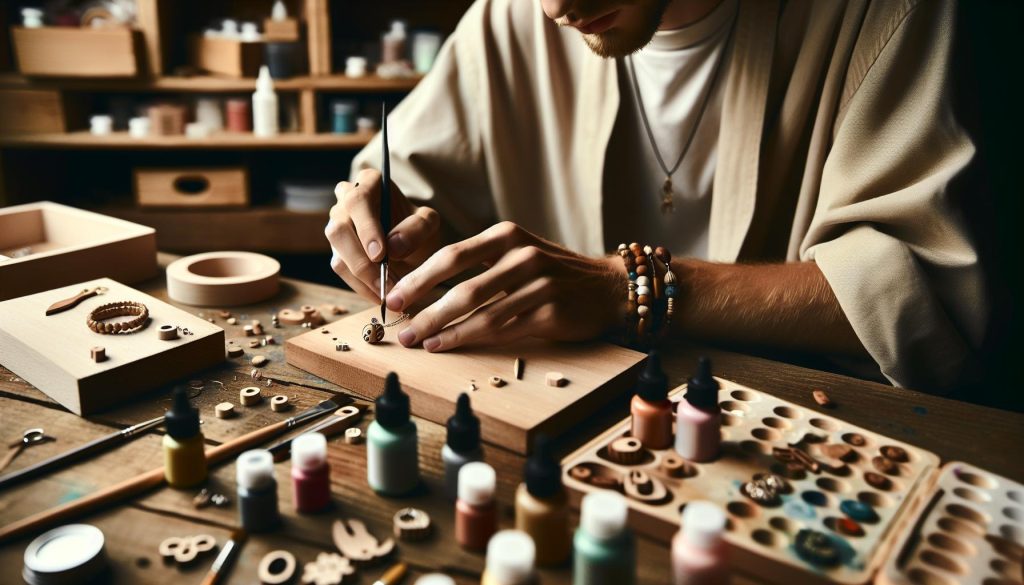
Acrylic paint can be a game-changer for DIY jewelry projects, bringing vibrant colors and unique designs to your creations. But how long can you expect that stunning finish to last? Understanding the longevity of acrylic paint on jewelry is crucial for everyone from hobbyists to aspiring designers, as it impacts not only the aesthetics but also the durability of your pieces. Whether you’re crafting a memorable gift or looking to sell your handmade items, knowing how to care for your painted creations and the factors that influence paint longevity will help ensure your artwork stands the test of time. Dive into this article to discover essential tips and insights on maximizing the lifespan of your acrylic-painted jewelry, so you can create with confidence and style!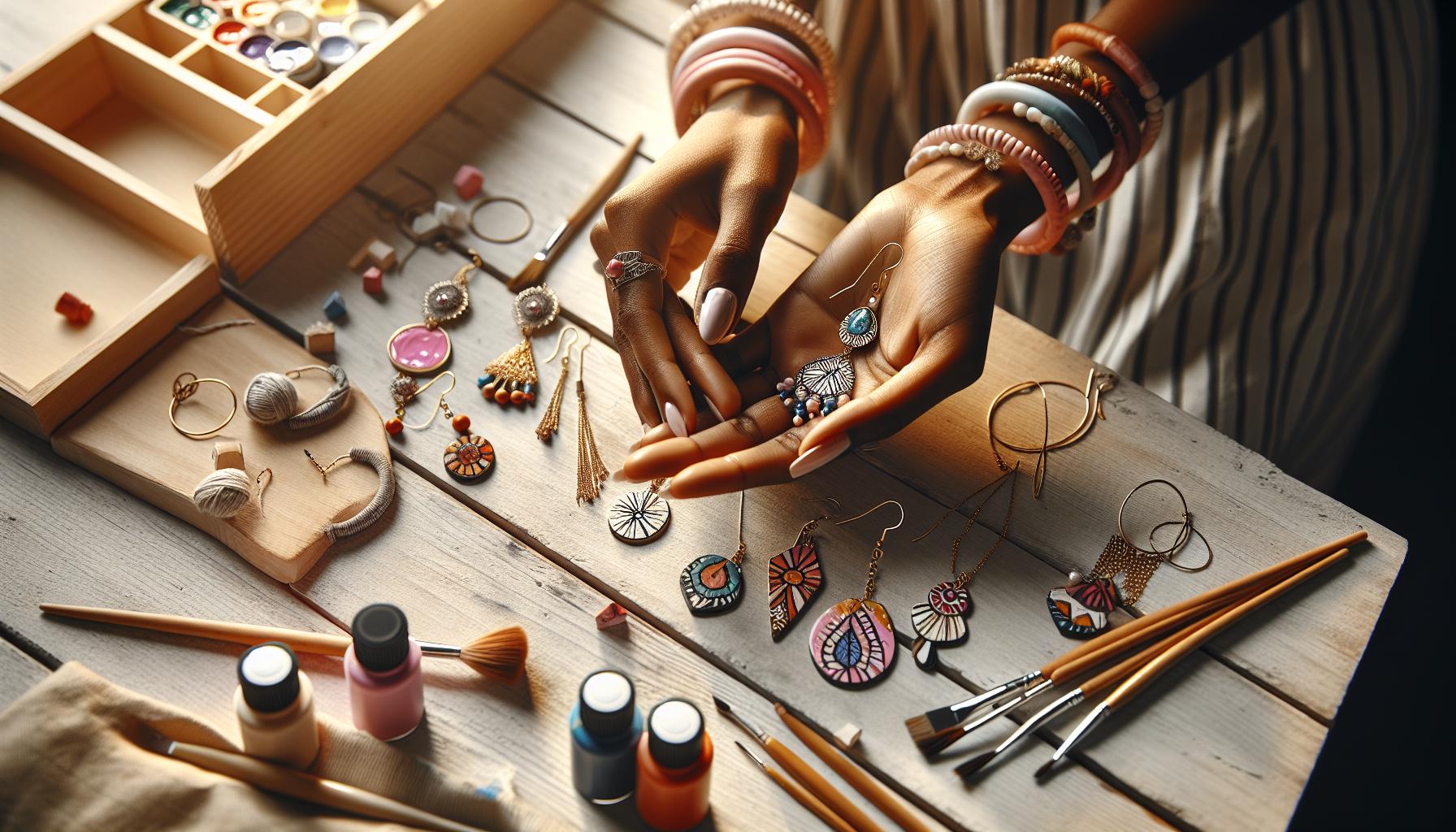
How Acrylic Paint Affects Jewelry Longevity
The longevity of acrylic paint on jewelry can significantly influence the overall aesthetic and durability of your creations. Acrylic paint is favored for its vibrant colors and versatility, yet its performance can vary widely based on application techniques and the environment in which the jewelry is worn. Generally, properly applied and sealed acrylic paint can last for several months to a few years, depending on several key factors.
One of the primary influences on durability is the surface preparation before painting. Ensuring that the jewelry surface is clean, dry, and free of oils or residues will allow the acrylic paint to adhere more effectively. Additionally, the use of a suitable primer can enhance adhesion and longevity. Once painted, sealing the acrylic with a high-quality varnish or resin will provide an essential barrier against wear, moisture, and UV light which can cause fading or peeling. Here are some crucial points to consider:
- Surface Preparation: Clean and prime your surfaces before applying acrylic paint to enhance adhesion.
- Sealing: Always seal your painted jewelry with a protective layer to guard against scratches and environmental damage.
- Wear Conditions: The longevity of the paint can be drastically affected by exposure to water, humidity, and direct sunlight, making careful care essential.
Understanding these factors not only empowers you to extend the life of your painted pieces but also helps you create stunning jewelry that stands the test of time. By integrating best practices into your DIY projects, you can ensure that your efforts result in beautiful, durable jewelry that you can cherish and wear with confidence.
Factors Influencing Acrylic Paint Durability
When it comes to the longevity of acrylic paint on your DIY jewelry projects, several crucial factors play a significant role in determining how it will withstand the test of time. One of the most vital aspects is surface preparation; a clean and properly prepped surface not only enhances paint adhesion but also significantly reduces the risk of peeling or fading. For instance, if you’re working with metal or plastic pieces, ensure they are devoid of oils, dust, and residues. Using a suitable primer can further bolster the bond between the acrylic paint and the jewelry surface, allowing for a more durable finish.
Another significant factor is the sealing of your painted pieces. After applying your acrylic paint, it is essential to finish with a high-quality varnish or resin. This protective layer acts as a barrier against moisture, UV light, and physical abrasions, all of which can hasten paint degradation. For example, jewelry that is frequently exposed to water or sweat, such as bracelets or pendants worn daily, will require a more robust sealing solution. The right sealant can extend the life of your paint, potentially lasting years rather than months.
Additionally, environmental factors play a role in the longevity of acrylic paint. Extreme temperatures, humidity, and prolonged exposure to direct sunlight can adversely affect your painted surfaces. Jewelry that is frequently stored in damp areas or left in the sun can experience faster deterioration due to the paint’s sensitivity to such conditions. Therefore, choosing where and how you wear or store your pieces is just as critical as the painting process itself.
Lastly, proper maintenance cannot be overlooked. Regularly check your jewelry for signs of wear or damage. Clean it gently with a soft, dry cloth and avoid harsh chemicals, which could compromise the paint. By understanding these influencing factors and implementing best practices, you can create stunning acrylic-painted jewelry that remains vibrant and durable for years to come.
Best Practices for Using Acrylic Paint on Jewelry
Crafting beautiful jewelry with acrylic paint can unleash your creativity while allowing for a wide range of unique designs. However, to ensure the longevity of your painted pieces, following a few best practices during the painting process can make all the difference.
Start with proper surface preparation. Clean your jewelry pieces thoroughly to remove any dust, oils, or residues that could interfere with paint adhesion. For most materials like metal or plastic, using a light abrasive pad followed by a cleaning solution is highly effective. Applying a suitable primer designed for acrylic paint can further enhance the bond, leading to a more durable finish.
When it comes to application, using quality brushes or sponges will aid in achieving an even coat without brush marks. Begin with thin layers of paint, allowing each layer to dry completely before adding another. This not only helps prevent bubbling but also allows you to build up the desired color intensity without overwhelming the surface. To avoid smudging or fingerprints, handle the pieces by their edges when possible, especially before the paint is fully cured.
Sealing your painted jewelry is non-negotiable for durability. Once the paint is dried, apply a high-quality acrylic sealer to protect against moisture, UV light, and wear. Opt for a spray or clear casting resin if your pieces will be exposed to significant handling or the elements. This added barrier will help maintain the vibrancy and integrity of the paint over time.
Lastly, maintain your painted jewelry by storing it properly. Avoid exposure to extreme temperatures and humidity; a cool, dry place is ideal. Regularly inspect your pieces for signs of wear and gently clean them with a soft cloth. By incorporating these practices into your DIY process, you can create stunning, long-lasting acrylic-painted jewelry that will delight you and others for years to come.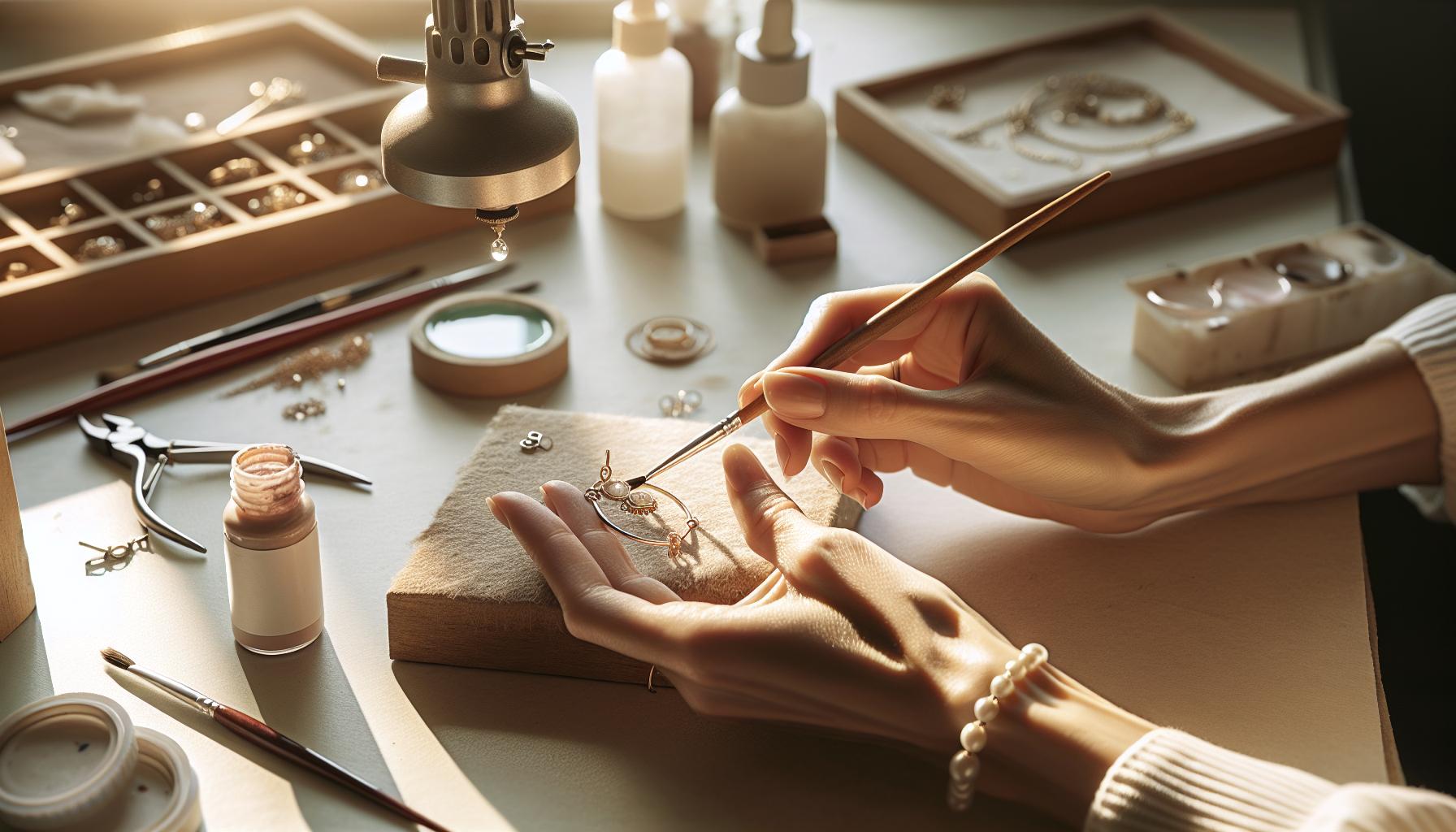
Caring for Your Acrylic Painted Jewelry
To maintain the beauty and longevity of your acrylic-painted jewelry, regular care and attention are essential. Unlike traditional jewelry finishes, acrylic paint can be susceptible to wear and tear if not properly managed. The right approach can ensure your creations remain vibrant and resilient for years.
Start by establishing a gentle cleaning routine. Acrylic-painted pieces benefit from soft cloths or microfiber towels that won’t scratch the surface. When cleaning, avoid harsh chemicals and opt for mild soap mixed with water. This solution can effectively remove dust and oils without compromising the paint layer. Always dry your pieces thoroughly to prevent moisture accumulation, which could weaken the paint bond over time.
Proper storage is equally vital in preserving the integrity of your painted jewelry. Store pieces in a cool, dry place, away from direct sunlight, which can fade colors and weaken the paint. A jewelry box with individual compartments can help prevent scratches and collisions. If possible, wrap your items in soft fabric or tissue paper to provide an extra layer of protection.
Being mindful of wear in your daily activities is also crucial. When engaging in activities that may expose your jewelry to moisture-like washing hands or exercising-consider removing these pieces to minimize wear. Additionally, if you notice any chips or fading, touch up your painted jewelry with a matching acrylic paint. Apply thin layers and seal with a protective top coat to restore that fresh look. Adopting these care practices will not only enhance the lifespan of your acrylic-painted jewelry but also keep it looking as stunning as the day you made it.
Comparing Acrylic Paint to Other Jewelry Finishes
When considering finishes for DIY jewelry, acrylic paint stands out for its vibrant color options and versatility. However, it’s essential to compare it with other finishes such as enamel, resin, and metal plating to determine the best choice for your projects. Each finish has its unique properties that influence durability, appearance, and maintenance requirements.
Acrylic Paint vs. Enamel
Acrylic paints dry quickly and are easy to work with, making them ideal for beginners. They offer a matte, glossy, or satin finish and can replicate the look of more expensive finishes. However, enamel paints provide a much more durable and resistant surface, especially against scratches and moisture. Enamel’s harder finish makes it better for pieces subjected to regular wear. If you’re looking for longevity and don’t mind the extra effort, enamel might be a superior choice.
Acrylic Paint vs. Resin
Resin coats can create a stunning, glass-like finish that enhances both the appearance and durability of the jewelry. While acrylic paint offers easy application and a wide range of colors, resin is notable for its strength and ability to encapsulate items. That said, using resin often requires more complex techniques and longer curing times, making it less accessible for casual DIYers. For intricate designs or items that need robust protection, resin is unmatched, but for simpler projects, acrylic remains a commendable option.
Acrylic Paint vs. Metal Plating
Metal plating, whether it be gold, silver, or other finishes, provides an unmistakably elegant look, along with exceptional durability. However, it can be significantly more expensive and may not be feasible for all DIY projects. While metal plating resists tarnishing and scratching, it can eventually wear down over time, especially in high-friction areas. Acrylic paint, although less durable, allows for creative expression without the hefty investment.
Comparing these options highlights that choosing the right finish involves considering several factors: intended use, aesthetic goals, and maintenance preferences. For DIY jewelry enthusiasts, a mixed-approach combining acrylic paint for bright designs and another finishing technique for protection may yield the best results.
Common Mistakes When Using Acrylic Paint
When immersing yourself in the art of DIY jewelry, using acrylic paint can be a delightful and creative choice. However, there are common pitfalls that can affect the longevity and appearance of your painted pieces. One frequent mistake is not properly preparing the surface before painting. Failing to clean, sand, or prime the material can lead to poor adhesion, causing the paint to chip or peel over time. Ensuring that your jewelry surfaces are clean and slightly rough will improve paint adherence and overall durability.
Another common error is applying too thick layers of paint. While it might be tempting to achieve a vibrant color in one go, too much paint can lead to undesirable effects such as drips or uneven drying, which compromises the finish. Instead, aim for multiple thin coats, allowing each layer to dry completely before adding another. This not only helps the paint adhere better but also gives your jewelry a smoother and more polished appearance.
It’s also essential to avoid skipping the sealant. Many DIYers forget that acrylic paint alone may not provide the necessary protection against scratches and moisture. Applying a clear sealant can significantly enhance durability and help maintain the vibrancy of the paint. Make sure to choose a sealant compatible with acrylic paint for the best results.
Lastly, improper storage of your painted jewelry can lead to unexpected damage. Storing pieces in humid environments or exposing them to direct sunlight can fade colors and weaken the paint. Instead, keep your creations in a cool, dry place, preferably in a soft pouch or lined box to prevent scratches. By recognizing and avoiding these common mistakes, you can create beautiful, long-lasting acrylic-painted jewelry that remains a cherished part of your collection.
Ensuring Vibrant Colors: Tips and Tricks
To achieve vibrant colors in your acrylic-painted jewelry, several key strategies can elevate your projects. The quality of your acrylic paint plays a significant role; opting for high-quality paints can make a noticeable difference in color intensity and longevity. Many artists recommend brands known for their rich pigments and smooth application, which yield brighter and more saturated colors. Additionally, consider mixing colors to create unique shades, but be cautious with dilution; excessive thinning can lead to a loss of vibrancy.
When applying paint, layering technique is crucial. Start with a white or light-colored base coat to make the colors pop even more. This technique not only enhances the luminosity of your chosen hues but also helps in achieving a more uniform finish. Apply multiple thin layers instead of one thick layer, allowing each coat to dry thoroughly before adding the next. This allows for better adhesion and a more professional-looking surface.
Using a clear acrylic medium can also enhance the vibrancy and durability of your colors. Mediums can add gloss, increase transparency, or thicken the paint for various effects-experimenting with these can yield stunning outcomes. Moreover, after your final layer of paint has completely dried, apply a quality clear sealant. This step is vital to protect against scratches and fading from UV exposure, ensuring your colors remain bright over time. Choose a sealant that is compatible with acrylics for the best results.
Lastly, proper storage can help maintain the vibrancy of your painted pieces. Keep your jewelry in a cool, dark place, away from direct sunlight and humidity, as these factors can cause colors to fade or even warp the paint. By following these tips and being mindful of both your materials and methods, your acrylic-painted jewelry can not only be stunningly colorful but also maintain its charm for years to come.
Repairing and Touching Up Painted Surfaces
Maintaining the beauty and integrity of your acrylic-painted jewelry can be a rewarding endeavor, especially when touch-ups can revive their luster and vibrancy. Whether it’s due to wear and tear or an accidental nick, being equipped with the right techniques can extend the lifespan of your cherished pieces. Quick fixes not only restore the original look but also save time and resources, allowing you to enjoy your creations for years to come. Here are some effective strategies to repair and touch up your painted jewelry surfaces.
To address small scratches or chips, start by cleaning the area gently with soap and water, then drying it thoroughly. For minor imperfections, using the same acrylic paint that you originally applied can work wonders. Employ a fine brush or even a toothpick to carefully dab the paint onto the affected area. Layer the paint in thin coats, allowing each layer to dry completely before adding the next to ensure proper adhesion. This method is particularly effective for restoring vibrant colors that may have dulled over time.
For more extensive damage, such as peeling or larger chips, you might need to sand the area lightly with a fine-grit sandpaper to smooth the surface. After sanding, clean the area again, and then apply a primer if necessary. Once the primer is dried, proceed with the same painting technique mentioned above. Always finish your repair with a clear acrylic sealant to enhance durability and protect against future damage. This not only offers a glossy finish but also adds an extra layer of protection against scratches and UV light.
In instances where your painted surfaces have become dull or faded, consider using a polishing compound to restore their shine before repainting. A gentle buffing can bring back some of the original luster without requiring a complete repaint. However, if the fading is severe, it may be best to strip the old paint and start fresh. Be mindful of each step, as proper care during repairs can keep your jewelry looking its best.
Adapting these basic touch-up methods not only brings your jewelry back to life but also enhances your crafting skills. By practicing patience and precision, every DIY enthusiast can achieve professional-looking results, turning imperfections into beautiful stories of their jewelry’s journey. Your ability to repair and refresh your pieces will transform not only your collection but also your confidence in handling future projects.
Storage Solutions for DIY Painted Jewelry
To ensure that your beautifully painted jewelry pieces remain vibrant and intact for years to come, proper storage is essential. Acrylic paint, while durable, can still be susceptible to scratches, fading, and other forms of damage if not handled correctly. The way you store your creations can make a significant difference in their longevity and appearance.
Always choose storage solutions that minimize exposure to light and potential damage. Here are some recommended practices:
- Use Soft Pouches or Fabrics: Wrap each piece of jewelry in a soft pouch or cloth, such as silk or cotton, to prevent scratches and absorb moisture.
- Store in a Cool, Dark Place: Light and heat can degrade acrylic paint over time. Consider a jewelry box or a dedicated drawer that remains cool and shaded.
- Avoid Excessive Stacking: If using a jewelry box, organize your pieces in a way that prevents stacking. Use compartments or dividers to keep items separated and reduce the risk of scratching.
- Consider Airtight Containers: For long-term storage, airtight containers can help protect against dust and humidity, which can negatively affect acrylic finishes.
When organizing your painted jewelry, consider labeling compartments or using trays that are lined with soft materials. This not only keeps things tidy but also ensures that you can quickly find and access your favorite pieces. For added safety during travel, a hard case with individual sections for each jewelry piece will provide extra protection against impacts.
By integrating these storage practices into your routine, you can extend the life of your acrylic-painted jewelry while keeping it looking its best, ready to dazzle whenever you choose to wear it. Embracing these thoughtful storage solutions empowers you to care for your creations with confidence, enhancing both your crafting experience and the overall joy of showcasing your unique pieces.
Showcase: Inspiring DIY Jewelry Projects
The world of DIY jewelry is a canvas for creativity, and incorporating acrylic paint can elevate your designs, adding beautiful colors and unique patterns that catch the eye. Whether you’re aiming for a minimalist chic or vibrant statement pieces, the longevity of acrylic paint on your jewelry plays a pivotal role in showcasing your craftsmanship. Projects that effectively combine color, texture, and technique not only express your individuality but also stand the test of time, enhancing your collection or even serving as delightful gifts.
One inspiring project is hand-painted wooden beads turned into stunning necklaces or bracelets. Start by choosing a selection of wooden beads and applying a base coat of acrylic paint. Once dried, use a fine brush to add intricate patterns or contrasting colors to create a one-of-a-kind piece. This technique not only provides a personal touch but also allows for experimenting with colors that complement your wardrobe. To ensure durability, finish your painted beads with a clear acrylic sealant to protect against wear and tear.
Another innovative approach is using acrylic paint on resin jewelry. This method can yield breathtaking pieces-think colorful coasters that can double as pendants or earrings. By mixing pigment into clear resin, you can create stunning swirls and designs that encapsulate your artistic vision. Additionally, consider adding dried flowers or glitter for extra flair. Just remember to allow the resin to cure fully to optimize the longevity of your painted elements.
For those looking to combine styles, try embellishing metal or glass pieces with splashes of acrylic paint. Use painter’s tape to create geometric designs or stripes on a metal cuff bracelet for a bold, modern look. Once you’ve applied your desired paint, seal the finished project with a clear topcoat to protect against scratches and fading. This adds not just beauty but longevity to your creation, making it a staple in your jewelry rotation.
These projects illustrate the potential of acrylic paint to transform simple materials into wearable art. By embracing these techniques and prioritizing proper care and storage, you can create lasting pieces that reflect your unique style while ensuring they remain vibrant through the years. So gather your supplies, unleash your creativity, and let your DIY jewelry journey begin!
Expert Insights: Interviews with Jewelry Makers
Reaching out to jewelry makers offers invaluable insights into the world of acrylic paint and its lasting impact on DIY projects. Renowned jewelry artist Maya Jenkins, known for her vibrant acrylic-painted pieces, shares that the longevity of paint largely depends on surface preparation and the quality of sealants used. “I always suggest prepping the surface with a gentle sand before painting,” she explains, “as this creates a better grip for the acrylic, ultimately prolonging the vibrancy and life of the paint.”
Another experienced designer, Tomás Rodriguez, emphasizes the importance of using high-quality acrylics specifically formulated for crafts. “Some craft paints simply don’t hold up to wear and tear,” he notes. He recommends testing various brands and finishes to see how they stand up over time, encouraging makers to document their findings. This approach not only enhances the durability of painted jewelry but also allows artists to refine their techniques and materials based on real-world performance.
Practical Tips for Durability
- Surface Preparation: Always sand or clean surfaces before painting to enhance adhesion.
- Quality Paints: Invest in professional-grade acrylic paints designed for crafts.
- Sealing: Use a clear acrylic sealant post-painting to protect your work from scratches and UV damage.
Finally, Sophie Chang, a DIY jewelry vlogger with a dedicated following, highlights the significance of caring for acrylic-painted jewelry. “Routine care, such as gentle cleaning with a soft cloth and avoiding exposure to harsh chemicals, can significantly extend the life of your pieces,” she advises. By integrating these expert perspectives and practical tips, DIY enthusiasts can create stunning acrylic-painted jewelry that retains its beauty and charm for years to come.
Selling Your Acrylic Painted Jewelry Online
Selling handmade acrylic-painted jewelry online can be a rewarding venture, but success hinges on how well you present and market your creations. Attention to detail in product descriptions, photography, and branding can significantly enhance your visibility and sales. As you navigate the online marketplace, it’s crucial to communicate the unique qualities of your pieces, particularly how acrylic paint contributes to their vibrant aesthetics and durability.
To start, consider showcasing the story behind your jewelry-how and why you choose to use acrylic paints. Sharing your creative process or inspiration can create a deeper connection with potential buyers. Professional-quality images are key; use good lighting and multiple angles to highlight the colors and details of your work. An engaging image can capture interest far better than text alone. Aim for clear backgrounds to keep the focus on your jewelry, and consider lifestyle shots that show your pieces worn, allowing customers to envision them in their own lives.
Optimizing Your Online Store
- Product Descriptions: Write detailed descriptions that mention the type of acrylic paint used, any special techniques you apply, and the care required to keep the pieces looking their best.
- SEO Techniques: Use relevant keywords in your product titles and descriptions to improve search visibility. Terms like “hand-painted acrylic jewelry” or “durable acrylic necklaces” can attract more audience.
- Customer Reviews: Encourage satisfied customers to leave reviews and share photos of your jewelry in use. Positive feedback builds trust and can sway prospective buyers.
Promoting your jewelry through social media platforms, particularly Instagram and Pinterest, can significantly increase your reach. These platforms thrive on visual content, making them ideal for showcasing the vibrancy and uniqueness of your acrylic-painted pieces. Regular posts, stories, and engagement with your audience can drive traffic to your online store.
Lastly, don’t overlook the importance of packaging. Presenting your jewelry in visually appealing, branded packaging can enhance the unboxing experience, encouraging repeat purchases and word-of-mouth recommendations. Including care instructions for maintaining the longevity of acrylic paint on your jewelry not only adds value but fosters customer loyalty. With the right strategies in place, selling your acrylic-painted jewelry online can transform a creative passion into a thriving business.
Q&A
Q: How long does acrylic paint typically last on DIY jewelry?
A: Acrylic paint can last several months to a few years on DIY jewelry, depending on factors like environmental exposure and protection methods. Regularly applying a sealant can enhance durability, extending the paint’s longevity.
Q: What factors affect the lifespan of acrylic paint on jewelry?
A: The lifespan of acrylic paint on jewelry is influenced by exposure to moisture, sunlight, and wear. Proper surface preparation and the type of sealant used also play vital roles in determining durability.
Q: Can I use a sealant to extend the life of acrylic paint on my jewelry?
A: Yes, using a clear sealant can significantly extend the life of acrylic paint on jewelry. Sealants create a protective layer, preventing chipping and fading from moisture and wear. Regular maintenance is essential for optimal results.
Q: Is acrylic paint suitable for all types of jewelry materials?
A: Acrylic paint adheres well to various materials, including metal, wood, and resin. However, ensuring proper surface preparation and using appropriate sealants is crucial for achieving the best results and longevity.
Q: How can I maintain my acrylic painted jewelry to ensure it lasts longer?
A: To maintain acrylic painted jewelry, keep it away from water and harsh chemicals. Clean gently with a soft cloth, and store in a cool, dry place. Regularly inspect for wear and touch up paint as needed to preserve appearance.
Q: What should I do if my acrylic paint starts to chip or fade?
A: If acrylic paint chips or fades, you can touch it up by cleaning the area and reapplying the paint. Use a matching color and finish. For larger areas, consider resealing the entire piece for a uniform look.
Q: How does acrylic paint compare to enamel for jewelry projects?
A: While both acrylic and enamel paints are popular for jewelry, acrylic is more flexible and easier to work with, whereas enamel provides a glossier, more durable finish. Choosing depends on your project’s specific needs and desired aesthetic.
Q: Can I layer different colors of acrylic paint on my jewelry?
A: Yes, layering different colors of acrylic paint can create interesting effects and depth on your jewelry pieces. Allow each layer to dry completely before applying the next for the best results.
Consider exploring our sections on “Caring for Your Acrylic Painted Jewelry” and “Best Practices for Using Acrylic Paint on Jewelry” for more in-depth guidance.
Future Outlook
As you venture into the exciting world of DIY jewelry with acrylic paint, remember that proper care can extend the life of your creations significantly. Understanding how long acrylic paint lasts can elevate your artistry and ensure your pieces remain vibrant and lasting. If you’re eager to deepen your expertise, explore our guides on jewelry care and cleaning metals that will enhance your skills further.
Don’t just stop here-sign up for our newsletter for exclusive tips and tutorials, and check out our DIY jewelry project ideas to ignite your creative spark today! Share your thoughts and experiences in the comments below; we love hearing from our community. Embrace your creative journey with confidence, knowing you have the resources and knowledge to maintain and showcase your beautiful creations. Keep crafting and exploring; there’s always more to discover in the realm of DIY jewelry!