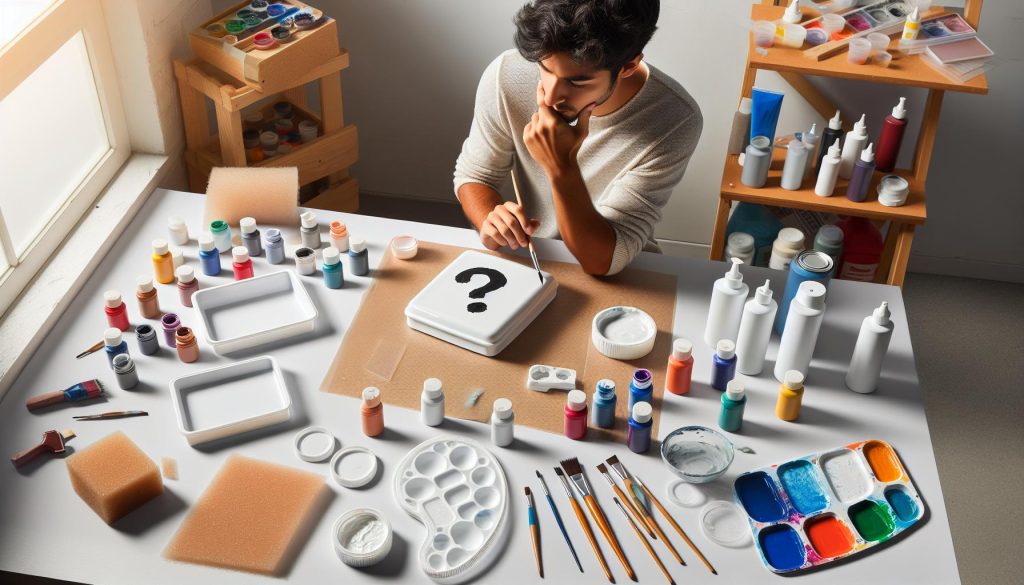
Have you ever wondered if you can transform ordinary plastic items into vibrant, personalized pieces of art? Using acrylic paint on plastic is not only possible but can also be a rewarding creative endeavor that breathes new life into forgotten items. Whether you’re looking to customize home décor, rejuvenate old toys, or express your artistic flair, understanding the best methods for painting on plastic with acrylics is essential. This guide will delve into the practical techniques, tips, and common mistakes to avoid, ensuring your project turns out beautifully. Get ready to unleash your creativity and learn how to effectively paint on plastic, achieving stunning results that will impress both you and your audience!
Choosing the Right Acrylic Paints for Plastic
Choosing the right acrylic paints is crucial for achieving stunning results when painting on plastic surfaces. Unlike porous materials, plastic can be challenging because it often doesn’t hold paint well without proper preparation. To ensure your project’s success, opt for acrylic paints specifically formulated for use on plastic. These specialty paints often contain additives that improve adhesion and flexibility, preventing peeling and chipping over time.
When selecting your acrylic paint, consider the finish you desire. Options range from matte to glossy, and some brands even offer a range of finishes designed specifically for plastic projects. Look for paints labeled as “multi-surface” or those that specify compatibility with plastics to guarantee better bonding. Brands like FolkArt and DecoArt provide excellent products tailored for plastic surfaces. Remember to check the labels for drying times and application methods to find the best fit for your project.
Before you dive into painting, it’s worth testing the paint on a small, inconspicuous area of the plastic to assess adhesion and finish. This simple step can save you from potential disappointments and allow you to experiment with different colors and finishes before committing to the entire piece. By choosing the right acrylic paint, you’re setting the stage for a beautifully finished project that can stand the test of time.
Preparing Plastic Surfaces for Painting Success
To achieve an eye-catching finish when painting plastic, proper surface preparation is essential. Unlike porous surfaces that naturally bond with paint, plastic presents unique challenges due to its smooth and often glossy texture. For successful painting, the key lies in enhancing the adhesion of the paint to the plastic surface.
Begin by cleaning the plastic thoroughly. Use warm soapy water and a soft cloth to remove dust, grease, and any contaminants that can prevent good paint adhesion. Rinse well and allow the plastic to dry completely. For stubborn residues, you might find that a gentle scrub with a sponge or a mix of water and vinegar can yield better results.
Next, consider sanding the plastic lightly. Use fine-grit sandpaper (around 220-grit) to scuff the surface gently. This process creates micro-abrasions that enhance the paint’s grip, leading to superior adherence. Be cautious not to over-sand, as too much abrasion can damage the plastic or alter its shape. After sanding, clean off any dust with a cloth or a brush.
If you’re aiming for even better results, applying a primer designed for plastic can make a significant difference. Primers not only improve adhesion but can also help in achieving a uniform finish. Choose a spray primer or a brush-on version, making sure it’s compatible with acrylic paints. Once the primer is dry, you’re ready to start painting, ensuring a more durable and professional-looking finish.
By investing time in preparing your plastic surfaces correctly, you maximize your chances of creating a vibrant and enduring painted piece that will look great for years to come.
Essential Tools for Painting on Plastic
When it comes to painting plastic with acrylics, having the right tools in hand can make all the difference in achieving a flawless finish. The importance of using quality materials cannot be overstated; they help ensure that your project adheres well and lasts longer, while also making your painting experience more enjoyable and efficient.
Start with quality acrylic paints specifically formulated for plastic surfaces. These paints typically offer better adhesion and durability compared to standard acrylics. Many brands also have a range of vibrant colors, allowing you to unleash your creativity fully. Additionally, select brushes designed for use with acrylics; synthetic bristles are often preferred because they work well with the consistency of acrylic paint and can help create smoother lines and strokes.
A few other essential tools include:
- Fine-grit sandpaper: This is perfect for gently scuffing the plastic surface before painting to enhance adhesion.
- Masking tape: Use this to protect areas you don’t want to paint and to create clean lines.
- Paint palette or mixing tray: You’ll need this for mixing colors and diluting your paint with water or medium for different effects.
- Spray primer or acrylic primer: A high-quality primer improves paint adherence and provides a smooth base for your acrylic paints.
- Sealant or varnish: Once your project is complete, using a clear coat can protect your finish from scratches and fading.
Lastly, don’t underestimate the value of protective gear. Wearing gloves and a mask can keep you safe from paint fumes and prevent paint from getting on your skin. With the right tools and practices, you are now well-prepared to turn your plastic painting project into a stunning masterpiece.
Techniques for Applying Acrylics on Plastic
Applying acrylic paint to plastic can unlock a world of creativity, allowing you to transform mundane items into eye-catching works of art. However, the way you apply the paint can significantly impact the final outcome. By embracing a few techniques, you can ensure a smooth, durable finish that adheres well to the plastic surface.
Start by ensuring that your workspace is well-ventilated. Acrylic paint can emit fumes, so it’s essential to have proper airflow. When you’re ready to paint, consider using a spray technique for larger areas; it provides an even coat and reduces brush marks. Maintain a distance of about 6 to 12 inches from the surface and use light, sweeping motions. If you prefer using a brush, choose one with synthetic bristles to help avoid streaks. For the best results, apply multiple thin layers rather than one thick coat. This method not only aids in quick drying but also minimizes the risk of drips or runs, which are common pitfalls when painting on plastic.
Another effective technique is to work in sections, especially if your piece has intricate details. This approach allows you to focus on achieving a smooth finish without overwhelming yourself. Use a fine brush for detailed areas and a larger brush or sponge for broader surfaces. To blend colors seamlessly, try wet-on-wet techniques, where you apply a second color while the first is still wet, creating a gradient effect that is visually appealing.
After you’ve achieved the desired look, consider sealing your project with a clear acrylic sealer. This step is crucial as it adds a protective layer, shielding your artwork from scratches, fading, and other damages. Always follow the manufacturer’s instructions for application, as some sealers may require specific drying times or methods.
With these techniques, you’ll be well on your way to mastering the art of applying acrylics on plastic, ensuring your creative projects shine brilliantly and stand the test of time.
Tips for Achieving a Smooth Finish
Achieving a smooth finish when painting on plastic with acrylics is an art in itself, and it starts long before you pick up the brush. Proper surface preparation is crucial; ensure that the plastic is clean and free from dirt or grease. Wash the item with soap and water, and if possible, lightly sand the surface with fine-grit sandpaper to create a better grip for the paint. Wipe down the surface with a lint-free cloth to remove dust particles that could mar your finish.
When it comes to the application, layering is key. Instead of slapping on a thick coat of paint, opt for multiple thin layers. This technique not only promotes quicker drying times but also significantly reduces the chances of runs and drips. Make sure to allow each layer to dry completely before applying the next. Additionally, consider using a high-quality brush or a foam applicator to minimize brush strokes. For larger areas, a spray paint method provides an even coat, ensuring consistency across the surface. Maintain a distance of about 6 to 12 inches from the object to avoid over-saturation in any one spot.
Another critical factor to consider is the environment in which you’re painting. A dust-free, well-ventilated area will minimize the risk of particles settling on your wet paint. The humidity and temperature can also affect drying times and the overall appearance of the finish. Ideally, aim for a warm, dry day when working on your project to facilitate the best conditions for achieving that flawless look.
Finally, patience is your best friend. Avoid the temptation to rush the process; take your time with each layer, and allow your project to completely cure before handling it extensively. For added protection and to enhance durability, seal your completed work with a clear acrylic sealer appropriate for plastics. This will not only protect your art from scratches but also give it a professional, polished look that you can be proud of.
Curing and Sealing Your Acrylic Paint
To achieve lasting beauty and durability in your painted plastic projects, proper curing and sealing methods are essential. Once you’ve applied the final layer of acrylic paint, it’s tempting to rush into using or displaying your masterpiece. However, patience is crucial during this phase, as letting your work cure fully will enhance both the appearance and longevity of the finish. Curing refers to the time it takes for the paint to reach its maximum hardness and adhesion, which can vary depending on the thickness of the layers, environmental conditions such as humidity and temperature, and the type of acrylic paint used.
To ensure that your acrylic paint cures effectively, allow each layer to dry thoroughly between coats-typically at least one to two hours-before adding another. After your final coat, it’s recommended to leave the item in a dust-free environment for 24-48 hours. This not only minimizes potential surface imperfections but also helps the paint cure at an optimal rate, improving durability against scratches and wear.
Once your paint has adequately cured, sealing your project is a vital step that shouldn’t be overlooked. A clear acrylic sealer provides an additional protective barrier against moisture, dust, and UV light, which can fade colors over time. To apply the sealer, choose a product specifically formulated for plastic to ensure compatibility. Use a spray sealer for an even coat or a brush-on type for more control in detail work. Apply in thin layers and allow plenty of time between coats-aim for at least two to three coats for the best protection. After sealing is complete, give it an extra 72 hours for everything to fully set before heavy use. Not only will this process enhance the aesthetics of your painted plastic, but it will also contribute to its longevity, allowing you to enjoy your creative efforts for years to come.
Common Mistakes to Avoid When Painting Plastic
When embarking on a plastic painting project, avoiding common pitfalls can be the difference between a stunning finish and a frustrating experience. One major mistake is skipping the surface preparation. Plastic often comes with a glossy finish that can hinder paint adhesion. Failing to clean, sand lightly, or use a primer designed for plastic can lead to peeling or chipping down the line. A simple wash with soap and water followed by a light sanding creates a texture for the paint to grip, ensuring a more durable finish.
Another frequent error lies in the choice of paint. Not all acrylic paints are created equal when it comes to plastic surfaces. Generic acrylic paints can sometimes blend poorly or not adhere properly. Always opt for acrylic paints that are specifically formulated for plastic to ensure lasting results. Applying paint on a day with high humidity or extreme temperatures can also adversely affect the application. If the environment isn’t ideal, you risk the paint not adhering properly, resulting in bubbles or uneven coverage.
Moreover, rushing through the drying and curing times can lead to disappointment. Many first-time painters underestimate the time it takes for acrylic paints to fully cure before using the item or applying additional layers. It’s critical to be patient-allow each layer to dry as per the manufacturer’s recommendations and resist the urge to touch or use your painted piece until it’s thoroughly cured. Lastly, not sealing your finished project can render all your hard work vulnerable to scratches and environmental damage. A clear acrylic sealer not only protects your paint but also enhances the vibrancy of the colors.
By taking the time to avoid these common mistakes, you’ll set yourself up for success with beautifully painted plastic projects that stand the test of time. Happy painting!
How to Remove Acrylic Paint from Plastic
Removing acrylic paint from plastic can be a straightforward process if approached methodically. Many artists and DIY enthusiasts face the challenge of mistakes or changes in design after painting. Fortunately, whether you have a minor smudge or an entire surface that needs repurposing, there are effective methods to restore your plastic items.
Begin by gathering your materials. You’ll need some common household items such as rubbing alcohol, nail polish remover (which contains acetone), or a commercial paint remover specifically designed for plastics. It’s advisable to test any chemical on a small, inconspicuous area first to ensure it doesn’t damage the plastic surface.
Steps to Remove Acrylic Paint
- Wipe with Rubbing Alcohol: Dampen a cloth with rubbing alcohol and gently rub the painted area. Acrylic paint will start to dissolve, allowing you to wipe it away.
- Use Acetone: For tougher spots, apply a small amount of nail polish remover to a cotton ball and dab it on the paint. Let it sit for a few minutes to penetrate the paint before wiping it away.
- Scraping Technique: If the paint has dried and becomes stubborn, use a plastic scraper or old credit card to gently lift it off without scratching the plastic.
- Wash with Soapy Water: After removing the paint, wash the plastic with soapy water to remove any residue from the solvents.
Make sure to work in a well-ventilated area, especially when using acetone or strong solvents. Wearing gloves can protect your skin from irritation, and a mask can be beneficial if you’re sensitive to fumes.
If you find yourself facing an extensive area of dried paint or a particularly stubborn stain, consider soaking the item in soapy water for a few hours before attempting to remove the paint. This can soften the paint and make it easier to scrub off. Remember, patience is key; taking your time will yield the best results without damaging your plastic surface.
By following these steps, you can successfully restore your plastic items and prepare them for a fresh coat of acrylic or another creative project.
Creative Project Ideas for Painted Plastic
Transforming plastic items with acrylic paint opens a world of creative possibilities that can breathe new life into everyday objects. From upcycling old containers to designing custom home décor, painting on plastic not only enhances aesthetic appeal but also offers a sustainable way to refresh items that might otherwise be discarded. Here are some engaging project ideas that you can embark on using acrylic paints on plastic.
- Upcycled Planters: Old plastic bottles or containers can be transformed into beautiful planters. Start by painting them in vibrant colors or trendy patterns, then drill a few holes in the bottom for drainage. Fill them with soil and your favorite plants for a stylish touch to your garden or indoor space.
- Customized Storage Solutions: Take plain plastic storage bins and personalize them to match your home decor. Use stencils or freehand designs to create labels or decorative elements. This not only beautifies your storage but also helps keep things organized.
- Decorative Picture Frames: Turn simple plastic frames into unique art pieces. Paint them with your choice of colors, add embellishments like beads or gems, and you’ll have stunning frames that bring out your favorite photos beautifully.
- Personalized Gifts: Create one-of-a-kind gifts by painting plastic items such as mugs or coasters. Use acrylic paint to add names, quotes, or designs that reflect the recipient’s personality. Seal with a clear coat for durability and make your gifts stand out.
- Garden Markers: Use small, flat pieces of plastic (like old credit cards) and paint them with weather-resistant acrylics. Write the names of herbs or plants with permanent markers to help organize your garden in a fun and colorful way.
These projects not only allow for self-expression but also make the most of materials that may no longer serve their original purpose. The key to success with these projects is ensuring the plastic is clean and properly prepped before you start painting. After completing your artworks, consider sealing them appropriately to protect against wear and tear, especially for items used outdoors. Each project serves as a delightful opportunity to enhance your surroundings, showcase your creativity, and promote sustainability by reimagining the use of plastic in your home.
Troubleshooting: Fixing Imperfections in Your Work
Transforming plastic with acrylic paint can lead to stunning results, but sometimes the journey isn’t as smooth as expected. Imperfections in your work, such as brush strokes, uneven coverage, or paint that doesn’t adhere properly, can be frustrating, but they can be remedied with a few simple techniques.
If you notice brush strokes or visible lines, consider using a foam brush or a spray application instead of a traditional paintbrush. Foam brushes can provide a smoother finish when applying acrylics, especially on larger surfaces. For smaller details, using a fine-tipped brush can help you achieve precision while minimizing the appearance of brush strokes. If you’ve already painted and find uneven areas, lightly sand the surface with fine-grit sandpaper once the paint is dry, then apply a thin layer of paint to even it out.
Should you encounter paint that peels or lifts when handled, it’s often a sign that the surface wasn’t properly prepped. Always ensure that the plastic is clean and free of dust or grease before starting your project. If the paint still seems to lift, consider applying a primer designed specifically for plastic before your final color coat-this can significantly improve adhesion and durability.
Other common issues include paint bubbling or cracking during the drying process. This can happen if the paint is applied too thickly. Instead, opt for multiple thin layers, allowing each to dry completely before adding the next. For outdoor projects, using weather-resistant acrylic paints can prevent damage from elements like rain and UV exposure, preserving your hard work over time.
In case of mistakes like drips or smudges, don’t panic. A quick fix is to gently scrape the excess off with a craft knife or small blade once the paint is dry. If you’re working with lighter colors over a darker base and it results in unwanted shadows or streaks, use a second coat to effectively cover the imperfections, allowing each coat ample drying time in between.
These troubleshooting tips will empower you to correct missteps easily and ensure that your painted plastic projects turn out beautifully. The key is to remain patient and flexible, adapting your approach as needed to achieve a polished finish that reflects your artistic vision.
Maintenance Tips for Long-Lasting Results
Maintaining the vibrancy and integrity of your painted plastic projects is crucial for ensuring they last over time. With the right care and maintenance strategies, you can keep your creations looking fresh and new. Remember that painted plastic requires unique considerations compared to other surfaces.
Start by regularly cleaning your painted surfaces using a soft, damp cloth to remove dust and dirt. When cleaning, avoid harsh chemicals and abrasive sponges, as these can damage the paint. Instead, a mild soap solution is often sufficient. Gently wipe the surface, and if needed, finish with a dry cloth to prevent water spots or streaks. For deeper cleaning, especially if the paint gets stained, use a soft brush or sponge with soapy water, ensuring to rinse thoroughly.
Another important aspect of maintenance is protecting your painted surfaces from potential damage. For items that are frequently handled or exposed to the elements, consider applying a clear acrylic sealer. This protective layer can enhance paint durability and give an extra sheen, while guarding against scratches and fading from UV exposure. Always check the compatibility of the sealer with acrylic paint to avoid unpleasant reactions, and follow the manufacturer’s instructions for optimal results.
Lastly, if your project will be used outdoors, opt for weather-resistant acrylic paints from the start. These paints are formulated to withstand outdoor conditions better than standard options, providing fade resistance and durability against humidity and rain. Depending on the project, you may even want to reapply a fresh coat of paint every few years to refresh the color and extend its lifespan.
By implementing these maintenance tips, you can ensure that your painted plastic items not only look great but also stand the test of time, allowing you to showcase your artistic vision for years to come.
Exploring Alternative Paint Options for Plastic
When it comes to painting plastic, you may feel limited by the options available, especially if acrylic paint isn’t your only choice. Fortunately, there are alternative paint types tailored specifically for various plastic materials, which can enhance your project’s outcome while providing unique finishes. Exploring these alternatives opens up creative avenues and ensures a more durable finish, especially in environments where the painted plastic will face wear and tear.
One popular option is spray paint, particularly those designed for plastic surfaces. Spray paints like Krylon Fusion for Plastic or Rust-Oleum Specialty Plastic Primer offer excellent adhesion and vibrant color options without the need for extensive surface preparation. These paints create an even coat, ideal for large surfaces or intricate designs. When using spray paint, it’s essential to apply thin layers, allowing each coat to dry before adding another to avoid drips and achieve an optimal finish.
Enamel paint is also a viable alternative, known for its durability and glossy finish. Available in both spray and brush-on forms, enamel paints can withstand heavy use and cleaning, making them ideal for outdoor or frequently handled plastic items. Look for products labeled as safe for plastic to ensure compatibility and good adherence. Unlike acrylics, which can chip over time, enamel paints provide a tough, long-lasting surface that resists scuffing.
For those interested in a more textural or artistic approach, consider fabric paint or alcohol-based inks. While primarily designed for textiles, fabric paints can adhere surprisingly well to flexible plastics, especially when heat-set according to the manufacturer’s instructions. This method can yield interesting effects, particularly if you enjoy creating unique patterns or designs. Similarly, alcohol-based inks offer vibrant colors and fluidity, allowing for creative blending techniques that can elevate the artistic value of your project. Be mindful, though, that these options may not be as durable as traditional plastic paints.
Ultimately, the best paint for your plastic project will depend on the desired finish, use case, and durability requirements. Experimenting with various types can lead to discovering exciting combinations and techniques that suit your creative vision. Whether you opt for spray, enamel, fabric paint, or innovative mediums like inks, the right choice will empower you to confidently transform plastic into stunning pieces of art.
FAQ
Q: Can acrylic paint adhere to all types of plastic?
A: No, acrylic paint does not adhere well to all plastics. It works best on surfaces like PVC and polystyrene but may struggle with low-energy plastics like polyethylene. For optimal results, always test a small area and consider using a plastic primer before painting.
Q: What tools do I need for painting acrylic on plastic?
A: Essential tools include high-quality acrylic paint, various paintbrushes (e.g., flat and round), a fine-grit sandpaper for surface preparation, and a sealant for protection. These tools ensure a smoother application and better durability of your paint job on plastic surfaces.
Q: How can I prevent acrylic paint from peeling off plastic?
A: To prevent peeling, thoroughly clean the plastic surface and use a primer specifically designed for plastics. Additionally, choose high-quality acrylic paint and seal the painted surface with a clear acrylic sealer once dry to lock in your design.
Q: Is it better to spray or brush acrylic paint on plastic?
A: Spraying acrylic paint is ideal for achieving an even coat without brush strokes, especially over large areas. However, using a brush allows for more control and detail in smaller projects. Choose the method that best fits your project’s scale and desired outcome.
Q: How do I thin acrylic paint for plastic?
A: To thin acrylic paint, mix a small amount of water or acrylic medium into the paint. Start with a few drops and gradually add more until you achieve a consistency that flows easily without becoming too runny. This will help in application, especially for intricate designs.
Q: What should I do if I get acrylic paint on my plastic furniture?
A: Immediately wipe the wet paint with a damp cloth. If the paint has dried, use rubbing alcohol or a paint thinner suitable for acrylics and apply it to a cloth. Gently rub the area until the paint lifts, taking care not to damage the plastic underneath.
Q: How long should I wait before sealing acrylic paint on plastic?
A: Wait at least 24 hours for the acrylic paint to cure fully before applying a sealant. This ensures that the paint has dried adequately and adheres well to the plastic, resulting in a durable finish that will resist chipping and peeling.
Q: Can I mix different brands of acrylic paint for plastic projects?
A: Mixing different brands of acrylic paint is generally fine, as long as they have similar bases (water-based). However, testing a small amount first is advisable to ensure compatibility and that the final color meets your expectations.
Insights and Conclusions
Now that you’ve explored the best methods for painting on plastic with acrylics, you’re equipped to unleash your creativity with confidence! Remember, preparation is key, so ensure you’re using the right materials to achieve stunning results. If you’re excited to dive deeper, check out our guides on DIY tutorials or explore effective techniques for cleaning and maintaining your painted creations.
Don’t hesitate to take action-grab your brushes and start that project today! Have questions or want to share your artwork? We invite you to leave a comment below. For more tips and insights on related topics, join our newsletter for exclusive updates and resources that will empower your artistic journey. Keep experimenting, and watch your skills grow as you navigate the vibrant world of acrylic painting on plastic!