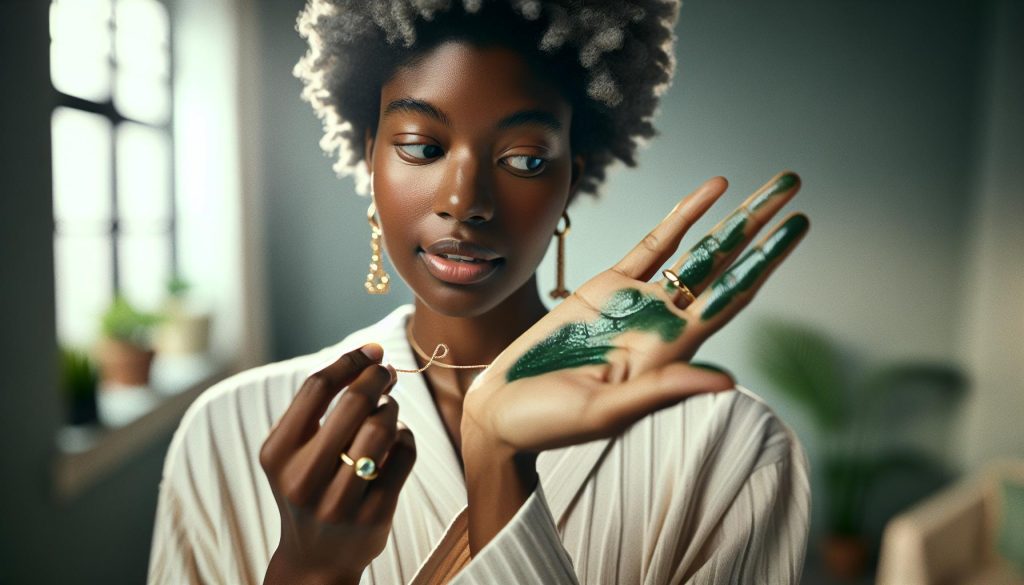
Have you ever noticed a green stain on your skin after wearing a favorite piece of jewelry? This common issue, often caused by metal reactions, can be both puzzling and frustrating. Understanding why jewelry tarnishes and leaves marks can help you choose pieces that won’t irritate your skin while preserving your style. In this article, we’ll delve into the science behind skin discoloration from jewelry, exploring the materials involved and practical tips to prevent this annoying problem. Whether you’re a jewelry enthusiast or a casual wearer, knowing how to protect your skin and your accessories is essential for a more enjoyable jewelry experience. Let’s uncover the reasons behind this phenomenon and discover effective solutions that will keep both you and your jewelry shining!
Understanding the Chemistry Behind Skin Discoloration from Jewellery
Skin discoloration from jewellery is not just a cosmetic annoyance-it’s a fascinating interplay of chemistry, skin chemistry, and environmental factors. When certain metals in jewellery come into contact with the skin, they can react with sweat, moisture, and the natural oils produced by the body. This reaction can lead to the formation of copper salts, which are responsible for that dreaded green stain often observed on the skin beneath rings or bracelets. It’s essential to grasp this interaction to better understand how to avoid or mitigate these effects.
The most common culprit for this skin discoloration is copper, which is frequently used in alloys to strengthen softer metals like silver and gold. When copper reacts with moisture and acids present on the skin, it oxidizes, creating green copper carbonate. Additionally, metals such as nickel and brass may cause similar reactions, particularly in individuals with sensitive skin or metal allergies. People often experience these reactions more prominently in humid conditions or during physical activities when sweat accumulates.
To prevent jewellery-induced skin discoloration, consider the materials from which your jewellery is crafted. High-quality, pure metals such as sterling silver, gold, or platinum are less likely to cause discoloration. If you prefer costume jewellery, look for coatings like rhodium plating, which can create a barrier between your skin and the reactive metals. It’s also beneficial to regularly clean your jewellery to remove any sweat or residue that could contribute to these chemical reactions. Moreover, storing your jewellery properly can help maintain its integrity and reduce accidental reactions.
Understanding the chemistry behind these interactions not only empowers you to choose pieces that are less likely to cause problems but also enables better care for your favourite items. By selecting the right materials and employing sound cleaning practices, you can enjoy your jewellery without worrying about unsightly stains.
Common Metals That Cause Skin to Turn Green
Certain metals commonly found in jewelry can lead to that unwanted green tint on your skin. It’s a surprisingly frequent occurrence that can turn a beautiful piece of jewelry into a source of frustration. The main offenders behind this phenomenon are metals that react with moisture, sweat, and the natural oils of your skin. Understanding which metals to watch out for can help you make more informed purchasing decisions and enjoy your jewelry without worry.
Among the most notable culprits is copper, which is often used in jewelry-making due to its strength and affordability. When copper comes into contact with skin, especially in humid conditions, it can oxidize and form copper salts, which manifest as green stains. Another typical metal to be cautious of is nickel. This metal is notorious for causing allergic reactions in many individuals, resulting in redness and irritation, in addition to discoloration. Brass, an alloy of copper and zinc, is also frequently used in costume jewelry; it can cause similar reactions due to its copper content.
It’s important to consider the quality of jewelry materials, particularly when shopping for delicate or frequently worn pieces. Opting for higher-purity metals like sterling silver or gold can significantly reduce the chances of skin discoloration. For fashion jewelry, look for options coated with protective materials, such as rhodium plating, which can effectively create a barrier between your skin and the potentially reactive base metals.
To summarize, being aware of the composition of jewelry can save you from the annoyance of green stains. A sound approach is to always inquire about the materials if you’re uncertain, and consider testing them on a small area of skin before regular wear. By being proactive, you can protect your skin and enjoy your jewelry collection without hesitation.
How pH Levels Affect Your Skin and Jewellery
The relationship between pH levels and skin chemistry is a significant factor in understanding why some jewelry can cause skin discoloration. Our skin has a natural pH level ranging from 4.5 to 5.5, making it slightly acidic. This acidity plays a crucial role in maintaining the skin’s barrier function and its overall health. When this balance is disrupted-whether due to environmental factors, skincare products, or even the materials in jewelry-chemical reactions can occur leading to discoloration.
For instance, certain metals can react with the skin’s natural oils and sweat, especially when alterations in pH occur. If your skin becomes more alkaline, for example due to frequent washing or using harsh soaps, this can increase the likelihood of metals like copper and nickel oxidizing and leaving green or discolored marks as they react with salts and acids. Over time, consistent exposure to these metal reactions can lead to not only cosmetic issues but discomfort as well.
To mitigate these effects, it’s essential to keep your skin’s pH balanced. Here are some practical tips to maintain this equilibrium and minimize jewelry-related skin issues:
- Choose Skincare Wisely: Opt for gentle cleansers and avoid overly alkaline or harsh products that strip the skin of its natural acidity.
- Stay Hydrated: Proper hydration can help maintain healthy skin function, keeping pH levels stable.
- Evaluate Jewelry Materials: Consider high-quality metals or hypoallergenic options that are less likely to react with changes in pH.
By understanding how pH affects your skin, you can make informed decisions about both your skincare products and your jewelry selection, ultimately protecting your skin from unwanted discoloration. It’s about creating a harmonious relationship between your body chemistry and the materials you wear.
Tips to Prevent Jewellery-Induced Skin Discoloration
While wearing your favorite pieces of jewellery should make you feel beautiful, the annoyance of skin discoloration can dampen that experience. Fear not; with the right strategies, you can prevent your jewellery from turning your skin green. One essential step is to understand the materials in your jewellery. Opt for high-quality metals such as sterling silver, gold, or platinum that are less likely to react with skin oils and sweat. Consider seeking out jewellery specifically labeled as hypoallergenic, which typically avoids common irritants like nickel.
Maintaining good hygiene is another crucial factor. Regularly clean your jewellery to remove oils and residue that can accelerate tarnishing. When you do wear your jewellery, be mindful of when and where. Remove pieces before activities that might involve excessive sweating, exposure to harsh chemicals (like swimming pools), or before using various personal care products, including lotions and perfumes. Additionally, applying a barrier between your skin and the jewellery-such as a clear nail polish on the inside of rings-can significantly reduce direct contact and minimize reactions.
Store your jewellery properly to extend its life and beauty. Use individual pouches or a dedicated jewellery box to keep metals from tarnishing due to contact with one another. Keeping your jewellery away from moisture and light can also help prevent oxidation and discolouration. With little adjustments in care and attention to material choice, you can enjoy your jewellery without worrying about unsightly skin reactions.
Best Practices for Choosing Skin-Friendly Jewellery
Choosing the right jewellery can make all the difference in how your skin reacts to it. Many people experience discoloration or rashes from cheaper metals, which can detract from the overall joy of accessorizing. By understanding how to select skin-friendly options, you can avoid these irritating side effects and feel confident in your style choices.
To start, always prioritize materials known for their hypoallergenic properties. Look for jewellery made from sterling silver, gold (14k or higher), platinum, or titanium, as these are less likely to cause reactions. Additionally, opt for pieces clearly labeled as hypoallergenic, which usually indicates they are free from common irritants like nickel.
When shopping, consider the construction of the jewellery as well. Avoid plated pieces that use inferior metals beneath the surface layer; over time, the plating can wear off, exposing the base metal and increasing the risk of skin discoloration. Instead, consider solid or filled metals that maintain their integrity over time.
Beyond material choice, pay attention to the design and fit of the jewellery. Select pieces that allow for breathability, like open-ended rings or pendants with adequate spacing. This helps minimize skin contact and the subsequent risk of irritation, especially if you sweat or wear your jewellery for extended periods.
Incorporating these best practices into your purchasing habits can significantly enhance your wearing experience, allowing you to enjoy your jewellery without concern for any unwanted skin reactions.
Effective Cleaning Methods for Discolored Skin
Experiencing green stains on your skin from jewellery can be frustrating, but there are effective methods to alleviate this issue. First and foremost, it’s important to clean your skin gently yet thoroughly to avoid further irritation. Warm water and mild soap can be particularly effective; simply lather up a small amount of soap and gently rub it over the affected area using a soft washcloth. Rinse your skin well with warm water and pat it dry with a clean towel. This initial step can help remove any residue left behind from the jewellery.
For more stubborn green discoloration caused by metals like copper, you can create a simple scrubbing solution using baking soda. Mix equal parts baking soda and water to form a paste, then apply it to the stained area and gently massage for about a minute before rinsing it away. The mild abrasiveness of baking soda helps lift the discoloration without harsh chemicals that might irritate sensitive skin.
Additional Care Tips
To further protect your skin and prevent future discoloration, consider incorporating some everyday practices into your routine:
- Moisturize Regularly: Keeping your skin hydrated can help create a barrier that reduces the chance of reactions.
- Avoid Excess Moisture: If you know you’ll be sweating or in a humid environment, remove your jewellery beforehand.
- Use Barrier Creams: Applying a thin layer of clear nail polish to the inside of rings and bracelets can act as a protective barrier, preventing metal from touching your skin.
By taking these simple yet effective cleaning and care measures, you can manage and diminish the unwanted effects of jewellery on your skin. These practices not only help clear up existing issues but also assist in creating a more enjoyable jewellery-wearing experience.
Jewellery Storage Solutions to Minimize Skin Reactions
To ensure your cherished jewellery collection remains in pristine condition and minimizes skin reactions, proper storage is essential. Discoloration and skin irritation can often result from prolonged contact with moisture, air, and the wrong materials. By adopting effective jewellery storage solutions, you not only prolong the lifespan of your jewellery but also protect your skin from unwanted reactions.
Choose the Right Storage Materials
Selecting the appropriate storage materials can make a significant difference in preventing your jewellery from tarnishing or causing skin issues. Here are some tips:
- Use Anti-Tarnish Pouches: Storing silver and other tarnishable metals in specially designed anti-tarnish pouches can help to absorb humidity and reduce oxidation.
- Opt for Soft Linings: Use jewellery boxes or compartments lined with soft fabric to prevent scratches and abrasions, which can expose metals that may react with your skin.
- Avoid Plastic Bags: Many plastic materials can create a humid environment, encouraging tarnishing. Instead, consider breathable cloth bags.
Organize by Material and Style
By organizing your jewellery by material and style, you can further minimize skin contact and prevent reactions. Consider the following:
- Separate Your Metal Types: Keep metals like sterling silver, gold, and costume jewellery in different compartments to prevent chemical reactions from compounds present in some alloys.
- Use Dividers: Employing drawer dividers or trays can help keep pieces from tangling or scratching each other, which can lead to reactions over time.
Temperature and Humidity Control
The environment in which you store your jewellery also plays a crucial role in preventing skin reactions. Keeping your jewellery in a controlled climate is key:
- Store in a Cool, Dry Place: Excess heat and moisture can speed up oxidation. Choose storage areas that are both cool and dry.
- Consider a Humidity-Controlled Environment: If you’re particularly prone to skin reactions, investing in a jewellery box with built-in humidity control may be beneficial.
By thoughtfully considering how and where you store your jewellery, you can effectively reduce the chances of skin discoloration and irritation, allowing you to enjoy your pieces to their fullest while feeling confident wearing them.
DIY Remedies for Removing Green Stains from Skin
Experiencing green stains on your skin from jewelry can be frustrating, but there are effective DIY remedies that can help you quickly remove these unwanted marks. The green discoloration is typically caused by reactions between the metals in the jewelry-often copper-and your skin’s natural oils, sweat, or humidity. Fortunately, addressing these stains doesn’t require professional help; you can achieve great results right at home with some common household items.
One of the simplest and most effective methods involves using a paste made from baking soda and water. Create a thick paste by mixing three parts baking soda with one part water. Apply the paste to the stained area and gently rub it in with a soft cloth or your finger. Let it sit for about 10-15 minutes before rinsing it off with lukewarm water. Baking soda acts as a gentle exfoliant, effectively lifting the green residue from the skin without causing irritation.
Another household item that works wonders is white vinegar. Soak a cotton ball or soft cloth in white vinegar and apply it directly to the stained area. Leave it on for a few minutes to allow the acidity of the vinegar to break down the discoloration, then rinse with warm water and pat dry. If you find that the green stain persists, you can try mixing a few drops of mild dish soap with warm water and using that solution to wash the affected area gently.
Moisturizing After Cleaning
After removing the stains, it’s crucial to moisturize the area since both baking soda and vinegar can be somewhat drying. Applying a light layer of moisturizer or body oil can help soothe the skin and prevent further irritation.
These quick remedies not only provide immediate relief from unwanted skin stains but also empower you with the knowledge to manage jewelry-related skin issues effectively. With just a few simple household ingredients, you can restore your skin’s cleanliness and maintain your confidence in wearing your favorite jewelry pieces.
Exploring Alternatives: Hypoallergenic Jewellery Options
Choosing the right jewelry can make all the difference, especially for those prone to skin discoloration from certain metals. Hypoallergenic jewelry options have gained popularity as a safe alternative for preventing skin reactions, including the dreaded green stains caused by metal oxidation. These options typically consist of materials that are less likely to cause irritation and are designed for sensitive skin types.
When considering hypoallergenic jewelry, it’s essential to look for metal types that are known for being gentle on the skin. Stainless steel, for example, is a popular choice; it is robust, durable, and resistant to rust, corrosion, and tarnishing. Furthermore, it does not contain nickel, which is a common allergen. Similarly, titanium and platinum are excellent options due to their biocompatibility, making them suitable even for those with severe metal allergies.
Another consideration is silver, specifically sterling silver, which is an alloy of silver and a small percentage of other metals. Look for sterling silver that is labeled as nickel-free to avoid any potential reactions. For an even safer bet, gold jewelry with high purity levels, such as 14k or 18k gold, is less likely to create skin issues compared to gold-plated or lower-karat options that may contain cobalt or nickel.
To simplify your choices, here are some hypoallergenic materials to consider, which can help you enjoy beautiful jewelry without worrying about skin reactions:
- Stainless Steel
- Titanium
- Platinum
- Gold (14k, 18k)
- Nickel-Free Sterling Silver
- Fiberglass or Plastic Beads
When shopping for hypoallergenic jewelry, always check product descriptions or ask sellers for confirmation regarding metal content, especially if you have known sensitivities. This proactive approach not only helps in preventing unsightly discoloration but also allows you to embrace your unique style with confidence, ensuring that your jewelry looks as fabulous on your skin as it does in your collection.
When to Seek Help: Allergies vs. Reactivity
Skin reactions to jewelry can manifest in various ways, often leaving wearers confused about whether they’re experiencing an allergic reaction or merely the irritation of skin reactivity. It’s crucial to differentiate between the two to effectively address the issues. An allergic reaction involves the immune system’s response to a specific substance, while skin reactivity can stem from non-allergenic materials or environmental factors that cause irritation and discomfort.
If you notice persistent redness, itching, or swelling at the site of jewelry contact, particularly with metals that are known irritants such as nickel, it’s time to consult a healthcare professional. They can conduct patch tests to identify specific allergies and recommend treatments or alternatives. For example, an allergic reaction to nickel can lead to condition known as contact dermatitis, which may require topical steroids or antihistamines for relief.
On the other hand, if you experience discoloration of the skin, such as green or black marks, this may be due to metal oxidation or other chemical reactions rather than a true allergy. This type of reaction is often manageable. Switching to jewelry made from hypoallergenic materials-like titanium or stainless steel-can be a straightforward solution. Also, ensuring that your skin is clean and dry before wearing jewelry, as well as regularly cleaning the jewelry itself, can significantly minimize such reactions.
In summary, understanding the type of reaction you’re experiencing is the first step towards relief. Keep track of the materials you wear and any symptoms that arise, as this will help narrow down potential culprits and guide your jewelry choices in the future. When in doubt, seeking professional advice not only protects your skin but also ensures you can continue to enjoy the beauty of jewelry without unwanted side effects.
Long-Term Effects of Wearing Discolored Jewellery
While discolored jewelry might initially seem like a mere cosmetic inconvenience, its long-term effects can extend beyond temporary skin staining. Prolonged exposure to low-quality metals that react adversely with the skin can lead to several issues, including chronic irritation, allergic reactions, and even permanent discoloration of the skin itself. The common green or black stains are not just unsightly; they can also signify chemical reactions caused by metal oxidation, which can impact skin health over time.
Continued contact with discolored jewelry can exacerbate existing skin conditions or contribute to new ones, especially in individuals with sensitive skin. For instance, nickel-frequently found in cheaper jewelry-can provoke contact dermatitis after repeated exposure, resulting in inflammation and more intense, long-lasting skin irritation. Such conditions may not only require medical intervention but can also deter individuals from enjoying their favorite accessories, leading to a cycle of avoiding jewelry altogether.
Preventing Long-Term Effects
To mitigate these potential consequences, it is essential to prioritize jewelry quality and maintenance. Consider choosing pieces made from hypoallergenic materials such as titanium, stainless steel, or gold that have a higher purity level. Additionally, implementing a routine to clean your jewelry can minimize skin discoloration. Here are some tips:
- Regular Cleaning: Use a gentle cleanser specifically designed for jewelry to remove dirt and residues that can contribute to discoloration.
- Proper Storage: Store your jewelry in a dry, cool place away from moisture to prevent oxidation and tarnishing.
- Skin Hygiene: Ensure your skin is clean and dry before donning accessories to reduce the chance of reactions.
By being proactive about the type of jewelry you wear and how you care for it, you not only enhance your overall style but also protect your skin’s health in the long run. Engaging in mindful practices when it comes to your accessories can make all the difference, ensuring that beauty doesn’t come at the cost of well-being.
Customer Insights: Reviews and Experiences with Jewellery Discoloration
Experiencing skin discoloration from jewelry is a common annoyance that countless individuals face, prompting a wealth of shared experiences and insights. Many have taken to online forums and social media to discuss their personal stories, often revealing that the culprit is not just low-quality materials but also the unexpected reactions their skin has to certain metals. One user notes that after wearing a fashionable yet inexpensive ring for just a few days, they were left with an unsightly green mark that took several days to disappear. Such feedback highlights the importance of being vigilant when choosing jewelry, especially when dealing with non-precious metals.
Customers frequently share practical advice on how to avoid these awkward situations, reinforcing that preventative measures can make a significant difference. A popular tip among jewelry enthusiasts is to apply a clear coat of nail polish to the interior of rings or bracelets, effectively creating a barrier between the metal and the skin. This simple step can often prevent direct contact with metals that may cause discoloration. Additionally, many individuals advocate for investing in pieces made from higher-quality materials. One commenter humorously stated, “I learned the hard way that cheap is not always best; I now stick to sterling silver or gold, even if it means saving up a little longer.”
Feedback often extends beyond mere distress; it serves as a catalyst for deeper discussions about jewelry care. Many have mentioned that regular cleaning can significantly reduce skin reactions. Participants in these conversations often recommend using mild soap and lukewarm water to clean their pieces regularly, as dirt and oils can exacerbate the issue. Moreover, sharing stories about specific brands or styles that have worked well for sensitive skin helps others navigate their jewelry selections with confidence.
In exploring alternatives, the popularity of hypoallergenic jewelry is often highlighted, with users praising brands known for their skin-safe options. These recommendations come with personal anecdotes about the comfort and assurance that comes from wearing well-made pieces. It’s clear that for many, finding jewelry that doesn’t alter the skin’s chemistry is not just about aesthetics; it’s a crucial step in enjoying fashion without the dread of unappealing discoloration.
FAQ
Q: Why does cheap jewellery turn my skin green?
A: Cheap jewellery often contains metals like copper and nickel, which react with moisture and acids in your skin, leading to discoloration. Choosing items with a higher percentage of precious metals can minimize this issue. Consider exploring hypoallergenic options to reduce irritation.
Q: How can I tell if my jewellery is causing skin irritation?
A: If you notice redness, bumps, or green stains where your jewellery sits, it may be causing irritation. Remove the jewellery and observe if symptoms improve. To further investigate, refer to our section on identifying common irritants from metals.
Q: Does the acidity of my skin affect jewellery tarnishing?
A: Yes, the acidity of your skin can accelerate tarnishing, particularly with metals like silver and copper. Maintaining a balanced skin pH can help reduce tarnishing effects. Explore our article section on how pH levels influence skin and jewellery for more tips.
Q: What types of metals are least likely to irritate the skin?
A: Metals such as stainless steel, titanium, and sterling silver are less likely to cause skin irritation. When shopping for jewellery, look for items labeled as hypoallergenic or specifically designed for sensitive skin to avoid reactions.
Q: Can I prevent green stains from jewellery?
A: Yes, you can prevent green stains by applying a clear nail polish on the inner side of your jewellery to create a barrier. Regularly clean your jewellery and read our tips on preventative care in the related article section for comprehensive strategies.
Q: How often should I clean my jewellery to prevent skin reactions?
A: It’s advisable to clean your jewellery regularly, at least once every few weeks, to remove dirt and moisture. Stronger methods should be used on valuable pieces according to our cleaning methods guide, ensuring you maintain their luster and reduce skin reactions.
Q: Are there any DIY solutions for removing green stains from my skin?
A: Yes, you can use a mixture of baking soda and water or lemon juice and baking soda to scrub away green stains. Make sure to rinse and moisturize afterward. For detailed remedies, check our DIY section for more effective cleaning methods.
Q: When should I consult a doctor regarding jewellery-related skin issues?
A: If you experience prolonged irritation, severe redness, or swelling, consult a healthcare professional. This could indicate an allergy or infection. For more insights on differentiating between allergies and reactions, visit the relevant section in our article.
The Conclusion
Don’t let skin discoloration derail your love for jewelry! By understanding why jewelry turns your skin green, you can take simple steps to enjoy your adornments worry-free. Remember, choosing high-quality pieces, proper care, and occasional maintenance can make a world of difference. Dive deeper into our guides on jewelry care tips and discover how to clean your metals and gems effectively.
Before you go, don’t miss our DIY tutorials for creating stunning jewelry pieces or our insights on starting your own jewelry shop. Sign up for our newsletter for the latest tips and tricks straight to your inbox! Join the conversation below-share your experiences or ask your questions, and empower yourself further in this beautiful world of jewelry. Let’s keep shining together!