
Infections around earrings can occur more often than you think, affecting both new and seasoned jewelry wearers. If you’ve noticed swelling, redness, or discomfort, it’s crucial to address it promptly to prevent further complications. Understanding the immediate treatment steps can help you relieve discomfort and safeguard your ear health. In this guide, we’ll discuss essential techniques for managing an infected earring, ensuring you can enjoy your favorite accessories without worry. So, let’s dive in and empower you with actionable advice to tackle this common issue confidently!
What Are the Signs of an Infected Earring?

Recognizing an infection in an earring is crucial for timely treatment and prevention of complications. Among the most common signs are redness and swelling near the piercing, which can signal irritation and inflammation. Infections often come with additional symptoms, such as increased warmth around the area, which you can feel upon touching. One of the most telling indicators is the presence of pus or discharge that may have a foul odor. This can occur as the body tries to expel bacteria from the wound.
Pain can vary in intensity from mild discomfort to sharp, throbbing sensations that worsen with movement or pressure. It’s essential to note any changes in the earring’s position or increased sensitivity. If you notice that the skin around the piercing becomes itchy or exhibits rash-like symptoms, this could also indicate an infection or an allergic reaction.
In some cases, systemic symptoms such as fever or chills might occur, suggesting that the infection could be more serious and potentially spreading. Close monitoring of these symptoms is essential; if they worsen or fail to improve within a few days, seeking medical attention is advisable to avoid further complications. Prompt action can make a significant difference in recovery and help maintain the health of your ear piercings.
Immediate First Aid for Earring Infections

In the event of an earring infection, swift and appropriate first aid is key to alleviating discomfort and preventing further complications. The moment you notice signs of infection-such as redness, swelling, or discharge-take action. Start by cleaning the area gently with a saline solution or an antiseptic solution specifically designed for piercings. This helps to remove any debris and bacteria that may be contributing to the infection. Use a clean cotton ball or pad to apply the solution, avoiding any harsh scrubbing that could irritate the skin further.
Managing Pain and Discomfort
Over-the-counter pain relievers such as ibuprofen or acetaminophen can be effective in reducing pain and inflammation. Always adhere to the recommended dosage guidelines. Additionally, consider using a cold compress on the affected area for about 10 minutes at a time to help reduce swelling and soothe discomfort. Make sure that the compress is clean to avoid introducing more bacteria to the site.
Dos and Don’ts
While you’re treating the infection, there are crucial dos and don’ts you should follow:
- Do keep the area clean and dry.
- Do avoid changing the earring immediately, as this could aggravate the infection.
- Don’t use alcohol or hydrogen peroxide directly on the piercing, as these can be too harsh and delay healing.
- Don’t touch the infected area with unwashed hands to prevent additional contamination.
If you notice progression in symptoms-such as increasing redness, swelling, or the presence of pus-it’s essential to consult a healthcare professional for further treatment. Ignoring these symptoms can lead to more severe issues, including the possibility of systemic infection. Remember, prompt first aid not only alleviates discomfort but also sets the stage for a swift recovery so that you can return to enjoying your earrings safely.
Home Remedies for Earring Infections
While dealing with an earring infection can be distressing, several effective home remedies can assist in easing symptoms and promoting healing. These remedies leverage natural ingredients and simple techniques that are easily accessible, allowing you to alleviate discomfort without immediately resorting to pharmaceuticals.
To begin, saltwater soaks, which utilize the natural healing properties of saline, can be immensely helpful. Mix a teaspoon of non-iodized sea salt in a cup of warm distilled water. Soak a cotton ball in this solution and gently apply it to your pierced ear for about 10-15 minutes. This method not only helps cleanse the area but also reduces inflammation and discomfort.
Another potent remedy is using tea tree oil, known for its antibacterial properties. Dilute a few drops of tea tree oil with a carrier oil, such as coconut or olive oil, and apply it carefully around the infected area with a clean cotton swab. This can reduce redness and fight off bacteria. However, be cautious and conduct a patch test first, as some individuals may be sensitive to essential oils.
Additionally, incorporating aloe vera gel can provide soothing relief and expedite healing. This natural moisturizer has anti-inflammatory properties and can help alleviate pain. Simply apply the gel directly to the infected area and allow it to sit for about 30 minutes before rinsing gently with lukewarm water.
An effective method of maintaining clean and dry conditions around the earring site is critical. After applying any of the above remedies, allow the area to breathe and avoid heavy products or tight-fitting accessories that may trap moisture and exacerbate the infection.
Integrating these home remedies can pave the way for a quicker recovery, but it’s essential to monitor any progression of symptoms. If you experience increasing redness, swelling, or pus, it’s prudent to seek professional medical advice. Embrace these supportive treatments with confidence, knowing they can complement your healing journey while you enjoy your favorite earrings once again.
When to Seek Professional Medical Help

In the world of earrings and body jewelry, a common concern is the risk of infection. While minor irritations can often be managed at home, certain signs may indicate that a professional assessment is necessary to prevent complications. If you notice persistent swelling, redness that extends beyond the piercing site, or a discharge that is yellow or green in color, it’s crucial to pursue medical help. These symptoms can be indicative of a more serious infection that may require antibiotics or other interventions.
Another important trigger for seeking professional medical assistance is pain that escalates or changes in nature. If the discomfort intensifies to the point where it becomes unmanageable or is accompanied by fever, this could suggest a systemic issue that necessitates immediate attention. Moreover, if the piercing area shows no signs of improvement despite at-home treatments, or if the infection seems to worsen, don’t hesitate to consult a healthcare provider.
Monitoring for any changes in the size of the piercing hole is also important. If the hole appears to be enlarging or if there are unusual growths around the site, these could be signs of complications related to the piercing process itself, such as keloids or exacerbated infections. Engaging a professional can help address these concerns before they escalate further.
Lastly, if you have underlying health conditions, such as diabetes or a weakened immune system, even minor signs of infection should prompt immediate medical consultation. Being proactive can prevent more severe outcomes, ensuring that you can safely continue to enjoy your chosen jewelry without long-term effects. Remember, it’s always better to err on the side of caution when it comes to your health.
Preventing Future Earring Infections
Infections can be a daunting concern for anyone who loves wearing earrings, but there are effective strategies to minimize your risk and maintain healthy piercings. Taking proactive measures not only protects your ears but also allows you to enjoy your jewelry collection more fully.
A critical starting point in preventing future infections is maintaining impeccable hygiene. Always wash your hands thoroughly before handling your earrings. When inserting or removing earrings, ensure that both the earrings and the piercing site are clean. Use a gentle saline solution or an antiseptic recommended by your piercer to cleanse the area around your piercing weekly. Additionally, when wearing earrings, be mindful of exposure to irritants such as hair products, perfumes, or sweat, which can exacerbate irritation and inflammation.
Choosing the right earrings can significantly impact the health of your piercings. Opt for hypoallergenic materials like surgical stainless steel, titanium, or gold that has a higher gold content (e.g., 14k or 18k), as these are less likely to cause allergic reactions or irritation. Avoid heavy or overly ornate pieces that can pull on the earlobe and create unnecessary stress on the piercing. If you have known sensitivities, consider titanium earrings as they are highly biocompatible and suitable for sensitive ears.
Lastly, keep an eye on the physical condition of your earrings themselves. Make it a habit to regularly check for signs of damage, such as rough edges or signs of corrosion, which could harbor bacteria. When storing your earrings, ensure they are kept in a clean, dry place away from humidity that could promote mold growth. A dedicated jewelry box with anti-tarnish properties can add an extra layer of protection.
By implementing these strategies, you can confidently wear your earrings knowing you are actively minimizing the risk of infections and ensuring your piercings remain in optimal condition. Remember, a little care goes a long way in the world of jewelry!
Proper Earring Care and Hygiene Tips
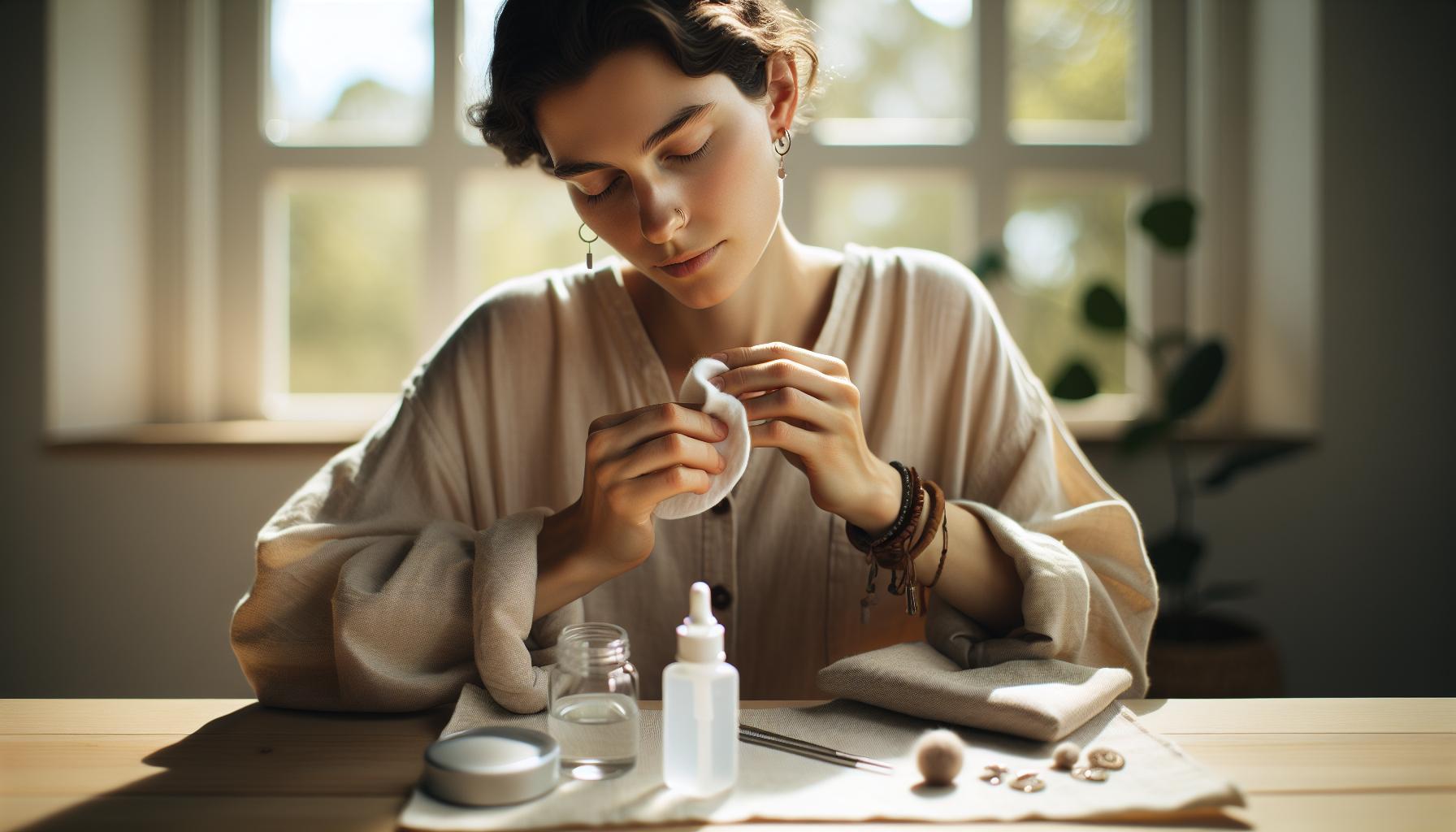
Earring care goes beyond simple routine; it plays a crucial role in preventing infections and ensuring your accessories remain a source of joy rather than discomfort. Proper hygiene practices can significantly decrease the risk of developing infections and can also prolong the life and luster of your favorite pieces. Understanding how to handle and care for your earrings effectively can empower you to maintain healthy piercings and enjoy wearing your jewelry worry-free.
To start, always wash your hands before touching your earrings or performing any adjustments. This simple act can prevent transferring bacteria and irritants to your piercing. When it’s time to put on or remove your earrings, ensure that both the earrings and the piercing site are thoroughly cleaned. Using a saline solution or a gentle antiseptic solution recommended by your piercer can work wonders; make this part of your weekly routine to keep your piercings clean and healthy.
Furthermore, the choice of materials matters immensely. Selecting hypoallergenic earrings can help steer clear of unwanted irritation. Look for earrings made from surgical stainless steel, titanium, or high-quality gold (14k or higher), which are less likely to trigger allergic reactions or inflammation. Avoid heavy or dangling designs if you have sensitive ears, as they can pull on the earlobe and potentially stress the piercing. If you experience frequent irritations, consider magnet-backed or clip-on earring options which eliminate the need for piercings altogether.
Lastly, maintaining the physical condition of your earrings is vital. Regularly inspect your earrings for any signs of wear, such as rough edges or tarnishing, which can harbor bacteria. When storing your jewelry, opt for a clean, dry environment-using a devoted jewelry box not only keeps your pieces organized but can also protect them from humidity and damage. By following these proactive care tips, you not only enhance your experience of wearing earrings but also safeguard your health, allowing you to truly enjoy your jewelry collection without fear.
Choosing the Right Earrings for Sensitive Ears
Sensitive ears can be a source of discomfort when it comes to wearing earrings, but the right choices can make all the difference. Did you know that many common materials used in earrings can provoke allergic reactions or irritation? Understanding what to look for when selecting earrings for sensitive ears is essential to avoid infections and ensure a comfortable wear.
Opting for hypoallergenic materials is the first step toward comfort. Here are some excellent options:
- Surgical Stainless Steel: Highly resistant to tarnishing and corrosion, surgical stainless steel is ideal for sensitive skin.
- Titanium: This lightweight metal is not only durable but also biocompatible, making it an excellent choice for piercings.
- Gold (14k or higher): Pure gold is less likely to cause reactions, and when alloyed properly, it can provide both beauty and security.
- Niobium: Similar to titanium, niobium is another robust metal that is usually safe for sensitive ears.
Avoiding costume jewelry that often contains nickel or lead can significantly reduce the risk of irritation. Additionally, pay attention to earring weight; heavy or dangling designs can pull on the earlobe, leading to stress on the piercing and potential inflammation. If you find yourself struggling with piercings, consider the alternative of clip-on or magnetic earrings, which provide stylish options without the need for traditional piercings.
Correct earring care further enhances the experience of wearing jewelry. Always clean earrings regularly using mild soap and water or a gentle alcohol solution, which helps prevent the buildup of bacteria that can lead to infections. Store your earrings in a dry, clean place to maintain their integrity and avoid tarnishing.
By choosing the right materials and maintaining proper hygiene, you can allow your personal style to shine without compromising comfort or health. Embrace the beauty of earrings tailored for sensitive ears, and enjoy wearing your favorite pieces with confidence!
Understanding Different Types of Ear Piercings
Understanding the variety of ear piercings is essential for anyone considering swapping out their earrings and wishing to prevent infections. Each type of piercing comes with its own set of considerations for care, healing, and potential complications. Whether you’re a newcomer to the world of piercings or a seasoned enthusiast, knowing these details can enhance your experience and reduce the risk of issues like infections.
The most common and traditional piercing is the lobe piercing, where the earlobe is perforated. This type is typically less painful and heals more quickly than others, making it a popular first choice. For those looking for something more adventurous, cartilage piercings involve the harder, upper part of the ear. They take longer to heal and require diligent aftercare to avoid complications. Types of cartilage piercings include helix, tragus, and conch piercings. Each of these locations can be stylish, but they demand careful monitoring, as they can be prone to infections due to their deeper placement and the nature of cartilage tissue.
Beyond these, there are also more specialized piercings like industrial, which connects two holes with a single piece of jewelry, and daith, which is believed by some to help alleviate migraines, although medical evidence is limited. Understanding the specific care required for these piercings is essential, as they can be more sensitive during the healing process. Proper hygiene, including keeping the area clean and avoiding unnecessary touching, is vital to prevent infection.
When switching earrings or trying a new style, consider the material and weight of the earrings, especially for those with sensitive skin. Heavy earrings or those made from reactive materials can exacerbate irritation and increase the risk of infection. Lightweight hypoallergenic materials like titanium or surgical stainless steel offer safer options for sensitive piercings, minimizing complications and ensuring a more comfortable wear.
Post-Piercing Care to Prevent Infections
To prevent infections after getting your ears pierced, establishing a consistent and thoughtful aftercare routine is vital. Proper post-piercing care not only promotes healing but also minimizes the risk of irritation and infection, allowing you to enjoy your new piercings with confidence.
One of the cornerstone practices is to keep the area clean. Use a saline solution or a prescribed antiseptic to gently clean the piercings twice a day. You can create a saline solution at home by mixing 1/4 teaspoon of non-iodized sea salt in a cup of warm distilled water. Soak a clean cotton ball or pad in the solution and gently dab the area around the piercing. Avoid using alcohol or hydrogen peroxide, as these can be too harsh and irritate the skin, potentially delaying healing.
Moreover, it’s crucial to avoid touching or twisting the earrings unnecessarily, as this can introduce bacteria and cause irritation. Wash your hands thoroughly before handling your earrings, and refrain from changing them for at least six weeks, or until the piercings are completely healed. Additionally, steer clear of submerging your ears in pools, hot tubs, or lakes until you’re confident that the piercings have healed well, as these environments can harbor harmful bacteria.
Lastly, be mindful of any signs of infection. Redness, swelling, pain, or discharge from the piercing can signal an issue. If you notice any of these symptoms, it’s wise to consult a healthcare professional promptly to prevent further complications. Following these straightforward yet effective care steps can keep your piercings healthy and infection-free, allowing you to showcase your favorite jewelry proudly.
Remember, patience and care during the healing process will not only preserve the beauty of your piercings but also contribute to your long-term comfort and happiness with your chosen earrings.
How to Clean Earrings Safely and Effectively
To maintain the brilliance of your favorite earrings and ensure your ears stay healthy, cleaning them properly is essential, especially if you’ve had an infection. Not only do dirty earrings harbor bacteria, but they can also contribute to irritating existing infections. By adopting a regular cleaning routine, you can safeguard your ear health while prolonging the life of your jewelry.
Start by gathering the right materials for cleaning. You will need:
– A mild soap (preferably unscented)
– Warm water
– A soft cloth or clean toothbrush
– Rubbing alcohol (optional, for deeper cleaning)
– Cotton pads or swabs
Begin cleaning by creating a solution of warm water and a few drops of mild soap. Soak the earrings for a few minutes to loosen any debris. Next, gently scrub the earrings with a soft cloth or a clean toothbrush, paying special attention to small crevices where dirt may accumulate. For metals like sterling silver, a dip in rubbing alcohol can be beneficial; simply soak a cotton pad or swab and wipe down the earrings. Make sure to avoid using harsh cleaners, which can damage delicate materials or irritate your skin.
After cleaning, rinse the earrings thoroughly with fresh water to remove any soap residue. Pat them dry with a soft cloth and let them air dry completely before wearing them again. If your earrings include stones or crystals, ensure they are also wiped down carefully to avoid scratches. To protect your ears and jewelry from future issues, store them in a clean, dry place to prevent oxidation and exposure to moisture.
By implementing these simple yet effective cleaning practices, you’ll help keep your earrings sparkling and your ears irritation-free. Regular maintenance not only enhances the beauty of your jewelry but also empowers your confidence in wearing your favorite pieces.
Recognizing Allergic Reactions vs. Infections
Recognizing the difference between allergic reactions and infections is crucial for anyone who wears earrings, especially if they experience discomfort. Allergies usually arise from metals or other materials in jewelry, while infections are caused by bacteria entering the body through skin breaches. Understanding the symptoms of each can help you take appropriate action.
Allergic reactions often manifest as redness, itching, and swelling around the piercing site. You might notice a rash or hives that can extend beyond the immediate area of the earring. These symptoms typically occur shortly after contact with the offending material and can persist as long as the earrings are worn. In such cases, consider switching to hypoallergenic options, such as surgical stainless steel, titanium, or gold.
In contrast, infections usually present with more severe symptoms. If the area feels warm to the touch, produces pus, or emits a foul odor, you may be dealing with an infection. Other signs can include increased pain or swelling and systemic symptoms like fever. For an infection, immediate first aid like cleaning the area with antiseptic and seeking medical assistance is crucial to prevent further complications.
In summary, while allergic reactions primarily cause localized skin discomfort, infections can lead to more systemic issues. If you’re ever unsure, it’s best to consult a healthcare professional to determine the cause and receive proper treatment. By staying informed and attentive to your body’s responses, you can keep your ears healthy and enjoy wearing jewelry confidently.
Psychological Impact of Cosmetic Infections
Experiencing a cosmetic infection, particularly from something as personal as an earring, can have significant psychological implications. The connection to our self-image and how we present ourselves to the world is profound, and any disruption to this can lead to feelings of anxiety or distress. For many, earrings are not just accessories; they represent style, identity, and even artistry. An infection can threaten this sense of self, causing individuals to avoid social situations or feel self-conscious about their appearance.
Understanding the emotional response to an infected earring involves recognizing the impact of physical symptoms like swelling, redness, and discharge, which can be distressing. This physical discomfort often parallels an emotional upheaval. The fear of infection can lead to anxiety about health, permanently altered appearance, or scarring. It’s essential to acknowledge these feelings and seek comfort in practicing self-care and addressing the infection promptly. Engaging in soothing activities, like meditation or journaling, can help mitigate the mental strain caused by the situation.
In addition to managing immediate symptoms, finding ways to connect with supportive communities can be beneficial. Sharing experiences on social media or forums about earring infections can provide solidarity. This support system not only helps in emotional healing but can also yield practical advice on healing techniques or product recommendations. Ultimately, being proactive about both physical and emotional wellness is key. Self-affirmation and a positive outlook, paired with comprehensive care strategies, empower individuals to navigate through the discomfort and emerge more resilient.
Taking care of yourself and your jewelry can enhance both your physical health and your emotional well-being. If you’re experiencing anxiety surrounding an earring infection, remember that addressing the infection effectively and seeking support can help you regain your confidence and peace of mind.
Q&A
Q: What should I do immediately if my earring hole is infected?
A: If your earring hole is infected, remove the earring right away to allow the area to breathe. Clean the area gently with saline solution or mild soap and water. Applying a warm compress can help reduce swelling and promote healing.
Q: How can I tell if my earring is causing an infection?
A: Signs of an earring-related infection include redness, swelling, pain, discharge, and tenderness around the earring hole. If you notice these symptoms, it’s crucial to take immediate care to prevent worsening.
Q: Can I use alcohol on an infected earring hole?
A: It’s not recommended to use alcohol, as it can irritate the skin further. Instead, opt for a saline solution or mild antiseptic designed for wounds. This is mentioned in the “Immediate First Aid for Earring Infections” section of the article.
Q: What types of earrings are best to avoid infections?
A: To avoid infections, select earrings made of implant-grade titanium, surgical steel, or gold as they are less likely to cause allergic reactions or irritation. The “Choosing the Right Earrings for Sensitive Ears” section provides more details on this topic.
Q: How long does it take for an infected earring hole to heal?
A: Healing time varies depending on the severity of the infection, but most minor infections improve within a few days with proper care. If symptoms persist beyond a week, see a healthcare professional.
Q: What should I do if the infection seems to spread?
A: If you notice spreading redness, increased pain, or fever, seek professional medical help immediately. This is crucial to prevent more serious complications, as highlighted in the “When to Seek Professional Medical Help” section.
Q: Is there a specific diet to help with healing an infection?
A: While no specific diet cures an infection, a balanced diet rich in vitamins C and E can support overall healing. Stay hydrated and consider foods like fruits, vegetables, nuts, and lean proteins to help your body recover faster.
Q: Can I still wear earrings while treating an infection?
A: It’s advisable to avoid wearing earrings during treatment to prevent further irritation. Once healing is complete, you can reassess your choice in earrings by reviewing recommendations in the “Proper Earring Care and Hygiene Tips” section.
Concluding Remarks
To ensure your earrings stay beautiful and wearable, addressing an infection promptly is crucial. Remember, the key steps include keeping the area clean, applying a suitable antiseptic, and consulting a healthcare professional if symptoms persist. For more tips on jewelry care, consider checking out our guides on cleaning metals and gems or our DIY tutorials for quick fixes.
Don’t forget to dive deeper into related topics like how to prevent future infections and best practices for earring maintenance. Your jewelry deserves the best care, and we’re here to help you every step of the way! Subscribe to our newsletter for expert advice delivered right to your inbox, and join our community to share your experiences and questions. Your engagement helps us grow and continue providing valuable insights!