Did you know that a significant number of allergic reactions to jewellery are caused by cleaning products and improper sterilization? If you have sensitive skin, ensuring your jewellery is hygienically cleaned is essential for both comfort and health. In this guide, we’ll explore the best methods to sterilize your treasured pieces safely, using simple, effective techniques that even beginners can master. Whether you’re a seasoned collector or just starting your journey into the world of jewellery, understanding how to properly care for your items not only extends their lifespan but also enhances your wearing experience. Join us as we delve into safe cleaning practices that will keep your jewellery sparkling and your skin irritation-free.
How to Determine If Your Jewellery Needs Sterilization
Determining whether your jewelry needs sterilization involves paying attention to several key indicators related to both hygiene and the potential for irritation. First and foremost, if you’ve experienced any redness, itching, or discomfort on the skin where your jewelry typically rests, it may be a signal that your items have accumulated dirt, oils, or bacteria that are exacerbating sensitivity. Regularly wearing jewelry in environments prone to moisture-such as swimming pools, gyms, or humid weather-can also heighten the risk of contamination, making it prudent to assess your pieces for cleanliness.
Another important factor is the material of your jewelry. Items made from porous materials like certain gemstones or uncoated metals may absorb oils and microbes more readily and require more frequent cleaning. If you notice a dull appearance, discoloration, or a buildup that alters the shine and brilliance of your pieces, it’s a strong indication that they require thorough cleaning and potential sterilization.
To inspect your jewelry effectively, establish a routine evaluation. Check for any visible grime, tarnish, or irritation signs, and don’t hesitate to conduct this assessment after exposure to specific activities-like gardening or workouts-that might lead to buildup. Maintaining awareness of these factors will help you decide when your pieces are due for sterilization, ensuring both your jewelry and skin remain in optimal condition.
### Key Indicators That Your Jewelry Needs Sterilization:
- Redness or itching at the contact points with the skin
- Visible dirt, tarnish, or dullness on the jewelry
- Recent exposure to moisture or sweat
- Change in the metal’s appearance or texture
Understanding the Risks of Dirty Jewellery for Sensitive Skin
The condition of your jewelry can significantly impact your skin’s health, particularly for those with sensitive skin. Dirty jewelry can harbor bacteria, oils, and allergens that, when in prolonged contact with your skin, can lead to irritation, rashes, or even infections. This is especially concerning for pieces that stay in contact with your skin, such as rings and bracelets-where moisture from sweat and environmental contaminants can create a breeding ground for harmful bacteria.
Even high-quality metals like sterling silver or gold can tarnish and accumulate dirt over time. When tarnished or dirty jewelry rubs against your skin, it can exacerbate conditions such as eczema or dermatitis, causing discomfort that might discourage you from wearing certain pieces altogether. Additionally, certain gemstones or materials may become porous when uncleaned, drawing in dirt and oils that can irritate sensitive skin. Therefore, understanding the risks associated with dirty jewelry is crucial for maintaining both your health and your jewelry collection.
To mitigate these risks, it’s essential to develop a routine for inspecting and cleaning your jewelry. Frequent evaluations will help catch buildup before it leads to significant skin issues. If you notice any changes like redness, itchiness, or an unpleasant odor, it’s a clear indication that your jewelry needs immediate attention. Adopting a habit of cleaning jewelry regularly, especially after exposure to humidity, sweat, or swimming, can significantly reduce the risk of irritation.
Key Precautions:
- Inspect jewelry for visible dirt or tarnish regularly.
- Clean items frequently if worn daily, particularly in humid conditions.
- Pay attention to skin reactions and respond promptly to any signs of irritation.
In conclusion, keeping your jewelry clean not only preserves its beauty but also protects your skin, allowing you to wear your favorite pieces with confidence.
Choosing Safe Cleaning Solutions for Different Types of Jewellery
Choosing the right cleaning solutions is crucial to maintain both the beauty and integrity of your jewelry while ensuring safety, especially for those with sensitive skin. Many popular cleaning agents contain harsh chemicals that can strip away finishes, discolor gold or silver, and irritate the skin. Opting for gentler, more natural solutions can help you achieve a sparkling clean without compromising your health.
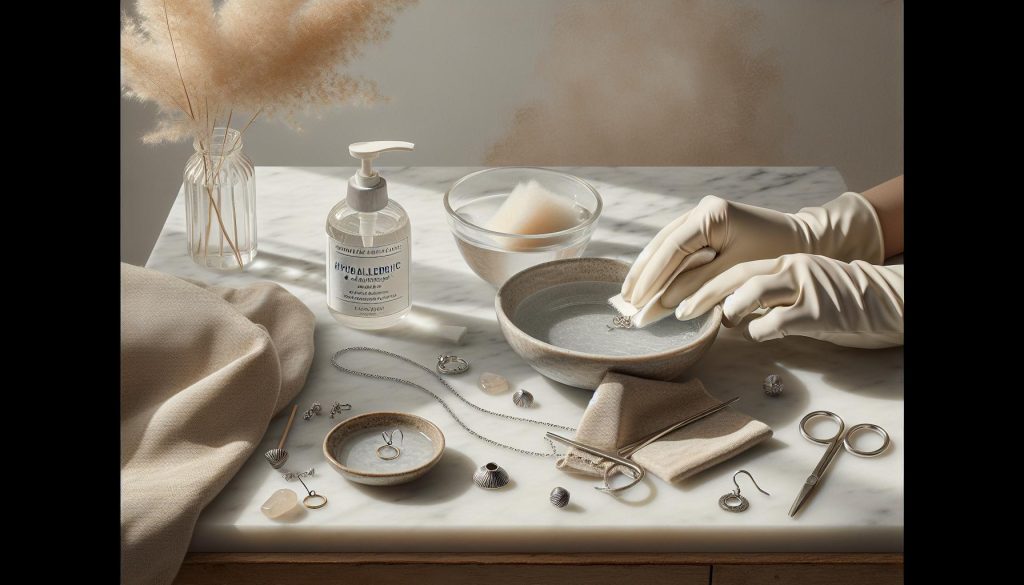
For precious metals like gold, platinum, and sterling silver, a mild dish soap diluted in warm water works wonders. Simply mix a few drops of liquid soap in a bowl of warm water, soak your jewelry for a few minutes, and gently scrub it with a soft toothbrush or a cloth. Rinse thoroughly and pat dry with a soft towel. Avoid anything abrasive, as scraping the surface can leave scratches that trap dirt and bacteria.
When it comes to gemstones, the cleaning method can vary. For softer stones like opals or pearls, stick with a damp cloth-soapy water can be too harsh. Hardier stones like diamonds or sapphires can benefit from the same soapy soak method described above. However, always double-check that your specific gemstone is not sensitive to water or soap. Certain gemstones, such as turquoise or lapis lazuli, can absorb moisture and should only be cleaned dry.
Finally, commercial cleaning solutions specifically formulated for jewelry can be effective, but choose one that’s marked as safe for sensitive skin and free from harsh chemicals. Always test a small, inconspicuous area first before fully applying the product.
Key Considerations:
- Use mild, non-abrasive cleaning solutions.
- Know your gemstones and their specific care requirements.
- Check for a skin-safe label on commercial products.
By selecting the right cleaning solutions, you can preserve not only the aesthetic of your jewelry but also protect your skin from potential irritants.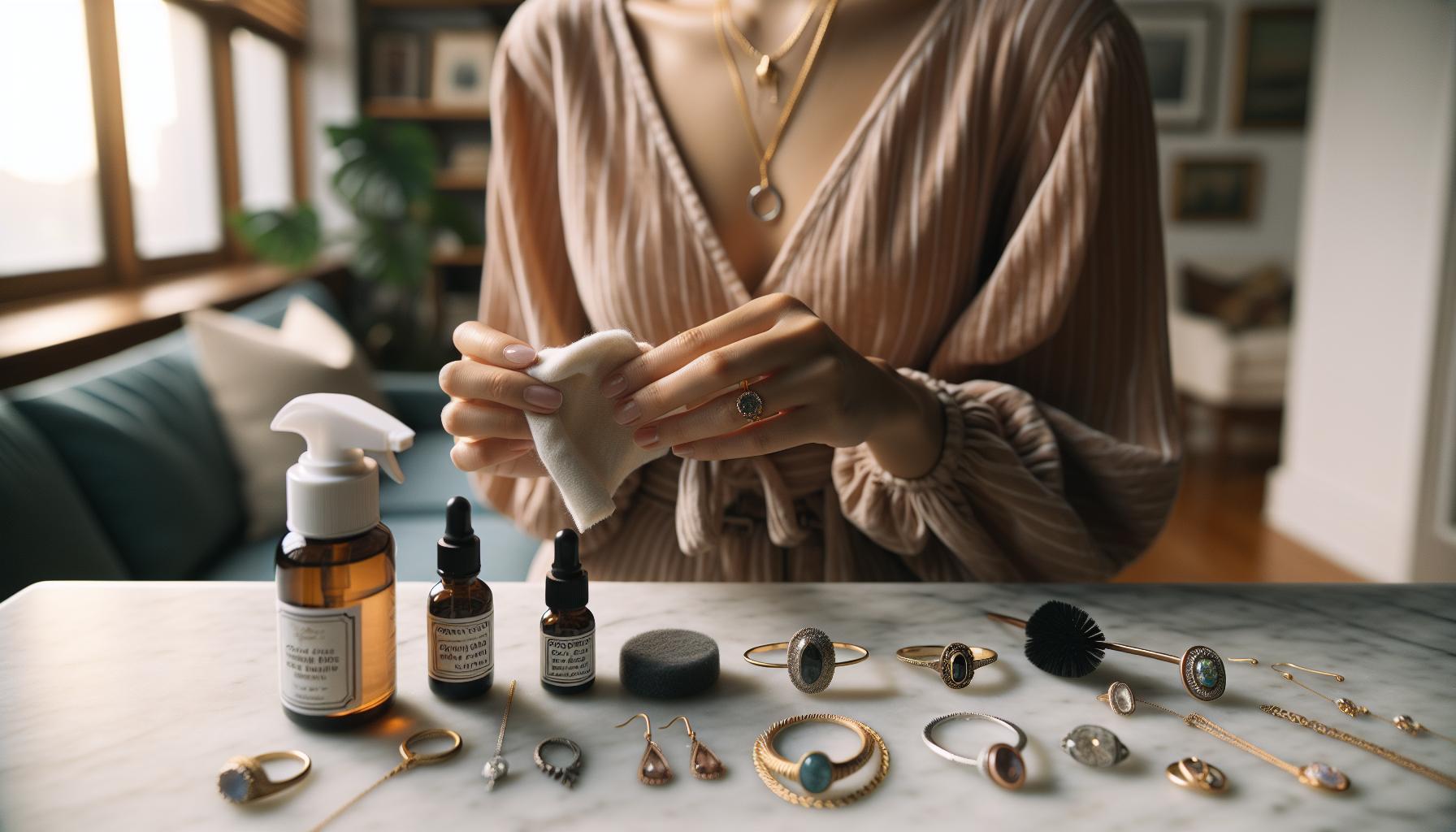
Step-by-Step Guide to Sterilizing Precious Metal Jewellery
Taking care of your precious metal jewelry goes beyond mere aesthetics; it’s essential for both hygiene and longevity. Dirty jewelry can harbor bacteria and allergens, posing a risk to sensitive skin. To properly sterilize your precious pieces, follow this clear and practical guide that will ensure they’re not only clean but also safe for wear.
Begin with a gentle cleaning solution. For most precious metals, such as gold and sterling silver, a mixture of warm water and mild dish soap works perfectly. In a small bowl, combine a few drops of liquid soap into warm water and stir to create a soapy solution. Immerse your jewelry in this mixture for approximately 15-20 minutes. This soaking period allows any built-up dirt or grime to loosen significantly, making the next steps more effective.
After soaking, use a soft toothbrush or cloth to gently scrub the jewelry, focusing particularly on any intricate designs or crevices where dirt can accumulate. Remember to be light-handed-aggressive scrubbing can scratch the surface of your metals. Once you’ve scrubbed the jewelry, rinse it thoroughly under lukewarm running water to remove all soap residues. It’s crucial to ensure that no residue remains, as it can irritate the skin when the jewelry is worn. Finally, pat the pieces dry with a soft, lint-free towel.
For added disinfection, consider using a mixture of equal parts white vinegar and water. After the initial cleaning, submerge your jewelry in this solution for an additional 10 minutes, then rinse and dry thoroughly. This method not only provides a deep clean but also helps to eliminate lingering bacteria.
Key Steps for Sterilizing Precious Metal Jewelry:
- Mix warm water with a few drops of mild dish soap.
- Soak the jewelry for 15-20 minutes.
- Gently scrub with a soft toothbrush or cloth.
- Rinse thoroughly under lukewarm water.
- Optional: Soak in a vinegar-water solution for further disinfecting.
- Pat dry with a lint-free towel.
Maintaining the cleanliness of your precious metal jewelry is crucial not just for its appearance but also for your skin’s health. Regular sterilization of your favorite pieces can prevent irritation and keep your favorite accessories sparkling for years to come.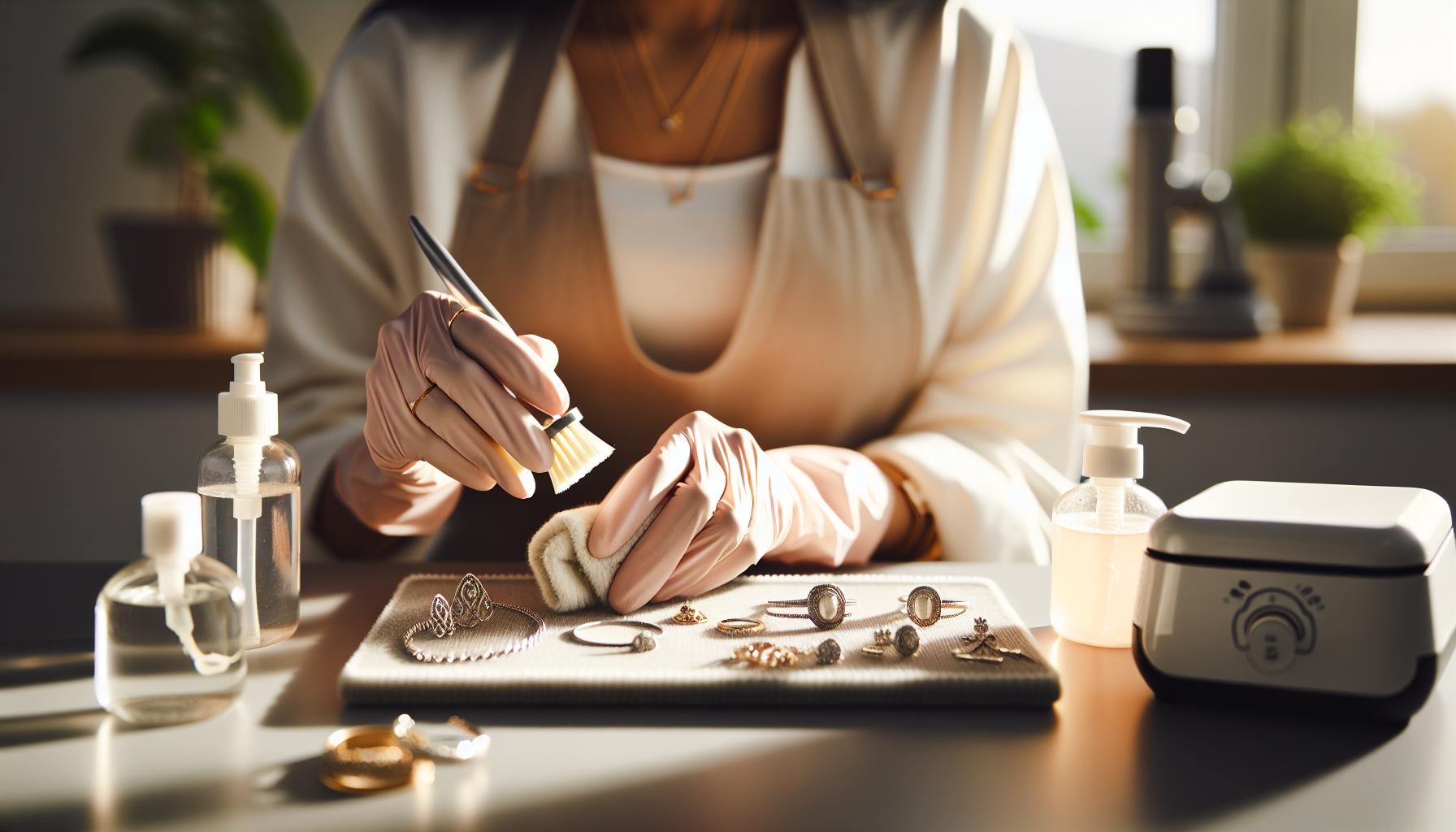
Cleaning Gemstones: Best Practices for Preservation
Gemstones add a touch of brilliance to any piece of jewelry, but they require special care to ensure their longevity and luster. Unlike metals, different gemstones have unique properties that can influence how they should be cleaned. This is crucial, especially for those with sensitive skin, as improper care may lead to tarnishing or even damage that could expose the wearer to irritants. Understanding the best practices for preserving your gemstones is essential for maintaining their beauty and the overall integrity of your jewelry.
To start, always check if your gemstone has any specific cleaning recommendations. For instance, softer stones like opals and pearls are best cleaned with a soft, damp cloth to avoid scratches. In contrast, harder stones such as diamonds or sapphires can withstand a deeper clean. Mixed solutions for soaking can be helpful but should always be pH neutral and free of harsh chemicals. A simple solution of warm water and gentle soap is often sufficient for most gemstones. When cleaning, be sure to avoid using ultrasonic cleaners as they can cause fractures or loose settings in more delicate stones.
For added preservation, consider the following steps when caring for your gemstones:
- Use a soft cloth: Gently wipe your gemstones after each wear to remove oils and dirt.
- Store them properly: Keep gemstones in a separate, soft-lined box or pouch to prevent scratches from other jewelry.
- Regular inspection: Periodically check for loose stones or damaged settings, which can be easily repaired if caught early.
Another key aspect of gemstone care is mindful handling; always avoid exposure to cosmetics, perfumes, or household cleaners, which could compromise your gems.
In conclusion, taking the time to understand the specific care instructions for your gemstones will not only help maintain their aesthetic appeal but also ensure they remain safe for wear against sensitive skin. Regular gentle cleaning and mindful storage will keep them beautiful for years to come, letting you enjoy your cherished pieces without worry.
DIY Jewellery Sterilization Methods You Can Trust
For those looking to maintain the beauty and hygiene of their jewelry, understanding effective DIY sterilization methods is key. Many people may not realize that simple household items can be employed to ensure your jewelry is not only clean but also safe, particularly for sensitive skin. By utilizing these methods, you can reduce the risk of irritation or allergic reactions while keeping your favorite pieces sparkling.
One reliable method involves a mix of warm water and mild dish soap. Simply fill a bowl with warm (not hot) water and add a few drops of soap. Soak your jewelry for about 10-15 minutes, allowing any grime to loosen. After soaking, use a soft toothbrush to gently scrub around the settings and crevices. Rinse thoroughly with clean water and pat dry with a microfiber cloth, ensuring no moisture is trapped in any settings.
Vinegar Solution for Quick Disinfection
For deeper sterilization, consider using white vinegar. This natural disinfectant can handle light tarnishing and bacteria effectively. Mix equal parts of vinegar and water in a container, and submerge your metal jewelry for about 20 minutes. After soaking, rinse with cool water and dry completely. This method is particularly useful for items such as silver or gold that aren’t embellished with fragile stones, as the acid in vinegar can be harsh on softer materials.
Beyond Basic Cleaning
For an extra level of cleanliness, you can incorporate baking soda into your DIY routine. Create a paste by mixing baking soda with a small amount of water until it reaches a thick consistency. Apply this paste to your jewelry and allow it to sit for a few minutes. Then, gently scrub with a soft toothbrush and rinse thoroughly. This method is excellent for tarnished silver but should be used sparingly to avoid scratching more delicate pieces.
When engaging in DIY jewelry sterilization, always ensure that the methods you choose align with the type of material your jewelry consists of. For instance, pearls and opals can be damaged by acidic solutions, so a simple mild soap and water approach may be your best bet for these gems. Always perform a patch test if you’re unsure about how a cleaning solution will interact with your jewelry, especially for those pieces that are particularly cherished or have significant sentimental value.
With these approachable and effective DIY methods, you can enjoy the peace of mind that comes from knowing your jewelry is clean and safe to wear, especially if you have sensitive skin. Regular maintenance not only preserves the aesthetic appeal of your pieces but also contributes to your overall comfort and health when adorning them.
Expert Recommended Techniques for Safe Cleaning
Maintaining the cleanliness of your jewelry is paramount, not just for aesthetic appeal but also for health reasons, particularly for those with sensitive skin. Expert recommendations highlight a variety of safe cleaning techniques that ensure your pieces shine without risking your skin’s health.
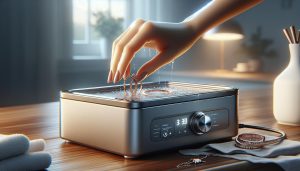
One highly regarded method involves using ultra-sonic cleaners, which can effectively remove dirt from intricate settings without manual scrubbing. These machines use sound waves to create microscopic bubbles in a cleaning solution, which then gently agitate, dislodging grime from hard-to-reach spots. Just be sure to check whether your jewelry is suitable for this method, as certain materials like organic gemstones, which can be porous, may not withstand ultrasonic cleaning.
For a more hands-on approach, professionals often suggest using a gentle jewelry cleaning solution specifically formulated for your type of metal or gemstone. Look for products containing natural ingredients that are safe for sensitive skin; many of these options can easily be found in jewelry stores or online. Simply apply the solution using a soft cloth and follow the manufacturer’s instructions for rinsing and drying.
Essential Tips from the Pros
To further enhance the cleaning experience, consider the following strategies:
- Soft Brushes: Use a soft-bristled toothbrush or a specialized jewelry brush to delicately clean intricate designs without scratching.
- Warm Water Rinse: After cleaning, always rinse your jewelry in warm water to remove any remaining cleaners or residue.
- Drying Techniques: Pat your pieces dry with a lint-free cloth instead of air-drying to avoid the risk of water spots or corrosion.
Implementing these expert techniques not only helps safeguard your jewelry investment but also ensures you can enjoy wearing them comfortably without the fear of irritation or allergic reactions linked to dirt and contaminants. Remember, the goal is to keep your jewelry as beautiful as the day you first wore it, which ultimately contributes to both your personal style and overall health.
How to Store Sterilized Jewellery to Prevent Contamination
Properly storing your jewelry after sterilization is crucial to maintaining its cleanliness and ensuring it remains in excellent condition. Even the most meticulously cleaned pieces can become contaminated if not stored correctly. To prevent dust, oils, and moisture from tarnishing or harming your jewelry, consider these effective storage practices.
First and foremost, use a dedicated jewelry box or case lined with a soft material to minimize scratches. Look for compartments or trays that allow you to separate different pieces. This is especially important for items made of sensitive materials that may scratch easily, like gold or silver, as well as for intricate designs that may tangle or get damaged when stored together. Additionally, consider using anti-tarnish pouches or cloths for pieces made from metals prone to tarnishing, such as silver.
Optimal Storage Conditions
Keep your jewelry in a cool, dry place. Avoid damp areas such as bathrooms, where humidity can promote rust or corrosion, particularly in sensitive metal types. Instead, aim for a stable environment that reduces exposure to direct sunlight, as UV light can fade stones and cause structural damage to certain materials.
Further, regularly check your jewelry for any signs of dust accumulation or tarnish. When you remove items for wear, inspect them thoroughly; if they show signs of residue or buildup, a quick clean will ensure they remain safe against skin irritation.
Additional Tips for Jewelry Storage
To enhance your jewelry care routine, here are some practical tips:
- Individual Pouches: Utilize soft cloth or velvet pouches to store rings and earrings separately. This prevents scratches and tangles.
- Desiccants: Include silica gel packets in your storage space to absorb excess moisture. They are easily obtainable and can significantly protect your pieces.
- Regular Cleaning: Make it a habit to clean your jewelry before storage, ensuring no dirt or residue is left to tarnish the surface over time.
By following these best practices, you can maintain the beauty and integrity of your jewelry and prevent the contamination that could lead to allergic reactions or degradation, especially for those with sensitive skin. Proper storage not only preserves your jewelry as a stylish accessory but also upholds its value as a cherished investment.
Tips for Maintaining Jewellery Hygiene on a Budget
Maintaining jewelry hygiene doesn’t have to be an expensive affair. Many effective cleaning and sterilization techniques can be performed at home using simple, budget-friendly items you likely already have on hand. By implementing these practices, you can keep your precious pieces sanitary and safe for sensitive skin without breaking the bank.
Start with the basics: regularly wipe down your jewelry with a soft cloth to remove dirt and oils accumulated from wear. For deeper cleaning, consider using a mixture of warm water and mild dish soap. Soak your gold or silver jewelry for a few minutes and gently scrub with a soft toothbrush to reach intricate designs. Rinse thoroughly with clean water and dry with a soft lint-free cloth. This not only cleanses but also helps in identifying any damage, such as loose stones or broken clasps, before they become an expensive repair.
DIY Cleaning Solutions
You can create more specialized cleaning solutions from common household ingredients. For example, a paste made from baking soda and water can help polish tarnished silver jewelry. Apply the paste gently with a cloth, then rinse and dry as mentioned earlier. White vinegar, combined with baking soda, can cleanse and degrease grime from your jewelry. However, do note that acidic solutions should be used cautiously on soft stones.
Additionally, consider using natural items for sanitizing purposes. Rubbing alcohol or hydrogen peroxide can be safely applied to metal portions of your jewelry, especially for earrings that come into direct contact with skin. Just use a cotton swab dipped in the solution to clean, then rinse with water and dry properly.
Preventive Measures
To keep your jewelry hygienic between thorough cleanings, establish a routine of removing pieces before washing hands or applying lotions and perfumes. This can significantly reduce the buildup of residues that may irritate sensitive skin. Furthermore, store your jewelry pieces separately in soft pouches or boxes to avoid scratching and maintain their pristine condition.
With these straightforward, cost-effective tips, you can ensure your storage solutions and cleaning methods work harmoniously to protect your jewelry. Regular attention to hygiene not only enhances the appearance of your jewelry but also contributes to its longevity, allowing you to enjoy and cherish your treasures for years to come.
When to Seek Professional Help for Jewellery Care
It’s easy to underestimate the care that some jewelry pieces require, especially when it comes to maintaining their condition and hygiene. However, certain situations should prompt you to seek professional help for your precious adornments. Not all cleaning processes are suited for every material; some pieces, particularly antique or delicate jewelry, may be at risk of damage from at-home cleaning methods. For sensitive skin issues, if you experience irritation even after cleaning your jewelry regularly, it might indicate that deeper professional cleaning or repair is necessary.
When in doubt about the best care for your jewelry, look for signs indicating it’s time to consult with a professional. If you’ve noticed any of the following, don’t hesitate to reach out to an expert jeweler:
- Visible Damage: Cracks, chips, or loose stones are serious concerns. A professional can assess and repair without further damaging the piece.
- Persistent Discoloration: If metal or gemstones remain discolored after your attempts to clean them, a jeweler can utilize specialized techniques and solutions to restore their original luster.
- Structural Concerns: For items with intricate designs or settings, personalized attention is often required. If clasps or settings appear worn or weak, it’s wise to seek a jeweler’s expertise before risk of loss.
- Metal Sensitivity: If you have sensitive skin and notice breakouts or rashes after wearing certain pieces, a jeweler can inspect the metals used and suggest hypoallergenic alternatives.
Finding a qualified jeweler who specializes in the type of jewelry you own is crucial. Look for reviews and testimonials from other customers, and ask about their experience with similar pieces. This way, you ensure your treasured jewelry is in safe hands when it requires that essential professional touch. Taking the extra step to seek expert assistance not only prolongs the life of your jewelry but also ensures that you can continue to wear and enjoy these pieces without compromising on your skin’s comfort.
Avoiding Common Mistakes in Jewellery Sterilization
Jewelry care is just as vital as its initial purchase, particularly for pieces that touch sensitive skin. Many enthusiasts unknowingly make common mistakes during the sterilization process, which can lead to damaged jewelry and skin irritations. For instance, using harsh chemicals that are unsuitable for specific materials can not only tarnish your precious pieces but may also react negatively with your skin. Thus, understanding what not to do in the cleaning process is essential for maintaining both the integrity of the jewelry and your skin’s health.
One frequent error is neglecting to identify the material composition of the jewelry before cleaning. For example, ultrasonic cleaners can be effective for many metals, but they can damage delicate gemstones and porous materials. Always check if the item is designed to withstand such cleaning methods. Additionally, many people underestimate the power of gentle cleansers; opting for vinegar or baking soda on sensitive metals can warp or discolor them. Instead, consider using a pH-balanced cleaner specifically formulated for jewelry.
Another common mistake is failing to sterilize personal items properly, such as earrings or rings that come into direct contact with the skin. It’s crucial to ensure that these pieces are sanitized after wearing them, especially if they are exposed to sweat, makeup, or other residues. Be wary of reusing cleaning solutions over multiple sessions. While it may seem economical, old cleaning agents can harbor bacteria, which defeats the purpose of sterilization. Always use fresh solutions for each cleaning cycle and follow manufacturer instructions when available.
Lastly, proper storage after sterilization is often overlooked. Placing jewelry in open areas exposes them to dust and bacteria, which can counteract the benefits of your cleaning efforts. A designated jewelry box with anti-tarnish lining or a soft pouch can significantly reduce exposure to contaminants. By avoiding these common pitfalls, you can enjoy beautifully maintained jewelry while ensuring your skin remains healthy and irritation-free.
The Importance of Regular Cleaning for Sensitive Skin Protection
Regularly cleaning your jewelry is crucial, especially for individuals with sensitive skin. A surprising number of skin irritations can be traced back to the dirt, oils, and contaminants that accumulate on jewelry over time. When metals and stones come into close contact with the skin, they can harbor bacteria, cosmetics, and sweat, all of which may trigger allergic reactions or infections. This makes it essential to prioritize hygiene not just for aesthetic reasons, but for your overall skin health.
Frequent cleaning helps remove these irritants and protects your skin from potential reactions. Consider establishing a routine where you clean pieces that touch your skin, such as earrings, rings, and bracelets, at least once a week. For instance, a simple solution of warm water and mild soap can effectively cleanse most metals and stones without damaging their surface. After cleaning, dry them with a soft cloth to prevent water spots and further accumulation of residues.
Moreover, specific metals may react differently against skin and contaminants. For example, nickel, often found in affordable jewelry, is a common allergen. If you notice redness or discomfort around your jewelry, it may be time to assess both the piece’s material and how frequently you’re cleaning it. Keeping your jewelry clean can drastically decrease the risk of irritation, allowing you to enjoy your favorite items without discomfort.
To further enhance your jewelry-cleansing routine, consider using a dedicated jewelry cleaner that is safe for sensitive skin. Products labeled as hypoallergenic can reduce the risk of any adverse reactions. Finally, be sure to store your jewelry properly after cleaning. Using anti-tarnish pouches or lined boxes can help protect your pieces from contaminants, ensuring they remain as lovely and skin-friendly as the day you bought them. Regular maintenance not only extends the life of your jewelry but also keeps your skin happy and healthy.
FAQ
Q: How often should I sterilize my jewellery to keep it safe for sensitive skin?
A: It’s advisable to sterilize jewellery every 2-3 weeks, especially if you wear it regularly. This helps prevent the build-up of bacteria and irritants that can affect sensitive skin. Refer to your cleaning checklist in our article for optimal frequency based on your jewellery type.
Q: What are the best home remedies for sterilizing jewellery safely?
A: Effective home remedies include a solution of warm water and mild soap or a mixture of white vinegar and baking soda. These methods safely clean without harsh chemicals, making them ideal for sensitive skin. For a detailed DIY approach, check our section on DIY jewellery sterilization methods.
Q: Can I use alcohol to sterilize my jewellery?
A: Yes, you can use rubbing alcohol to sterilize jewellery. It effectively kills bacteria. However, avoid using it on porous materials or gemstones that may be damaged. For safe approaches, refer to our expert-recommended techniques.
Q: Is it safe to use ultrasonic cleaners for sensitive skin jewellery?
A: Ultrasonic cleaners can be safe for most precious metals but should be used cautiously with items containing softer gemstones or delicate materials. Ensure to check recommendations for your specific jewellery type. More on this is outlined in our guide.
Q: What types of jewellery are safe for daily wear for sensitive skin?
A: Hypoallergenic materials like surgical stainless steel, titanium, and certain gold alloys are safe for daily wear. Avoid nickel and other allergens. Explore our section on choosing safe cleaning solutions for more insights.
Q: How can proper jewellery sterilization help prevent skin irritations?
A: Regular sterilization removes grime, bacteria, and allergens, significantly reducing the risk of skin irritations for sensitive skin types. Following our tips for maintaining jewellery hygiene can provide additional protection.
Q: What should I do if my jewellery causes a reaction after cleaning?
A: If you experience a reaction post-cleaning, stop wearing the item immediately and consult a dermatologist. It may be due to residual cleaning agents or reactions to the jewellery material itself. For further assistance, explore our section on seeking professional help for jewellery care.
Q: Are there specific techniques for sterilizing antique or vintage jewellery?
A: Yes, vintage and antique jewellery often requires gentler cleaning methods to preserve their integrity. Consider using a soft cloth and mild soap instead of harsher chemicals. For further guidance, refer to our expert recommendations on safe cleaning techniques.
In Summary
Now that you know how to safely sterilize your jewellery for sensitive skin, you can confidently maintain its sparkle and hygiene. Remember, proper care not only enhances your pieces’ beauty but also promotes your skin’s health. Don’t wait to start your jewellery cleaning routine-your precious items deserve the best treatment today!
For more in-depth tips, check out our guides on cleaning metals and gems or explore DIY jewellery care techniques. If you’re considering starting your own jewellery shop, our resource page can help you navigate the essentials. Join our newsletter for exclusive tips and offers, and feel free to share your experiences or questions in the comments below. Your journey to beautiful, safe jewellery care doesn’t end here-let’s keep exploring together!