Acrylic paint can be a creative challenge, especially when it accidentally finds its way onto your cherished jewelry tools or other plastic materials. Did you know that even a small smear of paint can compromise not just your tools’ functionality but the quality of your jewelry work? Fear not! This guide will walk you through effective techniques to remove acrylic paint from plastic surfaces quickly and easily. Whether you’re a seasoned jeweler or just starting, maintaining your tools is crucial for achieving the best results in your projects. By learning these methods, you’ll ensure your workspace stays pristine and your creative process remains uninterrupted. Let’s dive into the step-by-step solutions that will have your jewelry tools clean and paint-free in no time!
How Acrylic Paint Affects Plastic Surfaces
Acrylic paint, while incredibly versatile and favored for its fast-drying properties, can pose specific challenges when applied to plastic surfaces. One of the most significant impacts of acrylic paint on plastic is its tendency to create a strong bond upon drying. This can lead to a few complications; once the paint cures, it becomes difficult to remove without potentially damaging the underlying plastic. Additionally, the composition of the plastic can affect how well the paint adheres, with porous plastics absorbing the paint more than smoother surfaces.
When acrylic paint interacts with plastic, it can sometimes cause discoloration or a change in texture, especially if the plastic is not prepped adequately. For instance, glossy or high-polish plastics may not hold paint as well as matte finishes, leading to peeling or flaking over time. If you find yourself dealing with acrylic paint on jewelry tools made from plastic, understanding the type of plastic involved is crucial. Some plasters can withstand solvents better than others, which can inform your approach to cleaning without causing further damage.
Moreover, excess paint can lead to a tacky residue that not only affects the appearance of your tools but could also hinder their function. Hence, if you’re planning to use acrylic paints in your jewelry-making endeavors, it’s essential to take preemptive measures, such as using painter’s tape to shield areas you want to keep clear of paint. Ultimately, addressing the effects of acrylic paint on plastic surfaces effectively involves not just the removal techniques but also an understanding of the materials you work with, ensuring both your art and your tools remain in prime condition.
Essential Tools for Effective Paint Removal
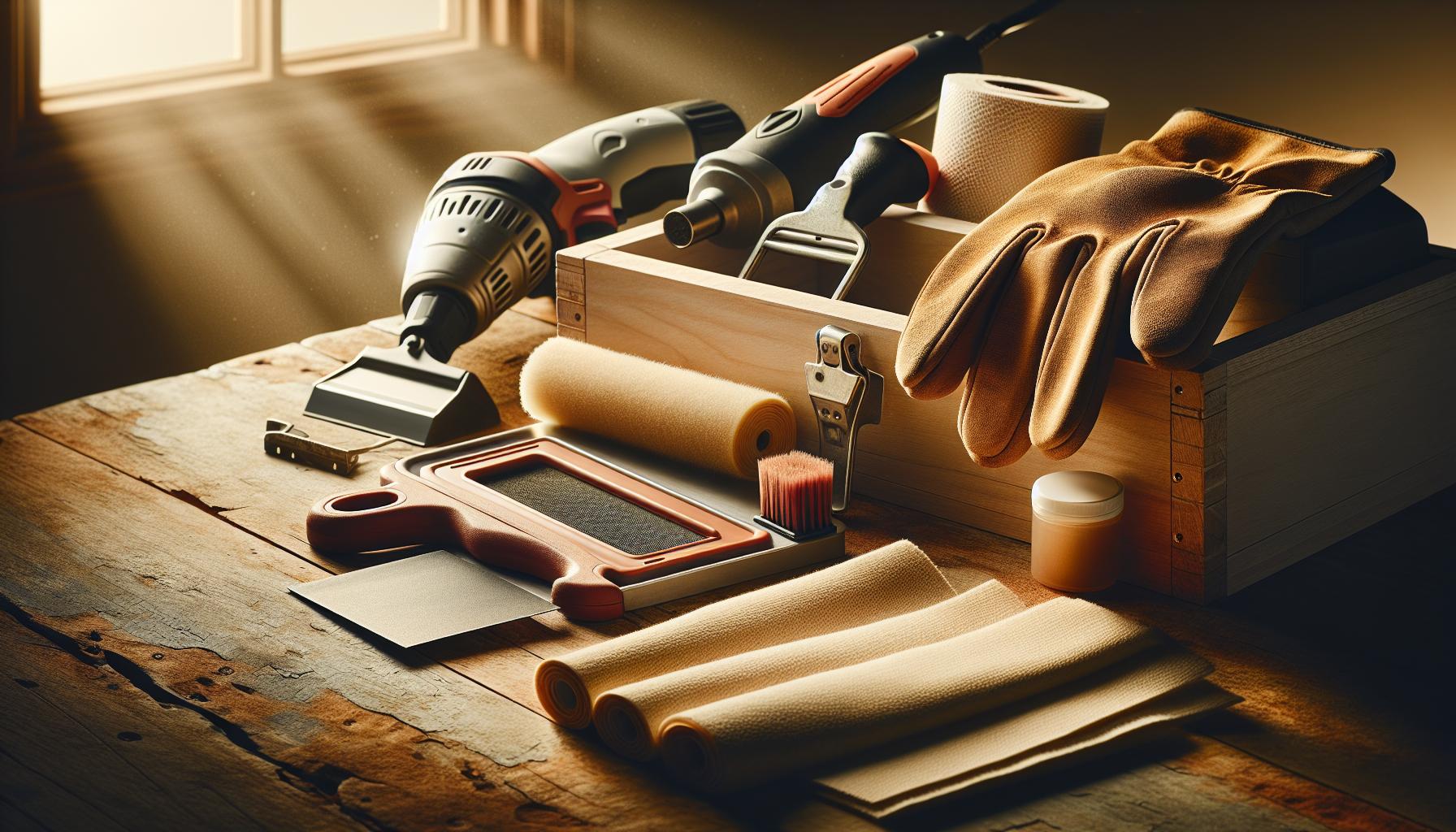
To effectively tackle the challenge of removing acrylic paint from plastic surfaces, particularly jewelry tools, having the right arsenal of tools at your disposal is essential. This not only enhances the efficiency of the process but also helps in preserving the integrity of the plastic. Here are some indispensable tools that will aid you in your cleaning endeavor:
- Plastic Scraper: A plastic scraper is invaluable for gently lifting away dried paint without scratching the surface of your tools. Opt for a tool with rounded edges to minimize the risk of damage.
- Soft Cloths: Microfiber or soft cotton cloths should be your go-to for any wiping and cleaning. These materials are gentle on plastic while effectively absorbing solvents or cleaning solutions.
- Solution Applicators: Small spray bottles or pipettes can assist in precisely applying cleaning solutions to the affected areas, ensuring you don’t oversaturate the surface and allow for better control during the cleaning process.
- Isopropyl Alcohol or Acetone: Both of these solvents are effective for breaking down acrylic paint. Make sure to test them on a small, inconspicuous area first to avoid damaging the plastic.
- Sandpaper or Abrasive Pads: For particularly stubborn paint that resists scraping, fine-grit sandpaper can gently sand away the paint without harming the plastic. However, use this method as a last resort and with caution.
Knowing which tools to use will not only help you remove paint more effectively but can also prevent further damage to your jewelry tools. For instance, while a strong solvent may seem like a quick solution, its potential to warp or discolor the plastic means that careful consideration is paramount. With the right approach, you can maintain the pristine condition of your tools while effectively tackling the paint problem, ensuring your jewelry-making process remains smooth and enjoyable.
Step-by-Step Guide to Removing Acrylic Paint
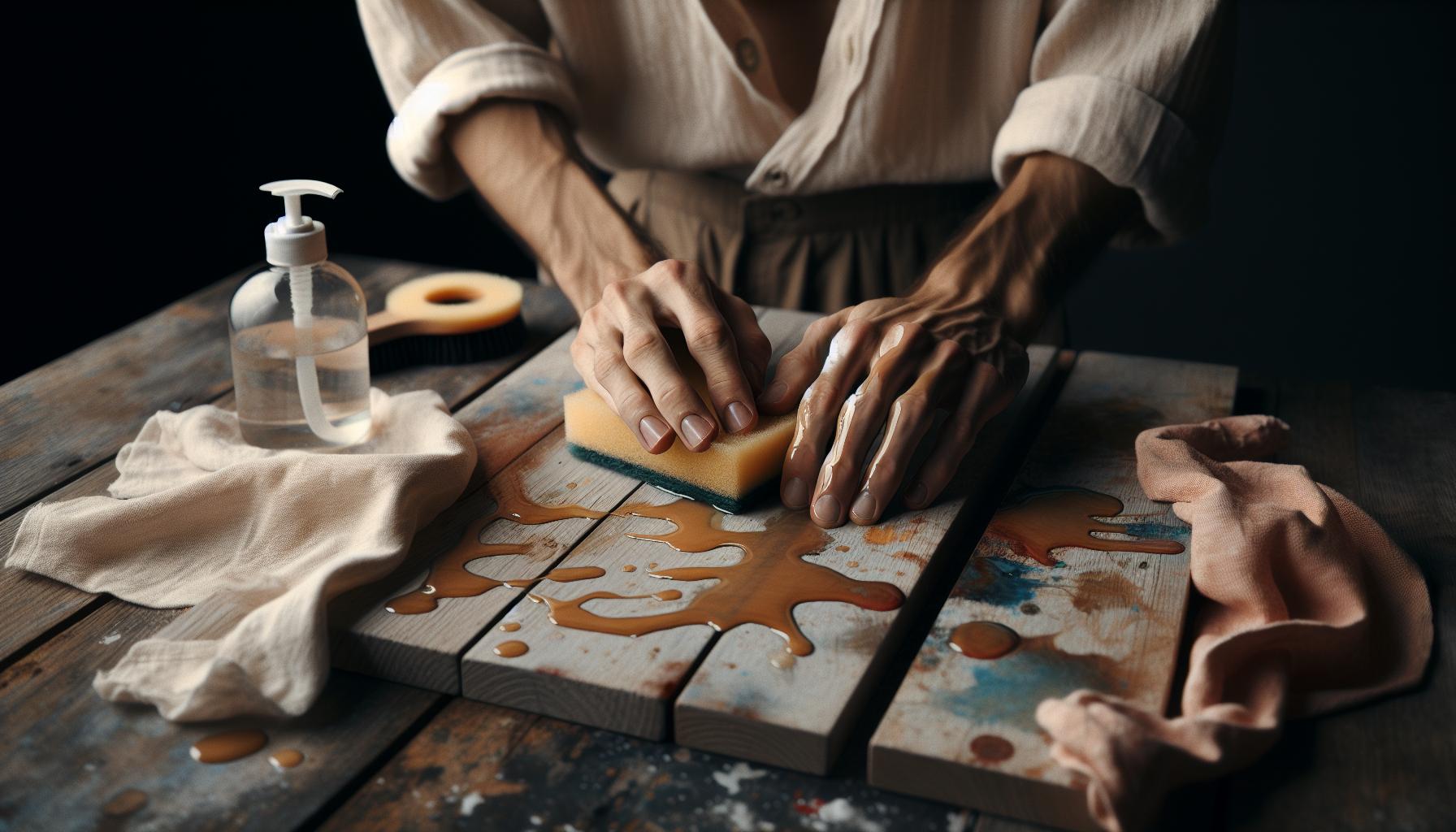
To effectively handle the task of removing acrylic paint from plastic surfaces, especially when it comes to jewelry tools, a systematic approach can make all the difference. Acrylic paint, while versatile and popular among artists, can adhere stubbornly to plastics. However, with the right steps, you can restore your tools to their pristine condition in no time.
Begin by gathering your essential tools: plastic scrapers, soft cloths, and your chosen solvent, whether that’s isopropyl alcohol or acetone. Start by applying a small amount of solvent onto a soft cloth or a solution applicator, then gently dab it onto the paint-stained area. Allow the solvent to sit for a few minutes; this will soften the paint, making it easier to remove without damaging the plastic underneath.
Using your plastic scraper, carefully lift the edges of the dried paint. Work slowly and gently to avoid scratching or gouging the surface of your jewelry tools. If the paint remains stubborn, another round of the solvent may be necessary. For particularly thick layers of paint, switch to fine-grit sandpaper, lightly sanding the area as a last resort. Always err on the side of caution, testing in an inconspicuous area to ensure the integrity of the plastic is maintained.
After you’ve removed the paint, clean the area thoroughly with a damp cloth to eliminate any remaining residue from the solvent. This final step ensures that your jewelry tools are not only paint-free but also safe for future use. Regular maintenance and quick cleanups can prevent acrylic paint from building up, promoting the longevity of your valuable jewelry-making tools.
Safe Chemicals for Acrylic Paint Removal
Using chemicals for paint removal can be daunting, especially when it comes to protecting your treasured jewelry tools. Fortunately, several safe and effective options exist that can help you tackle stubborn acrylic paint without causing damage to the underlying plastic. Understanding which chemicals to use and when to apply them is essential for successful cleaning.
One of the most commonly recommended solvents for acrylic paint removal is isopropyl alcohol. This versatile chemical is not only effective in breaking down paint bonds but is also relatively safe for most plastics. You can apply it by soaking a soft cloth in the alcohol and gently rubbing the stained area. As the alcohol works to dissolve the paint, it allows you to wipe it away easily, minimizing the risk of scratching the plastic surface.
Another excellent option is acetone, which is found in many nail polish removers. Acetone is particularly potent against stubborn acrylic paint, but it’s important to use it cautiously, as it may damage certain types of plastics. It’s best to conduct a patch test on an inconspicuous area before applying acetone to ensure no adverse reactions occur. If all goes well, a small amount on a cotton pad can work wonders at lifting even the most difficult paint stains.
For a gentler approach, consider using soapy water as your first line of attack. A mixture of warm water and a mild dish soap can often loosen paint without harsh chemicals. Simply soak your tools for a few minutes and then scrub gently with a soft brush or cloth. This method is particularly useful for delicate pieces where you want to avoid any risk of damage.
Remember, safety comes first. Always work in a well-ventilated area when using any solvent, and consider wearing gloves to protect your skin. By selecting the right chemicals and employing careful techniques, you can restore your jewelry tools to their original condition, allowing your creativity to shine without the hindrance of unwanted paint.
Natural Solutions for Paint Removal
Using natural solutions for removing acrylic paint from plastic surfaces offers a gentle yet effective way to restore your jewelry tools without the harsh effects of chemicals. Many everyday household items can be therapeutic for both your tools and the environment. Whether you’re dealing with delicate pieces or simply prefer a more organic approach, these methods can yield impressive results.
Begin with a simple mixture of vinegar and baking soda. Combine equal parts of white vinegar and baking soda into a paste. Apply it to the stained area and let it sit for about 15-20 minutes. The combination of acidity from vinegar and the abrasiveness of baking soda works wonders in breaking down paint particles. After the mixture has set, gently scrub the area with a soft cloth or sponge, then rinse with warm water.
Another effective natural method is using coconut oil. This versatile oil not only helps in removing paint but also keeps the plastic surface nourished. Apply a small amount of coconut oil to the stained area and let it sit for several minutes. Use a soft cloth to gently rub the paint until it begins to lift. The oil creates a slippery barrier that can help ease the stubborn paint away without scratching the plastic.
If you’re searching for a deeper clean, consider using lemon juice combined with a dash of salt. The acidity of lemon juice works similarly to vinegar, while salt acts as an excellent exfoliant. Create a mixture by adding salt to lemon juice until it forms a paste, then apply it to the affected area and let it sit for about 10 minutes. Gently scrub with a soft brush or cloth before rinsing thoroughly with water.
By opting for these natural solutions, not only are you protecting the integrity of your jewelry tools, but you’re also making environmentally conscious choices. These methods are perfect for anyone who values sustainability and wants to maintain the beauty of their materials without resorting to aggressive chemicals. Make sure to test these solutions on a small, inconspicuous area first to ensure they are suitable for your specific plastic type.
Preventing Damage While Cleaning Plastic
When it comes to cleaning plastic surfaces, especially those used for delicate jewelry tools, preserving the integrity of the material is paramount. Many cleaning methods can inadvertently lead to scratches, discoloration, or even permanent damage if not approached carefully. To ensure a successful cleaning process, a few essential strategies can be employed.
First and foremost, it is vital to identify the type of plastic you are dealing with. Different plastics have varying levels of durability and sensitivity to chemicals. For example, polycarbonate can be susceptible to scratching, while acrylic surfaces may be more forgiving. Always conduct a patch test with any cleaning solution on a small, unobtrusive area before applying it broadly. This precaution allows you to gauge the material’s reaction without risking noticeable harm.
Additionally, consider the tools you use for cleaning. Opt for soft, lint-free cloths or microfiber cloths that won’t scratch the surface. Avoid using abrasive scrubbers or harsh pads that could scrape the plastic. If scrubbing is necessary, use gentle motions instead of vigorous rubbing. For intricate jewelry tools, soft-bristled brushes can help reach into small crevices without damaging the surrounding materials.
While cleaning, keep moisture to a minimum. Excess water can seep into seams and joints of tools, potentially leading to mold or deterioration over time. Instead, dampen your cleaning cloth slightly and focus on targeted areas, ensuring that you are not saturating the plastic itself.
Lastly, integrating a regular maintenance routine will help minimize the need for deep cleaning sessions. A quick wipe down after each use can prevent paint buildup and keep your jewelry tools looking pristine. By taking these thoughtful measures, you can effectively clean acrylic paint from plastic surfaces without compromising their quality or longevity, allowing your jewelry tools to shine their brightest for years to come.
Cleaning Techniques for Different Plastic Types

Understanding the cleaning techniques tailored for various types of plastic can make a significant difference in effectively removing acrylic paint without damaging your cherished jewelry tools. Each plastic type comes with its unique set of properties, and using the right approach can restore their original shine while preserving their integrity.
For softer plastics like polyethylene, a mild dish soap solution combined with lukewarm water is your best ally. Using a soft cloth, gently wipe the surface with this mixture. Avoid harsh chemicals or scrubbers, as they can cause scratches or ogive cloudy appearances. If any paint remains, a small amount of rubbing alcohol on a cotton swab can help lift the residue without harming the plastic.
With materials like acrylic, you can afford to be a bit more stringent. Generally, acrylic surfaces are more forgiving. You might start by soaking the affected area in warm soapy water, which softens the paint for easier removal. For stubborn patches, a plastic scraper can be very effective-just take care to use it at a low angle and apply minimal pressure to avoid scratching. A final rinse with clean water and a dry with a microfiber cloth will leave your tools looking pristine.
Polycarbonate, known for its strength, can endure more aggressive cleaning methods, but caution is still warranted. Use a dedicated plastic cleaner spray or a homemade solution of vinegar and water, applying it with a soft cloth. If acrylic paint persists, rubbing alcohol can be employed here as well, but always remember to do a patch test first!
By recognizing these distinctions and applying the appropriate methods, you can ensure your plastic jewelry tools not only remain functional but also visually appealing. Regular maintenance and quick clean-ups after paint use can vastly decrease the need for intensive cleaning sessions, allowing your tools to sparkle for every jewelry-making task ahead.
Best Practices for Cleaning Jewelry Tools
To keep your jewelry tools in pristine condition, especially when dealing with stubborn acrylic paint, adopting a few best practices can make all the difference. Regular maintenance not only prolongs the life of your tools but also ensures that your jewelry-making process remains smooth and enjoyable. After all, your tools are an extension of your artistic expression!
Start by establishing a dedicated cleaning station equipped with essential supplies. This station should include a variety of cleaning agents suited for different materials, such as gentle soap, isopropyl alcohol, and non-abrasive cloths. Organizing tools like soft brushes, cotton swabs, and plastic scrapers will help streamline the cleaning process, making it easier to reach for the right tool when paint adds an unwanted hue to your equipment.
When cleaning, always begin with the least invasive method. For acrylic paint, a solution of warm water and mild dish soap is often effective. Gently soak your tools in this mixture, allowing any loosened paint to lift without scrubbing. For areas with stubborn paint residue, consider using a soft, damp cloth or a cotton swab dipped in isopropyl alcohol. This targeted approach minimizes risk to your tools while working quickly to restore them to their original condition.
Once cleaned, don’t forget the importance of drying and storing your tools properly. Air dry them on a soft towel and avoid stacking them while they are damp to prevent scratches. Consider using a dedicated box or organizer with compartments to keep them separate and safe from damage. With just a bit of care and the right routines, you can ensure that your jewelry tools remain functional, clean, and a joy to use in every project.
Tips for Maintaining Your Jewelry After Cleaning
Maintaining your jewelry tools after cleaning is crucial to ensure their longevity and optimal performance. Once you’ve successfully removed acrylic paint and restored your tools to their shiny state, it’s time to focus on the habits that will keep them in top shape. The first step is to implement a regular maintenance routine. Just like fine jewelry needs periodic care, your tools benefit from consistent attention. Be sure to check for any residual paint or grime after each use and clean them promptly to prevent buildup.
When your tools are not in use, consider storing them in a controlled environment. Moisture is the nemesis of longevity; therefore, keeping your tools in a dry, clean area prevents rust and degradation. Use a dedicated tool organizer or a padded case to protect against scratches and ensure that your tools don’t clash with one another. For plastic tools, breathable fabric pouches can be ideal, preventing moisture and allowing air circulation.
Additionally, inspect your tools regularly for any signs of wear or damage. A simple visual check can catch issues early, such as frayed handles or loosening joints, which can easily escalate into bigger problems if left unaddressed. Replace any damaged components to maintain their functionality. Lastly, consider giving your tools a light lubrication if they have moving parts; this will help ensure smooth operation and longevity.
By adopting these habits, you not only safeguard your investment but also enhance your creative process. A well-maintained toolset reflects your dedication to your craft, giving you confidence each time you dive into a new project.
What to Do if Acrylic Paint Stains Persist
Acrylic paint can be incredibly challenging to remove, especially when it seems to have stubbornly bonded to plastic surfaces. If you find yourself struggling with persistent stains that refuse to budge, worry not-there are several effective strategies you can try. First, always start with the gentlest methods before progressing to more aggressive techniques, as preserving the integrity of your jewelry tools is paramount.
One highly effective solution is to create a mixture of warm water and a few drops of dish soap. Using a soft cloth or sponge, gently dab this mixture on the stained area and let it sit for several minutes to soften the paint. Sometimes, simply rubbing with a soft-bristled toothbrush can loosen the paint particles. If the paint still resists, you might consider using a small amount of rubbing alcohol or hand sanitizer on a cotton pad, gently applying it to the stain. This method often works wonders without damaging the plastic.
When all else fails, a commercial acrylic paint remover can be a savior. Look for products specifically formulated for use on plastic, ensuring they’re safe for your tools. Follow the instructions carefully, testing a small area first to avoid any potential damage. In some cases, applying heat with a hairdryer at a safe distance can help; the warmth may loosen the bond between the paint and plastic. Just remember to exercise caution to avoid melting or warping your tools.
Lastly, if you find that stains still persist after trying these methods, it may be time to consider whether the tools can be effectively restored or if replacement is necessary. Regularly assessing the condition of your tools will help you act swiftly and maintain your creative pursuits seamlessly. Remember that patience is key, and multiple attempts may be required to achieve the pristine look you desire.
Storage Solutions for Clean Jewelry Tools
Keeping your jewelry tools well-organized and properly stored is essential not just for maintaining their condition but also for optimizing your creative process. If you’ve just removed acrylic paint from your plastic tools, the last thing you want is to risk damage or contamination during storage. Using the right storage solutions can help you protect your investment and make your work area more efficient.
Start by categorizing your tools based on function and size. Utilize clear plastic containers or tackle boxes with compartments to separate different types of tools. This allows for easy access while preventing them from knocking against each other, which can cause scratches or other damages. Label each container clearly to save time when you’re in a rush or deep into a project. For delicate tools, consider using padded cases or rolls that provide extra cushioning. Adding silica gel packets within these storage solutions can also help absorb moisture, protecting against rust and bacteria.
Another key aspect is to keep your tools away from direct sunlight and extreme temperatures. Consider a dedicated drawer or cabinet for storing your jewelry tools. Ensure the storage area is dust-free and can maintain a stable climate, as fluctuations can adversely affect tools over time. If you’re working in a shared space, using magnetic strips or pegboards can be a great way to keep tools visible yet out of the way, minimizing the risk of accidental damage.
Regularly check your stored tools for any signs of wear or paint residue. A quick cleaning session can prevent minor issues from becoming significant frustrations. With proper storage solutions in place, your tools will remain in excellent condition, ready for your next creative endeavor.
Frequently Asked Questions About Acrylic Paint Removal
When dealing with acrylic paint, especially in the context of cleaning your jewelry tools, many questions often arise regarding the best methods and materials to use for effective removal. Understanding these can save time and protect your valuable tools. It’s essential to know that acrylic paint can bond strongly to plastic surfaces, making its removal challenging yet manageable with the right approach.
A frequent concern is whether common household chemicals can safely remove acrylic paint without damaging plastic. Isopropyl alcohol is a widely recommended option for this purpose. It effectively dissolves acrylic paint and is generally safe for most plastic surfaces. However, it’s always advisable to test a small, inconspicuous area first. Another concern revolves around whether specific tools are necessary for paint removal. While basic items like cotton balls or soft cloths work well, using a plastic scraper can help gently lift stubborn paint spots without scratching the plastic underneath.
What happens if I can’t remove all the paint? If traces of acrylic paint persist after your initial efforts, do not worry! You might consider repeating the process with more patience, using a toothbrush or fine brush for hard-to-reach areas. Alternatively, applying a small amount of warm, soapy water can help soften the paint, making it easier to remove.
Lastly, many users wonder how to prevent future paint mishaps. Regular maintenance is the key here. After each use, immediately clean your tools with warm, soapy water to prevent the paint from hardening. By doing this, you maintain not only the cleanliness of your tools but also their longevity, ensuring they are always ready for your next creative project.
Q&A
Q: How do I dissolve dried acrylic paint on plastic?
A: To dissolve dried acrylic paint on plastic, use a mixture of warm water and mild soap. Soak the item for a few minutes, then gently scrub with a soft brush or cloth. For stubborn spots, try rubbing alcohol or acetone, but test on an inconspicuous area first.
Q: Can I use rubbing alcohol to clean acrylic paint from jewelry tools?
A: Yes, rubbing alcohol is effective for removing acrylic paint from jewelry tools. Soak a cotton ball or cloth with rubbing alcohol and dab it on the paint. Allow it to sit for a minute before gently rubbing it off. Always rinse the tools with soap and water afterward.
Q: What household items work to remove acrylic paint from plastic?
A: Household items like vinegar, baking soda, and dish soap can help remove acrylic paint from plastic. Create a paste with baking soda and water, apply it to the paint, and scrub gently. Vinegar can also be used as a soak solution.
Q: Is it safe to use acetone on plastic to remove paint?
A: While acetone can effectively remove acrylic paint, it can also damage certain plastics. Always test a small, hidden area first to ensure the plastic won’t be harmed. If it reacts poorly, consider milder solutions like isopropyl alcohol.
Q: How can I prevent acrylic paint from sticking to my jewelry tools?
A: To prevent acrylic paint from sticking to your jewelry tools, apply a thin layer of petroleum jelly or cooking spray before painting. This creates a barrier, making cleanup easier. Additionally, consider using a paint that is less likely to adhere firmly to plastic surfaces.
Q: What is the best way to maintain jewelry tools after removing paint?
A: After removing paint, clean your jewelry tools with warm, soapy water to ensure no residue remains. Rinse thoroughly and dry with a soft cloth. Consider applying a light oil to metal parts to prevent rust and keep them in good condition.
Q: How can I safely clean plastic jewelry storage without damaging it?
A: To safely clean plastic jewelry storage, use a mild solution of dish soap and water. Wipe it down with a soft cloth or sponge, avoiding abrasive materials that can scratch. Rinse and dry completely to prevent moisture buildup.
Q: What should I do if acrylic paint stains persist on my jewelry tools?
A: If acrylic paint stains persist, soak the tools in a vinegar solution or use a commercial paint remover specifically designed for plastics. Follow the manufacturer’s instructions and test on a small area first. Repeat the process if needed for tough stains.
Concluding Remarks
Thank you for discovering our guide on “How To Remove Acrylic Paint From Plastic: Clean Jewelry Tools Fast”! Remember, keeping your jewelry tools clean not only enhances your crafting experience but also prolongs the life of your tools. If you have any lingering questions, don’t hesitate to explore our articles on jewelry care and DIY tips linked below.
Ready to dive deeper? Check out our guides on maintaining metal and gem jewelry or learn practical storage solutions for your crafting stock. Don’t miss out-sign up for our newsletter for exclusive insights and updates that empower your jewelry-making journey.
Your creativity deserves the best tools, so act now and give your jewelry tools the care they need! Join our community, share your thoughts in the comments, and explore more valuable content that keeps your passion for jewelry alive. Happy crafting!