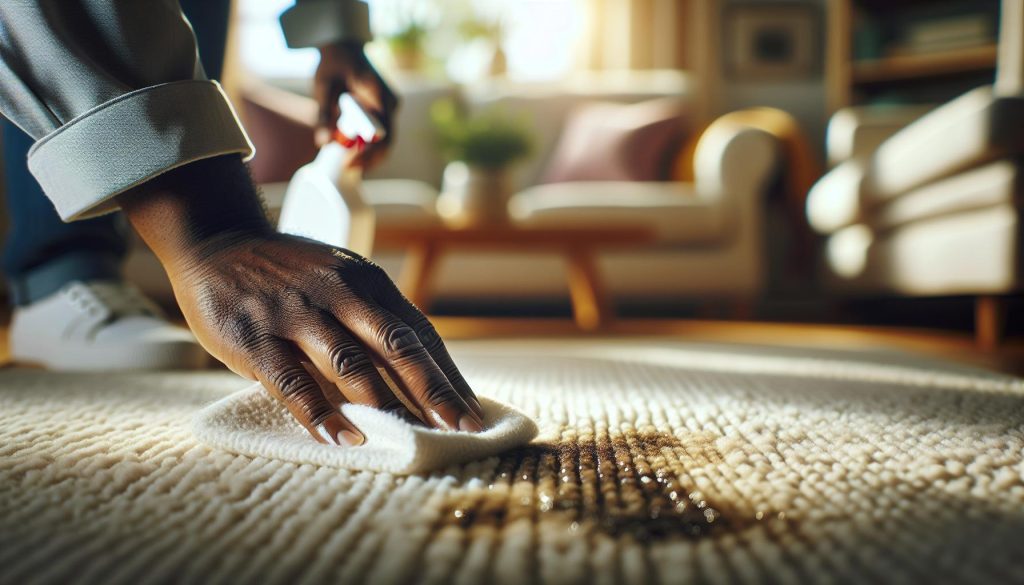
Accidentally spilling acrylic paint on your carpet can be a frustrating experience, but you’re not alone! Many art enthusiasts or home decorators face this challenge. Fortunately, removing acrylic paint isn’t as daunting as it seems. In this guide, you’ll discover effective methods to restore your carpet’s beauty without damaging the fibers. Understanding the right techniques and materials to use can save you time and money, while sparking creativity in your space. So, whether you’re dealing with a recent mishap or preparing for future projects, keep reading to uncover practical tips that empower you to tackle that paint spill with confidence!
How Acrylic Paint Affects Carpet Fibers
Accidental spills of acrylic paint can wreak havoc on your carpet, especially if not addressed promptly. Acrylic paint, made primarily from polymer emulsions, can bond strongly with carpet fibers, resulting in stubborn stains that may seem impossible to remove. While wet acrylic paint can be more easily blotted and removed, dried paint can create a hard, crusty residue that alters the texture and appearance of your carpet. Underneath the vibrant colors of acrylic paint lies a risk of damage, as the paint can not only stain but also compromise the integrity of carpet fibers, leading to fraying or discoloration.
Carpet fibers, whether synthetic or natural, react differently to various substances, and acrylic paint is no exception. For example, nylon and polyester fibers are generally more resistant to staining, but they can still become discolored if the paint is allowed to set. On the other hand, natural fibers like wool are more susceptible to staining and deterioration from cleaning solutions. It’s essential to act swiftly to limit damage and increase the chance of a successful clean. If left untreated, acrylic paint can not only leave a visible stain but also degrade the fiber quality, making it challenging to restore the carpet to its former glory.
For those dealing with an acrylic paint incident, understanding how the paint interacts with carpet materials can guide your cleaning efforts. Blotting rather than rubbing is crucial, as mechanical action can push the paint deeper into the fibers, compounding the problem. Additionally, specific solvents or cleaning solutions may react differently based on the carpet’s material, which highlights the importance of testing any removal method on a small, inconspicuous area first. Ultimately, a proactive approach to spills and an awareness of your carpet’s materials will empower you to tackle the challenge of acrylic paint stains effectively.
Immediate Actions to Take After Paint Spillage

Accidents happen, and when acrylic paint spills on your carpet, swift action is paramount in mitigating damage. The first few moments after a spill are crucial; they can mean the difference between a successful cleanup and a permanent stain. Begin by immediately assessing the situation. Determine the extent of the spill and whether the paint is still wet or has begun to dry.
If the paint is wet, don’t wipe it; instead, gently blot the area with a clean, dry cloth or paper towel to absorb as much paint as possible. Use light pressure to avoid pushing the paint deeper into the fibers. It’s essential to start from the outer edges of the spill, working your way toward the center to prevent spreading. If the cloth or towel becomes saturated, switch to a fresh, dry area and repeat the process. If the paint has already dried, resist the urge to scrub, as this can damage the carpet fibers.
It’s advisable to have a few simple supplies on hand for these types of emergencies. Keep the following items close for quick access during any paint incident:
- Clean, dry cloths or paper towels: For blotting and drying.
- Warm soapy water: A mixture of mild dish soap and warm water can help loosen dried paint.
- White vinegar: This is useful as a gentle solvent for stubborn stains.
- Rubbing alcohol or acetone: Effective for breaking down acrylic paint, but test on a hidden area first.
Finally, once you’ve blotted and treated the stain, rinse the area with clean, cool water to remove any soap residue and prevent potential discoloration. Then, blot again to absorb the excess moisture. Taking these immediate actions will significantly improve your chances of successfully removing the acrylic paint without damaging your carpet. Don’t underestimate the importance of speed and care in the face of a paint mishap!
Proven Methods for Removing Acrylic Paint
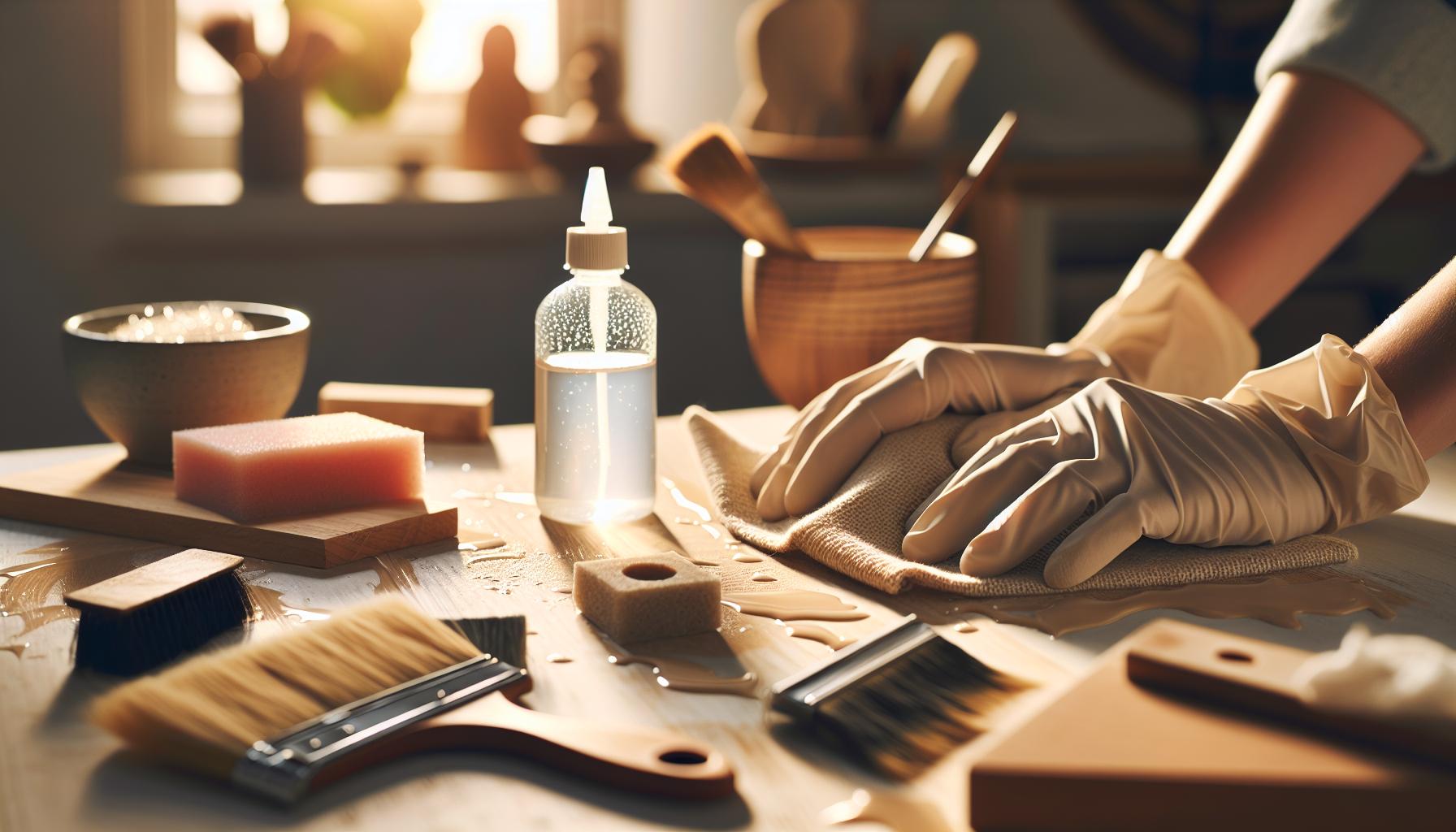
When acrylic paint meets carpet, swift and effective action can be the key to salvaging your flooring. Understanding the most proven methods for removing this medium can help minimize the damage and restore your carpet to its original condition. One of the most effective approaches is to treat wet paint right away: gently blot the area using a clean cloth or paper towel, without rubbing, to absorb as much paint as possible. This can make a significant difference in preventing the paint from setting into the fibers.
For stains that have dried, a combination of warm soapy water and gentle solvents can work wonders. Start by mixing a few drops of mild dish soap with warm water, and then blot the stained area with a cloth soaked in this solution. After allowing it to sit for a few minutes, you can use a clean, damp cloth to lift the paint residue. If any paint remains, white vinegar or rubbing alcohol can be dabbed onto the stain, but it’s crucial to test these solvents on a hidden area of the carpet first to ensure they won’t cause discoloration.
In more stubborn cases, consider using a commercial paint remover specifically designed for carpets. Follow the manufacturer’s instructions carefully, and always conduct a spot test to assess compatibility with your carpet fibers. Applying these methods consistently and patiently will greatly increase your chances of removing acrylic paint stains effectively. Finally, remember to rinse the area with cool water once cleaning is complete, and gently blot the moisture away to prevent any leftover soap or alcohol from harming the carpet fibers.
As you navigate paint mishaps, keep these practical approaches in mind to empower yourself in the restoration process and maintain the appearance of your carpet for years to come.
DIY Cleaning Solutions for Acrylic Paint
When faced with pesky acrylic paint stains on carpet, a range of DIY cleaning solutions can be your best allies. Knowing how to tackle these spills effectively can save you time, money, and the hassle of calling in professional cleaners. First, gather essential household items-most of which you may already have in your pantry or cleaning closet.
To start, consider a simple combination of warm water and mild dish soap. Mix a few drops of the soap into a bowl of warm water, and use a clean cloth to dab this solution onto the stained area. Blot, don’t rub, to keep the paint from spreading further. This method works best if the paint is still wet. After dabbing for a few moments, rinse the area with a damp cloth to remove any soap residue.
For stubborn dried stains, you can experiment with white vinegar combined with dish soap. Create a mixture in equal parts and apply it using a cloth, allowing it to sit for a few minutes. Vinegar works wonders in breaking down acrylic paint, making it easier to lift from carpet fibers. If vinegar isn’t on hand, rubbing alcohol is another effective alternative-just remember to test it on a small, inconspicuous area of your carpet first to ensure it won’t cause any damage.
Another ingenious DIY method utilizes baking soda. After applying your chosen cleaning solution, sprinkle a thin layer of baking soda over the area. This addition helps absorb any remaining paint and neutralizes odors. Let it sit for about 10-15 minutes before vacuuming it up. This two-step approach not only cleans but also freshens the carpet, leaving it looking revitalized after a paint mishap.
Using Commercial Remove Products Effectively
When dealing with acrylic paint stains on carpets, professional-grade removal products can make a significant difference. While DIY solutions are effective, sometimes the strength of a commercial product is necessary for stubborn or set-in stains. Understanding how to use these products effectively can save you time and restore your carpet’s appearance with minimal effort.
Begin by selecting a reputable commercial paint remover specifically formulated for acrylic paint. Always check the label to ensure it is safe for use on carpets. Prior to application, perform a spot test in a discreet area of your carpet to confirm that the product won’t cause any discoloration or damage. Once you’ve ensured safety, follow the manufacturer’s instructions carefully for the best results. It’s crucial to apply the product directly to the stain using a clean cloth or sponge, allowing it to penetrate and dissolve the paint.
Application Techniques
To maximize effectiveness, use these tips during application:
- Blot, Don’t Rub: Apply the remover and gently blot the area. Rubbing can spread the paint or damage carpet fibers.
- Layering: For tougher stains, you might need to apply several layers of the remover, allowing each to sit for the recommended time.
- Follow Up: After removing the paint, rinse the area with clean water to eliminate any residue from the chemical cleaner. Blot dry with a clean towel.
Another effective strategy is to combine the commercial remover with a fabric-safe cleaning solution. This can assist in lifting not just the paint but also any underlying odors or residue from the fibers. After thorough cleaning, allow the carpet to dry completely. Using fans or dehumidifiers can speed up this process, ensuring that no mold or mildew develops in damp areas.
By approaching the situation with a well-thought-out plan and leveraging the power of commercial products, you can restore your carpet and maintain its beauty, even after an acrylic paint mishap.
Step-by-Step Guide to Cleaning Techniques
To effectively tackle acrylic paint stains on your carpet, a systematic approach is essential. First, gather your supplies: clean cloths or paper towels, warm water, dish soap, and an appropriate cleaner designed for removing acrylic paint. Having everything ready at hand can streamline the process and prevent any additional accidents.
Begin by acting swiftly. As soon as you notice the paint spill, gently blot the area with a dry cloth to absorb as much excess paint as possible. Avoid rubbing, as this may push the paint deeper into the fibers. Next, dampen a clean cloth with warm, soapy water, and gently dab the stained area. This will help to lift the paint without damaging the carpet. If the stain persists, consider applying a few drops of dish soap directly to the cloth before continuing to dab the stain.
After addressing the initial stain, it’s time to assess the situation. If the paint remains, apply a small amount of water mixed with vinegar or a mild fabric-safe cleaning solution to a cloth and repeat the blotting process. Always remember to test any cleaner on a hidden area of the carpet first to ensure it won’t cause discoloration. For particularly stubborn stains, a commercial paint remover specifically for carpets may be necessary; just follow the product instructions closely, ensuring to blot rather than rub to keep fibers intact.
Lastly, once the paint is removed, make sure to rinse the area. Use a cloth dampened with clean water to wipe away any soap or cleaner residue, followed by blotting it dry with a towel. Ensuring the carpet dries thoroughly will prevent mold and mildew from developing. By following these steps meticulously, you’ll restore your carpet’s beauty while also caring for its fibers.
Tips for Preventing Future Paint Stains
To safeguard your carpets from the unwelcome effects of acrylic paint spills, proactive measures can be your best ally. Start by creating a designated painting area that is well-protected. Utilizing drop cloths, old sheets, or plastic tarps can significantly reduce the risk of paint splatters reaching your flooring. Ensure this area is clearly defined, as visual boundaries can help everyone understand the do’s and don’ts of your creative space.
Another crucial step is to adopt the habit of wearing protective clothing or using painter’s tape to mask edges and corners where paint may inadvertently end up. This small act not only protects your carpet but also your walls and furniture. Moreover, consider keeping a spray bottle filled with water and a roll of paper towels close at hand. In case of accidental spills, quick action can mitigate the damage before it sets. Quickly spraying water on the spill can keep the paint from drying too quickly, making it easier to clean.
Regular maintenance is key in preventing future stains too. Vacuum your carpets often to remove dust and debris; this preventative measure ensures that paints, adhesives, or other materials won’t cling to carpet fibers as easily. Applying a fabric protector can also act as a barrier against stains, providing an extra layer of defense in case of spills.
Lastly, educating family members or anyone who might use the painting area about the importance of cleanliness and immediate action can foster a culture of care and responsibility. Encourage everyone to be vigilant, and perhaps even have a ‘clean-up kit’ handy, which includes all necessities for quick clean-ups. By creating a culture of proactive prevention, you’ll significantly reduce the chances of waking up to unsightly paint stains on your beloved carpets.
What to Avoid When Cleaning Carpet Stains
When dealing with fresh acrylic paint spills on carpets, the urgency to act can lead to missteps that worsen the situation. Knowing what not to do is just as critical as knowing the right cleaning techniques. One of the top mistakes is scrubbing the stain vigorously. While it may seem like a logical response, scrubbing can actually push the paint deeper into the carpet fibers, making it even more difficult to remove. Instead, gently blot the area with a clean, dry cloth or paper towel to lift as much paint as possible without spreading it.
Another common error is using hot water to try and dilute or lift the paint. Acrylic paint is water-based, so it might be tempting to use water, but hot water can cause the paint to set, leading to a more stubborn stain. Always use cold or lukewarm water to help lift the paint. Additionally, avoid using bleach or ammonia-based cleaners as these strong chemicals can damage carpet fibers and affect the color of your carpet, potentially leading to discoloration or texture loss.
It’s also crucial to avoid letting the paint dry before attempting to clean it. Once the paint dries, it becomes much more challenging to remove and may necessitate professional cleaning solutions or methods. If you notice a spill, prioritize immediate action-this simple step can save a lot of trouble down the road.
Finally, don’t skip testing any commercial cleaning products on a hidden area of your carpet before applying them directly to the stain. Every carpet material reacts differently to various chemicals, and this quick test can prevent accidental damage to your carpets. By keeping these pitfalls in mind, you can maintain the integrity of your carpets while effectively tackling acrylic paint stains.
When to Call a Professional Cleaner
When grappling with an acrylic paint spill, it can be tough to determine whether your efforts are sufficient or if it’s time to bring in a professional. If the paint has dried or if you’ve tried various cleaning methods without success, calling a professional cleaner could be the best course of action. Their expertise and access to industrial-grade cleaning solutions can often save your carpet from permanent damage.
Moreover, certain types of carpets or fibers may require specialized cleaning that DIY methods simply can’t address. For instance, if you have a valuable antique or an intricately patterned carpet, professional cleaners can evaluate the best techniques to restore its elegance without risking further damage. Additionally, if you see any discoloration or if the stain has spread, it’s a clear sign that you should seek expert help.
In cases where a large area was affected, or if multiple spills have been mishandled, the damage might not be as superficial as you think. Professionals can perform a thorough assessment, often saving you the hassle and potential cost of carpet replacement. This proactive approach not only protects your investment but also ensures that your space remains aesthetically pleasing.
Remember, sometimes it’s not just about immediate stain removal; it’s about preserving the integrity and longevity of your carpets. If you’re uncertain or overwhelmed by the process, do not hesitate to contact a professional. The knowledge and skills they bring can provide peace of mind and restore your carpets beautifully.
Restoration Options for Damaged Carpets
When acrylic paint seeps into your carpet fibers, panic can easily set in. However, understanding your restoration options can not only help alleviate that stress but also bring your carpets back to their former glory. The goal of restoration is to address not just the visible damage but also to ensure the longevity and integrity of your carpet.
Assess the Extent of the Damage
Before diving into any restoration efforts, carefully inspect the affected area. Look for signs of paint penetration, discoloration, or potential fraying of fibers. In many cases, if the paint has only stained the surface, targeted cleaning techniques may suffice. However, if you notice significant discoloration or if the fibers appear compromised, restoration options may extend beyond simple cleaning.
Professional Cleaning Services
Engaging a professional cleaning service is often the gold standard for carpet restoration, especially for high-value or delicate materials. Their expertise ensures that specialized methods tailored to your carpet type are employed, protecting both its aesthetic and structural integrity. Technicians typically utilize advanced cleaning equipment and eco-friendly solutions that are more effective than typical household products.
Carpet Repair Kits
For those with some DIY spirit, carpet repair kits can be a cost-effective solution. These kits usually include tools and materials to help you patch or reweave sections of your carpet. If the paint has caused any physical damage, such as fraying or gaps, such kits can assist in restoring the carpet’s appearance and feel. Be sure to follow manufacturer instructions closely for the best results.
Replacement of Sections
If the damage from the paint is extensive, replacing sections of carpet might be necessary. This can involve removing the stained area and installing a matching piece or re-stretching the carpet in that section. This option is particularly useful if your carpet has become an eyesore and lessens the overall quality of your home decor.
In essence, addressing acrylic paint damage on carpets doesn’t have to be overwhelming. By assessing the situation carefully and choosing from professional services, DIY repairs, or even reinstallation, you can restore your carpeting effectively and with confidence. Your home deserves to look great, and taking the right measures can ensure that a paint mishap doesn’t define its beauty.
Maintaining Carpet After Paint Removal
Maintaining the integrity and appearance of your carpet after successfully removing acrylic paint requires a careful approach to cleaning and ongoing care. The right maintenance not only prolongs the life of your carpet but also ensures that any signs of past paint spills become less noticeable over time. Regular upkeep, combined with mindful habits, can keep your carpets looking pristine.
To start, once paint has been removed, consider deep cleaning your carpet to eliminate any residual cleaning agents. Use a carpet cleaner or hire professionals to perform a thorough shampooing. This helps restore the natural fibers and removes any lingering chemicals that could break down the carpet material over time. It’s also an excellent opportunity to inspect for any signs of wear or future damage that needs addressing.
Next, focus on preventive measures to avoid future mishaps. This includes implementing carpet protectors or sprays specifically designed to repel stains. For high-traffic areas or rooms where art projects are common, consider using rugs or mats as a first line of defense. Furthermore, educating your household about the importance of cleaning up spills immediately can pay dividends-an ounce of prevention is worth a pound of cure!
Regular upkeep should include a defined cleaning schedule. Vacuum carpets at least once a week to remove dirt and debris that can wear down fibers. If you have pets or kids, increase the frequency. Additionally, rotating furniture occasionally can help mitigate wear patterns, ensuring all areas of your carpet have an equal chance to recover from the stresses of use.
Finally, allow your carpet to breathe. Over time, carpets can accumulate dust and allergens, which may settle into fibers. Regularly airing out rooms by opening windows and maintaining indoor humidity levels can prevent musty odors and prolong carpet life. Proper maintenance is a combination of immediate action post-incident and daily practices that enhance the beauty and longevity of your carpets. By integrating these techniques into your household routine, your carpets can remain vibrant and welcoming for years to come.
Final Touches: Carpet Care and Maintenance
Maintaining the beauty of your carpet after dealing with acrylic paint spills can transform a potentially frustrating situation into a triumph of cleanliness and care. After successfully removing paint, it’s essential to adopt a maintenance routine that preserves not only your carpet’s appearance but also its lifespan. The right practices can keep your carpets looking fresh and new while minimizing any residual effects of the previous mishap.
Deep cleaning is a crucial step post-paint removal. It’s recommended to use a quality carpet shampooer to extract any leftover cleaning agents, which, if left untreated, can degrade carpet fibers over time. This step revitalizes the natural texture and color of your carpet, making it essential for restoring its original appeal. Additionally, inspecting the carpet for signs of wear or potential damage after a deep clean can preempt future issues.
To fend off future paint stains, consider applying carpet protectors that create a barrier against spills. These products repel stains and provide an extra layer of defense, particularly in high-traffic or creative areas. It’s also helpful to establish a cleaning schedule that includes regular vacuuming-at least once a week-to eliminate dust and debris that can wear down fibers. For households with children or pets, increasing vacuuming frequency can make a significant difference.
Creating a welcoming atmosphere also involves proper airflow. Carpets can harbor dust and allergens, so it’s beneficial to let your rooms breathe. Regularly opening windows not only improves air quality but also helps maintain carpet freshness. By integrating these strategies into your routine, you can ensure that your carpets are not just clean but continue to enhance the aesthetic of your home for years to come.
Frequently asked questions
Q: How do I remove dried acrylic paint from carpet?
A: To remove dried acrylic paint from carpet, first test a small, inconspicuous area with water to soften the paint. Then, gently scrape off excess paint, apply a mixture of water and dish soap, and blot with a clean cloth. Repeat as needed until the stain is gone.
Q: What household items can help remove acrylic paint from carpet?
A: You can use several household items to remove acrylic paint, including white vinegar, baking soda, rubbing alcohol, and dish soap. Mix vinegar with water for a cleaning solution or use rubbing alcohol to blot the stain directly, ensuring to rinse thoroughly afterwards.
Q: Can I use acetone to remove acrylic paint from carpet?
A: Yes, acetone can be effective in removing acrylic paint; however, it may damage some carpet fibers. Always test acetone on an inconspicuous area first and use it sparingly with care to avoid discoloration or further damage.
Q: Is it possible to remove set-in acrylic paint from carpet?
A: Yes, set-in acrylic paint can be removed, but it may require more intensive methods. Use warm soapy water to soften the paint, followed by scraping. If the stain persists, consider using a commercial paint remover or consulting a professional cleaner.
Q: What is the best way to prevent acrylic paint stains on carpets?
A: To prevent acrylic paint stains, use drop cloths or old sheets when painting indoors. Quickly clean spills with a cloth and water, and consider using a carpet protector or stain-resistant treatment to enhance your carpet’s resilience against spills.
Q: How can I test if my carpet can withstand paint removal products?
A: Test your carpet’s resistance to paint removal products by applying a small amount of the cleaner in a hidden area. Wait for a few minutes, then blot with a dry cloth. If there is no discoloration or damage, it is generally safe to use it on the stain.
Q: When should I call a professional for carpet cleaning after paint spills?
A: Call a professional carpet cleaner if DIY methods fail, especially for extensive or stubborn stains, or if your carpet is delicate. Professionals have specialized tools and cleaners designed to effectively remove paint without damaging the fibers.
Q: What should I do if my carpet is damaged during the paint removal process?
A: If your carpet is damaged during paint removal, assess the extent of the damage. If it’s minor, you can often repair it with carpet patching techniques. For significant issues, consult a professional for restoration or replacement advice.
Wrapping Up
Congratulations on taking the first steps toward restoring your carpet! Remember, removing acrylic paint can be challenging, but with the right techniques and tools discussed in our guide, you can effectively restore your carpet to its original state. Don’t wait-tackle those stubborn stains today!
For further assistance, check out our other resources like “DIY Carpet Cleaning Tips” and “Best Stain Removal Products” to enhance your home care knowledge. If you’re eager to learn more about keeping your carpets and other fabrics in perfect condition, consider subscribing to our newsletter for expert tips and exclusive content.
We’d love to hear your thoughts! Have you tried our methods? Share your success stories or ask questions in the comments below. Your journey inspires others, so join our community today and keep the conversation going!