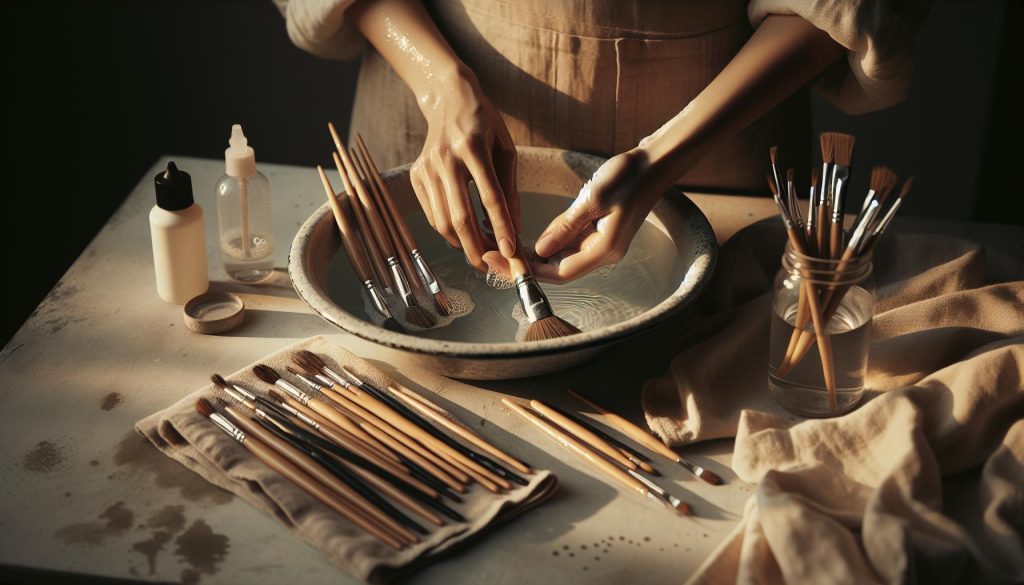
Acrylic brushes are invaluable tools for artists and hobbyists alike, delivering precision and versatility in every stroke. However, improper care can lead to bristle damage and decreased performance, ultimately shortening their lifespan. Did you know that a little maintenance can significantly extend the life of your brushes? By learning how to clean acrylic brushes effectively, you can not only preserve their quality but also enhance your creative flow. This guide is designed to empower you with simple, actionable tips that suit both beginners and seasoned artists, ensuring your brushes remain in top condition for years to come. Dive into the following techniques and discover how easy it is to keep your tools performing at their best!
How to Choose the Right Cleaning Supplies for Acrylic Brushes
When it comes to maintaining your acrylic brushes, selecting the right cleaning supplies is crucial to preserving their integrity and extending their lifespan. The quality of the cleaning products you choose can significantly influence how effectively you remove paint residue without damaging the bristles. A good starting point is to look for gentle soaps and cleaners specifically formulated for acrylic paints; these often break down paint particles without harsh abrasives. Avoid using oil-based cleaners, as they can leave residues that may affect future painting projects.
In addition to soap, consider utilizing a few essential tools in your cleaning kit. A soft sponge or cloth will help in gently scrubbing the bristles, while a sturdy brush cleaning palette can be beneficial for rinsing and working the soap through the bristles. Retaining a cleaning solution such as a dedicated brush cleaner or a mix of warm water with a few drops of gentle dish soap can also enhance the cleaning process. With these supplies on hand, you’ll be equipped to keep your acrylic brushes in top condition, ready for your next creative endeavor.
It’s also wise to consider tools that facilitate drying and storage. A dedicated brush holder or stand not only protects the bristles from being crushed but also promotes proper airflow, allowing your brushes to dry completely. In summary, the right cleaning supplies not only make the process more effective but also demonstrate your commitment to caring for your tools, thereby ensuring they serve you well for many projects to come.
The Importance of Regular Brush Maintenance
Regular maintenance of your acrylic brushes isn’t just an option-it’s a necessity for any serious artist. Neglecting to properly care for your brushes can lead to reduced performance, uneven paint application, and ultimately, expensive replacements. Did you know that a well-maintained brush can last for years, while a neglected one might only last a few months? By committing to a routine of cleaning and caring for your brushes, you not only enhance your painting experience but also maximize your investment in quality tools.
The value of regular brush maintenance lies in the ability to keep bristles in optimal condition. Proper care prevents the buildup of acrylic paint, which can harden and lead to the deformation of bristles. This deformation can result in brushes that don’t hold their shape, making it difficult to achieve fine details or clean lines in your artwork. To avoid these pitfalls, incorporate cleaning into your routine immediately after use. Gently rinse your brushes with warm water and a mild soap to remove paint residues, and avoid using aggressive scrubbing techniques that can damage the bristles.
Furthermore, the health of your brushes directly affects the quality of your work. A dirty brush can lead to muddied colors and undesirable texture in your painting. This is particularly detrimental when working with acrylics, which are known for their vibrant colors and smooth application. By maintaining your brushes, you promote not only their longevity but also the integrity of your artistry. The final strokes of your brush should reflect a clean, crisp application of paint-something that can only be achieved through diligent care and maintenance.
### Tips for Regular Maintenance:
- Clean Immediately: Rinse brushes with warm water right after use to prevent paint from drying on the bristles.
- Use the Right Cleaner: Choose a gentle soap designed for acrylic paints to avoid harsh chemicals.
- Reshape Bristles: After washing, reshape the bristles before storing to maintain their form.
- Inspect Regularly: Regularly check for signs of wear, like split bristles or paint buildup.
Adopting a habit of regular maintenance will ensure that your brushes serve you well, providing you with a reliable tool that enhances your creative expression. It’s not just about keeping them clean; it’s about respecting your craft and nurturing the tools that bring your artistic visions to life.
Step-by-Step Guide to Cleaning Acrylic Brushes

To maximize the lifespan and performance of your acrylic brushes, a systematic cleaning approach is essential. Cleaning your brushes after each use not only prevents paint from drying and hardening on the bristles but also maintains their shape and functionality. Here’s a straightforward guide to ensure your brushes remain in top condition.
Start by gathering your materials: warm water, a mild soap specifically designed for acrylics, and a clean cloth or paper towel. Once you’ve finished painting, immediately rinse your brushes under warm water. This initial rinse removes most of the acrylic paint. Always hold the brush with the bristles pointing downwards to avoid water running into the ferrule, which can loosen the glue and damage the brush.
Next, apply a small amount of mild soap to your palm or a clean surface. Swirl the bristles in the soap, working it through gently without aggressive scrubbing. This action helps dissolve any remaining paint and dirt. Rinse the brush thoroughly under warm water until all soap and paint residues are gone. If necessary, repeat the soap application for stubborn paint.
Once the brush is clean, gently reshape the bristles with your fingers, ensuring they return to their original form. Lay the brush flat on a paper towel or hang it with the bristles pointing downward to dry. Avoid storing brushes upright in a jar when they are wet, as this can lead to water pooling in the ferrule and compromising their integrity.
By following these simple steps consistently, you can keep your acrylic brushes in prime condition, enabling you to achieve the best results in your work while extending the life of your art tools.
Common Mistakes to Avoid When Cleaning Brushes
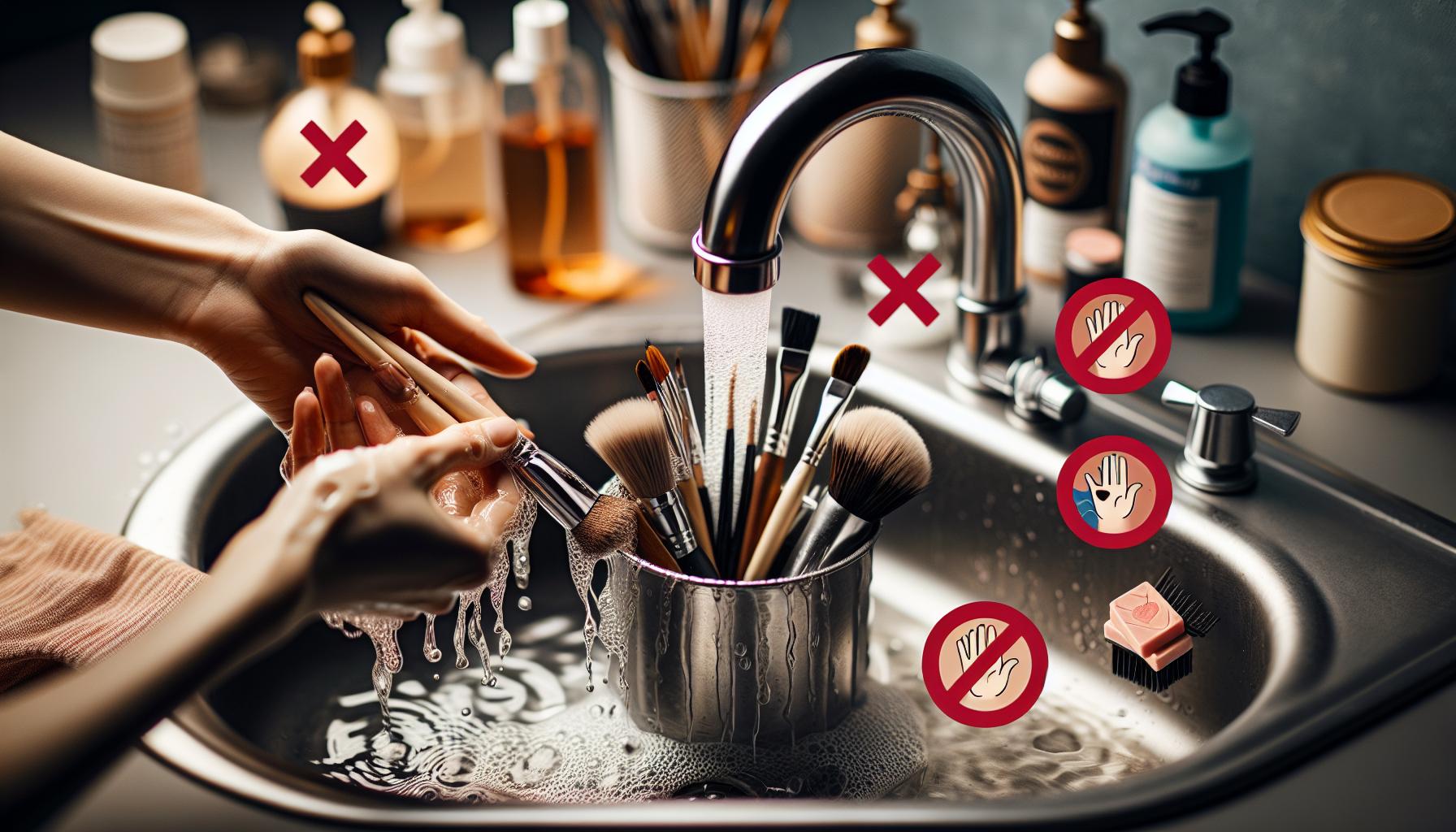
To ensure the longevity and effectiveness of your acrylic brushes, avoiding common mistakes during the cleaning process is crucial. One frequent error many artists make is neglecting to rinse brushes immediately after use. Acrylic paint dries quickly and can harden on the bristles, leading to permanent damage that can ruin the brush’s shape and function. As a best practice, aim to rinse your brushes under warm water as soon as you finish painting, keeping the bristles pointed downward to prevent water from seeping into the ferrule, which can loosen the glue that holds the bristles.
Another mistake is using harsh soaps or cleaning products that can degrade the bristles’ quality over time. It’s essential to use mild, soap specifically designed for acrylics, as abrasive cleaners can strip the bristles and damage their integrity. Furthermore, many artists scrub their brushes too vigorously, thinking this will achieve a thorough clean. Instead, gently work the soap into the bristles without aggressive motions. This gentle technique helps maintain the shape and softness of the bristles while effectively removing paint residues.
Improper drying is also a common oversight. Many people tend to store their brushes upright in a container while they are still wet, which can cause water to pool in the ferrule and lead to mold or damage. Instead, lay brushes flat on a clean cloth or hang them with the bristles pointing downward. This ensures that any remaining moisture drains away from the ferrule, extending the life of your brushes significantly.
By being mindful of these mistakes and adjusting your cleaning routine accordingly, you can dramatically enhance the lifespan of your acrylic brushes, keeping them in optimal condition for all your creative projects.
How to Store Acrylic Brushes for Longevity
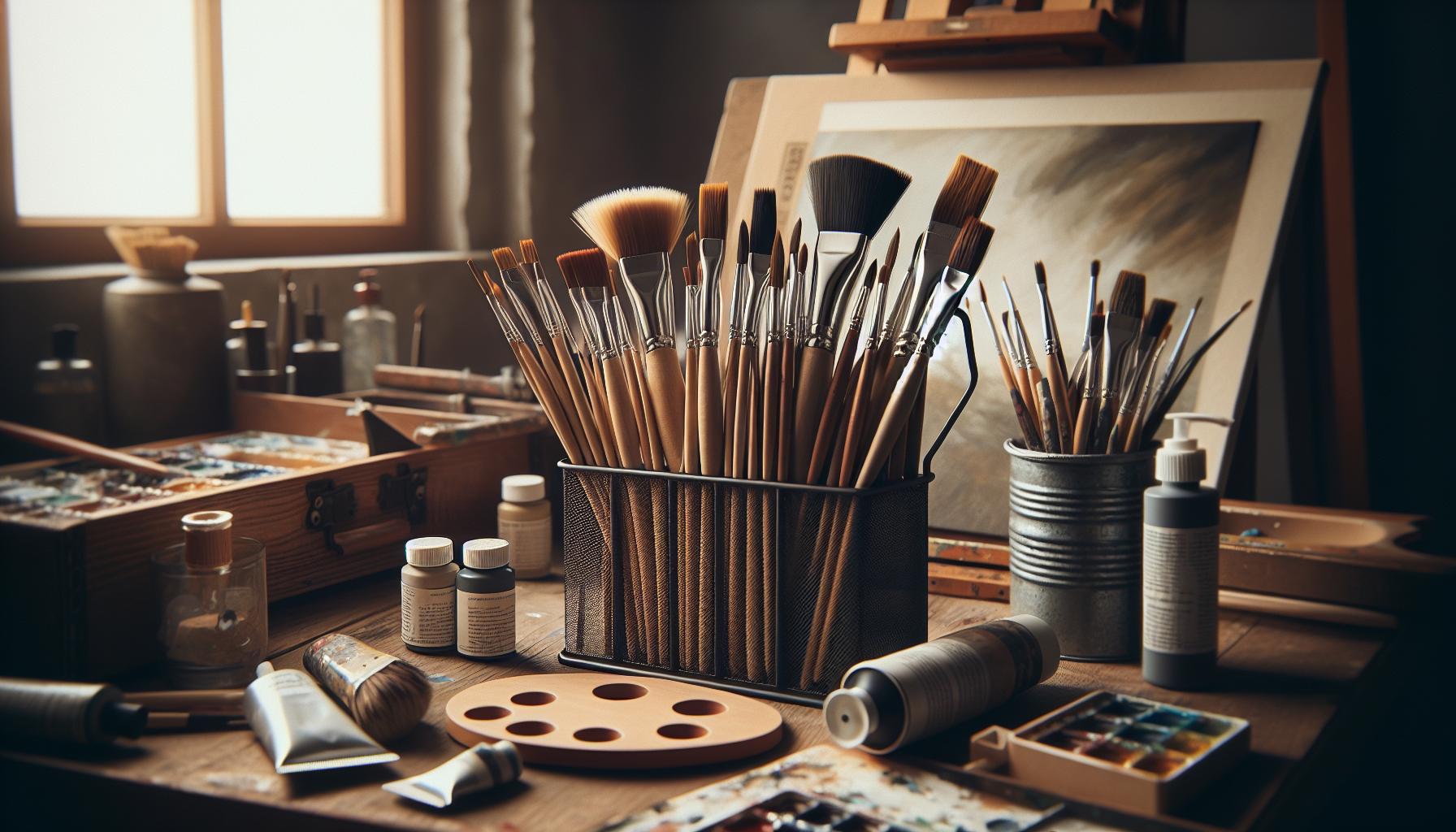
Storing acrylic brushes properly is essential for maintaining their integrity and extending their lifespan. A common misconception among artists is that any method of storage will suffice; however, improper storage can lead to damaged bristles, warped ferrules, and ultimately, a need for early replacement. By implementing a few thoughtful storage techniques, you can ensure your brushes remain in prime condition for all your artistic endeavors.
One of the best practices for storing acrylic brushes is to keep them upright but separated. Utilize a brush holder or a clean container filled with small pebbles or marbles. This not only keeps your brushes organized but also prevents the bristles from bending or flattening against each other. Alternatively, you can lay flat brush cases or pouches designed specifically for artists can offer protection while allowing easy access. Remember to place the brushes in these cases with the bristles facing upwards, as this helps maintain their shape.
In addition to physical organization, consider the environment in which you store your brushes. Ideally, keep them in a cool, dry place away from direct sunlight, which can cause the adhesive in the ferrule to weaken over time. High humidity can also promote mold growth, which is detrimental to both the brushes and the paint materials. A dedicated drawer or a climate-controlled art studio can significantly enhance the longevity of your tools.
For added protection during longer periods of inactivity, consider wrapping your brushes in a soft cloth or using a protective brush roll. This provides a gentle barrier against dust and potential damage, keeping your brushes clean and ready for future projects. By adopting these storage techniques, you can dramatically prolong the life of your acrylic brushes, ensuring they remain reliable companions in your creative journey.
Signs Your Acrylic Brushes Need Replacement
Recognizing when your acrylic brushes have seen better days can be pivotal for maintaining the quality of your artwork. Though it’s easy to overlook minor wear and tear, being aware of the signs that indicate it’s time for replacement will not only improve your painting experience but also enhance the outcome of your projects.
One of the first warnings is the shape of the brush. If you notice the bristles spreading out or losing their fine point-especially on detail brushes-this is often a clear signal that they may no longer perform as intended. Similarly, if the bristles feel excessively stiff or brittle after cleaning, this indicates that the fibers have become damaged and may not pick up or lay down paint effectively anymore.
Another sign is the presence of significant wear in the ferrule, the part that holds the bristles in place. Should you find the ferrule becoming loose, or if the bristles appear to be pulling away, this could lead to further deterioration. Replace brushes with such issues before they begin to shed bristles or leave remnants in your work, which can create unwanted textures or inconsistencies in your paint applications.
Finally, if you frequently find yourself needing to clean your brushes more often or face challenges in achieving the desired results, this might denote that the brushes have reached the end of their useful life. It’s wise to invest in new brushes rather than struggle with ineffective tools. By being vigilant about these signs, you can ensure that your acrylic brushes continue to serve you well, helping you create stunning works of art.
Advanced Techniques for Restoring Old Brushes
Restoring old acrylic brushes is not only a testament to your craft but also an efficient approach to managing your art supplies. When you notice your brushes losing their original shape or becoming difficult to clean, you don’t necessarily need to retire them just yet. A few innovative techniques can breathe new life into your beloved tools, ensuring they continue to serve you well in your creative endeavors.
One effective method involves using fabric softener or hair conditioner to help revive hardened bristles. Mix a few drops of softener with warm water in a small bowl. Gently swirl the brush in the mixture, allowing the fibers to soak for several minutes. This process helps to soften and relax the bristles, making them more pliable and easier to reshape. After soaking, rinse your brush thoroughly with water, reshaping the bristles as you do so. Make sure to follow this with a standard cleaning regimen using mild soap to remove any residue.
Another advanced technique is implementing a brush comb or a specialized cleaning tool. If your brushes have accumulated paint build-up, carefully use a brush comb to untangle and redistribute the bristles without causing further damage. Start from the ferrule and work your way down to the tips, using gentle strokes to avoid breaking the fibers. This approach not only restores the brush’s functionality but also helps extend its lifespan significantly.
Finally, for those brushes that have become completely misshapen, consider a hot water treatment. Submerge the brush (not the ferrule) in hot water for a few seconds – just long enough to warm the bristles but not so much that it damages them. Immediately after removing, reshape the bristles while they cool. This quick fix can often restore the original point or fan shape you need for detailed work.
Remember, routinely applying these techniques throughout your brush’s life can dramatically influence its longevity and performance, allowing you to focus on what matters most – creating beautiful artwork. By investing just a bit of time and care, your acrylic brushes can remain reliable companions on your artistic journey.
Best Practices for Maintaining Brush Quality Over Time
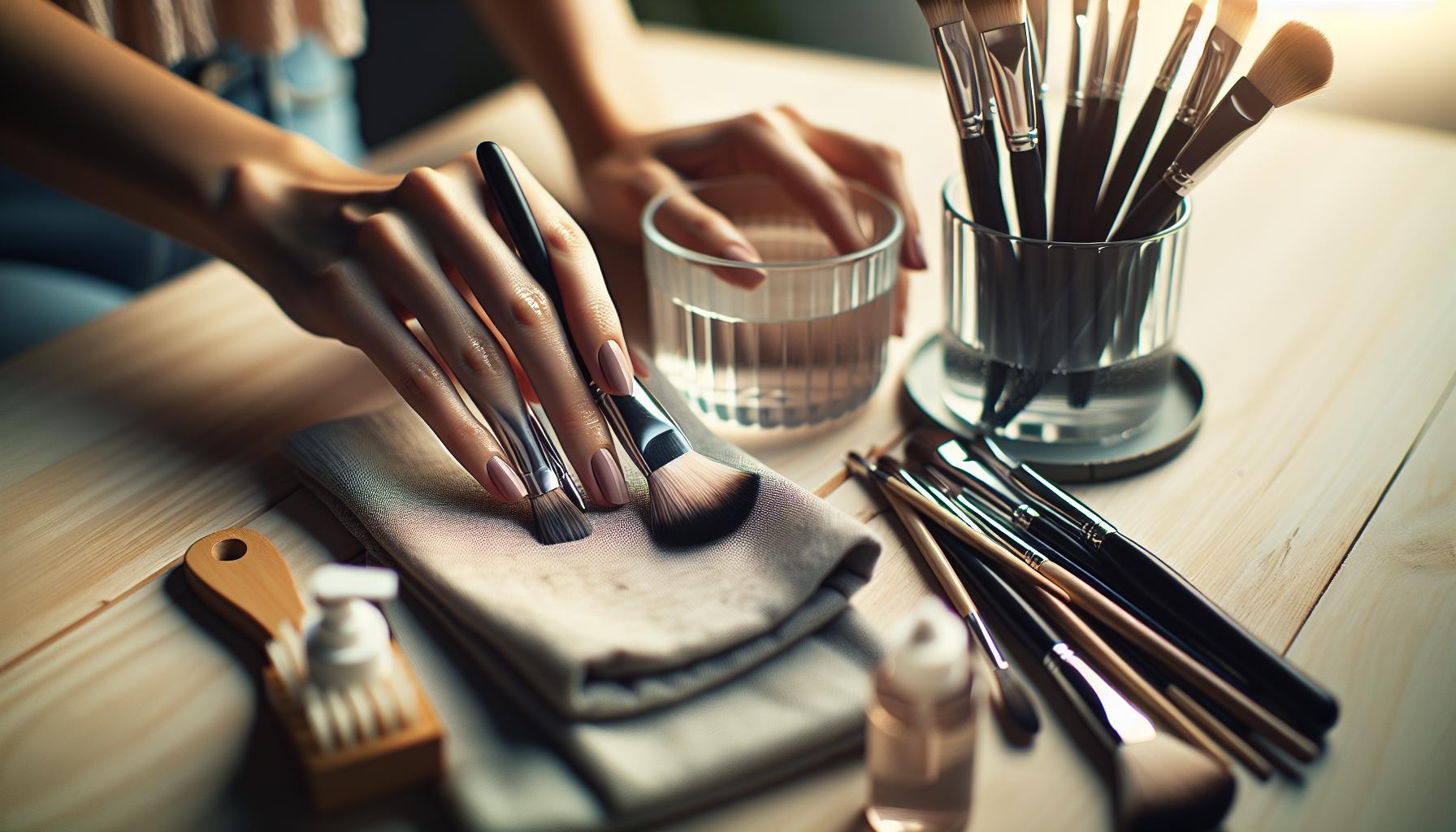
Maintaining the quality of your acrylic brushes is crucial for achieving the best results in your art projects. Regular upkeep ensures that the bristles remain in optimal condition, allowing for smooth strokes and accurate application. Here are some effective practices to consider:
One of the most essential habits is to clean your brushes immediately after use. Acrylic paint can dry quickly, leading to hardened bristles and compromised performance. To prevent this, rinse brushes in lukewarm water to remove excess paint, and use a gentle soap specifically designed for brush cleaning. This routine not only helps maintain the integrity of the bristles but also prevents paint residue from affecting future artworks.
Next, it’s vital to store your brushes correctly. Avoid leaving them in water for long periods, as this can cause the bristles to splay or the ferrule to loosen. Instead, when your brushes are clean and dry, store them upright in a brush holder or wrap them in a protective case. This method maintains their shape and protects the tips from damage. Consider investing in a dedicated brush organizer that allows for airflow and keeps your tools easily accessible.
Additionally, consider conditioning the bristles with a specialized brush conditioner periodically. This treatment replenishes protein levels and prevents brittleness, prolonging the life of the brush. Simply apply a small amount of conditioner after washing, gently reshape the bristles, and allow them to dry in a flat position. This practice can make a significant difference, especially for brushes that see heavy usage.
Finally, always inspect your brushes for signs of wear and tear. If you notice bristle shedding or a loss of shape, it may be time to replace them. A proactive approach can save you money in the long run and ensure that your painting experience remains enjoyable and productive. By following these best practices, you can significantly extend the lifespan of your acrylic brushes, keeping them as reliable tools in your creative process.
Understanding Different Acrylic Brush Types and Their Care
Understanding the unique characteristics of different acrylic brush types can significantly enhance your painting experience and tool longevity. Each brush type, whether it’s a round, flat, filbert, or fan brush, serves a distinct purpose and requires specific care techniques to maintain its quality and performance. 🌟
Types of Acrylic Brushes:
- Round Brushes: Ideal for detailed work and fine lines, these brushes taper to a point. Always clean them by rinsing the bristles thoroughly after each use to maintain their shape.
- Flat Brushes: Great for covering large areas and creating sharp edges, flat brushes should be cleaned by running them through water and gently reshaping the bristles to prevent splaying.
- Filbert Brushes: Combining the characteristics of both round and flat brushes, filbert brushes are versatile for blending and controlled strokes. It’s crucial to avoid bending the bristles during cleaning.
- Fan Brushes: These are perfect for creating textures like grass and hair. After use, rinse thoroughly and gently squeeze the bristles to remove water without pulling or distorting their shape.
Care for Different Brush Types:
To maximize the lifespan of your brushes, follow these tailored care tips:
- Rinsing & Cleaning: Always rinse your brushes in lukewarm water immediately after use. For synthetic brushes, mild soap or a dedicated brush cleaner works well. Natural hair brushes benefit from a gentle conditioner specifically designed for artist brushes.
- Drying Techniques: Shape the bristles back to their original form before laying them flat to dry, as standing them upright while wet can lead to water pooling in the ferrule, which can cause damage.
- Storage Solutions: Consider investing in a brush roll or holder that allows for ventilation. Avoid storing brushes tip down, as this can deform bristles over time.
By understanding the care requirements of each brush type and implementing these maintenance practices, you can significantly extend the life of your acrylic brushes and enjoy consistent quality in your artistic endeavors. Happy painting! 🎨
Eco-Friendly Cleaning Alternatives for Your Brushes
In the quest for sustainable art practices, finding eco-friendly cleaning alternatives for your acrylic brushes can make a significant difference. Traditional cleaning supplies often contain harsh chemicals that can be damaging not only to your brushes but also to the environment. By exploring natural options, you can maintain your tools while minimizing your ecological footprint.
One of the simplest and most effective eco-friendly solutions is using mild soap, which can be derived from natural ingredients. Look for biodegradable soaps that are free from synthetic fragrances and harsh dyes. These gentle cleansers effectively break down paint residues without harming the brush bristles or introducing toxic substances into your water supply. After applying the soap, rinse your brushes with lukewarm water until the water runs clear, ensuring all soap and paint residues are removed.
Another excellent alternative is using vinegar. This versatile household item acts as a natural degreaser. You can mix equal parts of vinegar and water to create a cleaning solution. Soak your brushes briefly in the mixture, then use your fingers to gently work through the bristles. Rinse afterward. Vinegar not only helps eliminate acrylic paint but also has antimicrobial properties, making it a hygienic choice for brush cleaning.
For artists looking for a more concentrated cleaning method, olive oil can be an outstanding choice. While it may sound unconventional, adding a few drops of olive oil to your cleaning routine can help remove stubborn acrylics. Simply use it alongside soap: apply a small amount of olive oil before washing with soap, allowing for a more thorough clean without compromising the integrity of your brushes.
To sum up, adopting eco-friendly cleaning methods not only preserves your brushes but also contributes to a cleaner planet. By incorporating natural substances like mild soap, vinegar, and olive oil into your routine, you can keep your acrylic brushes in top condition while supporting sustainable practices. Making these small switches not only benefits your artwork but also aligns with a broader commitment to environmental stewardship.
DIY Solutions for Tough Acrylic Brush Stains
When it comes to tackling stubborn acrylic paint stains, having a few effective DIY solutions up your sleeve can extend the life of your brushes and ensure they’re always ready to create. Your brushes are an investment, and taking care of them properly can dramatically enhance your painting experience. Whether you’ve accidentally let paint dry in your favorite tool or are dealing with heavily pigmented colors, there are several methods to restore your brushes to their original shape.
One excellent approach for tough stains involves using a dish soap and baking soda paste. Mix equal parts of dish soap and baking soda to create a thick paste. Apply this paste directly to the bristles of the brush and gently work it through using your fingers. The mild abrasiveness of baking soda will help to lift the dried paint without damaging the bristles. After working the mixture through, rinse the brush thoroughly under warm water, and repeat if necessary until the bristles are clean.
Another homemade solution focuses on the power of fabric softener. This may sound unconventional, but fabric softener is great for softening hardened acrylics. Simply mix one part fabric softener with three parts warm water in a bowl. Allow your brushes to soak in this solution for about 15 to 20 minutes. The softener breaks down the paint and makes it easier to remove. After soaking, rinse and clean the brushes with soap and water to remove any residue.
If you’re dealing with extremely stubborn stains or hard-to-reach areas, you might consider using isopropyl alcohol. This common household item can effectively dissolve dried acrylic. Dampen a paper towel or cloth with isopropyl alcohol and gently wipe the bristles. For brushes with a lot of residual paint, it might be necessary to soak them in alcohol for a short period, then gently scrub using a soft toothbrush. Be sure to rinse thoroughly afterward to avoid any residual alcohol affecting future paints.
By employing these DIY cleaning methods, you not only restore your acrylic brushes but also build a proactive approach to maintenance. Identify which technique works best for your specific brushes and paint types, and remember to clean your brushes right after use to prevent paint from hardening. Keeping your tools in top shape will not only enhance your artistry but also save you money in the long run. Always embrace a little creativity in your cleaning routine for optimal results!
Creating a Cleaning Schedule for Brush Longevity
Establishing a cleaning schedule for your acrylic brushes can significantly bolster their lifespan and maintain their performance, ultimately enhancing your artistic output. Consistency is key; like any tool, brushes require regular attention to remain effective and in good condition. By designing a structured approach, you can ensure that your brushes not only endure the test of time but also deliver optimal results every time you use them.
To create an efficient cleaning schedule, consider your painting habits and the frequency of use for your brushes. A good rule of thumb is to clean your brushes immediately after each use to prevent paint from hardening. However, you should also incorporate a more thorough cleaning process every week or bi-weekly, depending on your usage. This routine might include deep cleaning with specialized brush soap, soaking them in warm water, or utilizing gentle agitation techniques to remove connected residues and buildup.
Here’s a sample cleaning schedule to guide you:
| Frequency | Action |
|---|---|
| After Each Use | Rinse brushes under warm water, then gently clean with mild soap or dish soap. |
| Weekly | Do a deeper clean using a brush cleaner or dedicated soap, ensuring to reshape the bristles afterward. |
| Monthly | Inspect brushes for damage, replace if necessary, and consider using a conditioner or protective spray for synthetic brushes. |
Pair your cleaning routine with vigilance in monitoring the condition of your brushes. Look out for signs of wear such as frayed bristles or paint buildup near the ferrule. If you notice these issues occurring despite regular maintenance, it might be wise to reevaluate your cleaning techniques or the products you’re using. Adapting your schedule based on these observations ensures a flexible approach that accommodates both your artistic needs and the health of your tools.
By committing to this cleaning regimen, you will reinforce your investment in high-quality brushes and ensure they serve you well over countless painting sessions. With each stroke, you’ll not only create beautiful art but also save resources by prolonging the life of your essential tools.
Faq
Q: How often should I clean my acrylic brushes?
A: You should clean your acrylic brushes after each use to prevent paint from drying and damaging the bristles. Regular cleaning not only extends their lifespan but also improves performance, ensuring your artwork remains smooth and free from unwanted streaks.
Q: What is the best method for cleaning dried acrylic paint from brushes?
A: To remove dried acrylic paint, soak the brushes in warm soapy water for 15-30 minutes. Use a gentle brush cleaner if needed. Once softened, gently work the bristles with your fingers or a comb to remove remaining paint, then rinse thoroughly.
Q: Can I use rubbing alcohol to clean acrylic brushes?
A: Yes, rubbing alcohol can be effective for cleaning acrylic brushes, especially for removing stubborn paint. Simply soak the bristles in rubbing alcohol for a few minutes and then gently reshape and rinse the brush to maintain its quality.
Q: What are common mistakes people make when cleaning acrylic brushes?
A: Common mistakes include using hot water, which can damage the bristles, and neglecting to clean brushes immediately after use. It’s also a mistake to store brushes upright with bristles down, as this can deform the shape over time.
Q: How do I properly store my cleaned acrylic brushes?
A: Store your acrylic brushes horizontally in a brush roll or holder to maintain their shape. Alternatively, you can keep them in a container with the bristles facing up but ensure they’re dry to prevent mold or damage.
Q: Are there eco-friendly options for cleaning acrylic brushes?
A: Yes, eco-friendly options include using biodegradable soap or a mixture of vinegar and water. These alternatives effectively clean your brushes without harsh chemicals, making them perfect for sustainable art practices.
Q: How can I tell when my acrylic brushes need to be replaced?
A: Replace your acrylic brushes when the bristles are frayed or misshapen, when they no longer hold paint properly, or if cleaning doesn’t restore their original performance. Regular inspection is vital to ensure optimal painting results.
Q: What types of brush cleaners work best for acrylic brushes?
A: Brush cleaners specifically formulated for acrylics are ideal. These cleaners effectively dissolve acrylic paints without damaging bristles. Brands like Masters Brush Cleaner or natural alternatives with mild soap can also work well for maintaining brush health.
These questions and answers are crafted to enhance user engagement and provide valuable information about maintaining and cleaning acrylic brushes, thus making it a useful addition to your article on extending tool life.
In Retrospect
Thank you for exploring how to effectively clean your acrylic brushes to dramatically extend their tool life! By implementing these straightforward techniques, you can ensure your brushes remain in top condition, saving you time and money in future projects. Don’t let dirty tools compromise your creativity-take action now!
For more enriching content, check out our guides on essential jewelry care and DIY tutorials that help you maintain the beauty of your collection. Interested in starting your own jewelry shop? Our resources on business insights are just a click away.
Remember, your journey in jewelry crafting can be taken to new heights with the right knowledge. Sign up for our newsletter for tips that empower your artistic endeavors and share your thoughts or questions in the comments below. We love hearing from our community! Keep exploring and crafting confidently!