
Getting your ears pierced is an exciting step in your personal style journey, but it comes with important responsibilities. Understanding how long to keep earrings in after piercing is crucial for ensuring proper healing and avoiding complications. The general recommendation is to keep your initial earrings in for at least six to eight weeks, but each individual’s healing timeline can vary based on factors like skin type and aftercare. In this guide, we’ll explore the healing process, provide tips for choosing the right earrings, and answer common questions about caring for your new piercings. Whether you’re a first-time piercer or refreshing your knowledge, this information will empower you to embrace your new look with confidence while keeping your ears healthy. Keep reading to discover everything you need to know about your healing journey!
How Piercing Affects Your Ears’ Healing Process
Understanding how piercing affects the healing process of your ears is crucial for a smooth and successful recovery. When your ears are pierced, they’re subjected to a minor injury, which triggers the body’s natural healing response. This involves inflammation and new tissue formation, leading to the eventual healing of the piercing. The entire process can take anywhere from a few weeks to several months, depending on various factors such as the individual’s health, the location of the piercing, and the aftercare practices implemented.
During the initial healing phase, which typically lasts about 6-8 weeks for earlobe piercings, it’s essential to keep the area clean and free from irritation. This is where aftercare comes into play: regular cleaning with saline solutions maintains hygiene and aids in preventing infections. Avoiding heavy or dangling earrings in the early weeks is recommended, as they can cause tugging and irritation, delaying healing. Instead, choose lightweight, hypoallergenic options like surgical stainless steel or titanium, known for their biocompatibility and minimal response when introduced to the body.
Listening to your body is equally important. If you experience increased redness, swelling, or discharge, it may signify complications, requiring more intensive care or a visit to a professional piercer or healthcare provider. Understanding your unique healing timeline can help you gauge when it’s safe to gradually introduce different earring styles or materials without risking your new piercing. Being proactive and informed not only enhances your piercing experience but also helps maintain beautiful jewelry in your ears long after the initial healing phase.
Understanding the Healing Timeline for New Piercings
After getting your ears pierced, understanding the healing timeline is crucial for ensuring a smooth recovery and preventing complications. The body responds to the piercing as if it were a minor wound, initiating a healing process that can take from several weeks to a few months, depending on various factors like the individual’s health, the piercing’s location, and how well aftercare is practiced.
For earlobe piercings, the initial healing phase generally lasts about 6-8 weeks. During this period, it’s important to keep the area clean and avoid irritation. Regular cleaning with saline solutions can help prevent infections, creating an optimal environment for healing. In the first month, heavy or dangling earrings should be avoided as they may cause tugging and discomfort. Instead, opt for lightweight earrings crafted from hypoallergenic materials such as surgical stainless steel or titanium, which minimize the risk of allergic reactions and promote healing.
As healing progresses, the body repairs and regenerates tissue around the piercing site. While most people can begin to change their earrings after about 6 weeks, listening to your body is essential. Signs such as persistent redness, unusual swelling, or discharge may indicate complications, suggesting a need for professional attention. Understanding your individual healing timeline will empower you to make informed decisions about when to explore different earring styles or materials, ensuring your newfound jewelry remains a source of joy and confidence long after the initial healing phase.
Signs Your Earrings Are Safe to Keep In
Determining when your earrings are safe to keep in is a crucial step in the healing process, and it can significantly impact your comfort and the longevity of your piercings. One of the primary indicators that your earrings are safe to remain in is the absence of discomfort. If you experience minimal or no pain at the piercing site, it’s a good sign that your body is adjusting well to the new jewelry. Additionally, the appearance of your earlobes can provide vital clues: a healthy piercing should showcase skin that is not overly red, swollen, or irritated. By monitoring these visual and physical signals, you can assess your healing progress effectively.
Another clear sign that your earrings can stay put is if you have been consistent with your aftercare routine and are following best practices. This includes regular cleaning of the earlobe with saline solutions and avoiding irritants or tight-fitting earrings. As your piercing reaches the 6-8 week mark, you may also notice that any initial tenderness subsides, and the skin around the piercing appears to stabilize. If you can comfortably twist your earrings without causing discomfort or seeing any signs of leakage or pus, it is generally safe to assume that the healing is progressing well.
Should you find the piercing site begins to secrete any unusual or foul-smelling discharge, or if you notice persistent redness or a significant change in swelling-these are signs to take your earrings out and consult a professional. Ignoring these symptoms could lead to complications like infections, which can be easily avoided with prompt care and attention.
Keep in mind that every individual’s body is unique and can respond differently to piercings. Ultimately, listening to your own body’s signals will guide you in deciding when to maintain your jewelry or explore new styles confidently. Trusting your instincts, along with observed healing indicators, supports informed choices that lead to a beautiful and healthy piercing experience.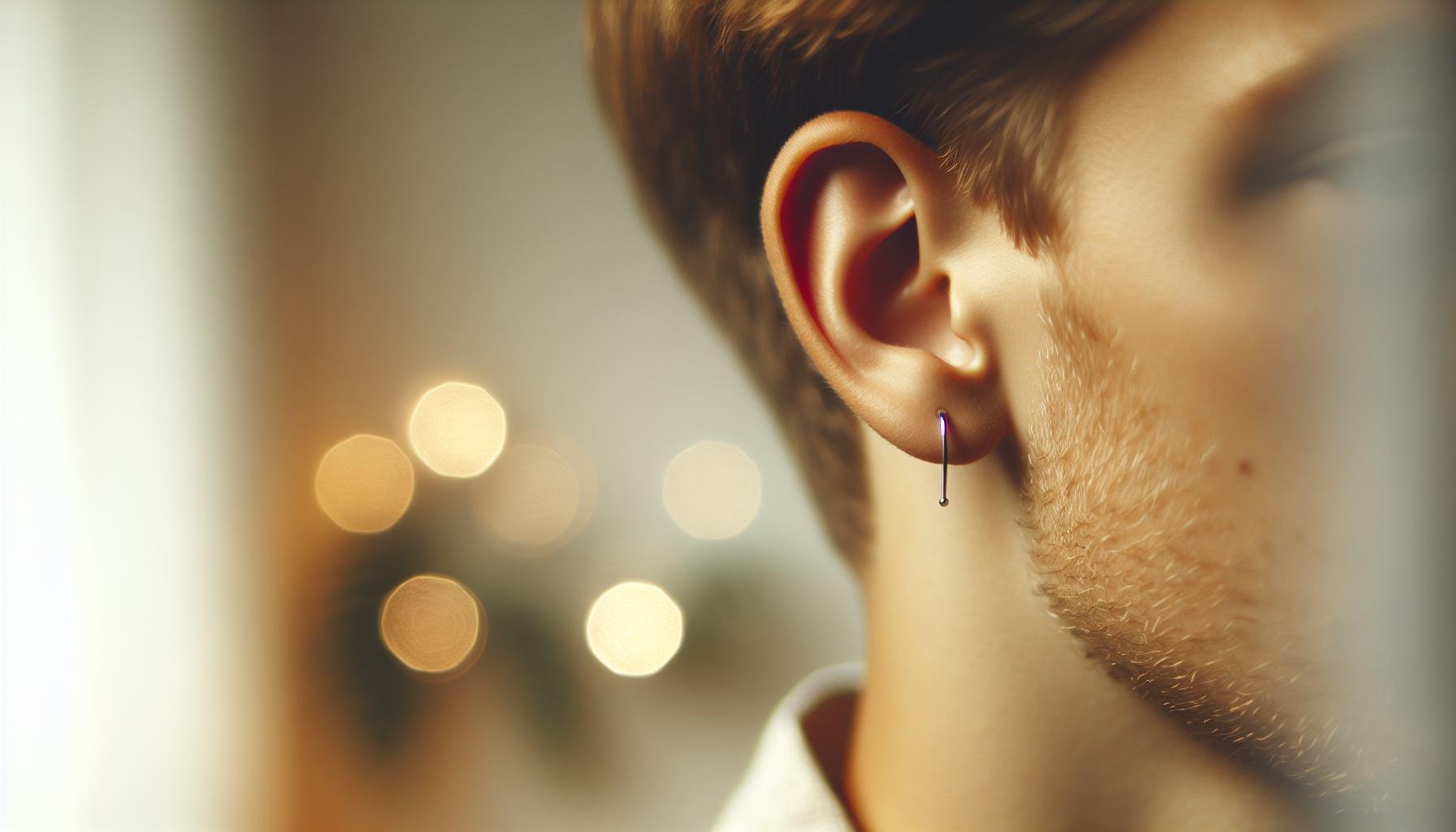
Best Practices for Caring for Newly Pierced Ears
Taking care of your newly pierced ears is crucial for achieving a smooth and successful healing process. Proper aftercare not only ensures that your piercings remain healthy but also enhances your overall experience with your new jewelry. The first step in your aftercare routine should begin immediately after your piercing is done. Ensure your hands are clean before touching your ears or earrings. Opt for hypoallergenic earrings, ideally made of materials like surgical stainless steel or titanium, as these are less likely to cause irritation.
To maintain hygiene and promote healing, clean your piercings regularly. Use a saline solution or saline spray, avoiding alcohol or hydrogen peroxide as they can irritate the skin. Gently spray the area or soak a sterile cotton ball in the saline solution and dab it on the piercing site. Aim to do this at least twice a day, especially in the first few weeks. Make sure to remove any crusted discharge that may form around the piercing, as this can inhibit healing.
Among the best practices is to avoid rotating your earrings, a common myth. Movement can actually irritate the piercing. Instead, let your jewelry sit undisturbed during the healing phase. Additionally, be cautious about exposure to water, especially in pools, hot tubs, or lakes, as these environments can introduce bacteria. Keeping your hair tied back during the healing period can also prevent snagging and irritation.
What to Avoid
- Submerging in water: Steer clear of swimming until your piercings are completely healed.
- Heavy or dangling earrings: Stick to studs that are less likely to catch on clothing or hair.
- Using harsh products: Avoid alcohol-based solutions, which can dry out and irritate the skin.
Lastly, it’s important to listen to your body. If you notice any swelling, redness, or unusual discharge, consult a professional piercer or a healthcare provider promptly. Adhering to these best practices will help ensure that your new piercings heal beautifully, allowing you to enjoy your stylish new additions with confidence and flair.
Types of Earrings Recommended for Healing
Choosing the right earrings for newly pierced ears can significantly impact the healing process and overall comfort. The initial weeks after a piercing are vital, and wearing the appropriate type of earring can prevent irritation and promote healthy healing. Hypoallergenic materials are key here; they minimize the risk of allergic reactions and skin sensitivities during a time when your body is adjusting to the new piercings.
Surgical Stainless Steel: This material is one of the most recommended for new piercings due to its strength and resistance to rust and tarnish. Its smooth surface reduces friction against the piercing, making it a top choice for studs and small hoops.
Titanium: Another excellent option, titanium is lightweight, corrosion-resistant, and extremely biocompatible, meaning it’s less likely to trigger an allergic response. Look for anodized titanium earrings for added color and style that remains safe for your healing ears.
Gold: If you prefer gold, opt for solid gold (14k or higher) or gold plating that is free from nickel. Many people can react to certain alloys, so ensuring that the gold used is of high quality will help avoid potential issues.
Bioplast or Acrylic: These materials are often used in body jewelry, particularly for initial piercings. They are flexible, lightweight, and can be easier on new piercings, though they may not have the same aesthetic appeal as metal options.
While styling is important, remember to keep the earrings small and uncomplicated during the healing stage. Studs are highly recommended, as they have a lower risk of catching on clothing or hair, which can lead to irritation or even injury. Avoid larger, dangling earrings that might weigh down the piercing or snag on objects throughout your daily routine.
Adhering to these guidelines will not only make the healing process smoother but will also allow you to enjoy your new ear adornments with confidence. Once your piercings are healed, you can experiment with a wider variety of earring styles and materials to express your personal taste.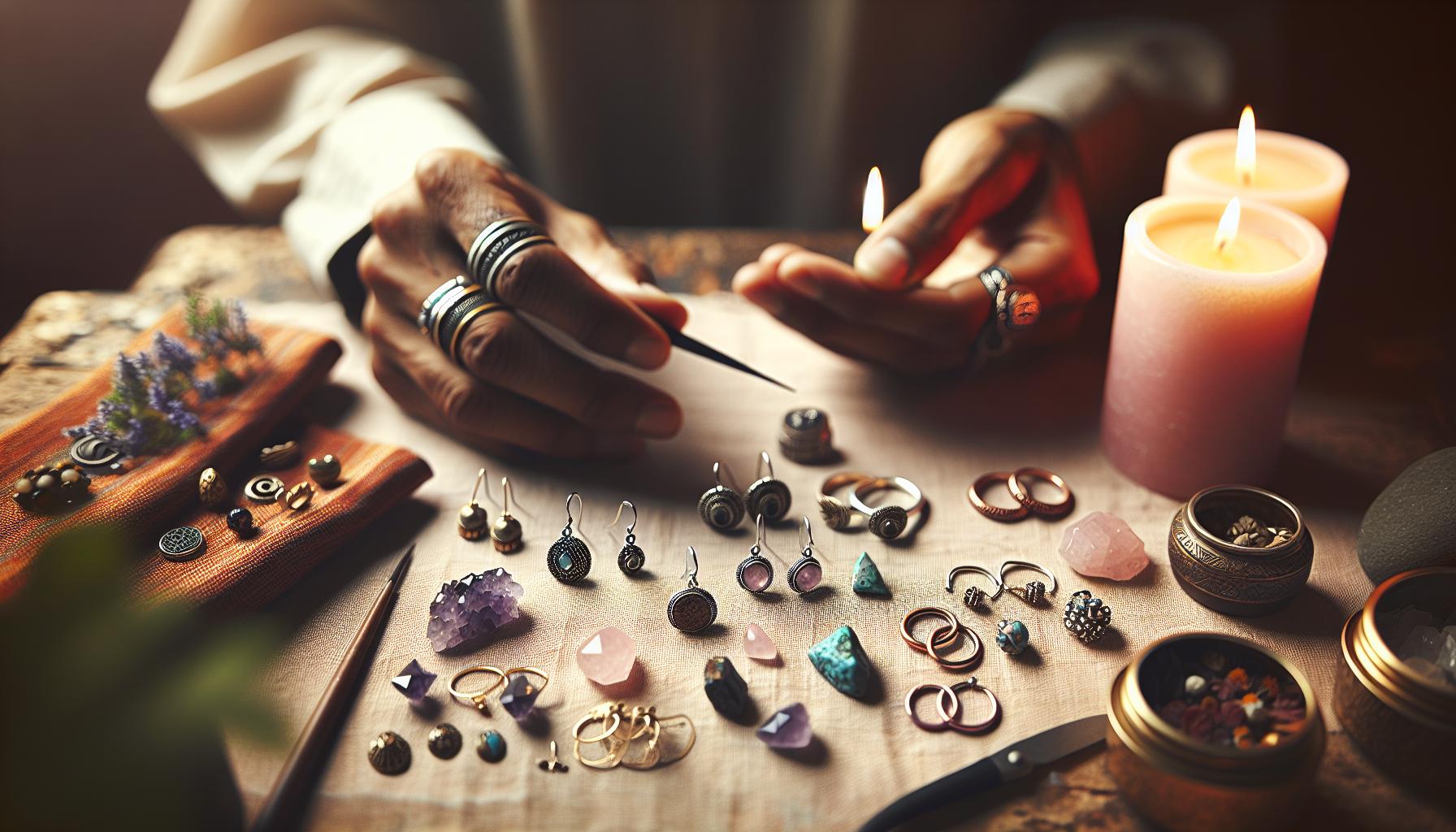
When to Consider Changing Your Earrings
While the excitement of getting new ear piercings is undeniable, knowing when to change your earrings is essential for ensuring proper healing and preventing complications. Generally, it’s best to wait at least six to eight weeks before considering a change, but several factors can influence this timeline. Pay close attention to how your ears feel during the healing process. If you experience ongoing redness, swelling, or pain, it may indicate that your ears need more time before introducing new jewelry. Signs of proper healing include disappearance of any tenderness, minimal discharge, and the piercing no longer feeling warm to the touch.
Once a favorable healing period has elapsed, the next step is to choose the right time to switch out your earrings. Some individuals prefer to exchange their initial studs for more trendy styles, but remember to opt for high-quality materials like surgical stainless steel or titanium to minimize the risk of irritation during the initial transitions. If you’re eager to add a touch of flair, consider earrings that are lightweight, such as small hoops or simple dangling earrings, which can be stylish while still gentle on your healing piercings.
Timing is also crucial when it comes to experimenting with different styles. If you’ve adhered to an aftercare routine and your piercings are showing signs of healing, gradual exploration with non-irritating materials can be an empowering way to express your personal style. However, avoid large or heavy designs initially, as they can cause stress on a newly healed piercing. Instead, listen to your body; if any discomfort arises when trying new earrings, it’s best to revert to your original studs until your ears are fully healed.
Ultimately, the goal is to find a balance between your eagerness to showcase your personality and the well-being of your ears. By carefully monitoring the healing process and making informed choices about when to change your earrings, you can enhance your style without compromising your health.
Common Piercing Aftercare Mistakes to Avoid
It’s easy to get caught up in the excitement of new piercings and overlook crucial aftercare steps, yet the choices you make in the healing period can significantly influence your piercing’s outcome. Many people unknowingly make common aftercare mistakes that prolong healing times or lead to complications, such as infections or scarring. By understanding these pitfalls, you can ensure that your fresh piercings heal beautifully and remain a source of joy rather than frustration.
One frequent misstep is neglecting to clean the piercings properly. While it’s essential to keep the area clean, the frequency and method of cleaning matter immensely. Over-washing can irritate the skin, while under-washing may leave harmful bacteria to fester. Aim for a consistent cleaning routine using a saline solution or a gentle, fragrance-free cleanser. Additionally, avoid using harsh chemicals like hydrogen peroxide or alcohol, as they can dry out the piercing and delay healing.
Another common mistake is changing earrings too soon. As previously mentioned, it’s best to wait at least six to eight weeks before swapping out your initial studs. Many people feel the urge to change their earrings for aesthetic reasons or because they believe the piercing is already healed. However, if there’s ongoing tenderness, swelling, or unusual discharge, it’s a sign that your ears may need more time. Patience is key during the initial healing period, so listen to your body and wait until you’re confident that your piercings are healthy before making a switch.
Finally, be cautious about the materials of your new earrings. Opting for high-quality materials, like surgical stainless steel or titanium, can make all the difference. Avoid cheap, non-hypoallergenic metals that can irritate the skin. Furthermore, be attentive to signs of discomfort. If your new earrings cause pain or irritation, it’s advisable to revert to your original jewelry and consult a professional. Remember, prioritizing your ear’s health is the best way to enjoy your jewelry for years to come.
What to Do If Your Piercing Becomes Infected
If you notice signs of infection around your earring piercing, such as increased redness, swelling, pain, or discharge that is green or yellow, it’s important to act promptly to prevent further complications. Infections can not only delay the healing process but also lead to more severe issues if not addressed correctly. The good news is that with the right approach, most mild infections can be managed effectively at home.
Start by ensuring your hands are clean; always wash them with soap and water before touching your pierced ears. Then, gently clean the infected area with a saline solution. You can use pre-made saline solution or create your own by mixing ¼ teaspoon of non-iodized sea salt in 8 ounces of warm distilled water. Soak a clean cotton ball in the solution and apply it to the piercing for about 5-10 minutes, repeating this process twice a day. This will help reduce irritation and remove any bacteria without causing further trauma to the area.
If symptoms of infection persist or worsen after a few days of at-home care, it’s crucial to consult a professional piercer or healthcare provider. They may recommend a topical antibiotic ointment or, in more severe cases, oral antibiotics. Avoid removing the earring, as this can close the wound and trap the infection inside. Instead, keep the jewelry in to allow for proper drainage and prevent the hole from closing.
To prevent future infections, be mindful of the materials your earrings are made from. Opt for hypoallergenic metals like surgical stainless steel, titanium, or 14k gold, as these are less likely to irritate the skin. Additionally, practice consistent aftercare by cleaning your ears regularly and avoiding irritants like hairspray or strong perfumes around your piercings. By being observant and proactive, you can minimize the risk of infections and promote a healthier healing process.
How to Clean and Maintain Your Earrings Post-Piercing
To safeguard your newly pierced ears and ensure their long-term health, it’s essential to establish a cleaning routine that not only keeps your earrings in top condition but also promotes healing. When jewelry comes into contact with the skin, particularly fresh piercings, it’s exposed to sweat, dirt, and oils that can lead to irritation or infections if not properly maintained.
Begin by cleaning your earrings regularly to prevent any buildup of bacteria or grime. Use a soft cloth to wipe down the earrings with a gentle soap solution-mix a few drops of mild soap with warm water. Rinse thoroughly and dry completely with a clean towel before reapplying them. This routine should be a part of your aftercare, especially during the first few weeks when your ears are most susceptible to irritation.
Best Practices for Earring Care:
- Choose the Right Materials: Opt for earrings made from hypoallergenic materials like surgical stainless steel, titanium, or 14k gold. These metals are less likely to cause allergic reactions or irritate the skin.
- Avoid Wet Environments: Keep your earrings dry after cleaning and avoid wearing them in pools, lakes, or even during showers to prevent irritation.
- Limit Handling: Resist the urge to frequently take your earrings out for adjustments. Each time you do, you risk introducing bacteria into the piercing.
It’s also wise to inspect your earrings closely every few days for any signs of damage or corrosion. If you notice any changes, such as discoloration or rough spots, it may be time to retire the earrings or consult a professional about replacements. Remember, the goal is to ensure both your earrings and your ears remain in harmony as they heal. Taking these steps not only enhances the longevity of your jewelry but also supports your piercing’s healing process.
FAQs About Earrings and Piercing Care
Understanding how to care for your newly pierced ears can significantly influence your healing process and overall comfort. Many common questions arise concerning the do’s and don’ts of earring care, particularly during the crucial healing period.
A frequent concern is, how long should I keep my earrings in after piercing? Generally, it is advisable to keep initial earrings in for at least 6-8 weeks, even while cleaning them regularly. This allows your skin to become accustomed to the new jewelry and minimizes the chance of the holes closing up prematurely.
Another common query is, what materials are best suited for new piercings? Opting for hypoallergenic materials such as surgical stainless steel, titanium, or 14k gold is crucial for minimizing irritation and preventing allergic reactions. These materials are gentle on the skin and contribute positively to the healing process. Remember to avoid low-quality metals and earrings with non-metallic components that may harbor bacteria.
You might also wonder, what are the signs that my earrings are safe to keep in? Look for signs such as minimal redness, swelling, and no discharge. If you notice any discomfort, increased pain, or unusual changes in your piercing, it’s wise to consult a professional piercer or healthcare provider.
Lastly, many first-timers ask, how can I effectively clean my earrings? A gentle soap solution can work wonders-mix a few drops of mild soap with warm water and use a soft cloth to wipe your earrings. Rinse them well and ensure they dry completely before putting them back in. Taking these steps routinely, particularly during the healing stage, can safeguard against infections and promote a smooth recovery.
By being informed and proactive about your piercing care, you’ll not only enjoy the beauty of your earrings but also ensure a healthy healing experience.
Tips for First-Time Ear Piercing Experiences
Getting your ears pierced is an exciting milestone, often marking a personal statement or a rite of passage. However, the journey doesn’t end once the initial excitement wears off; understanding how to care for your new piercings is essential for a smooth healing process. One of the most important aspects of this journey is knowing how long to keep those initial earrings in. Keeping your earrings in for at least 6-8 weeks allows the puncture to heal correctly, minimizing the risk of closing.
Practice patience during this time. Your new earrings are more than just accessories; they are a part of your body until the holes have fully healed. During this critical period, it’s important to choose earrings wisely. Opt for hypoallergenic materials such as surgical stainless steel or titanium, which are gentle on sensitive skin and reduce the risk of irritation. Avoid large, heavy earrings, as they can put undue stress on the fresh piercings, causing irritation and prolonging the healing process.
Furthermore, stay informed about your body’s responses. Some swelling and slight redness are typical, but pay attention to any unusual symptoms. If you experience excessive pain, pus or a fever, it may indicate an infection, requiring prompt medical advice. Regularly cleaning your earrings with a mild soap solution will not only keep them looking fresh but also prevents bacteria buildup-a crucial step in ensuring optimal healing.
As you navigate this exciting new experience, remember to embrace the joy of wearing earrings while giving your body the care it needs during the healing process. With knowledge and attention, your first piercing adventure can lead to a long-lasting and beautiful relationship with jewelry.
Inspiring Stories: Overcoming Piercing Challenges
Many individuals share their piercing stories as journeys filled with anticipation as well as unexpected challenges. From the moment the needle pierces the earlobe to the weeks following the procedure, a range of emotions can accompany the healing process-emotions that often intertwine with the stories of triumph over obstacles encountered along the way.
One inspiring account comes from Sarah, a first-time piercee who experienced anxiety about aftercare. Despite her initial worries, she diligently stuck to her piercer’s recommendations. Sarah chose titanium earrings, as her skin is rather sensitive. She meticulously cleaned her earrings daily, carefully avoiding heavy or dangling styles throughout the healing period. Her dedication paid off when the irritation she feared never materialized, and eight weeks later, she celebrated with a gorgeous pair of hoops that perfectly matched her style.
Just as every piercing journey is unique, so are the challenges faced. Take Martin, for example, who was excited to get his cartilage pierced but was devastated when he noticed swelling two weeks post-piercing. Initially tempted to change his earrings early, he sought advice from an experienced friend, who reminded him of the importance of patience. Following this guidance, Martin kept his cartilage stud in longer than he initially planned, allowing for proper healing without risking infection.
These stories are reminders that the journey can be as meaningful as the outcome. Whether you’re navigating discomfort, fighting off irritation, or simply waiting for that moment when you can switch out your earrings, each experience contributes to the beautiful tapestry of your personal style. Embrace the process; it’s all part of a story worth telling. As you embark on your own piercing adventure, remember: challenges can become milestones, and the right care can transform any setback into a symbol of resilience.
FAQ
Q: How long should I wait before changing my earrings after a piercing?
A: You should generally wait 6-8 weeks before changing your earrings after a piercing. This timeframe allows your piercing to heal properly. If you experience any pain or signs of infection, consult with a professional before considering a change.
Q: What types of earrings are best for new piercings?
A: Surgical stainless steel, titanium, or 14k gold earrings are recommended for new piercings as they are less likely to cause allergic reactions. Ensure the earrings are also lightweight to minimize pressure on the healing tissue.
Q: When can I wear regular earrings after a new piercing?
A: After about 6-8 weeks of healing, you can start wearing regular earrings. Begin with lightweight styles and continue monitoring for any signs of irritation or infection as you transition.
Q: How can I tell if my ear piercing is healed?
A: Signs that your ear piercing is healed include no pain or tenderness, minimal or no discharge, and the absence of redness or swelling. It’s also a good practice to consult a professional piercer for confirmation.
Q: How should I care for my earrings during the healing process?
A: Clean your earrings gently with saline solution daily and avoid touching them with dirty hands. This helps prevent infection. Follow the aftercare guidelines provided by your piercer for optimal healing.
Q: Can I sleep with earrings in after a new piercing?
A: Yes, you can sleep with earrings in after a new piercing, typically after the first 6-8 weeks. It’s best to use flat-backed earrings to reduce irritation while sleeping.
Q: What should I do if my earlobe becomes red and swollen?
A: If your earlobe becomes red and swollen, it’s crucial to clean the area with saline solution and avoid removing the earring. If symptoms persist or worsen, seek medical attention to rule out infection.
Q: Is it normal for my earrings to feel tight after a piercing?
A: Yes, it’s common for earrings to feel tight as the tissues may swell during the healing process. However, if the tightness is accompanied by pain or discharge, consult your piercer or a healthcare professional.
Future Outlook
As you embark on your earring journey post-piercing, remember that understanding the healing timeline is crucial to ensuring a comfortable and safe experience. By following the outlined guidelines, you set yourself up for success in maintaining your new piercings. If you’re eager to explore more about earring styles that suit your healing journey, check out our guides on choosing the right earrings for sensitive ears or tips for keeping your metals and gems clean.
Don’t let uncertainties hold you back! Dive deeper into jewelry care and discover DIY tutorials that will enhance your overall experience. And if you found this information valuable, consider signing up for our newsletter for the latest insights and tips on jewelry, including how to start your own jewelry shop or authenticate your pieces. We invite you to share your experiences in the comments below-your story could help others on a similar path. Keep shining and stay confident in your jewelry journey!