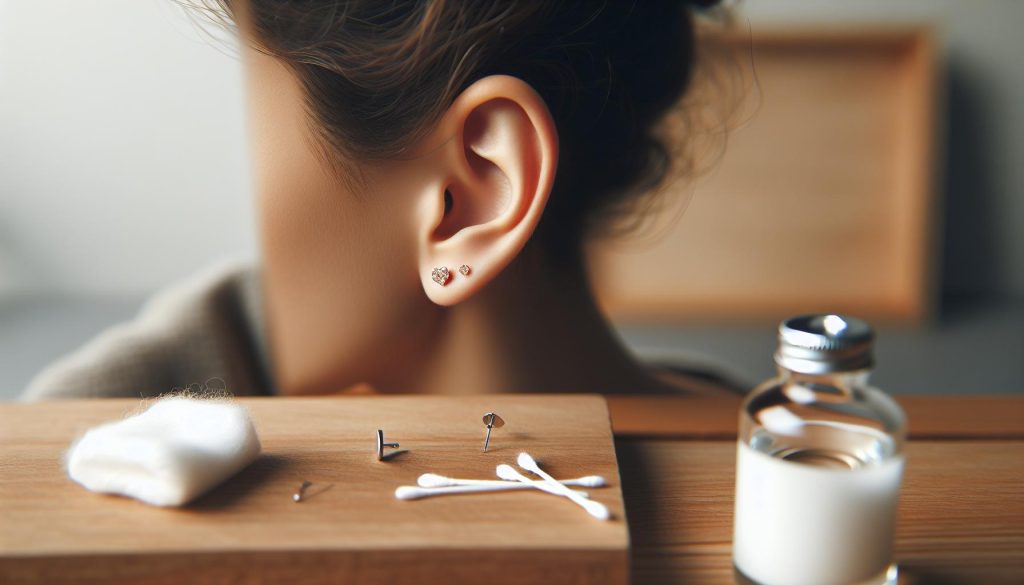
When it comes to adorning our ears, earrings can be both a fashion statement and a form of self-expression. However, many people overlook an essential aspect of getting that perfect pair-healing time after earring piercings. Whether you’re a jewelry enthusiast excited to showcase new styles or someone considering your first pair of earrings, understanding how long earrings take to heal is vital for both comfort and health. This guide will unravel the various factors that influence healing time, empowering you to make informed decisions about your earring choices. Curious about how to ensure a smooth recovery while you enjoy your beautiful new accessories? Let’s dive in!
How Long Does It Take for Different Types of Earrings to Heal?
Healing times for earrings vary based on the type of piercing and the earring materials chosen. For standard lobe piercings, most people can expect a healing period of about 6 to 8 weeks, provided they adhere to proper aftercare guidelines. However, specific styles, materials, and techniques can influence this timeline.
Healing Times for Different Types of Earrings
The following table summarizes approximate healing durations for various earring types:
| Earring Type | Typical Healing Time |
|---|---|
| Standard Lobe Piercing | 6 – 8 weeks |
| Cartilage Piercing | 3 – 12 months |
| Industrial Piercing | 2 – 3 months |
| Helix Piercing | 3 – 6 months |
| Tragus Piercing | 3 – 6 months |
In addition to the specific piercing type, the material of the earrings also plays a crucial role. For instance, hypoallergenic materials such as surgical stainless steel, titanium, or gold may foster better healing than lower-quality metals, which can cause irritation or allergic reactions. Getting the right ear jewelry is essential for ensuring not only comfort but also successful healing.
Moreover, individual factors such as skin sensitivity, overall health, and aftercare adherence can further impact healing times. Keeping your ears clean and avoiding unnecessary irritation by choosing lighter earring styles during the early healing phase can significantly assist in achieving a smooth recovery. Thus, it’s important to listen to your body and allow the recommended healing time, taking care to consult with a professional if any concerns arise.
Factors Affecting Earring Healing Time
Healing times for earrings can vary widely based on several significant factors, making it crucial for individuals to understand how their choices and body conditions can impact recovery. One of the primary elements influencing healing is the type of earring piercing. For instance, while standard lobe piercings might naturally take about 6 to 8 weeks to heal, cartilage and other piercings can require several months due to the complexity and density of the tissue involved. This differentiation highlights the importance of choosing the right piercing style for your lifestyle and patience level.
Another major factor is the material of the earrings themselves. Opting for high-quality, hypoallergenic materials such as surgical stainless steel, titanium, or solid gold can significantly minimize irritation and allergies, leading to a smoother healing process. In contrast, earrings composed of lesser metals or alloys may provoke reactions, extending the time needed for complete recovery. Therefore, selecting the right materials not only adds aesthetic value but also affects health outcomes.
Additionally, individual body responses play an essential role in healing. Factors such as skin sensitivity, overall health status, and adherence to aftercare instructions can determine how quickly the healing occurs. For example, someone who regularly cleans their earrings and avoids touching them will likely experience better outcomes than someone who does not. It’s also wise to choose lighter earring styles during the initial healing phase to alleviate any potential strain on newly pierced ears. Listening to your body and adjusting your aftercare as necessary can be the key to a successful and timely recovery.
In summary, understanding the interplay of piercing type, earring materials, and personal health habits empowers individuals to take control of their healing journey, ensuring that they not only enjoy their jewelry but also maintain ear health.
Signs of Infection to Watch For
While getting new earrings can be an exciting experience, it’s essential to be aware of the potential complications that can arise during the healing process, particularly signs of infection. Recognizing these symptoms early on can make a significant difference in ensuring a smooth recovery. Common signs of infection include redness, swelling, and warmth around the piercing site. If the area feels inflamed and painful, it may be an indication that the body is reacting adversely.
Infection can also manifest through pus or unusual discharge from the piercing, which may appear yellow or green and have a foul odor. A significant increase in discomfort or persistent itchiness can also be warning signals. Additionally, systemic symptoms like fever or chills may indicate a more serious infection that requires immediate medical attention.
To effectively monitor and maintain your new piercings, be diligent about aftercare practices such as regular cleaning with saline solutions or specific piercing aftercare products. It’s advisable to avoid touching or rotating the earrings excessively, as this can introduce bacteria and lead to further complications. If you notice any concerning signs, it’s crucial to consult a professional piercer or healthcare provider promptly to address the issue before it worsens. By being proactive and attentive, you can enhance your healing experience and fully enjoy your new earrings without undue worry.
Care Tips for Newly Pierced Ears
Caring for newly pierced ears is crucial for ensuring a smooth healing process and avoiding complications. The excitement of wearing new earrings can sometimes overshadow the essential aftercare required to keep your piercings healthy. Did you know that proper aftercare can significantly reduce the risk of infection and promote faster healing? Here are some practical tips to help you navigate this process seamlessly.
First and foremost, keeping the piercing site clean is essential. You can do this by gently cleaning the area with a saline solution or an alcohol-free antiseptic provided by your piercer. Avoid using products that contain alcohol, as they can be too harsh and may irritate the skin. It’s best to clean your ears twice a day-once in the morning and once before bedtime. Always use a clean cotton ball or swab to apply the solution, and avoid touching your earrings with dirty hands to minimize the risk of bacterial contamination.
Additional Aftercare Tips
- Avoid rotating the earrings: Many people believe that rotating earrings helps prevent them from getting stuck; however, this can introduce bacteria and irritate the piercing.
- Stay away from pools and hot tubs: Chlorine and other chemicals can irritate the piercing during the healing process. It’s advisable to wait until the earrings have fully healed (typically 6-8 weeks) before swimming.
- Opt for hypoallergenic materials: If you’re sensitive to certain metals, consider wearing earrings made from surgical stainless steel, titanium, or gold. These materials are less likely to cause allergic reactions.
Patience is key when it comes to healing; the average healing time for earlobe piercings is approximately 6-8 weeks, while cartilage piercings may take several months. It’s important to listen to your body-if you experience unusual symptoms, such as excessive swelling or discharge, consult a professional piercer or healthcare provider immediately.
By following these care tips, you can help ensure an effortless recovery and enjoy your beautiful new earrings without any worries. Remember, a little attention and care can go a long way in achieving perfectly healed piercings!
Best Aftercare Products for Earring Healing
Maintaining the health of newly pierced ears is paramount, and choosing the right products for aftercare can significantly influence the healing process. The right aftercare products not only promote healing but also help prevent infections and minimize discomfort. Here’s a look at some of the best aftercare options that can facilitate a smoother recovery for your earrings.
Start with a high-quality saline solution, which is one of the most effective and gentle ways to clean your piercings. A pre-packaged saline rinse is often recommended by professional piercers because it’s specifically designed for cleaning piercings without irritating the skin. Apply this solution with a clean cotton ball or gauze, gently patting the area around the earring. Alternatively, you can create your own saline solution by mixing 1/4 teaspoon of non-iodized sea salt in 8 ounces of distilled water.
Another essential product for aftercare is an alcohol-free antiseptic spray or solution. These products are formulated to clean the piercings without the harshness of alcohol, which can dry out and irritate the skin. Look for ones that contain ingredients like witch hazel or tea tree oil, known for their antiseptic properties. Always check for hypoallergenic formulations to avoid allergic reactions.
Using moisturizing oils can also aid in the healing process, especially for those with sensitive skin. A light application of jojoba oil or vitamin E oil can help soothe dryness and keep the skin around the piercing supple. Just be sure to apply them sparingly and avoid direct contact with the earring to prevent any discomfort or interference with healing.
To summarize, these products are your allies in ensuring the health of your newly pierced ears:
- Saline Solution: Gentle cleaning agent helpful in minimizing irritation.
- Alcohol-Free Antiseptic: Essential for disinfecting without drying the skin.
- Moisturizing Oils: Useful for maintaining skin hydration and elasticity.
With these aftercare products, you can keep your new earrings and the surrounding tissue healthy, making your healing journey as comfortable as possible. Always remember to follow the advice of your piercer and listen to your body as you navigate this exciting new addition to your jewelry collection!
What to Expect During the Healing Process
Healing from ear piercing is as fascinating as it is essential, often unfolding over a span that varies depending on the gauge of the earring and individual physiology. Understanding what to expect during this process can ensure that you experience a smoother recovery while also helping you maintain the health of your new adornments. In the initial weeks, your ears may exhibit common signs of healing, including tenderness, slight swelling, or even a thin layer of healing tissue forming around the piercing. These reactions are entirely normal, as your body works diligently to close the wound and form a protective barrier.
Throughout the healing process, it’s crucial to maintain proper aftercare and stay vigilant about your body’s signals. Most ears typically take about 6 to 8 weeks to fully heal after receiving standard lobe piercings. However, cartilage and other more complex piercings can require anywhere from 4 to 12 months for complete recovery. During this time, you may experience phases of improvement and occasional sensitivity, particularly when introducing new earring styles or materials. It’s advisable to slowly transition to lighter, hypoallergenic earrings after the initial healing period, allowing your ears to adjust without unnecessary irritation.
Listening to your body is paramount; if you notice excessive redness, warmth, or discharge that appears yellow or greenish, these may be signs of infection requiring attention. Always remember, consistency in cleaning and avoiding unnecessary handling can significantly influence your healing journey. Moreover, gentle but firm jewelry made from materials such as surgical steel or titanium can help reduce the risk of adverse reactions as you transition to different styles.
In summary, recovery is a gradual journey marked by signs of progress and occasional challenges. Employing effective aftercare practices, being attentive to your ears’ needs, and transitioning thoughtfully between earring styles can greatly enhance your healing experience, ultimately leading to the joy of adorning your ears with beautiful jewelry.
How to Clean and Maintain Earrings During Healing
Cleaning and maintaining your earrings during the healing process is crucial to ensure a smooth recovery and to avoid complications. With newly pierced ears, those delicate areas require special attention to prevent infections and ensure proper healing. One of the best practices is to keep your earrings and the surrounding area clean without irritating the newly formed tissue.
To maintain optimal hygiene, consider using a saline solution or a gentle saline spray specifically designed for piercings. Apply this solution both around the earring and the piercing site using a clean cotton ball or swab. It’s important to do this at least twice a day, particularly after any exposure to environments that might introduce bacteria, such as swimming pools or gyms. When cleaning, be gentle; do not twist or turn the earrings excessively, as this can impede healing.
Aside from cleaning, the type of earrings you wear also plays a significant role during the healing phase. Opt for hypoallergenic materials such as surgical steel, titanium, or gold to minimize reactions. Avoid wearing heavy or dangling earrings until your piercings are completely healed; these can put unnecessary strain on your ears, leading to irritation or even tearing of the healing tissue.
During the healing period, it’s vital to avoid touching your earrings or the piercing site frequently. Although it may be tempting to adjust your earrings for comfort, doing so can introduce oils and bacteria from your fingers, resulting in an increased risk of infection. When you need to handle your earrings to clean them, ensure you’re using clean hands and have already sanitized your workspace. By following these cleaning guidelines and maintaining diligence, your healing process can progress smoothly, allowing you to enjoy wearing your favorite earrings in no time.
When to Seek Professional Help
In the journey of healing newly pierced ears, knowing can make all the difference in ensuring a smooth recovery. While some discomfort is normal, certain signs indicate that you may need to consult a healthcare provider. For instance, if you notice severe swelling, excessive redness, or the presence of pus around the piercing site, it’s essential to act promptly. These symptoms can be indicative of an infection that may require medical treatment.
Another critical reason to seek professional advice is persistent pain. While mild discomfort is typical, sharp or throbbing pain lasting more than a few days is a warning sign. Similarly, if the area feels warmer than the surrounding skin or if you develop a fever, these could be signs that your body is responding to an infection and immediate medical attention is necessary.
Beyond infections, you should consider discussing your situation with a professional if you experience unusual stretching of the piercing hole or if your body rejects the earring. Signs of rejection include an increased gap or separation between the earring and the skin as well as the development of bumps or keloids. Engaging a professional piercer or a doctor can help you address these concerns effectively and discuss a plan moving forward, including the possibility of switching to different materials or styles that may work better for your body.
It’s worth noting that navigating earring healing can be different for everyone, and while some may heal quickly, others may encounter complications. Never hesitate to reach out to a qualified professional if you feel something isn’t progressing as it should; your health should always take priority over aesthetics when it comes to body modification. Taking these steps ensures your journey to earring enjoyment is both safe and stylish.
Common Myths About Earring Heal Time
Many people hold misconceptions about how long it takes for earrings to heal, which can lead to unnecessary frustration and care missteps. A common myth is that all types of piercings heal in the same time frame. In reality, healing times vary significantly based on the type of earring, the location of the piercing, and individual factors such as skin type and overall health. For example, lobe piercings typically take 6 to 8 weeks to heal, while cartilage piercings may take 3 to 12 months due to the complex nature of the tissue involved.
Another prevalent myth is that pain and discomfort should completely subside within a few days. While it’s normal to experience mild discomfort following a new piercing, sharp or persistent pain can be a sign of an underlying issue like infection or allergic reaction. Listening to your body is key; if something feels off, it’s vital to seek professional advice rather than assuming it’s a regular part of the healing process.
Moreover, some believe that switching to more decorative earrings too soon is harmless. In reality, wearing heavy or ornate earrings before the piercing fully heals can cause irritation or even lead to complications, such as tearing or rejecting the earring altogether. Instead, it’s recommended to stick with lightweight and hypoallergenic materials until the healing period is over.
In summary, understanding these common myths can profoundly influence your earring healing experience. Healing isn’t just about the clock; it’s about recognizing your body’s signals and giving it the appropriate time and care to heal properly. Embracing this knowledge will empower you to enjoy your new earrings safely and stylishly!
Dealing with Allergies and Sensitivities in Earrings
Navigating the world of earrings can be thrilling, but for some, it can also mean facing the frustrating challenge of allergies or sensitivities. Did you know that nearly one in five people experiences an allergic reaction to certain metals used in earrings? Understanding how to manage these sensitivities can ensure you enjoy your earrings without discomfort. The key is to select materials that are hypoallergenic and to be vigilant about the signs that your ears might be reacting adversely to your new jewelry.
When it comes to choosing earrings, materials play a crucial role. Opt for earrings made from hypoallergenic materials such as surgical stainless steel, titanium, or gold with high purity (at least 14k). These metals are less likely to cause reactions because they contain fewer alloying agents, which are often the culprits behind irritation. If you’re unsure about your sensitivity, start with simple, lightweight studs before transitioning to heavier or more ornate styles. It’s also beneficial to avoid nickel, a common trigger for allergic reactions, often found in less expensive jewelry.
To care for sensitive ears during the healing process, ensure proper hygiene by cleaning your earrings regularly with a gentle soap solution or alcohol. Avoid touching your earrings unnecessarily and always wash your hands before handling them. If you experience discomfort, such as swelling or redness, remove the earrings and consult a professional. It’s essential to give your ears a break from any irritating materials, even after the initial healing period.
In summary, addressing allergies and sensitivities in earrings requires careful selection of materials and attentive care. By being proactive and informed, you can enjoy beautiful earrings without the worry of discomfort or infection, allowing you to express your style freely and confidently.
Transitioning to Different Earring Styles After Healing
Transitioning from simple studs to bolder earring styles can feel like an exciting milestone in your jewelry journey. After the initial healing period, typically lasting 6 to 8 weeks for standard lobe piercings, your ears may be ready for a variety of styles that can elevate your look. However, this transition should be approached with care to ensure ongoing comfort and health for your newly pierced ears.
Start by gradually introducing different styles, opting for lightweight designs that won’t stress your earlobes. Consider options like small hoops or huggies, which provide a fresh look without overwhelming your ears. It’s best to avoid heavy earrings until you’re fully confident that your ears have adjusted. Keep in mind that certain materials may be easier on sensitive ears; hypoallergenic metals, such as surgical stainless steel and titanium, are excellent choices when trying new styles.
Additionally, pay attention to how your skin reacts when introducing new earrings. If you experience any signs of discomfort or irritation-like redness or itching-returning to simpler designs may be necessary for a while longer. This cautious approach ensures your transition is not only stylish but also safe and comfortable.
As you become comfortable with different styles, consider the occasion and your overall outfit to select earrings that enhance your look. Whether dressing up for an event or going casual, choose pieces that reflect your personality and complement your ensemble. With this mindful approach, you can confidently enjoy the vast world of earrings while ensuring your ears remain healthy and happy throughout the transition.
Frequently Asked Questions
Q: How long should I wait before changing earrings after getting pierced?
A: It’s recommended to wait at least 6-8 weeks before changing earrings after getting pierced. This allows enough time for your ears to heal properly and reduces the risk of infection. For detailed care tips during this period, check the section on Care Tips for Newly Pierced Ears.
Q: What materials are best for newly pierced ears?
A: Surgical stainless steel, titanium, and gold are the best materials for newly pierced ears, as they minimize the risk of allergic reactions and infections. These materials are hypoallergenic and safe for sensitive skin, ensuring a smoother healing process.
Q: Can I wear hypoallergenic earrings right after piercing?
A: Yes, wearing hypoallergenic earrings, such as those made of surgical-grade stainless steel or titanium, is advisable right after piercing. These materials help prevent irritation during the healing period. For more on this topic, see the section on Dealing with Allergies and Sensitivities in Earrings.
Q: How can I tell if my earring hole is healing properly?
A: Signs of proper healing include no excessive redness, swelling, or discharge. If you notice these issues, refer to the Signs of Infection to Watch For section for guidance on what to do next and when to seek professional help.
Q: Is it normal for earrings to feel sore during the healing process?
A: Yes, some soreness during the healing process is normal. However, if the pain persists or worsens, it’s important to consult a professional. For additional information, consult the section on What to Expect During the Healing Process.
Q: How should I clean my earrings while they heal?
A: Cleaning your earrings gently with saline solution or a mild soap is essential. Avoid alcohol or hydrogen peroxide, as these can irritate. For more cleaning tips, refer to the How to Clean and Maintain Earrings During Healing section.
Q: Can I swim or shower with new earrings?
A: It’s best to avoid swimming in pools or hot tubs for at least 2-3 weeks to prevent infection. Showering is usually safe, but try to keep water and soap away from your new piercings during the initial healing phase. For better hygiene practices, check the Care Tips for Newly Pierced Ears.
Q: How can I alleviate discomfort around my new earrings?
A: To alleviate discomfort, avoid touching your earrings frequently, wear loose clothing to avoid snagging, and apply a cold compress if needed. For more detailed care instructions, visit the section on Care Tips for Newly Pierced Ears.
By addressing these questions, you can enhance the understanding of earring healing and care, encouraging readers to explore the complete recovery guide further.
Final Thoughts
As you embark on your earring healing journey, remember that patience and proper aftercare are key to a successful recovery. By following the guidelines outlined in our “How Long Do Earrings Take to Heal: Complete Recovery Guide,” you’re well-equipped to ensure a smooth healing process. Don’t hesitate to explore our related articles on jewellery care and maintenance, like “The Best Practices for Earring Care” and “How to Clean Different Earring Materials,” to further enhance your knowledge and skills.
We invite you to sign up for our newsletter to stay updated with expert jewellery tips and exclusive offers. Have questions or personal experiences to share? We’d love to hear from you in the comments below. Your journey with earrings doesn’t have to end here; explore our DIY tutorials and styling advice to elevate your jewellery game. Remember, every step you take now sets the stage for future success in your jewellery endeavors!