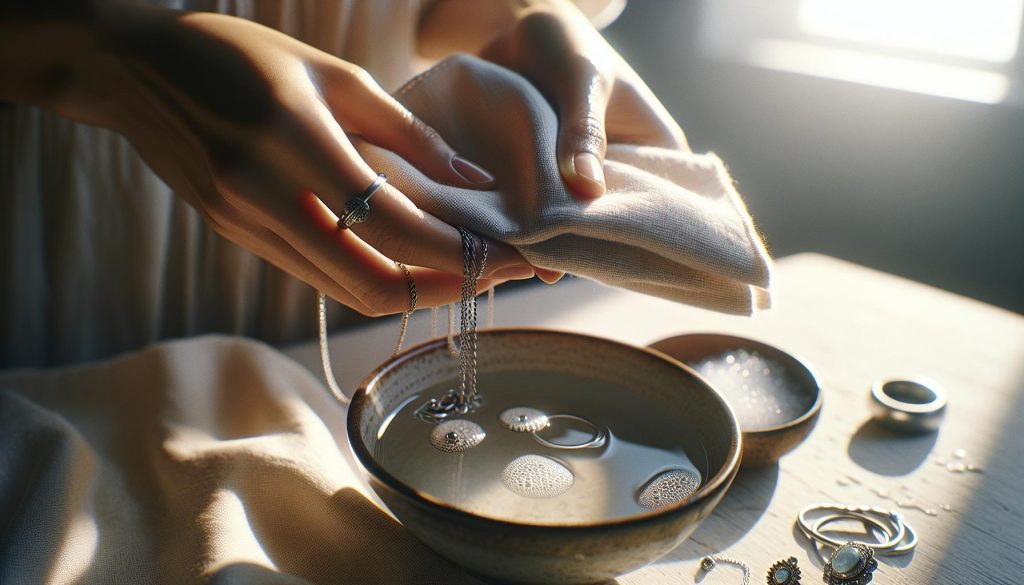
When it comes to maintaining the brilliance of your jewelry, the tools you use are just as important as the pieces themselves. Jewelry cleaning cloths, designed to restore shine and remove tarnish, need proper care to function effectively. You might wonder, can you wash these cloths? Understanding how to maintain your cleaning cloths not only prolongs their lifespan but ensures that they continue to safely and effectively clean your treasured pieces. Whether you’re a seasoned jewelry collector or simply someone who wants to keep their favorites looking their best, knowing how to properly care for your cleaning tools makes a significant difference. Dive into the details of maintaining these essential items, and keep your jewelry sparkling for years to come!
How Jewellery Cleaning Cloths Work
Jewellery cleaning cloths are essential tools that play a pivotal role in maintaining the brilliance and beauty of your cherished pieces. These cloths are often treated with specialized cleaners or polishing solutions that help to remove tarnish, dirt, and oils that accumulate over time from everyday wear. The soft, non-abrasive fabric is designed to gently buff the surface of metals like silver, gold, and platinum, ensuring your jewellery maintains its shine without the risk of scratching or damaging the finish.
When you wipe your jewellery with a cleaning cloth, the special cleaning agents within the fabric work to lift away grime and enhance the reflective quality of the piece. This process not only helps to keep your jewellery looking its best but also prolongs its lifespan by preventing the buildup of harmful substances. Regular use of these cloths can highlight the intricate details of your favourite pieces, showcasing their craftsmanship and elegance.
It’s important to note that the efficacy of these cleaning cloths can diminish over time. As they accumulate dirt and tarnish from repeated use, their ability to clean effectively can be compromised. Therefore, understanding the proper care and maintenance of your jewellery cleaning cloths is crucial for achieving optimal results in your jewellery care routine.
The Importance of Keeping Your Cloths Clean
Keeping your jewellery cleaning cloths in optimal condition is just as crucial as maintaining the shine of your cherished pieces. A clean cloth not only ensures effective cleaning but also helps prevent the transfer of grime and tarnish back onto your jewellery during care. Over time, these cloths can accumulate oils, dirt, and polishing residues that reduce their efficiency, making it necessary to address their upkeep.
Maintaining the cleanliness of your cloth can enhance the performance of its specialized cleaning agents. A fresh, clean cloth can more effectively lift away dirt and tarnish, preserving the vibrant appearance of your jewellery. Moreover, using a dirty cloth might inadvertently scratch or dull your pieces, negating the very purpose of the cleaning process. Regularly cleaning your cloth helps maintain its softness and effectiveness, ensuring your favourite treasures remain radiant.
When it comes to cleaning your cloths, it’s vital to adopt the right care measures. While some cloths may be washable, many are treated with chemicals that could be stripped during washing, leading to decreased performance. Understanding the material and specific care instructions is essential. For instance, some cloths may require gentle hand washing, while others should simply be kept dry to retain their cleaning properties.
Incorporating a routine to clean or replace your jewellery cleaning cloths not only protects your jewellery investment but can also enhance your overall cleaning experience. By taking a proactive approach-regularly assessing your cloth’s condition and ensuring it remains free from contaminants-you’ll enjoy sparkling jewellery that reflects your careful attention to detail.
Can You Wash Jewellery Cleaning Cloths?
Jewellery cleaning cloths are essential tools for maintaining the brilliance of your favourite pieces, but when it comes to washing them, the answer isn’t a simple yes or no. Many cleaning cloths are specially treated with chemicals that enhance their effectiveness in removing tarnish and grime. Washing them improperly can strip these vital agents, rendering the cloth less useful or even damaging your jewellery instead of cleaning it. Therefore, understanding whether and how to wash your jewellery cleaning cloths is crucial for maintaining both the cloth and your treasured items.
Before deciding to wash your cleaning cloth, it’s important to check the manufacturer’s instructions. Some cloths are designed to be reused multiple times without washing, while others may allow gentle hand washing to keep them in good condition. For those that are washable, typically, non-abrasive materials like microfiber can withstand a mild wash. However, be cautious and avoid using harsh detergents or machine washing, as these can degrade the cloth’s special properties.
If you do choose to clean your cloths, consider the following tips:
- Use cool water and a gentle, non-abrasive soap.
- Rinse thoroughly to ensure all soap residue is removed.
- Allow to air dry completely before storing.
Remember, washing your jewellery cleaning cloths too frequently, or using the wrong cleaning methods, can lead to diminished performance. When in doubt, it might be better to simply replace them periodically, ensuring your jewellery always receives the best care possible. By being mindful of how you clean your cloths, you can maintain the longevity of both the cloths and the brilliance of your jewellery collection.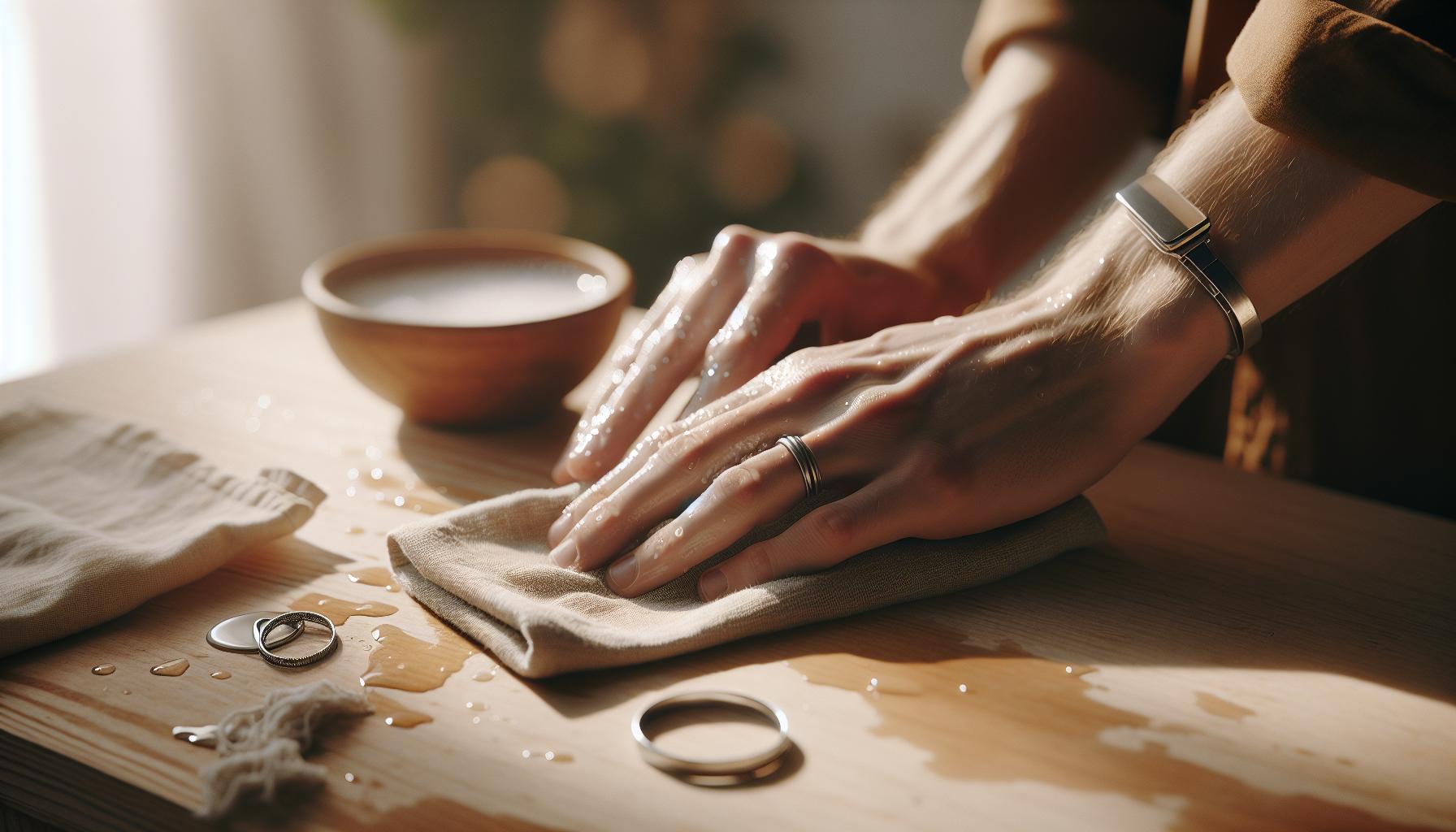
Best Methods for Washing Cleaning Cloths
When it comes to maintaining the effectiveness of your jewellery cleaning cloths, knowing how to wash them properly is key. Not all cleaning cloths are created equal; some are treated with special chemicals designed to tackle tarnish and grime efficiently. Washing these cloths incorrectly can not only reduce their effectiveness but may also harm your precious jewellery. Therefore, understanding the best methods for washing these important tools can extend their life while ensuring your jewellery remains stunningly polished.
To safely wash your jewellery cleaning cloths, first check for any specific care instructions provided by the manufacturer. For cloths that are indeed washable, hand washing is often the safest method. Here’s an effective approach you can follow:
- Fill a basin with cool water and add a small amount of a gentle, non-abrasive soap. Avoid any harsh chemicals that can strip away the cloth’s special properties.
- Soak the cloth briefly in the soapy water, gently agitating it to loosen dirt.
- After soaking, rinse the cloth thoroughly in cool, clean water to remove all soap residue. It’s crucial to ensure none of the soap remains, as it can be residues that may transfer to your jewellery later.
- Finally, lay the cloth flat on a clean, dry towel to air dry completely before storing it. Hanging or crumpling it while wet can damage its fibers and impair its cleaning efficacy.
An equally important aspect of care is frequency. Over-washing your cleaning cloth can lead to premature deterioration. Instead, consider spot cleaning for minor stains or swaps out your cleaning cloth when it starts to show heavy wear. By following these guidelines, you can ensure that your jewellery cleaning cloths continue to perform their vital function of keeping your jewellery looking its best, so you can shine bright on every occasion!
What Happens If You Don’t Clean Cloths?
Neglecting to clean your jewellery cleaning cloths can lead to a series of unwelcome consequences that not only diminish the cloth’s effectiveness but can also adversely affect your precious adornments. Over time, dirt, oils, and particles from the jewellery can build up on the cloth. When you subsequently use this dirty cloth on your valuable pieces, instead of enhancing their shine, you risk scratching or smudging them with the very grime the cloth was meant to remove. This can be particularly problematic for sensitive materials like soft gemstones or polished metals, where even minute particles can cause noticeable damage.
Using an unclean cloth can also transfer oils and residues back onto your jewellery, dulling its shine and potentially even leading to the tarnishing of metals. Think of it like applying makeup with a brush that hasn’t been cleaned in weeks; the result can be uneven and detrimental. Additionally, if your cloth has absorbed chemicals or contaminants, you may inadvertently introduce these harmful elements onto your jewellery, leading to discoloration or degradation of the materials.
Cleaning cloths play a crucial role in jewellery maintenance, and their effectiveness hinges on regular washing. If you ignore this step, you may find yourself needing to use stronger and possibly more abrasive methods to restore your jewellery later, which is not ideal. It can lead to an ongoing cycle of wear and tear that drains both the visual appeal and structural integrity of your pieces over time. Rather than allowing the dirt to accumulate and complicate your jewellery care routine, establish a schedule for maintaining your cloths-this small effort can save you from costly repairs or replacements down the line.
In conclusion, keeping your cleaning cloths in top condition isn’t just about preserving the cloth itself; it’s an essential part of a broader strategy to protect your cherished jewellery. By washing them regularly, you’re ensuring that they continue to serve their fundamental purpose effectively, maintaining the brilliance and lifespan of your exquisite pieces.
Tips for Drying and Storing Cloths Properly
When it comes to maintaining the longevity and effectiveness of your jewellery cleaning cloths, proper drying and storage are essential steps that often go overlooked. After washing, it’s vital to dry your cloths completely to avoid mildew or unpleasant odors, which can compromise their cleaning ability. A gentle air drying method works best-simply lay the cloth flat on a clean, dry towel in a well-ventilated area, away from direct sunlight that could cause fading or deterioration over time.
Once your cloths are dry, storing them correctly ensures they remain clean and ready for use. Here are some tips to consider for optimal storage:
- Keep Them Separate: Avoid storing your cleaning cloths with jewellery or other cleaning supplies that could transfer residues or dust.
- Use a Protective Pouch: Consider placing each cloth in a breathable pouch or a dedicated storage container. This keeps out impurities while allowing the cloths to breathe.
- Avoid Humid Areas: Store your cloths in a cool, dry place. High humidity can lead to the growth of mold and mildew, which can harm both the cloth and your jewellery.
- Limit Handling: Try to handle your cleaning cloths as little as possible after they are clean to preserve their purity. The oils from your hands can transfer to the cloth.
Keeping your cleaning materials in pristine condition is not just about cleanliness; it reflects your commitment to preserving your jewellery’s beauty. By following these simple yet effective steps for drying and storing your cleaning cloths, you ensure that they remain in top condition, ready to maintain the shine and brilliance of your treasured pieces whenever you need them.
Material Types: What to Know Before Washing
Understanding the materials that make up your jewellery cleaning cloths is crucial for their proper care and maintenance. The effectiveness of a cleaning cloth largely depends on its composition, as different materials offer distinct qualities suited to different types of jewellery. For instance, microfiber cloths are commonly favored because they are ultra-soft, highly absorbent, and non-abrasive, making them ideal for delicate items like gold or silver jewellery. When washing your cloths, knowing their material can help avoid potential damage.
Another common material is cotton, which is breathable and easy to clean. However, cotton cloths may not hold up as well against tougher stains or tarnish. If you opt for a cotton cleaning cloth, it’s essential to treat it gently during washing to preserve its integrity. For particularly stubborn grime or tarnish, you might consider cloths infused with cleaning agents specifically formulated for jewellery care, but keep in mind that these should be hand washed and never mixed with regular household detergents, as this can degrade their cleaning properties.
When preparing to wash your cloths, examine the care label-if available-to understand the recommended cleaning method. Some materials can tolerate machine washing, while others may require hand washing to maintain their softness and effectiveness. As a rule of thumb, avoid fabric softeners and bleach, as these can leave residues that may damage your jewellery instead of cleaning it. Ultimately, recognizing the materials in your cleaning cloths not only enhances their lifespan but also ensures you are using the right tools to keep your jewellery in pristine condition.
Common Mistakes When Caring for Cloths
Many jewel enthusiasts overlook the crucial maintenance of their cleaning cloths, which can significantly impact the brilliance of their beloved pieces. One common mistake is storing used cloths in places where they can collect dust or dirt, negating their purpose just when you need them most. Just like your jewelry, cleaning cloths require a designated storage spot-preferably in a clean, dry place to ensure they remain ready for action when you want to polish your favorite items.
Another frequent error is failing to distinguish between different types of cleaning cloths. Mixing them up can lead to unexpected damage. For example, using a coarse or textured cloth on sensitive pieces like pearls can scratch their surface. It’s essential to match the cloth to the specific type of jewelry you’re cleaning, ensuring optimal results without compromising the finish. Moreover, many people wash their cloths too vigorously, which can break down the fibers. Only gentle washing techniques are recommended to preserve their effectiveness.
Additionally, many users mistakenly believe that all cloths can be cleaned with standard household detergents or fabric softeners. However, these products may leave residues that could harm your jewelry. It’s vital to use only the appropriate cleaning agents, if needed, and stick to methods that are gentle and jewelry-specific. Lastly, neglecting to check the regular wear and tear of your cloths can lead to diminished performance. Replacing them when signs of worn or frayed edges become visible is crucial to maintaining their cleaning capabilities.
By avoiding these common pitfalls, you can enhance the lifespan of your cleaning cloths and ensure that your jewelry always shines at its best. Remember, attentive care of your cleaning tools reflects your commitment to preserving the beauty of your collection.
When to Replace Your Cleaning Cloths
When it comes to caring for your jewelry, maintaining the effectiveness of your cleaning cloths is just as important as the cleaning process itself. Over time, even high-quality cleaning cloths can accumulate dirt, scratches, and lost effectiveness, indicating that it may be time for a replacement. One of the first signs to watch for is visible wear and tear; if your cloths show signs of fraying, ripping, or thinning, they may no longer provide the protective cleansing surface your jewelry needs. Once that protective layer is compromised, you risk inadvertently scratching your precious pieces instead of polishing them.
Additionally, you should consider the frequency of use. If you find yourself using your cleaning cloths regularly-whether for your everyday jewelry or for special occasions-the fibers can become matted and less effective over time. A good rule of thumb is to evaluate their condition after every few uses. If a cloth doesn’t leave your jewelry shining like it once did, it’s likely time for a new one.
Moreover, if you’re washing your cleaning cloths, be attentive to how they come out of the wash. Should you notice that they feel dustier or greasy instead of fresh and clean after a wash, it’s an indication that residue may be trapped within the fibers, which can be harmful to your jewelry. Investment in a new cleaning cloth can help maintain the shine and investment in your collection.
In conclusion, replacing your jewelry cleaning cloths regularly ensures that your jewelry continues to sparkle and shine, reflecting the care you provide. Not only does this preventive action prolong the life of both your cloths and your jewelry, but it also upholds the standards of care that every jewelry piece deserves. Remember to store your cloths properly and keep an eye on their condition to make timely replacements a routine part of your jewelry maintenance.
Alternative Methods for Jewellery Cleaning
To keep your jewelry sparkling without relying solely on cleaning cloths, there are several effective alternative cleaning methods that anyone can employ at home. Taking the right approach can save you time and ensure your jewelry collection remains as radiant as the day you bought it. Here are some methods that can be easily integrated into your jewelry care routine:
Gentle Soaps and Warm Water
One of the simplest and safest techniques involves using warm water mixed with a few drops of mild dish soap. This method works effectively on most types of jewelry. Here’s how to do it:
- Mix lukewarm water with a few drops of a gentle dish soap in a small bowl.
- Soak the jewelry for a few minutes.
- Gently scrub using a soft toothbrush, focusing on crevices where dirt accumulates.
- Rinse the jewelry under running water and dry with a microfiber cloth.
Be cautious with porous stones and delicate materials; always check if they can handle moisture before soaking.
Baking Soda Paste
For a more robust cleaning, a baking soda paste can work wonders, particularly for tarnished metals. Combine baking soda with a bit of water to form a paste and apply it with a soft cloth or sponge. Rub gently and rinse thoroughly. This natural method not only cleans but also helps to brighten dull pieces.
White Vinegar and Baking Soda
For an intensive clean, especially for heavily tarnished sterling silver, you can create a solution of vinegar and baking soda. Here’s the process:
- Place the tarnished jewelry in a bowl.
- Pour enough white vinegar over it to cover, then add a few tablespoons of baking soda.
- Let it fizz and soak for about two to three hours, then rinse with lukewarm water.
- Dry with a soft cloth.
This method effectively lifts tarnish due to the chemical reaction between vinegar and baking soda, ensuring your jewelry regains its shine quickly.
Professional Jewelry Cleaners
If your collection includes precious gems or delicate metals, you might consider using a professional jewelry cleaner specifically designed for your type of jewelry. Always read the instructions carefully to prevent any damage.
Utilizing these alternative methods can maintain the luster of your jewelry while minimizing reliance on cloths that may become less effective over time. Regular care not only enhances the beauty of your pieces but also extends their lifespan, allowing you to enjoy them for years to come.
Step-by-Step Guide: DIY Cloth Care
To maintain the effectiveness and longevity of your jewelry cleaning cloths, proper care and cleaning methods are essential. Over time, these cloths can accumulate dirt, oil, and tarnish residues from your jewelry, which can impede their performance. Here’s a practical step-by-step guide to ensure your cleaning cloths stay in optimal condition for shining your favorite pieces.
Start by checking the manufacturer’s instructions regarding washing. Most microfiber or polishing cloths can be washed by hand or machine, but slight variations may exist depending on the materials. Here’s how to approach the washing process:
Step 1: Prep Your Cloths
Before washing, inspect your cloths for any embedded particles or debris. Shake them gently or give them a light brush with a soft bristle brush to remove loose dirt.
Step 2: Hand Wash or Machine Wash
For hand washing, fill a bowl with warm water and a few drops of mild dish soap. Submerge the cloth and gently agitate the water to help lift dirt and buildup. Rinse thoroughly under cool running water until all soap is removed.
If using a washing machine, place the cloths in a mesh laundry bag to prevent snagging. Set the machine on a gentle cycle with cold water and add a mild detergent. Avoid bleach and fabric softeners, as they can damage the cloth’s fibers.
Step 3: Drying Your Cloths
After washing, gently squeeze out excess water without twisting the cloth. Lay it flat on a clean towel to air dry, avoiding direct sunlight or heat sources. Make sure the cloth is completely dry before storing it away to prevent mildew.
Step 4: Proper Storage
Store your cleaned cloths in a dry, cool place, preferably in a dedicated container or drawer away from other materials that might cause lint transfer. Keeping them separate will protect their cleaning abilities.
By regularly following this DIY cloth care routine, you ensure that your cleaning cloths remain effective, allowing you to maintain the brilliance of your jewelry collection continuously. This not only enhances the look of your pieces but also contributes to their longevity, allowing you to cherish them for years to come.
How to Choose the Right Cleaning Cloth
Choosing the right cleaning cloth for your jewelry is crucial not only for the shine of your gems but also for their overall longevity. The effectiveness of a cleaning cloth can significantly impact how well you maintain the brilliance of your pieces. Did you know that using the wrong type of cloth can lead to scratches on softer metals and stones? Understanding the different types of cleaning cloths available is the first step to making an informed choice that will protect your treasured items.
When selecting a cleaning cloth, consider the material. Microfiber cloths are popular for their soft texture and ability to trap dirt without scratching surfaces. They are perfect for delicate jewelry pieces and won’t leave lint behind, ensuring a streak-free shine. For silver and gold, specially treated polishing cloths often contain chemicals that help remove tarnish while providing a fine polish. If you have precious gems, ensure the cloth is safe for use with those specific materials; some cloths may not be suitable for all types of stones.
Additionally, think about the cleaning frequency. If you wear your jewelry daily, opt for a durable cloth that can withstand regular washes. A dual-sided cloth, featuring one side for polishing and another for cleaning, can be especially convenient. Don’t forget to check the care instructions of the cloth itself. Many high-quality options are washable, which means you can maintain their effectiveness over time. Look for cloths that offer clear guidelines on washing and drying to ensure you maintain their functionality.
Finally, consider purchasing from reputable sources or brands known for their jewelry care products. Reviews and recommendations can also guide you to high-quality cloths that suit your particular needs. Investing in the right cleaning cloth not only protects your jewelry but can also enhance your overall jewelry care routine, keeping your pieces sparkling and beautiful for years to come.
FAQ
Q: How often should I clean my jewellery cleaning cloths?
A: You should clean your jewellery cleaning cloths regularly, ideally after every few uses, to maintain their effectiveness. Regular cleaning prevents buildup of dirt and tarnish, ensuring your cloths perform well. For specific washing instructions, refer to the “Best Methods for Washing Cleaning Cloths” section of our article.
Q: What materials should I avoid when washing jewellery cleaning cloths?
A: Avoid harsh detergents, bleach, or fabric softeners when washing your jewellery cleaning cloths, as these can damage the cloth’s fibers. Instead, use mild soap and water, as outlined in the “Best Methods for Washing Cleaning Cloths” section.
Q: Can I use regular laundry methods for jewellery cleaning cloths?
A: No, regular laundry methods may not be suitable for jewellery cleaning cloths due to the potential damage from agitators and harsh chemicals. It’s best to hand wash them gently, as detailed in the “Best Methods for Washing Cleaning Cloths” section.
Q: What should I look for when purchasing jewellery cleaning cloths?
A: When purchasing jewellery cleaning cloths, consider the material, lint-free quality, and whether they are treated with cleaning agents. A good overview of different cloth types can be found in the “Material Types: What to Know Before Washing” section.
Q: How should I store my jewellery cleaning cloths after use?
A: After using your jewellery cleaning cloths, store them in a dry, clean place to prevent contamination. Avoid folded storage as it can trap dirt. For more tips, check the “Tips for Drying and Storing Cloths Properly” section.
Q: Can I reuse jewellery cleaning cloths after washing them?
A: Yes, you can reuse jewellery cleaning cloths after washing, provided they have been cleaned properly and air-dried. This helps extend their lifespan, as outlined in the “When to Replace Your Cleaning Cloths” section.
Q: Why is it important to keep jewellery cleaning cloths free from dirt?
A: Keeping jewellery cleaning cloths dirt-free is essential to prevent scratches and preserve the shine of your jewellery. Accumulated dirt can diminish the cloth’s effectiveness. More insights can be found in “The Importance of Keeping Your Cloths Clean.”
Q: Are there eco-friendly alternatives to jewellery cleaning cloths?
A: Yes, eco-friendly alternatives include microfiber cloths or reusable cotton cloths, which can be effective without harsh chemicals. For tips on choosing and using these alternatives, refer to the “Alternative Methods for Jewellery Cleaning” section.
To Conclude
Now that you know how to properly care for your jewellery cleaning cloths, you can ensure your precious pieces shine like new for years to come. Remember, investing just a few minutes into proper maintenance will maximize the life of your jewellery and enhance its beauty. If you’re curious about other aspects of jewellery care, check out our guides on cleaning metals and gems or explore DIY tutorials for a more hands-on approach.
Don’t forget to explore our extensive resources on jewellery storage tips and styling advice. Join our newsletter for exclusive updates, and stay connected for expert insights that will elevate your jewellery game. We’d love to hear how you care for your accessories-feel free to share your thoughts in the comments below! Happy jewellery caring!