
Acrylic fabrics are a popular choice for their warmth and durability, but many people wonder, “Does acrylic shrink?” It’s a valid concern, especially if you want to maintain the fit and appearance of your favorite garments. Understanding how acrylic behaves during washing and drying can save you from unexpected surprises and costly replacements. In this guide, we will explore the science behind acrylic fibers, practical tips for fabric care, and preventative measures to keep your favorite items looking their best. Whether you’re a seasoned fabric enthusiast or simply want to keep your wardrobe in top shape, these insights will empower you to handle acrylic with confidence. Dive in to learn more about preserving your acrylic pieces and extending their life!
Understanding Acrylic Fabric Composition and Properties
Acrylic fabric is a popular synthetic textile known for its versatility and vibrant colors, making it a preferred choice in clothing, home decor, and accessories. Created from polymer fibers, acrylic mimics the warmth and softness of wool while being lightweight and resistant to moths, oils, and mildew. One of the key properties of acrylic is its ability to hold dye exceptionally well, resulting in vivid hues that don’t easily fade, making it a durable and attractive option for various applications.
When considering its composition, acrylic fibers are generally made from a substance derived from petroleum, which contributes to their resilience and flexibility. Unlike natural fibers, acrylic does not absorb moisture the same way; instead, it repels water while allowing the fabric to remain breathable. This moisture-wicking property makes acrylic ideal for athletic wear and outdoor clothing, as it helps to keep the wearer dry and comfortable. However, this same characteristic can lead to misconceptions regarding care and maintenance, particularly concerning shrinkage.
Although acrylic is resistant to wear and tear, improper handling can lead to undesirable results, such as shrinking. It’s essential to understand that acrylic is more prone to shrinkage when exposed to high temperatures during washing or drying. By adopting effective washing and drying practices, individuals can preserve the quality and fit of their acrylic garments for years to come. Awareness of these properties and proactive care will ensure that your acrylic items maintain their intended size and shape, allowing you to enjoy their benefits longer.
How Acrylic Shrinks: Causes Explained
Understanding why acrylic fabrics shrink can help you take proactive measures to maintain their shape and longevity. The shrinking of acrylic material is predominantly attributed to exposure to high temperatures and improper washing techniques. When acrylic fibers encounter excessive heat, either during washing or drying, the molecular structure of the fabric can change, causing it to contract and lose its shape. Therefore, understanding how heat affects acrylic is key to preventing shrinkage.
Acrylic fibers are thermoplastic, meaning they respond to changes in temperature. When hot water is used, or if the fabric is placed in a dryer set to high heat, the fibers can relax and begin to pucker. Conversely, as the fabric cools, it retains this altered state, resulting in a smaller garment than intended. This reaction can be especially pronounced in garments that contain a high percentage of acrylic fibers, as these are less forgiving than those blended with other materials.
In addition to heat, the agitation during washing can also contribute to shrinkage. Washing machines can create substantial friction, which inadvertently causes fibers to bunch together and tighten. The more abrasive the washing cycle, the more likely it is that your acrylic clothing will shrink. This highlights the importance of selecting gentle washing cycles and avoiding overdrying when caring for acrylic garments.
To sum it up, preventing shrinkage in acrylic fabrics hinges on careful attention to temperature and washing conditions. By consistently using cold water and opting for low-heat settings, you can help prevent your favorite acrylic pieces from becoming unwearable. With these strategies in mind, you can enjoy the comfort and versatility of acrylic without the worry of shrinkage.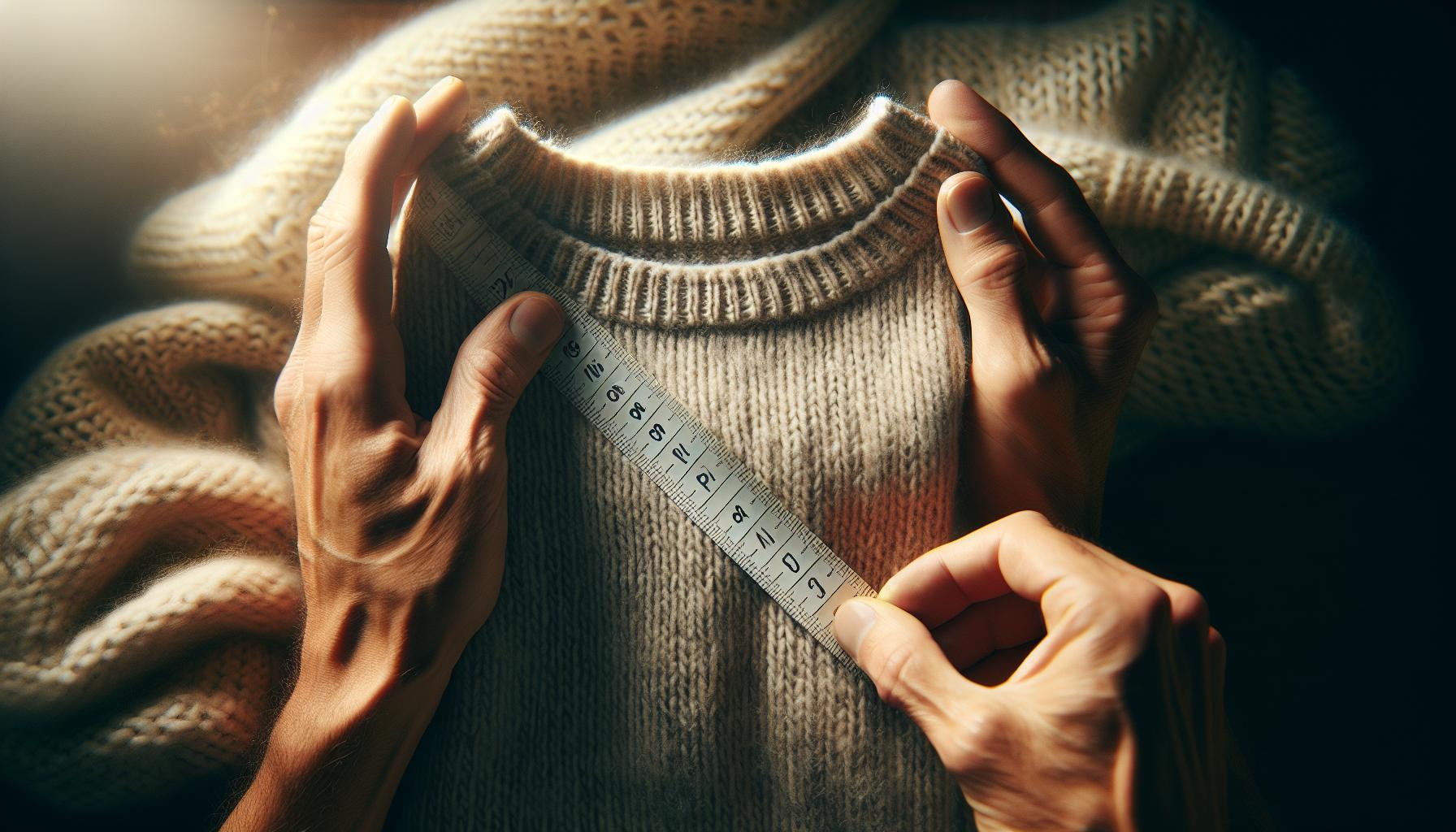
Signs of Shrinking in Acrylic Fabrics
Identifying whether your acrylic fabrics have begun to shrink can save you from further frustration and damage down the line. Several signs indicate that your favorite acrylic garments may no longer fit as they originally did. Pay close attention to the overall dimensions, texture changes, and how the fabric drapes on the body.
One of the most noticeable signs of shrinkage is changed dimensions. If your acrylic garments seem tighter around the shoulders, waist, or hips, or if the hem appears significantly shorter, these are clear indicators of shrinkage. Always compare the garment with its original measurements if possible; this can provide you with a definitive answer, especially if you have had the item for some time.
Another significant indicator is the texture of the fabric. When acrylic shrinks, the fibers might bunch or seem tighter, resulting in a less smooth surface. If you notice that the fabric feels more rigid than before or has developed a ‘puckered’ look, this could signal that it has reacted negatively to heat or improper washing. Additionally, stretched seams may also be a signal. Seams that appear to have pulled apart or become distorted can indicate that the garment has shrunk unevenly.
Finally, an essential aspect of observing shrinking in acrylic is the overall appearance of the garment while it’s worn. If you find that the fabric does not hang or drape as it used to, appearing shorter and stiffer around the body, it is likely that the fibers have contracted. Recognizing these cues early can help you implement care strategies that may prevent further damage and allow you to continue enjoying your acrylic items for years to come.
Effective Washing Techniques for Acrylics
To keep your acrylic fabrics looking fresh and to avoid unwanted shrinkage, adopting effective washing techniques is essential. Acrylic fibers, while resilient, can be sensitive to heat and harsh laundry practices. By following these simple yet effective methods, you can preserve the integrity of your garments and extend their lifespan.
Begin by washing your acrylic items in cold water, as hot water can cause the fibers to contract. Use a gentle cycle to minimize agitation, which can lead to pilling and distortion. When choosing a detergent, opt for a mild, non-chlorine option specifically formulated for delicate fabrics. This will help prevent damage to the fibers while ensuring they are cleaned properly.
In addition to selecting the appropriate washing method, consider using a mesh laundry bag for added protection. This is particularly useful if you are washing delicate acrylic blends or items with embellishments. By placing your garments in a mesh bag, you can reduce the risk of snagging and tangling, which often leads to wear and tear.
After washing, make sure to avoid wringing or twisting the fabric, as this can distort its shape. Instead, lay the garment flat on a clean towel to remove excess water by gently pressing down, then reshape the item to its original form. By implementing these washing techniques, you can enjoy your acrylic garments while keeping them in top condition, free from shrinkage, and looking great for years to come.
Drying Practices to Prevent Acrylic Shrinkage
To maintain the quality and lifespan of your acrylic fabrics, the drying process is just as crucial as washing. Did you know that improper drying is one of the leading causes of shrinkage in acrylic garments? By adopting the right practices, you can significantly reduce the chances of your favorite acrylic items becoming misshapen or too snug.
One effective method for drying acrylic garments is to air dry them. This can be easily accomplished by laying the item flat on a clean, dry towel. Gently reshape the garment to its original form, ensuring that it retains its intended dimensions. Avoid hanging acrylic fabrics, as this can cause stretching and distortion, particularly in heavier items. If you must hang the garment, use a padded hanger and only hang lighter items that won’t weigh the fabric down.
When it comes to using a dryer, caution is essential. If you choose to machine dry your acrylic fabrics, select the lowest heat setting available or opt for an air dry cycle. High temperatures can cause the fibers to compress and lead to shrinkage. It’s also wise to remove the items from the dryer while they are slightly damp, allowing them to finish drying on a flat surface-this will help prevent them from becoming overly wrinkled.
Here are some additional tips to consider when drying acrylic fabrics:
- Use a mesh drying rack: This can promote better air circulation and aid in even drying.
- Avoid direct sunlight: Prolonged exposure can fade the colors and weaken the fibers over time.
- Check the care label: Always follow the manufacturer’s instructions for the best results.
By applying these drying practices, you can keep your acrylic garments looking fresh and prevent unwanted shrinkage, ultimately extending their wearability. Proper care not only enhances the longevity of your items but also keeps them looking their best season after season.
Ironing Acrylic Without Damage
Ironing acrylic fabrics can be a bit daunting, especially since high temperatures can lead to damage or shrinking. However, with careful attention and the right techniques, you can safely remove wrinkles and keep your acrylic garments looking fresh and appealing. Here’s how to do it effectively.
To start, always check the care label on your acrylic item. It usually contains specific instructions regarding heat settings. When preparing to iron, set your iron to the lowest heat setting, typically labeled as “synthetic” or “acrylic.” It’s crucial to avoid dry ironing; instead, use a steam function if your iron has one. The gentle steam will help to smooth the fabric without applying excessive heat, which is particularly vital for delicate acrylic fibers.
It’s also a good idea to place a thin cloth, such as a cotton press cloth or even a clean towel, between the iron and the acrylic fabric. This barrier provides additional protection and can help distribute the heat more evenly, reducing the risk of shiny spots or melting. When ironing, keep the iron in constant motion to minimize direct heat exposure on any one spot for too long.
- Iron from the inside: Turn your garment inside out to further protect the exterior.
- Use low pressure: Let the weight of the iron do the work; pressing down too hard can distort the fabric.
- Avoid lingering: Limit the time the iron spends on any one area, aiming for brief, light passes.
For stubborn wrinkles that resist a light touch, consider alternative methods. Hanging your acrylic clothing in a steamy bathroom can relax the fibers naturally without direct heat. Alternatively, a handheld garment steamer can be an excellent tool for tackling tough wrinkles without the risk associated with ironing.
By adopting these techniques, you can confidently remove wrinkles from acrylic clothing without risking damage, ensuring that your garments maintain their shape and vibrant look. Proper care, including thoughtful ironing methods, extends the life of your favorite acrylic pieces, keeping them stylish and comfortable wear after wear.
Best Practices for Storing Acrylic Clothing
Storing acrylic clothing properly is essential to maintain its shape, color, and softness. Unlike other fabrics, acrylic can be quite sensitive to environmental conditions and improper handling, leading to deformation and shrinkage. One of the most effective ways to preserve your acrylic garments is to ensure they are clean and completely dry before storage. This simple step helps prevent the growth of mold and mildew, which can flourish in damp environments and damage the fabric.
When organizing your wardrobe, opt for breathable garment bags or cotton storage bins. These allow air circulation while protecting your clothes from dust and pests without trapping moisture. Avoid using plastic covers, as they can create a humid environment that may lead to mold issues. Additionally, folding is generally better than hanging for acrylic items, as hanging can cause them to stretch over time. If you choose to hang them, use padded hangers or those specifically designed for delicate fabrics to minimize stress on the shoulders and prevent bulging.
To further protect your acrylic fabric, consider adding cedar blocks or lavender sachets in your storage areas. Not only do these natural options deter pests, but they also help to maintain a pleasant scent. Be mindful of keeping your finished garments away from direct sunlight as UV rays can cause colors to fade. For long-term storage, keep your acrylic away from areas with excessive heat or cold, such as attics or basements, which can create extremes that may harm the fabric integrity.
In summary, the key to preserving your acrylic clothing lies in careful handling and thoughtful storage practices. By taking these preventative measures, you can ensure that your acrylic garments remain vibrant and beautiful for years to come, making them a reliable staple in your wardrobe.
Repairing and Resizing Shrunk Acrylic Items
Acrylic fabric is known for its vibrant colors and softness, but it can shrink when exposed to heat or moisture. If you’ve encountered a beloved acrylic garment that has shrunken, don’t despair! There are methods to repair and resize your shrunk acrylic items effectively.
One popular method for attempting to restore the original size of acrylic fabrics is using a gentle stretching technique. Start by soaking the garment in lukewarm water mixed with a mild fabric conditioner or baby shampoo for about 30 minutes. This process helps relax the fibers. After soaking, gently stretch the fabric by hand, carefully working on areas that have shrunk significantly. It’s important to do this slowly and without aggression to avoid damaging the fibers further. Once you’ve achieved the desired size, lay the garment flat on a clean, dry towel, reshaping it as needed.
Another option is to employ steam from an iron. Set the iron to a steam setting and hold it a few inches away from the fabric (without directly touching it). The steam will help loosen the fibers, allowing you to stretch the fabric back to its original shape. Always ensure that the fabric remains damp during this process, and avoid direct contact to prevent burn marks. Using a pressing cloth between the iron and the garment can also provide an additional layer of protection.
In cases where the shrinkage is excessive, altering the garment might be necessary. Skilled at-home sewers can potentially add fabric panels for a tailored fit or transform it into a stylish cropped top. If you’re uncertain about taking on alterations yourself, seek help from a professional tailor who has experience with acrylic fabrics.
By employing these techniques, you can breathe new life into a shrunken acrylic piece, allowing it to remain a treasured part of your wardrobe. Remember, though, that preventive care is the best approach; always wash and dry acrylic with caution to maintain its shape and size effectively.
Choosing the Right Acrylic Blends to Avoid Shrinkage
Choosing the right acrylic blends can significantly impact your experience with this popular fabric, especially in relation to shrinkage. Acrylic fibers are renowned for their versatility, but when they are blended with other materials, such as cotton, wool, or polyesters, they can take on additional properties that help resist shrinkage. When shopping for acrylic items, look for blends that incorporate natural fibers, as these tend to be more stable under various washing conditions and less prone to shrinkage.
Acrylic-cotton blends are particularly effective. Cotton adds breathability and moisture-wicking properties, which can help maintain the integrity of the fabric when it’s exposed to heat and moisture during washing and drying. Similarly, acrylic-wool blends can provide warmth and better structural stability, reducing the likelihood of shrinkage. These combinations not only enhance comfort but also contribute to the durability of the fabric.
When selecting garments, also consider the weight and weave of the fabric. Heavier, more densely woven acrylic blends tend to resist shrinking better than lighter, loosely woven options. Fabrics labeled as “pre-shrunk” or those featuring specific technology designed to prevent shrinkage are additional choices to consider. Always check the care labels for washing and drying instructions, as adhering to these guidelines is vital in maintaining the fabric’s original size and shape.
Additionally, it’s beneficial to familiarize yourself with the specific brands or products known for their reliable acrylic blends. Some manufacturers focus on crafting high-quality materials designed to minimize shrinkage through advanced production techniques. By choosing wisely and investing in quality blends, you can enjoy the beauty and functionality of acrylic fabrics without the dreaded shrinking woes.
Common Myths About Acrylic Care Debunked
Acrylic fabrics are often misunderstood, leading to several pervasive myths that can affect how consumers care for their garments. One of the most common misconceptions is that all acrylic fibers shrink greatly when washed. In reality, while acrylic is susceptible to heat-induced shrinkage, careful washing and drying methods can significantly mitigate this risk. Choosing the right temperature settings and gentle cycles can help maintain the fabric’s integrity, allowing you to enjoy your acrylic items without undue worry about shrinkage.
Another myth suggests that acrylic is not breathable, which can deter some from choosing this versatile fabric. However, acrylic fibers, especially when blended with natural materials like cotton or wool, provide excellent breathability and moisture-wicking properties. This makes them a great choice for both casual wear and active use, proving that a fabric can be lightweight yet functional. For example, wearing acrylic-cotton blends in warmer climates offers comfort and helps regulate body temperature.
Additionally, some consumers believe that once shrinkage occurs, it is irreversible. Although shrinking can alter the fit of a garment, there are stretching techniques that might help revive the fabric’s original size. Soaking the item in lukewarm water with a mild conditioner can relax the fibers, allowing gentle stretching back to size. This technique is particularly useful for knitwear, where the elasticity of the fibers can often accommodate some manipulation.
In conclusion, debunking these myths is essential for anyone looking to maintain their acrylic wardrobe. By embracing proper care techniques, recognizing the benefits of blends, and understanding how to handle shrinkage, wearers can confidently incorporate acrylic fabrics into their lives while preserving their quality and appearance.
Tips for Buying Acrylic: Avoiding Shrinkage Issues
When purchasing acrylic items, especially clothing, understanding how to avoid shrinkage can save you time and money while preserving the quality of your garments. The origin of your acrylic fabric matters significantly-higher quality acrylics often contain additives that improve their durability and resistance to shrinkage. Look for items labeled as “shrink-resistant” or “pre-shrunk;” these features indicate that manufacturers have taken extra steps to minimize alteration in size post-washing.
Another important tip is to consider the blend of materials. Purchasing 100% acrylic may limit the fabric’s breathability and increase the chances of shrinkage, especially under high heat during washing or drying. Opt for acrylic blends, such as with cotton or polyester, which can provide not only better resistance to shrinking but also enhanced comfort and diverse textures. Fabrics like acrylic-wool blends can also offer thermal benefits without compromising on the structural integrity of the garment.
When selecting acrylic clothing, check care labels meticulously. They should clearly outline the washing and drying instructions. To minimize shrinkage risk, select items that recommend cold washing and air drying. High temperatures are the primary cause of acrylic shrinkage, so choosing cooler settings is essential. Additionally, be mindful that rough washing methods like agitation can be harsh on acrylic fabrics, potentially leading to pilling and distortion. Always choose a gentle cycle when laundering acrylic.
Lastly, before making a purchase, consider the garment’s intended use. If you need versatile pieces suitable for various occasions, choosing slightly oversized items may offer room for movement and help account for any minor shrinkage that might occur over time. This approach allows you to enjoy the style without constantly worrying about fit, thereby enhancing your overall garment experience.
By applying these straightforward tips when buying acrylic, you can protect your investment, enjoy your clothing longer, and avoid the annoyance of unexpected shrinkage.
Sustainable Care: Extending the Life of Acrylic Fabrics
To ensure that acrylic fabrics maintain their quality and longevity, adopting sustainable care practices is essential. By instituting proper care routines, you can significantly extend the lifespan of your acrylic items, reduce waste, and promote a more sustainable wardrobe. One effective approach is to focus on mindful washing and drying methods that preserve the integrity of the fiber while minimizing environmental impact.
One of the best practices includes washing acrylic garments with care. Opt for cold water cycles and gentle detergents to mitigate the risk of shrinkage and color fading. Whenever possible, wash items in a mesh garment bag to protect them from abrasions caused by additional friction with other fabrics. Reducing the frequency of washing can also greatly extend the life of acrylic; simply airing out garments between wears helps minimize wear and keeps fabrics fresh.
For drying, consider air drying as the optimal choice. Not only does this method avoid the high heat that can cause shrinkage, but it also conserves energy. If air drying isn’t feasible, using a low heat setting in the dryer (when absolutely necessary) is preferable. Avoid direct sunlight, which can fade colors over time. When storing acrylic items, fold them neatly to prevent stretching and maintain their shape, and always keep them in a cool, dry place to avoid moisture buildup that could lead to mold or mildew.
Investing in quality pieces made from acrylic blends, such as those combined with cotton or polyester, can also enhance durability, maintaining comfort while limiting shrinkage. By being proactive and employing these sustainable care techniques, not only will you enjoy your acrylic items for longer, but you will also contribute positively to environmental practices by reducing textile waste in landfills. Embrace these strategies to maximize both the longevity of your cherished garments and your commitment to sustainability.
Frequently Asked Questions
Q: How can I prevent my acrylic fabrics from shrinking?
A: To prevent acrylic fabrics from shrinking, wash them in cold water using a gentle cycle. Air drying is recommended instead of using a dryer, as high heat can cause shrinkage. Refer to the section on Effective Washing Techniques for more details on caring for acrylics.
Q: What temperature should I wash acrylic garments to avoid shrinkage?
A: Always wash acrylic garments in cold water to minimize the risk of shrinkage. Heat can cause the fibers to contract. For more effective washing techniques, see the section on Effective Washing Techniques for Acrylics in your article.
Q: Can I use a dryer for acrylic clothing?
A: It is best to avoid using a dryer for acrylic clothing, as the heat can lead to significant shrinkage. Instead, opt for air drying. Check the Drying Practices to Prevent Acrylic Shrinkage section for best practices.
Q: What should I do if my acrylic item shrinks?
A: If your acrylic item shrinks, try gently stretching it back into shape while it’s damp. However, be cautious, as some shrinkage may be irreversible. Refer to the Repairing and Resizing Shrunk Acrylic Items section for further guidance.
Q: Are there specific acrylic blends that are less prone to shrinkage?
A: Yes, blends that include natural fibers like cotton alongside acrylic tend to be more stable and less prone to shrinking. You can learn more about Choosing the Right Acrylic Blends to Avoid Shrinkage in your main article.
Q: How can I safely iron acrylic fabrics without causing shrinkage?
A: Always use a low heat setting when ironing acrylic fabrics and place a cloth between the iron and the fabric to prevent direct heat contact. For additional tips, refer to the Ironing Acrylic Without Damage section of your article.
Q: What are common myths about caring for acrylic fabrics?
A: Many believe that acrylic is indestructible, but it can shrink and get damaged if not cared for properly. Common care myths are debunked in the Common Myths About Acrylic Care Debunked section of your article.
Q: When should I consider replacing my acrylic fabric items?
A: Consider replacing your acrylic items if they have permanently shrunk, lost their shape, or show significant wear and tear. You can find advice on Sustainable Care: Extending the Life of Acrylic Fabrics in your article for better maintenance practices.
The Conclusion
Having explored the ins and outs of acrylic shrinkage and how to care for your acrylic fabrics, you now have the tools to keep your favorite pieces looking their best. Remember, prevention is key! Whether it’s adjusting your washing techniques or opting for gentler drying methods, taking proactive steps can save your garments from unwanted shrinking.
For further assistance, check out our detailed guides on fabric care essentials and sustainable washing practices to enhance your wardrobe maintenance routine. If you found these insights helpful, don’t hesitate to join our newsletter for exclusive tips straight to your inbox, and explore our comprehensive resources on DIY fabric refreshers and styling advice for your wardrobe.
Don’t forget to leave a comment below sharing your fabric care experiences, and feel free to share this article with friends who might benefit! Your feedback helps us grow our community and continually provide valuable content. Keep caring for your fabrics with confidence!