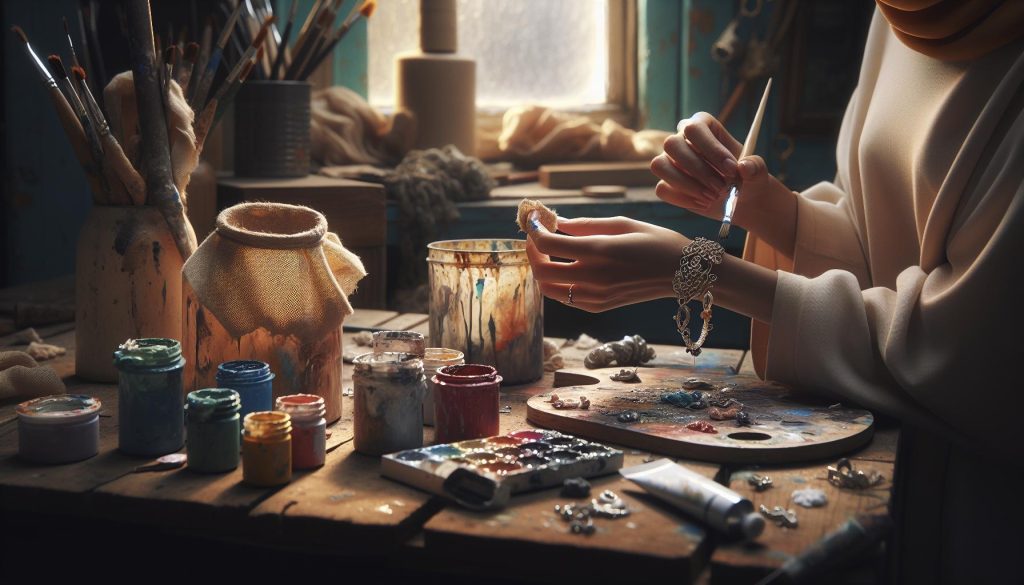
As a jewelry artist, you know that using high-quality materials can make all the difference in your creations. But have you ever wondered if acrylic paint can go bad? Acrylic paint is favored for its vibrant colors and versatility, but like any medium, it has a shelf life. Understanding how to recognize bad paint and proper storage can save you from disappointing results and wasted materials. In this essential guide, we’ll explore key indicators that your acrylic paint may have expired and share tips on how to extend its life. By ensuring your supplies are in top condition, you’ll be empowered to create stunning pieces with confidence. So, let’s dive into what every jewelry artist needs to know about maintaining and utilizing acrylic paint effectively!
Does Acrylic Paint Really Expire?
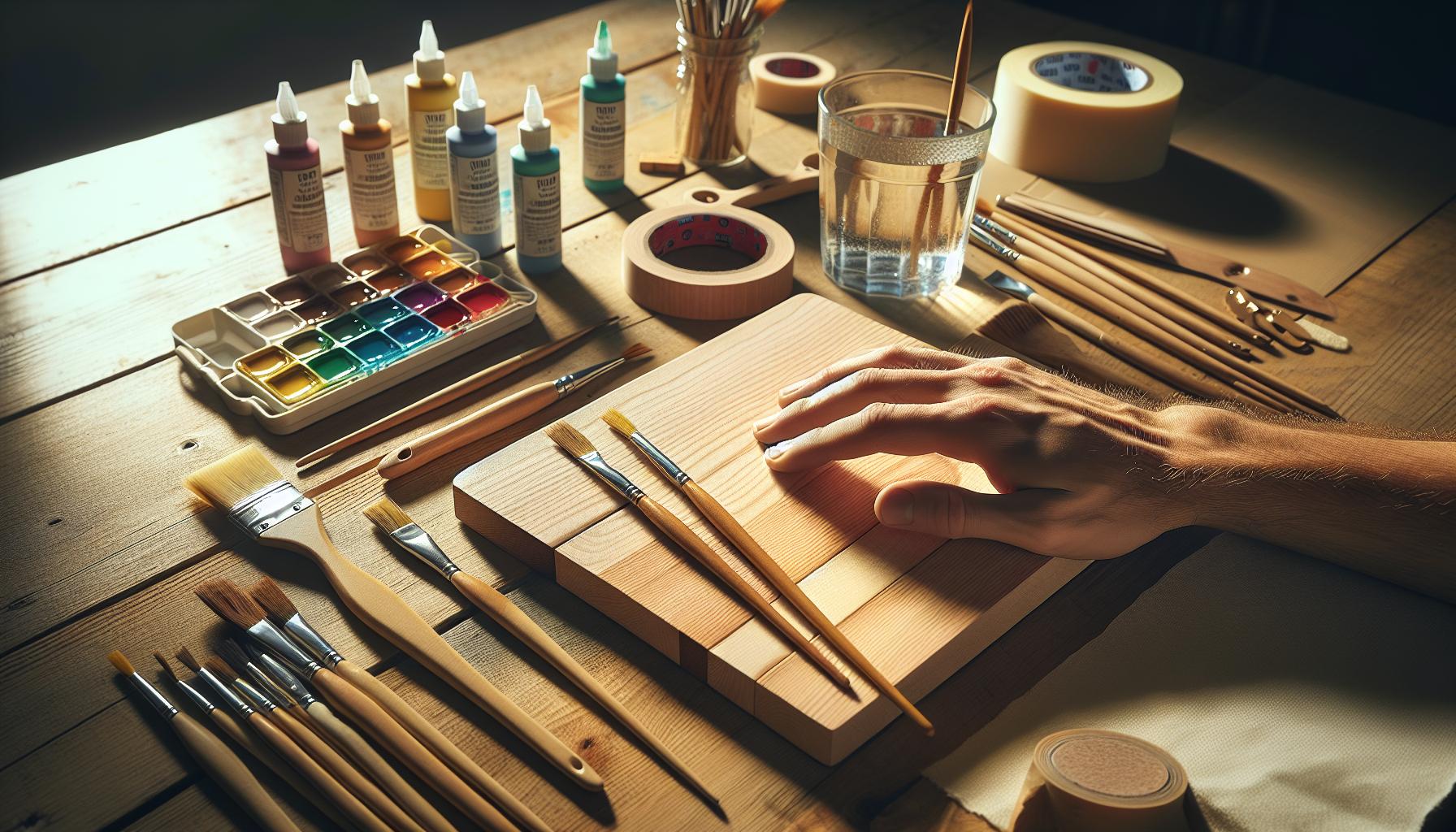
Acrylic paint is a vibrant medium beloved by many artists for its versatility, quick-drying properties, and ease of use. However, like any product, it does have a shelf life and can indeed go bad. Over time, exposure to air and environmental factors can deteriorate the quality of acrylic paint, impacting its performance on your jewelry projects. Though acrylic paint doesn’t have a defined expiration date, several indicators can suggest it has aged beyond usability.
In examining whether acrylic paint really expires, consider the factors at play. Generally, if the paint has separated or has an unusual consistency-oiliness or excessive thickness-it’s time to reconsider using it. A foul odor can also signal that the paint is no longer viable. However, some artists find that a simple mix can revive the paint, especially if it appears to have thickened without developing other signs of degradation. It’s crucial to understand that while acrylic paints can last indefinitely when stored correctly, exposure to air, light, and temperature fluctuations can drastically reduce their lifespan.
If you’re an avid jewelry maker who frequently engages with acrylic paints, knowing how to extend their longevity is equally essential. Proper storage can help preserve your paints longer. Store them in a cool, dry place, away from direct sunlight, and ensure the lids are tightly sealed after each use to minimize air exposure. For those who do find themselves with expired paint, consider experimenting with mixing techniques or using them for test pieces before committing them to your final jewelry designs. Always trust your instinct-if something feels off, it’s best to err on the side of caution and opts for fresh supplies to ensure the best results in your creative endeavors.
Identifying Signs of Deteriorating Paint
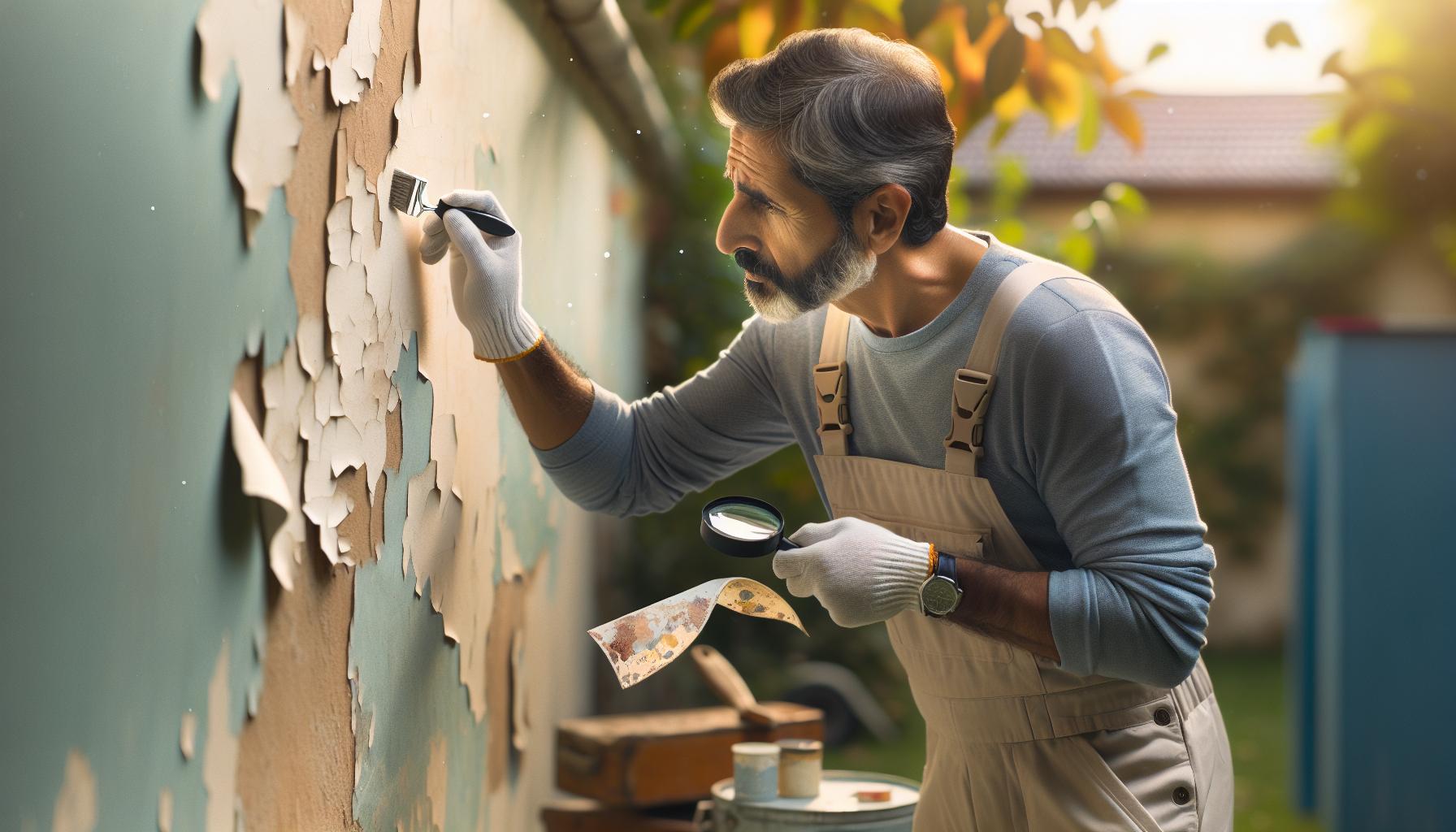
Identifying whether acrylic paint has deteriorated is crucial for any jewelry artist aiming for high-quality results. The paint’s versatility can be compromised by several telltale signs, making it essential to perform a quick check before diving into your creative projects. One of the first things to observe is the paint’s consistency. Fresh acrylic paint should be smooth and creamy, easily flowing from the brush or palette. If you notice a heavy, gloppy texture or if it appears overly thick and does not spread well, these are strong indicators that the paint has aged.
Another important factor to consider is the paint’s surface appearance. When acrylic paint separates or shows water sitting on top, it’s a clear sign of degradation. This separation often indicates that the binding agents are no longer effective, and mixing it may not restore its original quality. Additionally, a foul or rancid smell can signal that the paint has spoiled. If you detect any off odors, it’s best to discard the paint to avoid compromising your artistic integrity.
To properly assess your acrylic paint, conduct a quick visual and tactile inspection. Squeeze a small amount onto a palette and use a brush to test its spreadability. If it feels sticky or clumpy instead of smooth, it’s time to let go. Furthermore, remember that even unopened bottles have a limited shelf life, so maintaining organized storage and keeping track of the age of your supplies can save you time and frustration in your creative process. By being diligent about these signs, you can ensure that the acrylic paints you use contribute positively to your jewelry pieces rather than detracting from their beauty.
Storage Solutions for Prolonging Shelf Life
To keep your acrylic paints in top condition for project after project, smart storage solutions are essential. Properly storing your paint not only prolongs its shelf life but also ensures that it’s ready for you whenever inspiration strikes. Here are some effective tips to maintain the integrity of your acrylic paint.
First, always ensure the lids are tightly sealed after use. Air exposure is one of the primary reasons acrylic paints degrade. Paint stored in an open container can dry out quickly, leading to clumps and a thick consistency that’s difficult to work with. If any seals are broken or lids are damaged, consider transferring the paint to a clean, airtight container.
Next, store your acrylic paint in a cool, dark place to minimize the impact of temperature fluctuations and light. Excessive heat or direct sunlight can accelerate drying and degradation of the paint. A dedicated storage box or drawer works well, and using a thermometer can help monitor the environment. Ideally, keep paints at room temperature, away from heat sources like radiators or stoves.
Another practical tip is to organize your paints by color or type in storage bins. This not only keeps your workspace tidy but also makes it easy to find the color you need quickly. Consider labeling your bins, especially if you work with various brands, as formulations can differ significantly. This organization strategy can save time and prevent unnecessary mixing trials.
Finally, regularly check on your paint stock. By keeping a log of the age of your acrylic paints, you can be proactive rather than reactive. Identify and use older paints first while discarding those that show obvious signs of deterioration. This practice not only helps maintain a quality supply but also aids in reducing waste.
With these tips, you’ll find that effective storage can significantly extend the life of your acrylic paints, allowing you to focus more on your creative expressions and less on paint quality concerns.
Essential Care Tips for Acrylic Paint
Acrylic paint is a versatile medium cherished by both amateur and professional artists, including jewelry makers, for its vibrant colors and quick-drying properties. However, to ensure these paints perform their best, particularly when used in intricate jewelry designs, they require proper care and maintenance. By following a few essential tips, you can keep acrylic paints in prime condition, allowing your creativity to flow without interruption.
First, it is crucial to clean your tools regularly. Brushes, palettes, and other tools can quickly become clogged with dried paint, affecting your next creation’s quality. Rinse brushes with water immediately after use, ensuring that no paint residue remains. For stubborn dried paint, consider using a gentle brush cleaner or a mixture of soap and water. Keeping your tools clean not only enhances your painting technique but also prolongs their lifespan.
Proper dilution techniques can also extend the usability of your acrylics. Mixing your paint with a small amount of water or a medium specifically designed for acrylics can improve its flow and texture, making it easier to work with, especially when applying fine details in jewelry design. Remember, though, that over-diluting can weaken the paint’s binding properties, so maintain a balance for the best results.
To maintain consistent texture and color, always mix your paint well before use. Acrylics can settle in their containers, causing variations in color. This is particularly important for jewelry projects where uniformity is key. Utilize a palette knife or a small stick to stir the paint thoroughly, blending any separated components for a consistent application.
Finally, it’s beneficial to keep a journal or log of your paint usage. Document your paint’s age, colors used, and specific projects to monitor when it might be time to replace old paints. Understanding the lifecycle of your materials will help you identify trends in degradation, allowing for better planning of future jewelry projects.
By implementing these straightforward care strategies, you can maximize the longevity of your acrylic paints, ensuring they remain ready to inspire your next masterpiece. Whether you’re crafting intricate beads or bold statement pieces, keeping your acrylics in top shape means you can focus on what you love most-creating beautiful jewelry.
Impact of Temperature on Paint Longevity
Extreme temperatures can significantly impact the longevity and performance of acrylic paint, making it essential for artists, especially jewelry makers, to understand how to store and handle their materials effectively. High heat can cause acrylic paints to dry out quickly and lose their vibrant color, while cold temperatures can lead to separation of the paint components, resulting in an unusable product. For optimal paint longevity, it’s recommended to store acrylics in a climate-controlled environment, ideally between 60°F and 75°F (15°C to 24°C), away from direct sunlight and extreme humidity.
When working on intricate projects, like jewelry designs, maintaining a stable temperature during the application process is crucial. If you’re painting small details or applying layers, consider using a temperature-controlled workspace. This practice helps prevent the paint from drying too quickly, allowing for better blending and a smoother finish. In addition, if you’re working in a colder environment, lightly warming your paint palette can enhance the flow and consistency of the paint, ensuring smoother applications.
Even after the paint has been used, temperature can affect its durability on finished pieces. To enhance the lifespan of your painted jewelry, consider allowing adequate curing time in a stable environment before wearing or showcasing your creations. Exposure to harsh temperatures post-application can alter the integrity of the paint, leading to potential damage or degradation.
In summary, being mindful of temperature fluctuations not only preserves the quality of your acrylic paints but also ensures that your jewelry creations maintain their beauty and durability. By implementing these temperature control strategies, you can enhance your crafting experience and produce stunning, long-lasting jewelry.
Using Expired Acrylic Paint in Jewelry Making
Using expired acrylic paint can be a creative way to reduce waste and explore new artistic techniques, particularly in jewelry making. While acrylic paint does have a shelf life, many artists find that even paints past their expiration date can still serve a purpose. It’s essential to assess their quality before diving into a project. For example, if the paint has thickened, you can often revive it with a few drops of water or acrylic medium, allowing you to achieve the desired consistency for your designs.
When utilizing expired acrylic paint in jewelry making, consider the following tips:
- Test First: Conduct a small test on a piece of scrap material. This will help you determine if the color still vibrates and how well the paint adheres, especially on surfaces like metal or resin.
- Mix with New Paint: To enhance the quality, consider mixing expired paint with fresh paint. This can help restore vibrancy and smoothness, making it easier to work with.
- Layering Techniques: For jewelry pieces requiring intricate designs, layering expired paints can yield unique textures and effects. A glazed finish can often be achieved by applying multiple transparent layers of older paint.
- Weathered Effects: Expired paint can create appealing textures and weathered looks that add character to your jewelry, making each piece distinct.
Remember that the longevity of the paint once applied to your jewelry may not match that of fresh acrylics. Always allow for adequate drying and curing time to ensure the best results. Also, be mindful of the environment in which you display your finished pieces, as expired paint may not withstand harsh conditions as well as newer options. Embrace the challenge of working with expired acrylics; not only does this practice promote sustainability, but it can also inspire exciting, one-of-a-kind creations that truly showcase your artistic vision.
Best Practices for Mixing and Using Acrylic
When working with acrylic paint, mastering the art of mixing and application can significantly elevate your jewelry creations. The versatility of acrylics means they can be tailored to achieve various textures and finishes, but this requires a thoughtful approach to mixing. Start by ensuring that your materials are clean and dry before use. Contaminants can compromise the integrity of your paint, leading to unwanted reactions or color changes.
To achieve the best results, consider the following techniques for mixing and using acrylic paint effectively:
- Use the Right Ratios: Begin with small amounts of each color to test different mixing ratios. Remember that a little goes a long way; too much of a darker color can overpower lighter shades. Experiment to find the balance that works for your desired effect.
- Consistency is Key: Ensure that your paints are of a similar consistency for smooth blending. If one paint is significantly thicker or thinner, it can affect how well they merge. You can adjust thickness by adding water or a medium, but do so sparingly to avoid diluting the vibrancy.
- Layering for Depth: When painting jewelry, layering is an effective technique to build depth. Start with a base color, let it dry, and then add additional layers, brushing on complementary colors or glazes. This method can create vivid, multi-dimensional effects, making your pieces stand out.
- Keep Tools Clean: Regularly clean your brushes and tools to avoid cross-contamination of colors. Dried paint on a brush can lead to muddy colors; rinse thoroughly with water and reshape the bristles after each use for best results.
One of the most common challenges is ensuring that your acrylic paint adheres well to your chosen surfaces, especially if you’re working with non-porous materials. To enhance adhesion, opt for a clear primer designed for use with acrylics before painting. Additionally, once applied, consider using a sealer or varnish to protect the finish and extend the life of your artwork.
With these best practices, you can mix and use acrylic paint like a pro, ensuring your jewelry pieces not only showcase your artistic vision but also stand the test of time. By embracing experimentation and careful technique, you’ll discover endless possibilities in color and texture that can enhance your jewelry designs.
Choosing Quality Acrylic Paints for Artistry
When venturing into the world of acrylic paints for your jewelry creations, the choice of quality can make a significant impact on the final outcome. Not all acrylic paints are created equal; some products blend easily, provide vibrant colors, and maintain their integrity over time, while others may not meet your expectations. High-quality acrylics not only enhance the aesthetic of your work but also ensure durability-essential for items that will be worn and handled frequently.
To ensure you’re selecting the right paints, consider these factors:
- Color Pigmentation: Opt for brands that offer high pigment concentrations. This will lead to richer colors and better coverage. Look for paints labeled as “professional grade” or “artist quality” for the best results.
- Drying Time: Different acrylics have varying drying times. Faster-drying paints are convenient for layering and complex techniques, but you may prefer slower-drying options for blending or detailed work.
- Finish Variety: Explore paints with different finishes-matte, glossy, and satin-to see which complements your jewelry designs best. Experimenting with textures can add depth and interest to your pieces.
- Mixability: Choosing paints that mix well with each other allows for endless creativity. Check reviews or ingredient lists for compatibility, especially if you plan to create custom colors or effects.
- Safety and Non-Toxicity: For artists concerned about safety, especially if working on intimate accessories, opt for non-toxic, water-based acrylics. These paints are safer to use and clean up, making them ideal for both adults and kids.
Investing in quality paints can be a game-changer for your artistry. Not only do they enhance the creativity and vibrancy of your work, but they also ensure a longer-lasting finish that withstands the test of time and wear. As you select your acrylic palette, take the time to read labels, test samples, and seek recommendations from fellow artists to find the best acrylic paints that align with your specific needs and aesthetic vision.
Safe Disposal Methods for Old Acrylic Paint
Discarding old acrylic paint responsibly is essential not just for your workspace but also for the environment. Unlike some art materials that can simply be tossed in the trash, acrylic paint requires a thoughtful approach for disposal to ensure safety and sustainability. Here’s how you can responsibly dispose of old acrylic paint.
First, check if the paint is too old or has deteriorated. If the acrylic paint is still usable, consider donating it to local schools, community centers, or art groups. Many places welcome supplies that can be used for various creative projects, alleviating waste while supporting local artists and children.
When it comes to disposing of paint that can no longer be used, never simply pour it down the drain or throw it in a landfill. Instead, allow any remaining liquid paint to dry out completely. This can be done by spreading it onto a large piece of cardboard or an old newspaper. Once the paint is dry, you can safely throw the solid remnants in the regular trash. If you have a large amount of paint, consider mixing it with an absorbent material like cat litter or sawdust before discarding.
In some areas, it’s also possible to take your old acrylic paint to a hazardous waste disposal event or facility. Check with your local waste management department for guidelines regarding paint disposal in your area. Many municipalities have special collection days for hazardous materials, making it easy to dispose of your paint safely and responsibly.
By implementing these practices, you not only keep your space clutter-free but also contribute to environmental sustainability. Thoughtful disposal of acrylic paint helps maintain a clean and safe environment, allowing your artistic passions to flourish without guilt.
Exploring Alternative Mediums for Jewelry Artists
Exploring alternative mediums can unlock a new realm of creativity for jewelry artists, especially when dealing with leftover or expired acrylic paint. While most artists are familiar with traditional materials like metals, gems, and beads, the versatility of acrylic paint can be extended into the realm of jewelry design in fascinating ways. Not only can these mediums add color and style, but they can also inspire eco-friendly crafting approaches that reduce waste.
Consider using polymer clay, which can be easily combined with acrylic paint to create vibrant and unique designs. By painting the baked clay pieces, you add intricate details and a personal touch to your jewelry creations. This combination not only enhances the aesthetic but also ensures that artists can play with texture and form. Additionally, for those looking to create statement pieces, using fabric or leather alongside acrylic paint can make striking accessories that stand out.
Another exciting avenue is resin jewelry, where acrylic paint can be mixed in to produce brilliant colors and effects. You can embed small painted elements within resin to create stunning pendants, earrings, or rings that showcase vivid patterns and capture the imagination of onlookers. The transparency of resin allows for a masterpiece of color underneath, giving depth and dimension to your designs.
Moreover, don’t overlook the potential of upcycling materials. Old jewelry pieces or even broken items can be refreshed with a splash of acrylic paint, transforming them into trendy, one-of-a-kind accessories. This not only extends the life of these materials but also makes for a great storytelling element within your artwork.
By embracing these alternative mediums, jewelry artists can elevate their craft while indulging in sustainable practices, ultimately leading to unique creations that reflect their individual style. Whether it’s through combining paint with other materials or finding new uses for expired products, the possibilities are endless-fueling both artistic expression and environmental mindfulness.
DIY Techniques for Reviving Dried Paint
Reviving dried acrylic paint can save you both money and creativity, allowing artists to unlock the potential of previously unusable supplies. Just because your paint has hardened doesn’t mean it’s destined for the trash; with the right techniques, you can bring it back to life and continue your artistic endeavors. Here’s how to do it effectively.
Start by assessing the consistency of your dried paint. If it’s merely thickened but not completely hardened, you may be able to revive it with a few drops of water. Gradually add water to the paint, mixing thoroughly until you reach your desired consistency. Make sure to use distilled water, as tap water may contain minerals that can affect the paint’s quality. It’s important to mix well using a palette knife or a sturdy stir stick, as this helps to incorporate air, which can also reinvigorate the paint.
For paint that is completely dried out and resembles a solid, your approach will differ. Begin by transferring the dried paint into a sealable container. Add a small amount of acrylic medium or a clear acrylic retarder-both will improve flow and workability without severely diluting the color. Close the container tightly and let it sit for a few hours; during this time, the medium can penetrate the paint and soften it. After waiting, mix it using a palette knife; repeat this process as necessary, gradually adding more medium until you achieve a usable texture.
Occasionally, even the best techniques might not fully restore your paint, but there are creative ways to still use it. You can scrape dried paint from containers and use it in mixed media projects, such as collages or jewelry embellishments. Colorful patterns can be made by breaking the paint into smaller pieces, which can then be embedded in resin crafts or used as decorative elements on your jewelry designs.
By utilizing these simple DIY techniques, you not only extend the life of your acrylic paints but also enhance your creative repertoire, making every drop count in your jewelry artistry. Embrace the challenge of revival, and turn what seems like waste into a canvas for inspiration!
Creative Projects to Utilize Leftover Paint
Taking advantage of leftover acrylic paint can unleash your creativity in ways you might not have imagined, transforming what could be waste into vibrant expressions of art. Whether you have remnants from previous projects or dried-up paint, there are numerous innovative ways to incorporate these materials into your jewelry designs. Embrace the challenge of utilizing every drop and watch your artistry flourish!
One engaging project involves creating unique jewelry pieces using *colored resin*. Combine the dried paint with a clear resin to embed it in pendants, earrings, or bracelets. Start by scraping the dried paint into small bits and mixing it with the resin according to the product instructions. Pour the colorful mixture into molds, allowing it to cure fully. The result will be eye-catching, personalized jewelry that showcases your artistic flair. You can even mix colors to achieve marbled effects, creating one-of-a-kind pieces.
Another exciting option is to craft *painted clay beads*. Use air-dry clay to form beads, shapes, or pendants, and once they’re dry, give them a makeover with your leftover acrylics. This technique allows for creative freedom-experimenting with textures, patterns, and colors will yield striking jewelry components. Finish off the beads with a clear sealant to protect your artwork and enhance durability, making sure your creations stand the test of time.
Mixed Media Art Jewelry
Explore the beauty of mixed media by combining different materials alongside your leftover paint. For instance, you can layer your dried acrylic paint with *natural elements* like wood or fabric. Paint intricate designs or abstract patterns on wooden disks or canvas strips to create stunning statement pieces. Use a strong adhesive to attach components and finish with a metal clasp, incorporating varying textures and colors that reflect your style.
Finally, consider upcycling *jewelry findings* and bits from broken or unused pieces. Applying leftover paint to these bits can breathe new life into your jewelry collection. Paint old bangle bracelets or use your acrylics to revamp clasps and earring backs-make them cohesive with your latest creations or give them a totally unexpected twist.
By leveraging leftover acrylic paint in these creative projects, you not only enhance your jewelry game but also practice sustainable crafting, making every small bit count. So, roll up your sleeves, gather your materials, and let your imagination lead the way in transforming waste into wearable art!
Frequently Asked Questions
Q: How long does unopened acrylic paint last?
A: Unopened acrylic paint generally lasts for 2-5 years if stored in a cool, dry place. It’s essential to check for any signs of degradation before use, especially if the paint has been kept for an extended period. For more tips on storage solutions, see our section on “Storage Solutions for Prolonging Shelf Life.”
Q: Can you use old acrylic paint for jewelry making?
A: Yes, you can use old acrylic paint for jewelry making, but it’s essential to check for any signs of separation or clumping. If the paint appears mixed and usable, it can add unique colors and textures to your pieces. Refer to our section on “Using Expired Acrylic Paint in Jewelry Making” for details.
Q: What are the signs that acrylic paint is bad?
A: Signs that acrylic paint is bad include a foul odor, changes in consistency (clumping or separation), and a dull or uneven color when mixed. Always perform a small test before use, as detailed in our “Identifying Signs of Deteriorating Paint” section.
Q: Does temperature affect the shelf life of acrylic paint?
A: Yes, temperature significantly affects acrylic paint’s shelf life. Excessive heat or extreme cold can shorten its lifespan. Store paint in a temperature-controlled environment to maintain quality, as discussed in the “Impact of Temperature on Paint Longevity” section.
Q: Can you mix dried acrylic paint with water?
A: While you can mix dried acrylic paint with water to attempt revival, the results may not be ideal. Consider using a specific acrylic paint medium for better consistency. For tips on revitalizing paint, check our section on “DIY Techniques for Reviving Dried Paint.”
Q: How can I tell if acrylic paint is water-based?
A: Most acrylic paints are water-based and will easily dissolve in water. Check the label for specific details. If it mentions being water-soluble or cleanable with soap and water, it’s water-based.
Q: What’s the best way to store opened acrylic paint?
A: Store opened acrylic paint in airtight containers in a cool, dark place. Ensure the lids are tightly sealed to prevent drying. Learn more in our section on “Essential Care Tips for Acrylic Paint.”
Q: Can I use acrylic paint on metal jewelry?
A: Yes, acrylic paint can be used on metal jewelry, but applying a primer can enhance adhesion and durability. For best results, seal the paint with a clear coat. More on best practices can be found in our section on “Best Practices for Mixing and Using Acrylic.”
Key Takeaways
As you wrap up your exploration of whether acrylic paint goes bad, remember that understanding its lifespan is crucial for every jewelry artist striving to create stunning pieces. Regularly check your supplies to prevent any unnecessary waste-fresh materials yield the best results! If you want to dive deeper, check out our detailed guides on jewelry care or how to clean metals and gems, both maintaining your craft and maximizing your artistic potential.
Don’t let outdated supplies hold you back! Consider signing up for our newsletter for the latest tips and trends in the jewelry-making world. Plus, if you’re interested in developing your skills further, explore our DIY tutorials and see what techniques can elevate your artistry. Keep these lessons in mind, and your creative journey will be both vibrant and rewarding. Share your thoughts below or connect with fellow artists-let’s inspire each other!