Jewellery, with its intricate designs and personal significance, often becomes the center of passionate debates among collectors. From the ethical implications of sourcing materials to the historical context of pieces, these discussions highlight the diverse perspectives that enrich the jewellery community. For many collectors, these debates are not mere arguments; they reflect deeper values and priorities, driving them to seek authenticity and craftsmanship in every facet of their collection. As you delve into this captivating topic, you’ll discover how these spirited conversations shape the world of jewellery collecting, and why understanding them can enhance your appreciation for the art and history behind each piece. Join us on this journey to explore the nuances of jewellery disputes and what they reveal about us as collectors and enthusiasts.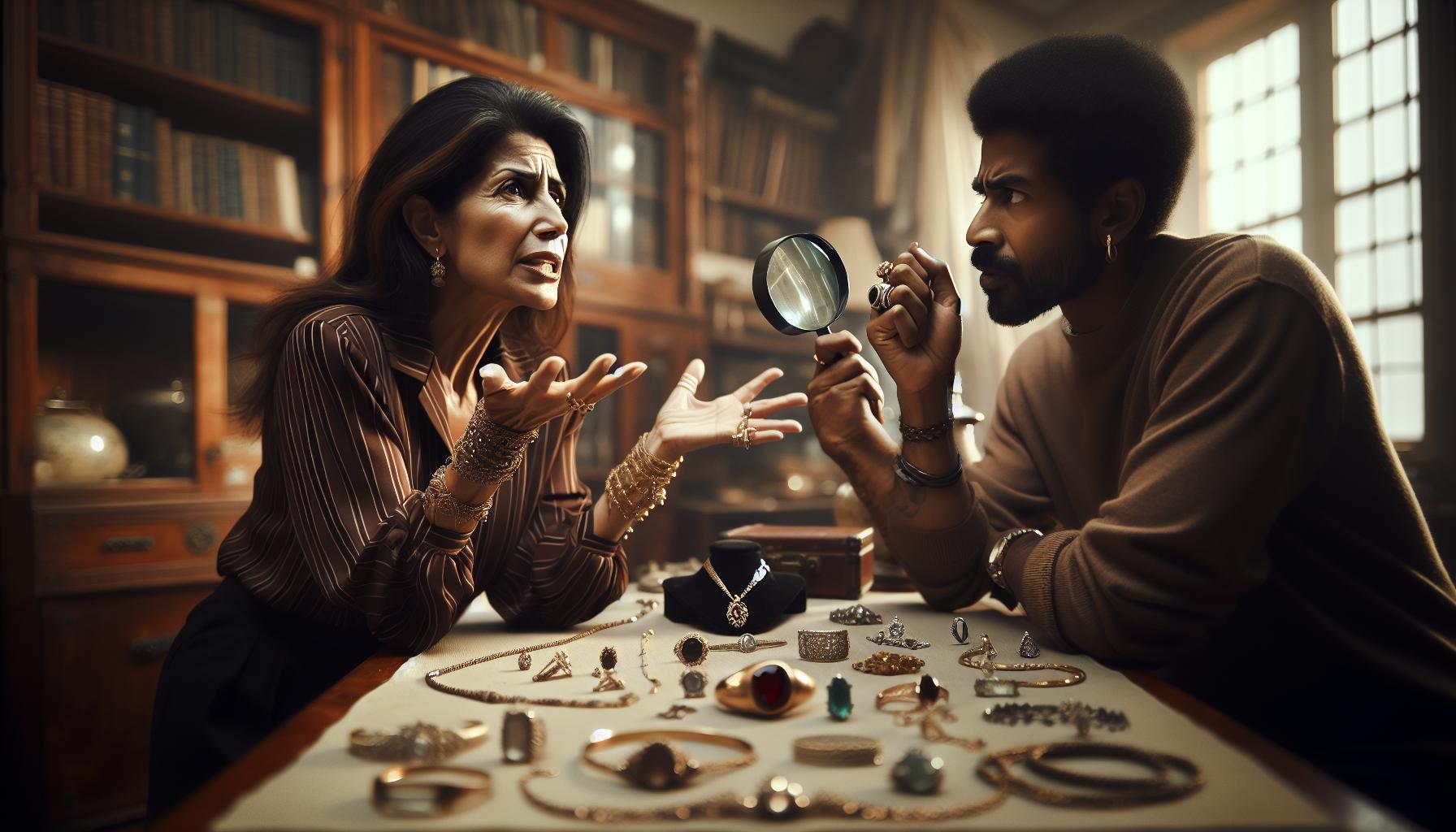
Understanding the Passion Behind Jewellery Collecting
The sheer allure of jewellery often transcends mere decoration, simmering with history and personal stories that resonate deeply with collectors. Each piece holds a narrative, whether it be a vintage brooch passed down through generations or a contemporary design reflecting modern artistry. This emotional connection is a cornerstone of jewellery collecting, igniting passionate debates among enthusiasts who often hold differing views on the merit and value of specific items. Collectors are not merely after ornamental pieces; they seek to embody a moment in time, a memory, or an artistic expression that speaks to their personal experiences and aspirations.
One captivating aspect of jewellery collecting is how it reflects individual tastes and cultural influences. Collectors become curators of their own identity through their collections, choosing pieces that express their values and styles. This personalization fuels passionate discussions, as each collector defends their choices against others who may not appreciate the same artistic directions or emotional significances. Whether it’s the timeless elegance of Art Deco or the bold elements of modern designs, these preferences can lead to vibrant debates over what constitutes true beauty and worth in jewellery.
Moreover, a collector’s journey is often enriched through knowledge-sharing within communities. Engaging in forums and social media allows individuals to express their views, compare notes on trends, and even collaborate on investigations related to authenticity and provenance. This social interaction cultivates a sense of belonging among collectors, yet it can also sharpen divides as differing opinions emerge on what historical context or material quality should factor into valuation debates. As each collector advocates for their understanding of jewellery’s beauty and worth, it deepens the collective appreciation and comprehension that fuels this passionate pastime.
In , it becomes clear that these debates are not just about the pieces themselves; they are about the stories, emotions, and ideas behind them-elements that are just as worthy of exploration and discussion as the jewellery itself.
Key Factors Fueling Jewellery Debates Among Collectors
The world of jewellery collecting is a vibrant tapestry woven with personal stories, artistry, and passion, making it a fertile ground for spirited debates. One of the primary drivers behind these discussions is the deeply ingrained subjectivity that surrounds individual taste. Collectors often have differing perspectives on what constitutes beauty and value, leading to disagreements that can be both enlightening and contentious. For instance, while one collector may swear by the intricate craftsmanship of antique pieces, another may prioritize the innovative designs of contemporary jewellery. These contrasting viewpoints foster dynamic conversations and highlight the unique ways in which people connect with jewellery.
Material Considerations also play a pivotal role in fueling debates among collectors. When it comes to evaluating pieces, opinions vary on the importance of gems versus metals. Some collectors might champion the significance of high-quality gemstones, valuing their rarity and brilliance. Others may emphasize the metal’s craftsmanship, believing that a well-made gold or silver base can elevate a piece’s allure considerably. The conflicts around these material choices often attract collectors to specialized communities, where they can debate the implications of these elements on aesthetic appeal and investment potential.
Another crucial factor is the cultural influence that shapes jewellery preferences. Collectors often draw inspiration from their backgrounds, traditions, and even global trends, translating that influence into their collections. For example, vintage pieces may resonate more with those who value historical elegance, while modern designs may attract collectors eager to reflect contemporary artistic movements. These cultural affiliations often lead to a rich exchange of ideas and opinions, as collectors share how their personal narratives intertwine with their jewellery selections.
In essence, the vibrant discussions within the jewellery collecting community are ignited by the interplay of taste, material quality, and cultural influences. This rich dialogue not only enhances the collectors’ appreciation of their artefacts but also fosters a community bound by a shared passion for the stories and beauty encapsulated in each piece. As these conversations unfold, they serve to deepen knowledge, inspire new acquisitions, and, at times, spark necessary reflections on broader ethical considerations in the collecting world.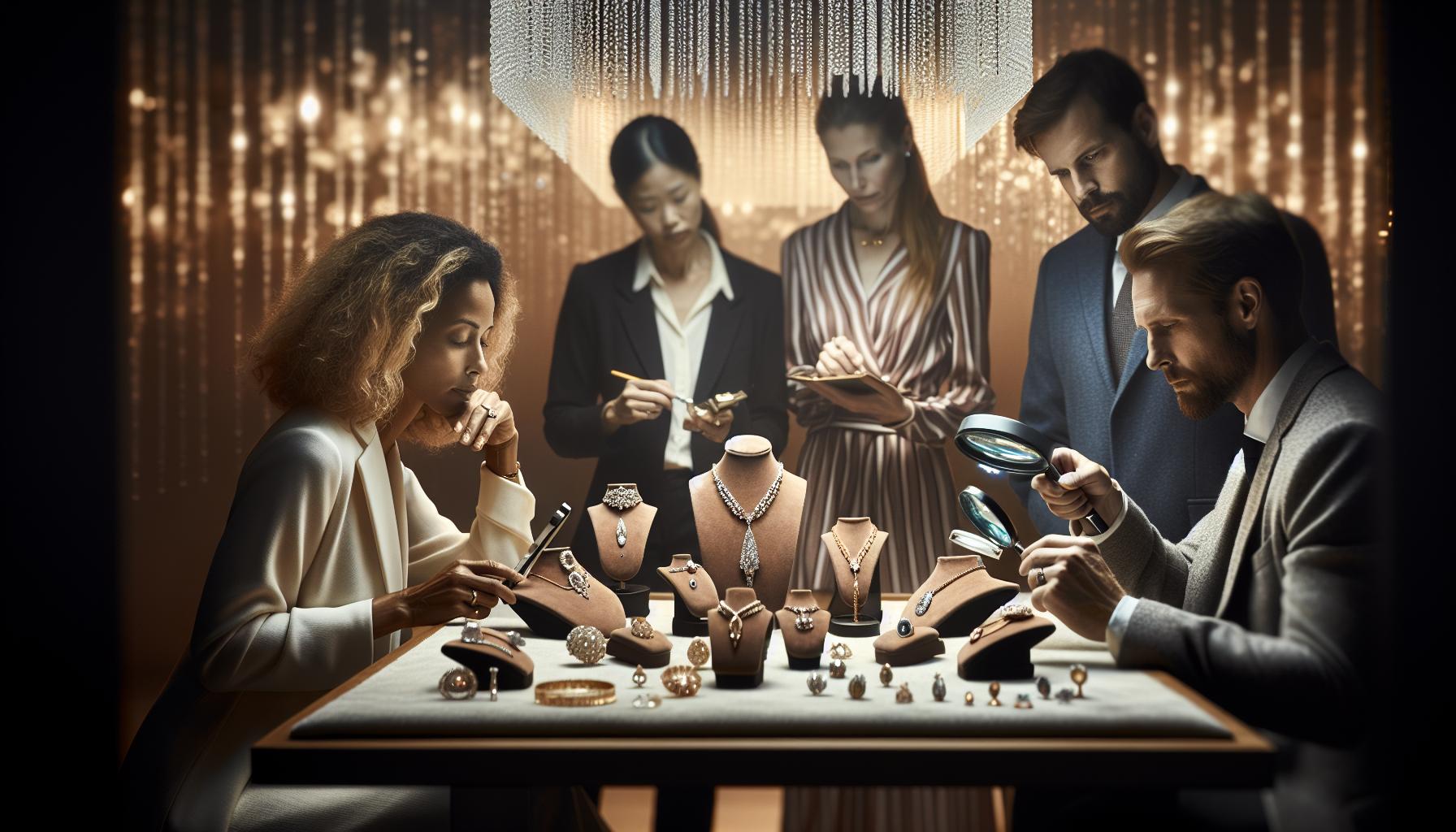
The Role of Historical Context in Jewellery Disputes
The historical context of a piece of jewellery can often be the fulcrum around which passionate debates among collectors pivot. Understanding the origins of a piece not only informs its value but also enhances the narrative woven through its craftsmanship and design. For example, a unique Art Deco brooch may ignite a debate regarding its significance in the larger art movement of the 1920s and 30s, while also revealing insights into the societal changes that prompted such aesthetic shifts. Collectors who grasp these connections often find themselves in lively discussions, comparing notes on how historical environments influenced specific styles and techniques.
The Impact of Historical Significance on Value
Jewellery pieces steeped in historical significance frequently carry a heavier weight in terms of value. A Victorian-era piece adorned with intricate motifs might be coveted not just for its aesthetic appeal but also as a reflective piece of heritage, linking the collector to a bygone era of fashion and culture. This leads to debates about the influence of provenance, where the previous ownership of a piece-perhaps belonging to a notable figure-can forever alter its standing within the collecting community. Understanding the historical backdrop of a piece often gives collectors a richer appreciation, deepening their commitment and engagement in discussions about its worth.
Cultural Narratives and Their Role
Furthermore, the emergence of different cultural narratives around jewellery also fuels spirited debates. For instance, collectors who appreciate the significance of Indigenous artistry may argue for the inclusion of pieces that honor cultural heritage, sometimes clashing with those who seek to prioritize European traditions. This intersection of cultural narratives invites dialogue about authenticity and ethical considerations in the collecting sphere. Collectors are encouraged to delve into not just the physical attributes of a piece but also its story, fostering an enriching environment for sharing knowledge and perspectives.
Ultimately, a piece of jewellery embodies much more than its metallic and gemological components; it is a capsule of history that evokes emotional responses. Engagements in these discussions provide opportunities for collectors to reflect on their values, challenges notions of exclusivity in collecting, and promote wisdom through shared experiences. Thus, appreciating the historical context is essential in navigating the landscape of jewellery collecting, inviting a deeper connection and understanding among enthusiasts.
Collector Perspectives: Taste, Style, and Value
The allure of jewelry goes beyond mere aesthetics; it taps into the heart and soul of personal expression and cultural identity. Each collector brings their unique taste, style, and values into their collection, which can often lead to passionate debates or disputes among enthusiasts. The differences in perspectives can stem from varying preferences for certain designs, materials, or historical significance, setting the stage for intriguing discussions that not only enhance knowledge but also cultivate community.
Individual Taste and Style
Personal taste plays a pivotal role in shaping a collector’s journey. What one person may deem a timeless classic, another may consider outdated. For instance, while some collectors gravitate toward vintage pieces that encapsulate the glamour of bygone eras, others may prefer modern or contemporary designs that reflect current trends. Debates often arise around the merits of various styles, with collectors passionately defending their preferences. This is where one can explore the beauty of diversity in collections-every piece tells a story shaped by the collector’s journey, experiences, and emotional connections.
Perceived Value
The value of jewelry is complex and multifaceted, extending beyond market price to encompass sentimental worth and historical import. A piece that fetches high prices at auction may not necessarily resonate with all collectors. For example, a family heirloom passed down through generations may evoke profound emotional attachments that exceed its monetary value. Discussing and comparing perceived value among collectors can spark enriching debates that highlight the deeper connections individuals have with their jewelry, thus fostering an atmosphere of respect and understanding.
To further navigate this landscape, collectors should consider these practical approaches:
- Assessment of Style: Explore various styles through local curated exhibitions or online platforms to understand contemporary trends versus historical pieces.
- Evaluate Value: Regularly review pieces in your collection, considering both emotional and market values.
- Engage with Others: Participate in jewelry forums and social media groups to exchange insights and opinions with fellow enthusiasts.
Ultimately, the shared passion for jewelry collecting is a rich tapestry woven with varied tastes, beliefs, and historical values. By engaging in respectful and constructive conversations, collectors can deepen their appreciation for the art of jewelry while expanding their horizons, breaking down barriers, and finding common ground among differing perspectives.
Examining Material Quality: Gems vs. Metals
The debate surrounding material quality in jewelry often pits the allure of precious gems against the stability of various metals, a discussion rich with tradition yet continuously evolving. Genuine gemstones like diamonds, sapphires, and emeralds not only captivate with their beauty but also carry unique stories of their origin and rarity. On the other hand, metals such as gold, silver, and platinum offer their own kinds of significance, being the fundamental frameworks that support gemstones and embody craftsmanship. Understanding the qualities of these materials not only informs purchasing decisions but also enhances collecting discussions among enthusiasts.
When examining gems, collectors should prioritize aspects like clarity, cut, color, and carat-the well-known “Four Cs.” For instance, the interplay of a diamond’s brilliance and fire can elevate its status and perceived value significantly compared to lower-quality stones, leading to passionate discussions on what constitutes a worthy acquisition. Rare stones, such as alexandrite or colored diamonds, can stir even deeper debates, as their scarcity and unique qualities often ignite collector frenzy and affection.
In contrast, the choice of metal can also reflect a collector’s style and values. Gold’s various hues-yellow, white, and rose-enable personalization that complements a collector’s vision. While many gravitate towards 14k or 18k gold for its balance of durability and richness, others may seek the luxurious feel of platinum. Each metal brings durability and style to the table, and collectors often find themselves engaged in lively discourse regarding its significance in mounting their prized gemstones.
To navigate these lively conversations, consider the following tips:
- Research Material Properties: Familiarize yourself with the qualities and maintenance needs of different gems and metals. Understanding these can enhance appreciation and help in discussions.
- Document Quality: When acquiring pieces, always request certificates or appraisals for gemstones which confirm quality and authenticity, helping instill confidence and knowledge.
- Join Community Dialogues: Engaging in jewelry forums or local jewelry collector groups can provide insights and foster discussions about personal preferences and material values.
Ultimately, the discourse over gems versus metals serves as a microcosm of the broader conversation within jewelry collecting. Each piece holds not just material worth but also emotional and historical significance, enabling collectors to cultivate their individual narratives while appreciating the rich tapestry woven from different perspectives.
Cultural Influences on Jewellery Preferences
Jewelry preferences around the world are far more than just choices based on aesthetics; they are deeply rooted in cultural significance, history, and identity. Each piece not only serves as a decorative element but also tells stories of traditions, rituals, and personal narratives. For collectors, understanding these cultural influences can greatly enhance their appreciation of jewelry and spark passionate debates over styles from different backgrounds.
Within various cultures, specific motifs, materials, and techniques signify unique meanings that resonate with collectors. For instance, in some Indigenous cultures, the use of natural materials such as turquoise or bone in jewelry reflects spiritual connections and respect for nature. Similarly, intricate gold jewelry from India often symbolizes wealth and status, specifically during celebratory events such as weddings. Collectors may find themselves passionately debating the authenticity and relevance of such pieces, especially if they incorporate traditional craftsmanship or materials that are difficult to source.
As globalization continues to shape our connections with different cultures, many collectors also embrace cross-cultural styles, leading to intriguing discussions about what it means to blend traditions. For example, the increasing popularity of Afrocentric designs has inspired jewelry that merges African cultural elements with contemporary fashion trends. This fusion raises questions about cultural appropriation versus appreciation, prompting collectors to reflect on their motivations behind acquiring pieces and the narratives they choose to support.
To navigate these complex discussions in jewelry collecting, it can be beneficial to:
- Research Cultural Contexts: Understanding the traditions and meanings behind specific jewelry styles can enhance appreciation and inform purchase decisions.
- Engage with Communities: Join local or online groups that focus on cultural jewelry to hear diverse perspectives and learn from seasoned collectors.
- Support Authentic Artisans: When possible, buy from artisans who represent their cultures authentically, ensuring that your collection reflects genuine traditions.
Ultimately, the cultural influences on jewelry preferences enrich the collecting experience, offering collectors not just beautiful adornments, but tangible connections to histories, traditions, and communities that span the globe.
Authenticity and Provenance: A Collector’s Guide
The journey of a jewelry collector is not just about acquiring beautiful pieces; it’s also about understanding their stories and histories. Authenticity and provenance play pivotal roles in the passions and debates that emerge among collectors. Knowing where a piece originates from and how it has been preserved over time can significantly influence its value and the emotional connection it fosters with its owner.
Establishing the authenticity of jewelry can sometimes feel daunting, especially with the increasing prevalence of replicas and forgeries in the market. As a rule of thumb, always request documentation when purchasing high-value items. Certificates of authenticity from reputable gemological laboratories can verify the quality and source of gemstones and materials. Additionally, keeping a record of previous ownership and provenance can elevate the historical significance of a piece, allowing collectors to share its story confidently.
Practical Steps to Ensure Authenticity
- Do Your Research: Familiarize yourself with the specific characteristics and markings associated with genuine pieces from various regions or periods. Knowledge is a powerful tool in spotting fakes.
- Consult Experts: Build relationships with certified appraisers or respected dealers who can provide insight into the authenticity of a piece before you buy.
- Use Technology: Take advantage of modern tools such as spectroscopy, which can help identify the composition of gemstones and metals, aiding in authenticating doubtful pieces.
- Network with Other Collectors: Engage in community forums or social media groups dedicated to jewelry collecting. Discussions often reveal useful tips on how to identify authenticity and provenance.
The significance of provenance cannot be understated. A jewelry piece with a traceable history-from its artisan or designer to its past owners-can command a higher value and evoke a deeper emotional response. Collectors are often drawn to items with compelling stories, reinforcing their passion for the piece and enhancing its narrative appeal.
Building a thoughtful collection means not only caring for the aesthetic aspects of your jewelry but also delving into its origins and historical context. As you acquire or sell pieces, keeping detailed records of provenance can provide a richer context for your collection and foster connections with fellow enthusiasts, leading to informed discussions about authenticity that go beyond mere aesthetics.
Debating Trends: Vintage vs. Contemporary Jewellery
While the world of jewelry collecting often brings joy and passion, it also ignites spirited debates, especially between advocates of vintage and contemporary pieces. Each camp has its fervent supporters, whose arguments often delve into history, craftsmanship, and emotional connections. Vintage jewelry enthusiasts cherish the stories and intricate craftsmanship of bygone eras, while contemporary collectors are drawn to innovation and the bold expressions of current trends. This ongoing discussion not only highlights differing tastes but also emphasizes deeper themes of authenticity, artistry, and personal expression.
The allure of vintage jewelry lies not just in its design but also in the rich history it embodies. Collectors are often captivated by the unique character of pieces from specific time periods, such as Art Deco or Victorian styles, which reflect the cultural context of their creation. The craftsmanship of these items often includes artisanal techniques that may not be as prevalent in today’s industry, offering a tangible connection to history. Furthermore, the stories behind these items-previous owners, significant events, or unique design choices-create an emotional resonance that contemporary pieces may struggle to replicate. Such narratives heavily influence value, as vintage items can command premium prices based on their provenance.
On the other hand, contemporary jewelry reflects modern values and innovations that resonate with today’s collectors. The use of unconventional materials, innovative techniques, and avant-garde designs allows artists to express personal and societal themes that often resonate strongly with individual collectors. Additionally, the accessibility of contemporary works, often made by emerging artists, provides a dynamic landscape where collectors can discover new voices and styles. The debate here often shifts from a focus on historical prestige to a celebration of creativity and innovation, challenging traditional norms surrounding what jewelry can signify.
As this discussion unfolds, it is essential for collectors to appreciate both sides. Whether drawn to the nostalgia of vintage pieces or the fresh perspective of contemporary designs, collectors should embrace the diversity within their collections. Understanding the nuances behind each piece-be it a vintage heirloom or a modern masterpiece-enriches the collecting experience, making it a journey of discovery and personal expression. Ultimately, the conversations and debates that emerge from these differing perspectives foster a thriving community where all styles of jewelry can be appreciated for their unique contributions to the art form.
The Emotional Attachment in Jewellery Collections
Jewelry has an extraordinary ability to evoke emotions and memories, a quality that often underpins collectors’ attachments to their pieces. For many, a single necklace or ring can encapsulate precious moments-such as weddings, anniversaries, or cherished gifts from loved ones-transforming these items from mere adornments into profound symbols of love and nostalgia. Indeed, the emotional intersection of personal history and jewelry can fuel collectors’ passionate debates, as each piece they own tells a unique story that is intimately tied to their identity and life experiences.
It’s not uncommon for collectors to speak of their pieces as if they were members of the family. Vintage items, such as a grandmother’s brooch or a father’s cufflinks, carry with them decades of family lore and can stir up powerful feelings of connection to one’s heritage. For many enthusiasts, these inherited pieces represent timeless charm and craftsmanship unique to their era, revealing insights into the cultural and historical contexts of their creation. Conversely, contemporary jewelry may evoke a different form of attachment. A piece designed by a rising artist often resonates with the values and aesthetics of today, allowing the wearer to express their current identity and life philosophy. The emotional bond can grow as collectors build relationships with the artists, reflecting a contemporary narrative that is as rich, though different, from that of vintage items.
To deepen this emotional connection, collectors can engage in practices that honor their pieces. For example, maintaining a jewelry diary can be a meaningful endeavor; documenting the story behind each item-the occasion it was acquired, its previous owners, or the feelings it evokes-can enhance appreciation and understanding of the collection. Further, sharing these stories within collector communities can enrich dialogues about the significance of craftsmanship, enhancing the passionate debates that swirl around the value of vintage versus contemporary pieces.
Moreover, caring for jewelry not only preserves its physical integrity but also its emotional resonance. Proper cleaning and storage can ensure that each piece remains a cherished reminder of significant moments in life. For example, using a gentle cloth for silver and a soft brush for intricate settings can maintain the shine and vibrancy of beloved items. By fostering a culture of care and story-sharing, collectors can cultivate both their collections and emotional connections, bridging the gap between pieces from different periods and elevating their discussions about style, value, and historical significance.
Community Engagement: Forums and Social Media Debates
In today’s digital age, community engagement via forums and social media has transformed the landscape of jewelry collecting, fueling passionate debates among collectors and enthusiasts. Online platforms provide a vibrant space where individuals can share their insights, experiences, and diverse perspectives on various jewelry topics. Whether it’s the intricate history behind a particular piece or the latest trends in contemporary design, collectors find a wealth of information and connection through social media groups and jewelry-specific forums. This engagement not only fosters dialogue but often leads to heated discussions about taste, value, and authenticity.
Harnessing the Power of Online Communities
Joining forums and engaging on social media can enhance a collector’s experience significantly. Here are some effective ways to get involved:
- Participate in Discussions: Don’t hesitate to dive into ongoing conversations. Your unique take on a vintage piece or a contemporary designer can provide fresh insight and could spark further debate.
- Ask Questions: Collectors of all levels are eager to help. Whether you’re curious about authentication methods for vintage pieces or wish to know the best ways to clean delicate gems, seasoned collectors often provide invaluable tips.
- Share Your Collection: Posting pictures and stories about your jewelry can inspire others and prompt discussions about the histories and emotions attached to pieces.
Forums and social media also serve as platforms for reflection on broader topics like ethical considerations in collecting and the environmental impact of materials used in jewelry. For instance, debates surrounding the sourcing of gemstones and metals have gained traction, allowing collectors to align their practices with their values. This focus also encourages community members to advocate for change and support cleaner, sustainable practices within the industry.
Debating Trends and Styles
Community engagement frequently leads to lively debates over the merits of vintage versus contemporary jewelry. Collectors often express passionate opinions on which styles reign supreme, as their personal tastes and experiences shape their views. For some, the charm of vintage pieces that echo family history holds more allure than modern designs, while others are captivated by the innovations and fresh perspectives offered by contemporary artists. Online platforms allow these discussions to flourish, enabling collectors to defend their preferences while appreciating differing points of view.
Ultimately, social media and forums not only enhance individual knowledge but create a sense of belonging among jewelry enthusiasts. Whether you’re conversing about historic craftsmanship or discussing the latest trends, these platforms can catalyze friendships and foster a deeper appreciation for the intricate world of jewelry collecting. By connecting with others who share your passion, you cultivate a community rich in diverse opinions and experiences, ultimately enriching your own journey as a collector.
Navigating Ethical Considerations in Jewellery Collecting
As the conversation around ethical practices intensifies in the jewelry industry, collectors are increasingly mindful of the origins of their pieces. This awareness is not merely a trend; it’s a necessary evolution in how we appreciate and acquire jewelry. The debate on ethical considerations has become a significant aspect of collecting, driven by concerns over the environmental impact of mining, the human rights of workers, and the sustainability of materials used in jewelry creation. Collectors today find themselves in a unique position where their choices resonate beyond personal satisfaction-they can effect change in the industry.
To navigate these complexities, collectors should prioritize transparency in their purchases. Look for jewelers who provide clear information on the sourcing of their gems and metals. Credible brands often uphold ethical certifications and commit to fair labor practices. For instance, organizations like the Responsible Jewelry Council (RJC) build standards for responsible sourcing, which can enhance collectors’ confidence in their purchases. Moreover, understanding the chain of custody for materials-from mine to market-enables collectors to make informed decisions that reflect their values.
Moreover, embarking on a journey of ethical collecting can be incredibly rewarding. Consider exploring or investing in vintage or second-hand jewelry. Not only does this practice promote sustainability by giving new life to existing pieces, but it also engages collectors with unique histories that contemporary pieces may lack. Engaging with local artisans who use reclaimed materials or sustainable practices can also lead to the discovery of one-of-a-kind treasures that align with ethical principles.
Lastly, joining communities focused on ethical collections can provide support and knowledge as you navigate these waters. Participate in forums and social media groups that emphasize sustainability in jewelry, where you can exchange insights and experiences with like-minded individuals. Such platforms can be invaluable for staying updated on best practices and innovative approaches to ethical collecting, turning what might be a mere purchase into a meaningful statement about your values and commitment to change within the jewelry industry.
Tips for Resolving Conflicts Among Collectors
Conflicts among jewelry collectors often arise from deep-seated passions and personal attachments to pieces, making resolution challenging yet essential. Establishing a respectful dialogue is paramount; listening to differing opinions without prejudice can lead to greater understanding and amicable solutions. Remember, each collector’s journey shapes their perspective, so recognizing the context behind another’s viewpoint can foster empathy.
When debates escalate, consider employing conflict resolution strategies. Here are some practical steps to keep discussions constructive:
- Seek Common Ground: Identify shared values or interests between collectors. Focusing on mutual appreciation for jewelry can redirect the conversation away from contentious topics.
- Share Knowledge: Use the opportunity to educate one another regarding differing opinions. For example, discussing the historical significance of a piece can illuminate why it holds value for someone.
- Stay Open-Minded: Approaching conflicts with flexibility allows collectors to adjust their views or find compromises that honor both parties’ sentiments.
- Avoid Personal Attacks: Keep the conversation focused on the jewelry itself instead of personal attributes. This helps maintain a professional and respectful atmosphere.
Incorporating Mediation Techniques
For more complex disagreements, consider enlisting a neutral mediator-someone respected within the community who can provide impartial guidance. Mediation can help clarify misunderstandings and establish a fair dialogue. This approach not only resolves the conflict but also strengthens community ties.
By embracing healthy discussion habits and respectful engagement, jewelry collectors can create a supportive environment where passion thrives without strife. This not only enhances personal collecting experiences but elevates the collective appreciation for the art and craft of jewelry.
FAQ
Q: Why do collectors argue about jewellery trends?
A: Collectors often argue about jewellery trends due to different preferences for vintage versus contemporary styles. Each side values different factors, such as craftsmanship, rarity, and historical significance, leading to passionate debates about what constitutes ‘true’ jewellery value.
Q: What emotional factors influence jewellery collecting disputes?
A: Emotional factors such as nostalgia, personal history, and sentimental value significantly influence jewellery collecting disputes. The attachments collectors have to specific pieces or styles can lead to conflicting opinions about their worth and significance in a collection.
Q: How do cultural backgrounds impact jewellery preference among collectors?
A: Cultural backgrounds greatly impact jewellery preferences, as different societies have unique values and meanings attributed to particular designs, materials, and gems. This diversity can spark passionate debates when collectors express differing opinions on what is deemed beautiful or valuable.
Q: What role does authenticity play in jewellery collector arguments?
A: Authenticity is crucial in jewellery collecting; disputes often arise over the provenance and certification of pieces. Collectors debate the significance of original versus replicated items, which can affect perceived value and trust within the collecting community.
Q: How can understanding historical context enhance jewellery collections?
A: Understanding historical context can enhance jewellery collections by providing depth and significance to the pieces. Collectors who appreciate the origins and stories behind their items often find themselves engaging in debates about their historical importance and value.
Q: What are common misconceptions across jewellery types that lead to debates?
A: Common misconceptions, such as the belief that gold is always superior to silver, lead to debates among collectors. Many argue based on outdated generalizations rather than recognizing the unique qualities, styles, and trends of different materials in the jewellery world.
Q: Why is community engagement important for resolving jewellery disputes?
A: Community engagement is vital for resolving jewellery disputes as it fosters open discussions and helps collectors learn from diverse perspectives. Engaging in forums or social media can promote understanding and collaboration, easing tensions over differing opinions.
Q: What tips can help collectors navigate jewellery debates effectively?
A: To navigate jewellery debates effectively, collectors should prioritize respectful dialogue, stay informed about trends, and appreciate diverse opinions. Understanding the emotional and cultural contexts behind conflicts can also foster more productive discussions and resolutions.
Key Takeaways
As we delve into the passionate debates surrounding jewelry among collectors, it becomes clear that these discussions are fueled by a shared love for craftsmanship and individuality. Embrace the conversation and share your thoughts in the comments-your voice matters! To continue your journey in this exquisite world, explore our detailed guides on jewelry care and storage tips, or discover DIY tutorials that empower you to create something uniquely yours.
Don’t miss out on further insights-sign up for our newsletter to stay updated on the latest trends and expert advice. Whether you’re looking for ways to authenticate your pieces or tips on starting your own jewelry shop, we’ve got you covered. Remember, the debates that spark among collectors not only deepen your appreciation for jewelry but also enrich your collection. Let’s keep the dialogue going and celebrate the beauty of jewelry together!