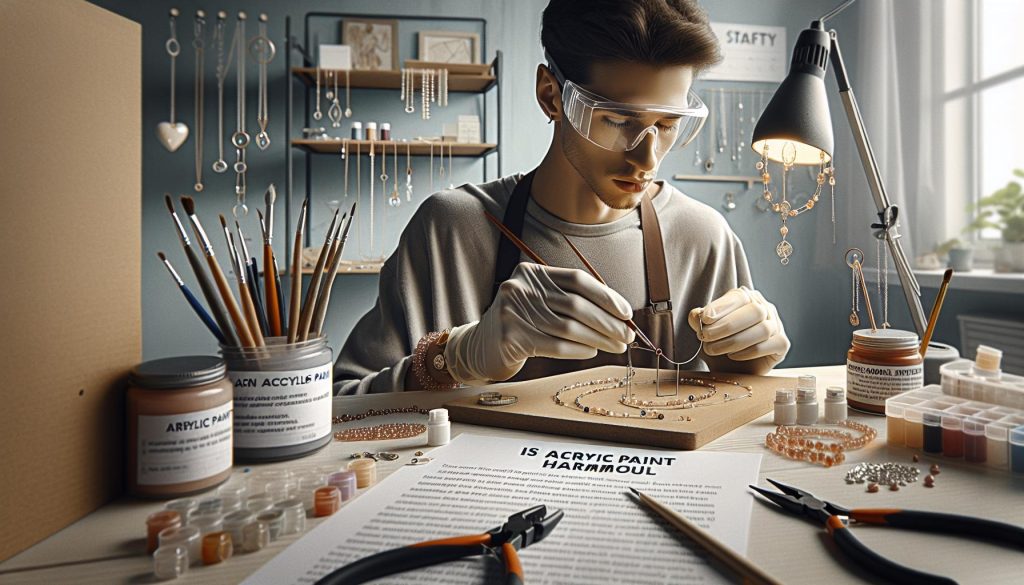
When it comes to crafting beautiful jewelry, the materials you choose can greatly affect not only the final look but also your health and safety. Acrylic paint is popular among artisans for its vibrant colors and versatility, yet many crafters often overlook the potential risks associated with its use. So, is acrylic paint harmful? Understanding the safety secrets of this crafting staple is crucial for anyone looking to create stunning pieces without compromising their well-being. This article delves into the health implications of acrylic paint, providing crucial insights that will empower you to craft with confidence and care. Whether you’re a seasoned jewelry maker or a curious beginner, knowing how to safely incorporate acrylics into your projects will enhance your creative journey and safeguard your health. Keep reading to unlock essential tips and best practices for a safe and enjoyable crafting experience!
Is Acrylic Paint Safe for Jewelry Crafting?
Creating beautiful jewelry pieces using acrylic paint offers a vibrant, customizable option for crafters, but safety should always be a top priority. Many crafters wonder about the risks associated with using acrylic paint in their projects. Generally, acrylic paint is considered a safer alternative to oil-based paints, but it’s essential to acknowledge that not all acrylic paint products are created equal. Some may contain harmful chemicals, making it crucial for jewelers, especially DIY enthusiasts, to carefully select their materials.
When it comes to the composition of acrylic paint, it typically includes pigments suspended in a water-based polymer emulsion. However, some formulations can contain additives like heavy metals, which might pose health risks if inhaled or absorbed through the skin, particularly during the application process. Therefore, maintaining a safe workspace and using non-toxic varieties greatly reduces any potential exposure risk. Always read labels carefully and consider selecting brands that prioritize non-toxic ingredients.
To ensure a safe crafting experience, consider the following essential safety precautions:
- Use non-toxic acrylic paints that are specifically labeled as safe for crafts.
- Work in a well-ventilated area to minimize inhalation of fumes.
- Wear personal protective equipment such as gloves and masks if necessary.
- Keep all materials out of reach of children and pets.
By taking these steps, you can enjoy the creative process of jewelry-making while minimizing health risks associated with acrylic paints. With the right precautions, crafting with acrylic can be both a fun and safe experience.
Understanding Acrylic Paint Composition
Acrylic paint is a favorite among jewelry makers for its brilliant colors and versatility, allowing for unique and custom designs. Understanding what goes into acrylic paint can demystify its use and help crafters make informed choices that prioritize safety. Typically, acrylic paint is crafted from a combination of pigments, which provide color, suspended within a water-based polymer emulsion. This composition allows it to dry quickly and adhere well to a variety of surfaces, including plastic, wood, and metal, making it particularly useful for jewelry crafting.
However, not all acrylic paints are created equal. Some formulations may contain additives that could be harmful. For instance, certain pigments can include heavy metals like cadmium and lead, which pose health risks if inhaled or absorbed through the skin during application. Therefore, it’s essential for crafters to diligently check labels and select brands that prioritize non-toxic formulations. Even in products labeled as “non-toxic,” there could still be variations between brands, so knowing exactly what you’re using can keep your crafting safe and enjoyable.
When selecting acrylic paints for your jewelry projects, aim for those that are specifically marketed for crafts or labeled as safe for use by children. Additionally, opting for water-based paints is generally a good choice, as they tend to contain fewer toxic ingredients compared to oil-based or solvent-based alternatives. While the vibrant colors and creative potential of acrylic paints can ignite your imagination, approaching your materials with cautious consideration ensures your crafting experience remains not just creative, but safe as well.
Remember, working with high-quality, non-toxic materials not only protects your health but also ensures the longevity and aesthetic integrity of your jewelry pieces. By making informed choices about the composition of your acrylic paints, you can confidently express your creativity without compromising safety.
Health Risks: Toxic Chemicals in Acrylic Paint
When embarking on your jewelry crafting journey, it’s essential to be aware of the potential health risks associated with the materials you use, particularly acrylic paints. While they are admired for their vibrant colors and versatility, some acrylic formulations contain toxic chemicals that can pose health risks if proper precautions aren’t taken. Understanding these risks will empower you to make informed decisions that prioritize your safety and well-being.
Many acrylic paints can include harmful additives, especially certain pigments. Heavy metals such as cadmium, lead, and chromium can be present in some formulations, posing significant health risks through inhalation or skin absorption during application. The dangers associated with exposure to these heavy metals can be severe, potentially leading to respiratory issues, skin irritation, and long-term health complications. Furthermore, some acrylic paints may release volatile organic compounds (VOCs) as they dry, which can irritate the eyes, nose, and throat, or have more serious effects on the central nervous system if inhaled in significant amounts.
To minimize these risks, it’s crucial to become a savvy consumer when choosing acrylic paints. Opt for products that are explicitly labeled as non-toxic and child-safe. These paints typically undergo stringent testing, ensuring they meet safety standards that limit the presence of harmful substances. Additionally, always check labels and seek colorways that avoid heavy metals-many brands now offer safer alternatives. As a general rule, water-based acrylic paints are preferable to solvent-based options, as they tend to emit fewer harmful fumes.
By prioritizing your health and safety in your crafting endeavors, you can enjoy the creative process without compromising your well-being. Always handle your materials with care, work in well-ventilated spaces, and take the time to clean up thoroughly after your projects. With these precautions in place, you can confidently explore the vibrant world of acrylic paints and create stunning jewelry pieces that reflect your unique artistic vision.
Essential Safety Precautions for Jewelry Crafters
When diving into the world of jewelry crafting, prioritizing safety is paramount, especially when utilizing materials like acrylic paint, which can pose certain health risks. Implementing a robust set of safety precautions not only protects crafters but also enhances the overall crafting experience, allowing for creativity to thrive in a safe environment.
Knowing Your Workspace
Ensure your crafting area is well-organized and clutter-free. A clean workspace reduces the risk of accidental spills or exposure to harmful substances. Use a designated table for crafting with appropriate protective coverings, such as old newspapers or plastic sheets, to catch any spills and facilitate easy clean-up. Additionally, it’s crucial to work in a space with good ventilation. Open windows and use fans to maintain a steady airflow, thus minimizing the concentration of volatile organic compounds (VOCs) that can be emitted while working with acrylic paints.
Personal Protective Equipment (PPE)
Investing in basic personal protective equipment can significantly reduce health risks during your crafting projects. Always consider wearing the following:
- Gloves: Protect your skin from direct contact with paint, particularly if you’re sensitive or prone to allergies.
- Mask or Respirator: This is essential if you’re working with solvent-based acrylics or in a poorly ventilated area. It helps filter out harmful fumes.
- Safety Goggles: Protecting your eyes is crucial, especially if you’re cutting or mixing paint, as splashes can occur.
Cleaning and Maintenance
It’s equally important to establish a strong hygiene routine after your crafting sessions. Use warm, soapy water to cleanse your hands and tools thoroughly, eliminating any remaining paint and reducing the risk of skin allergies. Dispose of any used wipes, paper towels, or paint containers responsibly, ensuring they don’t contribute to environmental waste. Designate specific containers for waste disposal to further promote a clean working environment.
By adopting these essential safety precautions-maintaining a clean workspace, utilizing personal protective equipment, and adhering to proper cleaning protocols-you can engage in jewelry crafting confidently and create beautiful pieces without compromising your well-being. Your health is as valuable as your creative expression, so blend safety seamlessly into your crafting routine for a more enjoyable and sustainable experience.
Choosing Non-Toxic Acrylic Paint Options
When selecting acrylic paint for your jewelry crafting projects, prioritizing non-toxic options not only safeguards your health but also enhances the quality and durability of your creations. The right paint can yield vibrant colors and long-lasting finishes, all while minimizing potential health risks associated with chemical exposure. Many manufacturers are now dedicated to producing water-based acrylic paints that are both effective and less harmful, making them an excellent choice for crafters concerned about safety.
To ensure that the acrylic paint you choose is non-toxic, look for labels indicating that the product is free from harmful substances like heavy metals, phthalates, and solvents. ASTM D-4236 compliance is another essential factor to consider, as it guarantees that the paint has been evaluated for toxicity in art products. Furthermore, brands that carry certifications such as “AP” (Approved Product) or “CL” (Cautionary Label) from reliable safety organizations often indicate a commitment to crafting safer products. As an example, brands like Liquitex and Golden offer a range of non-toxic options that are popular among crafters for their excellent coverage and vibrant colors.
Additionally, exploring natural alternatives can lead to exciting discoveries. Some artisans are turning to paints made from naturally derived ingredients, which are not only safer but can also provide unique textures and finishes. These eco-friendly options might include plant-based or mineral-based paints that might add an interesting dimension to your jewelry making.
Whether you’re crafting delicate earrings or bold necklaces, choosing non-toxic acrylic paints serves as a key step in protecting your health while allowing your creativity to flourish. By making informed decisions, you create beautiful, safe, and sustainable jewelry pieces that you can be proud of.
How to Properly Ventilate Your Crafting Space
Creating beautiful jewelry can be a rewarding experience, but ensuring your workspace is well-ventilated is crucial for your health and safety. Poor air quality can lead to accumulated fumes from paints, adhesives, and other materials, potentially causing dizziness or respiratory issues. By implementing effective ventilation strategies, you can maintain a safer environment while you unleash your creativity.
One of the simplest ways to improve air circulation is by opening windows and doors during your crafting sessions. Fresh air can help dissipate any fumes or odors, making the environment more pleasant. If the weather permits, consider working outdoors or in a garage that can be easily ventilated. For indoor setups, using a fan can boost airflow; placing it near an open window allows stale air to exit while drawing in fresh air.
Additional Ventilation Tips
To further enhance your workspace’s ventilation, follow these practical tips:
- Invest in an exhaust fan: If you frequently use materials that emit fumes, a dedicated exhaust fan can help expel these airborne irritants effectively.
- Use air purifiers: A high-quality air purifier with activated carbon filters can trap harmful particles and improve air quality.
- Limit clutter: Keeping your workspace organized allows for better airflow and reduces the risk of accidents involving paint spills or other hazardous materials.
Remember, prioritizing proper ventilation not only protects your health but also enhances your crafting experience. With clean air circulating around you, you can focus on expressing your artistry through stunning jewelry designs without the worry of harmful exposures.
Safe Handling Tips for Jewelry Crafting Materials
Crafting jewelry with acrylic paint can open a world of creativity, but it’s essential to approach the process with caution. The key to a successful and enjoyable crafting experience lies in understanding how to handle materials safely. Working with acrylic paints involves a variety of chemicals, so adopting smart practices can help prevent accidents and ensure a healthy environment.
Start by wearing protective gear to guard against potential exposure to paint and solvents. Consider using gloves while handling paint to avoid skin irritation, and a mask if you’re sensitive to fumes. It’s also wise to wear safety goggles if you’re cutting or sanding your materials, protecting your eyes from flying debris.
When organizing your workspace, keep acrylic paints and other tools like brushes and solvents neatly stored and labeled. This not only minimizes the risk of accidental spills but also makes it easier to find what you need when creativity strikes. Implement a “clean-as-you-go” strategy to maintain an uncluttered area, further reducing hazards.
Another vital aspect is proper disposal; never pour leftover paint down the sink or drain. Instead, use designated containers for waste and research local disposal guidelines for hazardous materials to ensure safe handling. Additionally, be mindful of the materials you combine-some adhesives or finishes can react negatively with acrylic paint. Understanding your materials will not only enhance your crafting experience but also preserve your health and safety.
By integrating these safe handling practices into your routine, you’ll foster a more enjoyable crafting environment where your jewelry-making adventures can flourish without the worry of unintended mishaps.
Best Practices for Cleaning Up After Crafting
Cleaning up after a crafting session can be just as important as the creative process itself, particularly when working with acrylic paints. Improper cleanup can lead to unintended hazards, not only clutter but also potentially harmful chemicals lingering in your workspace. By implementing effective cleanup strategies, you can ensure that your jewelry crafting remains both enjoyable and safe.
To begin with, always keep a dedicated set of cleaning supplies at hand. This can include paper towels, rags, and containers specifically for cleaning up acrylic paint spills. Warm water and soap are typically effective for cleaning tools and surfaces, as acrylic paint is water-soluble when wet. For brushes, immediately rinse them in warm, soapy water to prevent the paint from drying and hardening, which would make cleaning much more difficult. Store brushes in a way that protects the bristles, ideally standing upright in a holder or laying flat.
Dispose of Materials Safely
For leftover paint or any paint-soaked materials, it’s crucial to dispose of them correctly. Collect all paint waste in a sealed container that complies with local hazardous waste disposal guidelines. Never pour cleanup water down the sink, as this can lead to clogged pipes and contamination of water systems. Instead, use a designated waste bag or container for fluids, and research your local disposal rules to do your part in maintaining a safe environment.
Maintain a Tidy Workspace
Lastly, a clean workspace contributes not only to safety but also to your creativity. Consider implementing a “clean-as-you-go” strategy throughout your crafting session. This means putting away tools and materials you no longer need as you progress, which prevents clutter from accumulating. Regularly wipe down surfaces to prevent paint from drying and hardening, which makes future cleanup simpler.
By taking these simple but effective steps to clean up after crafting, you’ll cultivate a space that fosters creativity while minimizing risks associated with acrylic paints. These practices not only protect your health but also keep your jewelry-making environment inspiring and enjoyable.
DIY Acrylic Paint Jewelry: Step-by-Step Guide
Crafting jewelry with acrylic paint can be a fun and creative way to express your personal style. Whether you’re painting intricate designs or simply adding a splash of color to your pieces, following a step-by-step process can help you achieve beautiful results while ensuring safety. Here’s how to get started on your DIY acrylic paint jewelry project.
Begin by gathering your materials. You’ll need acrylic paints, jewelry pieces (such as pendants, bracelets, or earrings made from a suitable base like wood or metal), a set of fine brushes, a palette for mixing colors, water, and paper towels. Setting up a designated workspace is crucial; ensure it’s well-ventilated to avoid inhaling any fumes from the acrylic paints.
Step 1: Prepare Your Jewelry Base
Before you start painting, thoroughly clean your jewelry pieces to remove any dust or oils that could affect paint adhesion. If you’re using wood, lightly sand the surface to create a smooth texture. This step is vital for achieving a professional-looking finish. Depending on your design, you might also want to use a primer specifically designed for acrylic paint, especially on metals.
Step 2: Design and Paint
Plan your design ahead of time. You can sketch it out on paper or directly onto the jewelry piece using a pencil, but be cautious to avoid deep marks. Once you have a clear idea, start with a base coat using larger brushes. Allow this layer to dry completely before adding details or additional colors. Layering colors can create beautiful gradients, so don’t hesitate to experiment with mixing different shades on your palette.
Step 3: Finishing Touches
After your artwork is complete and dry, consider applying a clear acrylic sealant to protect your paint from wear and tear. This step is especially important if your jewelry will be exposed to moisture or frequent handling. Choose a sealant that is compatible with acrylic paint and suitable for jewelry applications.
Step 4: Let It Dry
Before wearing or gifting your newly created jewelry, ensure it dries completely. This can take anywhere from a couple of hours to overnight, depending on the thickness of your paint layers and the humidity in your workspace.
Making jewelry with acrylic paint can be as simple or intricate as you desire, allowing for endless creativity. As you work, remember to keep your safety in mind: use non-toxic paints whenever possible, ventilate your workspace, and always wash your hands after painting. With patience and practice, you’ll soon find joy in crafting unique pieces that showcase your artistic flair!
Storage Solutions for Paint and Jewelry Supplies
Many crafters underestimate the importance of proper storage for their paint and jewelry supplies, but effective organization can significantly enhance your crafting experience. Not only does optimized storage protect your materials from damage, but it can also help maintain the quality and longevity of both paints and jewelry components. Here are some essential tips for storing acrylic paints and jewelry supplies safely and efficiently.
When it comes to acrylic paints, ensure that they are kept in a cool, dry place away from direct sunlight. UV rays can degrade the quality of the paint, causing colors to fade or alter over time. Store paints in airtight containers to prevent them from drying out; consider using a shelving unit or a dedicated cart to keep your colors organized and easily accessible. A labeled bin system can also facilitate quick identification of paints, particularly if you own a variety of shades. For excess paint on brushes, try placing them in a jar of water or a brush holder designed to keep them upright and wet during crafting sessions.
Jewelry components such as beads, wires, and findings require careful storage to prevent tangling and damage. Utilize compartmentalized storage boxes or bead organizers to keep your supplies sorted and visible. This not only saves time when searching for a specific item but also minimizes project disruption. For delicate pieces, consider padded fabric pouches or small boxes to shield them from scratches or breakage. Additionally, magnetic strips can be a crafty solution for storing metal findings, keeping them secure and easy to access at a moment’s notice.
In summary, thoughtful storage of your acrylic paints and jewelry crafting supplies is crucial for preserving their quality and usability. By implementing these tips, you’ll create a more efficient and inspiring crafting environment, allowing your creativity to flourish without the frustration of misplaced or damaged materials. Happy crafting!
Signs of Allergic Reactions to Acrylic Paint
When diving into the creative world of jewelry crafting with acrylic paint, it’s important to be aware of the potential for allergic reactions. While many enjoy the vibrant colors and versatile applications of acrylic paint, some individuals may experience sensitivities or allergies to the components within these paints. Recognizing the signs of an allergic reaction early can help crafters safely enjoy their projects without compromising their health.
Common symptoms of allergic reactions include skin irritation, such as redness, itching, or rashes, particularly in areas that come into direct contact with the paint. Some may also experience respiratory issues, including sneezing, coughing, or wheezing, especially if they are sensitive to the fumes released during painting. In more severe cases, individuals might have swelling around the eyes or face, and even headaches or dizziness after prolonged exposure to the paint.
To minimize the risk of allergic reactions, always conduct a patch test before using a new acrylic paint. Apply a small amount to a discreet area of skin and wait 24 hours to see if any adverse reactions occur. If you notice any symptoms, avoid using that particular paint on your jewelry or skin altogether.
For those who are highly sensitive or allergic, consider wearing gloves and a mask while painting. This not only protects your skin and respiratory system but also allows you to create with peace of mind. Additionally, transitioning to non-toxic and hypoallergenic paint formulations can further reduce the likelihood of reactions. Your health is just as important as your creativity, so stay safe and enjoy crafting beautiful, personalized jewelry pieces!
Alternatives to Acrylic Paint for Jewelry Making
When you’re on the hunt for vibrant, customizable options for your jewelry-making projects, it’s essential to consider alternatives to traditional acrylic paint that not only deliver stunning results but also prioritize your health. Many crafters are turning to these substitutes, especially if they have sensitivities to acrylics or are seeking non-toxic solutions.
Natural Dyes
Natural dyes extracted from plants, insects, or minerals offer an eco-friendly alternative. These dyes can be used to color wood, textiles, or even metal with beautiful, earthy tones. Some popular options include:
- Turmeric: Produces a rich yellow hue.
- Beetroot: Provides brilliant shades of pink and red.
- Indigo: Known for its deep blue shades.
Each dye has unique properties and can create varying effects based on how they’re applied. Experimenting with these can not only bring your designs to life but also connect you to the materials in a meaningful way.
Alcohol Inks
Another fantastic alternative is alcohol ink, a fast-drying medium with a highly pigmented formula. These inks are perfect for creating vibrant, translucent colors that can easily blend together, offering depth and dimension to your jewelry pieces. They work exceptionally well on non-porous surfaces like resin and metal, and because they dry quickly, they reduce the risk of smudging. Plus, alcohol inks are available in a wide array of colors, allowing for endless creative possibilities.
Resin Techniques
For those interested in a more dimensional approach, colored resin can be a game-changer. Using pigment powders or liquid dyes specifically designed for epoxy resin can yield stunning, durable pieces that are as eye-catching as they are functional. While working with resin requires more caution, especially regarding ventilation and skin protection, it opens up a world of creativity that acrylic paints may not offer.
Incorporating these alternative materials into your crafting toolkit empowers you to create unique, personalized jewelry while prioritizing safety and health. By considering factors such as toxicity and application methods, you can enjoy a fulfilling crafting experience without compromising your well-being. Don’t hesitate to try these alternatives and discover the magic that awaits in your creative journey!
Frequently asked questions
Q: Is acrylic paint safe for skin when crafting jewelry?
A: Acrylic paint is generally considered safe for skin, but it can cause irritation or allergic reactions in some individuals. Always conduct a patch test before applying it directly and wash off any paint immediately if irritation occurs. Consider using nontoxic paint options for added safety.
Q: What symptoms indicate an allergic reaction to acrylic paint?
A: Symptoms of an allergic reaction to acrylic paint can include redness, itching, swelling, or rash in the affected area. If you experience difficulty breathing or severe swelling, seek medical attention immediately. For more details on this topic, see the section on “Signs of Allergic Reactions to Acrylic Paint.”
Q: Can vapors from acrylic paint pose health risks when crafting?
A: Yes, vapors from acrylic paint can cause health risks, particularly when inhaled in confined spaces. To minimize exposure, ensure proper ventilation while crafting, and use a mask designed to filter out paint fumes. Refer to our section on “How to Properly Ventilate Your Crafting Space” for tips.
Q: Are there alternatives to acrylic paint for jewelry crafting?
A: Yes, alternatives to acrylic paint include resin, enamel paints, and UV-cured inks, which may offer different finishes and durability. Explore the section on “Alternatives to Acrylic Paint for Jewelry Making” for more insights on safe materials.
Q: How can I safely clean up acrylic paint spills during crafting?
A: To clean acrylic paint spills safely, use soap and water while the paint is still wet. For dried paint, gently scrape it off with a plastic scraper. Always wear gloves and a mask. See the “Best Practices for Cleaning Up After Crafting” section for comprehensive cleaning tips.
Q: What personal protective equipment should I use while crafting with acrylic paint?
A: When using acrylic paint, you should wear gloves and a mask to protect your skin and respiratory system. Additionally, wearing goggles can prevent paint from getting into your eyes. This is especially important for sensitive individuals or those with allergies.
Q: How should I store acrylic paint for jewelry crafting?
A: Store acrylic paint in a cool, dry place away from direct sunlight and heat sources. Keep lids tightly closed to prevent drying out. For more storage solutions, check the “Storage Solutions for Paint and Jewelry Supplies” section.
Q: How long does acrylic paint take to dry on jewelry?
A: Acrylic paint typically takes about 20-30 minutes to dry to the touch, but it may take up to 24 hours to fully cure, depending on the thickness of the application and environmental conditions. For best results in your DIY projects, allow ample drying time.
Concluding Remarks
As you venture into the world of jewelry crafting, prioritizing safety is crucial, especially when using materials like acrylic paint. By understanding the potential risks and adopting best practices, you can create stunning pieces without compromising your health. Don’t wait to enhance your crafting experience-explore our detailed guides on jewelry care, cleaning techniques, and DIY tutorials to elevate your skills today!
If you found value in “Is Acrylic Paint Harmful: Jewelry Crafting Safety Secrets,” consider diving deeper into our articles on sustainable materials and essential crafting tools. Join our community by signing up for our newsletter, where you’ll receive exclusive tips and updates tailored for both budding artists and seasoned jewelers alike. Your creative journey deserves the best, so let’s craft wisely and beautifully together-leave your thoughts in the comments, and share your favorite safety tips!