Acrylic paint can transform your jewelry pieces into stunning works of art, but over time, wear and tear can dull their shine or create an unflattering appearance. Knowing how to effectively strip acrylic paint is crucial for restoring your cherished jewelry while preserving its original beauty. In this guide, we’ll explore easy, step-by-step methods that ensure your creative efforts don’t go to waste. Whether you’re a seasoned jewelry maker or just starting out, learning to rejuvenate damaged pieces helps you save time and resources, allowing you to express your unique style without compromise. Dive in and discover how you can breathe new life into your jewelry, making it feel fresh and vibrant again!
How Acrylic Paint Affects Jewelry Pieces
Acrylic paint, while vibrant and versatile, can pose significant challenges when it comes to jewelry pieces. One of the primary issues is that acrylic paint adheres strongly to various materials, which can result in unwanted damage and alteration of your cherished items. For instance, metal surfaces can become discolored or corroded over time, while porous materials like wood or fabric may absorb the paint, making removal both difficult and delicate. This shape-shifting paint can obscure the original beauty of the jewelry, leaving collectors and DIY enthusiasts feeling frustrated.
When tackling jewelry that has been unintentionally painted or creatively enhanced with acrylics, it’s vital to understand the type of material your jewelry is made from. Certain metals, like gold and silver, can withstand more aggressive cleaning methods, while softer materials such as gemstones or organic substances like pearls require a more cautious approach. The interaction between the paint and the jewelry material can either enhance or detract from its value and appearance, making the careful assessment of paint effects crucial before initiating any restoration process.
To mitigate the risks associated with acrylic paint on jewelry, preventive measures are essential. Consider applying a clear sealant to protect your jewelry from potential paint spills if you often work with acrylics. Additionally, establishing a designated workspace for painting activities can help preserve the integrity of your jewelry collection. By adopting these strategies, you not only safeguard your pieces but also enhance their longevity and aesthetic quality, ensuring they remain a cherished part of your collection.
In summary, while acrylic paint can offer creative avenues for jewelry design, it also presents significant restoration challenges that must be navigated with care. Understanding how acrylic interacts with various materials is crucial for any jewelry maker or collector, empowering them to make informed decisions about restoration and care. Embracing these insights will help preserve the beauty and value of your jewelry for years to come.
Essential Tools for Stripping Acrylic Paint
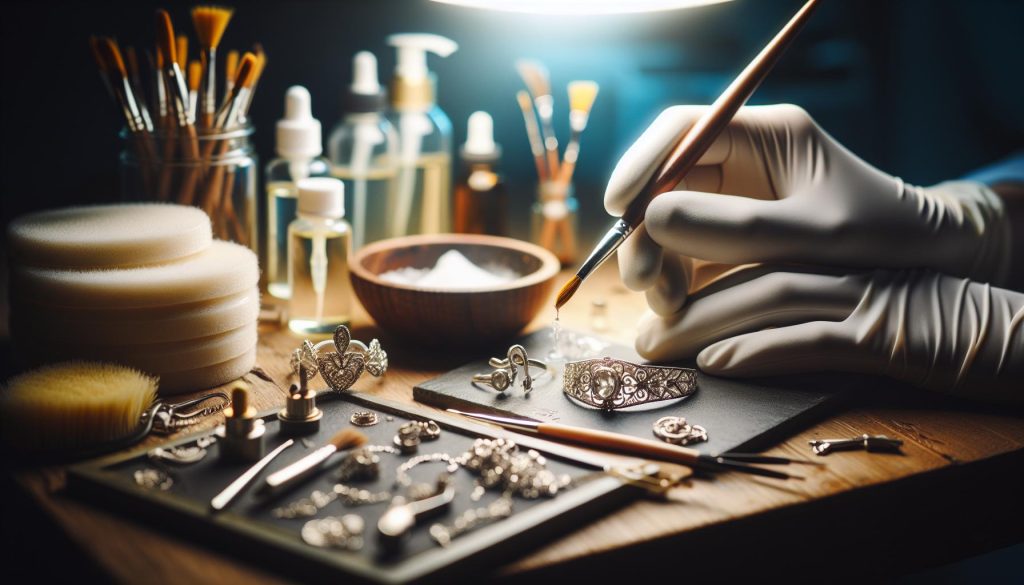
To effectively strip acrylic paint from jewelry without compromising its integrity, having the right tools is essential. The process can be meticulous, and using inappropriate methods can lead to further damage. Here’s a comprehensive list of essential tools that will enable you to restore your cherished pieces safely.
Basic Tools
- Soft Brushes: Use soft-bristled brushes to gently scrub the jewelry. This helps remove the paint without scratching the underlying material.
- Microfiber Cloth: Ideal for wiping off any residue after paint removal. The softness of the cloth prevents further scratches.
- Small Containers: For soaking your jewelry in solvents or cleaning solutions without losing them.
Cleaning Solutions
- Acetone or Nail Polish Remover: These solvents are effective for breaking down acrylic paint. However, test on a small area first, especially on sensitive materials.
- Isopropyl Alcohol: A gentler alternative to acetone, this solution can help in dissolving paint while being less harsh on certain metals and surfaces.
- Dish Soap and Warm Water: A simple and safe option for cleaning jewelry after the paint has been removed.
Protective Gear
- Gloves: Wearing gloves will protect your skin from chemicals and prevent oils from your hands from transferring onto the jewelry.
- Safety Glasses: If you’re using any solvents or chemicals, these will protect your eyes from splashes.
Having these tools at your disposal will not only make the job easier but also reduce the risk of damaging your jewelry during the paint removal process. With the right preparation and precautions, you can restore your pieces to their former glory, preserving both their beauty and value.
Step-by-Step Guide to Stripping Paint
To successfully strip acrylic paint from jewelry, it’s crucial to approach the task with a methodical mindset and the right techniques. Understanding the composition and durability of your jewelry can significantly influence the outcome. Since acrylic paint is designed to adhere well to surfaces, patience is key in ensuring that you remove it without damaging the underlying material. Here’s a straightforward and effective method to strip that unwanted paint away.
Start by preparing your workspace and gathering all necessary tools. Ensure you have good ventilation in your area, as solvents can release harmful fumes. Once settled, choose a small container suitable for soaking your jewelry. This step is particularly useful for pieces with intricate designs where paint might hide. Pour an appropriate solvent, such as acetone or isopropyl alcohol, into the container-make sure there’s enough to cover the jewelry piece entirely.
Place the jewelry in the solvent and let it soak for about 10 to 15 minutes. This soaking phase helps to loosen the acrylic paint. After soaking, take a soft brush and gently scrub the painted areas in a circular motion. Avoid applying excessive pressure; your goal is to lift the paint without scratching the jewelry. It’s a good practice to frequently rinse the brush in the solvent to avoid pushing the paint back onto the piece.
Once the paint has been removed, wash the jewelry in warm, soapy water to remove any remaining residue from the solvent. After cleaning, dry the piece with a microfiber cloth to prevent scratches. If any paint remains, repeat the soaking or brushing process as necessary. This careful, step-by-step approach not only enhances the chances of successful paint removal but also safeguards the integrity of your jewelry, allowing it to shine once again.
Common Mistakes To Avoid When Removing Paint
When embarking on the journey to remove acrylic paint from jewelry, it’s all too easy to make oversights that can lead to disappointing outcomes or even damage. One common mistake is rushing the process. Acrylic paint is notorious for its strong binding properties, and jumping straight into scrubbing without adequate soaking can result in ineffective removal or scratched surfaces. Always allow your jewelry enough time to soak in the solvent, as this step loosens the paint and makes the entire removal process easier.
Another frequent error is using the wrong type of solvent. While acetone is often effective, it can harm certain materials, especially plastics or painted surfaces. Instead, consider using isopropyl alcohol or a specialized paint remover that is safe for your specific jewelry material. Additionally, testing your solvent on a discreet area of the jewelry beforehand can prevent damage and ensure compatibility.
Additionally, many enthusiasts overlook the importance of the tools used in the process. Employing a hard-bristled brush or any abrasive materials can easily scratch delicate surfaces. Opt for soft-bristled brushes or even cotton swabs to gently work at the painted areas. Remember to rinse your brush routinely during the cleaning process to avoid redepositing paint.
Finally, after successfully removing the paint, neglecting proper cleaning can leave behind residues that could tarnish or corrode metals over time. Always follow up by washing your jewelry in warm, soapy water to ensure all remnants of the solvent and paint are thoroughly eliminated. With these mindful strategies, you can navigate the paint removal process successfully, restoring your treasured pieces without compromising their beauty.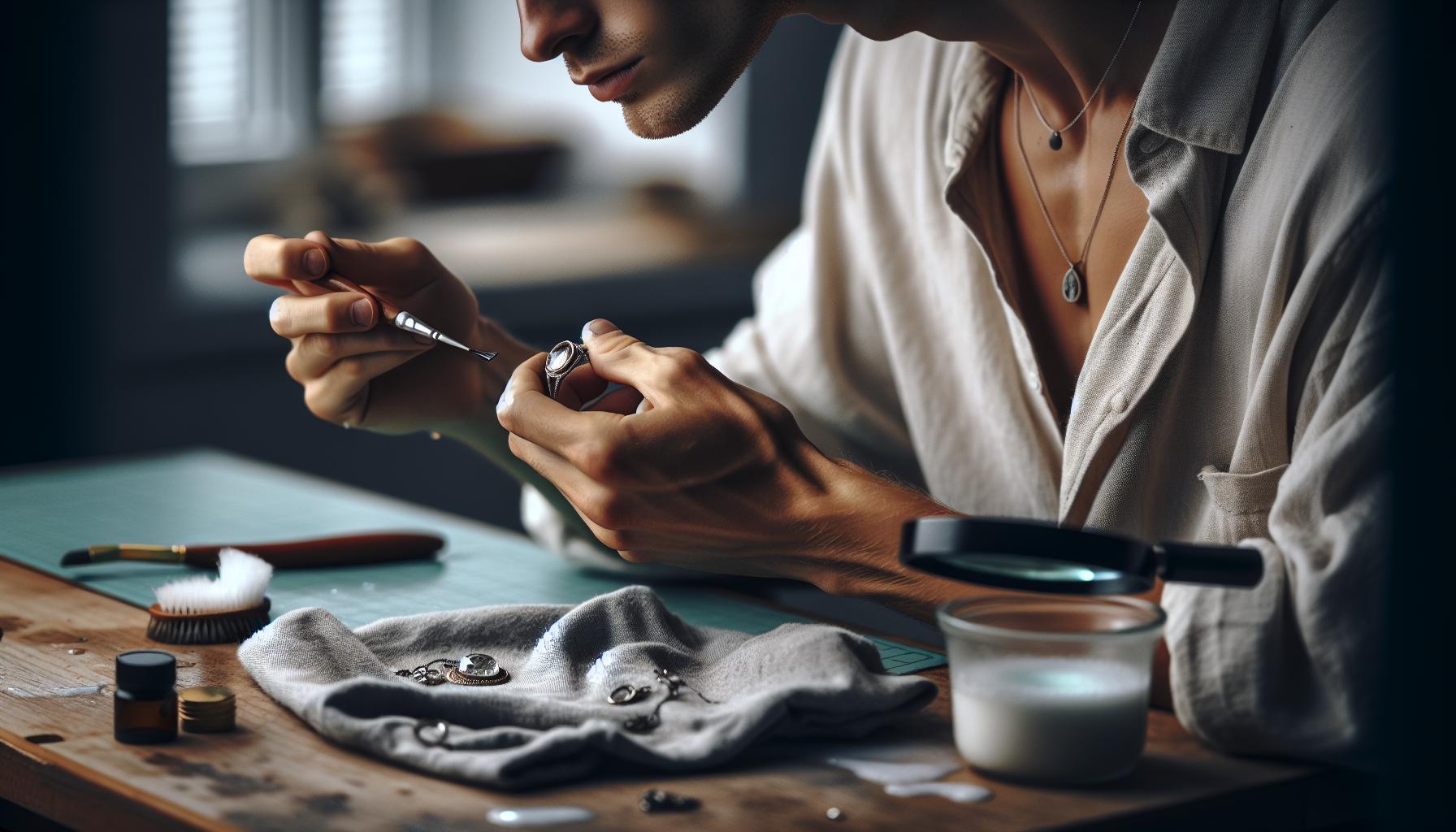
Cleaning Jewelry After Paint Removal
Cleaning jewelry after removing acrylic paint is a crucial step that helps ensure your pieces remain beautiful and intact. Once the paint has been effectively stripped away, lingering residues can tarnish or corrode metals, affecting their overall appearance and durability. To restore your jewelry to its former glory, a few mindful cleaning practices can make a significant difference.
Start by rinsing your jewelry under lukewarm water to remove any loose paint particles or solvents. It’s essential to avoid hot water as it may warp certain materials. After rinsing, prepare a gentle cleaning solution using warm water mixed with a few drops of mild dish soap. Soak your jewelry for about 15-20 minutes. This soaking will help dissolve any remaining residues without aggressive scrubbing that could scratch delicate surfaces.
When you’re ready to clean, use a soft-bristled toothbrush or a microfiber cloth to gently scrub your jewelry. Focus on crevices and intricate designs where paint and dirt may linger. Taking care not to use any abrasive materials is vital, as they could damage the finish of softer metals or gemstones. Once clean, thoroughly rinse the jewelry again under running water to ensure all soap and debris are washed away.
Finally, dry your pieces completely with a soft cloth. Avoid air drying, which can lead to water spots and tarnish, especially on silver and other reactive metals. For additional shine, you might consider applying a jewelry-safe polish, but make sure it’s safe for the specific materials of your pieces. With these steps, your jewelry should be revitalized, looking stunning and ready for wear once again!
Restoring Damage: Techniques for Jewelry Repair
Restoring jewelry pieces after the removal of acrylic paint can breathe new life into your cherished items, transforming them from drab to fab. Whether you’re dealing with chipped finishes, tarnished surfaces, or even structural damage, a few effective techniques can help you revitalize your jewelry and preserve its beauty for years to come.
Begin by carefully assessing the damage to determine the best approach for restoration. For minor scratches or blemishes, consider using a jewelry polishing cloth or a specialized metal polish that matches the material of your piece. Soft cloths specifically designed for polishing metals are ideal, as they prevent further scratches while restoring shine. Gently rub the area in circular motions, taking care around any stones or intricate details.
For more significant damage, such as broken clasps or loose stones, a simple repair kit may suffice. A quality jewelry repair kit typically includes tools like pliers, soldering supplies, and adhesive designed specifically for jewelry. If you’re not confident in your DIY skills, consider employing the help of a local jeweler who can provide professional repairs. They can expertly fix structural issues and re-secure stones, restoring the integrity of your piece.
In cases of extensive damage, such as warped or distorted components, it may be beneficial to explore restoration techniques like reshaping or reconditioning the item. This could involve using heat (for certain types of metal) to reshape firm components or opting for a complete redesign if the piece is beyond repair. This not only revitalizes the piece but can also provide a unique creation that is reflective of your current taste.
Remember that prevention is key to keeping your jewelry safe from paint and other damaging substances in the future. Storing your pieces in a protective case and cleaning them regularly can go a long way in preventing deterioration. Through careful restoration and maintenance, your jewelry can continue to be a source of joy and style, reflecting your individuality for many more years to come.
Best Practices for Preventing Future Paint Damage
To preserve your jewelry from the damaging effects of acrylic paint-or any other substance-implementing thoughtful storage and care practices is crucial. By taking proactive steps, you can prevent unsightly paint marks and maintain the integrity of your pieces, ensuring they remain as beautiful as the day they were acquired.
Begin by organizing your jewelry collection in a dedicated space, such as a jewelry box or display case. This not only protects individual items from scratches but also reduces the likelihood of exposure to painting materials. Make sure that each piece is stored separately, using soft, felt-lined sections to prevent friction and damage. Consider using small pouches for delicate items or pieces prone to scratching, ensuring they are safe from accidental paint splatters or spills when crafting or decorating.
When working on projects that involve paint or similar substances, always remember to remove your jewelry beforehand. A simple rule is to establish a crafting area where jewelry is off-limits. For added protection, place a cloth or protective cover over the workspace where you’ll be using acrylic paints, which serves as a barrier against spills while keeping your jewelry safe.
Regularly clean your jewelry pieces to eliminate any potential residues that may attract paint. Use a gentle jewelry cleaner or a mild solution of soap and water, and always dry them with a soft, lint-free cloth. This routine not only maintains their luster but also creates a preventive atmosphere against long-term damage. For those who are particularly creative, consider wearing specific jewelry pieces that you don’t mind possibly getting damaged during art projects, using these as your “work” items.
Lastly, if you find yourself dealing with frequent paint or substance exposure, think about employing protective coatings or finishes that add a layer of safeguard without compromising the jewelry’s aesthetic. Professional jewelers may offer services to apply protective layers that can mitigate damage, allowing you to wear your pieces confidently while still engaging in your creative endeavors. By being mindful of your jewelry’s environment and practicing these best practices, you can prevent future paint damage and keep your cherished pieces in pristine condition for years to come.
Creative Ways to Upcycle Old Jewelry
Transforming old or damaged jewelry into fresh, stylish pieces can be a rewarding and imaginative project. Rather than letting those pieces burden your collection, consider giving them a new lease on life through creative upcycling. This process not only saves you money but also allows for unique personalization, resulting in one-of-a-kind jewelry that reflects your individual style.
One effective approach is to repurpose broken necklaces and mismatched earrings. Instead of discarding them, you can create charming new items such as charm bracelets or statement pieces. For instance, if you have a necklace with a broken clasp, simply remove the pendant and attach it to a new chain to make a fresh look. You can also combine elements from various pieces, such as taking colorful beads from a broken bracelet and using them to revamp a simple pair of earrings or a bracelet base.
Another inspiring method is to use acrylic paint to breathe new life into old metal or wooden jewelry. After properly stripping the paint from damaged pieces, add vibrant colors or playful patterns to create a modern aesthetic. You can also use techniques like marbling or ombre effects to give your jewelry a chic, contemporary vibe. If you have cubic forms, consider layering them with bold colors for depth, or creating abstract designs that showcase your personality.
Lastly, don’t overlook fabric or leather. Old jewelry can be incorporated by attaching charms or pendants to fabric headbands, scrunchies, or even belts. This unexpected combination adds a unique flair to ordinary items and keeps them out of the landfill. Emphasizing sustainability in your creations not only makes them more meaningful but also aligns with a growing trend towards eco-consciousness in fashion.
By harnessing your creativity and embracing the art of upcycling, you can successfully restore, transform, and personalize damaged jewelry into stunning new pieces you’ll love to wear, ensuring each item tells a unique story.
How to Care for Restored Jewelry Pieces
Restoring jewelry pieces can be a delightful journey, breathing new life into items that may have previously been overlooked. However, once your jewelry has been revitalized, proper care is essential to maintain its beauty and integrity. Caring for restored jewelry goes beyond just admiring your handiwork; it involves safeguarding the materials and finishes you’ve applied during your creative process.
To keep your newly painted or refurbished jewelry looking its best, always store it in a cool, dry place. Humidity and extreme temperatures can warp the integrity of paint or materials used in restoration. Use soft pouches or lined boxes to prevent scratches. Additionally, consider separating pieces made of different materials to avoid any potential damage from harder surfaces. For example, keep beaded or painted pieces away from metal items that can scratch the finish.
For routine maintenance, gently clean your jewelry using a soft, lint-free cloth to remove any dust or oils. Avoid harsh chemicals or abrasive materials that may damage the paint or any finishes you’ve applied. If your piece is particularly delicate or intricately designed, a simple solution of mild soap and warm water can be used, but remember to dry it thoroughly to avoid any moisture absorption. Regularly evaluating your jewelry for any signs of wear, such as chipped paint or loose components, will enable you to address repairs promptly, ensuring the longevity of your work.
Finally, remind yourself that wearing your restored pieces can contribute to their story. The more you wear them, the better you’ll understand what types of situations may lead to wear and tear. Keeping a journal of your jewelry’s journey-from restoration to regular wear-can also help you remember what care techniques worked best, creating a personalized maintenance routine that enriches both your creative process and your collection’s history. With these mindful care practices, your restored jewelry will continue to shine and tell your unique story long into the future.
Exploring Professional Restoration Services
When it comes to restoring jewelry pieces, especially those affected by acrylic paint, professional restoration services can be a game changer. Many people might underestimate the value of seeking help from experts, but the intricate nature of jewelry restoration often requires specialized tools and knowledge that most DIY enthusiasts might not possess. Professionals not only have the skills to safely strip paint without damaging the underlying materials but also possess the artistry to enhance the jewelry’s original beauty.
What to Look for in Professional Services
Choosing the right restoration service can greatly influence the final outcome of your jewelry. Here are a few key factors to consider:
- Experience: Look for professionals with a proven track record in jewelry restoration, particularly with acrylic paint issues.
- Customer Reviews: Feedback from previous clients can provide insight into the quality of work and service.
- Specialization: Some jewelers focus on specific techniques or materials; ensure they have experience restoring pieces similar to yours.
- Portfolio: A portfolio showcases a jeweler’s previous work, helping you gauge their craftsmanship and style.
The Restoration Process
A typical restoration process may include several stages such as:
- Assessment: Professionals will evaluate the condition of your jewelry and the extent of paint damage.
- Safe Paint Removal: They will use appropriate solvents and techniques to strip the acrylic paint without harming the base material.
- Repairing Damage: After removing the paint, any scratches or other damage can be repaired using the right tools and methods.
- Finishing Touches: The final steps may involve polishing, re-dipping in a protective coating, or even redesigning elements of the jewelry for enhanced aesthetic appeal.
Cost Considerations
While professional restoration services can be an investment, they often save you time and potential headaches in the long run. Prices vary depending on the extent of the damage and the services needed, so it’s wise to get a detailed estimate upfront. Always ask about potential hidden costs like additional repairs or the need for specialized materials.
isn’t just about returning a piece of jewelry to its original state; it’s also an opportunity to add value and uniqueness to your collection. With the right expert, your painted jewelry can be transformed, allowing you to enjoy wearing your favorite pieces again-sometimes even better than before. Embracing the expertise of professionals can help ensure your cherished items carry their stories forward with dignity and style.
Tips for DIY Jewelry Making Without Paint Risks
Working on DIY jewelry can be a delightful creative outlet, but the risks associated with using paint can lead to unforeseen damage. Whether you’re looking to customize pieces or restore old favorites, it’s essential to employ methods that minimize the risk of acrylic paint damaging your jewelry. One effective strategy is to use non-toxic alternatives or to choose paints specifically designed for crafting on jewelry materials. These options not only reduce the likelihood of damage but also ensure your designs are safe for wear.
When embarking on DIY jewelry projects, preparation is key. Always make sure to work on a clean, flat surface and use protective coverings like newspapers or plastic sheets beneath your materials. Additionally, consider using painter’s tape to delineate areas you don’t want to paint. This helps in achieving clean edges and eliminates the chances of accidentally getting paint on other parts of your jewelry. If you’re using spray paint, ensure you do so in a well-ventilated area and wear a mask for safety.
Consider your choice of materials thoughtfully. Natural gemstones, metals, and wood behave differently with acrylic paints, so it’s prudent to test paint on a small, inconspicuous area first. Use brushes with fine tips for detailed work to maintain precision and avoid overspill. After painting, allow sufficient drying time before handling or assembling pieces to prevent smudging or sticking.
Ultimately, consider the longevity of your creations. Coating your painted designs with a clear sealant once they are dry can add a protective layer, helping to prevent chipping and maintaining the vibrancy of your colors. By treating each project with care and foresight, you not only enhance your skills but also ensure that your jewelry remains stylish and safe for all occasions.
Understanding Different Jewelry Materials and Their Care
Understanding how various jewelry materials react to acrylic paint is vital for effective care and restoration. Jewelry can be made from a range of materials, each with its own properties and sensitivities, which influences how you should treat it during and after painting. For instance, metals like silver and gold are generally durable but can tarnish or react with certain paints, while porous materials such as wood or clay may absorb paint more readily, complicating the removal process.
Common Jewelry Materials and Their Sensitivities
- Metals: Precious metals like gold and silver resist rust but require proper cleaning to avoid tarnishing. Use a gentle polish specifically designed for jewelry to maintain their shine after paint removal.
- Gems: Natural gemstones can vary significantly in durability, with softer stones like opal and pearl being more susceptible to scratches and damage. Ensure any acrylic paint removal methods are safe and suitable for these materials.
- Glass and Acrylic: These materials are often used in more modern jewelry pieces. They can usually handle mild solvents for paint stripping, but always perform a patch test first to ensure no permanent damage occurs.
- Wood: Wood can be tricky; it absorbs paint and solvents. When cleaning, use a soft cloth and a mild soap solution. Avoid harsh chemicals that might warp or discolor the wood.
When it comes to maintaining your jewelry post-restoration, consider applying a protective seal or coat on porous materials to help minimize future damage. For metal pieces, using a simple jewelry cleaner can help preserve their luster and mitigate the risks of future paint adhesion.
Investing time in understanding the characteristics of each material not only empowers you to make better choices during your DIY projects but also enhances the longevity of your beloved pieces. A well-cared-for piece of jewelry not only looks great but also carries the memories and stories of the moments you’ve worn it.
Frequently Asked Questions
Q: How can I safely remove acrylic paint from jewelry without damaging it?
A: To safely remove acrylic paint from jewelry, soak the piece in warm soapy water for 10-15 minutes, then gently scrub with a soft toothbrush. Ensure you test a small area first to avoid damage. For detailed techniques, see the “Step-by-Step Guide to Stripping Paint” section.
Q: What materials are effective for stripping acrylic paint from jewelry?
A: Effective materials for stripping acrylic paint include rubbing alcohol, nail polish remover, and warm soapy water. Avoid harsh chemicals that might damage delicate pieces. For the best practices, check the “Essential Tools for Stripping Acrylic Paint” section of the article.
Q: Can I use a heat gun to remove acrylic paint from jewelry?
A: Yes, a heat gun can be used to remove acrylic paint, but it should be used cautiously. Keep it at a safe distance to avoid melting or warping the jewelry. Always refer to the “Common Mistakes To Avoid” section for safe practices.
Q: How do I know if my jewelry is safe to strip paint from?
A: To determine if your jewelry is safe to strip paint, check the material type and its finish. Delicate materials like pearls or soft metals can be damaged. For more information, consult the “Understanding Different Jewelry Materials and Their Care” section in the article.
Q: What should I do if paint removal damages my jewelry?
A: If paint removal damages your jewelry, assess the damage first. Simple scratches may be buffed out, while deeper damage might need professional repair. Explore “Restoring Damage: Techniques for Jewelry Repair” for advice on recovery.
Q: How often should I clean my jewelry after paint restoration?
A: After paint restoration, clean your jewelry regularly-ideally every few months. Use a gentle cleaner to maintain its shine and protect it from further damage. For detailed care tips, visit the “How to Care for Restored Jewelry Pieces” section.
Q: What are the risks of removing acrylic paint from jewelry myself?
A: DIY paint removal can risk damaging your jewelry if harsh methods are used or if the material is sensitive. Always follow safe practices and consult the “Common Mistakes To Avoid When Removing Paint” for guidance.
Q: Where can I find professional restoration services for damaged jewelry?
A: Professional restoration services can be found through local jewelers or specialized restoration businesses. Check the “Exploring Professional Restoration Services” section for tips on selecting the right service for your needs.
Key Takeaways
Now that you’re equipped with the knowledge to strip acrylic paint and restore your damaged jewelry pieces, don’t wait to put these tips into action! Your cherished items deserve a second chance to shine, and taking the first step now can breathe new life into your collection. If you found this guide helpful, explore our related articles on jewelry care and DIY cleaning techniques for metals and gems-it’s a treasure trove of information to further enhance your skills.
Have questions or concerns about specific pieces? We encourage you to leave a comment below or connect with us on social media. Sharing your journey can inspire others and help foster a community of passionate jewelry enthusiasts. Remember to sign up for our newsletter to stay updated on the latest tips and tutorials. Your next adventure in jewelry restoration is just a click away-embrace your creativity and start restoring today!
Get our latest guides, news, and insights highlighted in your Google Search & AI Overviews.