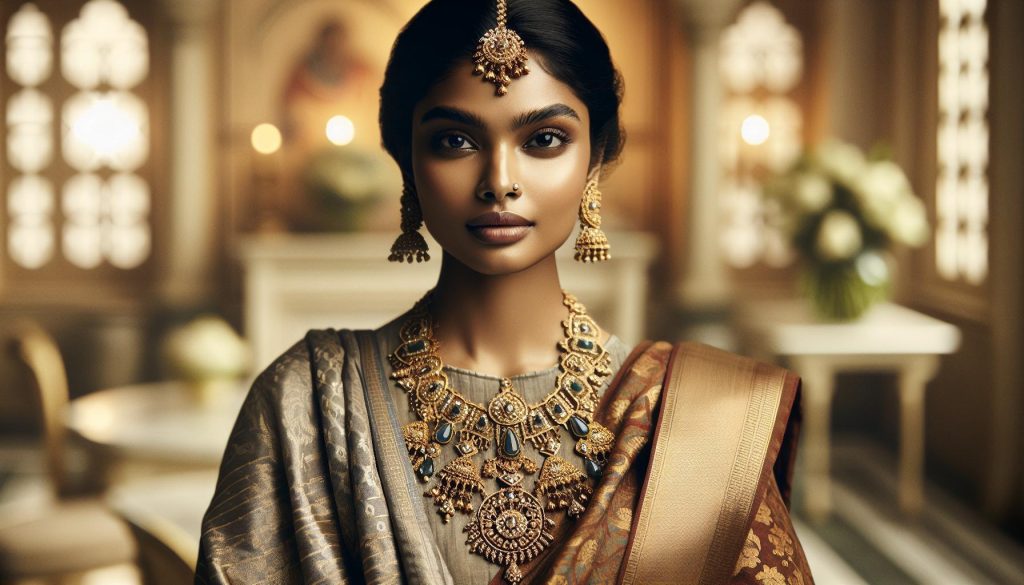
Rani Haar, a stunning royal necklace style from India, showcases intricate craftsmanship and rich cultural heritage. Traditionally worn by brides and adorned during special occasions, this piece offers a perfect blend of elegance and traditional charm. As jewelry lovers, understanding the allure of Rani Haar allows you to appreciate its artistry and significance in Indian culture. Whether you’re looking to enhance your wedding trousseau or simply wish to explore styles that embody grace and history, the Rani Haar serves as an exquisite statement piece. Join us as we delve into its captivating designs, unique materials, and styling tips that will inspire you to embrace this regal accessory in your collection. Discover how to care for this jewelry, ensuring its timeless beauty lasts for generations while also exploring DIY possibilities and storage solutions that keep it pristine.
What Is Rani Haar Jewellery?
Rani Haar jewellery is a stunning representation of royalty and tradition, particularly within Indian culture. Characterized by its multi-strand design, this necklace serves as a statement piece that embodies elegance and heritage. Traditionally worn by brides and during festive occasions, Rani Haar features intricate designs often adorned with gemstones, pearls, and elaborate pendants, providing a luscious touch to any attire. The term “Rani” translates to “queen” in Hindi, aptly reflecting the grandeur that accompanies this exquisite piece of jewellery.
Crafted from various materials, Rani Haar necklaces can range from gold and silver to more affordable metals plated to achieve a regal look. The use of pearls and semi-precious stones enhances their beauty, making them versatile enough to be worn on formal and casual occasions alike. In contemporary fashion, Rani Haar jewellery continues to evolve, incorporating modern elements while still paying homage to its rich heritage. This blend of tradition and innovation allows individuals to express their unique style while embracing cultural significance.
For those interested in styling Rani Haar, it’s important to consider the outfit and occasion. The dramatic length of Rani Haar pairs beautifully with traditional attire such as sarees and lehengas, but can equally elevate a modern ensemble. To maintain its beauty, proper care is essential; regular cleaning and careful storage will help preserve the intricate details and luster of the jewellery.
In summary, Rani Haar jewellery not only serves as an accessory but also as a symbol of cultural pride and craftsmanship. Its timeless appeal and adaptability make it a must-have in any jewellery collection, allowing wearers to connect with a rich tradition while showcasing their personal flair.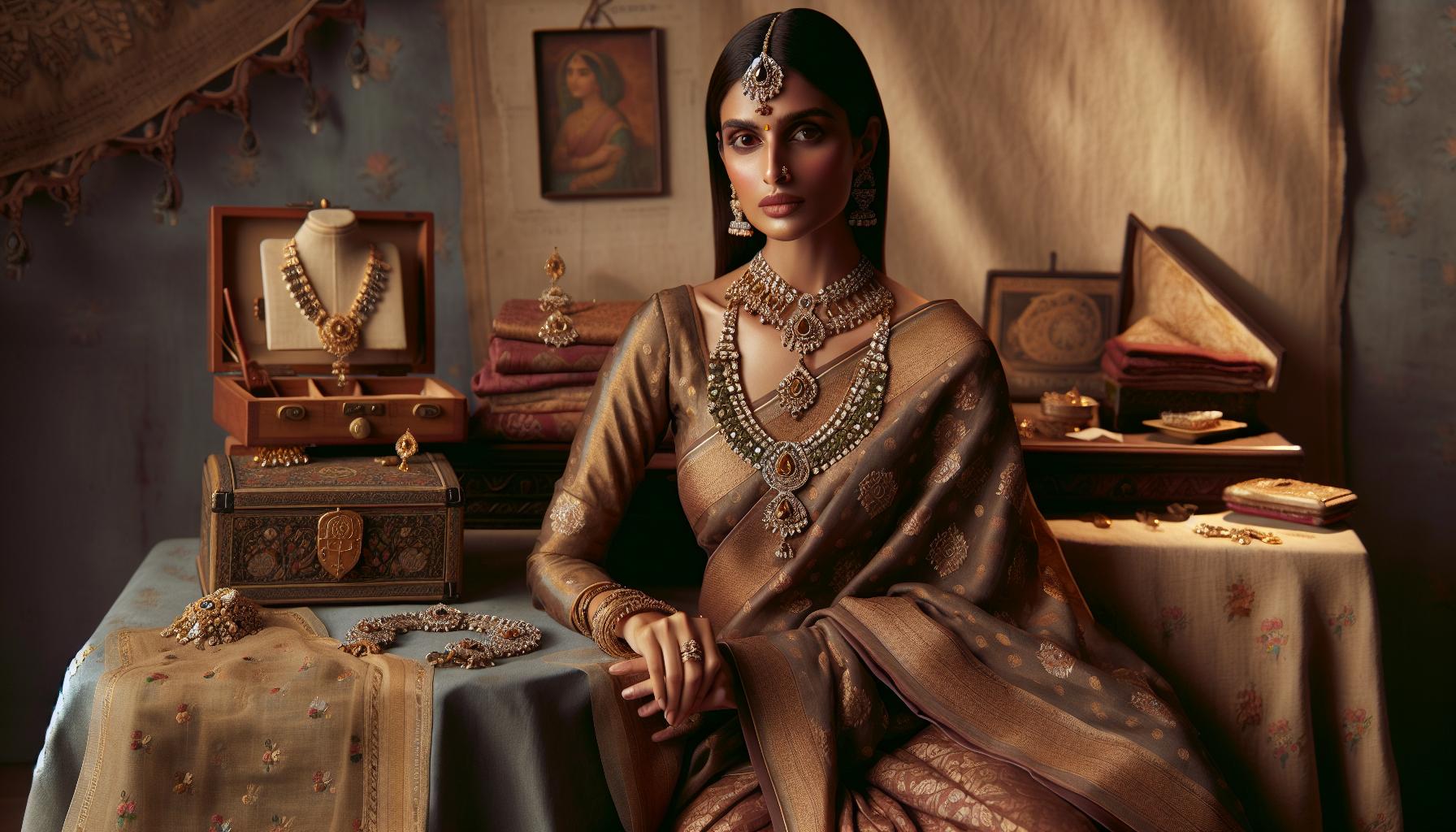
The History of Rani Haar in Indian Culture
The Rani Haar, often referred to as the “queen’s necklace,” is deeply entrenched in Indian cultural history, symbolizing royalty and grace. Originating during the Mughal era, this exquisite piece of jewellery was traditionally worn by queens and noblewomen, often selected for its ability to convey wealth and status. Its design, characterized by multiple strands and elaborate pendants, reflects the opulence associated with the bygone regal courts of India. Historical accounts and artistic representations showcase these necklaces adorning the necks of royal brides, emphasizing their significance in wedding traditions and grand ceremonies.
Cultural influences have shaped the Rani Haar over the centuries. In various regions of India, styles and interpretations of the Rani Haar have evolved, adapting to local aesthetics while maintaining its royal essence. For instance, in Rajasthan, the use of vibrant gemstones and intricate craftsmanship is prevalent, reflecting the region’s artistic heritage. On the other hand, in South India, the Rani Haar often incorporates traditional gold work and temple motifs, marrying cultural significance with elegant artistry.
Moreover, the Rani Haar is not just a style of jewellery; it embodies the stories and traditions of Indian heritage. It plays a central role in significant life events, particularly in weddings, where brides are adorned with these luxurious pieces to signify their new beginnings and familial connections. The very act of wearing a Rani Haar can evoke a sense of pride and continuity, as it links contemporary wearers to a rich lineage of tradition.
As you explore the captivating world of Rani Haar, consider its historical roots and the narratives it carries. This necklace serves not only as an adornment but also as a bridge between the past and the present, allowing individuals to embrace and celebrate their cultural identity through the elegance of jewellery.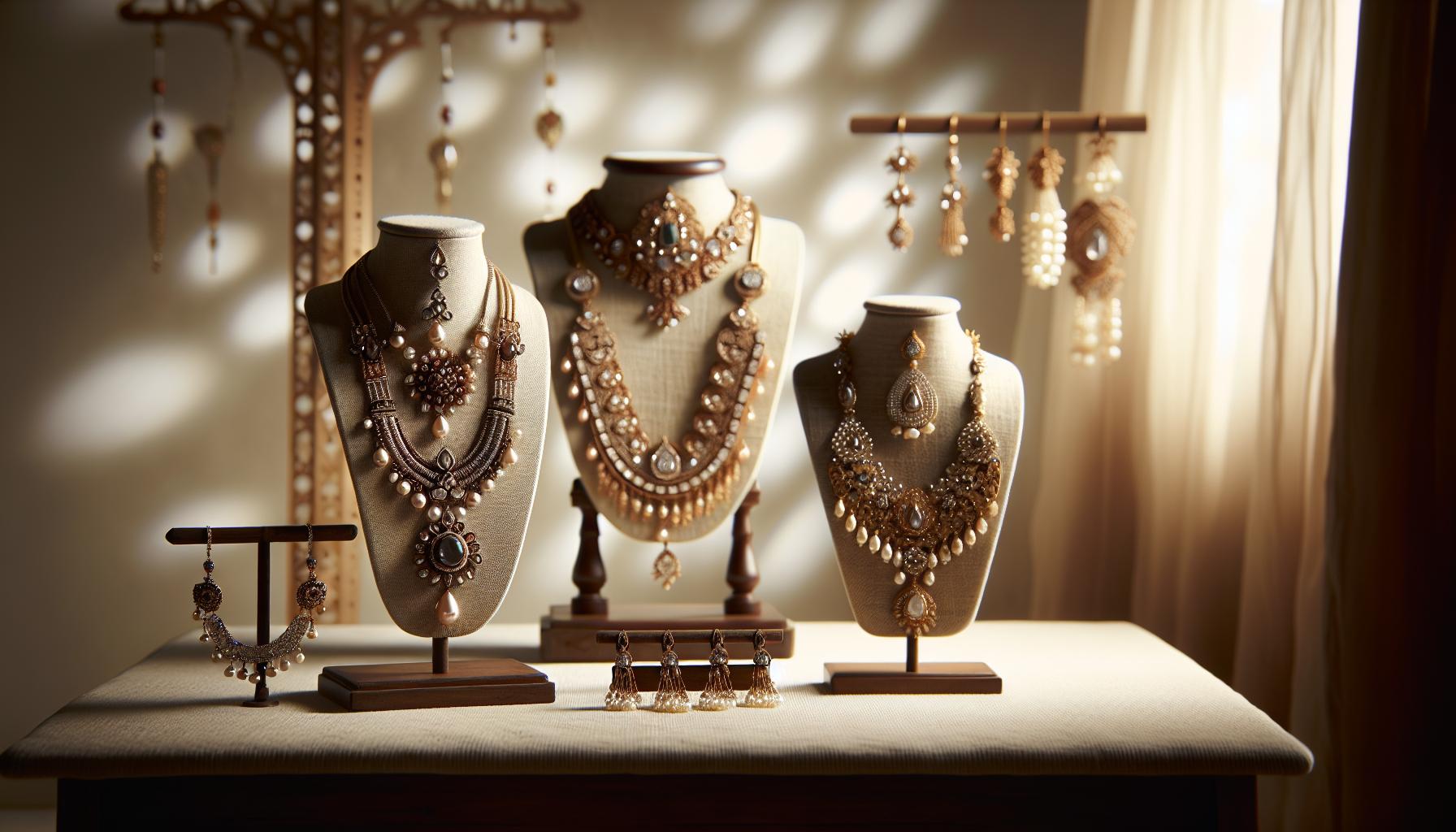
Different Styles of Rani Haar Necklaces
The beauty of Rani Haar necklaces transcends mere adornment; they are a celebration of artistry and cultural heritage. Rani Haar styles vary significantly, reflecting regional nuances and preferences that capture the essence of Indian tradition. These captivating necklaces typically feature multiple strands, often with intricate embellishments and unique pendants that make every piece a statement of elegance.
Common Styles of Rani Haar
- Traditional Rani Haar: This classic version consists of several layered strands, often embellished with gold and semi-precious gemstones. Its regal design is often seen during weddings and cultural ceremonies, symbolizing wealth and status.
- Antique Rani Haar: With a weathered patina and vintage charm, antique styles often incorporate intricate filigree work and traditional motifs. These pieces are cherished for their craftsmanship and historical significance, making them highly valuable among collectors.
- Temple Rani Haar: Inspired by temple carvings, this style features motifs of deities and spiritual symbols. Its designs are usually heavily gold-plated, reflecting South Indian aesthetics, and are commonly worn during religious ceremonies.
- Meenakari Rani Haar: This vibrant style uses the traditional enamel technique of Meenakari, with colorful designs and intricate patterns. It often combines multiple colors and is popular for festive occasions, enhancing the wearer’s ensemble with its bright and lively appearance.
- Kundan Rani Haar: Characterized by the use of gemstones set in gold foil, Kundan designs are exquisite and luxurious. This style often features elaborate pendants and is favored by brides for its dazzling appearance, making it a perfect choice for weddings.
Choosing the right style of Rani Haar can enhance your attire and reflect your personal style. Whether you opt for the timeless elegance of a traditional Rani Haar or the vibrant artistry of a Meenakari design, each piece brings a unique touch to your jewellery collection. Embracing the various styles not only adds depth to your wardrobe but also serves as a connection to the rich tapestry of Indian culture and history.
Materials Used in Rani Haar Jewellery
The allure of Rani Haar jewellery lies not only in its stunning designs but also in the variety of materials used to craft these exquisite pieces. At its core, Rani Haar embraces traditional materials that reflect India’s rich cultural heritage. The primary material is often gold, which serves as the foundation for many styles, from plain to heavily embellished designs. Gold’s warm hues enhance the luxurious feel of the necklaces, making them a staple for weddings and festive occasions.
An equally important aspect is the use of precious and semi-precious gemstones. These stones are carefully selected for their color, clarity, and rarity. Commonly featured gemstones include emeralds, rubies, and pearls, each adding their unique shimmer and significance to the necklace. For instance, Kundan Rani Haar features gemstones set in gold foil, which highlights their brilliance while exemplifying intricate craftsmanship. Meenakari Rani Haar incorporates vibrant enamels that are painstakingly applied, breathing life into the piece with color and depth.
Beyond metals and stones, artisans may also use materials like silver and various alloys for more accessible versions of Rani Haar, catering to a wider audience. These materials can still carry the essence of traditional jewellery, allowing wearers to enjoy the beauty of Rani Haar without the hefty price tag often associated with gold and diamonds.
Understanding the gives collectors and enthusiasts insight into the craftsmanship and cultural significance behind each piece. With the right care and attention, these stunning necklaces can last for generations, serving as cherished heirlooms that tell the story of India’s exquisite jewellery-making traditions.
Significance of Gemstones in Rani Haar
Gemstones are the shimmering stars of Rani Haar necklaces, each bringing its own rich history, symbolism, and allure to these exquisite pieces of jewellery. Traditionally, Rani Haar is adorned with precious stones such as emeralds, rubies, and pearls, which are not just visually stunning but also deeply significant within Indian culture. Wearing these gemstones is believed to confer various auspicious qualities; for instance, emeralds are associated with healing and prosperity, while rubies are thought to symbolize passion and protection.
The meticulous artistry involved in setting these gemstones elevates Rani Haar beyond a mere accessory to a statement of heritage and craftsmanship. Techniques such as Kundan, where stones are set in gold foil, and Meenakari, which incorporates vibrant enamel work, showcase the intricate detail and skill of artisans. This craftsmanship not only enhances the visual appeal but also highlights the gemstones’ unique characteristics, playing with light and depth for an unparalleled aesthetic experience.
In addition to their aesthetic value, gemstones in Rani Haar necklaces often carry personal significance for the wearer. Many choose particular stones based on their birth month or zodiac sign, incorporating an element of personal spirituality or identity into their jewellery. This individualized approach transforms each piece into a symbol of personal history and meaning, emphasizing why Rani Haar is cherished across generations.
To fully appreciate and care for Rani Haar adorned with gemstones, it’s essential to consider their fragility and unique properties. Regular cleaning with a soft, dry cloth will keep the gems sparkling, while avoiding exposure to harsh chemicals will preserve their vibrancy. By understanding the significance of these stones and respecting their care needs, wearers can ensure that their Rani Haar remains not only a beautiful ornament but also a treasured heirloom, infused with the magic of both their craftsmanship and symbolism.
Styling Tips for Rani Haar Necklaces
Rani Haar necklaces, with their regal allure and intricate craftsmanship, have always been a focal point in Indian attire, ideal for special occasions and celebrations. Styling these stunning pieces can enhance your ensemble, helping you to stand out while reflecting your unique sense of fashion. Incorporating a Rani Haar into your look requires thoughtful consideration of color, outfit type, and occasion to create a harmonious appearance.
To perfectly style a Rani Haar, consider the following tips:
- Outfit Coordination: Rani Haar necklaces are often ornate and heavy, best paired with simpler silhouettes. Choose outfits such as a plain saree or lehenga in subtle tones to allow the jewellery to take center stage. For evening events, a monochrome outfit can beautifully contrast with the multi-colored gemstones of the necklace.
- Cultural Context: Embrace the traditional roots of Rani Haar by pairing it with ethnic wear like Anarkali suits or long kurtas. This respect for heritage complements the necklace’s historical significance and aesthetic grandeur.
- Layering Techniques: Experiment with layering your Rani Haar with simpler chains or smaller necklaces. This adds depth and interest to your look, allowing for a fashionable play of textures and lengths.
- Appropriate Hair Styling: The right hairstyle can elevate your entire look. Consider an updo or a sleek bun to showcase your Rani Haar. Allowing the necklace to drape over your collarbone will draw attention and create an elegant frame for your face.
- Makeup Balance: With such a statement piece, opt for makeup that enhances your features without overwhelming them. A classic red lip or a soft smoky eye can complement your necklace beautifully, striking the right balance between bold and understated.
Remember, the aim is to let your Rani Haar shine as a statement piece while ensuring the rest of your styling elements support its majestic presence. By following these guidelines, you can confidently embrace this exquisite jewellery style, making a memorable impression at any event.
Caring for Your Rani Haar Jewellery
Taking care of your Rani Haar jewellery is essential to preserve its beauty and value over time. These regal pieces are not just adornments; they embody history and craftsmanship and deserve special attention to maintain their splendour. With the right practices, you can ensure your Rani Haar remains a stunning highlight of your collection for years to come.
Regular cleaning is crucial to manage tarnishing and maintain the shine of metals and gemstones. For routine maintenance, gently wipe your Rani Haar with a soft, lint-free cloth after each wear. This removes oils and dirt that accumulate from contact with skin or hair products. For deeper cleaning, particularly if the jewellery features intricate designs or gemstones, use a solution of warm water and mild soap. Dip a soft brush in the solution and gently scrub the piece, focusing on crevices where dirt might linger. Remember to avoid harsh chemicals or abrasive materials, which can ruin the finish or damage sensitive stones.
Storage plays an equally important role in keeping your Rani Haar in pristine condition. Store it in a designated jewellery box or pouch to prevent scratches and tangling. Consider using anti-tarnish pouches or lining your storage with soft fabric to further protect the delicate components. If your Rani Haar includes gemstones, keeping them separated from other jewellery items is wise to avoid scratches.
Lastly, handling your Rani Haar with care is paramount. Always put on your jewellery after you’ve applied perfume, lotions, or hairspray to minimize exposure to potentially damaging substances. When not in use, consider wearing your jewellery occasionally to keep it from becoming overly tarnished, as certain metals can benefit from the oils in your skin which help create a protective layer. By adopting these practices, you can ensure that your Rani Haar continues to dazzle and remains a cherished part of your jewellery collection.
Craftsmanship Behind Rani Haar Creations
The artistry behind Rani Haar creations is a testament to centuries of Indian craftsmanship and cultural significance. Each piece is meticulously crafted using traditional techniques that have been passed down through generations. The process begins with the selection of high-quality materials, such as 22K gold, which is favored for its durability and lustrous finish. Artisans begin the design phase by sketching intricate patterns that reflect both aesthetic beauty and cultural stories, ensuring that each piece of jewelry tells its own tale.
Once the design is finalized, skilled artisans employ a variety of methods to bring the Rani Haar to life. The process often involves intricate chain-making techniques, delicate filigree work, and the application of gemstones in ornate settings. Some Rani Haars also incorporate techniques like Kundan and Meenakari, where gemstones are set into the metal and colored enamels are used to enhance visual appeal. This level of detail requires exceptional precision and a steady hand, underscoring the craftsmen’s dedication to preserving traditional artistry.
The significance of the craftsmanship is not just about the final product; it’s also about the experience and tradition involved in creating these masterpieces. Many artisans begin training at a young age, learning the nuances of their craft from family members or mentors, which fosters a deep connection to their work. This heritage is evident in the quality of the Rani Haar, as each piece is made with love, skill, and an understanding of its cultural importance.
To appreciate and maintain the beauty of Rani Haar jewellery, potential buyers should consider not only the design and gemstones but also the craftsmanship that embodies the piece. Investing in Rani Haar means investing in a work of art, celebrating tradition, and supporting the artisans who continue to uphold these ancient practices.
Where to Buy Rani Haar Jewellery
Shopping for Rani Haar jewellery can be an exciting adventure, as these exquisite pieces not only represent elegance but also carry a rich cultural heritage. To find the perfect Rani Haar that resonates with your style and story, exploring various platforms is essential. Many reputable online retailers specialize in traditional Indian jewellery, offering a diverse selection of designs and materials.
One great option is Just Jadau, where you can discover luxurious 22-carat gold-plated Rani Haar necklaces at competitive prices. They focus on craftsmanship and detail, ensuring that each piece is a true representation of traditional art. Another notable site is Soni Fashion, which offers stunning gold-plated Rani Haar sets with a variety of designs that can cater to different tastes and occasions.
For those looking for matching accessories, Mallko Store presents options that include earrings to complement your Rani Haar, making it easy to achieve a cohesive look.
When purchasing Rani Haar jewellery, consider not only the aesthetics but also the reputation of the seller. Look for reviews and customer testimonials to ensure that you are buying quality pieces that align with your values, especially regarding craftsmanship and authenticity. Finally, don’t hesitate to reach out to vendors with questions about the materials, designs, or even custom orders, as many artisans are keen to share their stories and offer personalized services. By exploring these trusted sources and applying thoughtful considerations, you can confidently invest in a piece that celebrates the majestic heritage of Rani Haar jewellery.
Rani Haar vs. Other Indian Necklace Styles
The exquisite craftsmanship and intricate designs of Rani Haar necklaces set them apart from other Indian jewelry styles, making them a popular choice for both traditional and contemporary occasions. While other necklace styles certainly embrace the richness of Indian culture, the Rani Haar boasts a unique regal silhouette characterized by its long, layered structure, typically adorned with large pendants and intricate detailing. This style has deep roots in royal heritage, often symbolizing elegance and status, making it a favored choice for brides and special ceremonies.
In contrast, other styles like the Choker or Mangalsutra cater to different aesthetic preferences and cultural significance. For instance, chokers are typically shorter, hugging the neck and often designed with a single focus piece or fabric, exuding a modern elegance. They are versatile and can be paired with both traditional and western outfits, making them suitable for everyday wear. On the other hand, the Mangalsutra, traditionally worn by married women, serves more symbolic purposes, reinforcing marital fidelity and protection, often incorporating black beads and gold, with its design deeply rooted in cultural beliefs.
When comparing Rani Haar to styles like the Kundan or Jhumka, it’s evident that while Kundan necklaces utilize splendid gemstone settings and traditional craftsmanship, the Rani Haar stands out due to its cascading structure and the layering of elements, which can include pearls, colored gemstones, and intricate metalwork. Similarly, Jhumka earrings, typically large and bell-shaped, complement the grandeur of Rani Haar but serve a different purpose, as earrings are generally more subtle yet equally ornate.
Ultimately, the choice between Rani Haar and other necklace styles often comes down to the occasion and personal preferences. For those looking to make a bold, royal statement, Rani Haar is unmatched. For casual outings or workplace wear, chokers or Kundan pieces might be preferable. Understanding the distinct characteristics of each style not only enhances one’s jewelry collection but also promotes thoughtful styling choices that resonate with one’s individual aesthetic, ensuring that each piece reflects the wearer’s identity and heritage.
DIY Rani Haar: A Step-by-Step Guide
Creating a DIY Rani Haar can be a fulfilling and creative project, allowing you to express your unique style while embracing the rich heritage of this traditional Indian jewelry. Unlike mass-produced pieces, a handmade Rani Haar reflects personal flair, making it a cherished addition to any jewelry collection. Here’s a step-by-step guide to help you craft your own splendid Rani Haar, perfect for weddings, festivals, or any festive occasion.
Start by gathering your materials. You will need:
- Beads (choose from semi-precious stones, glass, or pearls)
- Heavy metal chain or thread
- Pendants (large and ornate, ideally to reflect royal aesthetics)
- Jump rings and clasps for closures
- Jewelry pliers (for assembly)
Next, sketch out your design. A traditional Rani Haar typically features a long, cascading style, with several strands of beads adorned with a prominent pendant. Establish the length you want, considering how low you would like the necklace to rest on your chest. Balancing various lengths can create visual interest and a regal appearance.
Once your design is sketched, begin stringing the beads onto your chain or thread. Start with larger beads near the center and gradually decrease the size as you move towards the ends. This technique aids in achieving a layered effect and keeps the eye drawn towards the centerpiece. Make sure to secure each bead with a knot or crimp bead to prevent them from sliding out of place.
After stringing the beads, attach your chosen pendants at the front. Using jump rings, secure them to the center of the necklace for a striking focal point. Once everything is in place, add the clasp to both ends of your Rani Haar.
Finally, try on your creation and make any necessary adjustments. A well-crafted Rani Haar should not only look beautiful but also feel comfortable to wear.
Creating your own Rani Haar allows you to explore the creativity inherent in traditional Indian jewelry while essentially designing a piece that is wonderfully unique to you. Whether worn on a special occasion or as a statement piece in everyday outfits, your handmade Rani Haar will undoubtedly be a treasured adornment.
Investing in Rani Haar: What to Know
Investing in a Rani Haar is not just about acquiring a piece of jewelry; it’s an investment in artistry, culture, and heritage. These stunning necklaces, often characterized by their multiple strands and ornate pendants, have captivated jewelry lovers for centuries, reflecting the opulence of Indian royalty. As you consider adding a Rani Haar to your collection, there are several key factors to keep in mind that will enhance your purchasing decision and ensure you make a wise investment.
First, focus on understanding the materials that define quality in Rani Haar. Traditional pieces are often crafted from 22k gold, which not only signifies luxury but also ensures durability. Alternatively, gold-plated or silver options can offer a more budget-friendly choice while still providing a striking aesthetic. When examining potential purchases, check for weight and craftsmanship; heavier pieces often indicate quality materials and finer work. Be cautious of overly light necklaces, which might indicate a lower standard of craftsmanship.
Additionally, consider the significance of the gemstones included in the Rani Haar. Certain stones are not only visually appealing but also hold cultural or astrological value. For instance, the inclusion of pearls or real gemstones can elevate the piece’s worth both in aesthetic and financial terms. When investing, inquire about the authenticity and origin of the gemstones, as these factors can significantly impact the overall value of the necklace.
Lastly, always think about how you plan to style and wear your Rani Haar. Invest in pieces that resonate with your personal style and can be versatile for various occasions, from weddings to festivals. A well-chosen Rani Haar can enhance your wardrobe significantly, serving both as a statement piece and as a treasured heirloom.
In summary, investing in Rani Haar goes beyond simple acquisition; it’s about understanding materials, appreciating craftsmanship, and selecting pieces that will maintain both their beauty and value over time. Embrace the journey of finding a Rani Haar that speaks to you-one that embodies the rich narratives of tradition while complementing your unique style.
Frequently asked questions
Q: What is the significance of Rani Haar in Indian culture?
A: Rani Haar holds cultural significance as a symbol of royalty and tradition. Traditionally worn by queens, these necklaces reflect status and sophistication. The design often incorporates elaborate gemstones, emphasizing both beauty and heritage. Explore more about its cultural relevance in the section on the “History of Rani Haar in Indian Culture.”
Q: How do you style a Rani Haar necklace for modern occasions?
A: To style a Rani Haar for modern events, pair it with contemporary outfits like anarkalis or lehengas. You can also wear it with simpler attire to let the necklace stand out. For personalized tips, check the “Styling Tips for Rani Haar Necklaces” section.
Q: What materials are commonly used in Rani Haar jewellery?
A: Rani Haar jewellery is often crafted from gold, silver, and brass, adorned with gemstones like emeralds, rubies, and pearls. Each material contributes to the piece’s elegance and durability. Learn more about the materials in the “Materials Used in Rani Haar Jewellery” section.
Q: How can I care for my Rani Haar jewellery?
A: To maintain your Rani Haar, store it in a soft pouch to prevent scratches. Clean it with a soft cloth after wearing to remove oils and dirt. For detailed care tips, refer to the “Caring for Your Rani Haar Jewellery” section for more insights.
Q: What are the different styles of Rani Haar necklaces?
A: Rani Haar necklaces vary in styles, including multi-layered, single-string designs, and those featuring intricate pendant work. Each style can reflect different aspects of Indian heritage. For a deeper understanding, see the “Different Styles of Rani Haar Necklaces” section in the article.
Q: Where can I buy authentic Rani Haar jewellery?
A: Authentic Rani Haar jewellery can be purchased from reputable online stores or brick-and-mortar shops specializing in traditional Indian jewellery. Check the “Where to Buy Rani Haar Jewellery” section for recommendations on reliable sources.
Q: What distinguishes Rani Haar from other Indian necklace styles?
A: Rani Haar is characterized by its regal length and intricate designs, setting it apart from other styles like “Mangtika” or “Choker” necklaces. Its unique craftsmanship and significance give it a distinct place in Indian jewelry. For a detailed comparison, look at the “Rani Haar vs. Other Indian Necklace Styles” section.
Q: Can I create a DIY Rani Haar necklace?
A: Yes, you can create your own DIY Rani Haar necklace using beads, threads, and embellishments. Look for guidance in the “DIY Rani Haar: A Step-by-Step Guide” section for detailed instructions and inspiration.
Wrapping Up
As we conclude our exploration of Rani Haar jewellery, it’s clear that this royal necklace style is not just a piece of adornment; it embodies a rich cultural heritage and elegance that can elevate any occasion. If you’ve found inspiration in the regal designs we’ve discussed, now is the perfect time to enhance your collection or discover more about caring for and styling these magnificent pieces. Check out our guides on jewellery maintenance and styling advice to ensure your gems shine brightly for years to come.
Don’t forget to browse our curated selection of exquisite Rani Haar options available online-your perfect statement piece is just a click away. Whether you’re preparing for a wedding or looking for unique gifts, explore our related content on traditional Indian jewellery and DIY care tips. Join the conversation by sharing your thoughts or experiences in the comments below, and be sure to subscribe for more insights into the beautiful world of jewellery. Embrace your style and express your uniqueness through Rani Haar today!