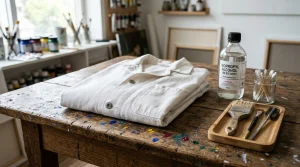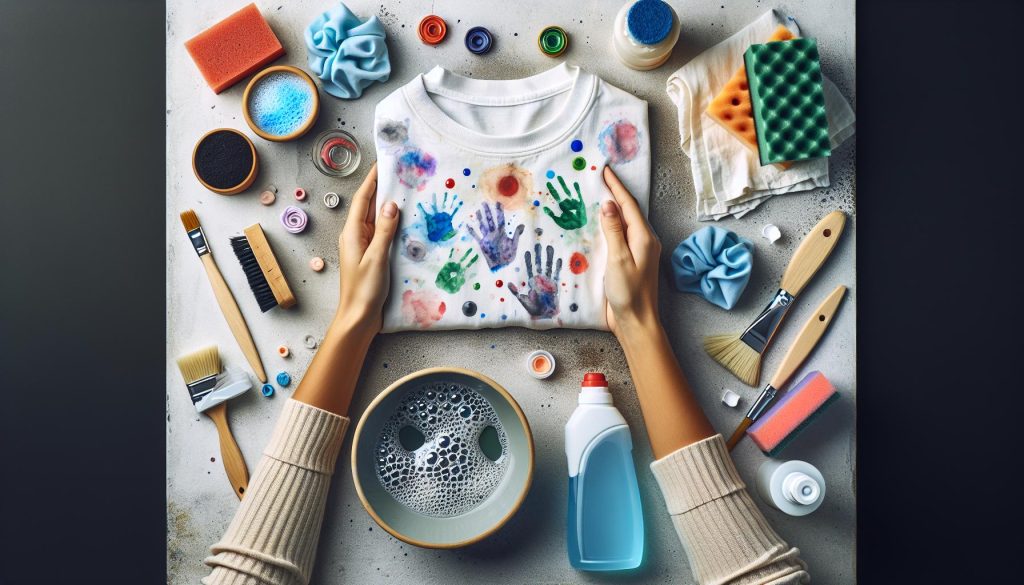
If you’ve ever found yourself with a splash of acrylic paint on your favorite shirt, you know how disheartening it can be. Acrylic paint, known for its vibrant colors and quick-drying properties, can easily turn an art project into a wardrobe disaster. But don’t worry! In this guide, we’ll explore five proven techniques to effectively remove acrylic paint from clothes, helping you restore your garments to their former glory. Understanding the right methods can make all the difference, ensuring that your creative expressions don’t come at the cost of your cherished outfits. Let’s dive in and discover how you can tackle those pesky paint stains with confidence!
Understanding Different Types of Acrylic Paint Stains
Understanding the nature of acrylic paint stains is essential for effective cleaning, especially since acrylics are commonly used in various artistic and home projects. Unlike oil paints, which can be challenging to clean up, acrylic paints are water-based and dry quickly, producing different types of stains on fabric depending on how long they sit and how they were applied. Recognizing these factors can significantly influence your approach to stain removal.
Acrylic paint can leave behind stains that are either fresh or dried. Fresh stains, if treated immediately, can be removed more easily since the paint hasn’t had time to set into the fabric fibers. On the other hand, dried stains may require more aggressive methods to lift the color completely. Additionally, where the paint lands matters too: larger blobs may be easier to detect and manage than fine splatters that can go unnoticed until they dry.
When dealing with acrylic paint spills, the type of fabric plays a significant role in determining the cleaning method. For instance, cotton and polyester fabrics can generally withstand stronger cleaning agents compared to delicate materials like silk or wool, which may require a gentler approach. Always assess the fabric type and the paint’s setting stage before proceeding with any cleaning technique. This understanding will allow you to tailor your stain-removal strategy effectively, ensuring that you protect your clothes while achieving the best possible results.
The Science Behind Removing Acrylic Paint

To effectively tackle acrylic paint stains, understanding their chemical structure is key. Acrylic paint is composed of pigment and acrylic polymer emulsion, which means it forms a film when it dries. This film can bond to fabric fibers quite effectively, making timely intervention crucial for successful removal. The longer the paint remains on the fabric, the more difficult it becomes to lift the stain because the acrylic polymer hardens, creating a resilient bond that typical cleaning methods may not easily break.
When considering methods for removing acrylic paint, it’s important to acknowledge the interaction between the paint, the fabric, and the solvent used. Water is the main solvent in acrylic paint; therefore, using water-based solutions can be effective, especially on fresh stains. As the paint dries, however, stronger solvents like rubbing alcohol or commercial paint removers may be necessary to dissolve the hardened polymer. Choosing the right solvent based on how long the stain has been present is a crucial step in the cleaning process.
Furthermore, different fabrics react diversely to these solvents. For instance, natural fibers like cotton often handle harsher solutions better than synthetics or delicate fabrics, such as silk or wool. Performing a spot test on an inconspicuous area before fully treating the stain is always a wise strategy to avoid damage. Ultimately, effective removal hinges not only on the method employed but also on acting swiftly and understanding the nuances of both the stain and the material involved.
In summary, involves a careful consideration of the paint’s properties, the nature of the fabric, and the appropriate cleaning techniques. By leveraging the right approach based on these factors, you can increase your chances of restoring your clothing to its original condition without compromising the fabric’s integrity.
5 Proven Techniques for Effective Stain Removal

Accidents happen, especially when creativity flows, and acrylic paint stains can be a nightmare for prized clothing. However, tackling these stains doesn’t have to feel overwhelming. With the right techniques, you can effectively restore your garments without permanent damage. Here are five proven methods that will empower you to take control of those pesky acrylic paint stains.
Act Quickly
The first rule of thumb when dealing with acrylic paint is to act swiftly. A fresh stain is much easier to remove. Start by scraping off any excess paint using a blunt knife or a spoon. Then, rinse the stained area under cold running water. This initial step helps to loosen the bond between the paint and the fabric, reducing the likelihood of a stubborn stain.
Soap and Water
Once you’ve rinsed the fabric, a simple solution of soap and water can work wonders for fresh stains. Use a mild dish soap or laundry detergent mixed with lukewarm water. Dampen a cloth or sponge in the soapy water, then gently dab the stain, working from the outside in. Rinse thoroughly with cold water and repeat as necessary until the stain begins to lift.
Rubbing Alcohol
For older or stubborn stains, rubbing alcohol is a powerful ally. Apply a small amount of rubbing alcohol to a cotton ball or clean cloth. Blot the stained area, being careful not to rub too hard, as this can push the paint deeper into the fibers. After treating the stain, rinse thoroughly with cold water to remove any residual alcohol and paint particles.
Vinegar and Baking Soda
If you prefer a more natural approach, a combination of vinegar and baking soda can be highly effective. Start with a mixture of equal parts white vinegar and water applied to the stain. Allow it to sit for 10-15 minutes before sprinkling baking soda over the area. Let it fizz and bubble, then gently scrub with a soft brush or cloth. Rinse the fabric with cold water afterward to reveal a brighter, cleaner look.
Commercial Stain Removers
Sometimes, the best tools are those designed for the job. Look for a commercial stain remover specifically formulated for acrylic paint. Products like these often contain targeted chemicals that break down paint bonds without damaging your fabric. Follow the instructions on the label carefully for optimal results, and always perform a spot test before applying it to the entire stain.
By staying proactive and using these techniques, you can reclaim your fabric from the grips of acrylic paint stains and keep your favorite clothes looking their best. Remember to always check the care labels on garments, as different fabrics may require varying levels of care.
Step-by-Step Guide: Removing Paint with Soap and Water
When acrylic paint meets fabric, it can feel daunting to take on a stubborn stain. However, one of the simplest and most effective methods to tackle fresh acrylic paint is using a soap and water solution. This classic approach not only relies on readily available household items but also harnesses the power of chemistry by breaking down the paint’s consistency, making it easier to lift from fabric fibers.
Begin by preparing a mixture of mild dish soap or laundry detergent with lukewarm water. This combination provides just the right concentration to help emulsify the paint without damaging the fabric. To start the removal process, gently blot the stained area with a clean cloth or sponge dampened in the soapy solution, making sure to work from the outside of the stain towards the center. This technique minimizes the risk of spreading the paint further and helps target the stain more effectively.
After a few gentle applications, rinse the fabric thoroughly under cold running water. It’s essential to continuously check the stain’s progress; if remnants of the paint remain, repeat the dabbing with the soapy water until you notice a significant reduction. The key here is to be patient-taking your time can make a significant difference in achieving a successful outcome. Once the stain appears to lift, continue rinsing the fabric until all soap is removed, as any residue left behind could potentially attract dirt or cause discoloration.
For optimal results, this approach is best suited for fresh stains. If you find yourself dealing with an older, more stubborn stain, this method can still serve as an initial step before progressing to stronger solutions like rubbing alcohol or commercial stain removers. By starting with soap and water, not only are you protecting your fabric, but you’re also following the most gentle sequence of stain removal techniques, ensuring your clothes come out looking fresh and clean without unwanted damage.
Using Vinegar as a Natural Paint Remover
Using vinegar as a paint remover might surprise you, but this common household ingredient packs a powerful punch against acrylic paint stains. Vinegar contains acetic acid, which can effectively break down acrylic paint’s chemical bonds, making it easier to lift the paint from fabric. Not only is vinegar a practical option, but it is also eco-friendly and safe for most fabrics, giving you a guilt-free way to tackle those pesky stains.
To use vinegar for removing acrylic paint, start by mixing equal parts of white vinegar and water in a bowl. Dampen a clean cloth or sponge with this solution, and gently blot the stained area. It’s crucial to work from the outer edges of the stain toward the center, preventing further spreading. Allow the mixture to sit on the stain for about 10 to 15 minutes, letting the vinegar work its magic. After waiting, dab the area again with a fresh cloth soaked in plain water to rinse away the vinegar and lift any loosened paint residue.
For particularly stubborn stains, you might need to repeat the process. Applying vinegar can be especially effective for fresh stains, but it can also assist in softening older stains if used correctly. Just be patient and persistent, as acrylic paint can sometimes require a little extra effort to remove completely. After removing the paint, remember to launder the fabric as per its care instructions to ensure that all remnants of vinegar and paint are washed away.
Embracing vinegar in your stain-fighting arsenal allows you to deal with fabric mishaps confidently. This natural solution is not only effective but also readily available, making it a go-to choice when your creative projects don’t go as planned.
How to Use Rubbing Alcohol on Fabric Stains
Using rubbing alcohol for removing acrylic paint stains is a tried and true method that can save your favorite garments from being permanently marked. This common household item, typically found in your medicine cabinet, works effectively due to its solvent properties, which can help break down the acrylic paint’s pigmentation and binding agents. Not only is it readily accessible, but it’s also an economical solution that often proves instrumental in addressing stubborn stains.
To begin the stain removal process, ensure you act swiftly-fresh stains respond best to treatment. Start by placing a clean cloth or paper towel beneath the stained area to absorb any excess paint. Then, apply rubbing alcohol directly onto the stain using a cotton ball, cloth, or even an old toothbrush. Gently dab the area, taking care not to rub aggressively, as this can push the paint deeper into the fibers. You should notice the alcohol starting to dissolve the paint almost immediately, making it easier to lift away.
For particularly tough or dried stains, you may need to repeat the dabbing process several times. It’s often helpful to allow the rubbing alcohol to sit on the stain for a few minutes, which can help penetrate the paint more effectively. After you see improvement, rinse the area with cold water to remove remaining paint particles and any residual alcohol. Follow up by laundering the fabric according to its care instructions; this ensures you wash away any lingering traces of both the paint and the alcohol.
Remember, while rubbing alcohol is generally safe for most fabrics, it’s always wise to test it on an inconspicuous area first to check for any adverse reactions. This practice not only helps maintain the integrity of your fabric but also boosts your confidence in using this effective method. With rubbing alcohol in your stain-fighting toolkit, you can tackle acrylic paint mishaps with ease, keeping your wardrobe looking fresh and pristine.
Commercial Products: Best Paint Removers for Clothes
Removing acrylic paint stains from clothes can be a daunting task, especially when trying to preserve your favorite garments. Fortunately, there are several commercial products specifically designed to tackle these pesky stains effectively. Whether you’re a busy parent, an artist, or simply someone who loves DIY projects, knowing the right products can save you time and frustration.
One of the most popular and effective paint removers is Goo Gone. Known for its ability to break down sticky residues and paint, Goo Gone can be a lifesaver when tackling acrylic stains. Simply apply a small amount to the stained area, let it sit for a few minutes, and then blot with a clean cloth. It’s gentle enough for most fabrics but always test on an inconspicuous area first.
For those looking for a more targeted approach, consider using Krud Kutter, which is specifically formulated to remove paint and other stubborn stains from fabrics. This powerful cleaner works well on acrylic paint, making it easy to lift the stain without compromising the fabric quality. Just apply, let it soak in, and wash as usual.
Another standout option is OxiClean MaxForce. This powerful stain remover not only tackles acrylic paint but also works on a variety of other stains including grease and dirt. It’s ideal for heavily soiled areas and can provide impressive results even on dried stains. Simply spray it on the affected area, allow it to work its magic for a few minutes, and then launder normally.
Lastly, Zout Stain Remover is a great option for pre-treating paint stains. Known for its enzyme-based formula, it breaks down stains effectively, making it suitable for a range of fabrics. Apply Zout directly to the stain and gently rub it in, then let it sit before washing.
Utilizing these commercial products can significantly ease the burden of removing acrylic paint stains, allowing you to keep your wardrobe in tip-top shape. Remember, always follow the instructions on the label for the best results, and don’t forget to test products on a small, hidden area of fabric first!
Preventing Future Acrylic Paint Stains
To ensure that your clothes remain free from acrylic paint stains, proactive measures are your best defense. Whether you’re an artist, a DIY enthusiast, or just someone who occasionally crafts, taking simple precautions can save your garments from unwanted splotches. Here are some effective strategies to consider:
Begin by designating a specific work area for your painting or crafting projects. Lay down a protective covering, such as an old sheet or plastic drop cloth, to catch any accidental drips and spills. Additionally, wearing an apron can serve as an extra barrier to prevent paint from reaching your clothing. Opt for older clothes that you don’t mind getting dirty, especially when experimenting with new techniques or materials.
Investing in high-quality acrylic paint can also play a vital role in reducing staining issues. Some brands offer easier cleanup formulations, which can wash out with soap and water more effectively than traditional acrylics. Always check the labels for cleaning instructions and whether the paint is water-soluble before it dries, which can make all the difference.
Lastly, prompt action is crucial when an accident occurs. If you notice a paint spill, act quickly by blotting (never rubbing) the stain with a clean cloth to absorb excess paint. Have your stain removal tools, such as a small bottle of mild soap and water or a specialized stain remover, ready at hand to address any troubles immediately. By adhering to these strategies, you can significantly reduce the chances of acrylic paint staining your beloved garments.
Cleaning Tips for Different Fabrics
Acrylic paint stains can be a menace, but knowing how to tackle them based on the fabric type can make a significant difference in your cleaning efforts. Different materials react uniquely to cleaning agents, which is why it’s vital to tailor your approach. For example, the combination of acrylic paint and a delicate fabric like silk can lead to disasters if handled improperly.
When dealing with cotton, which is a commonly used fabric, quick action is paramount. Start by gently blotting the paint with a clean cloth to absorb as much as possible without rubbing, which can push the stain deeper. Once you’ve blotted the area, rinse it under cold water before applying a solution of mild detergent. After treating the stain, allow it to sit for about 10-15 minutes, then launder as usual. Always check the care label to avoid damaging the fabric.
For polyester or synthetic blends, you can be a bit more assertive. You can make a mixture of rubbing alcohol and water to dab onto the stain, which will break down the acrylic paint. After a thorough application, use a soft-bristle brush to lift the softened paint from the fibers, ensuring you are gentle to avoid pilling or fraying. Rinse with cold water and launder the item normally.
Hemp and linen fabrics are eco-friendly choices but can absorb paint deeply due to their porous nature. Initially, it’s recommended to scrape off any excess paint gently with a dull knife. Then follow similar steps as cotton – blot the stain, apply a mild detergent solution, and let it sit before rinsing. However, avoid hot water in the final rinse as it can set the stain in these fabrics.
Lastly, if you encounter acrylic paint on a blend of materials, always start with the most delicate one in your mix. This ensures you don’t inadvertently ruin a more sensitive fabric while treating a tougher one. Always conduct a patch test with any cleaning solution in an inconspicuous area before full application to prevent damage and discoloration.
Understanding When to Consult a Professional
Often, despite your best efforts, some acrylic paint stains may stubbornly resist removal. Recognizing when to seek professional help can save you time, reduce stress, and ultimately preserve treasured garments. If your attempts to remove a stain leave behind a lighter shadow or you notice potential fabric damage, it’s time to consider alternative routes.
If you’re dealing with expensive or sentimental items, such as a designer dress or family heirloom, consulting a professional cleaner is essential. These experts not only possess specialized knowledge in handling various types of stains and fabrics, but they also have access to industrial-strength cleaning solutions that can effectively eliminate stubborn stains without risking damage to the material. Some fabrics, especially those with intricate designs or delicate embellishments, may require particular care that only a trained eye can provide.
Additionally, if you’re unsure about the care instructions or the fabric type, it’s wise to consult a professional because they can offer guidance tailored to your specific situation. Improper cleaning techniques might inadvertently set the stain or cause discoloration, leading to irreversible damage. Remember, investing in professional cleaning can prolong the lifespan of your favorite pieces, ensuring they remain a part of your wardrobe for years to come.
In summary, when confronted with a nagging acrylic paint stain that just won’t budge, leaning on the expertise of a professional can not only alleviate the hassle but also safeguard your wardrobe’s most cherished items.
Maintaining Your Clothes After Stain Removal
To ensure your clothes remain in pristine condition after removing acrylic paint stains, it’s crucial to adopt some effective maintenance practices. One important aspect is to wash the affected garment separately after treatment; this prevents any residual paint from transferring back onto the fabric or to other clothes in your laundry. Choose a gentle cycle and cold water to minimize wear and tear, especially if the fabric is delicate.
Post-Cleaning Care
After successfully removing the paint, inspect the fabric to ensure no traces of the stain remain. Sometimes, certain stains may not be visible until the fabric is dry. If any yellowing or discoloration persists, consider re-treating the area with your chosen stain removal method before proceeding to wash it again.
Drying Techniques
When it comes to drying your treated clothing, avoid high heat, which can cause damage or set any remaining stains. Instead, opt for air drying by laying the garment flat or hanging it up in a shaded area to prevent any fading from sunlight. If you’re using a dryer, choose a low heat setting and ensure the stain is entirely gone before putting it in, as heat can worsen stains.
Preventative Measures
To reduce the likelihood of future acrylic paint mishaps, consider adopting some proactive measures. Use old clothes or aprons when you’re painting or engaging in similar activities. Additionally, keep a stain-removal kit handy with essential products like rubbing alcohol, soap, or dedicated fabric cleaners. Quick action is vital; treating stains as soon as they happen can significantly improve your chances of complete removal.
By integrating these practices into your routine, you can extend the life of your garments and enjoy your creative pursuits without the worry of unsightly stains. Remember, caring skillfully for your clothes not only preserves them but also maintains the joy of wearing your favorite pieces.
Frequently Asked Questions
Q: What is the best way to remove dried acrylic paint from clothes?
A: The best way to remove dried acrylic paint is to first scrape off any excess paint. Then, apply rubbing alcohol or a professional paint remover to the stained area, blot gently, and rinse with cold water. For a detailed method, refer to the section on using rubbing alcohol in the main article.
Q: Can vinegar effectively remove acrylic paint stains from fabric?
A: Yes, vinegar can effectively remove acrylic paint stains. Soak the stained area in a mixture of vinegar and water for about 30 minutes, then blot with a cloth and wash as usual. Check the section on natural removers in the article for more detailed instructions.
Q: How do I treat paint stains on delicate fabrics?
A: For delicate fabrics, test a small area with rubbing alcohol or vinegar first. Apply gently using a cotton swab, avoiding vigorous rubbing. Always follow up with a cold water rinse. Refer to the cleaning tips for different fabrics section for specific guidance.
Q: What household items can help remove acrylic paint from clothes?
A: Common household items that can help include vinegar, rubbing alcohol, dish soap, and laundry detergent. Combine these as outlined in the main article’s cleaning techniques section for effective paint removal.
Q: How long should I let the stain remover sit on the fabric?
A: Generally, allow the stain remover to sit for 5-30 minutes, depending on the product used and the severity of the stain. For the best results, check the specific timing recommended in the steps of the main article.
Q: Is it safe to use bleach on acrylic paint stains?
A: No, using bleach on acrylic paint stains is not recommended, as it can cause discoloration and damage the fabric. Stick to alcohol or vinegar for safe stain removal; further details can be found under the section regarding commercial products in the main article.
Q: What should I do if the paint stain is still visible after washing?
A: If a paint stain remains after washing, avoid drying the fabric, as heat can set the stain. Instead, reapply your chosen stain removal method and wash again. For advice on when to seek professional help, refer to the article’s relevant section.
The Conclusion
Now that you’re equipped with five proven techniques to effectively remove acrylic paint from your clothes, it’s time to put them into action! Don’t let paint mishaps stain your creativity-start removing those stubborn spots today and breathe new life into your favorite garments. If you’re interested in more tips on fabric care or DIY cleaning hacks, be sure to check out our related articles on effective laundry methods and fabric-safe stain removers.
Have questions or want to share your own experiences? Join the conversation in the comments below! And don’t forget to sign up for our newsletter for additional tips and expert advice on keeping your wardrobe fresh. Your next crafting session deserves to be free of worries-take charge and tackle those paint stains confidently!
Get our latest guides, news, and insights highlighted in your Google Search & AI Overviews.