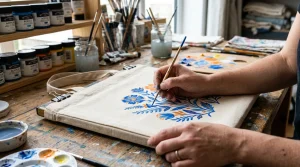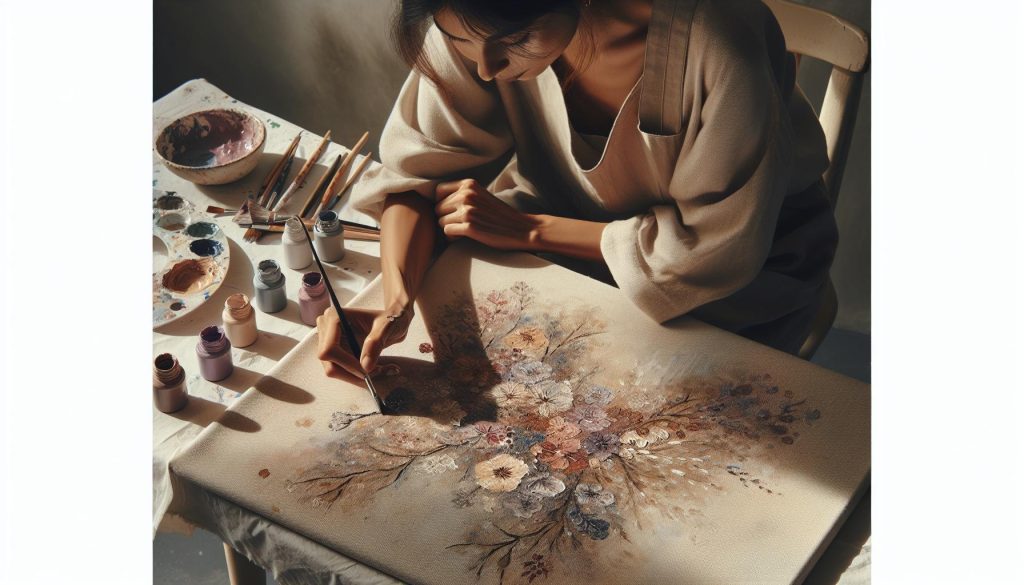
Are you considering a creative project that involves fabric painting? You might be surprised to learn that acrylic paint can be a versatile choice for customizing textiles, but many wonder: does it really work? Understanding how to effectively use acrylics on fabric not only opens up a world of artistic possibilities but also addresses common concerns like durability and washability. Whether you’re a seasoned painter or just starting out, getting perfect results requires knowledge of techniques and materials that can elevate your creations. Dive into the world of fabric painting with us, and discover tips that ensure your artwork not only looks stunning but stands the test of time.
Does Acrylic Paint Work on Fabric? Understanding the Basics
Acrylic paint is a versatile medium that can work remarkably well on fabric, allowing artists and DIY enthusiasts to unleash their creativity. To successfully use acrylics on fabric, it is essential to understand how they interact with different textile fibers. Unlike fabric paints specifically designed for textiles, acrylics can stiffen materials if not properly mixed with a fabric medium. This medium creates a flexible bond between the paint and the fabric, ensuring that the painted design remains soft and pliable after drying. Generally, the recommended ratio is one part fabric medium to one part acrylic paint, a blend that helps retain the natural feel of the fabric while ensuring good adherence and durability [3[3].
Furthermore, the choice of fabric can significantly affect your results. Natural fibers, like cotton and linen, tend to absorb paint better than synthetic fibers, like polyester, which might require additional preparation or a specific textile paint for optimal adherence and vibrancy. Always test your paint on a small, inconspicuous area of the fabric to evaluate color and texture before proceeding with your main design. Remember, achieving perfect results with acrylic paint on fabric also involves understanding the fabric’s weave, weight, and washability to ensure that your artwork not only looks stunning but survives the rigors of daily use and washing.
In summary, while acrylic paint can work beautifully on fabric, its success hinges on the right preparation, the use of a fabric medium, and an understanding of the fabric being used. By adhering to these principles, you can create colorful, long-lasting designs that showcase your individual style.
The Benefits of Using Acrylic Paint on Fabric
Using acrylic paint on fabric opens up a world of creative possibilities for DIY enthusiasts and artists alike. One of the standout advantages of acrylic paint is its vibrant color payoff, allowing for stunning designs that can breathe new life into your textiles. This medium offers not only a rich hue but also a wide variety of finishes-from matte to glossy-making it an incredibly versatile option for fabric art. Additionally, acrylics dry quickly, enabling you to layer colors and add details in a relatively short time, which is ideal for those looking to complete projects in one sitting or who lack the patience commonly required for other painting mediums.
Moreover, when properly mixed with a fabric medium, acrylic paint remains flexible and comfortable on the fabric, preventing it from becoming stiff or crunchy. This flexibility is crucial for wearable items like clothing or accessories, ensuring that the painted area moves with the fabric rather than cracking or flaking with wear. The combination of durability and flexibility ensures that your designs can withstand the rigors of everyday life, retaining their beauty even after multiple washes.
Many crafters also appreciate the accessibility of materials involved in using acrylic paint on fabric. Acrylic paints are widely available, affordable, and come in a vast array of colors, making it simple for artists of any skill level to experiment and express their creativity. This affordability extends to mixing with fabrics, allowing for personalized designs without breaking the bank-perfect for unique, handmade gifts or for branding your own creations.
Lastly, using acrylic paint on fabric provides an opportunity for environmental sustainability. By upcycling old clothing or textiles and giving them a fresh look, you can contribute to reducing waste while simultaneously honing your artistic skills. The benefits are clear: acrylic paint is not only workable and versatile but it also provides a colorful and eco-conscious outlet for your creativity.
Preparing Fabric for Acrylic Painting Success
To achieve stunning results when using acrylic paint on fabric, proper preparation of the fabric is essential. This step is often overlooked but can significantly influence your project’s outcome. One of the first rules is to start with clean fabric. Any dust, dirt, or oils can create barriers between the paint and the fabric, leading to poor adhesion and uneven coloring. It’s advisable to wash your fabric thoroughly beforehand-use a mild detergent, and avoid fabric softeners, as they can leave a residue that interferes with paint application.
Selecting the right type of fabric is equally crucial. Natural fibers like cotton, linen, and silk tend to absorb paint better and provide a more vibrant finish compared to synthetic materials. If you’re working with a synthetic fabric, consider applying a fabric primer specifically designed for acrylic paint to enhance adhesion and durability.
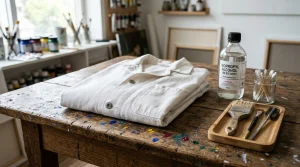
Another important tip is to iron your fabric before painting. Wrinkles and creases can disrupt the application process, resulting in inaccuracies or blurred lines in your design. Additionally, securing your fabric on a flat surface or using a fabric stretchers board can help keep it taut, preventing any shifting during painting.
For best results, consider testing your paint mix on a scrap piece of the same fabric first. This allows you to see how the color adheres and dries, helping you adjust your technique if necessary. By dedicating time to prepare your fabric properly, you set a strong foundation for a successful and visually appealing project.
Essential Tools for Acrylic Painting on Fabric
To transform your creative ideas into vibrant realities with acrylic paint on fabric, having the right tools is crucial. Just like a jeweler requires specific instruments to craft their masterpieces, you will need a selection of essentials that work synergistically to ensure a smooth and enjoyable painting experience. Here’s what you should consider stocking up on:
- Acrylic Paint: Start with high-quality acrylic paint that is specifically formulated for fabric. Look for brands that have a fabric medium option, as this enhances flexibility and durability.
- Fabric Medium: To make your acrylic paint work on fabric, especially for wearable items, mixing in a fabric medium helps improve the paint’s adhesion and flexibility. The standard ratio is one part medium to two parts paint.
- brushes: Choose a variety of brushes, including flat, round, and detail brushes. Synthetic brushes are best for acrylics as they are designed to handle thicker applications and provide precise control.
- Palette and Palette Knives: Use a palette for mixing colors and palette knives for blending. A disposable plate or a dedicated palette will help keep your workspace organized.
- Water Container: Keep a container of water nearby to rinse your brushes between colors. This will prevent muddying and maintain the integrity of your hues.
- Tape and Stencils: Masking tape can help create clean lines, while stencils allow for intricate designs without freehand precision.
- Iron and Ironing Board: An iron is essential after the painting process; heat-setting your fabric can ensure the longevity of your design.
- Sealer or Fixative: To protect your painted fabric, a fabric-safe sealer or fixative will help prevent fading and damage from washing or exposure to sunlight.
Having these essential tools at your disposal can make a significant difference in your painting outcomes. Each tool plays a role in simplifying and enhancing the painting process, allowing you to focus on unleashing your creativity rather than troubleshooting issues. Prepare your workspace with these items, and you’ll be well on your way to achieving stunning results with acrylic paint on fabric.
Step-by-Step Guide to Applying Acrylic Paint
To begin your journey into painting fabric with acrylics, it’s crucial to approach the process methodically to achieve the best results. Start by preparing your workspace and fabric properly. Ensure the fabric is clean and free of dust, which can hinder paint adherence. Pre-washing fabrics can remove any finish or sizing that may interfere with the paint and allow for improved adhesion. Lay your fabric flat on a protected surface and consider using a cardboard insert to prevent bleed-through.
Once you have your materials ready, it’s time to mix the paint for optimal performance. The standard recommendation is a ratio of one part fabric medium to two parts acrylic paint. This mixture not only enhances flexibility but also ensures that your design remains intact through wear and laundering. Using a palette, mix your paint thoroughly to achieve a consistent color.
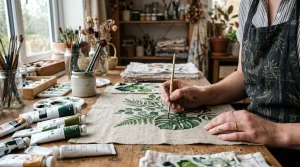
Next, it’s time to apply the acrylic paint. Use synthetic brushes for better control; flat brushes are excellent for larger areas, while detail brushes are perfect for intricate designs. The application technique can vary based on the desired effect. For more textured applications, try dabbing the brush or utilizing sponge techniques, while smoother finishes can be achieved with even, sweeping motions. It’s essential to work in thin layers to avoid clumping and to allow each layer to dry before adding more paint. This approach not only enhances the vibrancy of colors but also provides depth to your design.
Finally, after your masterpiece is complete, heat-setting the paint is crucial for permanence. Using an iron on a low setting, cover the painted area with a cloth and press gently. This step ensures that the paint adheres firmly to the fabric and enhances washability. Following these steps will help you create stunning fabrics adorned with vibrant acrylic designs that stand the test of time.
Techniques for Achieving Professional Results
To elevate your fabric painting from basic to professional, mastering a few essential techniques is crucial. Using acrylic paint on fabric can yield stunning results, but the application methods can make a significant difference in the final appearance. One of the most effective strategies is to experiment with layering. By applying thin layers of paint rather than a thick coat, you can create more depth and richness in color. Allow each layer to dry completely before adding another; this not only prevents muddy colors but also enhances the texture of your work.
Utilizing Different Tools and Techniques
Employing a variety of brushes and tools will also help achieve distinct textural effects. Flat brushes are excellent for filling large areas smoothly, while round brushes can create detailed line work. Sponge brushes or even household sponges can generate a unique texture, perfect for creating backgrounds or adding interest to designs. Remember that the angle and pressure you apply can alter the paint’s distribution, further enhancing the professional quality of your fabric painting. Additionally, don’t shy away from experimenting with stencils or stamps; these can provide precise shapes and patterns that are difficult to achieve freehand.
Color Techniques and Blending
Understanding color mixing and blending is essential for achieving professional results. Always work with colors on a palette before applying to fabric to visualize the mixture. Using a fabric medium with your acrylics will increase the paint’s flow and elasticity, allowing for smoother transitions when blending colors directly on the fabric. This technique is especially effective for creating gradients or ombre effects, which can add a sophisticated touch to your projects.
Finally, don’t forget the finishing touches that ensure your work is durable and vibrant. Heat-setting your paint after application not only secures your design but also enhances the fabric’s washability. Use an iron on a low setting, placing a piece of cloth between the iron and your painted surface. This extra step will protect your artwork and allow you to enjoy your creations for years to come, utilizing techniques that elevate everyday fabric into a canvas of artistic expression.
Common Mistakes to Avoid When Painting Fabric
One common pitfall many encounter when painting fabric with acrylics is using the wrong fabric type. Natural fibers like cotton and linen work best, as they absorb paint efficiently, while synthetic materials can repel it, leading to uneven or faded designs. Another frequent mistake is applying too thick a layer of paint at once. Thick layers can crack and peel, undermining the durability of your art. Instead, use multiple thin layers, allowing each to dry before adding the next for better adherence and vibrancy.
Additionally, not priming or preparing the fabric properly can lead to disappointing results. Always prewash fabrics to remove sizing and dirt, and consider using a fabric medium to enhance the paint’s flexibility and adhesion. Skipping this step may result in paint that flakes off easily or doesn’t bond well.
It’s also essential to choose the right brushes and tools. Many beginners gravitate towards the tools they’re most familiar with, such as standard paint brushes. However, using fabric-specific brushes can lead to significantly better outcomes. Flat brushes work well for larger areas, while detail brushes can help create intricate patterns. Experimenting with alternative tools like sponges and stencils can also add unique textures and effects to your projects.
Lastly, remember to heat set your painted fabric properly. Failing to follow this crucial step can result in designs that fade or wash away easily. Use a low heat setting on your iron, placing a cloth between the iron and the painted surface to protect your artwork. By avoiding these common mistakes, you can ensure a successful and enjoyable fabric painting experience.
Best Practices for Sealing and Caring for Painted Fabric
Caring for your painted fabric is crucial to ensure its longevity and vibrancy. One of the best practices for sealing painted fabric is to use a fabric medium, which not only enhances the paint’s adhesion and flexibility but also improves the overall washability of the final product. Mix the acrylic paint with a fabric medium according to the manufacturer’s directions-often a 1:1 ratio will work. This combination helps create a more durable and wearable piece, suitable for clothing, accessories, or home décor.
After the painting is complete, it is essential to allow the paint to cure properly. For optimal results, let the fabric paint dry fully for at least 24 hours before subjecting it to washing or wearing. Once dried, a heat-setting step will help ensure that the colors remain intact through multiple washes. To heat set, place a protective cloth over the painted area and use a medium-temperature iron for about 3-5 minutes, ensuring that you do not directly touch the painted surface with the hot iron.
When it comes to washing, always turn the painted fabric inside out to protect the surface. Opt for a gentle cycle in cold water and avoid using bleach or fabric softeners, which can break down the paint’s protective qualities. For drying, air drying is preferable, although you may use a low heat setting in a dryer-just be sure to monitor it to avoid any heat-related damage. By following these steps, you will not only maintain the integrity of your artwork but also extend the lifespan of your creations, allowing you to enjoy them for years to come.
Lastly, it’s wise to store your painted items in a cool, dry place, away from direct sunlight, which can fade colors over time. Consider using padded hangers for clothing and acid-free tissue paper for delicate items to prevent any unwanted creases or damage. Following these care guidelines will ensure that your fabric paintings remain vivid and beautiful while standing up to regular use.
Creative Project Ideas Using Acrylic Paint on Fabric
Exploring the vibrant world of acrylic paint on fabric opens the door to a myriad of creative projects that can transform ordinary textiles into unique, personalized pieces. Whether you’re looking to spruce up your wardrobe or create one-of-a-kind home décor items, the following project ideas will inspire your next artistic endeavor.
First, consider crafting custom tote bags. Using a plain canvas tote, you can apply a mix of acrylic paint and fabric medium to create stunning designs. Try using stencils for sharp lines or freehand with paintbrushes for an organic feel. This project is not only practical but also allows you to express your style while carrying books, groceries, or art supplies.
Next, why not personalize T-shirts or sweatshirts? You can turn a basic garment into a fashion statement with unique motifs, quotes, or abstract designs. For instance, using a sponge technique with diluted acrylic paint can yield a watercolor effect that’s both trendy and chic. Remember to use a fabric medium to ensure your design is long-lasting and flexible.
Another engaging project is to create fabric wall art. This involves painting directly onto canvas or fabric squares that can then be stretched over a frame. Abstract patterns, landscapes, or inspirational quotes can make beautiful focal points for any room. Pair your painted fabric with other materials, like wood or metal, to enhance the visual appeal of your display.
If you’re feeling adventurous, explore fabric dyeing techniques by incorporating acrylic paint into dye projects. You can create stunning gradients or tie-dye effects on scarves or tablecloths. Simply dilute the paint with water for a more translucent effect, allowing the fabric to absorb the colors beautifully.
Lastly, don’t overlook the charm of painted pillows. A splash of color, geometric patterns, or whimsical designs can add personality to your living space. Projects like these not only rejuvenate your home but also provide a perfect opportunity to practice your painting techniques.
With these creative ideas, you can easily transform plain fabrics into works of art that reflect your personality and style. Just remember to utilize fabric mediums and proper care techniques to ensure your creations are both beautiful and durable. Get started today, and let your imagination run wild!
Comparing Acrylic Paint with Other Fabric Paints
When it comes to creating beautiful fabric art, many artists wonder whether to stick with traditional fabric paints or explore the versatility of acrylic paints. While both have their merits, understanding the fundamental differences is key to achieving stunning results in your projects.
Acrylic paint is renowned for its vibrant colors, quick drying time, and ease of use, making it a favorite among many crafters. However, it can be rigid when dry, which may lead to cracking on fabric that is frequently worn or moved. To mitigate this issue, mixing acrylic paint with a fabric medium is essential. This combination enhances the flexibility of the paint, ensuring your designs remain intact even with regular use. In contrast, traditional fabric paints are specifically formulated to bond with textiles, making them inherently more flexible and less likely to crack, particularly on fabrics that undergo frequent washing or stretching.
Acrylic Paints vs. Fabric Paints: A Quick Comparison
| Feature | Acrylic Paint | Fabric Paint |
|---|---|---|
| Vibrancy | Highly vibrant colors | Typically less intense |
| Flexibility | Requires fabric medium for flexibility | Ready-to-use, highly flexible |
| Durability | Can crack without proper mixing | Designed for longevity on fabric |
| Drying Time | Dries quickly | Varies; some may take longer |
| Washing | May require special care | Machine washable when set |
When choosing between the two, consider the type of project you’re undertaking. For projects that won’t be washed frequently or that require a high color payoff, acrylic paint may be a suitable option if used with a fabric medium. However, for wearable art and items that will endure washing or stretching, traditional fabric paints are a more reliable choice, providing durability without the need for additional mediums.
In summary, selecting the right paint for fabric projects could significantly influence your outcomes. Assess the needs of your individual project, and don’t hesitate to experiment-many artists enjoy creatively combining both mediums to capitalize on their unique strengths. Whether you choose acrylic or traditional fabric paint, with the right techniques and preparation, your fabric art can truly stand the test of time.
Addressing FAQs About Acrylic Paint on Fabric
Creating vibrant fabric art using acrylic paint sparks many questions from artists and crafters alike. One common inquiry is whether using acrylic paint directly on fabric is a viable option. The answer is generally yes, especially when the paint is mixed with a fabric medium, which enhances the flexibility and durability of your designs. This adjustment not only prevents cracking but also ensures that your artwork can withstand the rigors of washing and wearing over time.
When it comes to preparing your fabric for acrylic painting, frequent questions arise around the types of materials that work best. Natural fabrics like cotton and linen are usually recommended for optimal results, as they absorb paint well. Additionally, washing and pre-treating your fabric before painting can help remove any sizing or finishes, allowing for better paint adhesion. It’s also worth noting the importance of conducting a test patch to see how the fabric reacts to the paint before diving into a larger project.
Another common concern is whether acrylic paint is safe for use on clothing items intended for regular wear. While acrylic paint is not harmful once fully cured, it can become stiff if applied too thickly without proper mixing with a fabric medium. To maintain softness and flexibility in your final product, ensure that the ratio of paint to medium is appropriately adjusted, usually about one part medium to one part paint. This will keep your design vibrant yet wearable, enhancing both aesthetics and comfort.
In terms of care for painted fabrics, it’s advisable to wash your items gently in cold water and avoid high heat when drying. Hand washing can extend the life of your artwork and prevent fading. When questions arise about durability, remember that properly set acrylic paint can last through multiple washes, making it a reliable choice for fabric art projects. By following these guidelines, you can confidently explore the creative possibilities that acrylic paint offers for fabric applications.
Troubleshooting Issues with Acrylic Paint on Fabric
If you’ve ever found yourself frustrated by the challenges of using acrylic paint on fabric, you’re not alone. Many artists encounter common issues, such as rigid designs, paint flaking, or fading after washing. Understanding how to troubleshoot these problems can save you time, preserve your artwork, and elevate the quality of your fabric projects.
One of the most frequent issues is the paint becoming stiff or cracking after application. This often results from applying the paint too thickly or failing to mix it properly with a fabric medium. To avoid this, always adhere to a recommended ratio of paint to medium-usually one part fabric medium to one part acrylic paint-as this combination ensures your artwork retains flexibility while adhering well to the fabric. Additionally, using a heat setting method after your paint dries can further enhance durability. Iron your fabric on a low setting, ensuring that the painted side is protected by a cloth, to help bind the paint to the fabric fibers permanently.
Another common concern is fading or wash-out during cleaning. To mitigate this, remember to use cold water and gentle detergents when washing painted fabric. Hand washing is often ideal to extend the longevity of your design. You can enhance the lifespan of your painted fabric even further by avoiding high spin cycles in washing machines, which can be tough on the artwork. If you notice the paint starts to fade or wash away, it may signal that the paint wasn’t adequately mixed with a fabric medium or that the initial setting process was skipped.
Lastly, ensure you’re using the right fabric for your project. Natural fibers such as cotton, linen, or silk provide better adhesion and absorption for acrylic paints compared to synthetic materials. If you’re using a synthetic fabric, consider first applying a fabric medium that can help bridge the gap between the paint and the fabric’s surface, ensuring a better bond and minimizing issues.
By staying mindful of these troubleshooting tips and allowing your creativity to flow with confidence, you can avoid common pitfalls and enjoy a more successful fabric painting experience.
FAQ
Q: Can I use regular acrylic paint on fabric?
A: Yes, you can use regular acrylic paint on fabric, but it is recommended to mix it with a fabric medium to enhance adherence and flexibility. This will help prevent cracking and ensure the paint lasts longer on your fabric. Check your painting supplies section for fabric medium options.
Q: How do I make acrylic paint permanent on fabric?
A: To make acrylic paint permanent on fabric, mix your acrylic paint with fabric medium at a ratio of 2:1 (paint to medium), then heat-set it after drying. You can use an iron on the reverse side of the fabric for about 5 minutes. This process also improves washability and durability.
Q: Will painted fabric remain soft after using acrylic paint?
A: When properly mixed with a fabric medium, acrylic paint can remain soft on fabric. It’s essential to apply a thin layer and avoid overloading the brush. Follow the instructions on your fabric medium for the best results, ensuring flexibility and comfort upon drying.
Q: What type of acrylic paint is best for fabric projects?
A: Professional soft body acrylic paints, like those from Liquitex, are ideal for fabric projects due to their smooth application and flexibility when drying. These paints are specifically formulated for textile use, ensuring excellent adhesion and durability on fabric surfaces.
Q: How do I prevent acrylic paint from fading on fabric?
A: To prevent fading, use a high-quality acrylic paint mixed with a fabric medium and heat-set the paint after it dries. Additionally, washing the fabric in cold water and air-drying it can prolong the vibrancy of the colors while reducing exposure to harsh sunlight.
Q: Can I wash fabric painted with acrylic paint?
A: Yes, fabric painted with acrylic paint can be washed, but you should allow the paint to cure completely first. Use cold water and a gentle cycle to protect the design. Always refer to specific care instructions for the fabric and paint used to ensure longevity.
Q: How long does acrylic paint take to dry on fabric?
A: Acrylic paint typically dries to the touch within 15-30 minutes on fabric, but full curing can take 24 hours or longer. For optimal results, avoid handling or washing the fabric until it is fully set and cured, usually after heat setting if you’ve used a fabric medium.
Q: Can I mix different colors of fabric paint?
A: Yes, you can mix different colors of fabric paint to create unique shades. Be mindful to mix them with a fabric medium to maintain their flexible properties. Test your blend on a small fabric swatch to ensure the outcome is as desired before applying it to your main project.
In Conclusion
Now that you’re equipped with the knowledge on how acrylic paint works on fabric, it’s time to unleash your creativity! Remember, preparation is key: use the right fabrics and consider mixing in a fabric medium for lasting results. If you haven’t explored our guides on DIY fabric paint alternatives or how to set your painted fabrics, check those out next for even more crafting inspiration!
Don’t miss the opportunity to enhance your projects with our other resources, like tips for fabric care and maintenance to keep your artwork vibrant and intact. Have questions or want to share your own creations? Join the conversation in the comments below!
Stay inspired and don’t forget to subscribe to our newsletter for the latest tips and exclusive DIY projects to keep your fabric painting skills sharp. Dive into your next masterpiece today-every brushstroke brings you closer to creating something uniquely yours!
Get our latest guides, news, and insights highlighted in your Google Search & AI Overviews.