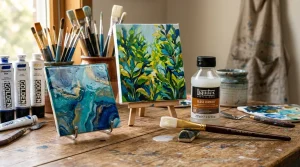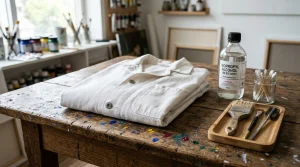
When it comes to transforming fabric with a splash of color or a touch of creativity, understanding how to effectively use acrylic can make all the difference. Acrylic paints, known for their vibrant hues and fast-drying properties, can be a game-changer for fabric artists looking to add a personal touch to their projects. Whether you’re eager to revamp clothing, craft unique accessories, or create stunning home decor, using acrylic paint can elevate your designs. However, it’s essential to know the right application methods to ensure durability and prevent fading. In this article, we’ll dive into practical techniques and tips for using acrylic on fabric, helping you achieve stunning, lasting results. Get ready to unleash your creativity and enhance your fabric projects with the right acrylic application methods!
Can Acrylic Paint Be Used on Fabric?
Acrylic paint can indeed be used on fabric, but achieving the best results requires some understanding and preparation. While many artists love the versatility and vibrancy of acrylics, it’s essential to note that acrylic paint is primarily designed for surfaces like canvas, wood, and paper, not textiles. When used on fabric, acrylics can often become stiff and may not withstand washing if not properly treated. However, with the right techniques and materials, acrylics can create stunning fabric designs.
To successfully use acrylic paint on fabric, mixing the paint with a fabric medium is highly recommended. This additive helps the paint adhere better to the fabric and retains its flexibility, making it less likely to crack. A common ratio for mixing is two parts medium to one part acrylic paint. This combination not only enhances the paint’s performance on fabric but also allows for a softer feel once dry. Additionally, preparing your fabric properly-by washing it to remove any sizing or finishes-is crucial for ensuring optimal paint adherence.
Another important consideration is the heat-setting process. Once your design is complete and has dried, using an iron on a low setting can help seal the paint into the fabric, improving its longevity. This step is particularly vital if you plan to machine wash the item later on. Always check the specifics of the paint and fabric medium you are using, as recommendations can vary. With these techniques, acrylic painting on fabric can open up a world of creative possibilities, from customizing clothing to decorating home textiles.
Understanding the Benefits of Acrylic on Fabric

Acrylic paint offers an exciting combination of versatility and vibrancy that can transform fabric projects into eye-catching works of art. One of the standout benefits of using acrylic paint on fabric is its wide range of colors and finishes, which can bring creativity to life. From rich, saturated hues to softer pastels, acrylics provide the opportunity to customize your textiles exactly as you envision them. Moreover, when mixed with a fabric medium, acrylic paint retains its flexibility, allowing for comfortable wear while maintaining a soft feel on the fabric.
Another significant advantage of acrylic painting on fabric is its durability. Once properly heat-set, acrylic paint can withstand washing and everyday wear, making it ideal for clothing, bags, and home textiles. This resilience opens up possibilities for both functional items and artistic pieces that can be proudly displayed or worn. Additionally, creating designs with acrylics gives you the flexibility to explore intricate details, bold patterns, and unique textures that might be challenging with other paint types.
For those new to fabric painting, acrylics are relatively easy to work with. They dry quickly, allowing for layering of colors and techniques without long wait times between applications. This fast-drying feature also minimizes the risk of smudging, enhancing the precision of your designs. As you experiment with different styles-from tie-dye to stenciling-you’ll find that acrylics can adapt to various methods and artistic approaches, providing a great entry point into the world of textile art.
Overall, the benefits of using acrylic paint on fabric extend beyond merely adding color; it’s about unlocking creative potential and producing lasting, vibrant designs that can be cherished and utilized. By harnessing the strengths of acrylics, you can navigate the textile art landscape with confidence and inspiration.
Essential Tips for Preparing Fabric for Acrylic Painting

To achieve stunning results when painting with acrylics on fabric, the preparation of your materials is crucial. A well-prepared foundation ensures that your artwork adheres properly and lasts through wear and washing. Start by selecting the right fabric; cotton and canvas are particularly suited for acrylic paint as they absorb paint well and allow for vibrant color application. However, ensure the fabric is clean and free of any finishes that could hinder paint adhesion.
Before starting your project, thoroughly wash your fabric to remove any factory treatments, dirt, or oils. Avoid using fabric softeners, as these can leave a residue that affects how well your paint adheres. After washing, let the fabric dry completely, and if possible, iron it to create a smooth surface for painting. Any creases or folds can disrupt your design and lead to uneven paint applications.
Next, consider using a fabric medium, which is mixed with the acrylic paint to enhance its flexibility and softness. This combination allows the painted area to maintain the fabric’s natural feel while still being durable enough for regular use. A good rule of thumb is to mix one part fabric medium with one part acrylic paint for optimal results. Additionally, to prevent paint seepage through the fabric, place a cardboard barrier or plastic wrap inside or underneath the fabric. This precautions saves your work from unwanted bleeding and allows for precise application.
Finally, test your paint mixture on a small, inconspicuous area or a scrap piece of fabric to see how it behaves after drying. This step not only lets you check the color but also the texture and adherence. By taking these preparatory steps thoughtfully, you position yourself for a seamless painting experience, leading to beautiful, long-lasting designs that elevate your fabric projects.
Step-by-Step Guide to Painting on Fabric with Acrylics

To unlock the creative potential of acrylic painting on fabric, it’s essential to follow a clear and structured process. This not only ensures beautiful results but also helps avoid common pitfalls. Here’s a step-by-step guide to help you navigate through your painting project with confidence and ease.
Start by gathering your necessary materials. You’ll need acrylic paint, a fabric medium, brushes in various sizes, water for rinsing, and your prepared fabric. Mix the paint: Combine equal parts of acrylic paint and fabric medium to ensure the paint adheres well to the fabric while maintaining flexibility. This step is crucial, as it prevents the paint from becoming too rigid and allows your fabric to retain its drape.
Application Techniques
When painting, choose your brush wisely. For larger areas, use flat brushes to create smooth coverage, while detail brushes are perfect for intricate designs. Begin by applying a base coat-this layer will help your colors pop. Work from the center outwards to avoid hand smudges on your wet paint. For layered effects, allow each layer to dry partially or entirely before adding the next to prevent bleeding and ensure crisp lines.
Once you’re satisfied with your design, fix your work by allowing the painted fabric to dry completely-typically around 24 hours is ideal. Follow up by heat-setting the paint. This can be done using an iron on a low setting (without steam) for a few minutes, covering the painted area with a clean cloth to protect it. This step is essential for ensuring the longevity of your artwork, making it washable and more durable.
Finally, cure your project by waiting at least a week before washing it for the first time. Hand washing in cold water is recommended, and avoid harsh detergents. This gentle approach will help maintain the vibrancy of your design and the integrity of the fabric. By following these steps, you can successfully create and enjoy beautiful, customized textile art that lasts.
Best Techniques for Applying Acrylic Paint to Fabric
Acrylic paint can transform fabric into a canvas of vibrant colors, but achieving a professional and effective application requires knowledge of a few essential techniques. To begin, it’s important to select the right type of acrylic paint and to mix it with a fabric medium to enhance durability and flexibility. This combination allows the paint to adhere well while preventing it from becoming too stiff, which can be uncomfortable for wearable items.
When it comes to applying acrylic paint to fabric, using the right tools can drastically affect the outcome. Brushes with synthetic bristles are often preferred as they withstand acrylic paint’s thickness better than natural bristles. For larger areas, flat brushes provide excellent coverage, while detail brushes are ideal for fine lines and intricate designs. Additionally, consider using a sponge or foam applicator for a more textured look or to apply paint in a stippling pattern, perfect for background work.
Before you start painting, it’s beneficial to prepare your fabric. Pre-washing removes any sizing or finishes that might inhibit paint adhesion. Once ready, secure the fabric with tape or a frame to keep it taut while working, making it easier to control your strokes and preventing any unwanted bleeding of colors. To achieve dynamic layers, apply paint in thin coats, allowing each layer to dry before adding the next. This patience not only enhances the depth of your artwork but also prevents colors from mixing unintentionally.
Lastly, after completing your design, a crucial step is heat-setting the paint to ensure its longevity. Use an iron on a low setting with a protective cloth over the artwork. This simple yet effective technique can make your designs machine washable and resistant to fading. Remember to follow up with an initial hand wash to preserve the vibrancy and integrity of your work, turning your fabric painting into a cherished piece of art.
Common Mistakes When Using Acrylic on Fabric
Mistakes can be a part of the creative process, especially when working with acrylic paint on fabric. Recognizing and addressing these common pitfalls can significantly enhance the quality and durability of your projects. One notable mistake is skipping the fabric preparation stage. Ignoring this could lead to poor adhesion and unexpected results. Always pre-wash your fabric to remove sizing and residues, ensuring the paint adheres correctly.
Another frequent error is the use of undiluted acrylic paint directly on fabric. Acrylics can become stiff when dry, leading to uncomfortable pieces for clothing. Mixing the paint with a fabric medium in a typical ratio of one part medium to one part paint enhances flexibility without sacrificing color vibrancy. This step is crucial for wearable items, as it prevents the fabric from becoming too rigid.
Using inappropriate brushes can also hamper your results. Natural bristles do not hold up well against acrylics, which can lead to fraying and inconsistencies in your brushwork. Instead, choose synthetic brushes designed for acrylic painting; these provide better control and create smoother finishes. Furthermore, applying paint too thickly can result in cracking and peeling over time. Layering thin coats allows for better breathability and durability in the finished product.
Improperly heat-setting the paint is a common oversight that can undermine the longevity of your artwork. Many believe that simply letting the paint dry is sufficient; however, heat-setting reinforces the adhesion of the paint to the fabric. Use a low setting on your iron with a protective cloth to avoid direct contact, ensuring the paint bonds effectively without damaging your design.
By being aware of these mistakes and taking the necessary precautions, you can achieve professional-quality results in your acrylic fabric painting endeavors.
How to Seal and Care for Acrylic Fabric Paintings
To preserve the vibrancy and integrity of your acrylic-painted fabric projects, sealing and caring for your artwork is essential. Acrylic paint, when properly applied and maintained, can yield stunning results on various textiles. However, if not treated with care, the colors can fade or become damaged. Here are some strategies to ensure your creations last.
Firstly, once your artwork has dried completely, consider using a fabric medium or a fabric-safe sealant to enhance the durability of the paint. This adds an extra protective layer, which can help resist fading from sunlight and washing. Ensure you choose a sealant specifically designed for fabric use to avoid stiffness or unwanted effects. Apply the sealant according to the manufacturer’s instructions, typically using a soft brush to evenly distribute it over the paint.
For ongoing care, washing painted fabrics requires special attention. Always hand wash your items in cold water with a mild detergent. Avoid bleach or harsh chemicals, as these can strip the paint or alter colors. If you must machine wash, place the fabric item inside a mesh laundry bag to provide additional protection. Moreover, it’s advisable to air dry painted fabrics instead of using a dryer, as high heat can compromise the seal.
Storing and Displaying Painted Fabrics
When it comes to storing or displaying your acrylic-painted fabrics, take care to avoid excessive folding, which might create creases in the artwork. If possible, hang items to prevent them from being squashed or damaged. For smaller projects, consider rolling the fabric instead. Utilize acid-free tissue paper in between layers to further protect your designs from dust and potential abrasion.
By employing these sealing and care strategies, you can maintain the beauty and longevity of your acrylic-painted fabric projects, ensuring they remain a cherished part of your creative expression. Whether you’re showcasing them proudly or incorporating them into everyday use, a little extra care goes a long way in preserving your artistic endeavors.
Ideas for Creative Projects Using Acrylic on Fabric
Exploring creative projects with acrylic paint on fabric can unleash your artistic flair and transform ordinary textiles into personalized masterpieces. Whether you’re an experienced artist or just starting, there are numerous ways to explore this versatile medium and make your mark. From upcycling old clothes to crafting unique home decor, the possibilities are endless.
Start with fashion by giving thrifted garments a stylish makeover. You can create vibrant designs on denim jackets, t-shirts, or even sneakers. A fun idea is to use stencils or freehand floral or geometric patterns that reflect your style. For a more structured approach, consider using fabric markers in conjunction with acrylics for detailed work. Remember, the key is to first mix acrylic paint with a fabric medium to ensure flexibility and durability in all your clothing creations.
When moving beyond apparel, think about home decor. Acrylic paint can easily be applied to throw pillows, tablecloths, or curtain panels to add a splash of color to your space. An eye-catching design could be large brush strokes or even intricate mandalas. The texture and depth acrylic paint provides will give your home a cozy, artistic ambiance. Moreover, personalizing fabric items such as aprons or table runners makes for thoughtful gifts, especially when tailored to someone’s taste.
For art enthusiasts, consider creating fabric wall hangings or banners. This can be a beautiful way to display your artistry while adding character to any room. You can paint inspirational quotes or abstract designs on canvas fabric and hang them as a gallery display. Using different shades or layers will add depth to your artwork, making it visually appealing and unique.
Lastly, don’t forget about mixed media applications! Combine acrylic paint with other materials like beads, sequins, or fabric pieces to create textured, eye-catching art pieces. This multitextured approach can elevate any project, whether it’s a tapestry for your wall or a decorative textile piece for your table.
Embrace creativity and experimentation with acrylics on fabric, and you’ll find endless inspiration for your next project!
Alternative Paints to Consider for Fabric Use
When considering alternatives to acrylic paint for fabric use, it’s important to explore options that provide both durability and vibrancy. While acrylic paints can be transformed into effective fabric paints with a medium, other specialized options might yield even better results for your projects. Here are some noteworthy alternatives:
Fabric Paints
Fabric paints are specially formulated for use on textiles, ensuring flexibility and colorfastness. These paints come in numerous types, including puff paints, which create a raised effect, and dyes that penetrate fabric fibers for an enduring finish. Additionally, fabric paints are typically non-toxic and easy to use, making them ideal for projects involving children or when safety is a priority.
Textile Markers
Textile markers offer precision that can be invaluable for detailed designs. Available in various tip sizes, these markers allow artists to create fine lines, intricate patterns, or bold text. Many textile markers are water-based, making cleanup easy while still delivering vibrant colors that can withstand washing.
Inkodye
If you’re looking for a unique method, consider Inkodye, a light-sensitive dye that requires exposure to sunlight to develop. This dye can create stunning patterns, especially when paired with stencils or natural materials like leaves. Its application to fabric is straightforward and results in beautiful, soft colors that blend seamlessly with the fabric’s texture.
Spray Paints
Fabric spray paints are another option for quick coverage, ideal for larger areas or gradients. They allow for a spray-on application that can create beautiful ombre effects or stenciled designs. Be sure to select a fabric-specific spray paint to ensure the best adhesion and durability.
When selecting the appropriate alternative paint for your fabric projects, keep in mind the texture and purpose of the finished item. This informed choice will ensure your creations not only look great but also stand the test of time. The combination of traditional and innovative products opens up a world of creative possibilities, allowing you to express your unique style on textiles.
Troubleshooting: Fixing Common Acrylic Painting Issues
When embarking on the creative endeavor of painting on fabric with acrylic, encountering issues can be disheartening. Yet, understanding and troubleshooting common challenges can transform your experience, ensuring vibrant and durable results for your fabric projects. The beauty of acrylic paint lies not only in its versatility but also in its ability to create stunning designs on various textiles. However, mistakes like cracking, bleeding, or fading can arise without proper technique.
One frequent issue arises when the paint does not adhere properly to the fabric. This can occur due to inadequate cleaning or prepping of the fabric surface. To mitigate this, prior to painting, always wash your fabric to remove any residues, such as sizing or manufacturing chemicals. Allow the fabric to dry fully before applying paint. Additionally, consider using a fabric medium to mix with your acrylic paints, which enhances flexibility and helps the paint adhere more smoothly while preventing cracking.
Another common problem is paint bleeding, especially when applying multiple colors near one another. To prevent this, use a fine brush for precise application, and allow each layer to dry before applying the next. If you find that your colors still run into each other, using a fabric-friendly masking tape can help create clean edges and delineate design areas clearly.
Fading is also a concern for many artists, particularly for pieces intended for regular use or exposure to sunlight. While acrylics are generally sturdy, the colors may initially look vibrant but could dull over time with washing or sun exposure. Sealing your finished project with a fabric sealer can enhance longevity. Look for a clear, flexible sealer designed specifically for use on textiles, which will help maintain color vibrancy and protect your artwork from wear.
By being mindful of these potential issues and employing quick fixes, you can turn setbacks into beautiful creations that stand the test of time. With practice and these strategies in hand, your fabric painting skills will undoubtedly flourish.
Safety Precautions When Using Acrylics on Fabric
When working with acrylic paint on fabric, ensuring your safety and the integrity of your project is essential. Acrylic paints can be a fantastic medium for creating vibrant designs, but like any art supplies, they come with specific precautions that should not be overlooked. Knowing how to handle these materials properly will not only protect your health but also enhance your overall painting experience.
First and foremost, always work in a well-ventilated area. Acrylic paints are water-based, but they can still emit vapors that may not be pleasant to inhale, especially during prolonged use. Setting up your workspace near an open window or using a fan can help maintain good airflow. Additionally, while acrylics are less toxic than other types of paint, it’s advisable to avoid direct contact with skin for extended periods. If you’re unsure about the sensitivity of your skin, consider wearing gloves to prevent irritation.
Another crucial safety measure is keeping your workspace organized and free from clutter. This helps minimize the risk of spills or accidents that could result in paint getting onto surfaces where it could be difficult to clean. Make sure to have cleanup supplies like paper towels, water, and soap handy, allowing you to address any accidents quickly. When disposing of paint remnants or cleaning water, be aware of local regulations regarding disposal, as pouring acrylic paint down the sink can lead to clogging over time.
Lastly, ensure that your materials are non-toxic and labeled as safe for fabric use. Not all acrylic paints are formulated for application on textiles, which can lead not only to unsatisfactory results but may also pose health risks. Using high-quality, fabric-safe acrylic paints mixed with a fabric medium will better prepare your work for success, both visually and in terms of safety. Following these precautions will empower you to create your fabric masterpieces while minimizing risks during your painting journey.
Faq
Q: Can I use acrylic paint on all types of fabric?
A: While acrylic paint can be used on many fabric types, it works best on cotton, canvas, and denim. It may not adhere well to synthetic fabrics like polyester, so testing on a small patch is advisable for best results.
Q: How do I make acrylic paint permanent on fabric?
A: To make acrylic paint permanent on fabric, mix it with a fabric medium, which enhances adhesion and flexibility. After painting, heat-set the fabric by ironing it on a low setting or placing it in a dryer for about 30 minutes.
Q: What is the best way to apply acrylic paint on fabric?
A: The best methods include using brushes for detailed work or sponges for textured designs. Always apply multiple thin layers for even coverage, allowing each layer to dry before adding the next to avoid clumping.
Q: How do I prepare fabric before painting with acrylics?
A: Prepare fabric by pre-washing to remove any sizing or treatment, followed by a thorough drying. Iron out wrinkles, and secure the fabric on a flat surface to prevent movement during painting.
Q: Can I wash fabric painted with acrylic paint?
A: Yes, you can wash fabric painted with acrylic paint, but it’s important to wait at least 72 hours after painting to allow it to cure. Use cold water and a gentle cycle to preserve the paint.
Q: What are common mistakes when using acrylic on fabric?
A: Common mistakes include using too much paint at once, which can lead to cracking, and not mixing with a fabric medium, which can result in stiffness. Always test your paint mixture on a small area first.
Q: How can I fix mistakes made while painting on fabric?
A: To fix mistakes, allow the paint to dry, then carefully scrape off excess with a craft knife or sandpaper. You can then repaint over the area or use a fabric marker to touch up details.
Q: Is it safe to use acrylic paint on children’s clothing?
A: While acrylic paint can be used on children’s clothing, it’s essential to ensure the paint is non-toxic and to wash the garments after painting to remove any excess paint. Always check the manufacturer’s instructions for safety.
Key Takeaways
Now that you understand how to effectively use acrylic on fabric, it’s time to put that knowledge into action! Remember, acrylic offers durability and versatility, making it a fantastic choice for a variety of projects. If you’re looking for more inspiration, check out our guides on selecting the right fabric for your needs or discover tips on caring for acrylic items to prolong their life.
Don’t hesitate to share your experiences or ask questions in the comments-your thoughts help our community grow! For those interested in diving deeper into creative applications, consider subscribing to our newsletter for exclusive tips and tutorials. With the right tools and techniques, you can transform your projects and unleash your creativity. Let’s explore the world of fabric together!
Get our latest guides, news, and insights highlighted in your Google Search & AI Overviews.