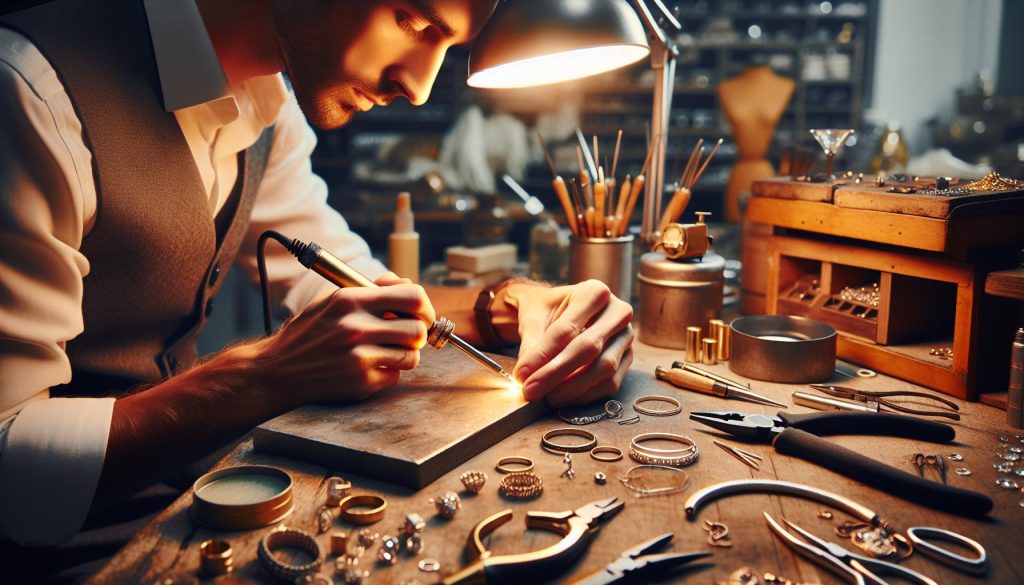
Soldering is a fundamental technique in jewelry making, allowing artisans to create stunning pieces that stand the test of time. However, not all metals bond well together, and choosing the right pair can determine the success of your work. Knowing which metals fuse seamlessly can save you from frustrating mistakes, ensuring your creations are not only beautiful but durable. Whether you’re a seasoned jeweler or just starting, understanding these critical combinations can elevate your craft and inspire confidence. Dive into the techniques and tips that will enhance your soldering skills, helping you achieve flawless results every time.
Choosing the Best Metals for Jewellery Soldering
When it comes to soldering jewelry, selecting the right metals is crucial for achieving strong, lasting bonds. Different metals have varying properties that can significantly influence the effectiveness of the soldering process. For instance, gold, silver, and copper are among the most popular choices for soldering owing to their excellent conductivity and ease of work. It’s essential to consider the melting points of these metals, as a solder’s melting point should be lower than that of the base metal to prevent unnecessary damage during the process.
Considerations for Metal Choices
The compatibility of different metals is another key factor to keep in mind. When soldering, aim to pair metals that have similar thermal expansion rates; this helps prevent issues such as warping or cracking. Here are some common metal combinations and their suitability:
- Gold and Gold Fill: High compatibility; use compatible solders.
- Silver and Sterling Silver: Ideal for effective bonding; a range of silver solders available.
- Copper and Brass: Can be challenging due to differing melting points; use specific copper solders.
Moreover, if you’re working with mixed metals, pay attention to how each metal reacts under heat. Metals like platinum can be more difficult to solder because of their high melting points and unique properties, which might not work well with standard solders.
Longevity and Finish
The long-term durability and finish of your soldered pieces largely depend on the metals chosen as well. Opting for higher quality materials, such as higher karat gold or fine silver, not only enhances the visual appeal but also improves overall strength. Additionally, consider the design’s end-use-pieces meant for everyday wear should prioritize durability over aesthetic alone.
Making informed choices about the metals you work with will empower you to create jewelry that not only looks beautiful but also stands the test of time.
Understanding Different Types of Solder
Understanding the various types of solder available is essential for achieving a seamless and durable bond in jewelry making. Each solder type is designed to work with specific metals and comes with its own melting point, composition, and application techniques. Choosing the right solder not only influences the strength of your joints but also the aesthetics and finish of the piece you’re creating.
There are primarily three types of solders used in jewelry: hard, medium, and easy solder. Hard solder is the strongest option and has the highest melting point, making it suitable for tasks that require a robust joint under stress, such as soldering rings and clasps. Medium solder allows for a bit more control, making it ideal for more delicate work where you’ve already used hard solder on the initial joints. Easy solder has the lowest melting point, making it perfect for final touches or repairs without risking previous joints.
When selecting a solder, ensure that it matches the metal you are working with. For example, when soldering silver pieces, it’s vital to use silver solders, which are specifically formulated to blend well with sterling or fine silver. Using solders that are incompatible can result in weak bonds or visible issues in the finished product. Additionally, the composition of solders often includes metals like zinc or copper, which can influence the color of the final piece; silver solder, for instance, can sometimes leave a slightly coppery hue.
Lastly, consider using paste solder, which comes in a syringe-like applicator for precision application. This type is particularly useful when working on intricate designs or smaller components, allowing for more controlled application without the need to pre-cut solder pieces. Mastering the nuances of different solder types will empower you to create stunning pieces that not only look beautiful but also stand the test of time.
Essential Techniques for Effective Soldering
Mastering the art of soldering in jewelry making not only enhances the quality of your creations but also adds to your overall craftsmanship. Effective soldering techniques can make the difference between a beautiful, robust piece and a flawed one. To achieve strong bonds and exquisite finishes, you need to focus on several essential practices which can be adopted by both beginners and seasoned jewelers alike.
One crucial aspect is preparing the metal surfaces before soldering. Ensure that all areas to be joined are clean and free of grease, dirt, or oxidation. Use a fine abrasive, such as a metal file or sandpaper, to create a rough texture where the solder will be applied. This increases the surface area for bonding. After cleaning, applying flux helps protect the metal from oxidation during the heating process and facilitates the flow of solder. Always choose the right flux appropriate for the metal you are working with-this can greatly influence the outcome.
When it comes to the actual soldering process, heat control is paramount. Utilize a torch with a precise flame adjustment to focus heat directly on the joint rather than on the entire piece. This prevents the risk of overheating adjacent areas, which can lead to warping or melting. Start heating the larger or thicker parts of the piece, allowing the heat to gradually transfer to the joint area. Once the metal reaches the correct temperature, introducing the solder becomes seamless. Place small solder pieces or paste directly onto the joint; the solder should flow into the joint rather than being forced by pressure.
After soldering, allow your piece to cool slowly to avoid thermal shock. Immediately cooling the piece in water can lead to cracks or brittleness. Instead, let it air cool, and once it’s safe to handle, you can then quench it if necessary. Finally, a thorough cleaning of the soldered joint is essential to remove any flux residue; employing a gentle scrub with a brush and soapy water is a good practice. This not only enhances the visual appeal of your work but also ensures longevity.
Incorporating these techniques into your soldering routine can significantly improve the strength and quality of your jewelry pieces while instilling confidence in your craftsmanship. Whether working with precious metals such as gold and silver, or experimenting with alternative materials, these foundational soldering skills will elevate your creative endeavors. Remember, practice makes perfect, and each soldering session provides valuable learning experiences to refine your technique.
Factors Affecting Metal Bonding Strength
The strength of a metal bond in jewelry soldering can make or break your designs, literally. Several critical factors influence how well metals bond during soldering, and understanding these can significantly improve the durability and aesthetics of your pieces. Among the foremost of these factors are the type of metals being soldered, the preparation of the surfaces, and the heat applied during the soldering process.
The choice of metals is crucial; some metals bond better than others. For instance, precious metals like gold, silver, and platinum generally provide excellent bonding when soldered using compatible solder. However, mixing metals, such as soldering gold to stainless steel, can present challenges due to differing properties in thermal expansion and conductivity. Ensure that the solder you select is appropriate for the base metals being used to avoid poor adhesion.
Surface preparation cannot be overstated. A clean surface is vital for achieving a strong bond. Removing oxides and contaminants through cleaning techniques such as pickling, sanding, or using a fine abrasive cloth ensures that the surfaces are not only clean but also have a proper texture for the solder to adhere well. Additionally, applying flux before soldering is essential as it prevents oxidation during the heating process and promotes solder flow. Use the right flux for the type of metal you’re working with, as mismatched flux and metal can adversely affect bonding.
Heat control also plays a significant role in metal bonding strength. Too little heat can prevent the solder from flowing adequately, while excessive heat can cause the base metal to melt or distort, leading to weak joints. The ideal scenario involves heating the metal evenly and targeting the joint area specifically. Using a torch with a controllable flame allows for precision heating, which is vital for neighborhoods that require delicacy and accuracy, such as the junctions of intricate designs.
In summary, achieving strong metal bonds in your jewelry requires careful consideration of metal selection, thorough surface preparation, and precise heat application. By mastering these elements, you can enhance both the durability and the beauty of your soldered pieces, paving the way for successful and innovative designs.
Common Challenges in Jewellery Soldering
Soldering in jewelry making can be a rewarding yet challenging process. Many jewelers encounter hurdles that can hinder the quality of their work, such as poor adhesion, overheating, or contamination. Understanding these common challenges can equip both beginners and seasoned artisans with the skills they need to overcome obstacles effectively and achieve professional results.
One frequent issue jewelers face is the compatibility between different metals. Not all metals bond well together, and combinations like gold and stainless steel can lead to complications due to differences in thermal expansion and conductivity. To ensure a strong bond, it’s advisable to research which solders work best with the metals at hand. For instance, using a silver-based solder for sterling silver will generally yield better results than using a gold solder. Additionally, using the correct flux for each type of metal is crucial; mismatched flux can weaken the bond or fail to allow the solder to flow properly, leading to unsightly gaps or weak points.
Another challenge comes from surface preparation. Even the slightest impurity can jeopardize the effectiveness of the solder joint. Jewelers must take time to thoroughly clean the surfaces they plan to solder, using methods like pickling or abrasive cleaning to remove any oxides or oils. A properly prepared surface not only promotes adhesion but also enhances the overall aesthetic of the piece, making it crucial for achieving high-quality results. Moreover, the application of flux plays a significant role in preventing oxidation and facilitating the flow of solder, highlighting the need for careful selection and application of these materials.
Heat control is also pivotal. Excessive heat can cause melting and distortion in metal compositions, especially in delicate designs, while inadequate heat may lead to insufficient fusion. Jewelers should aim for an even temperature across the workpiece, focusing heat on the joints rather than the entire piece. Utilizing a torch with adjustable flame settings increases precise heating, thereby preventing damage to surrounding areas while ensuring targeted melting of the solder.
By recognizing and addressing these common soldering challenges, jewelers can significantly enhance their crafting skills. Experience, combined with knowledge of metal properties and appropriate techniques, empowers artisans to create stunning jewelry pieces with enduring bonds that stand the test of time.
Innovative Soldering Methods for Unique Designs
Soldering is not just a functional technique in jewelry-making; it can also serve as a powerful artistic medium that allows jewelers to explore unique design possibilities. Innovative soldering methods can elevate ordinary pieces into extraordinary works of art, pushing the boundaries of creativity. One exciting approach involves using tack soldering, where a small amount of solder is strategically placed at various points to hold intricate components together before final soldering is completed. This allows artists to create complex arrangements and test the aesthetic before committing to the final joint.
Another groundbreaking technique is soldering with a laser. Laser welding not only minimizes heat exposure to surrounding areas but also allows for precise application. This method is particularly beneficial when working with delicate stones or intricate designs, as it reduces distortion and maintains the integrity of the piece. Laser welding opens new doors for jewelers, enabling the combination of various materials, including unconventional ones like ceramics with metals, to create breathtaking hybrids.
For those looking to add a personal touch, clay solder presents a fascinating alternative. This type of solder can be formed and shaped to match the metal seamlessly, allowing for creative freedom when designing unique joints. Additionally, clay solder can have different colorations, offering a remarkable way to blend or contrast with the metals being used. By leveraging these innovative methods, jewelers can create distinctive designs that resonate with their artistic vision.
Finally, utilizing soldering techniques with mixed metals not only enhances the aesthetic appeal but also poses certain challenges and opportunities in bonding. It’s essential to understand the melting points of different metals and how they interact when heated together. Jewelers must select appropriate solders that complement the metals in use, ensuring that the final product withstands both wear and time. By embracing these techniques, jewelers can set themselves apart, transforming soldering from a simple joining process into a true craft of artistry.
Safety Practices When Soldering Jewellery
When working with heat and metal, safety should always be your top priority. Soldering jewellery can be a rewarding craft, but it comes with risks that can be easily mitigated with the right safety practices. Proper preparation and precautions can create a secure environment and enhance your overall experience. Here are some essential safety measures to keep in mind while soldering.
Protective Gear
Always wear appropriate personal protective equipment (PPE) to shield yourself from potential hazards. This includes:
- Safety glasses: Protect your eyes from harmful fumes and sparks.
- Heat-resistant gloves: Use gloves to prevent burns when handling hot metal or tools.
- Respirator mask: Consider a mask to filter out toxic fumes released during soldering, particularly when using lead-based solder.
Workspace Setup
Creating a safe workspace is crucial. Ensure the area is well-ventilated to disperse harmful fumes. If possible, work under a fume hood or near an open window. Additionally:
- Clear your work surface: Remove any flammable materials, such as paper and fabric, which could ignite.
- Use a soldering board: Employ heat-resistant surfaces, like a soldering mat or ceramic tile, to prevent damage to your workspace.
- Keep fire extinguishers handy: Having a fire extinguisher within reach can be vital in case of accidents.
Safe Handling of Tools and Materials
Develop good habits when handling tools and solder. Always:
- Use proper tools: Invest in high-quality soldering tools designed for jewellery work to minimize risk of malfunction.
- Store materials safely: Keep solder and flux in tightly sealed containers to prevent accidental ingestion or contamination.
- Handle heated items carefully: Use pliers or tongs to hold hot pieces, and allow them to cool down before touching them directly.
By adhering to these safety practices, you can significantly reduce the risks associated with soldering jewellery, allowing you to focus on crafting beautiful pieces with confidence. Remember, a safe jeweller is a happy jeweller, so take the necessary precautions to protect yourself and your workspace.
Tips for Flux Selection and Application
Choosing the right flux is crucial for achieving strong and reliable bonds in jewellery soldering. A well-selected flux not only cleans the metals but also prevents oxidation during heating, ensuring that the solder flows smoothly. Understanding the various types of flux available and their specific applications can significantly enhance your soldering success.
Types of Flux
There are several types of flux designed for different metals and soldering techniques. Here are some common options:
- Water-soluble flux: Ideal for soft soldering, this flux is easy to clean with water but may not be suitable for all metals.
- Rosin flux: This type is derived from natural resin and is commonly used in soldering electronics and jewellery due to its excellent heat resistance.
- Active flux: Often used in silver and gold soldering, this flux provides stronger cleaning action but requires careful control to avoid excess residue.
When selecting the flux, always consider the type of metal you are working with. For instance, if you are soldering silver to gold, a flux that is specifically formulated for precious metals will work best.
Application Tips
Applying flux correctly is just as important as selecting the right one. Here are practical tips for effective application:
- Clean the metal: Always clean the metal surfaces thoroughly to remove any oils or residues before applying flux.
- Use a brush or applicator: A small brush or applicator allows for precise placement of flux directly on the areas where solder will be applied.
- Do not over-apply: Less is often more. A thin layer of flux is sufficient to promote bonding and prevent oxidation.
Applying the correct amount of flux ensures that it works effectively without leaving a residue that could affect the finish of your jewellery.
Monitoring Performance
During the soldering process, keep an eye on how the flux behaves. It should become clear as it heats, and you’ll know it’s working when the solder flows smoothly. If you notice the solder is not flowing as expected, it may indicate that the flux is either not suitable for your metal or there’s too much oxidation present.
By understanding flux selection and application, you can greatly improve your soldering outcomes, securing strong, clean joints that enhance the beauty and durability of your jewellery creations.
Caring for Your Soldered Pieces
To prolong the beauty and integrity of soldered jewellery pieces, proper care is essential. Just as the process of soldering requires precision and an understanding of materials, maintaining your creations involves ongoing vigilance and appropriate practices. Regular cleaning and conscientious handling can prevent tarnishing and damage, ensuring that your pieces remain as stunning as the day they were crafted.
Start by establishing a routine cleaning protocol. For most metals used in jewellery, a gentle solution of mild soap and warm water is effective. Avoid abrasive cleaners or cloths that could scratch surfaces or disrupt the integrity of soldered joints. Use a soft cloth or a brush with non-scratch bristles to clean intricate designs. For gemstones, always know their specific care instructions, as some may be more delicate than others.
Storing your soldered items also plays a crucial role in their longevity. Keep pieces in a dry, cool place, preferably in a fabric-lined box or pouches to minimize exposure to air and moisture, which can lead to tarnish. Individual storage prevents scratching and tangling, especially for delicate items like chains or rings with pronged settings. Additionally, consider using anti-tarnish strips or cloths in your storage container to add an extra layer of defense.
Beyond regular maintenance, understanding how to handle your jewellery can prevent accidental damage. Always put on your pieces after applying perfume or cosmetics to avoid chemical reactions. When engaging in activities that might expose your jewellery to strenuous conditions (like heavy lifting or swimming), remove your pieces to spare them from stress and potential harm.
In conclusion, caring for soldered jewellery is about striking a balance between regular maintenance and thoughtful handling. By adopting these practices, you ensure that your pieces remain radiant and robust, continuing to shine as bright as their initial creation.
DIY Soldering Tools Every Jeweller Needs
To embark on your jewellery soldering journey, having the right tools is paramount. Whether you’re an aspiring jeweller or an experienced artisan, the right DIY soldering tools can make all the difference in achieving professional results. The process of soldering involves the fusion of metals, so possessing tools that can handle heat and provide precision will elevate the quality of your work significantly.
Begin with a high-quality soldering iron or torch. For intricate tasks, a soldering iron with adjustable temperature settings allows for better control when working with delicate pieces. A butane torch is also essential, especially for higher-temperature metals like silver or gold. It’s important to invest in a sturdy soldering station or a heatproof work surface to protect your workspace from burns and damage.
Essential Tools for Every Jeweller
- Soldering Iron or Torch: Choose based on your project needs; a soldering iron is great for low-temperature work, while a torch is necessary for higher heat.
- Flux: Vital for preventing oxidation during the soldering process, flux promotes better metal bonding.
- Solder: Available in various types and melting points, choose solder that corresponds with the metals you plan to join.
- Third Hand or Helping Hands: Use these tools to hold pieces securely while you work, freeing up your hands to manipulate the soldering tool.
- Fine Files and Sanding Tools: Smooth solder joints and edges for a professional finish post-soldering.
- Safety Gear: Protective eyewear and heat-resistant gloves are essential to protect yourself from burns and fumes.
- Pickle Pot: A cleaning solution helps to remove flux residue, ensuring your pieces maintain a clean and polished appearance.
Each tool plays a role in facilitating a smooth and effective soldering experience. As you gather your equipment, keep in mind that practice can enhance your proficiency and confidence. Start with simple projects, gradually working up to more complex designs. Remember, the quality of your tools can influence your results, so it might be worth the investment to choose high-quality options that will last through many creative projects to come. With the right tools and a little practice, you’ll be well on your way to crafting stunning, one-of-a-kind pieces of jewellery.
Exploring Eco-Friendly Soldering Options
Soldering isn’t just about joining metals; it’s also an opportunity to make conscious choices that benefit the environment. With the jewelry industry facing increasing scrutiny over its environmental impact, has become more crucial than ever. One of the simplest ways to start is by selecting solders that are free from harmful heavy metals like lead, cadmium, and mercury. Not only do these alternatives contribute to a safer workspace, but they also support the idea of sustainable craftsmanship.
When looking for eco-friendly soldering supplies, consider using solders made from recycled metals. Brands that prioritize sustainability often offer solder that contains a significant percentage of reclaimed materials. This reduces the demand for newly mined metals and minimizes the environmental footprint associated with metal extraction. Furthermore, using low-temperature solder can decrease energy consumption during the soldering process, offering a simple yet effective way to adopt greener practices.
Additionally, implementing minimal waste strategies such as using small pieces of solder and careful planning of your designs can reduce scrap. This practice not only helps the environment but can also save you money in the long run. Keeping a dedicated container for solder scraps ensures that nothing goes to waste, allowing you to repurpose materials for future projects.
Finally, consider integrating eco-friendly flux options into your soldering routine. Many modern fluxes are formulated to be less toxic, providing excellent performance while being safer for both the jeweler and the environment. Supporting brands that focus on sustainability can further encourage eco-conscious practices within the industry. By choosing eco-friendly soldering options, you not only protect your health but also contribute to a more sustainable future for jewelry-making.
Building Your Skills: Resources for Further Learning
To excel in the intricate art of jewelry soldering, one must continuously seek knowledge and expand skill sets. There is a wealth of resources available that cater to both budding jewelers and seasoned professionals looking to refine their techniques. Online platforms, community workshops, and specialized literature can significantly enhance your soldering prowess. Here’s a guide on where to find valuable learning materials.
Online Courses and Tutorials
Websites like Skillshare, Udemy, and Coursera offer comprehensive courses focused on soldering techniques and jewelry-making skills. These platforms provide video tutorials led by experienced instructors, covering everything from the basics to advanced methods. Additionally, YouTube boasts countless channels dedicated to jewelry making and soldering tips; channels such as “Beadaholique” and “Beaducation” frequently share innovative techniques and troubleshooting advice.
Books and Magazines
Consider investing in books that focus on jewelry techniques. Titles like *”The Complete Metalsmith” by Tim McCreight* present in-depth knowledge on soldering and metalworking, while magazines like *Lapidary Journal Jewelry Artist* feature articles on new soldering technologies and artist showcases. Reading case studies of prominent jewelers can also provide insights into unique methods and creative problem-solving in soldering.
Workshops and Community Classes
Local craft stores or community colleges often offer workshops specifically tailored to jewelry making. Participating in hands-on classes led by experienced jewelers allows for immediate feedback and guidance. Real-time practice fosters a deeper understanding of metal properties and soldering techniques. Networking in these environments can also lead to valuable mentorship opportunities.
Online Forums and Social Media Groups
Engaging with other jewelers through forums such as Ganoksin or Facebook groups can provide answers to specific soldering challenges and foster discussions on best practices. Sharing experiences, challenges, and solutions with peers can enhance your learning journey and expose you to new perspectives in the craft.
Investing time in these resources not only enhances your technical skills but also fuels your passion for jewelry making. Embrace the diverse learning methods available, and watch your soldering skills evolve as you incorporate new knowledge into your practice.
Frequently Asked Questions
Q: Which metals are best for soldering jewelry?
A: The best metals for soldering jewelry include gold, silver, copper, and brass. These metals bond well due to their similar melting points and characteristics. Always ensure that the solder matches the base metal for optimal results. For more insights, check the article’s section on choosing the best metals.
Q: How can I improve solder bonding in jewelry?
A: To improve solder bonding, clean the metal surfaces thoroughly to remove oxidation, use the right flux, and maintain appropriate heat levels. Consistency in temperature can prevent issues like poor adhesion. Refer to the section on essential soldering techniques for additional tips.
Q: What types of solder are suitable for gold jewelry?
A: For gold jewelry, use gold solder, which comes in different karats to match your metal. The options include hard, medium, and easy solder, depending on the project’s needs. Detailed information can be found in the article’s section on understanding different types of solder.
Q: Why do some metals not bond well during soldering?
A: Some metals do not bond well due to differences in melting points, oxidation layers, or impurities. Metals like aluminum and titanium require special techniques or solders for effective bonding. Explore factors affecting metal bonding strength for further details.
Q: When should I choose a specific soldering technique for jewelry?
A: Choose a specific soldering technique based on the metal type, desired finish, and the intricacy of the design. Techniques such as butt soldering or fillet soldering can offer different results. For more guidance, see the innovative soldering methods section.
Q: How can I troubleshoot soldering issues in jewelry?
A: Troubleshoot soldering issues by checking temperatures, inspecting for oxidation, and ensuring proper flux application. If joints fail, consider re-cleaning surfaces and adjusting heat settings. The common challenges section in the article can provide additional insights.
Q: What safety practices should I follow during jewelry soldering?
A: Safety practices during soldering include wearing safety goggles, working in a well-ventilated area, and using flame-resistant materials. Also, keep a fire extinguisher nearby for emergencies. Refer to the safety practices section for a comprehensive guide.
Q: What tools are essential for effective jewelry soldering?
A: Essential soldering tools include a soldering torch, flux, soldering pick, and a soldering board. Investing in quality tools can significantly improve the soldering process. Check the DIY soldering tools section for recommendations.
To Wrap It Up
Now that you’ve mastered which metals bond well for jewellery soldering through these pro techniques, it’s time to put that knowledge into action. Whether you’re a seasoned jeweller or just starting your creative journey, effective soldering can elevate your work and enhance your pieces. Don’t miss out on exploring our comprehensive resources on jewellery care and DIY tutorials to refine your craft further.
If you have questions or want to share your own soldering experiences, we’d love to hear from you in the comments below! For more insights into material selection, check out our guides on cleaning metals and gems or tips for starting your own jewellery shop. Join our newsletter for the latest tips and tricks to make your jewellery-making journey rewarding and successful. Remember, the right techniques and continuous learning lead to stunning results-keep crafting with passion!
Expert Guide & Insights: Is A Jeweller The Name Of The Profession
When exploring is a jeweller the name of the profession, consumers, collectors, and fashion enthusiasts frequently encounter conflicting advice regarding material composition, wearability, authenticity verification, and long-term maintenance. In this specialized guide section, we provide an expert breakdown of key considerations, care recommendations, and practical solutions.
| Key Consideration | Primary Mechanism / Feature | Recommended Action | Value / Durability Impact |
|---|---|---|---|
| Material Integrity & Alloys | Purity standards (925 silver, 14k/18k gold, titanium, acrylic polymers) | Check official hallmark stamps and certificates before purchase | ★★★★★ High durability & heirloom retention |
| Daily Wear & Environmental Factors | Exposure to moisture, sulfur, sweat, perfume, and abrasive friction | Remove accessories before swimming, heavy workouts, or applying cosmetics | ★★★★☆ Prevents tarnish, chipping, and fading |
| Long-Term Storage & Cleaning | Atmospheric oxidation and chemical exposure over time | Store in airtight zip pouches with silica desiccant; polish with soft cloth | ★★★★★ Restores original mirror luster |
Frequently Asked Questions: Is A Jeweller The Name Of The Profession
What should I know about is a jeweller the name of the profession?
Detailed examination reveals that addressing is a jeweller the name of the profession depends on proper handling, choosing hypoallergenic materials, and adhering to routine cleaning protocols.
How can I preserve the quality and appearance of my pieces?
Always store items individually to prevent scratch contact, avoid harsh chemical detergents or chlorine pools, and use specialized polishing cloths designed for precious metals and acrylics.
Get our latest guides, news, and insights highlighted in your Google Search & AI Overviews.