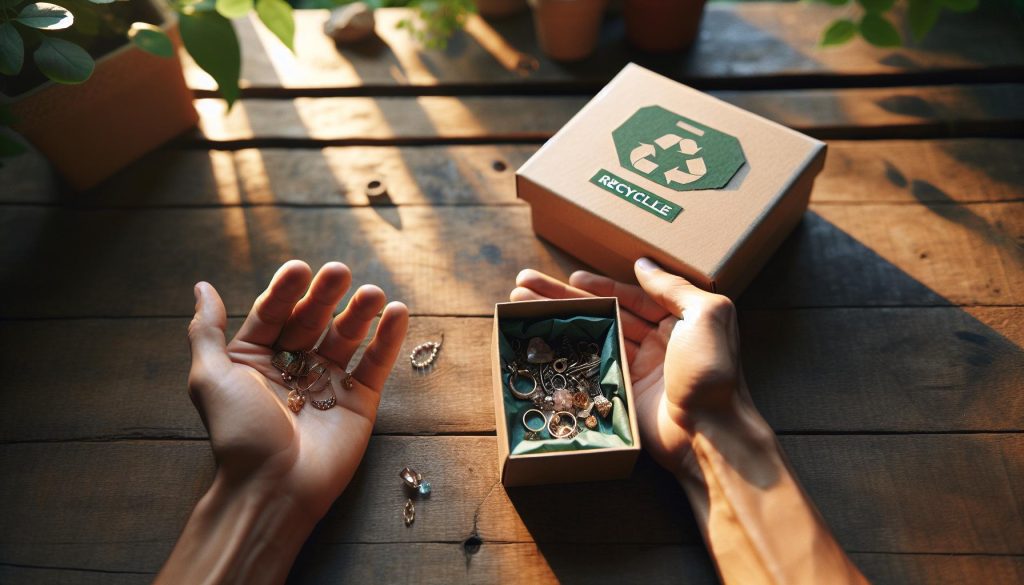
Did you know that millions of broken jewelry pieces end up in landfills every year, contributing to environmental harm? Disposing of your broken jewelry responsibly is not only an eco-friendly choice but also a way to honor the sentimental value of those pieces. Whether it’s a cherished heirloom or a trendy accessory gone wrong, the way you handle these items can make a significant difference. In this guide, we will explore various sustainable methods for disposing of broken jewelry, from upcycling and recycling to donating and repurposing. By choosing these responsible methods, you can help reduce waste while potentially finding a new life for your old treasures. Curious about how to turn your broken baubles into something beautiful again? Let’s dive into the eco-friendly options that await!
Where to Donate Broken Jewellery for a Good Cause
When considering what to do with broken jewellery, donating it for a good cause not only diverts waste from landfills but also supports various charitable initiatives. Many organizations accept broken or unwanted jewellery, turning it into funds for their programs. These donations can range from costume pieces to valuable items. Here are some notable places where you can donate:
Local Charities and Thrift Stores
Numerous local charities and thrift stores are happy to accept jewellery donations, even if they’re broken. Consider checking out places such as:
- Goodwill: This organization often sells donated items to fund job training and community programs.
- The Salvation Army: They provide support and relief to those in need, and proceeds from your donated jewellery can aid their programs. You can even locate donation drop-off centers near you here.
- Habitat for Humanity ReStore: While primarily focused on home goods, they may accept small decorative items, which can sometimes include jewellery. Check out their donation guidelines here.
Jewellery-Specific Charities
Several charities focus specifically on jewellery donations. For instance, programs like Jewelry for a Cause collect broken or unworn items to fund various charitable initiatives. Likewise, many animal welfare organizations accept jewellery donations, where items are sold to benefit animals in need.
Recyclers and Eco-Friendly Organizations
Some organizations specialize in recycling jewellery, ensuring that it is either repaired and reused or melted down for new pieces. While these options are less common, they align perfectly with an eco-conscious approach, allowing you to contribute to sustainable practices while supporting a charitable mission.
Donating broken jewellery is an excellent way to contribute positively, help others, and give new life to items that might otherwise be discarded. Whether you choose a local charity, a specific cause, or an eco-friendly organization, you can feel good knowing your donation makes a difference.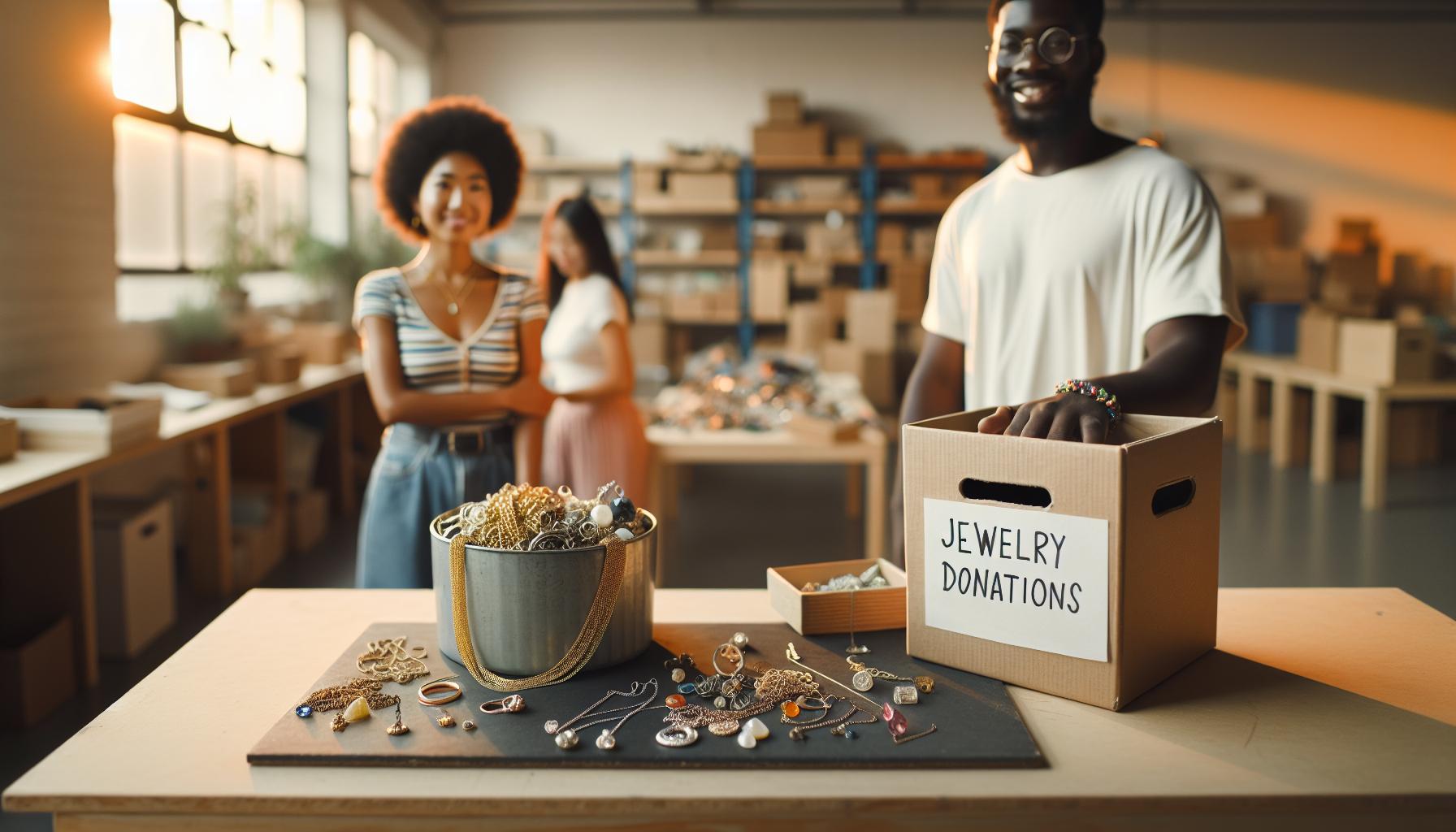
Eco-Friendly Recycling Options for Damaged Jewellery
When you stumble upon a box of broken or unwanted jewellery, remember that this opulent waste can be redirected toward eco-friendly recycling options designed to minimize environmental impact while maximizing potential benefits. Many people are unaware that recycling jewellery can not only salvage precious metals and stones but also contribute to various sustainable initiatives. Engaging with these options can be a thoughtful and impactful way to ensure that your damaged jewellery serves a noble purpose rather than cluttering your drawers or heading to a landfill.
One effective way to recycle damaged jewellery is through specialized organizations that prioritize eco-friendly practices. These organizations often accept broken items and evaluate them for salvageable components. For instance, you can look into companies that focus on remelting metals to create new pieces or repurposing stones to craft stunning designs from recycled materials. Many of these services also emphasize ethical sourcing and sustainability, ensuring that your jewellery recycling aligns with broader environmental goals.
If you’re considering your options, here are a few eco-friendly strategies:
- Recycling Programs: Check for local jewellers or companies that have recycling programs in place. They may offer incentives for returning broken items or provide information on how your pieces will be handled responsibly.
- Upcycling Creatives: Look for artists or crafters specializing in upcycled jewellery who might accept your old pieces for reconstruction or conversion into new designs.
- Donation to Eco-Focused Charities: Some charities focus on sustainability and will accept jewellery that can be recycled or repurposed, turning it into funds for their initiatives.
By taking the initiative to recycle your damaged jewellery, you’ll not only reduce waste but also support a growing movement towards responsible consumerism. This approach brings new life and meaning to items that might otherwise be forgotten, transforming remnants into opportunities for creativity and sustainability.
Repair vs. Recycling: What to Consider
When faced with broken jewellery, it’s crucial to weigh the options between repair and recycling thoughtfully. Each choice presents unique benefits that can serve both personal and environmental interests. For instance, if you have a cherished heirloom that has a broken clasp or a missing stone, repairing that piece can not only preserve its sentimental value but also allow you to continue wearing a beloved item that tells your story. Many local jewellers offer repair services, often allowing you to bring in the damaged piece to evaluate its condition and repair possibilities. This choice not only rejuvenates your jewellery collection but also supports small businesses and craftspersons.
On the other hand, recycling broken jewellery is an excellent option if the pieces have sustained irreparable damage or are no longer to your taste. Recycling allows precious metals and stones to be remelted or repurposed, preventing waste and reducing the need for new materials. Organizations dedicated to sustainable practices can accept your items, ensuring that even what seems unusable can acquire a new life. Through recycling, your broken jewellery could be transformed into stunning new designs, contributing to a more eco-conscious fashion industry.
When deciding between the two, consider factors such as the emotional connection to the item, potential costs involved in repairs, and the environmental impact of your choice. You might also find that combining both options is viable; for instance, repair your favorite pieces while recycling those that have minimal sentimental value. This way, you harmonize the goal of preserving memories with the commitment to sustainability. Ultimately, understanding the implications of each option empowers you to make responsible decisions that reflect your values, merging personal sentiment with eco-friendly practices.
Creative DIY Projects for Broken Jewellery
Transforming broken jewellery into creative DIY projects can breathe new life into pieces that may otherwise end up discarded. Instead of allowing these items to languish in a forgotten box, consider using them as a medium for artistic expression and functional design. Not only will you be giving your broken jewellery a second chance, but you’ll also contribute positively to the environment by reducing waste.
One straightforward project is to create bespoke accessories. For instance, you can repurpose broken necklaces into unique bracelets or anklets. Simply detach the functional and aesthetically pleasing parts, then reattach them with a sturdy clasp to form a stylish new piece. Similarly, old earrings, especially those with some embellishment, can be converted into a charming pendant necklace or even keychains by attaching them to a chain or a keyring.
Another approach is to use broken pieces as materials for home decor. Consider crafting a decorative frame by gluing broken bits of jewellery onto a simple wooden or cardboard base. This not only adds character to your home but also serves as a conversation starter. Alternatively, you could create art pieces by arranging broken stones or beads in shadow boxes, complementing them with photographs or other memorabilia.
By engaging in these creative projects, you’re not only recycling your broken jewellery but also honing your crafting skills. The satisfaction that comes from turning something once deemed worthless into a beautiful, functional item can be both rewarding and fulfilling. Plus, these DIY endeavours can spark ideas for gifts or even a budding business venture, showcasing your unique style and creativity. So gather those broken pieces and let your imagination run wild; the possibilities are endless!
Understanding Different Jewellery Materials and Their Disposal
Understanding the makeup of your jewellery is crucial for responsible disposal, particularly when considering its environmental impact. Different materials require specific handling, and being knowledgeable about these can guide you toward eco-friendly options that prioritize recycling and sustainability.
Common Jewellery Materials
Jewellery is typically made from a variety of materials, each with unique properties and disposal considerations. Here are some common materials:
- Gold and Silver: These precious metals can often be recycled. Many jewellers and scrap metal dealers accept damaged jewellery for melting down and reusing the metals.
- Costume Jewellery: Usually made from synthetic materials like plastic or base metals, these pieces may not be recyclable in traditional ways. Consider donating or upcycling them instead.
- Gemstones: Natural and synthetic gemstones can be reused if they are in good condition. If cracked or broken, you may find local artisans willing to repurpose them.
- Organic Materials: Items made from pearls, bone, or wood often have limited end-of-life options. Composting or finding a niche artisan who works with organic materials may be suitable.
Disposal Methods and Considerations
When it comes to disposing of broken jewellery, it’s essential to assess whether the materials can be repaired, reused, or recycled. Here are some actionable steps:
- Repair: Evaluate if the item can be fixed. Many jewellers offer repair services that breathe new life into your broken pieces.
- Upcycling: DIY enthusiasts can transform broken jewellery into new creations, such as fashion accessories or home decor items.
- Recycling: Contact local jewellers or metal recycling centers to determine if they accept your materials. In many cases, they are happy to recycle precious metals properly.
- Donation: If the jewellery is still wearable but not to your taste, consider donating it. Organizations often take pieces that can be used for fundraising or given to those in need.
Understanding the nature of your jewellery not only educates you on responsible disposal but also empowers you to make choices that positively impact the environment. This holistic approach helps reduce waste, emphasizes sustainability, and encourages creativity with broken pieces that might otherwise be discarded.
How to Choose an Eco-Conscious Jeweller
Choosing the right jeweller can significantly impact not only the beauty of your pieces but also their environmental footprint. As awareness of sustainable practices grows, selecting an eco-conscious jeweller becomes more important than ever. An eco-conscious jeweller typically prioritizes ethical sourcing of materials, sustainable production methods, and offers recycling or upcycling services for broken or unwanted jewellery. By making informed choices, you can support businesses that contribute positively to the environment while still achieving stunning jewellery designs.
When evaluating potential jewellers, begin by researching their sourcing policies. Ask questions about where they source their metals and gems. Reputable eco-friendly jewellers often showcase their commitment to sustainability by using recycled metals and fair-trade gemstones. Many jewellers now provide information about their supply chains, which should include transparency in sourcing practices that protect both the environment and worker rights. Look for certifications or memberships in ethical industry organizations, such as the Responsible Jewellery Council, which indicates a commitment to responsible sourcing.
It’s also essential to consider the jeweller’s production methods. Eco-conscious jewellers may use eco-friendly materials in their packaging and forsake harmful chemicals in their manufacturing processes. Many of them have adopted low-waste practices and are open to discussions about how they minimize energy consumption. Don’t hesitate to ask about their approach to waste management and how they ensure sustainability in their operations. Furthermore, some jewellers might offer services that allow you to bring in your broken or unwanted items to be transformed into new pieces, thus encouraging a circular economy.
Finally, looking at customer reviews and testimonials can also offer insights into a jeweller’s commitment to sustainability. Clients who prioritize eco-friendly practices often share their experiences, which can guide your decision. Consider contacting jewellers directly with specific inquiries about their environmental impacts or any sustainability initiatives they support, whether it’s through community involvement or contributions to conservation efforts. Remember, the more you engage and ask questions, the better equipped you’ll be to find a jeweller who aligns with your eco-conscious values.
Tips for Upcycling Broken Jewellery into New Designs
Transforming broken jewellery into new designs not only breathes fresh life into your pieces but also promotes sustainability and creativity. By choosing to upcycle, you can minimize waste while crafting unique items that reflect your personal style. Start by gathering your broken pieces-think of old necklaces with missing clasps, mismatched earrings, or bracelets that have lost their charm.
Assessing Your Materials
Before diving into creative projects, assess your broken jewellery. Take note of the types of materials involved-metals, beads, stones, and plastics can all be repurposed. Consider the following options for upcycling:
- Jewellery Remounting: Work with a jeweller to create a new setting for stones from old rings or pendants. This way, you can retain sentimental value while enjoying a contemporary design.
- Statement Pieces: Combine elements from different items to create bold statement pieces. For example, mix chains from old necklaces with charms from forgotten bracelets for a unique layered look.
- Functional Art: Utilize intact components to create artful items like keychains, bag charms, or decorative pins. This not only serves a purpose but also makes eye-catching conversation starters.
- Bead Reuse: If your broken jewellery features beads, string them into new arrangements to create entirely different pieces, like multi-strand necklaces or woven bracelets.
Simple DIY Techniques
Whether you’re a seasoned crafter or a enthusiastic beginner, there are some easy DIY techniques to explore:
- Resin Casting: For smaller or fragile pieces, try encasing them in resin to create unique accessories like coasters or decorative objects.
- Wire Wrapping: Use wire to wrap beads or stones, transforming them into pendants or charms for new necklaces and bracelets.
- Wood or Leather Mix: Combine broken jewellery items with wood or leather elements to create trendy pieces, such as bohemian-style earrings or cuffs.
By exploring these ideas, you can transform what might have been discarded into something entirely new and personal. Not only do these projects contribute to your sustainability goals, but they also offer a fulfilling way to express your creativity and imagination in jewellery design. Whether for personal use or as heartfelt gifts, upcycling can be a rewarding experience that enhances your jewellery collection while honoring the original materials.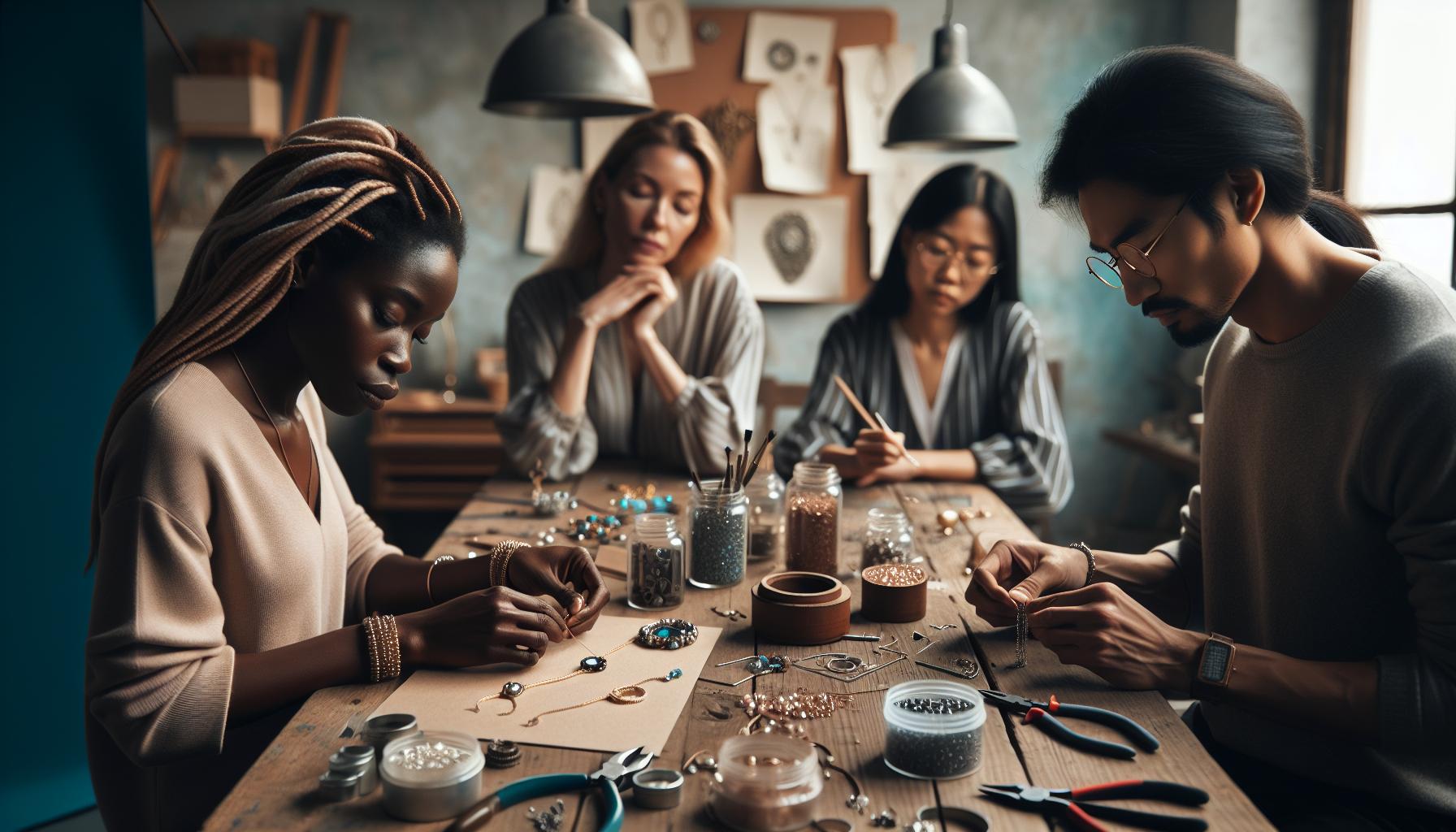
Best Practices for Safe and Responsible Disposal
When it comes to ensuring that broken jewellery is disposed of safely and responsibly, there are several best practices to consider that not only protect the environment but can also provide opportunities for reuse and recycling. One of the primary steps is to identify materials present in your jewellery. Metals, stones, beads, and even certain plastics can have significant value, either financially or environmentally. Understanding these materials allows you to choose suitable disposal methods that align with eco-friendly practices.
- Resell or Donate: If your broken items still have salvageable parts, consider reselling them online or donating to local charities that accept jewellery. Organisations such as Goodwill may accept these items, providing someone else the chance to repurpose them [[2]](https://www.goodwill.org/donors/donate-stuff/).
- Recycling Programs: Research local recycling programs that specific focus on metals and gemstones. Some jewellers and recycling facilities offer programs where you can send your unwanted pieces for safe and responsible processing.
- Eco-Conscious Jewellers: Choose jewellers who prioritize sustainability. Many artisans now offer services to recycle old metals and gems into new creations, restoring not only the materials but also the craftsmanship of your broken pieces.
Educating yourself on local regulations regarding the disposal of jewellery materials is crucial as well. Some regions may have specific guidelines concerning hazardous materials found in certain metal alloys or gemstones. Furthermore, check if there are any community events or take-back programs where you can drop off unwanted jewellery safely. By engaging with these eco-friendly options, you’re not just discarding items but are actively participating in a circular economy that values sustainability and creativity in the jewellery industry. Ultimately, making these informed decisions empowers both you and the planet, ensuring that your broken jewellery can have a life beyond mere waste.
Common Myths About Disposing of Broken Jewellery
Many people hold misconceptions about disposing of broken jewellery, which can lead to wasted resources and missed opportunities for sustainable practices. One common myth is that broken jewellery is entirely useless and must be thrown away. In reality, even damaged items can possess value, whether through resale, repair, or recycling. For instance, the metal components in a broken chain or the gemstones from an earring can be repurposed, often providing a new life for the materials involved.
Another prevalent misconception is that all jewels and metals are harmful to dispose of and require special treatment. While some pieces, especially those containing hazardous materials, should be handled with care, many jewellery items made from common metals and gemstones are recyclable. Local recycling facilities or eco-minded jewellers often provide safe avenues for processing these materials, turning potential waste into valuable resources.
Moreover, some people believe they must rely solely on professional jewellers for repairs or upcycling, thinking DIY methods are too complicated or impractical. However, the reality is that many upcycling projects can be managed at home with a little creativity and guidance. For example, broken necklaces can be reconstructed into unique bracelets, while mismatched earrings can be transformed into trendy, singular statement pieces. Engaging in such creative processes not only breathes new life into old jewellery but also allows for personal expression and sustainable practices.
- Old jewellery has no value: Many assume that broken or outdated jewellery can’t be salvaged or sold, but local charities and online resale platforms are often eager to accept such donations.
- Recycling is too complicated: Contrary to popular belief, many localities have straightforward recycling processes for metals and gems, often simplifying the steps involved.
- Jewellery disposal only concerns the original materials: It’s a myth that you must discard old pieces entirely. Options like reselling, donating, and upcycling offer valuable alternatives to simple disposal.
Understanding these myths is essential for anyone interested in responsible jewellery disposal. By dispelling false ideas, you open up more eco-friendly options and contribute positively to the circular economy of the jewellery industry.
The Environmental Impact of Jewellery Waste
The jewellery industry significantly impacts the environment, particularly through waste generated from broken or unwanted pieces. Every year, millions of tonnes of jewellery are discarded, often ending up in landfills where they do not decompose. This waste not only comprises metals and gemstones but also involves the ecological footprint linked to mining, manufacturing, and transportation. For instance, mining for precious metals often leads to habitat destruction, water pollution, and carbon emissions, contributing to global environmental challenges.
When jewellery is disposed of improperly, the environmental consequences intensify. Many jewellery items contain materials that can leach harmful chemicals into the soil or water systems as they break down. This toxic runoff can affect wildlife and ecosystems, highlighting the importance of responsible disposal practices. Instead of contributing to this waste cycle, consumers are encouraged to consider alternative pathways such as recycling, donating, or upcycling their old jewellery. Not only do these options extend the lifespan of the materials, but they also foster a more sustainable jewellery economy that values resource conservation and environmental stewardship.
To mitigate , individuals can take proactive steps such as researching local recycling programs that specialize in precious metals and gemstones. Many municipalities offer eco-friendly disposal options, allowing individuals to hand over their broken jewellery safely. Additionally, partnering with jewellers who prioritize sustainable practices can ensure that any precious materials reused or transformed into new designs do not contribute further to environmental degradation.
By adopting these eco-conscious practices, each person can play an essential role in reducing the jewellery industry’s environmental footprint. Supporting businesses that engage in responsible sourcing and ethical practices contributes to a positive change that benefits both the planet and the jewellery community. Embracing these initiatives ultimately leads to a more sustainable future for jewellery enthusiasts and our environment alike.
Innovative Companies Focused on Sustainable Jewellery Practices
Many consumers are becoming more conscious of the environmental impact of their purchases, particularly in the jewellery industry, which has historically contributed significantly to waste and ecological degradation. Fortunately, a growing number of innovative companies are emerging that prioritize sustainable jewellery practices, transforming how we think about, create, and dispose of jewellery. These forward-thinking businesses not only offer stunning designs but also implement eco-friendly processes that can help address the challenges posed by broken or unwanted jewellery.
One prominent example is Brilliant Earth, which focuses on ethical sourcing by using recycled metals and lab-created stones and ensuring that all gems are conflict-free. They offer a programme that allows customers to send in old jewellery for recycling, thus reducing waste while providing a fresh start for materials that would otherwise contribute to landfill. This model not only promotes the ethical use of resources but also encourages customers to feel more connected to their pieces, knowing they are part of a larger effort towards sustainability.
Another noteworthy company is Maidstone, which champions environmental responsibility through a unique upcycling initiative. They transform broken jewellery into new pieces, effectively giving a second life to materials that might have been discarded. This creative approach not only reduces waste but also showcases the potential for innovative design, encouraging customers to see the beauty in unused or broken items. They offer workshops that educate individuals about the possibilities of repurposing their jewellery, fostering a community around sustainable practices.
Chloe Savage is another brand committed to the principles of sustainability by utilizing ethically sourced gemstones and recycled metals for all its designs. This company emphasizes the importance of transparency in sourcing and manufacturing processes, allowing consumers to make informed choices about their purchases. Moreover, Chloe Savage partners with various charities, donating a portion of proceeds to environmental causes, thus reinforcing the idea that purchasing jewellery can also contribute positively to the planet.
By supporting these companies and their sustainable practices, consumers can actively participate in reducing the environmental impact of the jewellery industry. When considering what to do with broken jewellery, look for brands that not only recycle but also educate and advocate for responsible practices. In doing so, consumers can support a more sustainable future for both their jewellery collection and the environment. Making informed choices when it comes to jewellery not only protects our planet but also opens up a world of creative possibilities for reimagining old pieces into something new and beautiful.
Navigating Local Regulations on Jewellery Disposal
Navigating disposal practices for broken jewellery can feel overwhelming, especially when considering local regulations that may impact how you can responsibly dispose of your pieces. Understanding the rules in your area not only helps you make informed decisions but also ensures compliance with environmental laws that aim to reduce waste and promote recycling. Many municipalities offer guidelines on how to handle discarded materials, including metals and gemstones, which can often be recycled or repurposed.
Different regions may have specific regulations regarding the disposal of metals, as certain types can pose environmental hazards if not handled correctly. For instance, local government websites often provide details on collection events where residents can drop off unwanted jewellery for proper recycling. Additionally, some areas may have restrictions on disposing of precious metals in general waste, encouraging residents to seek out specialized recycling services.
Before discarding broken jewellery, it’s wise to check if there are local charities or non-profits that accept such items for donation or recycling. Some organizations might even have partnerships with jewellery designers who repurpose these materials into new creations. Engaging with community recycling programs not only helps you declutter responsibly but also contributes to a circular economy-where materials are reused and waste is minimized.
Always keep an eye out for educational resources from local environmental agencies that can offer insights on sustainable practices in jewellery disposal. By staying informed and connected, you can confidently navigate local regulations and make eco-conscious decisions about your broken jewellery, transforming what might seem like waste into opportunities for creativity and positive impact.
Frequently asked questions
Q: What is the best way to recycle broken jewellery?
A: The best way to recycle broken jewellery is to take it to a certified recycling facility that specializes in precious metals. They can responsibly melt down the materials for reuse. Check out local recycling resources or visit your nearest eco-friendly jeweller for recommendations.
Q: How can I safely dispose of broken costume jewellery?
A: You can safely dispose of broken costume jewellery by recycling it through electronics recycling programs, as many contain plastics or metals that can be reclaimed. Alternatively, consider donating it to charities that accept craft supplies or repurpose it into art projects.
Q: Are there eco-friendly ways to dispose of precious metal jewellery?
A: Yes, eco-friendly ways to dispose of precious metal jewellery include returning it to the manufacturer or jeweller for recycling, donating to local charities, or using services that promote sustainable practices. Research jewellers who focus on responsible sourcing to ensure proper disposal.
Q: What should I do with broken jewellery that can’t be repaired?
A: If your broken jewellery cannot be repaired, consider repurposing the materials into new pieces or art projects. You can also check with local artisan groups or makerspaces which may accept them for creative reuse, as covered in the article’s DIY projects section.
Q: How do I find local jewellery recycling programs?
A: To find local jewellery recycling programs, search online for eco-friendly jewellers in your area or contact local recycling centers. Websites like Earth911 or your municipality’s waste management site can also provide information on recycling options.
Q: Can broken jewellery be donated?
A: Yes, broken jewellery can often be donated. Many organizations accept damaged items for reuse in craft projects or for resale in thrift stores. Review the donation section of the article for specific charities that welcome these contributions.
Q: What materials in jewellery are recyclable?
A: Many materials in jewellery are recyclable, including gold, silver, platinum, and certain types of gemstones. Additionally, some plastics can be recycled. Check with your recycling facility for specific material guidelines.
Q: Is it worth it to recycle broken jewellery?
A: Yes, recycling broken jewellery is worth it as it helps reduce waste and allows precious metals to be reused. This practice supports sustainable jewellery making and reduces the environmental impact, aligning with eco-conscious living initiatives.
The Conclusion
As you reflect on eco-friendly ways to dispose of broken jewelry, remember that making responsible choices not only contributes to sustainability but also transforms your treasures into valuable resources. Whether you opt for recycling, repurposing, or donating, every step helps protect our planet and reduces waste. Don’t wait to take action-explore our detailed guides on jewelry care, from cleaning tips to crafting tutorials, to keep your collection vibrant and meaningful.
Feeling ready to make a difference? Dive deeper into our articles on starting your own jewelry shop or learn about the best practices for authenticating pieces. Your engagement is vital-share your thoughts below or bookmark this page for future insights. Together, we can celebrate the beauty of jewelry while caring for our environment!
Get our latest guides, news, and insights highlighted in your Google Search & AI Overviews.