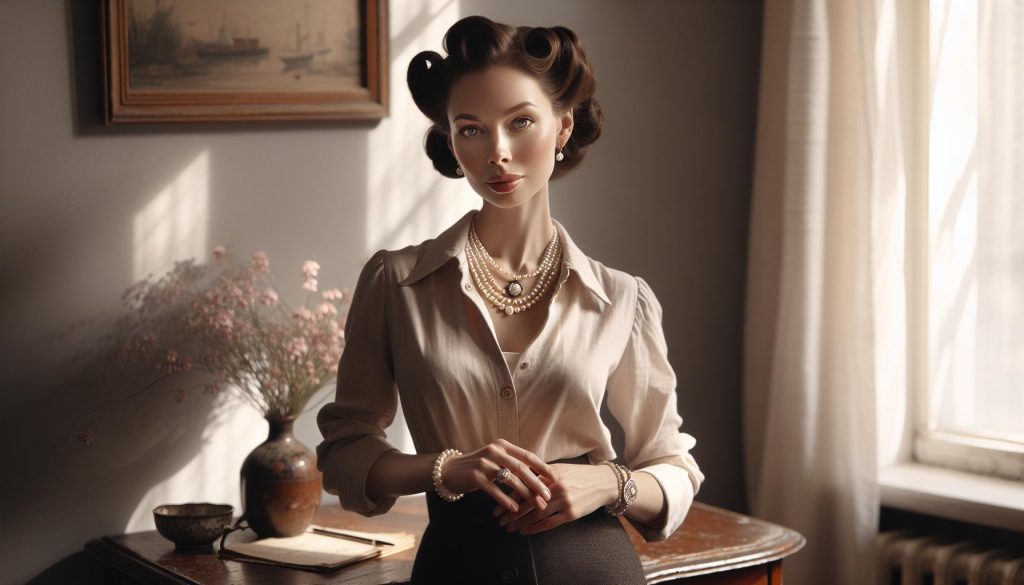
The 1940s was a decade marked by resilience and transformation, shaped significantly by the challenges of World War II. Amidst rationing and upheaval, women found ways to express elegance through jewellery that mirrored both their strength and resourcefulness. From bold, colorful pieces crafted with limited materials to understated designs that showcased personal stories, the jewellery of this era was not just an accessory-it was a symbol of hope and identity. In this exploration of “What Jewellery Was Worn in the 1940s: Wartime Elegance Revealed,” you’ll discover how these wartime creations reflect a unique blend of creativity and practicality. Whether you’re a jewellery enthusiast, collector, or simply curious about fashion history, understanding this period can enhance your appreciation for the lasting impact of wartime craftsmanship on contemporary jewellery styles. Join us as we unveil the artistry and significance of 1940s jewellery, a true testament to elegance in adversity.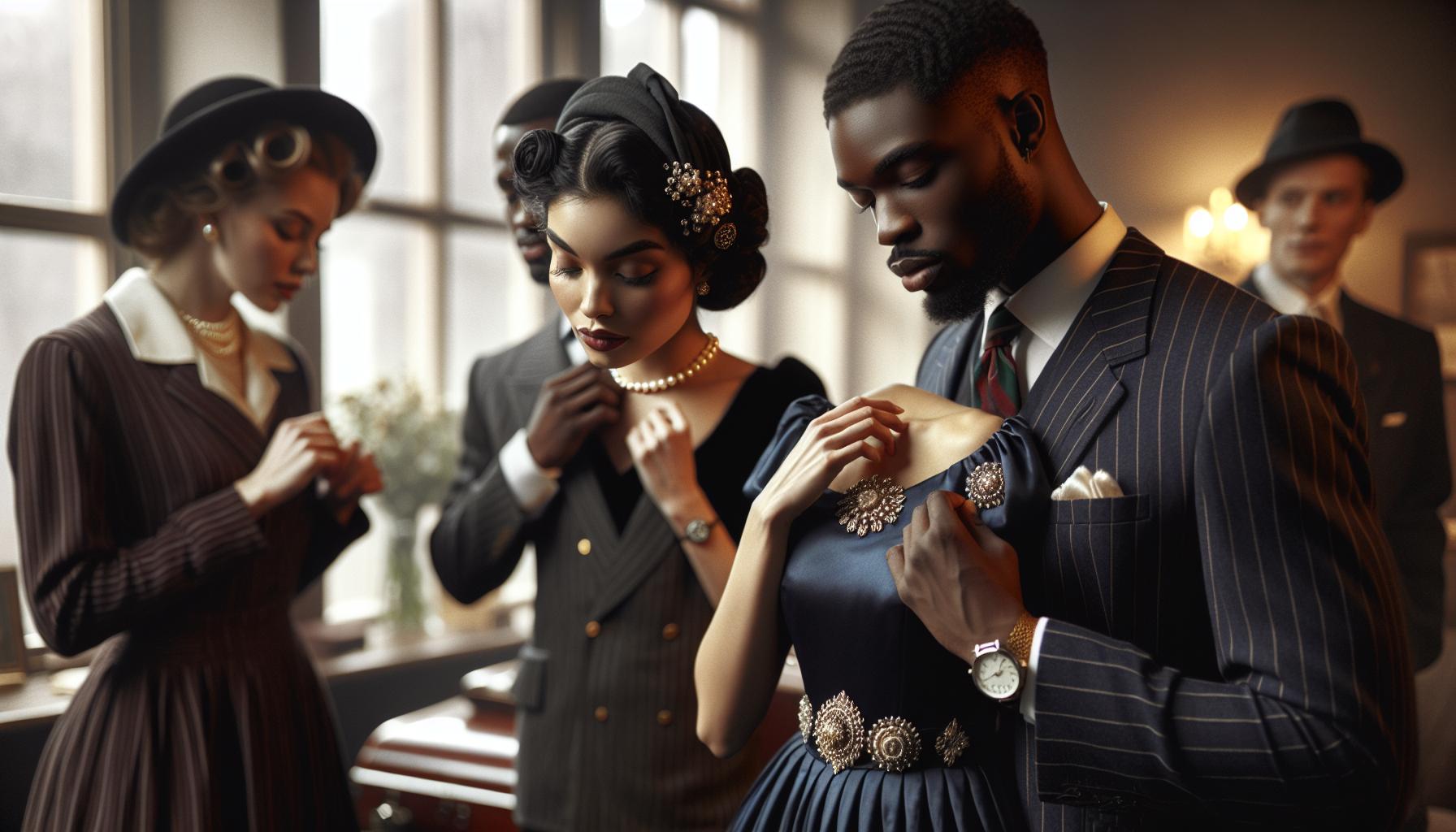
The Role of Jewellery in 1940s Fashion
In the 1940s, jewellery played a crucial role in expressing individuality and style during a decade marked by both hardship and resilience. As World War II reshaped societies, the way people adorned themselves with jewellery transformed significantly, serving not just as a fashion accessory but as a symbol of hope and identity amidst global turmoil. This era saw the rise of practical yet elegant designs that reflected both the necessity of resourcefulness and the desire for beauty. As materials were rationed, women turned to innovative styles that combined elegance with affordability, making even the simplest pieces meaningful.
One of the most notable elements of 1940s jewellery was its ability to enhance outfits during challenging times. The use of bold, statement pieces such as chunky brooches and oversized earrings became essential for completing a look, especially as fabric materials were also limited. Fashion houses began to design pieces that could be versatile enough to complement various outfits, allowing women to express their personalities without compromising on style. A well-chosen piece of jewellery could transform a day dress into evening wear, making it an invaluable addition to any wardrobe.
The era was also marked by the creative use of less traditional materials in jewellery making. With precious metals and gemstones often reserved for wartime efforts, designers experimented with materials like bakelite, glass, and even plastics. These alternatives contributed to the unique aesthetic of the decade, making jewellery more accessible and diverse in style. Designs often featured floral motifs and geometric shapes, which were popularized in both costume and fine jewellery, emphasizing the optimism of the post-war period.
In essence, jewellery in the 1940s was not merely an adornment; it was a statement of resilience and beauty. As women navigated the challenges of wartime life, they utilized jewellery to reclaim a sense of normalcy and express their creativity. The legacy of this era continues to influence contemporary jewellery trends, reminding us of the timeless relationship between style, identity, and the spirit of resilience.
Iconic Styles of Wartime Jewellery
The 1940s were a defining era for wartime jewellery that balanced practicality with unmistakable elegance. As the global landscape shifted dramatically due to World War II, jewellery came to symbolize resilience and adaptation. Iconic styles that emerged during this decade were not merely decorative; they reflected deeper social sentiments and a desire for beauty amidst adversity. From bold, attention-grabbing pieces to subtly elegant designs, jewellery from this time generated a unique narrative that captivates collectors and enthusiasts alike.
One of the hallmark styles of wartime jewellery was the chunky brooch. Often crafted in vibrant materials like bakelite and colorful glass, these brooches became essentials for highlighting outfits that might otherwise be muted due to fabric restrictions. Their eye-catching designs often featured motifs such as flowers, animals, or geometric shapes, allowing women to express their creativity and individuality despite the material limitations of the time. Notably, brooches served a dual purpose; they were used not only as accessories but also as a practical means to fasten garments, reiterating their essential role in daily fashion.
Another significant trend of the decade was the use of long, dangling earrings. These pieces often employed materials like plastic and simulated gems, making them accessible yet chic options for accessorizing. Styles ranged from simple drops to more elaborate statement earrings featuring ornate designs. The elongated forms not only drew attention to the face but also contrasted beautifully with the shorter hairstyles that became popular during wartime. This combination of simplicity and statement allows for versatile styling-perfect for transitioning from day to evening wear.
Furthermore, statement necklaces made their mark, often composed of layered chains or adorned with oversized pendants. These striking pieces were ideal for dressing up daywear or adding flair to evening attire. The designs frequently echoed the geometric patterns and bold colors popular in other jewellery forms, thereby creating a cohesive aesthetic across different types of accessories. Women embraced these bold designs not just for their beauty but also as a reaffirmation of femininity during challenging times.
Ultimately, the 1940s jewellery scene encapsulated a spirit of innovation driven by necessity and creativity. Whether through the power of a striking brooch or the elegance of long earrings, these iconic styles offered women a form of expression in a world defined by uncertainty. Collecting and wearing these pieces today serves as a homage to the resilience and creativity that defined an entire generation, embodying the timeless relationship between jewellery, identity, and art.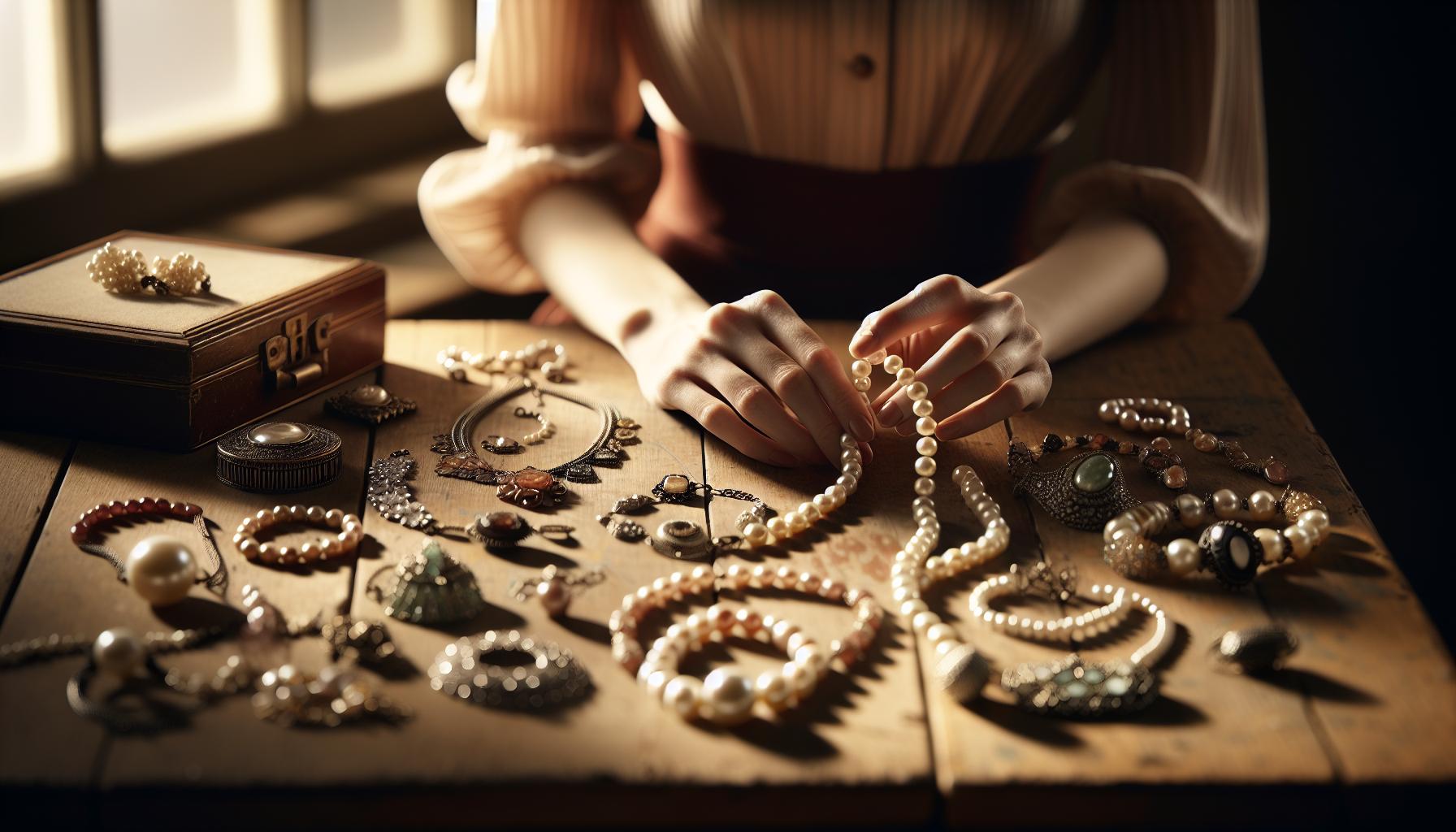
Materials Used in 1940s Jewellery Designs
During the 1940s, the materials used in jewellery design reflected the constraints and creativity of wartime life. As World War II restricted the availability of precious metals and gemstones, designers turned to innovative and unconventional materials, making beauty accessible to all. One of the most prominent materials of the time was bakelite, a type of early plastic that became synonymous with 1940s jewellery. Its vibrant colors and ability to be molded into intricate shapes allowed artisans to create bold and eye-catching pieces, including chunky bracelets and large brooches. The use of bakelite not only showcased creativity but also aligned with the era’s emphasis on practicality and affordability.
Another popular choice was textile, as fabric became a significant alternative to traditional jewellery materials. Cloth covered with sequins or adorned with embroidery transformed simple accessories into statement pieces. This shift to fabric allowed women to add a personal touch to their attire, utilizing materials that were more readily available. Simulated gemstones, made from glass or colored plastic, also gained traction. These stones mimicked the look of real gems, offering an affordable way to enhance outfits without straining budgets during tough economic times.
Other Noteworthy Materials
The essence of jewellery in the 1940s also embraced natural elements. Materials such as wood and shells were crafted into pendants and earrings, providing a rustic yet elegant aesthetic. These materials reinforced a connection to nature, serving both decorative and symbolic purposes.
Designers frequently incorporated metals like brass and copper, which were more accessible than gold or silver due to wartime restrictions. Although less common, these metals could be fashioned into unique designs that still captured the spirit of elegance and resilience. In a time when practicality was paramount, the use of base metals allowed for a broader range of creative possibilities without compromising style.
For collectors and enthusiasts, understanding these materials is crucial. When identifying vintage 1940s jewellery, examine the weight and feel of the piece; bakelite, for example, is noticeably lighter than traditional metals. Look for hallmarks or stamps on metal pieces to determine their authenticity and origin.
Overall, the innovative use of diverse materials in 1940s jewellery design not only highlights the era’s artistic spirit but also demonstrates an enduring ability to adapt under pressure. Whether incorporating bakelite, textiles, or natural resources, these pieces continue to resonate as symbols of creativity and resilience today.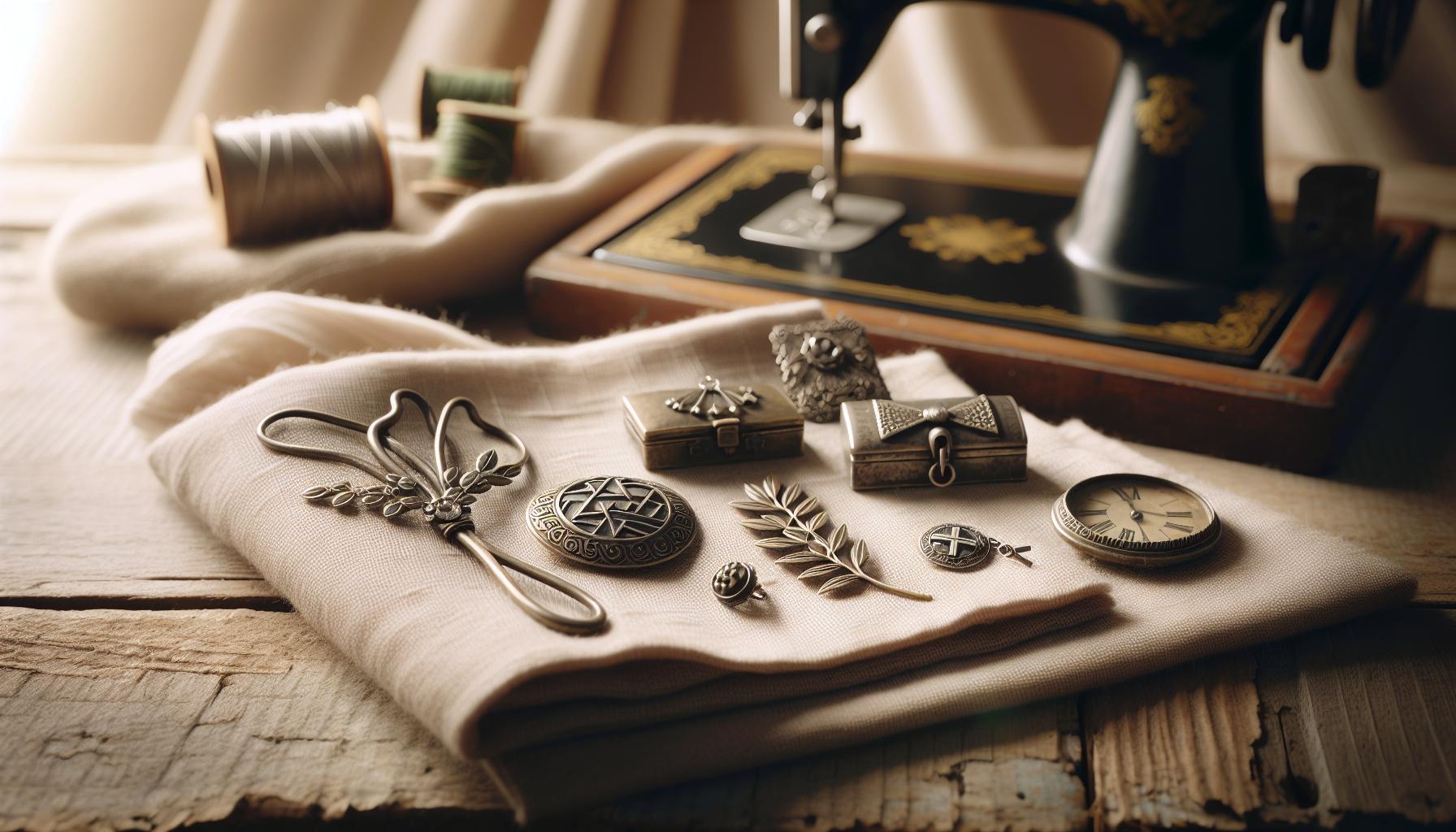
How World War II Influenced Jewellery Trends
Amid the chaos and upheaval of World War II, jewellery evolved into a medium of self-expression, defiance, and practicality. The societal upheaval influenced how women viewed adornment, transforming jewellery from mere decoration into an essential aspect of identity and morale. With many men enlisted in the military, women stepped into roles traditionally held by men, and their jewellery choices began to reflect newfound independence and confidence. This shift saw the rise of statement pieces that held personal significance, serving as tokens of hope and reminders of loved ones at war.
As the war necessitated the rationing of precious materials, innovative designs emerged using alternative materials that characterized this era. Bakelite, previously an industrial substance, found its way into the hands of skilled artisans, turning into bold bangles and brooches that captured the spirit of the times. Designers frequently used vibrant colors and playful shapes to uplift the somber atmosphere, showcasing their creativity in overcoming material scarcity. In addition, as gemstones became less available, women turned to simulated alternatives, using glass and plastic to create pieces that mimicked traditional luxury without the associated costs.
Additionally, wartime restrictions on the use of metals led to the increased popularity of unconventional materials, such as fabric and wood. Clothing embellishments became common, with women using what was readily available to craft unique jewellery pieces. Scarves adorned with sequins or bold embroidery became fashionable, and earrings crafted from wood or shell added a rustic charm to the wartime wardrobe. The resourcefulness of women during this period emphasized the importance of style without extravagance, making fashion a means of coping with scarcity while embracing creativity.
Ultimately, the influence of World War II on jewellery trends extended beyond mere aesthetics. The pieces created during this tumultuous time became symbols of resilience and ingenuity. As women adorned themselves with jewels fashioned from non-traditional materials, they embodied a spirit of defiance and adaptability. This era’s jewellery not only marked a significant departure from previous styles but also left an enduring legacy that continues to inspire modern designers and collectors alike.
Symbols and Meanings Behind 1940s Jewellery
Jewellery in the 1940s transcended mere ornaments to become profound symbols of love, resilience, and the spirit of the times. With the backdrop of World War II, each piece often carried emotional weight and narratives of hope and remembrance, providing women a tangible connection to their loved ones who were serving in the military. For many, wearing a locket containing a photograph of a soldier or a bracelet featuring charms symbolizing their family was not just an adornment but a daily affirmation of their bonds, encapsulating personal stories in a time of uncertainty.
The shift in materials and designs during this decade also infused jewellery with fresh meanings. As traditional precious metals were rationed, many turned to alternative resources, expressing creativity and resourcefulness through vibrant Bakelite pieces or playful plastic designs. These materials not only highlighted the era’s ingenuity but also emerged as expressions of individuality amidst uniform scarcity. In a sense, the jewellery of this time became a canvas for women to assert their identities, challenging the conventional norms of elegance and luxury that had previously dominated.
Common Symbols in 1940s Jewellery
Jewellery from this era often incorporated symbols that resonated deeply with the public’s sentiments. Some commonly featured motifs included:
- Hearts and Lockets: Representing love and affection, these pieces served as keepsakes for cherished memories and connections.
- Stars and Patriotic Symbols: Many designs echoed national pride, integrating elements like stars and flags into their configurations.
- Flower Motifs: Floral designs symbolized hope and renewal, offering a stark contrast to the harsh realities of wartime life.
These symbols provided wearers with a sense of comfort and strength, transforming personal adornment into acts of defiance against the backdrop of war.
Care and maintenance also took on symbolic significance, as preserving these pieces became a ritual of honoring memories. Women learned how to clean metals and gems using simple household items, ensuring their precious symbols remained intact as reminders of their resilience and enduring spirit.
As modern designers continue to draw inspiration from these elements, understanding the symbolism behind 1940s jewellery not only enriches our appreciation of these pieces but also connects us to a history marked by profound human emotion and creativity in the face of adversity.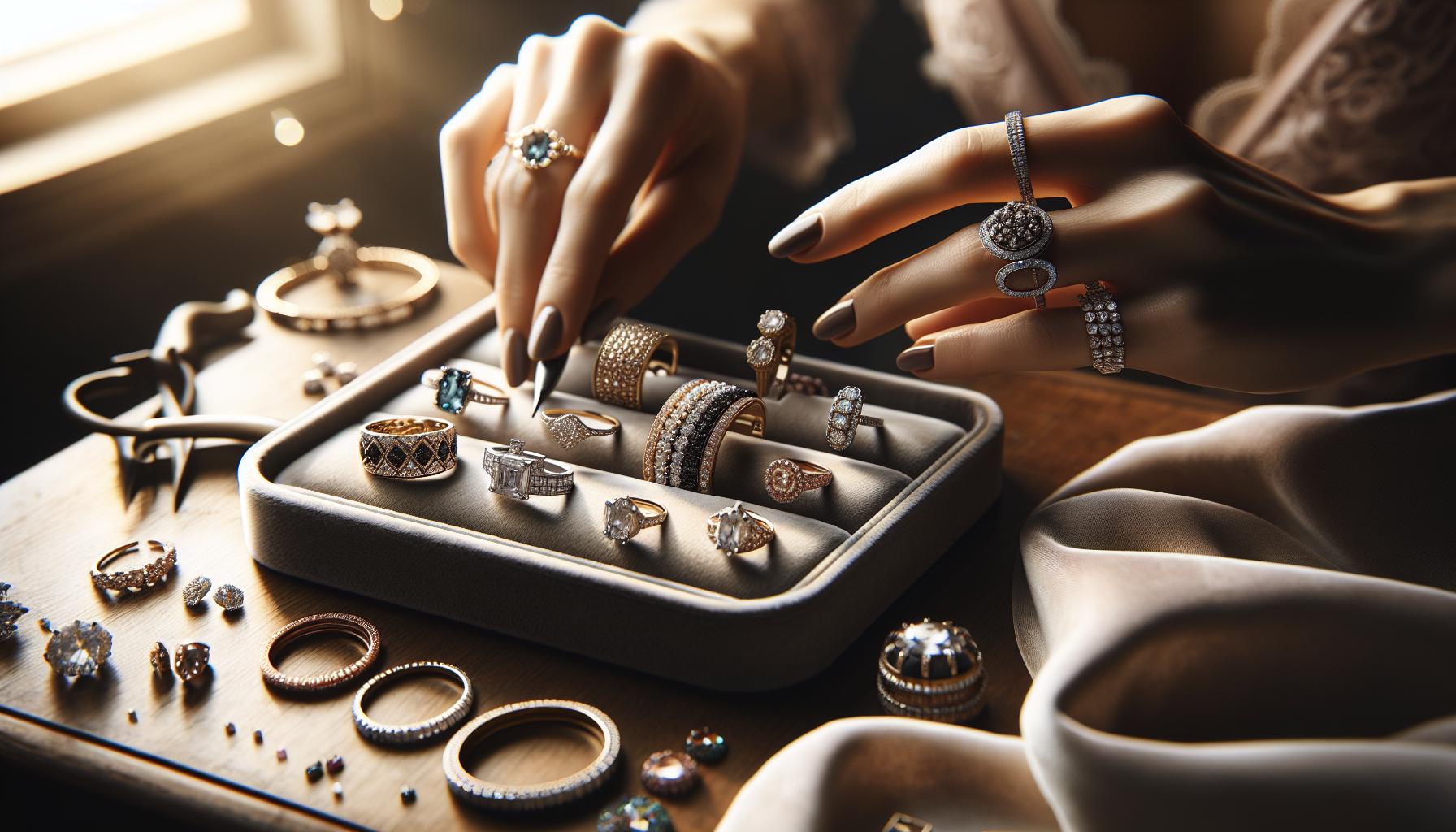
Everyday vs. Statement Pieces in the 1940s
During the 1940s, jewellery served a dual purpose, acting both as everyday adornments and as striking statement pieces that reflected the era’s unique circumstances. The backdrop of World War II dramatically influenced styles and usage, leading to a blending of practicality and expressiveness in design. Women found themselves embracing jewellery not just for its aesthetic appeal but as a means of personal expression, connection to loved ones, and even a form of defiance against the challenges posed by wartime life.
Everyday pieces typically featured more modest designs, crafted from rationed materials yet still brimming with personality. For instance, women often wore simple brooches, earrings, and bangles in Bakelite, a vibrant plastic material that became wildly popular during the war. These pieces typically were colorful and playful, adding charm to daily outfits without excessive extravagance. Wearing such jewellery allowed women to maintain a sense of style and individuality, even when resources were limited.
On the other hand, statement jewellery took on a more pronounced role during special occasions or significant moments-celebrations of love, milestones, or as tokens of remembrance. Bold necklaces, ornate earrings, and larger-than-life brooches became popular, often embellished with colorful gems or intricate designs that transcended the typical constraints of the time. These pieces served as reminders of cherished relationships, often incorporating tokens like lockets with photographs or charms carrying significant meanings, allowing wearers to showcase their emotions and personal narratives.
Balancing Everyday Style and Statement Elegance
Creating a balanced collection of everyday and statement pieces can be an enriching experience for enthusiasts and collectors alike. Here are some tips to cultivate a diverse jewellery wardrobe:
- Layering: Mixing and matching everyday pieces with statement items can create an engaging aesthetic. For example, pairing a simple chain necklace with a more elaborate pendant can elevate your look without losing the essence of your personal style.
- Mix Materials: Don’t hesitate to combine materials, like wearing a plastic Bakelite bracelet alongside a vintage gold ring. This blending helps you maintain a unique flair.
- Seasonal Variations: Allow your choice of jewellery to reflect the seasons or moods, engaging with lighter pieces during summer and transitioning to bold, more striking items in winter months.
Whether it’s the symbolism behind a statement piece or the casual charm of everyday wear, understanding the dual nature of 1940s jewellery helps bring to life the stories embedded within each piece, enriching both the collection and the experience.
Care and Maintenance of 1940s Jewellery
Proper can ensure its longevity and preserve the charm that has made it a beloved part of fashion history. Many pieces from this era are made from unique materials like Bakelite, which requires specific care compared to traditional metals and gems. Understanding the distinctions in material composition is crucial to maintaining the beauty and integrity of these vintage treasures.
To keep your jewellery looking vibrant, start with gentle cleaning. For Bakelite and other plastics, a simple mixture of mild soap and warm water can do wonders. Use a soft cloth to gently wipe surfaces. Avoid harsh chemicals, which can dull the finish. For metal pieces, especially those that may have tarnished over the decades, a specialized polishing cloth can help restore shine without scratching the surface. Always test a small, inconspicuous area first to ensure compatibility.
Storage is equally essential in preserving your collection. Keep jewellery in a dry place, away from direct sunlight, which can fade colors. Opt for soft pouches or lined compartments for individual pieces to prevent scratches and tangling. It’s also wise to store pieces containing different materials separately, as certain metals can react with plastics or stones over time. Consider investing in an anti-tarnish strip in your storage box for added protection against oxidation.
Lastly, regular inspections can help you catch potential issues before they become serious. Look for loose stones, weakened clasps, or signs of wear, especially in pieces you wear frequently. Addressing these concerns promptly can prevent further damage and keep your prized 1940s jewellery not just as a piece of history, but as a wearable piece of art for years to come.
Tips for Identifying Vintage 1940s Jewellery
To uncover the charm of vintage 1940s jewellery, a keen eye and a few key characteristics can make all the difference. This era was marked by unique designs and materials that can help you identify authentic pieces amidst modern imitations. Understanding what to look for will not only enrich your collection but also enhance your appreciation of the artistry involved.
Start by considering the materials: vintage jewellery from the 1940s often features a mix of unique elements. Look for pieces made from Bakelite, a popular plastic known for its vibrant colors and ability to mimic the appearance of more expensive materials. Authentic Bakelite can be identified by its weight and the “Bakelite test,” which involves rubbing the piece to see if it emits a distinct scent of formaldehyde. In addition to Bakelite, also look out for silver, gold plating, and semi-precious stones, which were common during this period.
Next, pay attention to the craftsmanship. Many 1940s pieces exhibit a level of attention to detail, such as intricate settings and unique clasps. Check for hallmarks or stamps that indicate the piece’s maker or metal composition. While not all jewellery is marked, established designers from this era like Trifari or Hattie Carnegie usually have their names or signatures on the back of the piece. The style itself holds clues; typical 1940s design features include bold geometric shapes, floral motifs, and a combination of materials that reflect the wartime ethos of resourcefulness and creative adaptation.
Classifying the Styles
It’s also beneficial to familiarize yourself with the popular styles of the time. Here are some distinguishing characteristics of 1940s jewellery:
- Brooches: Often large and ornate, featuring floral or abstract designs.
- Necklaces: Chunky beaded statement pieces or delicate chains with pendants.
- Rings: Bold designs often set with big, colorful stones or intricate filigree work.
Lastly, don’t overlook the importance of provenance. If you have the opportunity to buy from a trusted dealer, inquire about the history of the piece. Original packaging, certificates, or even a story linked to the item can increase its value and authenticity. By combining knowledge of materials, craftsmanship, style classifications, and provenance, you’ll be well-equipped to identify genuine vintage 1940s jewellery, adding exquisite pieces to your collection that truly embody wartime elegance.
Repurposing and Upcycling 1940s Jewellery
Reviving vintage 1940s jewellery through repurposing and upcycling is not only a sustainable practice but also a creative way to breathe new life into cherished pieces. Many jewellery items from the 1940s may have become outdated or damaged over the years; however, with a bit of imagination and skill, these treasures can be transformed into stylish modern accessories. Whether you’re a collector looking to innovate or a DIY enthusiast eager to explore new projects, here are some ideas to inspire your next upcycling adventure.
One popular approach is to convert old brooches into stunning statement rings. By removing the pin mechanism and securely attaching the brooch to an adjustable ring base, you can create a unique and wearable piece of art. This not only gives the brooch a new purpose but allows you to showcase the intricate details that make 1940s jewellery so special. Similarly, old earrings can be turned into pendants by detaching the earring part and adding a chain, resulting in a modern necklace that pays homage to its vintage roots.
Creative Combinations
Combining multiple elements from different pieces can also lead to unique outcomes. For instance, taking the charms from several bracelets or necklaces and integrating them into a new charm bracelet can create a personal narrative reflected in your jewellery. Mix textures and tones by incorporating materials common in the 1940s, such as Bakelite with gold-plated metals or colourful semi-precious stones, to craft a striking statement piece tailored just for you.
Repair and Redesign
In some instances, simply repairing and redesigning a piece can heighten its aesthetic appeal. Consider updating the clasp on a vintage necklace with a modern closure for better functionality or re-stringing old beads to refresh their appearance. This not only preserves the vintage character but can also improve wearability for today’s fashion.
Storing Your Projects
As you embark on your upcycling journey, store your pieces properly to protect the craftsmanship and assure durability. Using soft cloth bags or dedicated compartments in a jewellery box can help prevent scratches and tangling.
By embracing the art of , you not only honor the craftsmanship of the past but create one-of-a-kind pieces that reflect your personal style. Whether for yourself or as a thoughtful gift, these transformed treasures hold stories that bridge generations, bringing timeless elegance into contemporary fashion.
Modern Trends Inspired by 1940s Designs
Reviving the elegance of 1940s jewellery has become a prominent trend in modern fashion, with its rich history influencing today’s styles and accessories. The wartime aesthetics-characterized by bold designs and creative use of materials-can be seen in contemporary collections that play homage to this iconic decade. Current trends often incorporate materials and motifs reminiscent of the 1940s, marrying vintage charm with modern sensibilities.
One clear example of this influence is the resurgence of bakelite and Lucite in modern jewellery. These materials, once restricted during wartime, are now celebrated for their vibrant colors and unique patterns. Designers craft statement pieces such as chunky bangles and earrings featuring these materials, capturing the spirit of innovation that defined the 1940s. Additionally, many contemporary jewellers are reinterpreting classic designs, utilizing advanced techniques while preserving the essence of the original artistry. This blend of old and new offers wearers a chance to enjoy historical craftsmanship in a modern context.
Revived Techniques and Sustainable Practices
As sustainability gains critical importance, the practice of upcycling vintage jewellery has also seen a remarkable rise. Today’s artisans are not only restoring old pieces but are creatively transforming them into new favourites. For instance, vintage brooches are often redesigned into stunning necklaces or hairpieces, while mismatched earrings are repurposed into trendy pendants. This practice not only honors the history of these pieces but also reflects a commitment to environmentally responsible fashion.
Styling with a Vintage Flair
When incorporating 1940s-inspired jewellery into modern outfits, layering plays a pivotal role. Mixing several styles-such as throwing on a vintage brooch against a sleek modern dress or pairing statement earrings with a casual outfit-can add a unique flair that echoes the boldness of the past while fitting seamlessly into today’s wardrobe. Accessorizing thoughtfully can enhance personal style, making it easier to express individuality through the blend of eras.
In conclusion, the timeless allure of 1940s jewellery is being elegantly woven into the fabric of contemporary fashion. By embracing its characteristics, modern fashion enthusiasts can celebrate this iconic period while keeping their style fresh and relevant. Whether through the use of specific materials, innovative designs, or sustainable practices, 1940s jewellery continues to inspire and captivate today.
Styles of 1940s Engagement and Wedding Rings
During the 1940s, engagement and wedding rings experienced a unique blend of wartime functionality and lasting elegance. The constraints imposed by World War II significantly influenced jewellers, who often had to adapt to material shortages while maintaining the emotional significance of their creations. One prevalent style featured solitaire designs, which emphasized a singular gemstone, typically a diamond, accentuated by simple metal bands. This minimalist approach highlighted the gemstone’s brilliance while remaining practical for couples during the austere times.
As the decade progressed, Art Deco influences began to re-emerge, characterized by geometric patterns and bold symbols of love and commitment. Popular materials included platinum and white gold, which offered durability and elegance, especially desired during times of uncertainty. Many pieces also incorporated colored gemstones, which not only provided a pop of color but also symbolized the individuality of the wearer. For example, sapphires and emeralds often accompanied diamond settings, allowing for a statement while adhering to rationing guidelines, as these stones were sometimes easier to procure.
Care Tips for Vintage Rings
Owning a piece of 1940s jewellery is not only a matter of style but also calls for careful maintenance. Here are some practical tips to help preserve these cherished pieces:
- Regular Cleaning: Use a mild soap solution to gently clean your rings, followed by a soft toothbrush to reach into crevices where dirt can accumulate.
- Avoid Harsh Chemicals: Stay clear of bleach or abrasive cleaners, as they can damage the metal and stones.
- Safe Storage: Store rings separately in soft pouches or lined boxes to prevent scratches on the surface from contact with other jewellery.
Overall, the styles of engagement and wedding rings from the 1940s reflect a mix of romance, resilience, and resourcefulness. Today, those seeking to embrace this vintage flair can find joy not just in the aesthetic but also in the rich stories behind each piece, making them timeless symbols of love in any modern context.
Collecting 1940s Jewellery: A Beginner’s Guide
Collecting jewellery from the 1940s can be an exciting venture into a world of wartime creativity and elegance. This decade, marked by resilience due to World War II, saw jewellery transformed into a means of personal expression amid material shortages. When beginning your collection, understanding the period’s distinctive styles and materials is crucial. Look for pieces that showcase the era’s hallmark features: streamlined designs, innovative use of less expensive materials like gold, and the charming incorporation of colored stones.
To kick-start your collection, familiarize yourself with key types of jewellery that were popular during the 1940s. This includes brooches, earrings, and charm bracelets that often featured patriotic motifs or floral designs, echoing the zeitgeist of the time. Visit local antique shops, estate sales, and online marketplaces, where you might discover authentic pieces. Joining collector groups or forums can also provide valuable insights and tips from seasoned enthusiasts.
Care and Preservation
Taking care of your newfound treasures is essential for maintaining their beauty and integrity. Here are a few tips to consider:
- Cleaning: Use a soft cloth to gently wipe your jewellery after each wear to remove oils and dirt. For deeper cleaning, a mild soap solution with warm water can be effective.
- Storage: Store items separately in soft pouches or lined boxes to prevent scratches or tangling. Consider using anti-tarnish strips for silver pieces.
- Inspection: Regularly check clasps and settings to ensure all stones are secure and intact.
Authentication and Value
Understanding how to identify and authenticate 1940s jewellery is critical for ensuring that you invest in genuine pieces. Look for signature marks or hallmarks from well-known designers, and pay attention to construction techniques; many pieces from this era exhibit high craftsmanship. Comparing similar items can also help gauge authenticity and fair market value. As you grow your collection, remember that every piece tells a story, reflecting the enduring charm of wartime elegance and the personal narratives woven into its history.
Frequently Asked Questions
Q: What types of materials were used in 1940s jewellery?
A: In the 1940s, jewellery often featured materials like sterling silver, gold, and costume jewellery made from glass and plastic. Due to wartime restrictions, many jewelers adapted by using alternative materials, resulting in innovative designs. For more insights, check our section on Materials Used in 1940s Jewellery Designs.
Q: How did World War II impact jewellery trends in the 1940s?
A: World War II significantly influenced jewellery trends, prompting designers to create pieces that were both affordable and functional. Many incorporated patriotic symbols and materials that reflected wartime sentiments. To learn more, visit our article on How World War II Influenced Jewellery Trends.
Q: What are the characteristics of 1940s statement jewellery?
A: 1940s statement jewellery is marked by bold designs, larger stones, and often intricate detailing. This era embraced glamour, with pieces that made a strong visual impact, reflecting the desire for elegance despite the wartime environment. Explore more in our Iconic Styles of Wartime Jewellery section.
Q: When was the peak popularity of vintage styles in 1940s jewellery?
A: The peak popularity of vintage styles in 1940s jewellery was during the mid to late 1940s, as women sought to reclaim elegance post-war. This was seen in the resurgence of elegant designs and is detailed further in our Everyday vs. Statement Pieces in the 1940s section.
Q: What are some tips for identifying vintage 1940s jewellery?
A: To identify vintage 1940s jewellery, look for hallmark stamps, unique clasps, and distinctive design features common to that era, such as floral motifs and geometric shapes. Consider consulting our guide on Tips for Identifying Vintage 1940s Jewellery for more details.
Q: Why was costume jewellery popular in the 1940s?
A: Costume jewellery gained popularity in the 1940s due to its affordability and versatility, allowing women to accessorize stylishly despite economic constraints. It filled the gap left by limited fine jewellery availability. For additional insights, see our section on Materials Used in 1940s Jewellery Designs.
Q: How can I care for and maintain my 1940s jewellery?
A: To maintain 1940s jewellery, regularly clean pieces with a soft cloth, avoid exposure to harsh chemicals, and store them in a cool, dry place. For a comprehensive guide, check our section on Care and Maintenance of 1940s Jewellery.
Q: What modern trends are inspired by 1940s jewellery designs?
A: Many contemporary jewellery trends draw inspiration from 1940s designs, including bold statement pieces and the use of vintage materials. Designers today often reinterpret classic styles for a modern audience. Learn more in our section on Modern Trends Inspired by 1940s Designs.
In Retrospect
As we’ve unveiled the timeless elegance of 1940s jewelry, it’s clear that wartime creativity gave birth to styles that still inspire today. From statement brooches to delicate earrings, the 1940s show how fashion can thrive even in challenging times. Ready to explore more? Check out our guides on modern styling tips for vintage pieces, or discover how to care for your cherished jewelry treasures in our detailed DIY tutorials.
Don’t miss out on our newsletter for exclusive insights and tips on jewelry collections! Have questions or thoughts? We invite you to share them in the comments below. Dive deeper into the stories behind your favorite pieces and keep your passion for jewelry flourishing. Explore, learn, and let the elegance of the past enhance your present!
Get our latest guides, news, and insights highlighted in your Google Search & AI Overviews.