Costume jewellery, often celebrated for its affordability and flair, can be made from a wide array of materials that appeal to fashion enthusiasts and casual wearers alike. Understanding these materials is crucial for anyone looking to make smart purchasing decisions or enhance their jewellery collection. Did you know that the right material not only affects the look of a piece but also its longevity and care requirements? By learning about the different components-from metals like alloy and stainless steel to synthetic stones and beads-you can confidently choose pieces that not only align with your style but also suit your lifestyle. In this guide, we’ll explore the various materials used in costume jewellery, equipping you with the knowledge to select the best options for your needs. Whether you’re a collector or just starting your jewellery journey, knowing what goes into your accessories will empower you to make informed choices that reflect your personal style.
What Materials Are Commonly Used in Costume Jewellery?
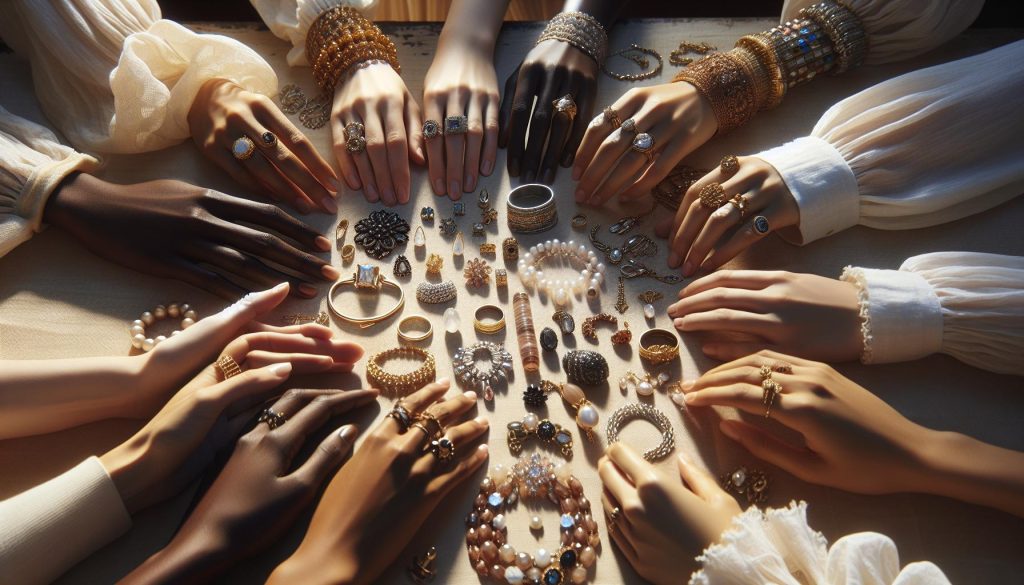
Costume jewellery is an exciting avenue of creative expression, often made from an eclectic mix of materials that allow for affordability and versatility. Understanding what goes into these pieces not only enhances your appreciation but also helps you make informed purchases.
One of the most common materials used in costume jewellery is base metals, which often serve as the foundation for stunning designs. Alloys such as brass, copper, and zinc are frequently employed, providing durability while remaining lightweight. This accessibility means that intricate designs can be created without the high cost associated with precious metals. Additionally, these pieces often receive a layer of plating-usually gold or silver-which can enhance their visual appeal while keeping production costs manageable.
In addition to metals, synthetic materials like acrylic, resin, and glass are prominent in costume jewellery. These substances allow for vibrant colors and creative shapes that wouldn’t be possible with natural materials. For example, glass beads can mimic the appearance of gemstones but at a fraction of the price. Plastics also play a crucial role, offering a lightweight and cost-effective alternative for those looking to accessorize without breaking the bank. Furthermore, modern designs now incorporate textiles and fabrics, adding a unique texture and style to pieces, such as fabric-covered bangles or yarn-based necklaces.
When it comes to embellishment, artificial gems and crystals are oftentimes the stars of the show. These stones can provide dazzling effects and create dramatic statement pieces without requiring a hefty investment. Brands might also incorporate natural stones like agate or quartz in a more limited capacity, providing a backstory of authenticity.
By understanding these materials and how they work together, you can not only pick up pieces that suit your style but ensure they stand the test of time in your collection. With costume jewellery, the world of accessories is vibrant and full of possibilities, encouraging creativity without the constraints typically associated with fine jewellery.
Understanding Different Types of Metals in Costume Jewellery

Many costume jewellery pieces are crafted using a variety of base metals that not only contribute to their aesthetic appeal but also ensure affordability and versatility. One of the most commonly used metals in this realm is brass, known for its gold-like appearance and reasonable cost. In addition to brass, copper and zinc are also prevalent, with zinc often used in alloys to enhance corrosion resistance. These metals are lightweight, making them ideal for larger statement pieces without weighing down the wearer.
Just as important as the choice of base metals is the finishing process. Many costume jewellery items undergo plating-a layer of precious metal, typically gold or silver, is applied over the base metal to enhance visual appeal and mimic more expensive jewellery. This technique not only improves the aesthetic qualities of the piece but also helps protect the underlying metal, offering a semblance of longevity to the jewellery. However, it’s essential to note that over time, the plating may wear off, particularly in areas subject to frequent contact or friction.
When selecting costume jewellery, understanding the type of plating can influence your purchasing decisions. For instance, items with a thicker layer of plating tend to last longer than those with a thinner application. Additionally, items labeled as “gold-filled” or “sterling silver-filled” may offer better durability compared to standard gold plating. Here are some common metal finishes to be aware of:
- Gold Plated: A base metal coated with a thin layer of gold.
- Silver Plated: Similar to gold plating, but with silver.
- Brass: Often used for its rich color and affordability, usually not plated.
- Stainless Steel: Increasingly popular for its strength and hypoallergenic properties.
Being informed about these details can greatly enhance your experience as a buyer, allowing you to choose pieces that not only fit your personal style but also offer durability and value. Whether you’re a casual shopper or a dedicated collector, understanding the nuances of base metals empowers you to make smarter decisions and appreciating the artistry behind costume jewellery.
Exploring Synthetic and Natural Gemstone Options

When it comes to costume jewellery, the choice between synthetic and natural gemstones can significantly impact both the aesthetics and the affordability of your pieces. Natural gemstones, such as amethyst, topaz, and garnet, offer unique textures and hues that can elevate a costume piece, while synthetic alternatives like cubic zirconia and lab-created sapphires provide similar visual appeal at a fraction of the cost. Understanding these options empowers buyers to make informed decisions tailored to their preferences and budgets.
Natural gemstones are celebrated for their unique beauty and historical significance, often featuring natural inclusions and variations that add character. They can be a perfect choice for those seeking timeless elegance, as they lend an air of authenticity to costume jewellery. However, it’s essential to consider that natural stones can be more expensive and may require specific care to maintain their brilliance. For example, amethyst can fade if exposed to prolonged sunlight, so avoiding direct light is crucial in ensuring its longevity.
On the other hand, synthetic gemstones, created in controlled environments, often boast impeccable clarity and vibrant colors. They are typically more durable and less prone to scratching than their natural counterparts, making them ideal for everyday wear or costumes that require bold and vibrant statements. Buyers can find a wide variety of synthetic options that mimic the look of precious stones without the hefty price tag, allowing for greater experimentation with color and design in costume pieces.
Ultimately, selecting between synthetic and natural gemstones comes down to personal preference. Consider the occasion and how often you intend to wear the jewellery. If you’re aiming for a special event, natural stones might feel more appropriate. For everyday pieces, synthetic jewels can offer the flexibility and affordability needed to express your style without breaking the bank.
The Role of Plastics and Resins in Affordable Jewellery
Costume jewellery has gained immense popularity not just for its aesthetic appeal but also for its affordability. One of the key materials contributing to this accessibility is plastic, along with various synthetic resins. These materials allow designers to create vibrant, lightweight, and versatile pieces that mimic the look of more expensive metals and gemstones without the financial burden. The use of plastics and resins has opened up a world of possibilities for both jewellers and consumers, making the art of adornment more inclusive and diverse.
Plastics, such as acrylic and polycarbonate, are often used to craft intricate designs at a lower cost. They can be molded into a variety of shapes, colored in endless hues, and finished in ways that replicate the appearance of glass or precious stones. For instance, a statement necklace made of colorful acrylic can capture attention just like a piece made of genuine gemstones, offering a similar level of creativity and fun in styling. Additionally, these materials are generally more durable and resistant to breakage compared to traditional materials, which is perfect for costume pieces that endure wear during parties or events.
Resins, particularly epoxy resin, are another popular choice for costume jewellery, often utilized in creating unique, eye-catching components like pendants and earrings. They can encapsulate items such as flowers, glitter, or even photos, allowing for deeply personalized jewellery that tells a story. Craft enthusiasts appreciate resin for its versatility in DIY projects, enabling them to create custom pieces that reflect their individual style and creativity. When using resin, it’s important to ensure proper curing and finishing techniques to achieve a polished look.
When incorporating plastics and resins into your jewellery collection, consider these tips for maintenance: keep your pieces away from excessive heat, as high temperatures can warp plastics, and clean them with a soft cloth to avoid scratching. Understanding the advantages of these materials not only empowers buyers but also inspires creativity in how they wear and display their jewellery, blending affordability with style effortlessly. Whether you’re a seasoned collector or a novice, embracing the role of plastics and resins can enhance your jewellery experience, keeping it fun and fresh.
Unique Fabrics and Textiles Used in Costume Pieces
Costume jewellery offers a delightful way to express personal style without the hefty price tag. One of the standout features of many costume pieces is their use of unique fabrics and textiles, which can elevate a basic design into something striking and memorable. From silk and satin to felt and denim, these materials not only provide texture and color but also allow for creative possibilities that traditional metals and gems cannot match.
Popular Fabrics in Costume Jewellery
- Silk and Satin: These luxurious fabrics are often used in fabric-covered bangles or to wrap around intricate earrings. Their sheen catches the light beautifully, adding a touch of elegance.
- Leather: Genuine or faux leather is frequently utilized to create edgy, bohemian-style necklaces and bracelets. The durability of leather makes it ideal for long-lasting pieces.
- Denim: Upcycled denim is a trendy choice for creating whimsical pieces, suitable for casual wear. Its robustness adds a unique flair, often featuring embellishments like beads and embroidery.
- Felt: This soft material is popular for unique brooches and statement earrings, providing a fun, tactile element. Felt can be easily dyed and shaped, allowing for playful designs.
Utilizing these textiles can give costume jewellery a distinctive personality. Take, for instance, necklaces made from braided cotton ropes adorned with wooden or stone beads; they evoke a more casual, artistic vibe, perfect for everyday wear. Incorporating fabric into your jewellery can also appeal to eco-conscious consumers seeking sustainable options; fashioning pieces from repurposed fabric can add a story to your collection.
Care and Maintenance of Fabric-Infused Jewellery
When caring for jewellery involving fabrics, it’s crucial to consider a few practical tips:
- Keep Away from Water: Fabric can absorb moisture, leading to potential damage or stains. It’s best to remove pieces before washing hands or enjoying a swim.
- Store Properly:* Store them flat or hung in a cool, dry place to avoid creases and ensure longevity.
- Spot Clean Only:*** For stains, use a damp cloth and mild detergent, but test on a small area first to prevent discoloration.
By understanding the array of fabrics and textiles used in costume jewellery, you can make informed choices that reflect your unique style and values. Whether creating or collecting, embracing these materials can inspire creativity while providing an opportunity to enjoy beautiful adornments without compromise.
How to Spot Quality Craftsmanship in Costume Jewellery
To truly appreciate costume jewellery, understanding its craftsmanship is essential. Quality craftsmanship not only adds beauty but also ensures durability and value to the piece. When examining a piece of costume jewellery, look for subtle indicators that speak to the skill and attention to detail of the maker. A well-crafted item often displays consistent finishes, secure settings, and uniform color application that enhances the overall aesthetic of the piece.
One important aspect to assess is the construction of the item. Examine clasps, hooks, and connections, ensuring they are sturdy and function smoothly. For necklaces and bracelets, pay attention to how links are joined; soldered connections are typically more reliable than glued ones. A piece designed with care will also have no visible glue marks or unfinished edges.
Another aspect to consider is the quality of materials used. While costume jewellery can incorporate various metals and synthetics, the best pieces will use materials that not only look good but will endure wear. For instance, a piece made with high-quality plated metals will maintain its shine longer and resist tarnishing better than cheaper alternatives. Additionally, check for the consistency and quality of any embellishments, whether they are glass stones, crystals, or beads; they should be secure and exhibit uniform coloration without chips or scratches.
Finally, consider the overall design and originality of the piece. A well-crafted item will often feature thoughtful design elements that enhance its wearability, such as comfortable weight distribution, ergonomic shapes, or adjustable elements that accommodate different styles. Remember, quality craftsmanship incorporates both aesthetic and functional considerations, making the jewellery not just beautiful to look at, but enjoyable to wear.
Essential Care and Maintenance Tips for Costume Jewels
Taking proper care of costume jewellery is paramount for preserving its beauty and longevity. Unlike fine jewellery, which may be crafted from precious metals and gemstones, costume jewellery often utilizes more delicate materials that require special attention. By implementing a few simple strategies, you can ensure your costume pieces remain stunning and wearable for years to come.
First, storage plays a critical role in maintaining the condition of your jewellery. Always keep your costume pieces in a dry, cool place, ideally in a dedicated jewellery box or drawer lined with soft fabric. Avoid storing them in direct sunlight, as UV rays can fade colors and damage materials. To prevent tangling, consider using a jewellery organizer with separate compartments for different pieces. You might also use small bags or pouches to keep individual items protected from scratches.
Cleaning is another essential aspect of care. For most costume jewellery, a gentle approach is best. A soft, lint-free cloth can help remove dirt and oils accumulated from wear without scratching the surface. If a deeper clean is necessary, dampen a cloth with a mixture of mild soap and water, gently wiping the pieces down. Be cautious around settings that house stones or beads; avoid soaking them in water as this may loosen the settings.
Lastly, be mindful of when and how you wear your costume jewellery. It’s advisable to put on your pieces after applying perfumes, lotions, or hair products, which can lead to unwanted residue build-up. Additionally, removing jewellery before swimming or exercising can help prevent tarnishing and damage. Taking these proactive measures not only enhances your costume jewellery’s lifespan but also ensures it remains a beautiful addition to your outfit.
DIY: Creating Your Own Costume Jewellery at Home
Creating your own costume jewellery at home is not only a fun and creative outlet, but it also allows you to personalize your accessories to reflect your unique style. Whether you’re looking to craft simple beaded necklaces, intricate wire-wrapped designs, or even fabric-based pieces, the options are endless. Engaging in DIY jewellery making can also be a great introduction to various materials typically found in costume jewellery, such as plastics, metals, and textiles, enabling you to experiment without breaking the bank.
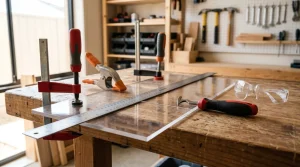
To get started, gather a basic toolkit that includes essential items like pliers, wire cutters, and a selection of beads or charms. You might want to explore using recycled materials as well; old pieces of jewellery can be repurposed into something completely new. For instance, a broken necklace can be transformed into earrings or a bracelet. Consider these materials when creating your own pieces:
- Beads: These can range from glass and plastic to wood and metal, allowing for a wide range of textures and colors.
- Wire: Use jewelry-grade wire to create structures; aluminum or copper wires are easily manipulated.
- Fabric: Soft textiles can be cut and sewn into unique designs, perfect for statement earrings or brooches.
- Resins: Easy to mold and can be tinted with colors to create one-of-a-kind components.
Step-by-Step Guide to Creating a Simple Beaded Necklace
- Select your materials: Choose a combination of beads that resonate with your style. You can arrange them on your work surface to visualize your design.
- Measure the length: Cut a piece of jewellery wire to your desired necklace length plus a couple of inches for securing it.
- String the beads: Begin threading your beads onto the wire in your chosen order. Make sure to leave enough space at both ends for the clasps.
- Secure the ends: Once your design is complete, use a crimp bead to secure the ends. You’ll need to flatten it with pliers to ensure it doesn’t slip.
- Attach the clasps: Hook the clasps onto each end, ensuring everything is tightly secured.
Don’t forget to share your creations with friends and family; you might even spark an interest in homemade jewellery-making among them! With practice, you can refine your skills and even venture into more complex techniques, such as soldering or soldering resins for intricate designs. Embrace the learning process, have fun, and let your imagination guide your DIY costume jewellery journey.
Styling Tips: Pairing Costume Jewellery with Outfits
There’s a magical art to styling costume jewellery that can elevate any outfit, turning a simple ensemble into a statement look. Costume jewellery often features vibrant colors, unique shapes, and playful designs, making it an essential accessory for expressing personal style. When it comes to pairing these jewels with outfits, the key is to balance bold pieces with the right clothing and to consider the occasion, ultimately enhancing your overall look while showcasing your personality.
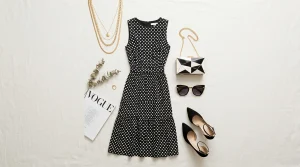
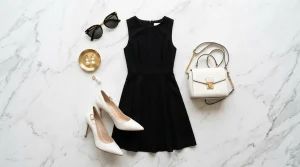
Start by considering the colour and texture of your jewellery. For example, if you’re wearing a classic little black dress, opt for oversized, brightly colored earrings or a chunky statement necklace to create a striking contrast. Metallics can also play well; pairing gold or silver jewellery with more muted tones can add a touch of elegance without overwhelming your outfit. If your attire is patterned or has intricate designs, choose simpler jewellery to avoid clashing, such as delicate rings or stud earrings that complement rather than compete with your clothing.
Occasion Matters
Different settings require different approaches. For a more formal event, consider wearing understated yet glamorous pieces; think of fine chains with subtle pendants or stud earrings adorned with crystals. In contrast, for casual outings or festivals, don’t hesitate to play with fun, eclectic combinations like mixing multiple bangles or layering necklaces of various lengths. This can create a laid-back yet stylish vibe, perfect for informal gatherings or day trips.
Balance and Proportion
Additionally, keep in mind the balance and proportion of your jewellery. A heavy statement necklace works beautifully with a low-cut or boat-neck top, drawing attention to your collar. Conversely, long, dangling earrings can elongate the neck and are perfect for tops with a higher neckline. The goal is to draw the eye to your best features while ensuring that your jewellery complements rather than overwhelms your outfit.
With multiple possibilities in styling, let your creativity shine through! Don’t shy away from experimenting with costume jewellery. Layering, contrasting, and mixing styles can create an identity that is uniquely yours. Whether you’re dressing up for a soirée or adding flair to everyday wear, well-chosen costume jewellery can serve as the perfect finishing touch to any outfit. Embrace the joy of accessorizing and let your costume jewellery tell your story.
Understanding the Market: Buying New vs. Vintage Costume Jewellery
When it comes to enhancing your accessory collection with costume jewellery, the choice between new and vintage pieces can define not only your style but also your shopping experience. Vintage costume jewellery often carries with it a sense of history and uniqueness that new pieces may lack. Charmingly distinct, vintage items are typically handcrafted, showcasing craftsmanship that might not be replicated in modern factories. Buyers are not just purchasing an accessory; they’re acquiring a piece of the past, complete with its own stories and character.
On the other hand, new costume jewellery tends to reflect current trends, utilizing contemporary materials and styles to appeal to modern tastes. New pieces often benefit from improved manufacturing techniques and materials, meaning they might be more durable and free of the wear-and-tear often seen in older jewellery. However, this means they may lack the individuality that vintage items exude. It’s essential to consider factors such as design, wearability, and personal aesthetic when making a decision.
Assessing Quality
Regardless of your choice, the quality of the materials used is crucial. For vintage items, pay attention to details like base metals, finishes, and the presence of hallmarks, which can indicate a piece’s age and authenticity. Look for signs of craftsmanship, such as intricate designs, smooth finishes, and the weight of the jewellery-heavier pieces typically suggest higher quality materials. In contrast, when selecting new jewellery, focus on reputable brands and retailers to ensure that the materials are both stylish and durable.
Tips for Buying
When navigating the market, whether for new or vintage pieces, consider these tips:
- Always research the seller’s reputation to avoid counterfeit items.
- For vintage, check return policies as well as quality guarantees.
- Examine new pieces for craftsmanship-look for loose stones or weak clasps.
- Embrace the adventure of finding unique vintage pieces in thrift shops or online marketplaces.
Ultimately, whether you choose to buy new or vintage costume jewellery, both options offer valuable pathways to express personal style. Each has its merits and limitations, and being aware of them allows you to make informed and satisfying choices in your accessory journey.
Starting a Costume Jewellery Business: Key Considerations
Starting a costume jewellery business can be a thrilling venture, combining creativity with commerce. The excitement of turning your passion for design into a profitable venture is palpable, but it requires keen planning and insight into materials, market trends, and customer preferences. One of the first considerations is the materials you choose to work with; understanding the market allows you to offer unique pieces that resonate with your audience. Common materials in costume jewellery, such as base metals, plastics, and resin, can be not only cost-effective but also serve as a canvas for imaginative designs.
Market research plays a crucial role in your business strategy. Knowing what styles and materials are trending can guide your collections and help you connect with your target audience. For instance, eco-friendly materials like recycled metals or ethically sourced stones are gaining traction as consumers become more environmentally conscious. This opens opportunities to market your pieces not just as jewellery but as a statement of values. Additionally, establishing an online presence through social media and an e-commerce website can amplify your reach far beyond your local community.
Another key factor is branding and storytelling. Each piece you create should have a story that potential buyers can connect with. This could be inspired by cultural elements, personal narratives, or even the origin of the materials used. For instance, if you utilize natural gemstones, consider sharing information about their sourcing and significance. This approach not only attracts customers but also builds brand loyalty.
Finally, focus on customer service and engagement. Offering personalized experiences, such as custom designs or consultations, enhances the buying experience and encourages repeat business. Utilize social platforms to gain feedback and foster a community around your brand. As you navigate the challenges and joys of starting your costume jewellery business, let your passion and knowledge of materials shine through in every piece you create.
Authentication Methods for Identifying Costume Jewels
To navigate the vibrant world of costume jewellery, understanding how to authenticate pieces is vital for collectors and enthusiasts alike. Costume jewellery can often mimic the appearance of fine jewellery, which makes identifying genuine elements crucial for discerning quality and value. One of the primary methods to authenticate costume gems involves closely examining the markings and materials used. Many reputable brands will stamp their pieces with the logo or name, which serves as a hallmark of authenticity. If no markings are present, research into the specific style or design can provide crucial insights, as many designers have recognizable characteristics.
Another approach is to conduct a sensory evaluation of the piece in question. Touch the materials to distinguish between the weight and feel of plastics, resins, or metal variants. Genuine metals tend to be heavier than their plastic counterparts, and an experienced jeweller can identify the subtle differences in texture and sound when pieces are lightly tapped together. For instance, high-quality pieces made from metals like gold-plated or sterling silver will emit a richer sound compared to base metals. Furthermore, observing the craftsmanship details-such as the settings of stones and the uniformity of beadwork-can provide essential clues. High-quality costume jewellery often features meticulous details that reflect better craftsmanship.
In addition to visual and tactile checks, learning about the specific materials involved can be helpful in authentication. For example, if the piece features stones, understanding the difference between glass and real gemstones can be pivotal. Use a jeweller’s loupe or magnifying glass to examine the stones closely; natural gems often display unique inclusions or variations in color, while glass tends to exhibit uniformity and can show bubbles or other imperfections. The color and clarity of synthetic gems can also offer vital hints about authenticity.
Lastly, to refine authentication techniques, it may be beneficial to engage with jewellery communities or attend workshops. These resources can offer practical advice and expose you to real-world examples of both costume and fine jewellery. Building your knowledge base through hands-on experience will not only empower you to identify authentic pieces but also enhance your overall appreciation of costume jewellery. Whether you’re a seasoned collector or a newcomer, mastering the art of authentication will elevate your confidence and enthusiasm as you curate your collection.
Frequently asked questions
Q: What is the difference between costume jewelry and fine jewelry?
A: Costume jewelry is made from less expensive materials, like base metals and synthetic stones, making it more affordable and trendy. Fine jewelry, on the other hand, is crafted from precious metals and genuine gemstones, designed for longevity and investment. Understanding these differences helps buyers choose wisely [[1]].
Q: How can I tell if costume jewelry is of good quality?
A: To assess the quality of costume jewelry, check for solid construction without visible seams, secure settings for gems, and a smooth finish. High-quality pieces often feature durable plating and a heavier weight, indicating better materials. Refer to our section on spotting quality craftsmanship for detailed tips [[1]].
Q: Are there health risks associated with wearing costume jewelry?
A: Yes, some costume jewelry can contain nickel and other allergens that may cause skin irritation. Look for allergy-free options or those labeled as hypoallergenic to minimize risks. For more details on caring for your pieces and ensuring your safety, visit our care and maintenance tips [[1]].
Q: What should I consider when buying vintage costume jewelry?
A: When purchasing vintage costume jewelry, assess the condition, look for maker’s marks, and check for authenticity. Understand the market value and trends to ensure a good investment. For insights on understanding the market, check our article section on buying new vs. vintage [[1]].
Q: Can costume jewelry be repaired if damaged?
A: Yes, many costume jewelry pieces can be repaired, depending on the damage’s extent. Simple fixes like reattaching clasps or replacing stones are manageable. For more complex repairs, consult a professional jeweler. Explore our DIY section for tips on minor repairs [[1]].
Q: How do I store my costume jewelry to prevent damage?
A: Store costume jewelry in a cool, dry place, away from direct sunlight. Use individual pouches or compartments to avoid tangling and scratches. For detailed storage tips and care strategies, refer to our essential care and maintenance section [[1]].
Q: What trends are currently popular in costume jewelry?
A: Current trends in costume jewelry include bold statement pieces, layered necklaces, and sustainable materials. Keep up with new styles to make fashionable choices. For a comprehensive look at what’s trending, browse our costume ideas section [[1]].
Q: How do I clean costume jewelry without damaging it?
A: To clean costume jewelry safely, use a soft cloth and mild soap mixed with water. Avoid abrasive materials and chemicals that can tarnish or damage the finish. For more cleaning methods and maintenance tips, check our essential care section [[1]].
To Wrap It Up
Now that you’ve uncovered what costume jewellery is made of, you’re better equipped to make smart choices that enhance your style without breaking the bank. Remember, understanding materials is key to selecting pieces that suit your individual aesthetic and occasion. Don’t wait-explore our extensive guides on jewellery care and crafting DIY pieces to elevate your collection even further.
Feeling inspired? Check out our articles on cleaning metals and gems or styling advice to keep your jewellery looking pristine! Your journey into the world of jewellery doesn’t have to end here. Sign up for our newsletter for the latest tips, trends, and exclusive offers that cater to both budding enthusiasts and seasoned collectors. Share your thoughts in the comments below, and let us know which materials resonate with you the most. Happy styling!
Expert Guide & Insights: Where Are Tiffany Bags Made
When exploring where are tiffany bags made, consumers, collectors, and fashion enthusiasts frequently encounter conflicting advice regarding material composition, wearability, authenticity verification, and long-term maintenance. In this specialized guide section, we provide an expert breakdown of key considerations, care recommendations, and practical solutions.
| Key Consideration | Primary Mechanism / Feature | Recommended Action | Value / Durability Impact |
|---|---|---|---|
| Material Integrity & Alloys | Purity standards (925 silver, 14k/18k gold, titanium, acrylic polymers) | Check official hallmark stamps and certificates before purchase | ★★★★★ High durability & heirloom retention |
| Daily Wear & Environmental Factors | Exposure to moisture, sulfur, sweat, perfume, and abrasive friction | Remove accessories before swimming, heavy workouts, or applying cosmetics | ★★★★☆ Prevents tarnish, chipping, and fading |
| Long-Term Storage & Cleaning | Atmospheric oxidation and chemical exposure over time | Store in airtight zip pouches with silica desiccant; polish with soft cloth | ★★★★★ Restores original mirror luster |
Frequently Asked Questions: Where Are Tiffany Bags Made
What should I know about where are tiffany bags made?
Detailed examination reveals that addressing where are tiffany bags made depends on proper handling, choosing hypoallergenic materials, and adhering to routine cleaning protocols.
How can I preserve the quality and appearance of my pieces?
Always store items individually to prevent scratch contact, avoid harsh chemical detergents or chlorine pools, and use specialized polishing cloths designed for precious metals and acrylics.
Get our latest guides, news, and insights highlighted in your Google Search & AI Overviews.