Have you ever admired a stunning piece of jewellery and wondered about the skilled hands behind it? Those artisans are known as jewellers, professionals who design, create, and repair jewellery. This career not only allows for creative expression but also offers a pathway to entrepreneurship. In this spotlight on jewellery makers, we’ll explore the fascinating world of this craft. Whether you’re an aspiring jeweller or a passionate collector, understanding this profession can deepen your appreciation for the art and unlock valuable insights into jewellery care, style, and business. Join us as we delve into the essential skills, materials, and opportunities in the world of jewellery making, and discover how you can cultivate your own passion for this timeless art.
What Does a Jewellery Maker Do?
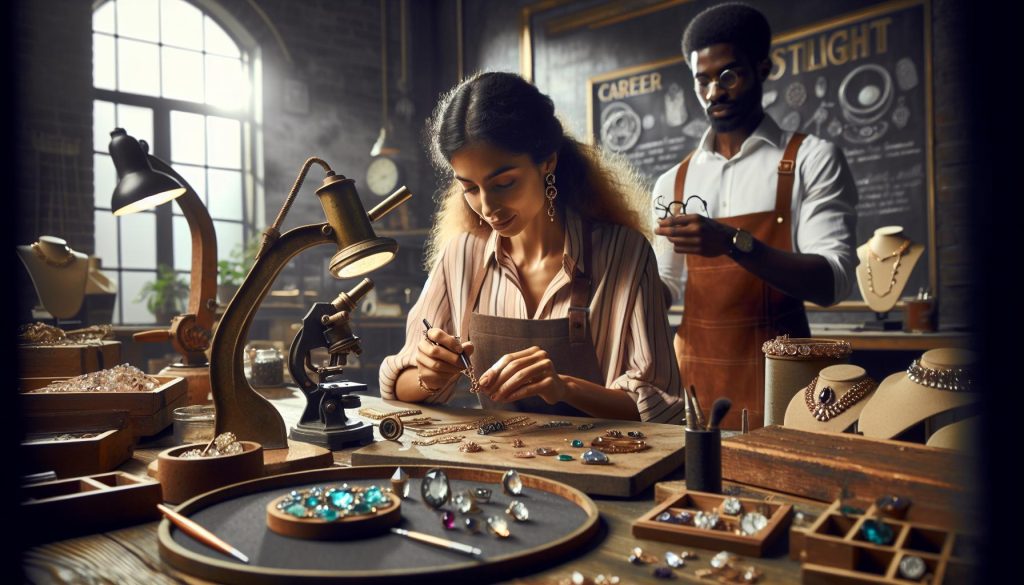
Crafting exquisite jewellery is an art that merges creativity with technical skill, making the role of a jewellery maker both rewarding and multifaceted. At its core, a jewellery maker designs, creates, and repairs various types of jewellery, harnessing their expertise in materials and techniques to bring unique pieces to life. This role often begins with conceptualizing designs that reflect current trends or personal client requests, followed by selecting appropriate materials, which could range from precious metals and gems to alternative materials like resin or recycled components.
Once a design is established, the jewellery maker meticulously transforms raw materials into finished pieces. This process may involve techniques such as casting, soldering, stone setting, and polishing. A deep understanding of these techniques ensures that each piece not only meets aesthetic standards but also stands the test of time. Additionally, jewellery makers often collaborate with gemologists to source quality stones and may even offer services such as custom designs or repairs, making them versatile professionals in the jewellery industry.
Moreover, staying updated on industry trends and customer preferences is crucial for success. Many jewellery makers engage in continuous learning through workshops or courses, allowing them to adopt new styles and technologies, such as 3D printing. By combining artistry with craftsmanship and market awareness, jewellery makers play a vital role in the fashion and luxury goods sectors, creating pieces that are cherished for their beauty and significance.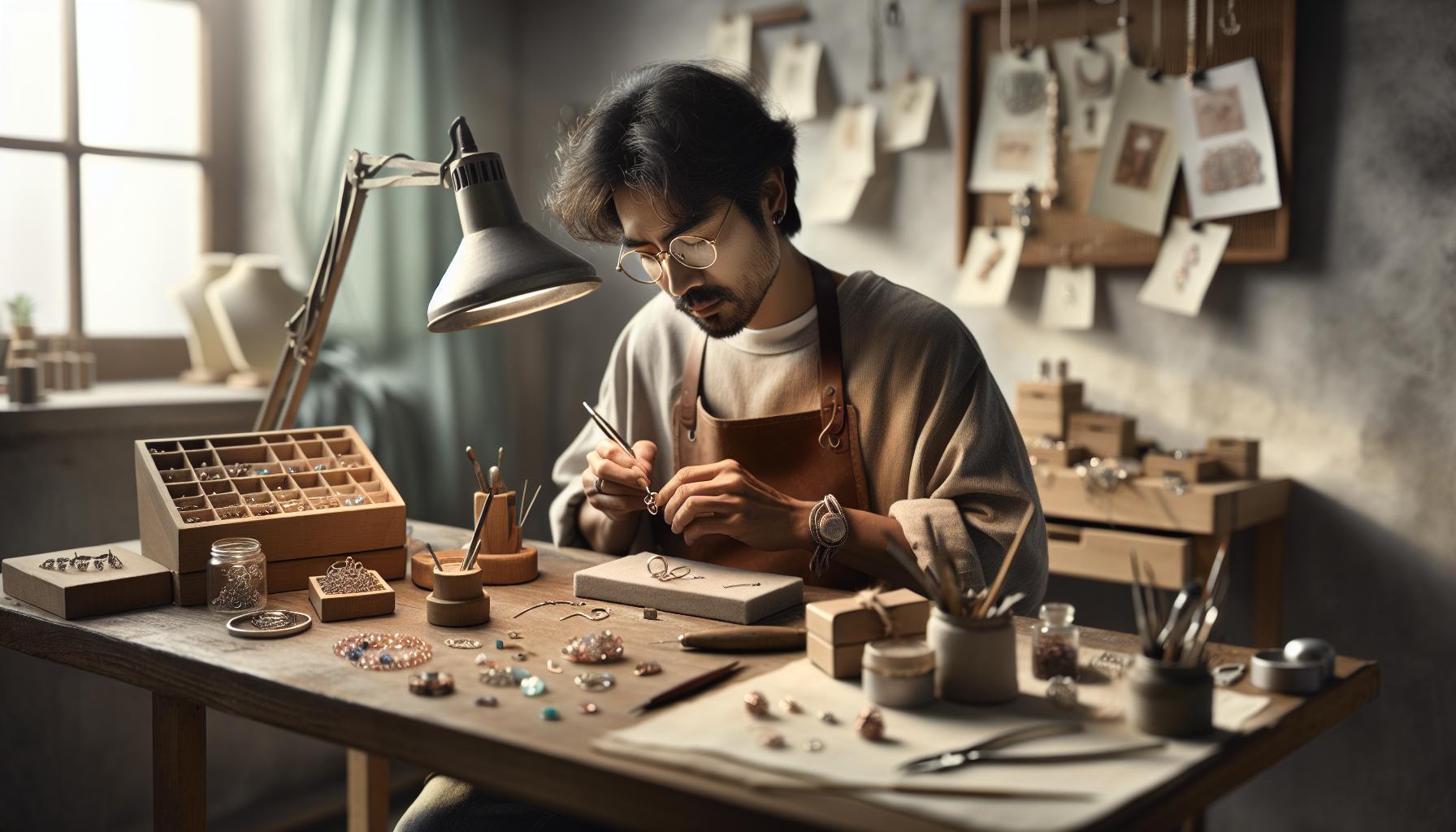
Essential Skills for a Successful Jeweller
Crafting beautiful and enduring jewellery requires a unique blend of artistic flair and technical expertise. A successful jeweller must hone several essential skills to thrive in this creative field. Mastery of these skills not only enhances their craftsmanship but also helps build a strong reputation in a competitive market.
One of the most critical skills is design capability. A jeweller must be able to envision and sketch designs that resonate with client preferences and current trends. This requires a keen understanding of aesthetics and an ability to translate ideas into tangible pieces. Additionally, proficiency in technical skills such as soldering, stone setting, and metalworking is paramount. Each technique plays a pivotal role in ensuring that the final product is both beautiful and durable. For instance, correctly setting a stone not only enhances the design but also secures the gem, preventing loss or damage.
Attention to detail is another indispensable quality. From the initial sketch to the final polish, a jeweller must maintain high precision to create flawless pieces. This skill allows them to detect imperfections early in the process, saving time and resources. Beyond technical skills, effective communication is essential. Engaging with clients to understand their vision, providing updates on custom work, and explaining care requirements are all part of a jeweller’s role. Strong interpersonal skills foster trust and encourage repeat business as clients feel valued and understood.
Finally, a commitment to continuous learning keeps a jeweller ahead of industry trends and technological advancements. This might include attending workshops on new techniques or exploring modern tools such as 3D printing. By remaining adaptable and eager to learn, jewellers not only enhance their skills but also expand their creative horizons, allowing them to offer innovative designs and services.
In summary, the path to becoming a successful jeweller marries creativity with technical know-how, requiring continuous skill development and a keen understanding of both art and client engagement. These essential skills shape not just the craftsman but also the artist capable of weaving stories through exquisite pieces of jewellery.
Materials Used in Jewellery Making
Crafting jewellery is an art that heavily relies on a diverse array of materials, each contributing to the final piece’s beauty and functionality. The choice of materials can dramatically influence the overall aesthetic, durability, and value of the jewellery, making this a crucial aspect for any jeweller. Understanding these materials not only enhances creativity but also empowers artists to make informed decisions in their designs.
Common Materials in Jewellery Making
The can be broadly categorized into metals, gemstones, and synthetic materials.
- Metals: Precious metals like gold, silver, and platinum are popular due to their beauty and resistance to tarnish. Gold can be alloyed with other metals to create variations such as white gold and rose gold, adding diversity to designs. Silver, particularly sterling silver, is favored for its affordability and malleability.
- Gemstones: These can be natural or synthetic. Natural gemstones like diamonds, rubies, and sapphires are prized for their rarity and unique characteristics. Synthetic stones, such as lab-created sapphires and cubic zirconia, offer a cost-effective alternative without compromising on aesthetic appeal.
- Synthetic materials: These include resins and plastics, which are increasingly popular among contemporary jewellers for their versatility and vast color range. They allow for innovative designs that may not be feasible with traditional materials.
Choosing the Right Material
When selecting materials for jewellery, consider both the intended audience and the piece’s purpose. For instance, engagement rings often require durable materials that can withstand daily wear, while fashion jewellery might prioritize unique design and statement elements over longevity. Additionally, understanding the properties of different materials-such as weight, hardness, and color-can help in creating well-balanced and aesthetically pleasing pieces.
Working with Materials
It’s beneficial for jewellers to experiment with various materials to grasp their unique properties and how they interact with different techniques. For example, softer metals are easier to work with but may require more care when worn, while harder gemstones necessitate precise setting techniques. By continually exploring material options, jewellers can expand their creative repertoire and offer clients increasingly unique and personalized items.
In conclusion, selecting the right materials is a foundational skill for jewellers. By understanding the characteristics and potential applications of these materials, creators can craft stunning jewellery pieces that resonate with beauty and craftsmanship.
Understanding Different Jewellery Techniques
Mastering various techniques is essential for anyone looking to excel in jewellery making. Each technique opens up new avenues for creativity and craftsmanship, enabling artists to transform raw materials into exquisite adornments. Understanding the different methods involved not only enhances a jeweller’s skill set but also allows for the creation of unique pieces that stand out in an ever-evolving market.
One of the foundational techniques in jewellery making is soldering. This process involves melting a filler metal to join two pieces together, creating a permanent bond that can withstand the test of time. For instance, understanding different solder types-such as easy, medium, and hard-can help jewellers choose the right one based on the metals used and the desired outcome. Another vital technique is stone setting, which determines how gemstones are held in place, directly influencing the piece’s overall aesthetics and durability. From prong and bezel settings to more intricate styles like pavé, mastering stone setting can elevate a simple design into a stunning masterpiece.
Another indispensable method is metalworking, which encompasses various skills such as forging, stamping, and creating textures. Forging involves hammering metal to shape it, while stamping allows designers to create patterns on the surface. These techniques add depth and character to pieces, helping to imbue them with a distinct personality. Moreover, casting is a revolutionary approach that enables jewellers to create detailed and complex designs by pouring molten metal into molds. This method, utilized in creating everything from rings to intricate pendants, offers a powerful way to replicate designs and produce unique items at scale.
Lastly, engaging in wirework can be a delightful way for beginners to enter the world of jewellery making. Techniques like wrapping, coiling, and weaving wire allow crafters to create intricate designs without the need for advanced tools. By experimenting with various wires and components, beginners can develop their style while gaining confidence. As they explore different techniques, they not only enhance their craftsmanship but also discover their unique artistic voice in the vibrant world of jewellery making.
Tools Every Jeweller Should Have
Equipping yourself with the right tools is essential for any jeweller, whether you’re a seasoned artisan or a newcomer eager to explore the world of jewellery making. Having the appropriate tools not only enhances your creative abilities but also increases efficiency and precision in your projects. Here’s a guide to the essential to craft stunning pieces with confidence.
Basic Hand Tools
To kickstart your jewellery-making journey, it’s vital to invest in a few basic hand tools:
- Pliers: A set of various pliers, including round-nose, flat-nose, and chain-nose, will enable you to manipulate wire and components easily. Each type of plier serves a unique purpose, making them indispensable for tasks like bending wire into shapes or opening and closing jump rings.
- Cutters: A good pair of wire cutters is essential for trimming and shaping metal and wire. Opt for flush cutters for clean, precise cuts that minimize any sharp edges.
- Metal files come in different shapes and sizes to smooth rough edges and surfaces. Finishing your pieces with the right file ensures a polished and professional look.
- Hammer: Hammers are not only used for metalworking but also for texturing and shaping. A ball-peen hammer is great for shaping and flattening, while a rubber or rawhide hammer can prevent damage when forming delicate components.
Specialized Tools
Once you have the basics covered, the next step is to acquire some specialized tools that can broaden your capabilities:
- Soldering Kit: For anyone venturing into metalwork, a soldering kit (including a soldering iron, solder, and flux) is crucial. This kit helps in joining pieces of metal securely.
- Stone Setting Tools: Tools like bezel pushers and prong lifters are essential for setting stones into your designs. They allow you to work delicately and accurately to showcase your gemstones beautifully.
- Mandrels: A mandrel, often used for shaping rings and bracelets, provides the perfect form to ensure your jewellery retains its intended shape.
- Bench Jeweller’s Saw: This tool is perfect for intricate cuts and designs. With the right blades, you can achieve fine detail in your jewellery pieces.
Essential Workstation Components
Having a well-organized workspace enhances creativity and efficiency. Here are some items to consider for your jewellery-making station:
- Jeweller’s Bench: A sturdy workbench is essential for any jeweller. Look for benches that come equipped with a vise and drawers for tool storage, allowing easy access to your equipment while you work.
- Lighting: Good lighting is key to spotting fine details as you work. A bright, flexible lamp can make a significant impact on your ability to see what you’re doing.
- Magnification Tools: Opt for a magnifier or jeweller’s loupe that can help you see fine details and ensure precision in your work.
With these tools at your disposal, you’ll be well on your way to creating beautiful and unique jewellery pieces. Take the time to familiarize yourself with each tool’s purpose and best practices to craft with confidence and innovation. Embrace your creativity, and remember that the right equipment can significantly influence your journey as a skilled jeweller.
DIY Jewellery: Getting Started with Crafting
Embarking on the journey of jewellery crafting opens up a realm of creativity where your imagination can take shape in unique, tangible forms. Whether you’re drawn to beading, metalwork, or resin creations, the process is as fulfilling as it is exciting. To get started without feeling overwhelmed, focus on a few fundamental steps that will guide your transition from a novice to a confident creator.
Begin by gathering your materials. Start simple with beads, wire, and connectors, which are easily accessible at craft stores. As you grow more comfortable, consider expanding into different materials such as metals, stones, or even fused glass. Familiarizing yourself with your chosen materials not only enhances your skill set but also sparks new ideas for designs. Don’t forget to sketch out your ideas-putting pen to paper can help visualize the final piece and streamline your crafting process.
Next, getting familiar with essential techniques is key. A few fundamental skills include stringing beads, basic knotting for bracelets, and simple wire wrapping which can add significant detail to your pieces. Look for online tutorials or local workshops that can provide hands-on instruction. Many experienced jewellers share valuable tips through video demonstrations, making it easier to grasp complex techniques and troubleshoot challenges.
Finally, creating a conducive workspace is essential to maintain your enthusiasm. Dedicate a small area in your home where you can leave your tools and projects out without clutter or interruptions. Good lighting, comfortable seating, and storage for your materials will not only keep you organized but also make the crafting process more enjoyable.
As you experiment with DIY jewellery making, remember that mistakes are part of the learning process! Each piece you create, whether a stunning success or a lesson in design, contributes to your growth as a jeweller. Embrace your creativity and enjoy the journey of bringing your unique visions to life.
Popular Styles in Contemporary Jewellery
Contemporary jewellery has become a vibrant canvas for creativity, showcasing an array of styles that reflect individuality and modern aesthetics. One of the most popular trends is *minimalism*, characterized by simple lines, geometric shapes, and an overall understated elegance. This style emphasizes quality over quantity, often featuring pieces made from precious metals like gold and silver, which can be layered or worn alone for a subtle yet stylish look.
Another standout style is *bohemian jewellery*, which draws inspiration from various cultures and nature, often incorporating natural stones, beads, and intricate designs. The boho aesthetic is all about free-spirited expression, making it a favorite among those who appreciate eclectic and unique fashion statements. Pieces such as statement necklaces and oversized earrings are hallmarks of this style, allowing for personal expression through a collection of vibrant colors and textures.
Contemporary Artisan Trends
In recent years, there has been a significant rise in the *artisan jewellery movement*, where makers focus on handmade, one-of-a-kind pieces that tell a story. These artisans often utilize sustainable materials and ethical practices, resonating with environmentally conscious consumers. Techniques such as upcycling vintage pieces or using reclaimed metals are becoming prevalent, providing a unique twist on traditional designs.
Furthermore, technology has influenced modern styles, with *3D printing* enabling jewellers to create intricate designs that were previously unattainable. This innovation allows for customizable pieces that cater to individual tastes, offering customers the chance to own jewellery that is distinctly theirs. Additionally, *wearable art* has emerged, where jewellery transcends functionality to become a statement piece that reflects the wearer’s identity-promoting a blend of artistic expression and fashion.
Ultimately, whether drawn to the simplicity of minimalism or the vibrancy of bohemian styles, contemporary jewellery offers diverse options that cater to every taste and occasion. Embracing these styles provides not just an accessory, but an opportunity to express one’s personal narrative through thoughtfully crafted pieces.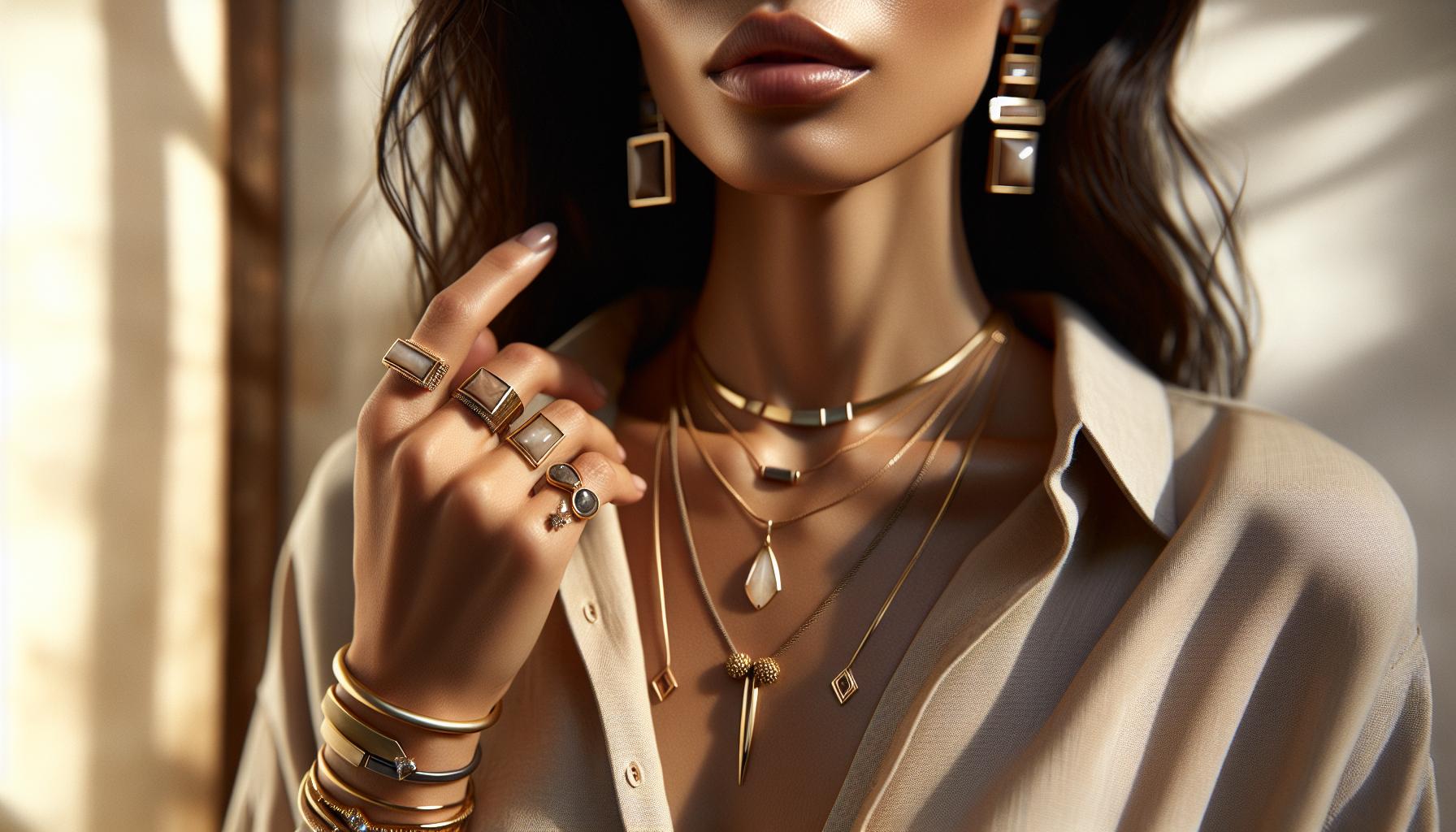
Caring for Your Jewellery: Maintenance Tips
Taking care of your jewellery is crucial not only for maintaining its beauty but also for extending its lifespan. With the right maintenance techniques, your cherished pieces can continue to shine and dazzle for years to come. Understanding the materials used in your jewellery will inform your care routine, as different metals and gemstones have varying levels of durability and sensitivity to cleaning agents and environmental factors.
To keep your jewellery looking its best, here are some practical maintenance tips:
- Regular Cleaning: Clean your jewellery regularly using a soft cloth to remove oils and dirt. For metals like gold and silver, use a specialist cleaner or a mild soap solution. Avoid harsh chemicals that can damage stones.
- Storage: Store pieces separately to prevent scratches and tangling. Use a dedicated jewellery box with padded compartments, or soft pouches for more delicate items.
- Avoid Exposure: Keep jewellery away from chlorine, salt water, and cleaning products. Remove it before swimming, exercising, or doing household chores to prevent wear and tear.
- Periodic Check-ups: Regularly inspect your jewellery for loose stones or broken clasps and repair them promptly. Addressing small issues early can prevent larger damage down the line.
When cleaning specific stones, always research the best method for each type. For example, pearls should be wiped gently with a damp cloth rather than soaked, while diamonds can benefit from a safe ultrasonic cleaner for thorough cleansing. By investing time in proper care, you not only enhance the appearance of your collection but also safeguard the investment you’ve made in your jewellery. Remember, routine care today leads to stunning pieces for tomorrow’s memories.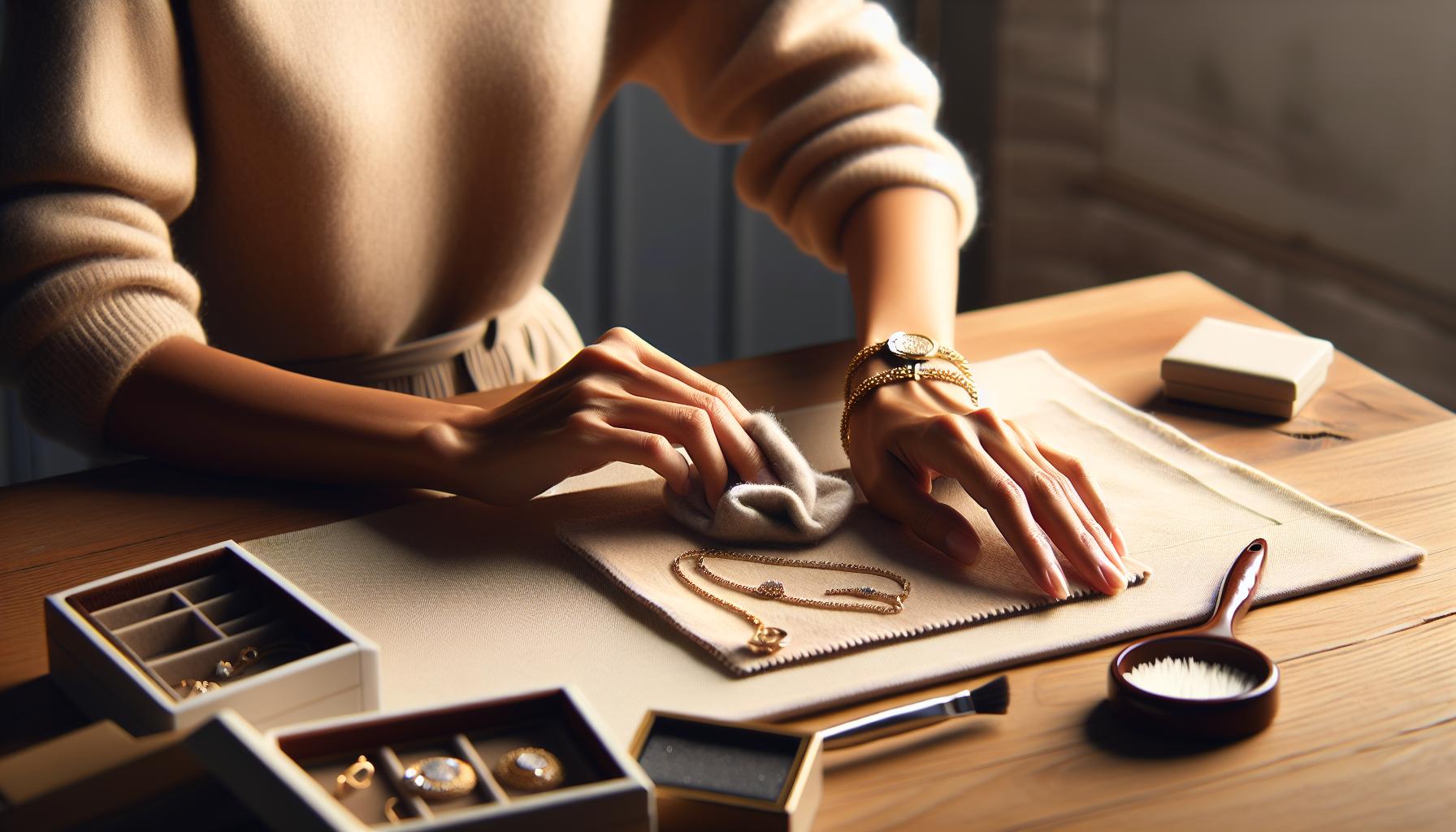
How to Start Your Own Jewellery Business
Starting a jewellery business is an exciting venture that combines creativity with entrepreneurship. Did you know that the global jewellery market is expected to reach over $480 billion by 2025? This booming industry presents numerous opportunities for aspiring jewellers to showcase their unique designs and craftsmanship. Whether you’re a skilled artisan or just beginning your journey, understanding the steps to establish your own jewellery brand can set you on the path to success.
The first step involves defining your niche. Consider what type of jewellery resonates with you-be it handmade, vintage-inspired, or contemporary designs. Research your target audience to understand their preferences and buying habits. Once you’ve identified your style, develop a signature line that reflects your unique vision. Alongside product creation, crafting a compelling brand story can help you connect with customers on a personal level.
Next, it’s crucial to establish a strong online presence. In today’s digital marketplace, platforms like Etsy, Shopify, or even social media sites like Instagram and Pinterest can be invaluable for visibility and sales. Create a professional website showcasing your product offerings, complete with high-quality images and engaging descriptions. Engaging with your audience through social media can build community and loyalty around your brand.
After setting up your digital storefront, focus on your supply chain and production process. Source sustainable materials whenever possible, which not only appeals to eco-conscious consumers but also enhances your brand’s credibility. Establish a smooth workflow for designing, creating, and packaging your jewellery to ensure efficiency and quality. Also, consider product pricing carefully-factor in costs of materials, time spent, and market rates to establish a price point that reflects value while remaining competitive.
Lastly, marketing plays a pivotal role in a jewellery business. Leverage social media campaigns, influencer partnerships, and local craft fairs to promote your products. Encourage customer reviews and testimonials to build trust. As your business grows, continue to adapt and innovate, responding to market trends and customer feedback. Building a jewellery business is not just about selling beautiful pieces; it’s about creating lasting relationships with your customers and infusing your passion into every piece.
Strategies for Selling Handmade Jewellery Online
Selling handmade jewellery online can be a rewarding venture, especially in an industry where unique, personal pieces are highly valued. With the rise of e-commerce, artisans have a platform to showcase their creativity and craftsmanship to a global audience. However, navigating this competitive landscape requires strategic thinking and deliberate actions to stand out.
One effective approach is to leverage multiple platforms tailored for artists and artisans. Websites such as Etsy and Shopify are popular for handmade goods, allowing sellers to create stunning storefronts that reflect their brand identity. Social media platforms like Instagram and Pinterest can also be invaluable marketing tools, showcasing beautiful images of your jewellery while engaging directly with potential customers. Regularly share behind-the-scenes content, styling tips, and customer testimonials to create a community around your brand and build rapport with your audience.
Moreover, storytelling is crucial in selling handmade jewellery. Consumers today seek meaningful connections with the products they purchase. Share the inspiration behind your designs, the materials used, and the techniques employed in crafting each piece. This not only enriches the customer’s experience but also differentiates your brand from mass-produced alternatives. Consider creating a “design journey” feature on your website or social media, where you document the process from concept to completion.
Finally, ensure that your customer service is top-notch. Prompt responses to inquiries, clear communication about shipping times, and handling of returns can significantly enhance customer satisfaction. Incorporating a well-structured customer feedback loop will help you understand your audience better and adjust your product offerings accordingly. Remember, every sale is an opportunity to build a relationship; happy customers often lead to repeat business and valuable word-of-mouth referrals.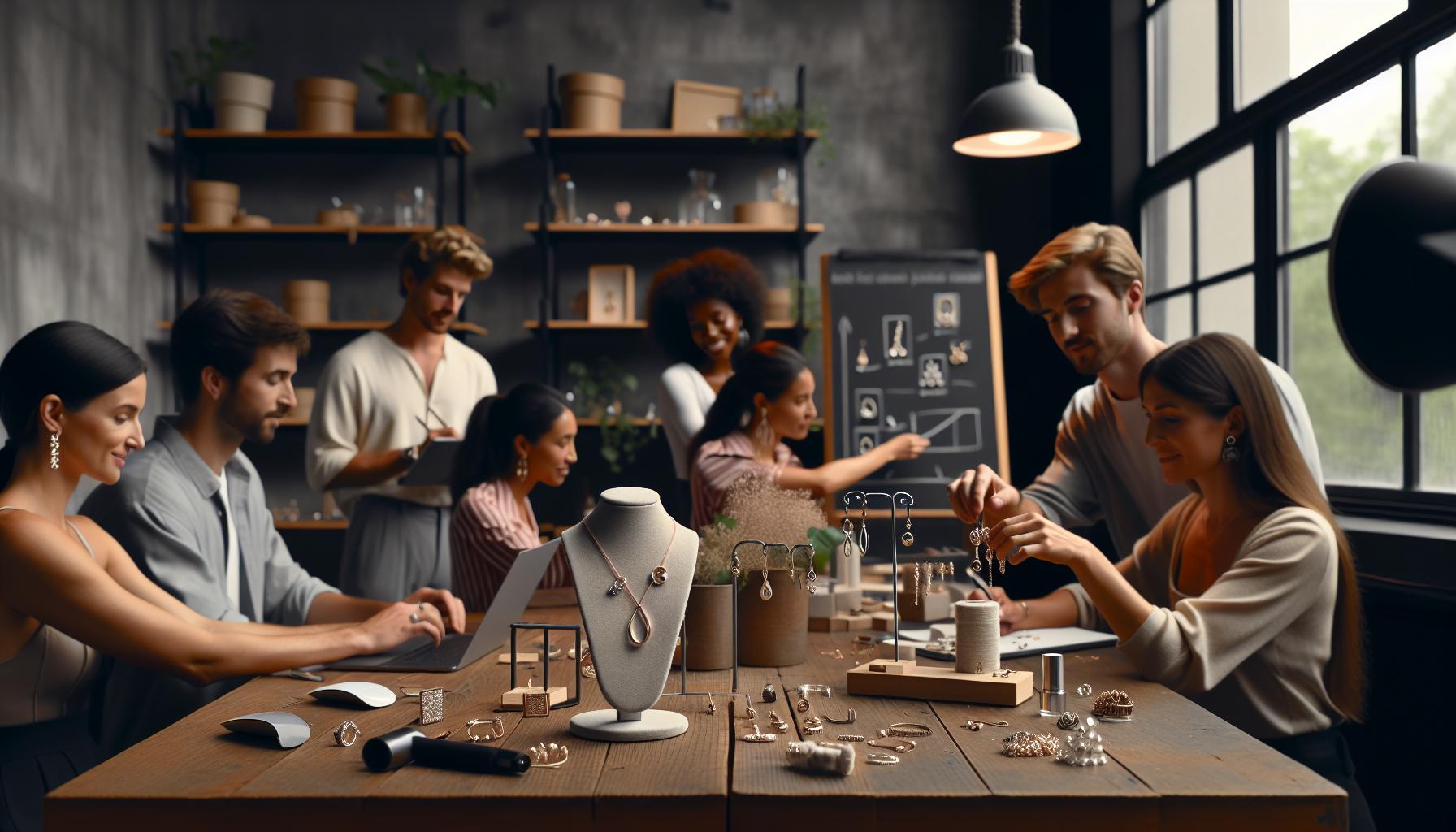
Trends in the Jewellery Industry: What’s Hot
In an industry as dynamic as jewellery making, staying attuned to the latest trends is essential for both creators and enthusiasts. From innovative materials to changing consumer preferences, understanding what’s current can significantly influence design choices and marketing strategies. For instance, sustainability has become a driving force, leading many jewellers to adopt eco-friendly practices. This includes sourcing recycled metals and ethically sourced gemstones, appealing to environmentally conscious consumers who prioritize sustainable purchases.
Another noteworthy trend is the rise of personalization in jewellery design. Consumers increasingly desire unique pieces that reflect their personal narratives and milestones. This movement has given birth to custom jewellery services, allowing clients to collaborate with makers to create bespoke items tailored to their tastes. Engaging directly with customers not only enhances their experience but also fosters brand loyalty and repeat business.
Moreover, technology is reshaping the jewellery landscape. Advances in 3D printing enable jewellers to experiment with innovative designs that would be challenging to produce through traditional methods. This technology allows for rapid prototyping and customization, pushing the boundaries of creativity. As digital platforms continue to expand, online sales channels remain crucial. Jewellers are harnessing social media to connect with customers, showcase their work, and build communities around their brands.
In terms of style, bold and statement-making pieces are on the rise. Minimalistic designs, once the frontrunners, are now accompanied by intricately detailed and oversized accessories that make a strong fashion statement. This shift aligns with broader fashion trends, reflecting a desire for self-expression through unique and eye-catching jewellery. As trends evolve, it remains essential for jewellery makers to experiment and innovate, ensuring they resonate with contemporary tastes while staying true to their artistic vision.
Authenticating Vintage and Antique Jewellery
Determining the authenticity of vintage and antique jewellery can be a rewarding yet challenging endeavor. With the rise of reproductions and imitations, it’s essential to educate yourself on how to discern genuine pieces from their counterfeit counterparts. Understanding what to look for not only helps collectors ensure they’re making sound investments but also enriches their appreciation of the craftsmanship and history behind each piece.
To authentically evaluate vintage jewellery, start by inspecting the materials used. Different eras favored distinct metals and stones; for example, the Art Deco period commonly featured platinum and bold gemstones, while the Victorian era often included gold and softer hues. It’s also crucial to examine the craftsmanship-handmade pieces will demonstrate subtle imperfections, while mass-produced items might showcase a more uniform finish. Look for maker’s marks or stamps indicating metal quality, which can provide clues about the origin and era of the jewellery.
A solid understanding of style trends can significantly aid in authentication. For instance, mid-century modern designs are characterized by sleek lines and asymmetry, while more ornate pieces from the Baroque era often incorporate intricate detailing. Research reputable resources or consult experts who specialize in specific time periods to make comparisons. Additionally, attending fairs or exhibitions can enhance your knowledge and intuition about what constitutes a genuine vintage item.
Another effective strategy is seeking the advice of certified appraisers or experienced jewellers. Having a professional evaluation can offer peace of mind, especially for high-value pieces. They can provide insights into historical context and expected market values, helping you navigate any purchase or sale. Online forums and collector groups can also be invaluable, as they foster community knowledge-sharing that can uncover hidden gems and authentication tips from seasoned enthusiasts. By cultivating a well-informed approach, you’ll not only elevate your jewellery collection but also indulge in the rich history that each vintage piece holds.
Q&A
Q: What is the professional title for someone who makes jewelry?
A: The professional title for someone who makes jewelry is a “Jeweler” or “Jewelry Designer.” These individuals create, repair, and customize pieces using various materials and techniques. Many jewelers also specialize in certain types of jewelry, such as fine jewelry, costume jewelry, or handmade creations.
Q: What qualifications are needed to become a jeweler?
A: To become a jeweler, one typically needs a high school diploma and may benefit from specialized training in jewelry making or design, often available through technical schools or apprenticeships. Certification from recognized organizations can also enhance credibility and career prospects.
Q: How can I learn jewelry making?
A: You can learn jewelry making through online courses, workshops, or local community classes. DIY tutorials on platforms like YouTube can also be helpful for beginners. For hands-on experience, consider attending jewelry-making classes at craft stores or community colleges.
Q: What materials do jewelers commonly use?
A: Jewelers commonly use materials such as gold, silver, platinum, and various gemstones like diamonds, sapphires, and emeralds. They may also work with alternative materials like beads, resin, and wood, depending on the type of jewelry they create.
Q: What are the different types of jewelry designers?
A: There are various types of jewelry designers, including those who specialize in fine jewelry, fashion jewelry, costume jewelry, art jewelry, and handcrafted pieces. Each type requires different skills and materials, catering to specific markets and aesthetics.
Q: What is the average salary of a jeweler?
A: The average salary of a jeweler can vary widely based on factors like experience, location, and the type of work they do. Generally, jewelers earn between $30,000 to $70,000 annually, with those in specialized fields or owning their businesses potentially earning more.
Q: What skills are essential for a successful jeweler?
A: Essential skills for a successful jeweler include attention to detail, creativity, technical skills in various jewelry-making techniques, and knowledge of precious metals and gemstones. Strong customer service and marketing skills are also beneficial, especially for those running their own business.
Q: How is vintage jewelry authenticated?
A: Vintage jewelry is authenticated through careful examination of hallmarks, materials, and construction techniques. Professional appraisers and gemologists use specialized tools to assess the age and quality of pieces. Understanding specific historical styles can also aid in authentication.
For further insights on jewelry care, DIY tutorials, and starting your own jewelry business, feel free to explore the sections in the main article!
In Conclusion
As we wrap up our exploration of what it means to be a jewellery maker, remember that this field offers not only creativity but also a pathway to success. Whether you’re considering a career as a jeweller or simply captivated by the art, the world of jewellery making is rich with potential. Don’t miss the chance to dive deeper-check out our guides on jewellery care, succeeding in the jewellery business, and DIY tutorials to enhance your skills and knowledge.
Feeling inspired? Subscribe to our newsletter for the latest trends, tips, and exclusive offers that will elevate your jewellery journey. If you have questions or want to share your thoughts, drop a comment below-we’d love to hear from you! Keep exploring related topics like gem cleaning and styling advice to maximize your jewellery experience. The world of jewellery awaits; take the next step today and unlock your creative potential!
Expert Guide & Insights: Why Is Jewery Called Such
When exploring why is jewery called such, consumers, collectors, and fashion enthusiasts frequently encounter conflicting advice regarding material composition, wearability, authenticity verification, and long-term maintenance. In this specialized guide section, we provide an expert breakdown of key considerations, care recommendations, and practical solutions.
| Key Consideration | Primary Mechanism / Feature | Recommended Action | Value / Durability Impact |
|---|---|---|---|
| Material Integrity & Alloys | Purity standards (925 silver, 14k/18k gold, titanium, acrylic polymers) | Check official hallmark stamps and certificates before purchase | ★★★★★ High durability & heirloom retention |
| Daily Wear & Environmental Factors | Exposure to moisture, sulfur, sweat, perfume, and abrasive friction | Remove accessories before swimming, heavy workouts, or applying cosmetics | ★★★★☆ Prevents tarnish, chipping, and fading |
| Long-Term Storage & Cleaning | Atmospheric oxidation and chemical exposure over time | Store in airtight zip pouches with silica desiccant; polish with soft cloth | ★★★★★ Restores original mirror luster |
Frequently Asked Questions: Why Is Jewery Called Such
What should I know about why is jewery called such?
Detailed examination reveals that addressing why is jewery called such depends on proper handling, choosing hypoallergenic materials, and adhering to routine cleaning protocols.
How can I preserve the quality and appearance of my pieces?
Always store items individually to prevent scratch contact, avoid harsh chemical detergents or chlorine pools, and use specialized polishing cloths designed for precious metals and acrylics.
Get our latest guides, news, and insights highlighted in your Google Search & AI Overviews.