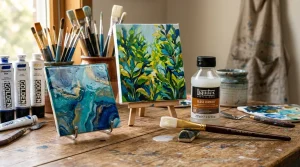
When exploring the world of art supplies, confusion often arises around the types of paint available, particularly when it comes to understanding acrylic paint. A common question is whether acrylic paint is oil-based or not. The truth is, acrylic paint is water-based, making it an ideal choice for artists seeking versatility and ease of use. This distinction is crucial for anyone venturing into painting, as it influences drying times, application techniques, and cleanup methods. Understanding paint chemistry not only enhances your artistic process but also empowers you to select the right medium for your creative vision. Ready to dive deeper into the chemistry of acrylic paints and uncover how their unique properties can elevate your artwork? Let’s explore!
Understanding the Basics of Acrylic Paint
Acrylic paint is a versatile medium cherished by both amateur and professional artists for its vibrant colors and quick-drying properties. As a water-based paint, it consists of pigment suspended in an acrylic polymer emulsion, making it distinct from oil-based paints, which utilize oil as a binder. This unique composition not only affects drying times-often within minutes-but also influences the paint’s behavior on various surfaces, its cleanup process, and how it interacts with other mediums.
One of the compelling aspects of acrylic paint is its adaptability. Artists can achieve a variety of effects by either thinning the paint with water for a watercolor-like transparency or using it straight from the tube for bold, opaque applications. Moreover, acrylics can be mixed with various mediums to alter their texture and finish, leading to endless creative possibilities. For example, adding a gel medium can provide a thicker texture, while a glaze medium can enhance transparency and luminosity in your work.
When working with acrylic paint, one key element to remember is its rapid drying time. While this can be beneficial for layering techniques, it also requires artists to work quickly and efficiently. Moreover, its quick-drying nature allows for easy correction and modification; mistakes can often be painted over before they fully set. This attribute makes acrylics particularly appealing for beginners who may still be developing their technique.
Understanding how acrylic paint interacts with its environment is crucial. It is often regarded as more user-friendly compared to oil-based paints, primarily due to its non-toxic nature and easy clean-up with just soap and water. This makes acrylic paint an excellent choice for indoor projects and educational settings. As a result, acrylics have established themselves as a staple in contemporary art practice, providing a safe and dynamic way to explore creativity.
Differences Between Acrylic and Oil-Based Paint
When comparing acrylic and oil-based paints, it’s crucial to understand their foundational differences, as these impact not only the artists’ workflow but also the final appearance of the artwork. Acrylic paint is water-based, consisting of pigment suspended in an acrylic polymer emulsion, allowing for rapid drying and easier cleanup. In contrast, oil paints utilize oil as a binder, which means they dry much more slowly and require solvents for cleanup, such as turpentine or mineral spirits.
One significant difference lies in the drying times. Acrylics dry within minutes, enabling artists to layer colors quickly. This can be a double-edged sword; while it allows for efficient work, it also means that artists must be decisive and swift in their application. Oil paints, on the other hand, can take days or even weeks to dry, offering artists the luxury of time to blend and manipulate colors on the canvas, which can result in rich, detailed textures. This slow drying time is often preferred for techniques like glazing, allowing for depth and luminosity not easily achieved with acrylics.
In terms of texture and finish, acrylics can mimic various styles, from watercolor-like transparency to bold, thick applications. They can also be mixed with several mediums for different effects, including gels for texture or mediums to extend drying time. Oil paints exhibit a creamy consistency and are known for their vibrant colors that maintain richness over time, but they offer less versatility when it comes to altering texture without specific additives.
Finally, the environmental impact and safety of the two mediums often come into play when making a choice. Acrylic paint is generally considered safer, with non-toxic properties and easy cleanup using water. Oil-based paints can release harmful fumes and require more care in disposal and cleaning, which can be a concern for artists working in shared or indoor spaces. Thus, when deciding between the two, artists should consider not only technical differences but also personal preferences and working conditions.
Chemical Composition of Acrylic Paint
Acrylic paint is a fascinating medium that offers a unique blend of chemical composition and flexibility for artists. Comprised primarily of pigment suspended in an acrylic polymer emulsion, this formulation creates a water-soluble paint that dries quickly and provides a versatile application across various surfaces. The acrylic polymer acts as a binder, allowing the pigments to adhere to surfaces while ensuring the paint remains vibrant and durable once dry.
The primary components of acrylic paint include:
- Water: Acting as the solvent, water allows for easy mixing and application, making cleanup straightforward.
- Binders: The acrylic polymer is the key binder that gives acrylics their unique properties, promoting adhesion and flexibility.
- Pigments: These provide the color and opacity, with both organic and inorganic pigments used to achieve a wide range of hues.
- Additives: Various substances can be included to modify characteristics such as drying time, texture, and finish. For example, retarders can slow down drying, while thickeners can enhance viscosity.
One of the defining features of acrylic paint is its ability to mimic other styles and techniques. Artists often find that by modifying the water-to-paint ratio or incorporating different mediums, they can create textures akin to oil paints or watercolors, all while retaining the foundational integrity of an acrylic. This adaptability not only empowers artists to experiment creatively but also allows them to achieve layers and color depth that rival more traditional methods.
Moreover, acrylic paint’s chemical composition contributes to its durability and flexibility. Once dried, acrylics form a water-resistant surface that can withstand various environments, making them suitable for both indoor and outdoor applications. This quality ensures that artworks maintain their vibrancy and do not crack or fade as easily over time, unlike some oil-based options. Understanding the science behind acrylic paint is essential for artists looking to exploit its full potential, and appreciating its components can elevate their creative process.
Common Uses and Applications of Acrylic Paint
Acrylic paint’s versatility makes it a popular choice for a wide range of artistic applications, transcending traditional painting techniques. Artists not only use it for canvas paintings but also for creating murals, crafts, and mixed media artworks. One of the most significant advantages of acrylics is their quick drying time, allowing artists to layer easily and achieve complex effects without extensive waiting periods. This property is particularly beneficial in collaborative environments or workshops, where time is of the essence.
In the world of fine art, acrylics have gained traction among both beginners and seasoned professionals. They can be applied directly from the tube, watered down for a translucent wash, or mixed with other mediums to alter texture and finish. For instance, artists may want to incorporate gels or pastes to create relief and depth, achieving a three-dimensional aspect in their art. Additionally, acrylic paints maintain their vibrant colors over time, making them an excellent choice for art intended for exhibitions or commercial sales.
In practical applications, acrylic paint is widely used in crafting and DIY projects. Hobbyists appreciate its ability to adhere well to various substrates, including wood, fabric, metal, and plastic, opening up a world of creative possibilities. From upcycling furniture to custom-designed home decor, the ease of use and strong pigmentation ensure that projects stand out. Furthermore, its water-soluble nature during application means cleanup is significantly easier than with oil-based paints, making it an accessible option for casual artists and homeowners alike.
Finally, acrylics are also favored in educational settings, where their non-toxic nature and ease of use can foster creativity in young artists. Teachers often encourage students to explore acrylics due to their adaptability and the wide range of techniques they can learn, from basic brushwork to more advanced methods like pouring or airbrushing. The ability to experiment with a medium that dries quickly while allowing for adjustments and corrections promotes a supportive learning environment, reinforcing self-expression and skill development.
Advantages of Using Acrylic Paint
Acrylic paint has rapidly carved out a niche in the art world, celebrated for its remarkable versatility and user-friendly attributes. One striking advantage of acrylics is their quick drying time, which allows artists to apply multiple layers in a single session without the lengthy waits associated with oil-based paints. This facilitates a dynamic working process, enabling artists to experiment freely and make adjustments on the fly. Perfect for both novice and seasoned creators, the fast-drying nature of acrylics significantly enhances productivity, making it a perfect choice for those who thrive on spontaneity.
Moreover, acrylic paints boast an impressive color retention and vibrancy. Once dried, they remain bright and rich without fading, making them ideal for artworks that demand longevity. Artists can confidently display their pieces in various settings, knowing that the colors will not dull over time. This quality is also advantageous for commercial projects where vivid and consistent color is paramount, ensuring that the artwork maintains its appeal across different venues and audiences.
Another notable benefit lies in the ease of use and cleanup. Acrylic paint is water-soluble when wet, which not only simplifies application but also makes the post-painting cleanup process a breeze. Brushes and tools can be rinsed in water, eliminating the need for harsh solvents commonly required with oil paints. This ease of use extends acrylics’ appeal beyond professional artists to hobbyists and beginners, creating a more inclusive environment for creative exploration.
Lastly, the non-toxic nature of acrylic paint sets it apart, particularly for educational purposes. Schools and workshops often prefer acrylics, as they pose minimal health risks, allowing young artists to explore their creativity without the concerns associated with more toxic mediums. This safe environment fosters a love for art, encouraging experimentation with various techniques and styles without compromising safety. Overall, the combination of accessibility, safety, and performance underscores why acrylic paint is a favored choice among artists of all levels.
Limitations of Acrylic Paint Compared to Oil-Based Options
While acrylic paints have rapidly become a favorite for many artists due to their quick drying times and easy clean-up, they do come with certain limitations when compared to traditional oil-based paints. Understanding these drawbacks can help artists make informed choices about their materials and techniques.
One significant limitation of acrylic paint is its opacity and color mixing properties. Acrylics tend to dry darker than they appear when wet, which can sometimes lead to unexpected results. Artists may find that what started as a vibrant hue turns muted upon drying. In contrast, oil paints maintain their color integrity throughout the drying process and can be mixed with greater ease to achieve a wider range of shades and tones.
Another point to consider is the texture and finish of acrylics versus oils. While acrylics can imitate various finishes, they often have a tendency to dry with a flat appearance unless specific mediums are added to create gloss or sheen. Oil paints, on the other hand, naturally have a rich, glossy finish that can enhance the depth of color and detail in a painting. For artworks that require a high degree of realism or multi-layered glazing techniques, oil paints are often preferred.
Additionally, flexibility and durability play a crucial role in the longevity of the artwork. Acrylic paints, while flexible when dry, can become brittle over time, leading to the potential for cracking in paintings subjected to environmental changes. Oil paintings, conversely, remain more resilient against shifting conditions due to the inherent qualities of the oils used in them. This can be particularly important for high-value artworks or pieces exposed to varying humidity and temperature conditions.
Lastly, the drying time of acrylics, while often seen as an advantage, can also be a drawback. The rapid drying process may hinder techniques such as wet-on-wet painting, where artists blend colors directly on the canvas. Oil paints generally allow for a more leisurely approach, providing artists the opportunity to manipulate and adjust their work over extended periods. This can be particularly valuable in portraiture or detailed landscape work that requires gradual layering and blending.
In conclusion, while acrylic paints are versatile and accessible, understanding their limitations compared to oil-based options can empower artists to choose the right medium for their creative vision, ensuring that their preferred methods and results are achieved.
How to Choose Between Acrylic and Oil Paint
Choosing the right medium for your artistic vision can significantly impact your creative process and the outcome of your artwork. When contemplating between acrylic and oil paints, it’s essential to consider various factors such as your painting style, desired finish, and working environment. Each medium offers unique qualities that lend themselves to different techniques, so understanding these can help you make informed decisions.
Acrylic paint is known for its versatility and quick-drying properties, making it an excellent choice for artists who favor a fast-paced working style. If you enjoy spontaneous creativity, layering, or mixed media techniques, acrylics provide the flexibility to work quickly without long waiting periods. Their water-solubility also simplifies clean-up, allowing for a more seamless transition between projects. For artists wishing to create textured works or layers, acrylics can be mixed with various additives to modify their thickness and finish.
On the other hand, oil paints excel in creating rich textures and deep colors due to their prolonged drying times. This characteristic allows artists to blend colors directly on the canvas and manipulate their work for hours, perfect for detailed portraiture or intricate landscapes. Artists who appreciate a glossy finish and depth in color often lean towards oils for their vibrant hues that retain their brilliance over time. Select oil paints if you work in cool environments and prefer a slow-drying medium to develop subtle gradients.
When making your choice, consider the nature of your projects and your personal preferences. If you’re a beginner, acrylics might be the more manageable option due to their ease of use and cleanup. However, more experienced artists who enjoy a traditional approach and intricate techniques may find oils more satisfying. Finally, it’s crucial to evaluate the health and environmental implications, as oil paints can emit harmful fumes, whereas acrylics generally have less volatile organic compound (VOC) emissions. By assessing your specific needs and preferences, you can confidently choose between these two distinct yet beautiful mediums to express your artistic vision fully.
Best Practices for Working with Acrylic Paint
Working with acrylic paint opens a world of creative possibilities, but to truly make the most of this versatile medium, it’s essential to follow best practices that enhance your experience and results. Acrylics dry quickly, which is both an advantage and a challenge for many artists. Here are some tips to navigate their unique properties effectively.
Preparation is Key
Before you even dip your brush into the paint, take the time to prepare your workspace and materials. Use a palette that allows for easy mixing and color testing, such as a disposable palette or a clear acrylic sheet. Always keep a spray bottle filled with water handy to mist your palette and keep the paint workable, especially during longer sessions. This simple step can prevent your acrylics from drying out prematurely.
Layering Techniques
Acrylic paint is perfect for layering due to its rapid drying time. You can apply multiple layers in one session, but it’s important to apply them thinly. This not only speeds up the drying process but also helps prevent cracking and allows for a smoother finish. Consider using a glazing technique-mix water, medium, or glazing liquid with your paint to create translucent layers that add depth and richness without obscuring the details underneath.
Experiment with Additives
To further enhance your acrylic painting, explore various additives that can change the texture and finish of your paint. For instance, using acrylic gels and pastes can create unique textures and dimensional effects. Experimenting with different mediums can also help you achieve the desired viscosity and sheen, whether you’re aiming for a matte or glossy appearance. Always test these mixtures on a scrap piece before applying them to your final canvas.
Cleaning and Maintenance
Proper cleaning is crucial when working with acrylics. Since they dry quickly, you must wash your brushes and tools with water immediately after use to prevent the paint from hardening and ruining your equipment. For stubborn paint that isn’t easily removed, you can use soap and water or a brush cleaner specifically designed for acrylics. Consider investing in a brush holder to keep your brushes in shape and maintain their lifespan.
By mastering these best practices, you can elevate your acrylic painting skills and enjoy a more fulfilling creative process. Each technique not only serves to enhance your artwork but also encourages your exploration within this dynamic medium, paving the way for new and exciting artistic endeavors.
Tips for Mixing Acrylic Paint with Other Mediums
Mixing acrylic paints with other mediums can elevate your artwork to new dimensions, enhancing texture, depth, and overall visual impact. The beauty of acrylics lies in their versatility; they can blend seamlessly with a variety of materials, allowing artists to experiment and innovate. However, understanding how to mix these substances effectively is essential for achieving the desired effects without compromising the integrity of your work.
When incorporating other mediums, always start small. Test your mixtures on a scrap piece of canvas to gauge how the acrylic interacts with paints or additives. Some popular mediums to consider are gels, pastes, and even watercolors, each contributing unique textures and finishes. For instance, adding acrylic gel mediums can thicken your paint while maintaining transparency, which is excellent for layering techniques. By using a slow-dry gel, you can also extend your working time, allowing for more control during application.
In addition, try acrylic pouring mediums to create fluid art. These mediums provide a smooth consistency that helps facilitate a beautiful flow of colors. Mix them in equal parts with your acrylic paints to achieve striking marbling and surreal patterns. Keep in mind that the ratios you use can significantly impact the outcome, so don’t hesitate to adjust until you find the perfect blend.
Lastly, never overlook the importance of cleaning your brushes and tools promptly when working with mixed media. Each material may react differently, and dried paint can damage your tools. Keeping a spray bottle of water nearby will help in maintaining their condition, especially when switching between different mixtures. This simple practice will allow you to explore the fascinating world of acrylic mixing while extending the life of your painting tools.
Troubleshooting Common Issues with Acrylic Paint
Acrylic paint is beloved by many artists for its versatility and vibrant color range, but using it is not without challenges. Understanding how to troubleshoot common issues can transform setbacks into opportunities for creative growth. One frequent problem is paint drying too quickly; this can be frustrating if you’re trying to blend colors or create gradients. To address this, consider using a slow-drying medium or an acrylic retarder designed to extend the drying time without compromising the paint’s integrity.
Another common issue is paint lifting or washing away when layers are applied. This often occurs if the underlying layer is not fully dry or if water is used too liberally during the application. To avoid this, always ensure each layer dries completely before adding more paint. Additionally, try applying thinner layers and using a soft brush for smoother application, which minimizes the risk of disturbing previous work.
Cracking is another concern, especially in thicker applications. It typically stems from the drying process or stress from the substrate. To reduce the likelihood of cracking, limit the use of heavy applications and consider introducing a flexible medium designed for thicker paints. Always be mindful of the surface as well; primed canvases designed for acrylic work can help maintain the paint’s structure over time.
Lastly, if you encounter discoloration or fading after the paint has dried, check the quality of your materials. Not all acrylic paints are created equal – some lower-quality products might lack lightfastness, leading to changes in color. Choosing high-quality, artist-grade paints can mitigate this issue significantly. By staying informed and responsive to these challenges, you can cultivate a rewarding experience with acrylics and enhance your artistic journey.
Environmental Impact of Acrylic vs. Oil Paint
The environmental impact of paint choices is an increasingly important consideration for artists and consumers alike. When comparing acrylic and oil-based paints, acrylics often emerge as the more eco-friendly option. This is primarily due to their water-based formulation, which results in fewer volatile organic compounds (VOCs) being released into the environment compared to traditional oil-based paints. Lower VOC levels not only reduce air pollution but also enhance indoor air quality, making acrylics safer for use in enclosed spaces.
Furthermore, the manufacturing process for acrylic paints typically involves less harmful chemical components. While both types of paint contain pigments and binders, acrylics are based on acrylic polymer emulsions, which are generally less toxic than the solvents used in oil paints. This aspect not only contributes to a safer workspace for artists but also mitigates potential environmental hazards related to disposal. Oil paints often require solvent-based cleaners and thinners for cleanup, which can lead to ecological concerns if not properly disposed of.
However, it’s important to note that some acrylic paints can still contain problematic additives and preservatives that might pose environmental risks. Artists should look for brands that prioritize sustainability, such as those that offer non-toxic and biodegradable formulations. Additionally, the surplus water used in rinsing brushes and palettes can contribute to water pollution if not managed appropriately. Therefore, the ideal approach is to adopt responsible practices that minimize waste and use eco-friendly cleanup methods.
In summary, while both acrylic and oil-based paints have their pros and cons, acrylics are a more sustainable choice due to their lower VOC emissions and less harmful manufacturing processes. Artists can further enhance their ecological practices by selecting high-quality, environmentally friendly acrylic brands and implementing responsible usage and disposal methods. By making informed decisions, artists can create beautiful works of art with a conscience toward preserving the planet.
Exploring Innovations in Acrylic Paint Technology
The narrative surrounding acrylic paint is continually evolving, primarily due to innovations in paint technology that enhance performance, usability, and sustainability. Recent advancements have led to the development of acrylic paints that are not only more vibrant but also incorporate features such as improved drying times, increased flexibility, and enhanced adhesion properties. With the incorporation of advanced polymer technology, modern acrylic paints are designed to possess greater water resistance and durability, making them suitable for a wider range of applications-from fine art to exterior projects.
One intriguing innovation is the introduction of self-leveling acrylics, which minimize brush strokes and create a smooth finish ideal for detailed work. Additionally, the advent of gels and mediums allows artists to manipulate the texture and finish of acrylic paint, providing endless possibilities for creative expression. These products can be mixed with standard acrylic paints to create effects ranging from glossy to matte finishes, or even impasto textures that add dimension to artwork.
The environmental impact of acrylic paints has also been a focal point for innovation. Manufacturers are increasingly prioritizing sustainability by developing formulations that use non-toxic and biodegradable materials. This approach not only reduces harmful emissions during application and drying but also allows for safer disposal practices. Some brands are also exploring the use of recycled materials in their paint production, further exemplifying a commitment to reducing the ecological footprint of acrylic paints.
Advancements such as these position acrylic paints as a compelling choice for artists who are conscious of both quality and environmental impact. By staying abreast of these innovations, artists can select products that not only perform well but also align with their values, combining creativity with a commitment to eco-friendliness. As technology continues to evolve, the future of acrylic paints looks promising, offering even more exciting possibilities for artistic expression.
Faq
Q: Is acrylic paint oil-based or water-based?
A: Acrylic paint is water-based, meaning it uses water as a solvent and dries quickly. Unlike oil-based paints, which require solvents like mineral spirits for thinning and cleaning, acrylics can be cleaned up with soap and water, making them more user-friendly and environmentally safer.
Q: What are the benefits of using acrylic paint over oil-based paint?
A: Acrylic paint dries faster, allows for easy cleanup with water, and offers a wide range of vibrant colors. It also has less odor and is less toxic compared to oil-based paints, making it a popular choice for both indoor and outdoor projects.
Q: Can acrylic paint be mixed with oil-based paint?
A: No, mixing acrylic paint and oil-based paint is not advisable as they have different chemical compositions and drying times. This combination can lead to poor adhesion and cracking. It’s best to use them separately or choose one medium for your project.
Q: How does the drying time of acrylic paint compare to oil-based paint?
A: Acrylic paint dries much faster than oil-based paint, typically within 30 minutes to an hour, while oil-based paint can take 6 to 8 hours to dry to the touch and much longer for full curing. This rapid drying time allows for quicker layering and touch-ups.
Q: What surfaces can acrylic paint be used on?
A: Acrylic paint can be used on a variety of surfaces including canvas, paper, wood, fabric, and even some plastics. Always ensure the surface is clean and possibly primed for the best adhesion and finish, enhancing the longevity of your artwork.
Q: Does acrylic paint have a strong odor like oil-based paint?
A: Acrylic paint has a significantly milder odor compared to oil-based paints, which contain solvents that can be harsh and irritating. This makes acrylic a better option for indoor use, particularly in confined spaces or for those sensitive to strong smells.
Q: Can I use acrylic paint for outdoor projects?
A: Yes, acrylic paint is suitable for outdoor projects, provided it’s properly formulated for exterior use. Look for acrylics labeled as outdoor paint, as they are designed to withstand weather changes, fading, and moisture.
Q: How can I improve the durability of acrylic paint?
A: To enhance the durability of acrylic paint, consider applying a clear acrylic sealer once your project is complete. This protective layer can guard against moisture, UV rays, and scratches, extending the lifespan of your artwork or painted surface.
Closing Remarks
Thank you for exploring the nuances of acrylic paint versus oil-based options with us. Now that you’ve gained a clearer understanding of paint chemistry, why not dive deeper into related topics? Check out our guides on “Choosing the Right Paint for Your Project” and “Essential Painting Techniques for Beginners” for more valuable insights that will enhance your art journey.
Don’t forget to subscribe to our newsletter for updates, expert tips, and exclusive content that can elevate your skills. If you have any lingering questions or thoughts about the differences between acrylic and oil-based paints, feel free to drop a comment below! We love connecting with our readers and providing the answers you need.
Remember to explore our resource section for DIY tutorials and tips on mastering your craft. Your creativity deserves the best tools and knowledge-so keep creating, and see you next time!
Get our latest guides, news, and insights highlighted in your Google Search & AI Overviews.