An earring infection can be both painful and inconvenient, disrupting your style and daily routine. Did you know that many common infections can often be resolved at home with the right methods? If you’ve found yourself dealing with redness, swelling, or discomfort around your piercing, you’re not alone. Understanding how to quickly address these infections is crucial for maintaining your ear’s health and getting back to wearing your favorite earrings with confidence. In this article, we’ll explore five proven methods to help you effectively treat an earring infection and promote healing, empowering you to take charge of your jewelry care and enjoy your accessories worry-free. Curious to learn more? Let’s dive in!
How Earring Infections Occur: Common Causes
Infections can turn a beautiful pair of earrings into a source of irritation and discomfort, often catching wearers off guard. Understanding how these infections occur is crucial to prevention and timely treatment. One of the most common causes of earring infections stems from bacterial exposure during the piercing process. If the environment or tools used for piercing are not sterile, bacteria can easily enter the newly created wound. This is particularly concerning in cartilage piercings, where the limited blood supply can slow healing and make infections more likely to develop.
Another significant factor contributing to earring infections is improper aftercare. Failing to keep the area clean can allow bacteria to multiply. Moisture from sweat, swimming, or showering can create an environment conducive to bacterial growth. Additionally, using non-hypoallergenic materials for earrings, such as those containing nickel, can provoke allergic reactions that might lead to inflammation and infection. Over time, the irritation can weaken the skin barrier, making infections more likely.
In some cases, known pre-existing skin conditions-such as eczema or psoriasis-can also increase the risk of infections following ear piercings. These conditions compromise the skin’s integrity, making it easier for pathogens to penetrate. Lastly, even touching or playing with earrings, particularly in public spaces where hands are exposed to many bacteria, can introduce harmful microbes into newly pierced ears and trigger infections.
To help mitigate these risks, it’s essential to adhere to proper piercing techniques, practice diligent aftercare, and choose the right materials for earrings. With the right knowledge and care, you can enjoy your jewelry while minimizing the risk of infections.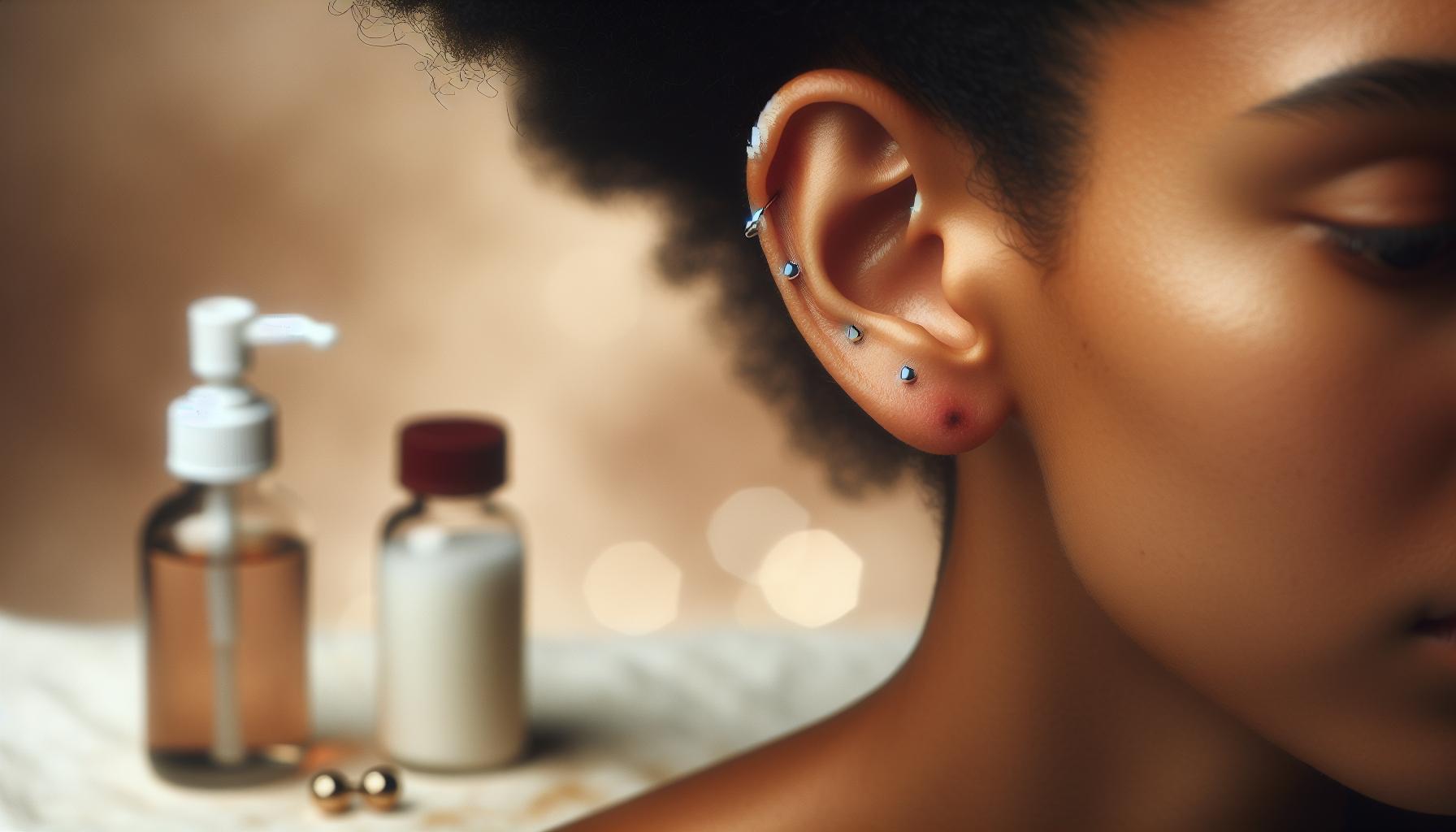
Recognizing Symptoms: Is Your Earring Infected?
Recognizing the signs of an earring infection early is crucial for effective treatment and can save you from more serious complications down the line. Infections often begin subtly, but they can escalate quickly if not addressed promptly. Key indicators that your earring might be infected include persistent pain or discomfort that increases over time, accompanied by localized redness or swelling around the piercing site. If you notice any discharge-particularly if it’s yellow, green, or has a foul odor-this is a warning sign of infection that should not be ignored.
Beyond these physical symptoms, pay attention to any changes in your overall skin condition around the earring area. The presence of crusting or flaky skin can also be indicative of an infection. In more severe cases, you might experience a fever or swollen lymph nodes, signaling that the infection may have spread or become systemic. It’s essential to monitor these signs closely and act swiftly if they appear. Ignoring these symptoms could lead to complications that are not only uncomfortable but may also require professional medical intervention.
To ensure you’re informed and prepared, consider keeping a checklist of symptoms to watch for after getting your ears pierced:
- Pain: Increased tenderness or pain near the piercing site.
- Redness: Noticeable reddening of the skin around the piercing.
- Swelling: Localized swelling, which may feel warm to the touch.
- Discharge: Any fluid leaking from the piercing, especially if it’s discolored or smells.
- Crusting: Formation of crust or scabs on or near the piercing site.
- Fever or General Illness: Any systemic symptoms like fever or fatigue should be taken seriously.
In summary, being vigilant about these symptoms will empower you to take swift action. If you suspect that your earring is infected, don’t hesitate to seek appropriate treatment, whether that’s at-home care or a visit to a healthcare professional. By staying informed and proactive, you can protect your health and enjoy your jewelry worry-free.
Immediate Steps to Take: First Aid for Infections
When dealing with an earring infection, immediate action can significantly influence healing and comfort. The first step is to remain calm; infections are common but treatable, particularly when addressed promptly. Begin by ensuring your hands are clean before touching the affected area to prevent further contamination. Avoid removing the earring, as this can trap bacteria and exacerbate the infection. Instead, you want to maintain airflow while keeping the piercing intact to allow drainage.
Once you’ve ensured cleanliness, use a saline solution to rinse the area gently. You can easily create a saline rinse by mixing 1/4 teaspoon of non-iodized salt in one cup of warm water. Soak a clean cotton ball or gauze in this solution and apply it to the piercing for about 5 to 10 minutes. This helps to flush out any debris and promotes healing. Repeat this process 2-3 times daily until symptoms improve. It’s crucial to avoid common irritants such as alcohol or hydrogen peroxide as they can hinder the healing process and irritate the skin further[1[1][2[2].
If you notice any discharge during your cleaning, don’t panic; this can be a normal part of the healing process. However, take care to not manipulate or squeeze the area excessively, which may exacerbate inflammation. Monitor the wound for worsening symptoms, such as increased redness, swelling, or pain. If these occur in tandem with systemic symptoms like fever, it may be time to consult a healthcare professional for further assessment and potential antibiotic treatment.
Maintaining hygiene in your jewelry care routine is an excellent preventive measure. Regularly disinfect your earrings with soap and water, ensuring your piercing stays healthy long-term. With attentive care and swift action, you can often clear up an infection rapidly without needing extensive treatments.
Method 1: Effective Home Remedies for Relief
Taking immediate steps to care for an infected earring can significantly hasten the healing process, allowing you to return to wearing your favorite jewelry sooner. One of the most effective home remedies involves the use of warm saline solutions. Simply mixing 1/4 teaspoon of non-iodized salt in one cup of warm water creates a gentle rinse that not only cleanses the area but also promotes healing by reducing swelling and flushing out bacteria. Applying this solution with a clean cotton ball or gauze for about 5 to 10 minutes, 2-3 times daily, can be immensely beneficial.
Another home remedy to consider is the application of chamomile tea bags. Chamomile is renowned for its anti-inflammatory and soothing properties. After steeping a tea bag, allow it to cool slightly before applying it directly to the infected area for 10 minutes. This can help reduce irritation and bring relief from pain while also engaging your senses with a pleasant aroma-a comforting aspect during the healing process.
In addition to these topical treatments, staying hydrated and maintaining a healthy diet rich in vitamins and minerals can help reinforce your immune system, aiding in your body’s natural healing processes. Foods high in Vitamin C, like oranges and spinach, can be particularly effective in helping your body fend off infections.
Lastly, remember that avoidance of irritants is crucial. Keep hair products, perfumes, and other chemicals away from the infected area to prevent further irritation. By combining these home remedies with vigilant hygiene practices, you can foster an environment conducive to healing, allowing your earring to be back in its rightful place before you know it.
Method 2: When to Use Over-the-Counter Treatments
When dealing with an earring infection, knowing when to reach for over-the-counter treatments can make a significant difference in your recovery time. Commonly available products can effectively soothe the symptoms and help tackle minor infections before they escalate. For instance, a topical antibiotic ointment like Neosporin can be applied directly to the infected area to help combat the bacteria that may be causing the inflammation. This ointment should be used after cleansing the area to promote healing and reduce the risk of irritation.
It’s also beneficial to consider anti-inflammatory medications such as ibuprofen or acetaminophen. These can help alleviate pain and reduce swelling associated with an infection. Be sure to follow the dosage instructions on the label and consult with a healthcare professional if you’re unsure about the right amount for your needs.
Astringent solutions, such as witch hazel or hydrogen peroxide, can serve as effective cleansers, helping to remove impurities and bacteria while also drying out any excess fluid that may have accumulated around the piercing. Applying these solutions with a clean cotton ball, ideally twice a day, can help keep the area clean and promote faster healing. However, it’s important to be cautious since overuse of harsh solutions can sometimes irritate the skin further.
Ultimately, maintaining good hygiene and monitoring the infection’s response to these treatments are essential. If you notice improvement within a couple of days, continue the care routine; if not, it’s advisable to consult a healthcare provider for further evaluation and potential prescription treatments. Being proactive and informed about using over-the-counter options not only enhances your healing process but also empowers you to manage your jewelry care effectively.
Method 3: Natural Antiseptics to Consider
When faced with an earring infection, natural antiseptics can offer a gentle yet effective approach to healing. These remedies have been cherished for their antimicrobial properties and are often accessible right from your kitchen or local health store. Using natural ingredients not only promotes healing but can also soothe your skin without the harshness of chemical treatments.
Common Natural Antiseptics
- Tea Tree Oil: This essential oil is renowned for its antibacterial and anti-inflammatory properties. Dilute it with a carrier oil, such as jojoba or coconut oil, to apply directly to the infected area using a clean cotton swab. Be mindful to avoid using it undiluted, as it can irritate sensitive skin.
- Aloe Vera: Known for its soothing properties, aloe vera gel can help reduce inflammation and accelerate healing. Apply a thin layer to the affected area, ensuring it’s free from any additives to maximize its benefits.
- Honey: This natural sweetener is not only delicious but also packed with antimicrobial properties. Applying a small amount to the infection can create a moist environment conducive to healing. Just be sure to use raw honey for the best effect.
- Saltwater Rinse: A simple saline solution can effectively cleanse the area. Mix a teaspoon of salt in a cup of warm water, soak a clean cotton ball, and gently apply it to the infected earring site. This will help draw out impurities and reduce bacteria.
Implementing these natural remedies offers an alternative to conventional methods, aligning well with a holistic approach to wellness. However, it’s essential to regularly cleanse the infected area with gentle solutions and observe for signs of improvement. Should your condition persist or worsen, seeking professional medical advice is crucial to avoid complications. Embracing these natural options not only aids in recovery but also fosters a deeper connection to your self-care practices in managing your jewelry-related concerns.
Method 4: Importance of Hygiene and Cleaning Techniques
Maintaining impeccable hygiene and effective cleaning techniques is paramount when addressing an earring infection. Did you know that poor hygiene practices are one of the leading contributors to piercing infections? This underscores the necessity of cleaning not only the piercings but also the jewelry itself. Regularly cleaning your earrings can prevent the buildup of bacteria that can lead to infections, ensuring your ears remain healthy and free from irritation.
Firstly, always start with clean hands. Before touching your earrings or the surrounding area, wash your hands thoroughly with soap and water to avoid transferring any harmful bacteria. For cleaning your earrings, a solution made from warm water and mild soap can be used. Soak a soft cloth or cotton ball in this solution and gently wipe the earrings, especially any crevices where dirt can accumulate. Rinse with clean water to remove any soap residue and pat dry with a clean towel.
It’s equally crucial to clean your piercing site. Saline rinses are excellent for this purpose, as they help to flush out bacteria without causing irritation. Mix one teaspoon of non-iodized salt in a cup of warm water and soak a clean cotton ball in the solution. Apply it gently to the infected area, taking care not to remove the earring as doing so can trap bacteria inside the piercing. If you notice any crusting around the piercing, gently clean it away with the saline without forcing it off.
Incorporating daily maintenance into your routine is another vital aspect of preventing infections. Use a cotton swab dipped in saline or a gentle cleanser to wipe around the earring hole daily. This practice removes any potential irritants and keeps the area clean. Additionally, ensure that your earrings are made from hypoallergenic materials like surgical stainless steel, titanium, or gold to reduce the risk of allergic reactions and further irritations.
Lastly, keeping your earrings stored properly is just as important. Store them in a clean, dry place where they won’t come into contact with dirt or moisture. Consider using a special jewelry box with compartments that isolate earrings, which can help maintain their cleanliness and integrity.
Incorporating these hygiene practices not only fosters a healthy environment for your earlobes but also empowers you to wear, care for, and showcase your jewelry with confidence and pride. By being proactive about cleaning and hygiene, you can enjoy beautiful and infection-free piercings.
Method 5: Professional Help: When to See a Doctor
Infections can escalate quickly if not addressed in a timely manner, making it crucial to recognize the signs that necessitate professional intervention. If you notice persistent redness, an increase in pain, or any discharge that appears green or yellow, these may be indicators that your earring infection is worsening and warrants a visit to a healthcare provider. It’s important to remember that while many minor infections can be managed at home, certain symptoms can point to a more serious condition that requires medical treatment.
When considering medical assistance, be aware of additional symptoms such as fever, swelling that spreads beyond the immediate area of the piercing, or if the area feels warm to the touch-a sign that the body is fighting off an infection more vigorously. Ignoring these signs can lead to complications such as abscesses or systemic infections that may require antibiotics or other medical therapies. If the infection does not improve within a few days despite your efforts or shows signs of spreading, it’s essential to consult a doctor or a dermatologist.
During your visit, the professional will likely examine your ear and may ask about your medical history, including any previous infections or allergies related to ear jewelry. They may clean the affected area, provide you with a prescribed topical treatment, or oral antibiotics if necessary. Additionally, they might suggest alternative materials for your earrings if allergic reactions are a possibility.
Seeking professional help early not only alleviates discomfort but also ensures that your ears heal properly, allowing you to continue enjoying your favorite jewelry without ongoing worry. Remember, taking care of your body should always be a priority, and when in doubt-consult a professional.
Preventing Future Infections: Essential Care Tips
To keep your ears healthy and infection-free after getting pierced, it’s essential to establish a robust aftercare routine. Many people overlook daily hygiene, yet it plays a critical role in preventing infections. Just as you would care for a new tattoo or surgical incision, properly treating your ear piercings can vastly reduce the risk of complications.
Start with the basics: cleanliness is your first line of defense. Make it a habit to wash your hands thoroughly before touching your ears or earrings. Ensure your earrings stay in place for at least six weeks post-piercing; this allows the tissue to heal properly without interference. Develop a cleaning schedule, using mild soap and warm water to gently clean the area around the piercings at least twice a day. This will help eliminate dirt and bacteria that can lead to infections. If you’re using an alcohol-based solution, do so sparingly as it can irritate the skin and delay healing.
It’s also wise to consider your earring materials. Opt for hypoallergenic options such as surgical stainless steel, titanium, or gold. These materials are less likely to cause allergic reactions or irritations, which can contribute to infection. If you have sensitive skin, try to avoid earrings that contain nickel, as this metal can trigger adverse reactions. Keep an eye on the design of the earrings, too-choose pieces with smooth edges and a simple design that won’t snag or irritate the piercing site.
Finally, remain vigilant about any symptoms of infection. If you notice unusual redness, swelling, or discharge, address these issues promptly. Ignoring early symptoms can lead to more severe complications. If infections do occur, follow the first aid steps outlined earlier and consult a healthcare professional if symptoms persist. With the right care and attentiveness, you can enjoy your earrings without the worry of infections disrupting your style!
Myths About Earring Infections: Debunked
It’s often said that just getting ear piercings is a sure ticket to infections, but this isn’t strictly true. Many misconceptions surround earring infections, leading to unnecessary anxiety for enthusiasts. In reality, understanding the facts is your best weapon against these myths, empowering you to enjoy your jewelry confidently and without fear.
One prevalent myth is that all earring infections are common and inevitable. While there is a risk of infection with any piercing, especially during the healing period, proper aftercare and hygiene can significantly mitigate this risk. According to statistics, many individuals maintain their piercings without ever experiencing an infection, thanks to diligent cleaning routines and the use of high-quality materials like surgical stainless steel or titanium that are less likely to provoke reactions [[2]](https://needleandnectar.com/blog/f/piercing-myths-debunked-what-you-need-to-know).
Another popular belief is that you must avoid water exposure completely after getting pierced. This can lead to a fear of washing your hair or swimming, which isn’t necessary. In reality, while it’s wise to avoid submerging your ears in lakes or pools, showering is typically fine as long as you clean the area afterward. Keeping the piercing clean is crucial, so rinsing it gently with mild soap after exposure to hair products or water can prevent bacteria buildup without compromising the healing process [[1]](https://medium.com/@chicsparklers/ear-piercing-myths-debunked-pain-healing-time-and-more-44e2935351cb).
Lastly, the idea that certain materials are entirely safe or completely unsafe can mislead potential wearers. Many believe that all metals except gold are harmful, but this oversimplifies the issue. Nickel can cause allergic reactions for some, but hypoallergenic alternatives-like surgical steel or titanium-are usually safe for those with sensitive skin and can be enjoyed by most without worry [[3]](https://www.metalmorphosis.co.uk/blogs/journal/piercing-myths-debunked?srsltid=AfmBOoo1X8nkMatAwYgKVDAZkyMmDnnMAoss88gDgR-6kApOvlbAV-jj).
By busting these myths, you can confidently explore the world of earrings, choosing styles that suit your taste and understanding how to care for them properly. Being informed allows you to fully enjoy your piercing experience, preventing infections while expressing your unique style.
Caring for Sensitive Ears: Best Practices
Caring for sensitive ears requires a blend of awareness and practical steps to ensure comfort while preventing infections. Did you know that approximately 10% to 15% of people have nickel allergies, which can trigger reactions in sensitive ears? This underscores the importance of choosing the right materials and adopting sound care practices for your piercings.
Start with the basics: select high-quality earrings made from hypoallergenic materials like surgical stainless steel, titanium, or 14K gold. Avoid low-cost fashion jewelry that may contain nickel or other irritating metals, as these can lead to allergic reactions or infections. Additionally, consider the design of your earrings; opt for post styles with a longer post length to reduce friction against the skin, thus minimizing irritation.
Regular cleaning is crucial. Ensure to clean your earrings and the surrounding area daily using a saline solution or a gentle cleanser that won’t irritate your skin. This practice helps to alleviate dirt buildup and bacterial growth. If your earrings have backing, clean that area thoroughly as well, as bacteria can linger there. After cleaning, gently dry the area with a clean cloth to prevent excess moisture, which can contribute to infection.
Finally, be mindful of how you wear your earrings. Avoid wearing them while swimming, showering, or exercising to limit exposure to bacteria-laden environments. When removing earrings, do so gently to prevent trauma to the piercing site. If you notice any signs of irritation or infection, such as increased redness, swelling, or discharge, refrain from wearing earrings until you’ve properly treated the area.
By following these best practices, you can maintain healthy piercings and enjoy your jewelry without the worry of infections. Always prioritize comfort and quality in your jewelry choices, nurturing your sensitive ears with the care they deserve.
Choosing the Right Earrings to Prevent Infections
Choosing the right earrings can be a powerful defense against infections, especially for those with sensitive ears. Did you know that materials matter just as much as style when it comes to the health of your piercings? Selecting earrings crafted from hypoallergenic metals can significantly reduce the risk of allergic reactions and infections. Opt for options like surgical stainless steel, titanium, or 14K gold, which are less likely to irritate the skin compared to cheaper, alloy-based jewelry that may contain nickel or other reactive metals.
When considering earring designs, focus on the construction and shape. Post-style earrings tend to minimize movement and friction against the skin, reducing irritation. Additionally, earrings with longer posts can help prevent the metal from rubbing harshly against your earlobes. If you have existing piercings, make it a habit to switch to higher-quality jewelry when changing earring styles to maintain optimal healing conditions.
To further enhance ear health, prioritize regular cleaning of both your earrings and piercings. Clean your earrings with a saline solution or a gentle, non-irritating cleanser both before and after wearing them. Spend a bit of time ensuring that any backs or closures are also clean, as these areas can harbor bacteria and dirt that contribute to infections. After cleansing, dry the area properly to avoid moisture buildup, which is a breeding ground for bacteria.
Lastly, don’t forget to be mindful of when and how you wear your earrings. It’s wise to remove them during activities like swimming or exercising, where sweat and water can introduce bacteria into your piercings. Gentle handling when inserting and removing the earrings can also prevent trauma to the piercing site. By illustrating these precautionary measures, you can enjoy beautiful earrings without the worry of infections, allowing you to confidently express your style.
FAQ
Q: What are the common symptoms of an earring infection?
A: Common symptoms of an earring infection include redness, swelling, warmth around the piercing, pain or tenderness, and discharge or pus. If you notice these symptoms, it’s essential to address them quickly to prevent further complications.
Q: How can I clean an infected earring?
A: To clean an infected earring, use saline solution or a mild antiseptic to gently clean the area twice daily. Avoid using alcohol or hydrogen peroxide, as they can irritate the tissue. Ensure to clean both the earring and the surrounding skin.
Q: When should I replace my earrings if they are infected?
A: If your earring is infected, do not remove it unless advised by a healthcare provider. Keeping the earring in place helps prevent the hole from closing, which could trap infection. Follow your provider’s instructions for earring removal if necessary.
Q: Are there natural remedies to treat an earring infection?
A: Yes, natural remedies such as tea tree oil, aloe vera, or diluted apple cider vinegar may help soothe infected areas. Apply these remedies gently to the affected area to reduce inflammation and promote healing, but consult a doctor if symptoms worsen.
Q: How long does it take for an earring infection to heal?
A: An earring infection typically begins to improve within a few days with proper care, including cleaning and antiseptic treatment. Complete healing may take one to two weeks, but if symptoms persist, consult a healthcare provider.
Q: What are the risks of ignoring an earring infection?
A: Ignoring an earring infection can lead to more severe complications, including abscess formation, tissue damage, or even systemic infection. Prompt treatment is crucial to avoid these risks and ensure a swift recovery.
Q: Can I still wear my earrings if they are infected?
A: It is generally advisable to keep the earrings in place if they are infected, as removing them could cause the hole to close and trap bacteria. However, consult a healthcare provider for specific advice tailored to your situation.
Q: How can I prevent future earring infections?
A: To prevent future earring infections, use hypoallergenic earrings, maintain proper hygiene by cleaning piercings regularly, and avoid touching the area with dirty hands. Additionally, consider the material of your earrings to reduce irritation.
For more detailed insights, consider exploring the “Preventing Future Infections: Essential Care Tips” section of our article.
Future Outlook
Taking swift action against an earring infection is essential to ensure your ears heal properly and you can enjoy your accessories worry-free. Remember, the five proven methods we’ve shared can significantly shorten your recovery time-don’t delay in implementing them! If you have lingering questions or need more tips on jewelry care, check out our resources on cleaning metals and gems or read about the best practices for safe ear piercings.
For ongoing support, consider subscribing to our newsletter for updates on the latest jewelry trends and tips. Your jewelry journey shouldn’t just end here; keep exploring our site for DIY tutorials and advice that will help you style and care for your pieces like a pro. Engage with us in the comments below-share your experiences or ask us anything. Your path to beautiful, infection-free ears starts now!
Get our latest guides, news, and insights highlighted in your Google Search & AI Overviews.