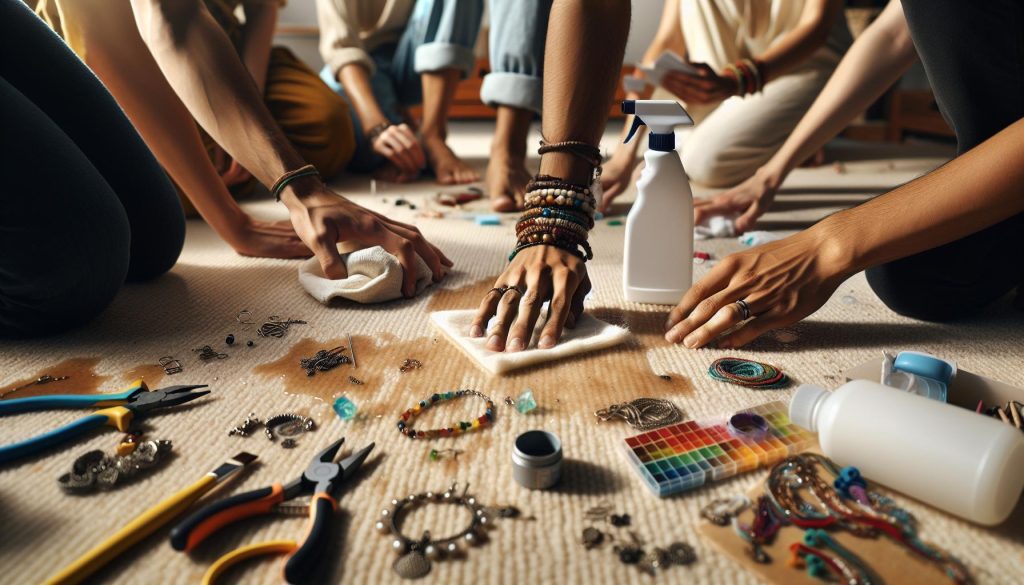
Did you know that creative projects can sometimes leave unexpected messes? If you’ve been immersing yourself in jewelry crafting but found acrylic paint splatters on your carpet, don’t worry-you’re not alone! This guide will walk you through effective methods to remove that stubborn paint without damaging your fibers. Understanding the right techniques not only saves your beloved carpet but also ensures that your crafting space remains inviting for future projects. So grab your cleaning supplies, and let’s dive into how to restore your carpet to its original condition, allowing you to focus on what you love most: creating beautiful jewelry!
How Acrylic Paint Affects Carpet Fibers
Acrylic paint is a popular medium among jewelry crafters due to its vibrant colors and quick drying time. However, if a spill occurs, understanding how this paint interacts with carpet fibers is crucial to preserving your flooring. Acrylic paint contains polymer emulsions, which can bond tightly to carpet fibers, making it challenging to remove once dry. When it seeps into the fibers, it forms a film that can affect the color and texture of the carpet, potentially causing permanent stains if not addressed promptly.
Different carpet types react uniquely to paint spills. For instance, natural fibers like wool or silk tend to absorb moisture more readily, leading to deeper penetration of the paint. Meanwhile, synthetic fibers, such as polyester or nylon, might experience more surface adhesion but can be easier to clean due to their non-porous nature. Regardless of fiber type, the key takeaway is that timely intervention is essential. The longer acrylic paint sits on the carpet, the greater the chance it has to bond with the fibers, creating a lasting mark that is tough to eliminate.
When dealing with spills, consider the specific carpet material to tailor your cleaning approach. For example, gentle blotting techniques work best on delicate fibers to avoid distortion, while more robust scrubbing may be applicable on tougher, synthetic carpets. Being aware of these nuances not only helps in removing the paint effectively but also protects your carpet from potential damage, ensuring it stays beautiful for years to come.
Immediate Steps to Take After a Spill
A sudden spill of acrylic paint can send any jewelry crafter into a panic, especially when it lands on your beloved carpet. However, acting swiftly can significantly reduce the risk of a permanent stain. The key is to move quickly and follow a series of practical steps to mitigate the damage.
First and foremost, grab some paper towels or a clean cloth and gently blot the stain immediately. Avoid rubbing, as this can push the paint further into the carpet fibers, exacerbating the problem. Use a lifting motion to soak up as much paint as possible without disturbing the surrounding area. If the spill is extensive, consider placing a folded paper towel over the area and weighing it down with something heavy to absorb the paint more effectively.
Once you’ve blotted up the excess paint, it’s crucial to identify the type of carpet you have. For synthetic carpets, you can use a homemade solution of equal parts rubbing alcohol and water, which will help break down the acrylic paint. Dip a clean cloth into this mixture and gently blot the stain, repeating as necessary until the paint begins to lift. For natural fibers, stick to plain water or a gentle soap solution to avoid damaging the material. Always test any cleaning solution on a small, inconspicuous area first to ensure it doesn’t alter the color or texture of your carpet.
As you continue cleaning, remember that patience is key. Frequent changes of your cloth or paper towels will help eliminate the paint quicker. After you’ve treated the stain, rinse the area with clean water to remove any remaining cleaning solution, and blot until dry. Following these immediate steps not only helps to tackle the spill effectively but also empowers you as a crafter to take control of accidents with confidence.
Best Cleaning Solutions for Acrylic Paint
The right cleaning solution can make all the difference when it comes to tackling acrylic paint stains on your carpet. First, it’s essential to understand that acrylic paint is water-based, which means that you have a variety of options to effectively lift the stain. Leveraging common household items not only simplifies the process but can often yield impressive results without the need for commercial cleaners.
One of the most accessible solutions is a mixture of equal parts rubbing alcohol and water. This combination works wonders by breaking down the paint’s pigments, allowing you to gently blot the area with a clean cloth. Remember to use a tapping motion rather than scrubbing, which can worsen the stain. If rubbing alcohol is not available, try a solution of warm water mixed with a few drops of mild dish soap; this can be especially useful for tackling stubborn spots without risking damage to your carpet fibers.
Additionally, for those with synthetic carpets, using a store-bought carpet cleaner or a specialized paint remover can provide an extra edge in your cleaning efforts. Just ensure any product you choose is safe for your particular carpet type. For natural fibers, it’s crucial to stick with gentler solutions like plain water or vinegar diluted in water, as harsh chemicals can lead to discoloration or damage.
Regardless of the option you select, always start by testing the solution on a small, hidden section of your carpet. This precaution ensures that your cleaning approach won’t adversely alter the color or texture of the fibers, providing peace of mind as you work to restore your carpet to its original state. By preparing wisely and using the best cleaning solutions, you’ll be well-equipped to handle any acrylic paint mishaps while crafting jewelry.
Step-by-Step Carpet Cleaning Method
When faced with an acrylic paint mishap on your carpet, acting swiftly can be the key to successful removal. The vibrant colors that make your jewelry creations stand out can easily become a source of frustration if they spill onto your carpet. Here’s a straightforward method to tackle those stains effectively and restore your carpet’s beauty.
Start by gathering your cleaning supplies: you’ll need a clean, white cloth or paper towels, a bowl, warm water, mild liquid dish soap, and rubbing alcohol. If you have a spray bottle, that can be helpful, but it’s not essential. Begin by gently blotting the stain with a dry cloth to absorb as much paint as possible. Avoid rubbing, as this can push the paint further into the fibers.
Next, create your cleaning solution by mixing equal parts of rubbing alcohol and water, or opt for a solution of warm water with a few drops of mild dish soap. If using the soap solution, dampen a clean cloth with it. Apply the cloth to the paint stain, using a blotting motion to lift the paint from the fibers. You may need to switch to a fresh part of the cloth or use new paper towels to avoid spreading the paint. Continue this process until no more paint transfers onto the cloth.
Once you’ve successfully lifted the stain, rinse the area with a clean, damp cloth to remove any residual cleaning solution. Blot the area dry and let it air out. If the stain persists, do not hesitate to repeat these steps or try applying a mixture of vinegar and water as an alternative. Remember, testing any cleaning solution on an inconspicuous carpet area first is always advisable to ensure colorfastness.
To facilitate your cleaning process, here are key steps summarized for quick reference:
- Absorb the excess paint using a dry cloth.
- Prepare a cleaning solution (rubbing alcohol and water or soap and water).
- Blot the stain with the solution until no more paint is lifted.
- Rinse with a clean damp cloth and blot dry.
With these steps, you can confidently tackle any acrylic paint stains, allowing you to get back to your jewelry crafting without the worry of damaging your carpets.
How to Handle Dried Acrylic Paint
Dealing with dried acrylic paint can feel daunting, especially when it stubbornly clings to your carpet fibers. However, with the right approach, you can restore your carpet’s appearance and keep your crafting space neat. First, understanding that dried acrylic paint can be water-resistant makes it essential to employ suitable techniques and materials.
Start by carefully scraping off any excess dried paint using a blunt object, like a spoon or a plastic scraper. This step is crucial to minimize damage to the carpet fibers. Once you’ve lifted as much of the paint as possible, it’s time to apply cleaning solutions. Rubbing alcohol or acetone can be particularly effective against dried acrylic paint. Dampen a clean cloth with your chosen solvent and gently blot the area; avoid rubbing as this could further embed the paint.
Cleaning Solutions
For best results, consider the following cleaning solutions:
- Rubbing Alcohol: Apply it directly to the stain and allow it to penetrate the paint for a few minutes before blotting.
- Acetone: This can also be effective but should be used with caution, especially on synthetic fibers.
- Vinegar and Dish Soap Mixture: Mix equal parts of vinegar and dish soap in warm water for a gentler approach, especially on delicate carpets.
After applying your cleaning solution, allow it to sit for a few minutes before blotting away the paint. It might take several applications to fully lift the stain. Always test your cleaning solution on a hidden area of your carpet first to ensure it won’t cause discoloration.
Final Steps
Once the paint is removed, it’s essential to rinse the area with clean water using a cloth to remove any residual cleaning solution. Blot it dry with a clean towel. If an outline of the stain remains, you may need to repeat the process or consider a carpet cleaner designed specifically for stubborn stains.
With patience and the right techniques, you can successfully tackle dried acrylic paint on your carpet, keeping your crafting area beautiful and inviting.
Tips for Preventing Future Paint Stains
Embarking on a jewelry crafting project can be incredibly rewarding, but it often comes with the risk of accidental paint spills, especially when working with vibrant acrylics. To prevent future paint stains on your carpet, adopting a proactive approach is essential. Actually, one of the best practices is to designate a specific crafting area, preferably one that is easy to clean or less susceptible to stains, such as a workshop with hard flooring or a surface covered with a protective mat.
When working on projects, consider wearing a paint smock or old clothing, as this can shield you from splatters. Always keep cleaning supplies handy-like damp cloths or paper towels-within arm’s reach. This way, if a spill occurs, you can react quickly, minimizing potential damage to your carpet. Additionally, placing an old sheet or drop cloth over your workspace can catch any inadvertent drips and save your carpet from unwanted stains.
Using proper tools can also aid in keeping your crafting area tidy. Tools like dispensing bottles with fine tips or palette knives can help control the paint application, reducing the chance of accidental spills. Lastly, always clear away any clutter before you begin; a cleaner workspace can lead to a more focused and less chaotic crafting experience, ultimately reducing the chance of mishaps.
By implementing these simple yet effective strategies, you can enjoy your jewelry making endeavors without the worry of permanent paint stains ruining your carpet. Embrace creativity with confidence, knowing that you’ve taken the necessary precautions to protect your crafting space!
When to Call a Professional Cleaner
Determining when to enlist the help of a professional cleaner can save you a lot of stress and potentially costly carpet damage, especially after a crafting mishap involving acrylic paint. While many stains can be tackled with DIY methods, certain circumstances warrant the expertise of a trained professional. If the paint spill is extensive or if the carpet is made from delicate fibers like silk or wool, attempting to clean it on your own might do more harm than good.
For those situations where the acrylic paint has had time to set or is particularly stubborn, professional services often come equipped with specialized tools and cleaning agents that are not only effective but also safe for your carpet. Their experience allows them to assess the type of paint, carpet material, and stain location, enabling them to employ the best techniques for a successful outcome. This is particularly crucial in cases where household cleaning solutions fail to yield results, potentially leaving behind residues that attract dirt or create discoloration.
Additionally, if you notice that your efforts to remove the paint have caused the fibers to look frayed, discolored, or misshapen, it may be time to call in the experts. They can offer restorative cleaning methods that can help reinvigorate your carpet. It’s also wise to consider a professional if you’re dealing with a high-value carpet, as the investment in professional cleaning may protect the value of your home’s decor in the long run.
Ultimately, knowing when to pass the baton to a professional cleaner not only preserves the beauty of your carpet but also gives you peace of mind while you focus on your creative endeavors, ensuring that any crafting projects can continue without the worry of damaging your home.
Alternative Carpet Care Solutions
Engaging in jewelry crafting can be an exhilarating experience, but it often comes with unexpected messes, like acrylic paint stains on your carpet. Instead of panicking over the potential damage, consider exploring . These methods not only provide effective stain removal options but also allow you to maintain the beauty and longevity of your carpets.
One widely recommended approach is utilizing household items that can work wonders on fresh paint spills. For example, white vinegar and baking soda together create a powerful cleaning paste that can lift stains without damaging carpet fibers. Simply mix equal parts vinegar and baking soda, apply the mixture to the stain, and let it sit for 10-15 minutes before blotting it up with a damp cloth. This dual-action method not only cleans but also deodorizes, providing a fresh scent that can enhance the ambiance of your crafting space.
In addition to common household items, you might consider investing in commercially available carpet cleaning solutions that are specifically designed to target paint stains. When choosing a product, look for those that are labeled as non-toxic and safe for delicate fabrics. Brands that focus on eco-friendly ingredients can be especially effective, offering peace of mind while you clean. Always conduct a patch test in an inconspicuous area to ensure compatibility with your carpet fibers, helping to avoid any unintended damage.
To further prevent future paint stains, consider preparing your crafting area with protective measures. Use drop cloths or old sheets to cover your work surface and adjacent floors. Portable workstations can also be set up in a more paint-friendly environment, such as a garage or patio, to minimize the risk of spills. Investing in a small, portable vacuum designed for quick clean-ups can facilitate rapid response to any spills, ensuring your crafting sessions remain enjoyable and stress-free.
By exploring these , you not only protect your carpets from acrylic paint spills but also empower yourself to embrace your creative journey with confidence-knowing that mishaps can be managed effectively. Whether it’s with DIY methods or the use of eco-friendly products, taking proactive steps can greatly enhance your crafting experience and maintain the integrity of your home.
Understanding Carpet Types and Stain Resistance
Understanding the relationship between carpet types and their stain resistance is crucial for anyone involved in activities like jewelry crafting, where spills can occur. Not all carpets are created equal; their fibers can significantly influence how well they withstand stains like acrylic paint. For instance, synthetic fibers such as nylon or polyester are generally more resistant to stains due to their non-porous nature. They tend to repel spills more effectively, allowing for easier cleanup. In contrast, natural fibers like wool may absorb liquids more readily, making them more susceptible to staining.
When selecting a carpet, it’s beneficial to consider materials with built-in stain resistance or those that undergo specialized treatments. For example, carpets treated with Stainmaster technology provide a barrier against spills, enabling easier cleaning. Moreover, loop pile carpets often disguise stains better than cut pile options, which can showcase dirt and spills prominently. This detail can be especially important in crafting areas where paint accidents are more likely to happen.
To maintain your carpet’s appearance, regular cleaning and the immediate treatment of spills are paramount. Utilizing a combination of carpet maintenance strategies, such as routine vacuuming and stain treatments tailored to your carpet type, can preserve the integrity of your flooring. Knowing the cleaning needs of your specific carpet type not only protects it from damage but also enhances the overall aesthetic of your home.
Remember, if you’re unsure about your carpet’s suitability in a crafting zone, conducting a patch test with any cleaning solution is wise. This ensures you won’t inadvertently damage your carpet fibers while striving for a clean, beautiful crafting space.
User Experiences: Success Stories and Tips
When it comes to dealing with acrylic paint stains on carpets, creative crafters often have a wealth of experiences to share. Numerous DIY enthusiasts have successfully tackled paint spills using a variety of methods that not only remove the mess but also provide peace of mind for future crafting sessions. One satisfied crafter, for instance, recounted how she turned to common household items after an unfortunate spill during a jewelry-making session. Utilizing a mixture of warm water and dish soap, she managed to lift the stain within minutes by gently blotting the area with a cloth, proving that sometimes the simplest solutions are the most effective.
Another user shared a success story that highlights the importance of acting quickly after a spill. Right after her paint accident, she used acetone (nail polish remover) on a cotton ball to blot the excess paint. Following up with soap and water, she was thrilled to find her carpet looking as good as new. This experience reinforced the idea that swift action is crucial-dealing with the stain promptly can mean the difference between a minor cleanup and a more extensive restoration process later on.
### Helpful Tips from the Community
- Always test cleaning solutions on a discrete area of your carpet first to avoid any unwanted discoloration.
- If you can’t remove the stain right away, keep the area moist with a damp cloth to prevent the paint from setting further.
- Avoid scrubbing too hard; gentle blotting is key to lifting the paint without damaging the fibers.
- Consider having a stain removal kit on hand that includes items like vinegar, rubbing alcohol, and microfiber cloths for quick access during crafts.
These user experiences and tips not only empower crafters to tackle carpet stains with confidence but also serve as a reminder that crafting is about experimentation and learning from mishaps. The shared wisdom from fellow jewelry makers underlines the importance of being prepared and knowing that even the messiest accidents can often be cleaned up with the right approach and materials. Whether you’re a seasoned pro or just starting out, these insights can help you navigate the colorful world of crafting with your carpet intact.
Eco-Friendly Cleaning Options for Your Carpet
While acrylic paint is a great medium for jewelry crafting, it can leave stubborn stains on carpets. Fortunately, there are several eco-friendly cleaning options you can use to effectively address these spills without harsh chemicals. The commitment to environmentally friendly solutions not only safeguards your health but also ensures that you are caring for your home in a sustainable way.
One of the simplest and most effective natural cleaners is white vinegar. This commonly found household item can break down the paint’s adhesive properties. To use it, mix equal parts vinegar and water in a spray bottle. Lightly mist the stained area and let it sit for a few minutes. Then, gently blot the area with a clean cloth or paper towel. The acetic acid in the vinegar will help lift the paint while being safe for most carpet types.
Another stellar option is baking soda. Known for its absorbent qualities, baking soda can be an excellent ally in stain removal. After applying a vinegar solution to the stain, sprinkle baking soda on top. Allow it to dry for several hours or overnight, then vacuum the area thoroughly. This combination tackles the stain while also neutralizing odors, leaving your carpet looking and smelling fresh.
For a more robust solution, consider making a paste using castile soap and water. Mix equal parts of the soap and water until you achieve a thick consistency, then apply it directly to the paint stain. Work in small circles with a soft cloth to lift the paint as you clean. Castile soap is biodegradable and gentle, making it a favorite among eco-conscious crafters.
Incorporating these eco-friendly alternatives into your cleaning routine not only addresses those pesky acrylic paint stains but also reflects a commitment to sustainable living. Remember to test any cleaning solution on a hidden part of your carpet first to ensure that it won’t cause discoloration. By using these natural options, you can enjoy your crafting sessions without the worry of damaging your carpets or the environment.
Frequently Asked Questions
Q: How can I remove fresh acrylic paint from carpet?
A: To remove fresh acrylic paint from carpet, immediately blot the stain with a clean cloth to absorb as much paint as possible. Avoid rubbing, as it can spread the stain. Then, use a mixture of warm soapy water or a gentle cleaner to treat the area, blotting until the paint lifts. For detailed methods, refer to the “Step-by-Step Carpet Cleaning Method” section.
Q: What household items can help clean acrylic paint off carpet?
A: Common household items like dish soap, white vinegar, and rubbing alcohol can effectively clean acrylic paint off carpet. Mix equal parts of these items with water to create a cleaning solution. Always test a small area first, as different carpet fibers react differently to cleaning agents.
Q: Why is it important to act quickly when I spill acrylic paint on carpet?
A: Acting quickly is crucial because acrylic paint can dry and bond with carpet fibers, making it much harder to remove. The longer the paint sits, the more it sets into the fibers, increasing the risk of permanent staining.
Q: Can I use a steam cleaner for removing acrylic paint from carpet?
A: Using a steam cleaner can aid in removing acrylic paint from carpet, but it’s most effective on fresh stains. Be cautious with dried paint, as heat may set the stain further. Always follow up with blotting using a cleaning solution after steaming for best results.
Q: Will acrylic paint stain my carpet permanently?
A: Acrylic paint can potentially stain carpet permanently if not addressed immediately and correctly. However, with prompt action and the right cleaning methods, many stains can be effectively removed, especially if they’re fresh.
Q: Should I use bleach to remove acrylic paint from carpet?
A: It’s not advisable to use bleach on carpet for acrylic paint stains, as it can cause discoloration and damage to fibers. Instead, opt for gentler cleaning solutions to avoid harming your carpet while effectively lifting the stain.
Q: What should I do if the acrylic paint has dried on my carpet?
A: If acrylic paint has dried, gently scrape off as much as possible with a dull knife or spoon. Then, apply rubbing alcohol or a commercial paint remover specifically designed for fabrics, allowing it to soak before blotting up the paint. Detailed steps can be found in the “How to Handle Dried Acrylic Paint” section.
Q: How can I prevent future acrylic paint stains on my carpet?
A: To prevent future acrylic paint stains, lay down drop cloths in craft areas and immediately clean any spills with a damp cloth. Always ensure paints are secured tightly and avoid crafting in areas with carpet when possible. For more tips, see the “Tips for Preventing Future Paint Stains” section.
Final Thoughts
Now that you’ve successfully learned how to remove acrylic paint from your carpet after jewelry crafting, don’t let any more crafting accidents hold you back! Remember, swift action is key to preventing stains from setting in, so keep these techniques in mind for future projects. For more DIY tips on jewelry care and maintenance, check out our guides on cleaning metals and gems or explore our fun DIY tutorials to elevate your crafting skills.
If you found this guide helpful, consider signing up for our newsletter for more expert advice and exclusive content aimed at helping you style and care for your jewelry confidently. Don’t forget to leave a comment below sharing your experiences or any additional tips you might have! Join our community as we continue to explore the art of jewelry making and maintenance together. Your next project awaits, so dive in and craft with confidence!
Get our latest guides, news, and insights highlighted in your Google Search & AI Overviews.