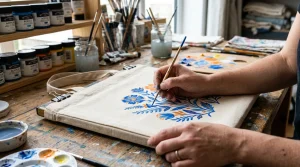
Have you ever found yourself staring at a vibrant bottle of acrylic paint, wondering whether it could breathe new life into your fabric projects? You’re not alone! Many crafters are intrigued by the idea of using acrylic paint as a fabric medium, but the key question remains: can it truly deliver the results you desire? In this article, we delve into the surprising truth behind using acrylic paint on fabric, unraveling the pros, cons, and best practices to help you make informed creative choices. Whether you’re a DIY enthusiast looking to personalize clothing or a seasoned artist exploring new techniques, understanding this topic is essential for achieving durable and beautiful results. Stick with us as we explore how to turn your paint dreams into reality!
Can You Use Acrylic Paint on Fabric? The Basics Explained

Painting fabric with acrylic paint is a popular choice among crafters and artists for its versatility and vibrant colors. While acrylic paint is primarily designed for use on canvas and other non-porous surfaces, it can indeed be used on fabric-but there are some important considerations to keep in mind. When applied without modification, acrylic paints may become stiff and may not adhere well after washing, which can lead to cracking or peeling over time. However, with the right approach and additional materials, you can achieve excellent results, transforming your textiles into stunning works of art.
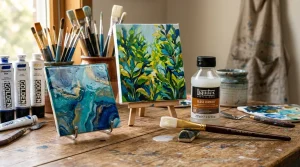
To enhance the longevity and flexibility of acrylic-painted fabrics, it’s essential to mix acrylic paint with a textile medium. This combination helps the paint maintain its adhesive properties and allows the fabric to retain its softness. The addition of a fabric medium also increases washability, making your creations more durable for everyday use. Various brands offer specialized fabric paint designs, such as Liquitex Professional Soft Body Acrylic, which promises a lasting bond with fabric when used with their fabric medium [[1]](https://www.liquitex.com/blogs/tips-techniques-how-tos/how-to-paint-on-fabric?srsltid=AfmBOopqsUvGenvBtVr0XAjTJqiNUhaJWCP4mS1nzyg-gXf4iv9rA1iF).
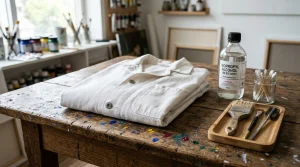
When using acrylic paint on fabric, opt for natural fibers like cotton or linen for the best results, as these materials absorb paint more effectively compared to synthetic fibers. Before starting your project, it’s advisable to wash and dry the fabric to remove any sizing or chemicals that could interfere with paint adhesion. Always ensure your workspace is well-ventilated and that you wear gloves for skin protection. By following these practices and properly preparing your materials, you can unlock the full potential of acrylic paint for your fabric projects, creating unique and long-lasting designs.
Understanding the Differences Between Acrylic and Fabric Paint
Acrylic paint and fabric paint may seem similar at first glance, but understanding their fundamental differences is crucial for successful fabric projects. Acrylic paint, primarily designed for use on non-porous surfaces like canvas or wood, tends to dry hard and inflexible. This characteristic can lead to cracking and peeling when the painted fabric is washed or subjected to wear and tear. In contrast, fabric paint is formulated specifically for textiles, offering flexibility and durability that allow it to move with the fabric, thereby withstanding the rigors of laundering and daily use.
One major difference lies in the composition and additives used in each type of paint. Fabric paints typically contain special resins and textiles that help them bond more effectively with fibers while ensuring that the paint remains soft after drying. In comparison, acrylic paints can be enhanced for fabric use by mixing them with textile mediums. These mediums increase adherence and flexibility, enabling the acrylic paint to remain wash-safe while also preserving the drape and feel of the fabric. Therefore, if you’re considering using acrylic paint for fabric, remember to incorporate a textile medium into your project to achieve the best results.
When it comes to color vibrancy, acrylic paint is often richer and more intense than standard fabric paints, making it appealing for bold, eye-catching designs. However, keep in mind that while acrylics can achieve stunning effects, they may not retain that vibrancy after multiple washes unless treated properly. For fabric painting projects intended to be wearable or frequently laundered, people typically opt for fabric paints or acrylics mixed with fabric mediums to ensure longevity and texture that can endure.
In summary, while you can use acrylic paint on fabric, it’s important to recognize the differences and take necessary precautions. Understanding the unique properties of each paint type allows crafters to make informed choices, ensuring their projects are not only visually stunning but also practical and long-lasting.
How to Use Acrylic Paint for Fabric Projects

Using acrylic paint on fabric can open up a world of creative possibilities, but executing a successful project requires some specific techniques and knowledge. First and foremost, for optimal results, it’s essential to mix the acrylic paint with a fabric medium. This additive transforms traditional acrylics into a more forgiving formula that adheres better to textile fibers, allowing for a softer, more flexible finish once dried.
To start your project, gather your supplies: high-quality acrylic paint, fabric medium, brushes or sponges, and your fabric of choice. If you’re working with a textile that will undergo frequent washing, consider pre-washing it to remove any finishes that might impede paint adhesion. Once your fabric is ready, measure out your paint and medium using a recommended ratio-typically 1 part fabric medium to 2 parts acrylic paint. Mix thoroughly to ensure an even consistency and apply it to your fabric in a well-ventilated area.
When painting on fabric, use light layers rather than heavy coats. This will help prevent the paint from becoming stiff and will allow for more vivid colors. Test your mixtures on a scrap piece of fabric first to see how the colors appear when dried. Always let each layer dry completely before applying another to avoid smudging and enhance vibrancy.
Lastly, after your project is finished, it’s crucial to heat-set the paint. This can typically be done by placing a cloth over your design and ironing it on a medium setting for a few minutes. This step locks in the color and texture, increasing its resistance to washing and wear. Follow these steps for a rewarding fabric painting experience that showcases your creativity in vibrant, lasting designs!
Best Practices for Painting on Fabric with Acrylics

To achieve stunning results when painting on fabric with acrylics, embracing certain best practices can make all the difference. While acrylic paint alone can produce vivid colors, combining it with a fabric medium is key to enhancing its flexibility and durability. This mixture allows the paint to properly adhere to the fibers of the fabric while maintaining a soft finish, essential for items that will be worn or washed frequently.
Begin by selecting a high-quality acrylic paint and a compatible fabric medium. A common mixing ratio is typically 1 part fabric medium to 2 parts acrylic paint, but it’s wise to consult the manufacturer’s instructions for precise guidelines. Prior to applying the paint, prepare your fabric by washing it to remove any finishes that could hinder adhesion. Once mixed, apply your paint in light, even layers. Using a stencil brush or sponge can help create smooth, controlled applications, which will reduce the risk of stiff areas that diminish the fabric’s hand.
Incorporating drying times is crucial; allow each layer to dry completely before adding another. This not only prevents smudging but also enhances the vibrancy of the color. Additionally, keeping your workspace well-ventilated allows the acrylic to dry evenly, ensuring the best results. Once your design is complete, heat-setting is essential to lock in the colors. Simply place a clean cloth over your painted area and iron it on a medium setting for a few minutes. This step greatly increases the washability and durability of your painted fabric, ensuring your creative expression stands the test of time.
Finally, don’t hesitate to experiment with various techniques, such as stenciling or fabric stamping. These methods can yield unique textures and patterns, making your projects all the more exciting. Regular practice and testing different fabric types will help you discover how the paint behaves under various conditions, leading to greater confidence and creativity in your fabric painting endeavors.
Enhancing Fabric Flexibility: Tips and Tricks

To achieve stunning flexibility in your fabric projects, it’s essential to know how to adapt acrylic paint to the demands of fabric. When painting on textiles, the last thing you want is a stiff, brittle finish that restricts movement. Fortunately, by utilizing some simple techniques, you can keep your fabric soft and wearable while still showcasing vibrant colors.
First and foremost, mixing acrylic paint with a fabric medium is pivotal for maintaining the flexibility of your fabric. This combination allows the paint to bond with the fibers rather than sit on top, which often leads to cracking or peeling over time. The standard mixing ratio is about 1 part fabric medium to 2 parts acrylic paint, but always check the manufacturer’s recommendations for the best results. This ratio can help achieve a thinner, more pliable finish that moves with the fabric, making it perfect for clothing and other wearable items.
Another effective method is layering your paint in thin, even coats. Instead of applying a thick layer all at once, gradually build up color, allowing each coat to dry fully before adding another. This technique not only enhances the flexibility of your design but also helps prevent stiffness. For added control, consider using tools like sponge brushes or stencils, which can help achieve smooth application without over-saturating the fabric.
Lastly, post-painting care is crucial. Heat-setting your painted fabric with an iron ensures the longevity and flexibility of your art. Use a pressing cloth to protect the surface, and press on a medium setting for several minutes. This vital step locks in the color and maintains the fabric’s original texture. By following these tips, your painted fabrics can remain vibrant and flexible, allowing you to express your creativity without compromising usability.
What Happens When You Wash Acrylic Painted Fabric?
Washing acrylic painted fabric can be a concern for many DIY enthusiasts and artists alike. The durability and longevity of your designs depend significantly on how you care for them after painting. Proper washing techniques can minimize fading and maintain the vibrancy of your artwork, ensuring that your creative efforts don’t wash away with the first cycle in the laundry.
When it comes time to clean your painted fabrics, always remember these key guidelines:
- Wait Before Washing: Allow the paint to cure fully, which usually takes at least 72 hours after painting. This ensures the paint has bonded well with the fabric.
- Hand Wash or Gentle Cycle: To protect your designs, hand washing is often preferred. If you decide to use a washing machine, select the gentle cycle with cold water to reduce agitation and wear.
- Avoid Bleach and Harsh Detergents: Use mild detergents and stay away from any detergents containing bleach or fabric softeners, as they can degrade the paint’s integrity.
- Air Dry: Instead of using a dryer, air dry your painted items. High heat can cause the paint to crack or peel over time.
It’s also wise to turn your fabric inside out before washing to provide an additional layer of protection for the painted surface. If you’re storing painted items, keep them away from direct sunlight to prevent fading, and avoid heavy stacking, which can lead to creases or stress on the paint.
By adhering to these laundry best practices, you can enjoy your beautiful acrylic-painted fabrics for years to come, showcasing your creativity while keeping your projects looking their best.
Creative Techniques for Using Acrylic Paint on Textile
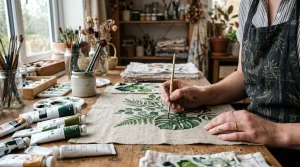
To unleash your creativity with acrylics on textiles, consider innovative methods that go beyond mere painting. One exciting approach is to create textured surfaces by incorporating materials like sponges or stencils. Using a sponge allows for soft, blended effects, while stencils can help achieve intricate designs with precision. Simply dab the sponge in paint and apply it to your fabric or use a stencil to guide your brush strokes for defined patterns.
Another creative technique is to experiment with fabric manipulation before painting. Tying, folding, or gathering the fabric can produce unique patterns akin to tie-dye or shibori. Once you’ve set the fabric in your desired arrangement, apply the acrylic paint; the areas that remain untouched will create beautiful contrasts when you untie or unfold your fabric.
For those keen on incorporating mixed media, consider combining acrylic paint with other materials such as beads, embroidery, or even fabric scraps. This not only adds dimension and interest but also allows for diverse textures that can enhance the overall aesthetic of your textile project. Use a sturdy acrylic medium to adhere these elements securely, ensuring longevity in your designs.
Lastly, leveraging the translucency of acrylics can lead to stunning layered looks. By using diluted paint, you can build up colors gradually, achieving a watercolor effect that maintains the fabric’s underlying patterns. This technique is particularly effective on lighter fabrics, adding depth and vibrancy without overwhelming the original texture. Embrace these techniques, and let your fabrics become a canvas for personal expression and artistic exploration!
Alternative Paint Options for Fabric Crafting
When seeking alternatives to traditional acrylic paint for fabric crafting, you’ll find a variety of options that can enhance your creative projects while ensuring durability and washability. The right choice often depends on the specific effects you’re aiming to achieve, the type of fabric you’re working with, and how you intend to care for the finished item. Here are some compelling alternatives to consider:
Fabric Paints
Fabric paints are specially formulated to adhere to textiles. They typically contain a mix of pigments and binders that enhance flexibility and durability. Unlike regular acrylics, fabric paints are designed to withstand washing without cracking or fading. They are available in various finishes, including matte, gloss, and metallic, allowing for diverse creative expressions. Brands like Tulip and FolkArt offer a wide range of vibrant options that are non-toxic and easy to use, making them ideal for both beginners and experienced artists.
Textile Markers
For more precise applications, textile markers present an excellent choice. These markers are perfect for detailing, outlining, or adding intricate designs. Available in various tip sizes, they allow for fine line drawings and precise color application. Textile markers are often washable and can be used on light or dark fabrics. Many artists find these tools particularly useful for adding personal touches or custom messages to their creations.
Fabric Dyes
Another intriguing option is fabric dyes, which can fully infuse fabric with rich colors. Unlike paint, dye penetrates the fibers, resulting in a more integrated look that retains the fabric’s softness. Dyes can be used to create stunning gradients, tie-dye effects, or monochromatic designs. While dyeing typically requires additional steps, such as fixing the color through heat or chemical agents, the vibrant results can be well worth the effort. Brands like Rit and Dylon provide easy-to-follow guides for achieving professional-quality outcomes.
DIY Fabric Paint Recipes
If you’re feeling adventurous, you can create your own fabric paint using basic household items. One popular recipe involves mixing equal parts of white school glue and fabric medium with acrylic paint, creating a versatile medium that can adhere well to textiles. Additionally, combining shaving cream with acrylic paint can yield a textured paint suitable for fun crafting projects, especially with children.
In summary, while acrylic paint can be a viable option for fabric, exploring alternatives like fabric paints, markers, dyes, and DIY solutions can open up new dimensions of creativity and functionality in your textile arts. Each alternative offers unique properties, ensuring there’s something to suit every project and personal style while enhancing the longevity and aesthetic appeal of your fabric creations.
Expert Opinions: Artists Weigh In on Acrylic vs Fabric Paint
Artists frequently find themselves faced with the question of whether to use acrylic paint or fabric paint for their textile projects. While both options can produce vibrant, stunning results, industry experts often emphasize significant differences in formulation and application that can impact the finished product.
Many artists argue that fabric paint is specifically designed for flexibility and durability on textiles, making it the preferable choice for projects that will be washed or worn frequently. According to textile artists, fabric paints generally contain additives that enhance their adhesion to the fibers, preventing cracking and fading, which is critical for maintaining the integrity of the designs over time. Notably, fabric paints are available in a variety of finishes, including matte and glossy, allowing for creative expression appropriate for surface decoration on different materials.
Conversely, some artists advocate for the versatility of acrylic paint, particularly when mixed with a fabric medium. This combination allows acrylics to behave more like fabric paints, providing artists with a broader palette and the ability to create unique textures and layering effects. The key is to apply a proper fabric medium, which adjusts the paint’s properties to better suit fabric applications. Experts recommend adhering to a mixing ratio, often cited as one part medium to two parts paint, to achieve the best results on fabrics used in making clothing or other washable items.
In the realm of creative techniques, many artists stress the importance of testing on small fabric swatches before committing to larger projects. This practice helps gauge how the paint will respond to washing and wearing, ultimately guiding the choice between acrylic and fabric paint based on the artist’s specific goals and the expected use of the fabric. Additionally, mediums and additives can enhance acrylic paint’s flexibility if artists decide to go this route, promoting vibrant colors without sacrificing the softness and pliability that many fabric creations require.
Ultimately, the decision to use acrylic or fabric paint comes down to the specifics of the project and the desired aesthetic outcome. As artists experiment and share their experiences, it becomes clear that both types of paint hold valuable traits that can significantly influence the success and longevity of their fabric artworks. Understanding these differences empowers crafters and creators to choose the best medium for their artistic vision.
Safety Considerations When Using Acrylic Paint on Fabric
Engaging in fabric painting can be a delightful and creative experience, but it also comes with certain safety considerations that shouldn’t be overlooked. Acrylic paint, while versatile and vibrant, contains chemicals that may pose risks if not handled properly. Prioritizing safety ensures that your crafting time remains enjoyable and free from mishaps.
When working with acrylic paint on fabric, it’s crucial to work in a well-ventilated area. Acrylic paints often release fumes that can be irritating to the respiratory system, especially when sprayed or in concentrated amounts. If you’re using large quantities of paint or creating intricate pieces that require prolonged exposure to chemical vapors, consider wearing a mask to filter out harmful particles. In addition to ventilation, ensure that you are using non-toxic and water-based acrylic paints whenever possible. This not only minimizes health risks but also benefits the environment.
It’s also important to protect your skin and clothing. Wearing gloves can prevent paint from irritating your skin or staining your clothes, especially during extensive painting sessions. Some artists also recommend using old clothing or covering your work surface with drop cloths. If paint spills occur, quick cleanup with soap and water is essential to avoid slipping hazards.
Storage is another safety aspect to consider. Keep acrylic paints in sealed containers and out of reach of children and pets. Always read the label for any specific safety warnings or disposal instructions. If you have leftover paint, check for proper disposal methods to avoid contaminating water supplies or harming wildlife.
By considering these safety tips, artists can help create a safe and enjoyable environment for their fabric painting projects. Taking these precautions not only protects you and your workspace but also enhances your crafting experience, allowing you to focus on unleashing your creativity without concern.
Troubleshooting Common Issues with Acrylic Fabric Paint
When using acrylic paint on fabric, issues can sometimes arise, but many common problems have straightforward solutions that can enhance your crafting experience. Whether you’re dealing with paint that won’t adhere properly or fabrics that become stiff, understanding these challenges and their remedies can help you achieve the best results.
One of the prevalent issues is poor adhesion of acrylic paint to fabric. This can often occur if the fabric is not prepped correctly. To ensure a good bond, wash the fabric to remove any sizing or finishes, and consider using a fabric medium mixed with the paint. This medium helps the paint to better adhere and maintain flexibility. If you notice that the paint is still peeling or flaking after drying, try lightly sanding the painted area with fine-grit sandpaper, then reapplying the paint mixed with a fabric medium for improved results.
Another common concern is the stiffness of the fabric once painted. Acrylic paint can create a rigid surface that limits the fabric’s natural movement. To mitigate this, always mix your acrylic paint with a fabric medium. This not only aids in adhesion but also maintains the fabric’s soft feel. Additionally, applying multiple thin layers of paint rather than a single thick layer can help prevent stiffness, allowing for flexibility while still showcasing vibrant colors.
If you encounter colors that appear dull after painting, it’s possible that the paints used are not suitable for fabric or may need additional mediums to enhance their vibrancy. Acrylic paint can sometimes appear less vibrant on fabric than on paper or canvas. You can brighten these colors by layering additional coats or using a gloss medium to finish the piece. Lastly, after a project is complete, allow it to cure for a recommended period before washing or using the fabric to ensure that all layers are adequately set.
By addressing these troubleshooting points, you can confidently work with acrylic paint on various fabric projects, leading to successful and eye-catching outcomes every time.
Inspiring Project Ideas for Acrylic-painted Fabrics
Unlocking your creativity with acrylic paint on fabric opens the door to a myriad of exciting project possibilities. Whether you’re looking to refresh old clothing, add a personal touch to home textiles, or create unique gifts, the versatility of acrylics allows for a wide range of artistic expressions. Here are some inspiring project ideas to help you get started:
Custom T-Shirts
Transform a plain t-shirt into a one-of-a-kind piece of wearable art. Using stencils or freehand painting techniques, you can create everything from intricate designs to bold statements. Consider using fabric mediums mixed with your acrylic paint to enhance the softness and flexibility of the final product.
Decorative Pillows
Give your living space a fresh look by painting decorative pillow covers. Choose a theme that complements your décor, like floral patterns or geometric shapes. To ensure your designs are durable, use fabric paint as a top layer after the initial acrylic has dried, helping to lock in your artwork while maintaining a soft feel.
Artistic Tote Bags
Create a unique tote bag that showcases your personality. You can paint inspirational quotes, custom graphics, or even abstract designs. This functional art piece will not only serve as a stylish accessory but also a conversation starter wherever you go. Keep in mind to use a fabric medium to maintain the flexibility of the bag for daily use.
Upcycled Denim
Revive old jeans or jackets by adding your artistic flair with acrylic paint. Techniques like splattering or tie-dye effects can give denim a trendy update. Remember to wash and prep the fabric properly to achieve the best adherence and vibrancy of the paint.
Table Linens and Curtains
Personalize your dining or living space by painting tablecloths, napkins, or curtains. Use stencils for clean designs or a sponge for a more textured look. When finished, these painted textiles can elevate everyday meals into special occasions, becoming conversational highlights in your home.
By exploring these project ideas, you not only create visually stunning pieces but also enjoy the satisfaction that comes with crafting with acrylics on fabric. Remember to experiment and have fun-there’s no limit to what you can create when you let your imagination lead the way!
Frequently asked questions
Q: Can I use acrylic paint on fabric without any special preparation?
A: While you can apply acrylic paint directly onto fabric, it’s best to prepare the fabric first by washing it to remove any sizing or finishes. Prepping ensures better adhesion and longevity of the paint.
Q: Is fabric paint better than acrylic paint for clothing?
A: Fabric paint is specifically designed for textiles and usually offers better flexibility and washability than acrylic paint. However, high-quality acrylic paint can still be used with proper techniques to achieve good results.
Q: How do I set acrylic paint on fabric permanently?
A: To set acrylic paint on fabric permanently, heat it with an iron after drying. Place a protective cloth over the design and iron it on medium heat for about 3-5 minutes, following the manufacturer’s instructions for best results.
Q: What types of projects are best suited for acrylic paint on fabric?
A: Acrylic paint is great for creating custom designs on T-shirts, canvas bags, and home decor items like pillow covers. It works well for intricate designs that require fine detailing, especially when used with brushes.
Q: How do I prevent acrylic paint from cracking on fabric?
A: To prevent cracking, use a fabric medium mixed with acrylic paint, which increases flexibility. Ensure the paint is applied in thin layers and allow ample drying time between coats.
Q: Can you wash clothing painted with acrylic paint?
A: Yes, you can wash acrylic-painted clothing, but it’s essential to hand wash in cold water and air dry to prolong the design’s lifespan. Avoid harsh detergents that could fade the colors over time.
Q: What are the risks of using acrylic paint on fabric?
A: The main risks include potential for cracking or stiffness if not mixed with a fabric medium. Additionally, certain acrylic paints may not hold up well in washes, leading to fading or peeling.
Q: How to enhance the durability of acrylic paint on fabric?
A: To enhance durability, mix the acrylic paint with a textile medium to maintain flexibility, prewash the fabric, and follow heat-setting instructions post-painting. Regular washing should be done gently to prevent wear.
Insights and Conclusions
Thank you for exploring whether acrylic paint can effectively serve as fabric paint. We’ve uncovered some surprising insights that empower your creative projects. Remember, while acrylic paint may be used with the right preparations-such as fabric medium or mixing with specific ingredients-it’s essential to understand its limitations to achieve the best results. To dive deeper, check out our guides on fabric care and painting techniques, or explore DIY crafting tips to maximize your artistic potential.
Ready to get started on your next fabric project? Don’t hesitate-grab your supplies and experiment today! Interested in more creative ideas? Join our newsletter for exclusive tips and tricks or visit our DIY tutorials section to keep the inspiration flowing. Your journey into the world of fabric art starts here-let’s make something beautiful together!
Get our latest guides, news, and insights highlighted in your Google Search & AI Overviews.