Have you ever wanted to brighten up your wardrobe or create custom fabric pieces with your unique flair? Using acrylic paint on fabric can be an exciting and creative way to transform clothing, bags, or home decor. While traditionally used for canvas and crafts, acrylic paints can indeed work on fabrics when applied correctly, ensuring vibrant colors that withstand washing and wear. In this guide, we’ll explore essential tips and techniques to help you achieve stunning results, whether you’re a seasoned artist or a DIY enthusiast. Discover how to unlock your creativity and personalize your fabric projects safely and effectively, ensuring they look great and last. Curious about the best practices? Let’s dive in!
Choosing the Right Acrylic Paint for Fabric
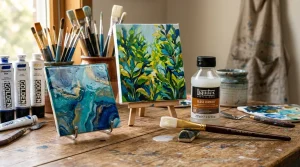
Selecting the appropriate acrylic paint can significantly affect your fabric painting experience and the final result. Not all acrylic paints are created equal; therefore, understanding the differences between craft, artist, and professional-grade paints is essential. Craft acrylics tend to be thicker and are often easier for beginners to use because they provide good coverage and vibrant colors. However, they may lack the longevity and washability needed for items that will see frequent use. On the other hand, artist and professional-grade acrylic paints typically have higher pigment concentrations and a wider color range, making them ideal for more intricate projects or fabric applications that require durability.
When choosing your paint, consider the type of fabric you will be working with. For canvas or denim, a heavy-body acrylic can provide the texture and opacity needed to make your design stand out. For lighter fabrics, mid-weight or soft body acrylics are a better option as they allow for more flexibility and movement without cracking. Furthermore, always check the label for any specific fabric formulations, as some paints are designed explicitly for use on textiles, incorporating a soft finish and good washability.
Lastly, don’t overlook the importance of color mixing abilities. If you’re looking to create custom hues, opt for paints that are easily mixable. Investing in a basic palette of primary colors along with black and white can open a world of customization, allowing for an endless range of shades tailored to your specific project. Always conduct a test patch on a scrap piece of fabric first to ensure compatibility and to see how the colors will behave once dried. This approach helps in making informed decisions and achieving the vibrant, lasting results you’re aiming for.
Understanding Fabric Types for Acrylic Painting
When it comes to painting on fabric, the type of material you choose plays a critical role in the overall success of your project. Different fabrics have distinct characteristics that affect how acrylic paint adheres, dries, and looks once cured. Understanding these differences can help you select the right approach for your creative endeavors, ensuring vibrant, durable results that stand the test of time.
Natural fabrics, such as cotton, linen, or silk, are often ideal for acrylic painting due to their porous nature. These materials can absorb the paint effectively, allowing for rich color saturation. Cotton is particularly beginner-friendly, as it is easy to work with and readily available. For silk, consider using specialized acrylics formulated for this delicate fabric to prevent damage while still achieving beautiful, flowing designs.
Synthetic fabrics, including polyester and nylon, can be more challenging because they are less absorbent. However, this does not mean that painting on them is impossible. Utilizing fabric mediums can improve the bonding of acrylic paints to these materials, creating a durable finish. Always remember to prepare synthetic fabrics by washing them to remove any finishes or coatings that might inhibit paint adhesion.
Finally, when dealing with blends-fabrics that combine natural and synthetic fibers-a hybrid approach is essential. The proportions of each fiber can dictate how well the paint interacts with the fabric. Testing on a small swatch can reveal how the paint will perform, allowing you to adjust your techniques accordingly. Embrace the unique qualities of each fabric type to unlock endless creative possibilities in your acrylic painting projects.
Preparing Your Fabric for Acrylic Application
To achieve stunning results when painting on fabric, the preparation process is as crucial as the paint itself. Properly preparing your fabric ensures that the acrylic paint adheres well, dries evenly, and maintains its vibrant color over time. A well-prepared surface can significantly enhance the quality and durability of your finished piece, making it an essential step in your creative journey.
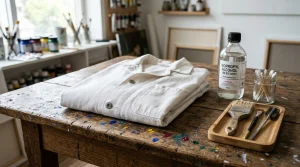
Start by selecting the appropriate fabric for your project. Before applying any paint, it’s essential to wash the fabric to remove any dirt, dust, or chemical finishes that might interfere with paint adhesion. Use a gentle detergent and allow the fabric to dry completely. If you’re working with synthetic materials like polyester or nylon, consider using a fabric medium when mixing your paint, which helps in enhancing adhesion.
Next, iron your fabric to ensure it is smooth and free of wrinkles. Creases can disrupt the paint application, leading to uneven coverage and potential splatters. If you’re working with a large piece of fabric, consider stretching it onto a frame or securing it with tape to a flat surface. This will help keep the fabric taut, minimizing the risk of paint running or bleeding into unwanted areas.
For additional protection and to enhance your painting experience, you might want to place a layer of plastic or cardboard underneath your fabric. This acts as a barrier against any excess paint that may seep through, preserving the surface beneath and making cleanup easier. Once everything is set, you’re ready to unleash your creativity with confidence, knowing that your fabric is prepared for a flawless application of acrylic paint.
Best Techniques for Applying Acrylic Paint
When it comes to applying acrylic paint on fabric, technique is key to achieving vibrant, long-lasting designs. Whether you’re embellishing a plain shirt or creating a custom tote bag, using the right methods can make all the difference. Here are some effective techniques that will elevate your acrylic painting skills on fabric.
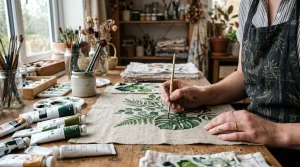
One of the best methods for applying acrylic paint is using a sponge or stencil brush. These tools can create beautiful textures and allow for controlled application, especially when working with intricate designs or stencils. For sponging, lightly dip the sponge in paint and dab it onto the fabric, creating a soft, blended effect. This technique is perfect for backgrounds or creating depth in your design. If you’re using a stencil, make sure to secure it in place to avoid paint bleeding underneath.
Another excellent technique is brushing. A traditional paintbrush allows for more precision, particularly when detailing or outlining your work. Use varying brush sizes to create different effects; a larger brush works well for filling in larger areas while a finer brush is ideal for small details or lines. When brushing, consider using a dry brush technique, where you apply very little paint to the brush and sweep it lightly across the fabric. This can give your project a subtle, textured appearance.
For those who want to experiment further, tying and folding techniques can add unique patterns to your fabric. Much like tie-dye, you can twist or fold sections of the fabric before applying paint, creating interesting shapes and color distributions. Once the paint dries, you can untie or unfold the fabric to reveal a stunning design. This method is not only fun but also ensures that no two pieces are identical, giving each project a personal touch.
Remember that layering is an effective strategy as well. Allow each layer of paint to dry before applying another. This not only helps prevent smudging but also enables you to create complex designs by building color and texture gradually. For a polished finish, consider applying a heat-setting method such as an iron or hairdryer once your piece is complete, ensuring that the paint bonds securely to the fabric fibers.
Incorporating these techniques will empower you to create striking, durable fabric art that stands out. As you practice, you’ll discover your unique style and preferences, leading to a rewarding artistic journey with acrylic paints on fabric.
Curing and Setting Acrylic Paint on Fabric
Successful applications of acrylic paint on fabric hinge not only on technique but also on the crucial steps involved in curing and setting the paint. Ensuring your design lasts over time involves more than simply letting the paint dry. Proper curing techniques will make your artwork vibrant, functional, and durable, transforming your fabric creations into cherished pieces.
To effectively cure acrylic paint on fabric, allow your painted project to dry completely at room temperature. This typically takes about 24 hours, depending on the thickness of the paint and the humidity of your environment. After the initial drying, it’s essential to heat set the paint to ensure it adheres well and withstands washing. One popular method is to use an iron: place a clean cloth over the painted area and set your iron to a medium heat without steam. Gently press the iron onto the cloth for about 30 seconds, moving it around to avoid scorching. This process not only bonds the paint to the fabric but also enhances its washability.
Additionally, you may consider using a fabric medium mixed with your acrylic paint before application. Fabric mediums help reduce stiffness and improve flexibility, allowing the paint to better conform to the fabric without cracking. This preparation adds another layer of durability, making your piece much more resilient under frequent handling or washing.
Once heat-setting is completed, turn your fabric item inside out while washing to protect your artwork further. Use cold water and a gentle cycle to maintain the integrity of the acrylic paint. Avoid bleach or harsh detergents that could fade or damage your design. Proper care and maintenance will keep your acrylic fabric art looking fresh and vibrant for years to come, allowing you to proudly showcase your creativity.
Troubleshooting Common Acrylic Paint Issues
Common issues can arise when using acrylic paint on fabric, but with some knowledge and preparation, you can troubleshoot effectively to achieve your desired results. One frequent problem is the paint cracking or peeling after drying, which can occur if the fabric is too stiff or if the paint was applied too thickly. To combat this, ensure you use a fabric medium mixed with your acrylic paint. This addition increases flexibility and allows the paint to adhere better to the fabric without losing its vibrancy.
Another common concern is paint fading after washing. To minimize this risk, always heat set your paint after it has dried, as this process significantly enhances the durability of your artwork. Additionally, when washing your painted fabric, turn it inside out and choose a gentle cycle with cold water. Using a mild detergent designed for delicate fabrics can also help preserve the brightness of your design.
Sometimes, you might notice that the colors look different after the paint has dried compared to when it was applied. This can happen due to the inherent translucency of some acrylics or the type of fabric used. To prevent this, test your colors on a fabric scrap before starting your project and build layers of paint gradually to achieve the desired hue. Furthermore, ensure your workspace is well-lit to accurately judge the wet colors.
Lastly, if you encounter brush strokes or uneven texture, consider using a smoother brush or a sponge for application. Always apply the paint in thin layers, allowing each layer to dry completely before adding more. This technique not only improves the finish but also helps in achieving a more polished look in your final artwork. Troubleshooting these common issues with the right techniques can lead you to create stunning, long-lasting fabric art.
Proper Cleaning and Maintenance of Painted Fabric
When it comes to caring for painted fabric, maintenance is key to ensuring your art remains vibrant and intact over time. One of the best practices is to wash and care for your painted fabrics with a gentle touch. Always wash painted items in cold water to help preserve the colors, and avoid harsh detergents. If possible, turn the fabric inside out before washing to reduce friction and protect the painted surface from direct abrasion.
Cleaning Techniques
When cleaning your acrylic-painted fabric, consider these effective methods:
- Hand Washing: For delicate items, hand washing is preferable. Fill a basin with cold water and add a small amount of mild detergent. Gently agitate the water and place your fabric in, allowing it to soak for a few minutes before rinsing thoroughly.
- Machine Washing: If using a washing machine, select a gentle cycle and ensure your fabrics are placed in a mesh laundry bag. This adds an additional layer of protection from wear and tear during the wash.
- Spot Cleaning: For minor stains, a damp cloth with a mild soapy solution can often do the trick. Dab gently-never scrub, as this can damage the paint.
Drying and Storing
After washing, lay the fabric flat to dry, avoiding direct sunlight which can cause fading. If the item is machine dried, select a low-heat setting and remove it while still slightly damp to prevent cracking or peeling of the paint.
Storage is equally important; always store painted fabrics in a cool, dry place. Use acid-free tissue paper to prevent creasing and avoid plastic covers that might trap moisture, leading to mildew. For items like bags or clothing, ensure they are stored in a breathable fabric bag or a box that allows air circulation.
By adopting these thoughtful cleaning and maintenance strategies, you can extend the life of your acrylic-painted fabric, ensuring that your creative efforts continue to shine through the years.
Exploring Fabric Mediums to Enhance Acrylic Paint
To elevate your fabric painting experience, incorporating fabric mediums with your acrylic paint can be a game-changer. Fabric mediums are specially formulated additives that modify the properties of regular acrylic paint, enhancing its flexibility, adhesion, and washability. This means that when you mix a fabric medium into your acrylic paint, you create a more flexible and durable finish that can withstand the rigors of wear and washing, making it perfect for clothing, bags, and home decor.
One of the primary advantages of using fabric mediums is that they allow the artist to maintain the vibrant colors and textures typical of acrylic paints while ensuring that the finished product remains soft and pliable. When acrylic paints dry on fabric without a medium, they can become stiff and prone to cracking. By mixing in the fabric medium, you prevent this stiffness and enhance the longevity of your design. A typical ratio is one part medium to two parts paint, but you should always refer to the specific product’s instructions for best results.
Another exciting aspect of fabric mediums is their versatility. Some mediums can create specific effects; for instance, blending medium can extend the drying time of your paint for smoother transitions and blending effects akin to oil paints. Other types may offer a glossy finish, while some may even create a matte appearance. Additionally, certain fabric mediums can help transform your paint into a spray, making it easier to cover large surfaces, or allow for techniques like stenciling and airbrushing to achieve intricate designs.
When undertaking fabric painting projects, consider the types of fabric you’re working with. Cotton and cotton blends generally work best, but synthetic materials can also be used with the right preparation and fabric medium. Whether you’re embellishing a canvas bag, creating a unique piece of clothing, or designing wall hangings, incorporating a fabric medium will help ensure that your artwork is not only beautiful but also functional and long-lasting. So, take your time to experiment with different mediums and discover the transformative effects they can have on your creative endeavors!
Creative Project Ideas Using Acrylic Paint on Fabric
Exploring the creative potential of acrylic paint on fabric opens up a world of artistic possibilities that can transform the ordinary into the extraordinary. With just a few supplies, you can turn plain textiles into vivid masterpieces that reflect your personal style. Here are some innovative project ideas to inspire your next fabric painting adventure.
One fantastic project is to create bespoke home decor items. Consider painting a set of throw pillows with geometric patterns or nature-inspired designs-this is a great way to practice brush techniques and experiment with color blending. You might even stencil designs on curtains for a touch of elegance, adding flair to your living space while allowing for personalized expression.
Another exciting idea is to upcycle old clothing. Instead of discarding garments that have lost their charm, breathe new life into them by painting vibrant designs, motifs, or even intricate scenes. Denim jackets, tote bags, or even plain t-shirts can become canvases for your creativity. Using fabric mediums, you can ensure your designs remain soft and wearable after multiple washes.
For something a bit more playful, try creating custom art for kids. Painting on fabric-based items like backpacks, lunch bags, or even fun costumes can be both delightful and meaningful. Kids can join in the fun by helping to paint their favorite characters or designs, making it a perfect family project. Plus, these creations can serve as cherished keepsakes that capture their artistic spirit.
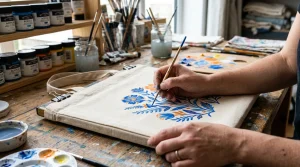
In addition, consider crafting unique gifts. Personalized fabric items such as embroidered handkerchiefs or painted aprons for friends and family show thoughtfulness and creativity. You can even experiment with creating fabric wall art by using stretched canvas or fabric panels, playing with layering techniques and textures to achieve eye-catching results.
No matter which project you choose, remember that the use of fabric mediums with acrylic paint is key for enhancing flexibility and longevity. Have fun experimenting, and let your imagination run wild as you bring your fabric art ideas to life!
Safety Tips for Using Acrylic Paint on Fabric
When diving into the world of fabric painting with acrylics, safety should always be top of mind. While acrylic paints are generally non-toxic and water-based, it’s essential to adhere to certain guidelines to ensure a safe and enjoyable crafting experience. Understanding and applying these safety tips can help you avoid common pitfalls and protect both your health and your creative space.
- Ventilation is Key: Always work in a well-ventilated area to avoid inhaling fumes, especially if you’re using aerosol sprays or adding any substances that may emit stronger odors. Open windows, turn on fans, or even consider using an air purifier to maintain a fresh airflow.
- Protect Your Skin: While acrylic paint is non-toxic, it can still cause irritation for some individuals. Wearing gloves will protect your hands and make clean-up easier. If you’re working on a large project, consider using long sleeves to avoid paint splatters on your skin.
- Eyewear Safety: Protective goggles are a wise choice if you’re concerned about paint splashes or if you’re working with techniques that require pouring or spraying. This is particularly true for intricate designs where precision is needed, ensuring your eyes are shielded from accidental paint contact.
- Keep Workspace Organized: Maintain a clean and organized workspace. Acrylic paint can easily stain surfaces, so use drop cloths or newspapers to protect your table or floor. Having a tidy area will also minimize the risk of accidents, such as tripping over supplies.
- Proper Disposal: Be conscious of how you dispose of leftover paint and materials. Although acrylic paint is water-based and less harmful than oil paints, it’s still essential to clean brushes and palettes with water and not allow paints to wash down the drain in large quantities. Instead, consider letting the paint dry and then throwing it in the trash, or check for local hazardous waste disposal options.
By incorporating these simple yet effective safety practices, you can focus on expressing your creativity without unnecessary worries. These steps help create a safe and enjoyable environment that inspires you to explore your artistic potential on fabric with acrylic paints. Remember, safety is not just about protecting yourself, but also about creating an enjoyable and stress-free crafting experience.
Innovative Ways to Preserve Your Designs
To ensure that your beautiful fabric designs painted with acrylics stand the test of time, exploring innovative preservation methods is essential. Acrylic paint, while versatile and vibrant, can deteriorate over time if not correctly cared for. By employing a few strategic techniques, you can keep your creations looking fresh and vibrant for years.
One effective way to preserve your painted fabric is to use a fabric medium blended with your acrylic paints. This medium not only enhances the paint’s flexibility but also improves its adherence to the fabric, preventing cracking or peeling over time. After painting, allow it to cure thoroughly; some recommend heat-setting by placing a cloth over the painted area and pressing it with an iron. This step can create a durable bond between the paint and the fabric, making your designs more resilient.
Additionally, once your artwork is complete, consider a protective spray designed for fabric. These sprays can add a layer of resistance against water, dirt, and UV rays, helping to stave off fading or discoloration. When applying, follow the manufacturer’s instructions for proper use and ensure you do this in a well-ventilated area.
To keep your painted fabric in pristine condition, regular maintenance is also crucial. Hand-wash your items in cold water with mild detergent to avoid harsh chemicals that could damage the paint. Avoid wringing or twisting the fabric, and opt for air drying instead of machine drying to prevent any potential wear on your designs. Storing painted fabrics in a cool, dry place away from direct sunlight can further protect your creations from fading.
By understanding and implementing these preservation methods, your acrylic-painted fabric projects can remain a source of joy and inspiration for years to come. Whether you’re crafting home decor, wearable art, or gifts, these techniques ensure that your artistic expressions are both beautiful and enduring.
Inspiring Examples of Acrylic Fabric Art
Creating art on fabric with acrylic paints opens up a world of possibilities for personal expression and creativity. One stunning example can be seen in the realm of custom t-shirt design. Applying unique patterns or bold images to fabric can transform a simple shirt into a wearable piece of art. Many artists experiment with tie-dye techniques combined with acrylics to create eye-catching gradients and swirling colors that capture attention everywhere you go.
Another inspiring application is in home decor, where upholstery and soft furnishings are elevated through bespoke designs. From hand-painted cushions that add personality to a living room, to dramatic wall hangings featuring intricate patterns, acrylics allow for innovative expression. One popular trend is creating stenciled designs with bold motifs, which can bring a modern twist to traditional fabric surfaces. Consider using geometric shapes or floral designs that resonate with your personal aesthetic.
For those interested in crafting gifts, consider exploring the realm of customized tote bags. These practical items can be transformed into beautiful canvases, perfect for gifting or personal use. Using stencils or freehand techniques, you can personalize a tote bag with quotes, illustrations, or symbols that represent the recipient’s interests, making each bag a thoughtful creation.
Community Engagement and Workshops
Many artists and creators host workshops that not only teach participants about fabric painting techniques but also foster a sense of community. These gatherings can result in collaborative projects, where a group designs a large mural or community quilt using acrylic paints on various fabric types, promoting sharing of ideas and fostering friendships through creative expression.
In summary, the versatility of acrylic paints on fabric allows for a diverse range of projects, from clothing and home decor to personalized gifts and community art initiatives. So grab your acrylics, gather some fabric, and start exploring the myriad of creative paths that await!
Frequently Asked Questions
Q: Can I use acrylic paint on all types of fabric?
A: While acrylic paint can be used on many fabrics, it works best on cotton and blends. Synthetic fabrics may require a fabric medium to ensure proper adhesion and flexibility. Always test on a small piece first to check for compatibility.
Q: How do I make acrylic paint permanent on fabric?
A: To make acrylic paint permanent on fabric, allow the paint to fully cure according to the manufacturer’s instructions, then heat set it by ironing the reverse side for a few minutes. This helps to bond the paint to the fabric fibers effectively.
Q: What is the best way to wash fabric painted with acrylics?
A: Always hand wash painted fabric in cold water with mild detergent. Avoid soaking and never use bleach, as it can damage the paint. For best results, consider air-drying rather than using a dryer to preserve the design.
Q: Can I mix acrylic paint with fabric medium?
A: Yes, mixing acrylic paint with fabric medium improves its flexibility and adhesion on fabric. Follow the recommended ratio provided by the fabric medium’s instructions for optimal performance, and refer to the “Exploring Fabric Mediums” section of the article for tips.
Q: What can I do if my acrylic paint cracks on fabric?
A: If your acrylic paint cracks, it may be due to insufficient curing or using paint not designed for fabric. Ensure you’re using a fabric medium, apply thin layers, and allow enough drying time between coats to prevent cracking.
Q: How can I prevent acrylic paint from stiffening fabric?
A: To prevent stiffness, always use a fabric medium when mixing paint. Additionally, apply paint in thin layers and avoid over-saturating the fabric. This ensures the fabric retains its texture and drape without becoming too rigid.
Q: Is it safe to use acrylic paint on children’s clothing?
A: Yes, it is generally safe to use acrylic paint on children’s clothing if properly cured and set. However, ensure the paint is labeled as non-toxic, and consider using it on fabrics that can be washed frequently, as detailed in the “Safety Tips” section.
Q: What tools do I need for painting fabric with acrylics?
A: For painting fabric with acrylics, you’ll need brushes, sponge applicators, or stamps for application, and possibly stencils for design. Also, keep a palette for mixing colors and water for cleaning your brushes. Check the “Best Techniques for Applying Acrylic Paint” section for more details.
To Conclude
Now that you have the tools and tips to successfully use acrylic paint on fabric, it’s time to unleash your creativity! Remember, experimentation is key-don’t hesitate to try out various techniques and color combinations. If you’re eager to learn more, check out our guides on fabric care and DIY fabric painting techniques, which will enhance your crafting journey.
To stay updated on the latest tips and tricks, consider signing up for our newsletter or browsing our collection of art materials and supplies. You’re just a few clicks away from transforming your next project into a masterpiece! Have questions or experiences to share? Join the conversation in the comments below; your insights could inspire someone else.
Keep exploring your artistic side, and remember: great designs start with informed choices and bold creativity!
Expert Guide & Insights:
When exploring , consumers, collectors, and fashion enthusiasts frequently encounter conflicting advice regarding material composition, wearability, authenticity verification, and long-term maintenance. In this specialized guide section, we provide an expert breakdown of key considerations, care recommendations, and practical solutions.
| Key Consideration | Primary Mechanism / Feature | Recommended Action | Value / Durability Impact |
|---|---|---|---|
| Material Integrity & Alloys | Purity standards (925 silver, 14k/18k gold, titanium, acrylic polymers) | Check official hallmark stamps and certificates before purchase | ★★★★★ High durability & heirloom retention |
| Daily Wear & Environmental Factors | Exposure to moisture, sulfur, sweat, perfume, and abrasive friction | Remove accessories before swimming, heavy workouts, or applying cosmetics | ★★★★☆ Prevents tarnish, chipping, and fading |
| Long-Term Storage & Cleaning | Atmospheric oxidation and chemical exposure over time | Store in airtight zip pouches with silica desiccant; polish with soft cloth | ★★★★★ Restores original mirror luster |
Frequently Asked Questions:
What should I know about ?
Detailed examination reveals that addressing depends on proper handling, choosing hypoallergenic materials, and adhering to routine cleaning protocols.
How can I preserve the quality and appearance of my pieces?
Always store items individually to prevent scratch contact, avoid harsh chemical detergents or chlorine pools, and use specialized polishing cloths designed for precious metals and acrylics.
Get our latest guides, news, and insights highlighted in your Google Search & AI Overviews.