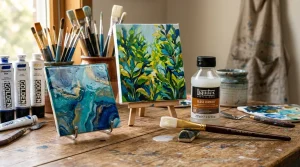
Acrylic paint, while vibrant and versatile for arts and crafts, raises important questions when it comes to use on skin for body jewelry alternatives. Many people are exploring creative ways to express themselves through body art, but it’s crucial to consider safety alongside aesthetics. Using non-toxic, skin-safe alternatives can not only enhance your creative projects but also ensure you’re caring for your skin’s health. In this article, we will delve into the specifics of using acrylic paint safely, alternatives that suit your body jewelry needs, and how to express yourself artfully without compromising on safety. Stay curious as we uncover the best practices for merging art and skin safely!
Can Acrylic Paint Be Used on Skin? Understanding Safety Risks
Using acrylic paint on skin might seem like a creative way to express yourself, especially in body art and temporary tattoos, but it carries significant risks that should not be overlooked. While acrylic paints are widely appreciated for their vibrant colors and versatility in art projects, they contain chemicals that can irritate or harm skin upon contact. The primary concern is that many commercial acrylic paints are formulated for use on surfaces like canvas and wood, not for application on human skin. This distinction is crucial because your skin is porous and sensitive, reacting differently than a rigid material.
One major risk of using acrylic paint on the skin is potential allergic reactions. Many people can develop contact dermatitis from the ingredients used in these paints, resulting in redness, swelling, or rashes. Furthermore, acrylic paint is not designed for prolonged wear, which means it can crack and peel, leading to skin irritation and discomfort. Additionally, while some products might claim to be non-toxic, they are not necessarily safe for all skin types. It’s essential to recognize that the long-term effects of using such products on your skin have not been thoroughly studied, thus presenting an unpredictable risk.
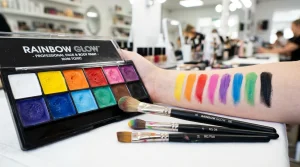
For those interested in body art, opting for products specifically designed for skin use, like body paints or face paints, can mitigate these risks. These alternatives have been tested for safety on skin and often contain skin-friendly ingredients that reduce the likelihood of reactions. Moreover, you can explore natural methods for temporary body jewelry, such as using henna or other plant-based dyes, which provide a safer way to adorn the skin without exposing it to harmful chemicals.
In conclusion, while the allure of using acrylic paints on skin is understandable due to their bright hues and ease of use, the safety risks involved far outweigh the aesthetic benefits. Always prioritize skin health and choose products specifically formulated for body art to ensure a safe and enjoyable creative experience.
Health Risks of Using Acrylic Paint on Skin
Using acrylic paint on skin might initially appear as an enticing way to express creativity, but the hidden dangers can quickly overshadow the aesthetic appeal. Unlike traditional body art materials, acrylic paints are formulated for surfaces like canvas and wood, which can lead to significant health risks when applied to the sensitive skin. The vibrant hues that inspire many also contain potentially harmful chemicals that can irritate or even damage the skin upon contact.
One of the most concerning health risks associated with using acrylic paint on skin is the likelihood of allergic reactions. Ingredients in these paints may lead to contact dermatitis, characterized by symptoms such as redness, itching, swelling, and rashes. Individuals with sensitive skin or existing allergies are especially at risk, as even non-toxic paints can harbor irritants. Furthermore, acrylic paint isn’t designed for prolonged skin contact; it can crack and peel, which not only looks unattractive but can also cause discomfort or additional skin irritation.
Understanding Long-term Effects
The long-term effects of applying acrylic paint to the skin remain largely unknown. This uncertainty should prompt caution, especially for those considering using it for events that require extended wear. Continuous exposure could lead to more severe skin problems, including chronic irritability or increased susceptibility to infections. Thus, it is vital to prioritize products specifically designed for body use, such as body paints or face paints, which have undergone safety testing and typically contain more skin-friendly components.
In summary, while the allure of colorful body art via acrylic paint is tempting, the potential health risks are significant. By choosing safer alternatives specifically designed for body use, you can enjoy the artistic expression without compromising your skin’s health. Always prioritize materials that have been tested for safety to create a wholesome and enjoyable body art experience.
How to Choose Safe Body Jewelry Materials
Choosing the right materials for body jewelry is crucial for both safety and comfort, especially considering the sensitive nature of skin. With a plethora of options available, it’s essential to prioritize materials that not only enhance your look but also minimize the risk of allergic reactions or skin irritations. A well-informed choice can elevate your body art while keeping your skin healthy.
When selecting body jewelry, always look for hypoallergenic materials. Metals such as surgical stainless steel, titanium, and niobium are excellent options, as they are less likely to cause allergic reactions compared to cheaper metals that may contain nickel or lead. In fact, surgical stainless steel is often the go-to choice for new piercings due to its durability and biocompatibility. Additionally, consider materials like glass or acrylic that are specifically designed for use in body jewelry. Acrylic can be lightweight and colorful, but ensure it is suitable for skin contact to avoid health risks associated with paint formulations.
To aid your decision-making, here’s a brief overview of safe materials for body jewelry:
| Material | Benefits | Considerations |
|---|---|---|
| Surgical Stainless Steel | Durable, rust-resistant, and hypoallergenic | Ensure it’s labeled as “surgical” to confirm quality |
| Titanium | Lightweight, strong, and highly biocompatible | A bit more expensive but excellent for sensitive skin |
| Niobium | Hypoallergenic and can be anodized for color | Less common but highly effective |
| Glass | Non-porous, colorful, and easy to clean | Can be fragile; handle with care |
| Acrylic | Available in vibrant colors and lightweight | Ensure it’s safe for skin; not all acrylic is created equal |
Remember to consider your personal skin sensitivities and lifestyle when choosing body jewelry. Always clean your jewelry properly and store it in a cool, dry place to prolong its life and reduce irritants. If you experience any discomfort or irritation from a particular material, it’s best to remove it immediately and choose an alternative. By making informed choices, you can confidently enjoy your body jewelry without compromising your skin’s health and wellbeing.
Alternatives to Acrylic Paint for Skin Art
Using acrylic paint on skin may seem appealing due to its vibrant colors and versatility, but there are safer and more suitable alternatives that cater specifically to body art. Exploring these options not only enhances your artistic expression but also ensures the safety and health of your skin.
One of the best substitutes is body-safe face and body paint, which is designed specifically for use on skin. These products are formulated to be hypoallergenic and are typically easy to remove, making them perfect for artistic creations that need to last only for the day or a special event. Look for brands that are dermatologically tested and approved, as they provide a safe way to achieve intricate designs without the risks associated with acrylic paint.
Another fantastic option is temporary tattoos, which come in a variety of styles and colors. These are particularly great for those who want an artistic look without the commitment of body paint. You can find everything from henna designs to modern ink prints, allowing for a diverse array of expressions. Temporary tattoos can be applied easily and safely, and they typically last from a couple of days to a week, depending upon care and placement.
For those who want a DIY touch, using natural pigments or safe food coloring mixed with a skin-safe medium such as lotion or aloe vera gel can result in a colorful body art experience. These mixtures are often safer and can provide a more organic feel to your art. Remember to always perform a patch test before applying any mixture extensively to check for skin sensitivity.
Lastly, consider body jewelry that employs colorful and safe materials. Materials like lightweight metals, glass, or even colored silicone can add vibrant splashes of color without the need for paint. Engaging in body art with jewelry allows for creativity while keeping skin health as a priority.
By opting for these safer alternatives, you can unleash your creativity and enjoy body art without sacrificing your skin’s well-being.
DIY Body Jewelry: Materials and Techniques
Creating your own body jewelry can be a fun and fulfilling way to express your personal style without risking your skin’s health with unsuitable materials. With a few easy-to-find supplies and some creativity, you can craft unique pieces that showcase your artistic flair while remaining safe and skin-friendly. The thrill of DIY body jewelry lies in the endless possibilities of materials and techniques available for you to explore.
Start with materials that are gentle on the skin and won’t cause irritation. Common choices include:
- Beads: Opt for hypoallergenic varieties made from materials like glass, wood, or natural stones. These can add color and uniqueness to your pieces.
- Silicone: This versatile material is flexible, lightweight, and available in various colors and textures, making it ideal for temporary jewelry.
- Natural fibers: Search for cotton, hemp, or jute cords, which can serve as the basis for necklaces or bracelets, creating a comfortable and eco-friendly option.
- Metal: For those with non-sensitive skin, consider using sterling silver or gold-filled components, but ensure they’re free from nickel to avoid allergic reactions.
Once you have your materials, consider the techniques to bring your vision to life. Stringing beads or knots on cords can create stunning necklaces or bracelets, while wire wrapping allows for creative shapes and designs. If you’re feeling adventurous, try resin casting, where you can embed flowers or other small items into clear resin to create intricate pendants or earrings. Always ensure your workspace is clean, and use proper safety equipment when handling tools or chemicals.
Additionally, don’t forget to include personalization. Creating designs that reflect your interests, maybe inspired by nature or your favorite colors, can add a special touch to your pieces. Think about incorporating charms or pendants with symbolic meanings, which can create not only beautiful jewelry but also meaningful keepsakes. Experimenting with different styles allows you to learn new techniques while mastering your craft.
These DIY body jewelry projects provide an excellent avenue for creativity without compromising skin safety. Start gathering your materials, unleash your imagination, and watch as your unique creations come to life!
Tips for Properly Applying Body Paint
Applying body paint can be an exciting way to express your creativity, but taking the right precautions is essential for a positive experience. First and foremost, ensure you choose a product specifically formulated for skin use, as many art supplies, including acrylic paint, contain chemicals that can cause skin irritation or allergic reactions. When you’re ready to create, here are some tips to make your body painting process enjoyable and safe.
Begin by preparing your skin for paint application. Cleansing the area you plan to paint helps remove oils and dirt that can interfere with adhesion. Once cleaned, it’s important to apply a layer of barrier cream or lotion. This not only nourishes the skin but also acts as a protective layer, making it easier to wash off the paint later. For those with sensitive skin or allergies, test the paint on a small patch of skin before applying it to a larger area.
For the actual application, use high-quality brushes or sponges and work in layers to achieve the desired intensity. Always start with lighter colors and build up to darker shades, allowing each layer to dry before adding more. This not only provides a smoother finish but reduces the chance of smudging. Take your time during application and be mindful of detail, this is where your creativity shines the brightest.
When you’re ready to take off the body paint, do so gently. Use lukewarm water and a mild, non-irritating soap. Alternatively, baby oil or a gentle makeup remover can effectively lift the paint off the skin without causing excessive scrubbing. After removal, moisturize the area once more to keep your skin supple and hydrated. By following these steps, you can ensure a fun painting experience that delights your artistic side while caring for your skin’s health.
Removing Acrylic Paint from Skin Safely

Applying acrylic paint to skin can lead to vibrant designs, but removing it safely is just as important to maintain your skin’s health and comfort. Acrylic paint is not meant for body use, and improper removal can cause irritation or damage. The good news is that with the right techniques, you can easily lift acrylic paint from your skin without causing undue harm.
Start by gathering your supplies for the removal process. You’ll need lukewarm water, a mild soap, and either baby oil or a gentle makeup remover. Soak a clean cloth or cotton pad in lukewarm water and gently dab the area with the paint, allowing it to soften for a few moments. This will make the paint easier to remove without scrubbing harshly, which can irritate the skin.
Next, apply a small amount of baby oil or makeup remover to the cloth and gently rub the painted area in circular motions. The oil or remover helps break down the paint, making it easier to slide off. For stubborn areas, let it sit for a minute before wiping. Once you notice the paint lifting, be sure to continuously rinse your skin with lukewarm water to wash away both the paint and any residual oil or remover.
Once you’ve successfully removed the paint, it’s essential to cleanse the area with mild soap to ensure that any lingering product is washed away. Rinse thoroughly and pat your skin dry with a clean towel. To finish, don’t forget to moisturize! Apply a soothing lotion or cream to replenish hydration and keep your skin supple. This step is critical, especially if you’ve had any reaction to the paint, as it helps restore the skin’s natural barrier and comfort.
By following these steps, you’ll ensure a safe and comfortable experience when it comes to removing acrylic paint from skin, allowing you to enjoy your body art without the worry of adverse effects.
Creating Temporary Body Jewelry with Paint
Creating body jewelry with paint adds a unique and artistic flair to your look, allowing for endless creative expression. Using body-safe paints like skin-safe acrylic paint or special skin paints designed for temporary tattoos can transform your skin into a canvas. These techniques are not only an inventive way to accessorize but also an excellent alternative to traditional jewelry that may cause irritation or discomfort for some wearers.
To embark on this exciting endeavor, gather your materials: skin-safe paint in various colors, brushes of different sizes for detail, and sponges for broader applications. Before applying paint, it’s wise to prep your skin by cleaning the area thoroughly and moisturizing to ensure a smooth application. Soft, healthy skin helps the paint adhere better while also making it easier to remove later.
When creating designs, consider popular styles like mandalas, floral patterns, or geometric shapes. Here’s a simple guide to get started:
- Choose a design: Sketch your idea on paper first to visualize the outcome.
- Apply the base coat: Use a sponge to lay down a base color if desired, which can serve as a backdrop for more intricate designs.
- Layer your artwork: With your brushes, add details and patterns on top of the base. Allow each layer to dry before adding the next to avoid smudges.
- Finish with a sealant: Once your design is complete and dry, consider using a body-safe sealant to extend the life of your creation.
To remove your temporary body jewelry, follow the previous guidelines for safe paint removal, ensuring your skin stays healthy and irritation-free.
opens doors to personal expression and creativity, allowing for fun, unique designs that reflect your style without the commitment or potential skin issues associated with traditional body jewelry. Whether for a special event, festival, or just for fun, this approach enables you to curate a look that’s as dynamic as your personality.
Best Practices for Body Art Safety

When it comes to body art, ensuring safety should be at the forefront of your creative endeavors. Although using paints on the skin can enhance your expressive styles, selecting the right materials and applying them with care are crucial to avoid adverse reactions. One of the most significant aspects of body art safety is understanding the materials you’re using, especially when considering products not designed for skin application, such as traditional acrylic paints.
Start by choosing paints specifically formulated for body art. These products are designed to be safe for skin contact, free from harmful chemicals that might provoke allergic reactions or skin irritations. Always conduct a patch test by applying a small amount of paint to an inconspicuous area of skin and waiting 24 hours to check for reactions. This simple step can help you avoid potential discomfort or complications down the line.
Additionally, prioritize hygiene when applying any body paint or jewelry. Ensure that your skin is clean and dry before commencing any artwork. Use high-quality brushes and applicators, keeping them fresh and sterile. Overall cleanliness not only lets the paint adhere better but also minimizes the risk of infections or skin issues. If you’re creating intricate designs, make sure to use separate tools for different colors, preventing cross-contamination.
Another best practice is to stay mindful of the duration that the paint is left on the skin. Follow the manufacturer’s guidelines regarding wear-time to reduce the risk of skin reactions from prolonged exposure. Lastly, when it comes time to remove the body paint, opt for gentle, skin-safe removal products. This can include natural oils or specialized removers that cleanse without stripping away your skin’s moisture barrier.
By embracing these best practices, you can confidently express your creativity through body art while minimizing health risks, ensuring your experience is enjoyable and safe.
What to Know About Body Art Allergies

Understanding how different materials interact with the skin is essential for anyone engaging in body art. Body art allergies can come as an unpleasant surprise for many, especially when utilizing products not specifically designed for skin contact. For example, many traditional arts and crafts paints, including acrylics, contain chemicals that may trigger skin reactions. Knowing the signs of an allergic reaction can help you respond appropriately and ensure you enjoy your body art experiences safely.
Common symptoms of skin allergies include redness, itching, swelling, and in more severe cases, blistering or peeling skin. If you experience any of these symptoms after applying acrylic paint or any non-skin safe materials to your body, it’s imperative to remove the product promptly and consult a healthcare professional. Utilizing body-specific products significantly reduces the chances of such reactions because they are formulated without harsh chemicals and irritants found in regular paints.
To minimize the risk of allergies when engaging in body art, always conduct a patch test. This means applying a small amount of the product to a discreet area of skin, waiting at least 24 hours to observe for any negative reactions. This practice is especially crucial if you have sensitive skin or a history of allergies. Additionally, remain aware of materials used in body jewelry. Some metals can also provoke allergic reactions, such as nickel; opting for hypoallergenic options like titanium or surgical steel can be a safe choice.
- Know your materials: Always choose paints specifically marked for body art.
- Test before use: A patch test can save you from a painful experience.
- Check your jewelry: Ensure that body jewelry is made from safe materials to avoid further irritation.
By staying informed and cautious, you can enjoy vibrant and creative body art while safeguarding your skin against unexpected reactions and discomfort.
Inspiration: Creative Body Art Ideas Without Paint
Experimenting with body art can be a thrilling way to express individuality, and there are numerous creative avenues to explore without the use of paint. One popular method is creating intricate designs with temporary tattoos. These can range from simple shapes to elaborate artworks, allowing for stunning visual effects without the risks associated with body paints. They are easy to apply and can be found in a variety of styles, making them a perfect option for those looking to adorn their skin without potential allergic reactions.
Another innovative approach to body art is using decorative stickers or washi tape. These materials come in endless colors, patterns, and styles, providing an enjoyable way to make unique, temporary body jewelry. By cutting the tape into intricate designs or layering stickers, you can create beautiful patterns on the skin that can be easily removed without any mess. This option is not only safe but also offers flexibility for those who love to switch up their look frequently.
Alternative Materials for Body Adornment
For those who enjoy a more hands-on approach, consider using natural materials like flowers, leaves, or feathers to create body jewelry or adornments. For example, using small dried flowers, you can make a stunning anklet or wristband using hypoallergenic string or wire. These organic elements can add an earthy, unique aesthetic to your style while being gentle on the skin.
Additionally, you can personalize your body adornments by using fabric scraps or lace to make intricate designs that can be pinned onto clothing or skin. These DIY creations not only enhance your artistic expression but also ensure that your body art is both safe and unique to you.
- Temporary tattoos: A hassle-free way to experiment with body art.
- Washi tape and stickers: Easy to apply and remove, perfect for customized designs.
- Natural materials: Create adornments with dried flowers or leaves for a unique touch.
- Fabric jewelry: Use lace or fabric to pin temporary designs onto your skin.
By exploring these alternative methods of body art, you can express your creativity without compromising your skin’s health. Whether through temporary tattoos, decorative stickers, or DIY fabric creations, the possibilities are as vast as your imagination!
Q&A
Q: Is it safe to use acrylic paint on skin for body art?
A: No, it is not safe to use acrylic paint on skin. Acrylic paints contain chemicals that can irritate the skin and are not designed for dermal application. Instead, consider using body-safe paints formulated specifically for skin art. For more safety tips, visit our section on health risks of using acrylic paint on skin.
Q: What are safe alternatives to acrylic paint for body art?
A: Safe alternatives to acrylic paint include cosmetics-grade face paints, water-based body paints, and henna. These products are specifically designed for skin application, minimizing the risk of allergic reactions. Explore our section on alternatives to acrylic paint for skin art for more information.
Q: Can I use acrylic paint for temporary tattoos?
A: No, using acrylic paint for temporary tattoos is not recommended due to potential skin irritations and allergic reactions. Instead, opt for specially designed temporary tattoo inks or cosmetic-grade body paints. Check out our tips for applying body paint safely to ensure a better experience.
Q: How can I safely remove acrylic paint from my skin?
A: To safely remove acrylic paint from skin, use a gentle cleanser or baby oil. Gently rub the area until the paint lifts. Avoid harsh chemicals as they can irritate the skin. For more detailed removal tips, see our section on safely removing acrylic paint from skin.
Q: What precautions should I take when using body paint?
A: Always conduct a patch test before applying body paint, avoid sensitive areas, and use products specifically designed for skin application. Ensure proper ventilation and follow the product’s usage guidelines. Refer to our best practices for body art safety for comprehensive precautions.
Q: Are there any health risks associated with body jewelry?
A: Yes, health risks include allergic reactions, infections, and metal sensitivities. Choose high-quality, hypoallergenic materials like surgical stainless steel or titanium. Learn more about selecting safe body jewelry materials in our dedicated section.
Q: How can I make my own body jewelry safely?
A: When making DIY body jewelry, use non-toxic materials such as beads, wires, and adhesives that are safe for skin contact. Avoid sharp edges and ensure secure fittings to prevent injuries. Our article on DIY body jewelry offers more techniques and materials.
Q: What materials should I avoid for body art?
A: Avoid using craft paints, non-toxic adhesives, and any products not labeled for skin use. Stick to materials specifically designed for body art to prevent skin irritations and allergic reactions. For a comprehensive guide, refer to our article on safe body art materials.
In Summary
As we’ve explored, while acrylic paint can add a creative flair, it’s crucial to prioritize safety, especially when considering body use. If you’re looking for stylish and safe body jewelry alternatives, be sure to check out our comprehensive guides on DIY body art and metal jewelry care. By leveraging the right techniques and materials, you can express your individuality without compromising your health.
Are you ready to get started? Explore our top picks for safe body jewelry options and don’t forget to subscribe to our newsletter for the latest trends and tips straight to your inbox. Comment below with your favorite body art ideas or questions-your feedback is essential! Let’s keep the creativity flowing and ensure you shine safely!
Get our latest guides, news, and insights highlighted in your Google Search & AI Overviews.