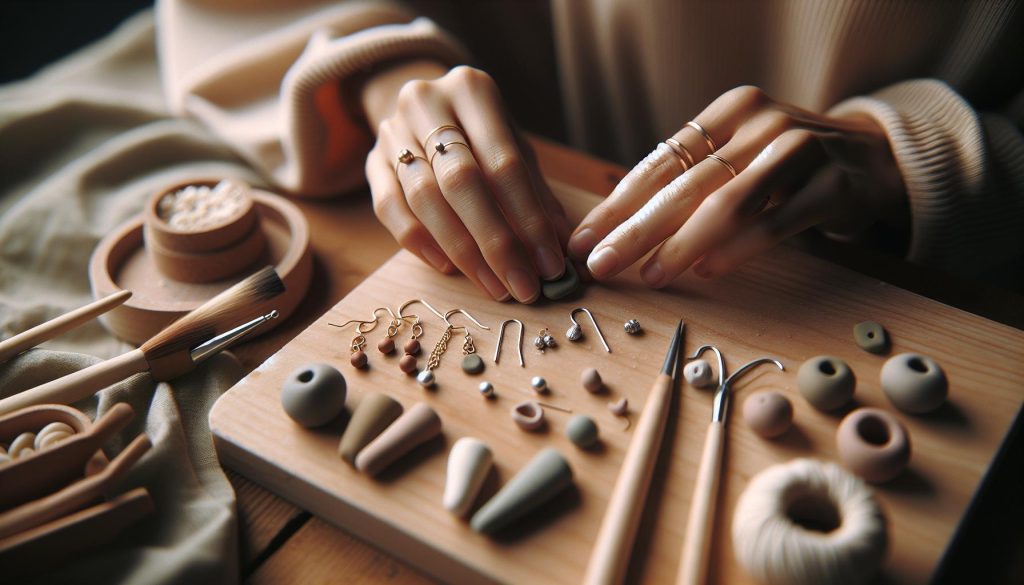
Have you ever considered creating your own unique earrings? Making clay earrings is not just a fun and creative outlet; it’s also a fantastic way to express your personal style. In this easy tutorial, you’ll learn how to craft beautiful clay earrings that can elevate any outfit. Whether you’re a seasoned jewelry maker or a complete beginner, this guide will empower you to embrace your creativity and design pieces that reflect your personality. Why settle for mass-produced accessories when you can proudly wear something hand-crafted? Join us as we explore the vibrant world of clay earring designs, where your imagination is the only limit, and start your journey towards creating stunning, customized jewelry that you’ll cherish for years to come.
Understanding the Basics of Polymer Clay for Beginners

Polymer clay is an incredibly versatile and fun medium for creating unique and stylish earrings. For beginners, understanding polymer clay’s characteristics is essential to successfully crafting pieces that are both beautiful and durable. This type of modeling clay is not only lightweight and easy to manipulate, but it also comes in a stunning array of colors, allowing for endless creativity in your designs. Unlike traditional clays, polymer clay is baked in a home oven, which hardens it to a resilient finish without compromising its rich colors.
To start your journey with polymer clay, it’s beneficial to familiarize yourself with its properties. Polymer clay does not air-dry; instead, it retains its form until baked, making it perfect for detailed work. As you sculpt, remember that the textures you add will remain intact after baking, so this is a great opportunity to experiment with different styles and patterns. Moreover, polymer clay is forgiving; if you make a mistake, you can easily reshape or rework it until you’re satisfied with your design.
When crafting earrings, consider how thickness and size impact both aesthetics and wearability. Thinner pieces may curve or warp during baking, while those that are too thick might not cure evenly. As a rule of thumb, aim for uniform thickness, ideally around 1/8 inch, to prevent these issues. Additionally, incorporating metal or other materials can enhance the durability of your earrings, ensuring they not only look great but last for years to come.
In conclusion, starting with polymer clay can be an exciting and rewarding experience for anyone interested in jewelry making. Armed with the basic knowledge of how this medium behaves, along with the passion to create, you’ll be ready to embark on your journey toward crafting exquisite earrings that express your unique style. Enjoy experimenting and don’t hesitate to take risks-many successful designs come from playful exploration!
Essential Tools and Materials for Clay Earrings
To create stunning clay earrings, equipping yourself with the right tools and materials is essential. Whether you’re a beginner or an experienced jewelry maker, having the right setup ensures that your creative ideas translate into beautiful pieces with ease. This section will guide you through the must-have items that will not only elevate your crafting experience but also help you achieve professional results.
Start with a solid base of materials and tools that facilitate the sculpting and crafting process. Polymer clay is your primary material, available in a variety of colors, finishes, and strengths to cater to different design needs. Popular brands like Sculpey and Fimo offer reliable options for beginners and professionals alike. Additionally, don’t forget about cutters in various shapes for consistent earring sizes, rolling pins to flatten the clay evenly, and texture tools to add unique patterns or surfaces to your designs.
Another crucial aspect of earring making is the hardware involved. You’ll need earring hooks, backing pieces, and jump rings to attach your clay creations securely. These findings come in different metals, such as gold, silver, or stainless steel, catering to various preferences and sensitivities. To enhance the durability of your earrings, consider investing in glues or sealants specifically designed for polymer clay. These will protect your work from wear and tear over time, ensuring your creations can be worn and cherished.
Lastly, ensure you have a dedicated baking sheet or tile for safely curing your earrings in the oven, as well as sandpaper for smoothing the edges of your pieces after baking. A craft knife or blades will also prove invaluable for cutting and shaping your designs with precision. By assembling these essential items, you’ll be well-prepared to bring your unique clay earrings to life, showcasing your creativity with confidence. Happy crafting!
Step-by-Step Guide to Shaping Clay Earrings
Shaping polymer clay earrings opens the door to endless creativity while allowing you to make unique pieces that reflect your personal style. The process combines precise techniques with the freedom to experiment, making it accessible for both beginners and more experienced crafters. Follow this step-by-step guide to create your stunning clay earrings with ease.
Start by conditioning your polymer clay to ensure it’s soft and malleable. This can be done by kneading the clay with your fingers or using a clay conditioning machine if you have one. Once the clay is pliable, you can choose a basic shape for your earrings-come up with something simple, like circles or teardrops, as a foundation before trying more complex designs.
Next, roll out your conditioned clay to an even thickness using a rolling pin. Try to aim for about 1/8 inch thick, which will provide durability while still maintaining a lightweight feel for wearing. Once flattened, use cookie cutters or a knife to cut out your desired shapes. If you’re crafting dangle earrings, think about how different shapes can be layered for a more dynamic look. Don’t forget to create holes for earring hooks; a thin straw or a needle tool can make clean openings ideal for attachment.
After shaping your clay, it’s crucial to refine the edges. Use sandpaper or a smoothing tool to carefully go around each shape, ensuring there are no rough areas. This not only enhances the aesthetic but also improves the wearability of the earrings. Once you’re satisfied with the shape and finish, prepare your pieces for baking by placing them on a baking sheet lined with parchment paper. Follow the manufacturer’s temperature guidelines for baking the clay to achieve a strong, durable finish.
Lastly, while your creations cool, consider how you’ll attach the earring hooks. Prepare decorative elements such as additional cutouts or clay embellishments that can be added to your earrings. Once cooled, you can attach earring hooks using jump rings or directly, depending on your design. Embrace this creative process, and remember that each piece you create will be uniquely yours, reflecting your personality and artistic flair!
Creative Techniques for Unique Earring Designs
Creating unique earring designs with polymer clay is a delightful journey into the world of creativity. By combining various techniques and materials, you can transform simple shapes into stunning statement pieces. One effective method is to experiment with layering different colors and textures. Start with a base layer of one color, then add contrasting colors or translucent clays to create depth. For instance, a base of solid blue topped with a swirl of white or metallic clay can produce a visually striking effect.
Another exciting technique is millefiori, which involves creating complex patterns through canes of clay that you can slice to reveal intricate designs. This technique is perfect for creating floral patterns or geometric shapes that are both colorful and detailed. Simply condition your clays, roll them into logs, and then slice thinly to expose the patterns within, which you can then arrange into your earring shapes before baking.
Don’t overlook the power of texture to enhance your designs. Incorporate various tools, such as stamps, lace, or even household items like toothbrushes, to imprint surfaces with beautiful patterns. Textured surfaces catch the light beautifully, adding an element of surprise and elegance to earrings. You might find that adding a matte finish on one side and a glossy finish on the other can create a striking contrast.
Finally, consider mixing media in your earrings by incorporating beads, charms, or metal findings. This blend can elevate your design, making it even more unique. As you work on your clay creations, remember that the key to truly distinctive earrings is to let your individuality shine through-whether through the incorporation of personal symbols, favorite colors, or cherished memories intertwined in each piece. Engage with your creativity, try out different combinations, and enjoy the process of making earrings that are not just beautiful but also tell your story.
How to Add Colors and Patterns to Your Earrings
Creating vibrant colors and intricate patterns for your polymer clay earrings can elevate your designs from simple to stunning. Start by understanding the vast array of polymer clay colors available. Mixing colors not only allows for customization but also enables you to create unique shades that resonate with your personal style. Use a color wheel for guidance; complementary colors can create striking contrasts while analogous colors provide a more harmonious look. The key is to condition your clay well and experiment with different proportions to achieve the desired hue.
One of the most exciting techniques to add patterns is through the use of caning, where you form a log or a ‘cane’ using different colored clays layered together. Once rolled, slice the cane into thin discs that reveal intricate designs within. This technique works wonderfully for floral or geometric patterns and can bring a professional touch to your earrings. To execute this, roll out each color to a uniform thickness, stack them, and then reduce the cane by rolling it back and forth until it reaches the desired diameter. Once satisfied, slice the cane and arrange the discs into your earring shape.
Another popular method for adding color is using millefiori, similar to caning but focused more on creating decorative, detailed images through various shapes. After conditioning and shaping your clays, you can slice them into thinner pieces and layer them to form beautiful mosaics. Make sure to press the slices gently into your desired shape before baking. Additionally, consider integrating textures into your patterns by pressing items like lace, leaves, or textures from household items into the clay. This not only adds depth but also creates an eye-catching variation in light reflection.
Finally, don’t shy away from incorporating other media like metallic paints or vibrant powders after baking for an extra pop of color. The use of glitters or chalk pastels can also be applied to enhance the surface of your creations. By combining these techniques, you’ll be able to craft earrings that not only stand out visually but also tell a story through your artistic expressions.
Baking and Curing Your Clay Creations Properly

To ensure that your polymer clay earrings achieve the perfect durability and finish, understanding the proper baking and curing process is essential. Not only does this step harden your designs, making them suitable for wear, but it also affects the overall aesthetic and longevity of your creations. Unlike traditional clay, polymer clay requires specific conditions to cure correctly, meaning your approach can have a significant impact on your finished jewelry.
First and foremost, preheat your oven to the temperature recommended by the polymer clay manufacturer, which is typically between 265°F and 275°F (130°C to 135°C). Investing in an accurate oven thermometer can prove invaluable, as many household ovens can vary in temperature, potentially leading to underbaked or overbaked pieces. When placing your earrings in the oven, use a baking sheet lined with parchment paper or a dedicated baking tile to create a flat surface. This helps distribute heat evenly and prevents sticking.
Baking times will vary depending on the thickness of your earrings. A common rule is to bake them for 15 to 30 minutes, but always refer to the specific instructions of your clay type. Thicker pieces may require longer baking times to ensure they cure thoroughly without burning. Using a timer will help prevent accidental overbaking, which can result in darkened or brittle earrings. After the baking time is complete, turn off the oven and allow the earrings to cool inside. This gradual cooling process can help minimize any warping that might occur from a sudden temperature change.
Once your earrings have cooled completely, inspect them for imperfections. If needed, you can lightly sand any rough edges to achieve a smooth finish. Thus, curing your polymer clay pieces with care not only enhances their fragility but also sets the foundation for stunning, wearable art pieces that can be cherished for years to come. Always remember to put safety first; avoid using a toaster oven or microwave, as these can create uneven heating, leading to unsatisfactory results. With these steps properly followed, your earrings will be as beautiful as they are durable!
Finishing Touches: Sanding and Sealing Clay Earrings
The finishing touches on your clay earrings can elevate them from simple crafts to stunning pieces of wearable art. After patiently shaping, baking, and cooling your creations, you’ll want to focus on sanding and sealing, both crucial steps that enhance durability and aesthetics. Imagine touching your earrings and feeling a smooth, polished surface that glimmers under the light-this is the result of careful sanding and sealing.
To begin with, inspect your cooled earrings for any imperfections such as rough edges or uneven surfaces. Using fine-grit sandpaper (around 400-600 grit), gently sand these areas to achieve a smooth finish. It’s essential to apply light pressure and work slowly, as aggressive sanding can damage the piece. Sanding not only refines the overall shape but also helps prepare the surface for sealing, which is equally important. For intricate designs, consider using a sanding sponge or a nail buffer for more controlled smoothing.
Once satisfied with the sanding, it’s time to seal your earrings. Sealing protects your artwork from moisture and scratches, ensuring longevity. There are several sealing products available, including spray sealants, paint-on sealers, and UV resin. Make sure to choose a sealer compatible with polymer clay to avoid any adverse reactions. If you prefer a glossy finish, a spray sealer or gloss sealer applied in thin coats will give your earrings that radiant look, while matte finishes can also be achieved with specific sealers.
For the sealing process, work in a well-ventilated area and apply your chosen sealer following the manufacturer’s instructions. Allow each coat to dry completely before applying another; this will prevent any pooling or unevenness. For optimal durability, consider applying at least two coats. With these finishing touches, your clay earrings will not only look beautiful but also stand the test of time, making them a wonderful addition to your jewelry collection or a lovely gift for someone special. Remember, the effort you invest in these final steps truly pays off, giving your unique designs that professional touch.
How to Attach Earring Hooks and Findings
Attaching earring hooks and findings is the final step in turning your clay creations into stunning jewelry that you can wear or share. This crucial process not only enhances the aesthetic appeal of your earrings but also ensures that they are safe and functional when worn. Whether you are using traditional fishhook styles, stud posts, or modern hoop findings, securing them properly will maintain the integrity of your designs.
To start, gather your materials, which typically include earring hooks or posts, jump rings, and pliers. Choosing the right type of earring finding is essential, as it should complement both the weight and design of your polymer clay earrings. Lighter earrings can use simple fishhooks, while heavier designs may require more robust posts or hoops for added support.
Begin by determining the desired placement of your earring hooks. If your design includes holes, make sure they are placed strategically so that the earring hangs correctly. For earrings without holes, you can create a small indentation or use jump rings for attachment. Using pliers, carefully open a jump ring if needed, slide it through the hole or indentation in your earring, and then attach the earring hook. Close the jump ring securely by squeezing it with the pliers. If using stud posts, apply a small amount of strong adhesive designed for polymer clay to the base of the post and attach it to the earring back. Hold firmly until it sets, ensuring a durable bond.
Finally, be sure to test the stability of the hooks by gently tugging on them to verify that they are securely attached. This step is crucial to avoid any unexpected mishaps while wearing your beautiful creations. By following these steps, you can confidently complete your handmade clay earrings, ready to showcase or sell to others who will appreciate your artistry. Your attention to detail here ensures that your unique designs not only look great but are also functional and durable for everyday wear.
Styling Tips for Showcasing Your Earrings
Earrings can be the perfect finishing touch to any outfit, drawing attention and adding personality. When styling your handmade clay earrings, consider not only the design of the jewelry itself but also how it interacts with your overall look. One stylistic approach is to match the color palette of your earrings with your outfit. For instance, if your earrings feature vibrant colors, pairing them with a neutral wardrobe can allow them to stand out as a statement piece.
It’s also essential to think about the occasion when choosing how to showcase your earrings. For everyday wear, you might opt for simpler designs that are lightweight and casual. However, for special events, donning larger, more elaborate earrings can elevate your look. Mixing and matching different sizes and shapes can create a unique layered effect; just ensure to balance larger earrings with simpler outfits to maintain harmony.
Layering Ideas
- Casual Chic: Pair dainty stud earrings with a casual blouse and denim jacket.
- Bohemian Style: Combine colorful, textured earrings with flowing dresses or maxi skirts.
- Office Ready: Select minimalist designs that provide elegance without being overly flashy.
- Evening Glam: Use bold geometric shapes alongside sleek evening wear for a contemporary touch.
Consider the length of your hairstyle as well. Longer hair may beautifully frame larger earrings, while short hairstyles allow for showcasing ear designs. If you wear eyeglasses, try selecting earrings that complement your frames without overwhelming them, ensuring that both accessories can shine.
Finally, lighting plays a pivotal role in showcasing your earrings. Natural light can highlight the colors and textures of your creations, while softer indoor lighting can enhance the mood. Make sure to showcase your earrings in settings that allow their features to be fully appreciated, whether during a casual day out or an evening event. These thoughtful styling tips will help your handmade clay earrings attract admiration and appreciation, turning heads wherever you go.
Troubleshooting Common Issues with Clay Earrings
Creating clay earrings can be a rewarding craft, but it’s not without its challenges. Common issues can arise during the crafting process, and knowing how to troubleshoot these problems can help you achieve the best results. One frequent concern is the issue of brittleness. If your earrings crack easily, this could be due to insufficient conditioning of the clay before shaping. Always make sure to knead your clay thoroughly until it’s soft and pliable, enhancing its flexibility and reducing the likelihood of cracks after baking.
Another problem you might encounter is fingerprints and dust specks becoming trapped in your pieces. To avoid this, consider wearing gloves while handling the clay. Additionally, use a clean workspace to significantly decrease the chances of contaminants sticking to your creations. If you do notice imperfections post-baking, you can gently sand the areas using fine-grit sandpaper for a smooth finish.
Color fading or discoloration can also be disappointing, especially if you invested time in choosing or mixing colors. To prevent this, store your finished pieces away from direct sunlight and in a cool, dry place. For designs that incorporate paints or finishes, be sure they are specifically designed for use with polymer clay for optimal longevity. If discoloration has already occurred, consider reapplying a suitable paint or a sealant to restore the intended aesthetics.
Lastly, if your earrings tend to bend or lose shape after curing, they may have been undercooked. Ensure you follow the manufacturer’s recommended baking time and temperature precisely. An oven thermometer can help verify that your oven is heating correctly. Alternately, if your earrings are too heavy and causing distortion while worn, you may need to adjust your design choices to include lighter clay or reduce the overall size for balance.
By learning to identify and address these common issues, you can enhance both the longevity and appearance of your handmade clay earrings, ensuring they remain a source of pride in your jewelry collection.
Best Practices for Caring for and Storing Clay Earrings
To ensure your handmade clay earrings remain as vibrant and beautiful as the day you created them, proper care and storage are essential. Polymer clay is durable but can be susceptible to environmental factors that might lead to fading or damage over time. By employing a few straightforward best practices, you can maintain the quality of your designs, allowing them to shine brightly in your collection.
Begin with an ideal storage solution. To protect your earrings from dust, scratches, and light exposure, consider using a soft, lined jewelry box or an anti-tarnish bag. Avoid storing them in direct sunlight or humid areas, as these conditions can cause colors to fade or change. For larger collections, creating a designated area such as a small display case can be both practical and aesthetically pleasing. When displaying your earrings, ensure they are not overcrowded; this reduces the risk of them getting tangled or scratched.
Cleaning your earrings gently is also vital for their longevity. When necessary, use a soft cloth to wipe away dust and oils, ensuring you don’t use any abrasive materials that may scratch the surface. If your earrings have additional embellishments like metal findings, remember that certain cleaning solutions may not be suitable for polymer clay. Always test a small area first or consult guidelines specific to the materials used.
Finally, as your earrings age, you may encounter minor dullness in their colors. In such cases, a dedicated polymer clay sealant can rejuvenate their appearance. Apply a thin layer with a clean brush, allowing it to dry completely before storing or wearing them again. This not only enhances their vibrancy but provides a layer of protection against elements that could lead to fading.
By following these simple yet effective care tips, your clay earrings can not only maintain their beauty over time but also serve as cherished accessories that showcase your creativity and craftsmanship with confidence.
Ideas for Selling Your Handmade Clay Earrings Online
Selling handmade clay earrings online can be an exciting venture, but success hinges on a few key strategies that help your creations shine in a crowded marketplace. The world of online shopping is vast, and your unique designs deserve to be seen. Consider starting your journey by choosing the right platforms to showcase your work. Websites like Etsy, Shopify, or even social media platforms such as Instagram and Facebook offer tailored environments for artisans. Each platform has its audience and unique features, so take the time to understand where your target customers are most active.
Creating Captivating Listings
Your product listings are your first chance to impress potential buyers, so make them count. Use high-quality images that highlight your earrings from multiple angles and in natural light to convey their true colors and texture. Pair your visuals with engaging and informative descriptions that detail the materials used, dimensions, and any special features or techniques, such as hand painting or unique patterns. Don’t forget to convey the story behind your pieces; consumers often connect more deeply with items that have a personal touch.
Marketing Your Handmade Earrings
To attract buyers, effective marketing is crucial. Leverage social media to showcase your creations – post regularly and engage with your audience through stories, reels, or live demonstrations of your crafting process. Consider collaborating with influencers or other artisans to reach new audiences. Additionally, using hashtags effectively can increase your visibility, enabling potential customers to find your work more easily.
If you want to build a loyal customer base, consider establishing an email newsletter where you can share updates, exclusive promotions, and sneak peeks of upcoming collections. This not only keeps your followers informed but also fosters a sense of community around your brand.
Managing Customer Relationships
Customer service can make or break any online business, so prioritize building good relationships with your buyers. Promptly respond to inquiries, address concerns, and be open to feedback. Offering personalized notes with each purchase can enhance customer satisfaction and encourage repeat business. Additionally, consider implementing a simple return policy to boost customer confidence in making purchases.
Lastly, encourage reviews and testimonials from buyers, as social proof can significantly influence new customers. Happy clients who share their experiences can act as powerful advocates for your brand.
By integrating these strategies, you can effectively highlight your handmade clay earrings, reach a broader audience, and turn casual browsers into loyal customers. With passion and dedication, your creations can find their rightful place in the hands of jewelry lovers everywhere.
Q&A
Q: What type of clay is best for making earrings?
A: The best type of clay for making earrings is polymer clay, as it’s lightweight, durable, and available in a variety of colors. Brands like Sculpey and Fimo offer excellent options. For optimal results, choose a clay that is specifically labeled as suitable for jewelry making.
Q: How can I ensure my clay earrings are lightweight?
A: To keep your clay earrings lightweight, use thin layers of clay and avoid overly thick designs. Hollow shapes and careful shaping techniques can also help minimize weight while maintaining durability and aesthetics.
Q: What tools do I need to make clay earrings?
A: Essential tools for making clay earrings include a crafting knife, rolling pin, acrylic block or pasta machine for flattening, a needle tool for detailing, and earring hooks. You may also find a texture mat useful for unique surface designs.
Q: Can I paint my polymer clay earrings after baking?
A: Yes, you can paint your polymer clay earrings after baking using acrylic paint or pigment powders. For a smooth finish, make sure the baked clay is clean and lightly sanded before applying paint or sealers.
Q: How can I prevent clay earrings from breaking?
A: To prevent breaking, ensure thorough baking at the right temperature for the specific clay brand. Incorporate flexible components into your designs, avoid sharp edges, and store your earrings in a protective case when not in use.
Q: What types of findings work best with clay earrings?
A: Best findings for clay earrings include ear wires, hoops, and studs that are lightweight and compatible with the earring design. Choose findings that complement the color and style of your earrings, ensuring a balanced look.
Q: How do I store clay earrings to prevent damage?
A: Store clay earrings in a dry, cool place, ideally in a jewelry box or soft pouch to prevent scratches and bending. Avoid stacking heavy items on top of them, and consider using a dedicated section in your storage for better organization.
Q: How can I sell my handmade clay earrings online?
A: To sell your handmade clay earrings online, create an appealing storefront on platforms like Etsy or Shopify. Use high-quality images, detailed descriptions, and optimize your listings with keywords relevant to your designs to improve visibility and attract buyers.
These FAQs provide clear answers, utilize relevant keywords, and encourage further engagement on topics related to clay earring creation. For additional guidance, check our sections on tools and techniques in the article.
Wrapping Up
Congratulations on completing your unique clay earrings! Now that you’ve mastered the basics, why not take your creativity further? Explore our guide on Jewelry Care Tips to keep your new pieces looking fantastic, and check out DIY Jewelry Storage Solutions for organizing and displaying your creations beautifully. Want to stay updated on more crafty tutorials? Don’t forget to subscribe to our newsletter for exclusive tips and tricks delivered straight to your inbox!
Remember, the art of making clay earrings is just the beginning. Dive deeper into our resources to discover advanced techniques, styling advice, and insights on starting your own jewelry shop. We’d love to hear your thoughts-drop a comment below sharing your designs or any questions you have. Your creative journey continues here, and we’re excited to be part of it!