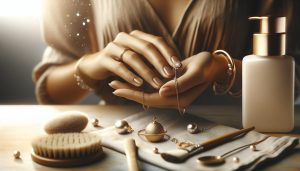
High jewellery represents the pinnacle of luxury craftsmanship, showcasing exceptional artistry, exquisite materials, and timeless elegance. Did you know that each piece often takes hundreds of hours to create, reflecting the skill and dedication of master artisans? As you explore the world of high jewellery, you’ll uncover not just stunning adornments but also stories of culture and heritage that resonate deeply with collectors and enthusiasts alike. Whether you’re looking to invest in a unique piece, elevate your personal style, or simply appreciate the finest in jewellery design, understanding high jewellery is essential. This journey will not only enrich your knowledge but also inspire you to cherish the significance of each piece, ensuring you approach your jewellery collection with confidence and appreciation.
What Is High Jewellery: Understanding Its Definition and Appeal
High jewellery represents the pinnacle of luxury craftsmanship, transcending mere ornamentation to embody artistry and elegance. This category signifies not only the use of precious materials but also the meticulous attention to detail and the skilled artistry that goes into each piece. Unlike mass-produced jewellery, high jewellery is often custom-made, making it a unique expression of individuality and sophistication. Imagine possessing a one-of-a-kind piece that tells a story, celebrates an occasion, or reflects personal style-this emotional connection is what sets high jewellery apart from conventional offerings.
The appeal of high jewellery lies in its combination of rarity, craftsmanship, and design innovation. Each creation often integrates exquisite precious gems and metals that contribute to its allure. The designers and artisans behind high jewellery dedicate countless hours to ensure every detail is perfect, from the selection of gems to the final polish. The artistry involved can be likened to that of haute couture in fashion; just as a designer meticulously tailors a dress to fit perfectly, high jewellery artisans craft pieces that reflect unparalleled standards of quality. This intrinsic value, combined with the story and heritage of the brand, amplifies the allure of high jewellery in the eyes of collectors and connoisseurs alike.
Moreover, high jewellery serves as a canvas for creative expression. Emerging trends often influence designs, with collections showcasing innovative uses of colour, form, and materials. Each season may bring fresh inspirations, allowing designers to experiment with techniques and motifs that push traditional boundaries. For those interested in cultivating a collection, recognizing these trends helps you choose pieces that not only resonate personally but also hold enduring value in the ever-evolving world of luxury.
In summary, high jewellery is not just about wearing luxury; it’s an experience that intertwines emotion, artistry, and personal expression. Whether you’re a seasoned collector or just beginning your journey, understanding the nuances of high jewellery can enhance your appreciation and inform your choices, making each piece not just a purchase, but a cherished investment.
The Craftsmanship Behind High Jewellery: Artistry and Skills
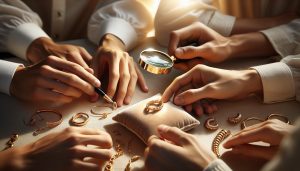
Creating high jewellery is akin to crafting a masterpiece, blending artistry with technical skill to transform precious materials into wearable works of art. The journey from concept to creation involves a series of meticulous steps, each requiring expertise and a keen eye for detail. Artisans, often trained through rigorous apprenticeships, employ traditional methods alongside innovative techniques to achieve the desired aesthetic and functionality. This dedication to craftsmanship is what elevates high jewellery beyond mere decoration; it becomes a symbol of art and passion.
Understanding the artistry behind high jewellery begins with the design process. Each piece starts as a vision, often captured in detailed sketches by talented designers who understand both the physics of materials and the nuances of human beauty. These designs are then transformed into three-dimensional forms, often using computer-aided design (CAD) software for precision. As the designs materialize, they are tested for wearability and form, ensuring that beauty does not compromise comfort.
Craftsmanship extends beyond design into the selection and handling of the materials. Artisans select only the finest gemstones, each stone meticulously chosen for its color, clarity, and cut. In the realm of metals, high jewellery typically utilizes gold, platinum, or even rare alternatives like palladium, all of which require specific handling techniques to ensure durability and brilliance. Mastering these materials involves a deep understanding of metallurgy, gemology, and finishing techniques, which are crucial for achieving the high standards expected in this field.
Ultimately, high jewellery represents a fusion of tradition and modernity. Artisans blend ancient techniques, such as hand-engraving or stone-setting, with contemporary innovations like 3D printing and laser cutting. This harmonious blend not only preserves the rich heritage of jewellery making but also encourages experimentation and evolution within the craft. For collectors and enthusiasts, recognizing the levels of craftsmanship can greatly enhance their appreciation for the art form and guide them in selecting pieces that resonate on personal and aesthetic levels. Whether it’s understanding the intricacies of a unique clasp or the meticulous setting of a rare gem, each aspect of high jewellery reflects a commitment to the endless pursuit of beauty and excellence.
Materials of Distinction: Precious Gems and Metals in High Jewellery
Crafting exquisite high jewellery begins with the careful selection of materials that not only elevate the piece but also reflect the artisan’s skill and vision. The significance of precious gems and metals in high jewellery cannot be overstated; each component contributes to the overall allure and value of the piece, making it a testament to luxury and craftsmanship.
Precious Gems: Nature’s Masterpieces
The cornerstone of high jewellery lies in the choice of gemstones. Artisans meticulously select stones based on their color, clarity, cut, and carat weight. These criteria ensure that each gem shines with its unique brilliance and beauty. Among the most coveted are:
- Diamond: Often referred to as the ‘king of gems,’ diamonds are prized for their unmatched hardness and clarity, making them a staple in high jewellery.
- Emerald: Known for their rich, vibrant green hues, emeralds also symbolize rebirth and love, adding romantic allure to any design.
- Ruby: With their deep red color, rubies represent passion and vitality. High-quality rubies are as valuable as diamonds, especially those that are untreated.
- Sapphire: Available in various colors, sapphires are revered for their durability and stunning depth, making them a versatile choice for elegant designs.
- Rare gemstones: Options like tanzanite, alexandrite, and Paraiba tourmaline offer distinct colors and characteristics, appealing to collectors seeking unique pieces.
Metals: The Foundation of Elegance
High jewellery typically incorporates precious metals, which form the base upon which gems are set. The most common metals used include:
- Gold: Available in yellow, white, and rose varieties, gold is cherished for its malleability and timeless appeal. The karat weight (e.g., 18K or 24K) denotes its purity.
- Platinum: Renowned for its rarity, strength, and hypoallergenic properties, platinum is often favored for its ability to securely hold gemstones while retaining a beautiful finish.
- Palladium: A lesser-known metal, palladium is prized for its lightweight nature and resistance to tarnish, making it an excellent alternative to platinum.
Choosing the right combination of gemstones and metals is essential not only for aesthetic appeal but also for durability and wearability. The interplay of brilliant stones against the backdrop of high-quality metals creates pieces that are not only striking but also stand the test of time. Whether you’re a budding collector or an established connoisseur, understanding the significance of these materials can enhance your appreciation of high jewellery, guiding your selections toward pieces that resonate with both personal style and enduring elegance.
Luxurious Design Elements: Style Trends in High Jewellery
The world of high jewellery is not merely defined by the opulence of its materials; it also thrives on the artistry of design that manifests trends. This blend of exquisite craftsmanship and innovative creativity produces pieces that are not just adornments but expressions of personal style and cultural commentary. Today’s high jewellery trends reflect a fascinating mix of tradition and modernity, catering to an audience that values both heritage and forward-thinking aesthetics.
One prominent trend is the emphasis on geometric designs and unexpected shapes. This contemporary approach offers a fresh take on classic pieces, often incorporating bold lines and unique angles that play with light and dimension. Designers are increasingly experimenting with asymmetry, creating earrings and necklaces that are deliberately mismatched, yet harmoniously balanced. Such pieces add a playful yet sophisticated touch to any ensemble, making them ideal for both everyday wear and special occasions.
Another captivating trend in high jewellery features nature-inspired motifs. Flora and fauna serve as a rich source of inspiration, with artisans intricately crafting designs that mimic organic forms such as leaves, flowers, and animals. This biophilic design aesthetic resonates with collectors who appreciate the beauty of nature and its ephemeral qualities. Gemstones are often selected to reflect natural colors, further enhancing the organic theme-think vivid greens of emeralds or the soft pinks of rose quartz, artfully set against textured metals to resemble natural landscapes.
Sustainability has also permeated the high jewellery landscape, with more brands adopting ethical practices in sourcing materials. Consumers are increasingly drawn to pieces created from recycled metals or ethically sourced gemstones, allowing them to indulge their taste for luxury while being mindful of their environmental impact. This trend not only elevates the value of the pieces but also connects the owner to a broader cause, fostering a deeper appreciation for the ornament beyond its aesthetics.
Collectively, these design elements speak to a desire for individuality and emotional connection in jewellery. As trends shift and evolve, they provide a narrative for wearers, enabling them to express who they are and what they cherish. Whether choosing pieces that incorporate geometric flair, celebrate the beauty of nature, or reflect sustainable values, the luxurious design elements of high jewellery present a world where craftsmanship and style intertwine, inviting collectors to explore their unique journeys through these exquisite creations.
The History of High Jewellery: Evolution Through Time
The allure of high jewellery dates back centuries, intertwining with the histories of wealth, power, and artistry. The roots of this exquisite craft can be traced to ancient civilizations, where ornaments were not merely decorative but also symbols of status and spirituality. In Ancient Egypt, for instance, intricate gold and gemstone pieces adorned pharaohs and deities, showcasing both mastery of materials and cultural significance. The use of lapis lazuli, emeralds, and gold leaf reflected not only opulence but also the technological prowess of the time.
As the centuries progressed, high jewellery evolved alongside social and political shifts. The Renaissance marked a significant turning point, where the revival of classical arts and the patronage of wealthy families, such as the Medici, catalyzed craftsmanship in jewellery making. This era introduced innovative techniques such as enamelling and pave settings, allowing artisans to create more intricate and artistic designs. High jewellery transformed from mere ornamentation into wearable art, celebrated at royal courts and by aristocrats across Europe.
During the 19th century, the rise of the Industrial Revolution democratized access to materials, leading to new styles and designs. The proliferation of gemstones via colonial trade enriched the high jewellery scene, providing artisans with a diverse palette of precious stones. Notable are the bold designs emerging from the Art Nouveau movement, which celebrated natural forms and organic motifs. Iconic designers like René Lalique and Fabergé pushed boundaries, merging artistic expression with the technicality of jewellery making, resulting in pieces that resonated with both elegance and sentiment.
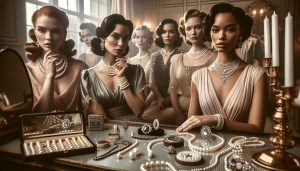
Entering the 20th century, high jewellery began reflecting societal changes and modernity. The Roaring Twenties saw a celebration of excess and glamour, spurring the creation of extravagant pieces adorned with diamonds, sapphires, and other gemstones. This period experienced significant influences from fashion icons and the film industry, where celebrities like Coco Chanel and later, the Hollywood starlets, cemented high jewellery’s role in enhancing personal style and public persona. Today, high jewellery continues to evolve, balancing traditional craftsmanship with contemporary innovation, as brands embrace sustainability and ethical sourcing, ensuring that each piece tells its unique story through time.
The Role of High Jewellery in Fashion: Trends and Influencers
The dazzling world of high jewellery remains a powerful force in the fashion industry, captivating not only collectors but also designers and influencers alike. Renowned for its artistry and luxury, high jewellery has evolved into an essential component of haute couture and street style, often making headlines during the world’s biggest fashion gatherings, such as Paris Fashion Week and the Met Gala. These events become a showcase of extravagant pieces that symbolize wealth, individuality, and fashion authority, where celebrities frequently collaborate with renowned jewellers to curate bespoke collections that represent both personal identity and current trends.
Influencers have played a significant role in the reimagining of how high jewellery is viewed today. Platforms like Instagram and TikTok allow for the immediacy of sharing stunning visuals, placing high jewellery at the fingertips of a global audience. Influencers and fashion icons, from established names to rising stars, leverage these platforms to disseminate their personal style statements, often incorporating high jewellery into their outfits to elevate looks from ordinary to extraordinary. This democratization of luxury means that even younger audiences are beginning to appreciate and aspire to high jewellery, leading prominent brands to explore creative ways to connect with millennial and Gen Z consumers through engaging content and collaborations.
Current Trends in High Jewellery
Several trends emerge as high jewellery adapts to contemporary tastes and shifting consumer preferences. One noteworthy trend is the move towards personalized pieces, where bespoke designs incorporate meaningful elements, such as initials or significant gemstones representing life milestones. Additionally, we are witnessing a resurgence of vintage-inspired designs. Many modern collections pay homage to classic jewellery techniques and styles, combining them with innovative materials and artistic flair to create original pieces that evoke nostalgia while resonating with today’s aesthetic sensibilities.
Another trend is the emphasis on sustainability. As consumers become more environmentally conscious, high jewellery brands are increasingly focused on ethical sourcing of materials, using recycled metals, and supporting responsible gemstone mining practices. This shift reflects a broader movement in fashion towards valuing transparency and sustainability, reinforcing high jewellery’s position not just as a luxury but also as a responsible choice for discerning consumers who value craftsmanship and ethics.
In summary, high jewellery’s role in fashion transcends mere adornment; it has evolved into a significant influencer of personal style and identity, driven by social media, celebrity endorsements, and shifting consumer preferences towards sustainability and individuality. As this glamorous landscape continues to evolve, embracing both tradition and innovation, high jewellery will undoubtedly remain a pivotal player in the realm of fashion, captivating enthusiasts for generations to come.
Caring for High Jewellery: Maintenance and Storage Tips
Owning high jewellery is not just about having exquisite pieces; it’s also about giving them the care they deserve to maintain their beauty and value over time. Just as high jewellery represents a celebration of luxury and artistry, proper maintenance and storage are essential to preserving the craftsmanship that goes into each piece. Regular care not only enhances the aesthetic appeal but also ensures your investment stands the test of time.
Cleaning Your High Jewellery
To keep your high jewellery looking its best, routine cleaning is crucial. Here are some best practices:
- Gentle Cleaning Solution: Use a mild soap solution with warm water to clean your pieces. Avoid harsh chemicals that can damage the metals or gemstones.
- Soft Cloth: Always opt for a soft, lint-free cloth for drying and polishing. This helps prevent scratches and restores shine without harm.
- Professional Cleaning: Schedule regular professional cleanings, ideally once a year, to ensure intricate pieces maintain their brilliance and setting integrity.
Storing High Jewellery
The storage of high jewellery is just as important as its care. Proper storage can prevent damage from scratches, tangles, and tarnishing:
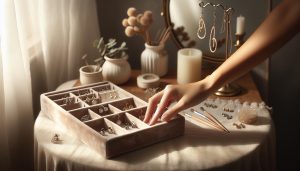
- Separate Storage: Store each piece individually to avoid scratching. Use soft pouches or dedicated compartments within jewellery boxes.
- Climate Control: Keep jewellery in a cool, dry place away from direct sunlight and humidity, which can damage both metals and stones.
- Silica Gel Packs: Consider using silica gel packs in your jewellery box to absorb excess moisture and further protect your collection from tarnishing.
Maintaining the beauty of high jewellery is an art in itself. Integrating these caring practices into your routine will not only enhance your enjoyment of these exquisite pieces but also ensure they retain their value and appeal for future generations to appreciate. High jewellery requires a thoughtful approach to care and maintenance, but the rewards are immeasurable when you see how they continue to dazzle over time.
Investing in High Jewellery: A Guide for Collectors
Investing in high jewellery is not merely about acquiring beautiful pieces; it is an art form that combines passion, strategy, and an appreciation for exquisite craftsmanship. The rarity and artistry behind each piece can make high jewellery an attractive investment opportunity. With the right knowledge and approach, collectors can navigate the world of high jewellery to enhance their collections while reaping potential financial rewards.
The first step in investing wisely in high jewellery is to understand the brand and its reputation. Renowned jewellers like Cartier, Van Cleef & Arpels, and Harry Winston have a long history of producing high-quality pieces that tend to appreciate in value over time. Researching brands and their signature styles can provide insights into potential future value. When possible, seek pieces that are part of limited editions or collaborations, as these tend to hold or increase their value due to their exclusivity.
When selecting pieces, consider the quality of the materials used. High jewellery often features rare, precious stones and high-grade metals, which significantly influence their value. Look for certifications from reputable gemological laboratories to ensure the gemstones are genuine and of high quality. Investing in timeless designs rather than fleeting trends is also a practical approach, as classic styles tend to have lasting appeal and resale value.
Diversifying Your Collection
Diversification can mitigate risks associated with heavy investments in high jewellery. Collectors might want to explore a variety of styles and eras, enabling them to tap into different market tastes. For instance, incorporating vintage or antique pieces can not only add character to your collection but also provide opportunities for appreciation in a niche market.
It’s vital to stay informed about trends and market developments in the jewellery industry. Joining collector societies, attending auctions, and engaging with knowledgeable dealers can enhance your understanding of the market and help you make informed decisions. Additionally, confirming the provenance of the piece can add to its authenticity and potential resale value.
In essence, investing in high jewellery is a journey that blends personal passion with investment acumen. By choosing wisely, conducting thorough research, and remaining engaged with the jewellery community, collectors can build a stunning collection that serves as both a luxurious expression of style and a savvy financial investment. With these insights, you will be well-equipped to navigate the elegant yet complex landscape of high jewellery.
How to Authenticate High Jewellery: Ensuring Quality and Value
To navigate the lavish world of high jewellery successfully, ensuring each piece’s authenticity is paramount. This verification not only secures your investment but also enriches your appreciation of the artistry involved. Authentic high jewellery is usually characterized by exquisite craftsmanship, unique designs, and the use of high-quality materials, which require careful observation and knowledge to discern.
One effective way to authenticate high jewellery is to scrutinize the brand. Well-established names such as Cartier, Van Cleef & Arpels, and Bvlgari have specific hallmarks and logos that signify authenticity. Research the hallmark system and become familiar with the unique markers of recognized houses. You can usually find these engravings discreetly placed on the metal, often inside rings or at the clasps of necklaces. If unsure, consult reputable sources or guides that detail these hallmarks.
Moreover, examining the materials can provide insights into authenticity. High jewellery typically features precious metals like platinum or 18-karat gold and genuine gemstones that are either untreated or minimally enhanced. Look for appropriate certifications that accompany gemstones, especially those that come from prestigious gemological laboratories such as GIA (Gemological Institute of America) or AGS (American Gem Society). These documents typically detail their quality, origin, and whether they have undergone treatment, which can affect value.
Understanding the piece’s provenance-its history of ownership-enhances authenticity as well. Documentation such as original receipts, certificates, or appraisals that trace its passage through time can bolster your confidence in its legitimacy. If purchasing from a dealer, ask about their return policy and whether they provide a guarantee for authenticity; reputable sellers stand by their merchandise and should offer some form of assurance.
Combining these strategies will help ensure that the high jewellery you acquire is not just beautiful but also a wise addition to your collection. By focusing on brands, materials, and provenance, you empower yourself as a collector, enabling you to appreciate the true value and artistry behind each exquisite piece.
High Jewellery vs. Fine Jewellery: Key Differences Explained
The world of exquisite jewellery can be complex, with terms like high jewellery and fine jewellery often causing confusion among enthusiasts and collectors alike. Understanding the distinctions between these two categories is crucial for anyone looking to appreciate or invest in exceptional pieces. High jewellery is synonymous with exclusivity and unparalleled craftsmanship, often characterized by unique, one-of-a-kind designs that showcase the artistry of renowned jewellers. In contrast, fine jewellery is defined by its use of high-quality materials, but it is generally produced in larger quantities and may not necessarily carry the same level of artistic flair or exclusivity as high jewellery.
Defining Characteristics
To fully grasp the differences, it’s important to consider the characteristics that define each category. High jewellery tends to utilize the rarest gems, such as natural diamonds, untreated sapphires, and exquisite pearls, often set in precious metals like platinum or 18-karat gold. Each piece is meticulously handcrafted, with a significant focus on artistic design and detailing that sets it apart. These creations frequently represent the pinnacle of luxury, often showcased in prestigious runway events or owned by celebrities.
Fine jewellery, on the other hand, while still made from quality materials and gems, is designed for broader appeal and accessibility. It often features more conventional designs and can include commercial gem treatments and more standardized production methods. This category aims to cater to a wider audience, making beautiful pieces available to many who may not seek the utmost in exclusivity.
Price and Investment Potential
When it comes to pricing, high jewellery commands a premium that reflects its rarity, craftsmanship, and the prestige of the brand. Collectors often see high jewellery as an investment due to its limited availability and potential for increased value over time. In contrast, fine jewellery is generally more affordable, making it an excellent entry point for both new collectors and those who appreciate beautiful pieces without the hefty price tags of high jewellery.
High jewellery and fine jewellery serve different markets and purposes, each offering unique benefits to collectors and wearers. Understanding these distinctions can greatly enhance your journey in the world of fine adornments, allowing you to make informed choices that align with your personal style and investment goals. Whether you’re drawn to the allure of bespoke designs or the elegance of fine crafted pieces, knowing the differences equips you for a more enriching experience in jewellery appreciation.
Showcasing High Jewellery: Styling Tips for Every Occasion
When it comes to showcasing high jewellery, the right styling can transform any outfit from ordinary to extraordinary, ensuring that each unique piece shines in its best light. Understanding how to pair these exquisite adornments with your wardrobe is crucial for making a statement that reflects both your personality and the artistry of the jewellery itself. Whether you’re preparing for a glamorous evening event or a casual gathering, consider the following tips to elevate your look with high jewellery.
Dress to Impress
The nature of high jewellery often means it is best suited for occasions that allow for some flair. Consider wearing statement pieces, such as bold necklaces or chandelier earrings, with solid-coloured dresses or tailored suits that don’t compete for attention. Solid colors create a perfect canvas, allowing your jewellery to be the focal point. For example, a striking diamond necklace pairs beautifully with a classic black dress, drawing the eye and creating an elegant silhouette.
Layering Techniques
Another stylish approach is to layer delicate high jewellery pieces in a thoughtful way. For instance, stack multiple rings or combine several thin bracelets together to create a more personalized look. When layering, ensure that the pieces are of varying lengths or designs to avoid a cluttered appearance. Mixing metals or incorporating both diamonds and colored gemstones can add depth and interest, resulting in a chic, modern effect.
Complementing with Accessories
While the aim is to let your high jewellery shine, it’s essential to complement it with the right accessories. Choose handbags, shoes, and even makeup that resonate with the colours and styles of your jewellery. For instance, if you’re showcasing emerald studs, consider wearing a green clutch or applying a touch of green in your makeup. This attention to detail helps in creating a cohesive look that reflects a high level of sophistication.
Wearing High Jewellery Daily
Don’t reserve your high jewellery only for special occasions; incorporating it into your daily wear can also enhance your style. For instance, a delicate diamond pendant or understated earrings can add elegance to a simple outfit without overpowering it. Understandably, some may feel hesitant about everyday styling, but the charm of high jewellery lies in its versatility. Start with smaller, more subdued pieces to ease into a daily high-jewellery routine, then gradually introduce more intricate designs as you gain confidence.
Remember, the essence of high jewellery is its unique craftsmanship and luxury. By thoughtfully considering how you showcase these pieces, you will not only highlight their beauty but also express your personal style and taste with confidence.
The Future of High Jewellery: Innovations and Sustainability Trends
The high jewellery industry is undergoing a remarkable transformation as consumers increasingly seek pieces that marry timeless luxury with modern values, particularly sustainability and innovation. As awareness of environmental and ethical issues rises, brands are responding with creative solutions that redefine the meaning of opulence. For example, the use of lab-grown diamonds has surged in popularity, providing a more sustainable option without sacrificing beauty or brilliance. These diamonds are chemically identical to their mined counterparts but are produced with a significantly lower environmental footprint, appealing to eco-conscious consumers who desire elegance without compromise.
Furthermore, many jewellery houses are re-evaluating their sourcing practices for precious metals and gemstones. Transparency becomes paramount, with brands disclosing their supply chains to assure customers that materials are responsibly sourced. This shift isn’t merely about compliance; it’s a brand evolution towards transparency that resonates deeply with a customer base that values ethical consumerism. Companies like Chopard and Cartier are pioneers in this space, actively investing in sustainable mining initiatives and recycling precious materials, turning environmental responsibility into a cornerstone of their business models.
Innovations in design are also taking center stage as artisans explore new techniques and technologies that fuse traditional craftsmanship with contemporary aesthetics. These advances make use of cutting-edge tools such as 3D printing, enabling complex designs that were once unfeasible. Such technologies not only enhance creativity but also minimize waste, forging a new path for modern jewellery-making that aligns with sustainability.
To adapt to these emerging trends, collectors and enthusiasts should consider the following tips:
- Research Brands: Before making a purchase, investigate a brand’s commitment to sustainability. Look for certifications or statements regarding ethical sourcing and environmental impact.
- Embrace Unique Materials: Explore pieces that incorporate unconventional, recycled, or lab-created materials, adding an eco-friendly narrative to your collection.
- Prioritize Longevity: Invest in timeless pieces designed to endure both in style and quality. This mindset not only reduces waste but also enhances the value of your collection over time.
The future of high jewellery is not just about luxurious adornments; it is an evolution towards responsible indulgence where the allure of high-quality craftsmanship meets the call for sustainability and innovation. As consumers, embracing these ideas allows you to curate a collection that reflects not only a taste for beauty but also a commitment to a sustainable future in the jewellery industry.
Faq
Q: What makes high jewellery unique compared to regular jewellery?
A: High jewellery stands out for its exceptional craftsmanship, exclusive materials, and intricate designs. Unlike regular jewellery, high jewellery typically features rare gemstones and often involves a bespoke process, making each piece entirely unique. For an in-depth understanding, explore our section on craftsmanship.
Q: How can I differentiate between high jewellery and costume jewellery?
A: High jewellery is typically made from precious metals and large-quality gemstones, whereas costume jewellery uses base metals and synthetic materials. Costing significantly less, costume jewellery duplicates styles but lacks the artisanal skill and value found in high jewellery. Learn more about distinctions in our detailed section.
Q: Why should I invest in high jewellery?
A: Investing in high jewellery can yield significant returns due to its value retention and appreciation over time. Unique pieces crafted by renowned artisans also hold cultural and aesthetic significance, making them collectible. For advice on investing, check our specific guide for collectors.
Q: What are some popular trends in high jewellery today?
A: Current trends in high jewellery include bold color combinations, statement pieces, and sustainable practices in sourcing materials. Designers often blend traditional techniques with modern aesthetics, resulting in innovative designs. Discover more about style trends in our dedicated section.
Q: How do I properly care for high jewellery?
A: To care for high jewellery, store pieces separately in a soft pouch to prevent scratches, clean them with a gentle cloth after wear, and avoid exposure to harsh chemicals. For detailed maintenance tips, refer to our section on caring for high jewellery.
Q: What is the role of design in high jewellery?
A: Design is central to high jewellery, combining artistic vision with skilled craftsmanship. The design not only enhances aesthetic appeal but also informs the choice of materials and techniques used. Find out more about design elements in our luxurious design section.
Q: When did high jewellery start gaining recognition?
A: High jewellery began gaining recognition in the 19th century, especially with the rise of couture houses that incorporated jewellery into fashion. This fusion elevated the status of jewellery as an art form. For a deeper historical perspective, review our history section.
Q: Where can I find authentic high jewellery pieces?
A: Authentic high jewellery can be found at luxury boutiques, authorized dealers, and auctions for well-established brands. It’s essential to verify certificates of authenticity when purchasing. For tips on ensuring quality, see our authentication guide.
The Conclusion
As we’ve explored the elegance and artistry of high jewellery, it’s clear that each piece tells a story of unparalleled craftsmanship and luxury. Whether you’re a seasoned collector or new to this exquisite world, understanding the elements that define high jewellery can elevate your appreciation and investment. Don’t miss out on discovering our detailed guides on jewellery care and storage tips to ensure your collections shine for years to come.
Ready to dive deeper? Visit our articles on DIY tutorials and authenticating precious items to enhance your jewellery journey. Remember, the world of high jewellery awaits you, inviting you to explore and cherish its timeless beauty. Join our newsletter for exclusive insights and special offers, and feel free to share your thoughts or questions in the comments below! Your next adventure in luxurious craftsmanship starts now-let’s shine together!